


Europe › Italy › Mont Blanc

Mont Blanc

Scroll
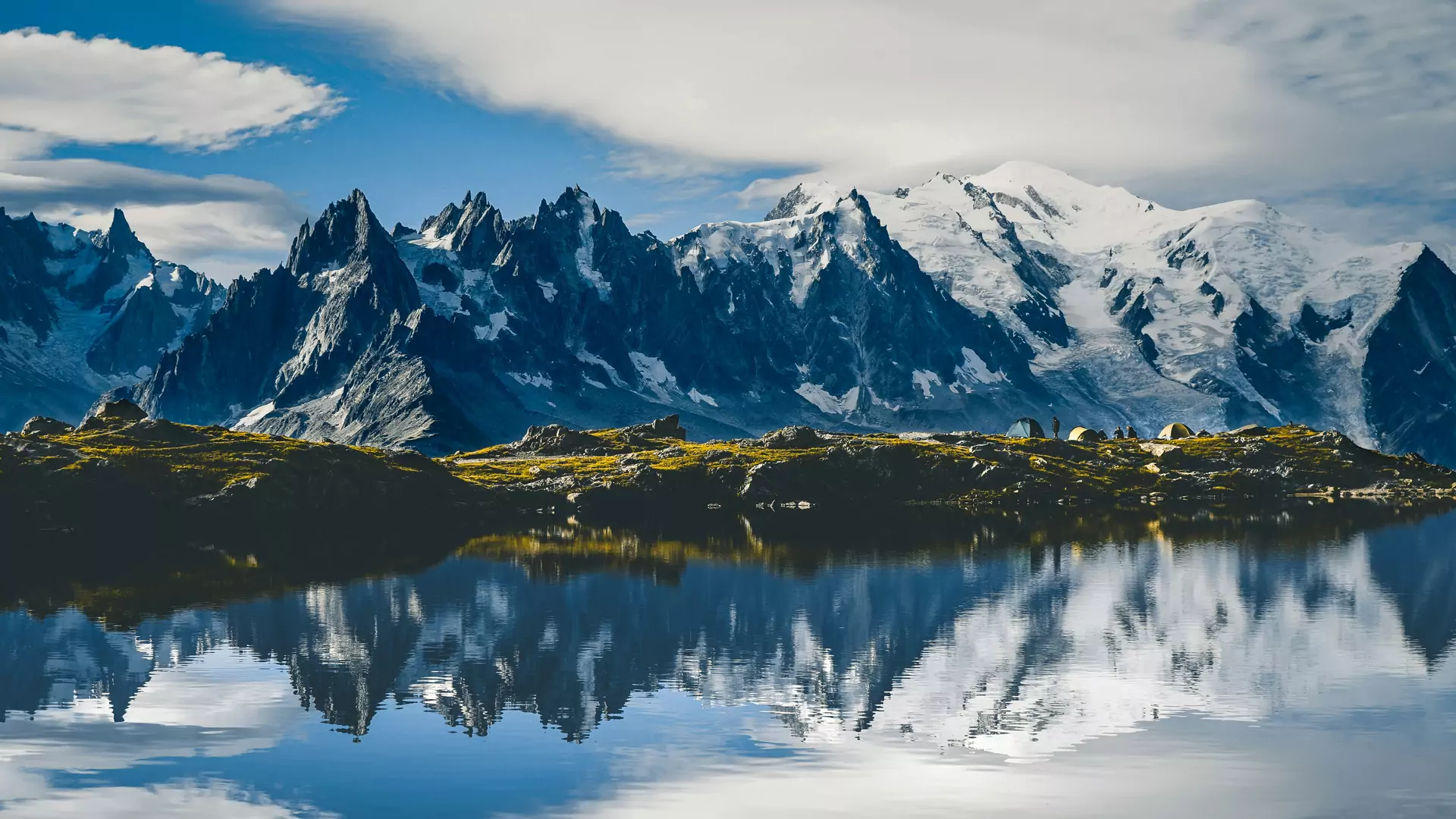
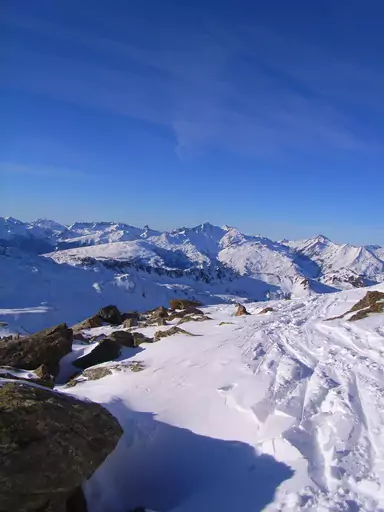
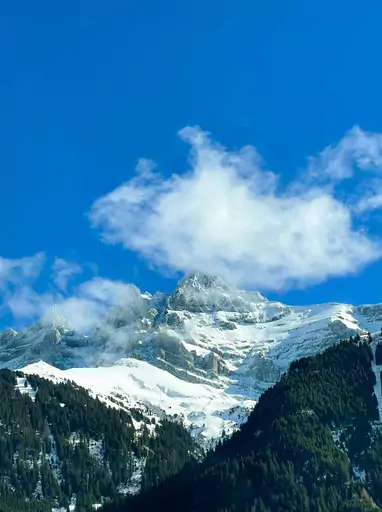
Majestic peaks echo timeless alpine serenity

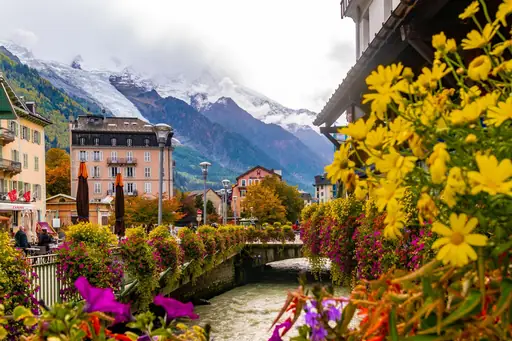
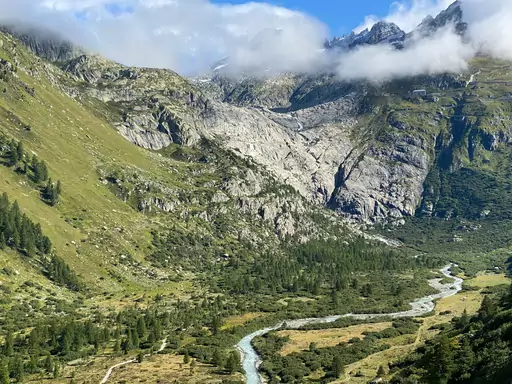
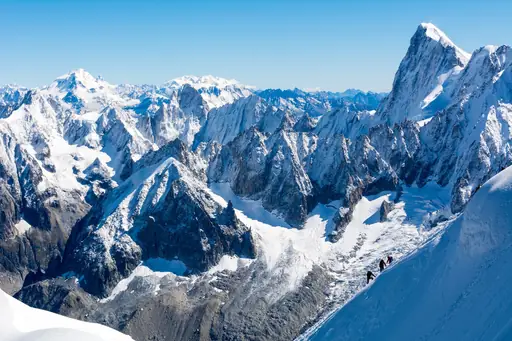
The Mont Blanc region spans France, Italy and Switzerland, home to Western Europe’s highest peak. The landscape features rugged trails, glacial lakes and alpine meadows dotted with wildflowers in summer. Towns like Chamonix and Courmayeur serve as bases for climbers and skiers seeking varied weather conditions year-round. Wildlife includes chamois and marmots near high-altitude zones while forests below host deer and birds. The area balances outdoor adventure with quiet villages where local culture thrives alongside natural beauty without excessive development or commercialization.

Mountain
Climate zone: Boreal

Boreal: Cool-summer subarctic climates with brief mild seasons, long cold winters and coniferous forests adapted to low temperatures.

See climate table
Price level: $$$
$Cheap
$$Medium
$$$Expensive, upscale
$$$+Very expensive, luxury
See price details
Safety: 8.5
General Safety:9
Health & medical:8
Accessibility:5
Tap water:10
Read details
Tourist English: 3/5
English is widely understood by hotel staff, guides and many restaurants around Mont Blanc, especially in Chamonix and Courmayeur. Most locals speak basic English, making communication easy for visitors.
Last update: 12 Oct 2026
* We earn a commission from some links on this page.
Mont Blanc Summary

These place ratings give you a quick overview of how well a destination matches different types of trips.

‘Best for’ scores:
The specific interest scores show where this place really shines – whether it's ideal for hiking, food & drink experiences, museums or other activities. These highlights help you understand what makes the destination special at a glance.

‘Your personal’ scores:
This reflects how well a place matches your personal preferences. You can adjust the importances of travel topics or other personal requirements categories in your account settings.

‘Suited for’ badges:
These give you a quick overview of how well a destination suits specific types of travellers, to help you find the places that match your lifestyle, preferences or travel situation.

Read how our scores work
Great at carving world‑class slopes and offering breathtaking alpine vistas. Ideal for adventurous hikers craving rugged trails, cozy mountain villages and authentic French‑Swiss culinary delights.
Place score
9.2
Best at:
Mountains
10
Snow
10
Natural sites
10
Glaciers
10
Trekking
10
Personal score
?
Log in to see how this place matches your personal travel interests.
Suited for
👶 5
Families
🧓 4
Seniors
❤️ 9
Couples
👩 6
Solo
Best times to travel

The best times to travel section shows how the months compare for a visit, so you can find the time of year that fits what you want to do.

Background colours of the months:
The colour shows the typical temperature: yellow (hot), green (mild) and blue (cold). How strong the colour is shows the travel season: full colour means high season, soft colour means shoulder season and soft-striped means off season.

Weather symbols:
Each month has one symbol showing what the weather is typically like, such as hot and sunny, freezing or a rainy or snowy season. Use them to quickly spot months that match the weather you want, or to avoid the ones that don't.

Crowdedness:
The people icon shows how busy the place usually is. The more people, the more crowded it gets.

Additional notes:
The grey info boxes point out special things worth knowing, like recurring weather issues or seasonal events.

for Mont Blanc
🌨️
Jan
🌨️
Feb
🌨️
Mar
❄️
Apr
🌧️
May
🌦️
Jun
🌤️
Jul
🌤️
Aug
🌤️
Sep
🌤️
Oct
❄️
Nov
🌨️
Dec
High season: Jan. - March, July - Sep., Dec.
Shoulder season: June
Crowdedness: 8 (Very crowded)
Tap on a month for more info Hover over a month for more info
Ski season usually early December to mid April, most reliable snow January to March
Mountain huts and high trails open mid June to mid September, snow-free hiking mainly July to September
Skyway Monte Bianco cable car and many Courmayeur hotels and restaurants close in spring and late autumn

Why travel to Mont Blanc?

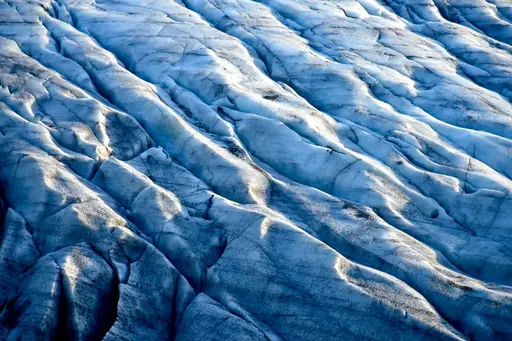
Mont Blanc, the highest peak of the Alps, offers a compelling destination for travelers who appreciate natural beauty and outdoor adventure without the excess of mass tourism. The mountain’s granite faces rise above the surrounding valleys, creating dramatic vistas that change with the seasons – from verdant alpine meadows in spring to snow‑capped ridges in winter. Visitors can explore well‑maintained trails that cater to a range of fitness levels: gentle walks around the glacier lakes, more demanding ascents via the classic Tour du Mont Blanc circuit or guided climbs for those seeking technical challenges. The region surrounding Mont Blanc is rich in cultural heritage. Small villages such as Chamonix and Courmayeur blend traditional architecture with modern amenities, offering authentic cuisine that highlights local cheeses, cured meats and hearty soups. The towns provide a comfortable base for day trips to the mountain, with public transport links that reduce the need for private vehicles. For those interested in geology, the area hosts several educational centers where visitors can learn about glacial processes and alpine ecosystems. Wildlife sightings – such as marmots, chamois and golden eagles – add an element of natural wonder without the spectacle of large crowds. Overall, Mont Blanc delivers a balanced experience: scenic grandeur, accessible routes, cultural depth and opportunities for learning, making it an attractive destination for travelers who value both adventure and authenticity.

🏯Places worth seeing
  • 1 Aiguille du Midi
  • 2 Rue de la Grande Ourse
  • 3 Lac Blanc
  • 4 Les Houches
  • 5 Mer de Glace
  • 6 La Vallée Blanche
🏞️Natural landmarks
  • 1 Mer de Glace
  • 2 Mont-Blanc
  • 3 La Vallée Blanche

Knowledge before you go

  • Pack layered clothing; temperatures vary widely across elevations.
  • Reserve a mountain hut in advance, especially during peak ski season, to secure accommodation and local meals.
  • Check the Mont Blanc massif weather forecast daily; sudden storms can close trails and lift operations.
  • Learn basic French or Italian phrases for communication with guides and locals, enhancing safety and cultural experience.

How to travel to Mont Blanc

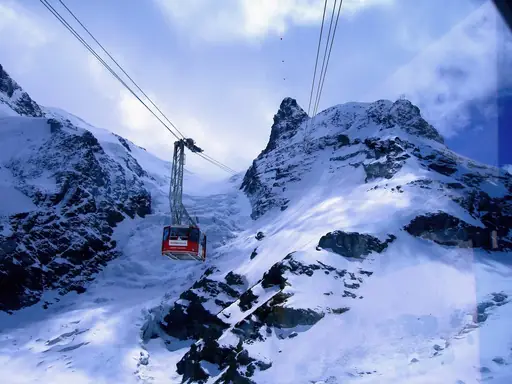
Access to Mont Blanc, the highest peak in the Alps, involves several routes depending on the season and preferred approach. The most common entry point is from Chamonix, France, via the Aiguille du Midi cable car, which connects to the Mont Blanc Tunnel leading into Italy’s Val Ferret. Hikers can start from towns like Courmayeur (Italy) or Saint-Gervais-les-Bains (France), using marked trails such as the Tour du Mont Blanc. Winter access often requires ski mountaineering skills due to snow-covered paths and avalanche risks. Public transport options include regional trains to Chamonix or Martigny, followed by buses or cable cars for higher elevations. Always check local conditions before attempting ascents.

Access summary

  • From Geneva (GVA): Drive or coach to Chamonix, 1h30.
  • From Milan (MXP): Train to Aosta, then bus to Chamonix, 3h.
  • From Turin (TRN): Bus to Courmayeur, 2h.

Where to stay in Mont Blanc

In the Mont Blanc region, lodging ranges from rustic chalets to luxury ski resorts, catering to all budgets and preferences. Traditional alpine inns offer cozy rooms with wood‑fire hearths, often featuring local cuisine and panoramic mountain views. Mid‑range hotels provide comfortable suites, indoor pools and easy access to slopes or hiking trails. For those seeking exclusivity, high‑end lodges boast private spas, gourmet restaurants and personalized concierge services. Many accommodations are situated within walking distance of ski lifts or cable cars, ensuring effortless transit to the peaks. Seasonal rentals also abound, with chalet‑style apartments offering self‑catering facilities for families or groups desiring a home‑like atmosphere amid the snowy landscape.

Hotel recommendations

*by rating and popularity. Commissions have no influence on the rankings.
We couldn't find any nearby hotels for now.

How to get around Mont Blanc

To explore Mont Blanc, the highest peak in Western Europe, visitors can choose from several transportation options depending on their starting point and budget. The most common route begins in Chamonix, France, accessible by train or bus from major cities like Paris via TGV and regional lines. Once in Chamonix, a network of buses connects to trailheads and mountain stations. For those seeking scenic views, the Mont Blanc Express cable car offers direct access partway up the mountain. Hikers can also start treks directly from nearby villages such as Le Tour, though many prefer using public transport for safety and convenience. Renting a car provides flexibility but requires navigating winding alpine roads carefully. Always check local weather and trail conditions before departing.
Budget snapshot
Costs compared to home

We calculate the average costs when travelling to destinations and compare those with the living costs at your home. With this you can get an estimate of how expensive or cheap the destination is for you.

To customise this, you can set up which location and price level are used for the calculations in your account settings.

-5 %
Daily expenses in the region are around 5% lower than the average across United States. That means you'll spend around the same on meals and getting around.
Exchange rate trend

The exchange rate price factor shows how expensive or cheap a currency currently is compared to its historical average. It's a quick way to see if a country is currently more or less affordable due to exchange rate changes.

---
We currently don't have exchange rates for this place

Travel costs

To help you plan your trip, we provide estimated daily costs per person (when travelling as a pair) for different travel styles. These numbers give you an idea of what you might spend each day at this destination, including accommodation, food, transport and activities.

Additionally, we also provide average hotel costs for different travel styles to give you an estimate for the accommodation only.

Please note that these are only estimates. The real costs depend on booking times, season and other factors.

Daily cost summary

Travel style categories explained:

Backpacker:
Staying in hostels or budget hotels, cooking your own meals or eating cheap and choosing low-cost activities.

Mid-range:
Staying in mid-range hotels, eating at a mix of restaurants and casual spots and enjoying a variety of activities.

Luxury:
Staying in luxury hotels, dining out at high-end restaurants and enjoying premium experiences without worrying about the price.

Backpacker Mid-range Luxury
💵 Total costs per day, including accommodation
£61
£143
£414
🏨 Accommodation per night, per person
£23
£68
£188
🍝 Food per day
£31
£66
£195
🚕 Transportation per day
£7
£9
£31
Notable additional fees: Courmayeur day pass about €62 (£51.90). Ski, boot and pole hire runs roughly €25 – 35 (£20.93 – 29.30) a day. The Skyway cable car up Mont Blanc is a separate ticket.
Food & Drink
🍽️ Restaurant Dinner, per person
£22
🍛 Lunch Set, per person
£13
🍟 Fast food combo
£11
🍝 Preparing your own food, per day
£10
☕ Cappuccino
£2.70
🍺 Beer in a restaurant, 0.5 l
£5.50
Transportation
🚌 Public transport ticket
£1.60
🚕 Taxi Ride, 10 km / 6 mi
£19
⛽ Petrol, 1 l
£1.60
Other
🎞️ Cinema ticket
£12.50
👩‍⚕️ Doctor's consult
£23
🤧 Cold medication
£5
💇 Basic haircut
£15

Safety information overview

General safety
9
Mont Blanc’s alpine environment offers generally low crime rates, with well‑patrolled ski resorts and emergency services readily available. Visitors should heed weather alerts, carry proper gear and stay on marked trails to avoid avalanches or altitude sickness, ensuring a safe mountain experience.
Health & Medical
8
Mont‑Blanc offers excellent medical care, with well‑equipped alpine hospitals and experienced specialists in high‑altitude medicine. The clean mountain air reduces pollution risks, but travelers should watch for altitude sickness, hypothermia and ensure proper travel insurance for emergencies.
Accessi­bility
5
Mont‑Blanc offers limited accessibility: some cable cars and paved paths are wheelchair‑friendly, but many trails remain steep and uneven. Visitors should plan ahead for lift access, use adaptive gear and check seasonal closures to ensure safe navigation.
Tap water
10
Tap water around Mont Blanc is excellent – filtered through alpine glaciers, it’s crystal‑clear and naturally mineralised. Public fountains are plentiful at ski resorts and villages, ensuring hikers and skiers stay hydrated without needing bottled water.

Looking for inspiration?

Discover
Best travel destinations for food allergies
Travelling with a food allergy adds a layer of planning most people never have to think about and the right destination can make that planning a lot easier. Some travellers…
Read more
Discover
Best couple holiday destinations
Travelling as a couple sounds simple enough, yet the best couple holiday destinations mean something different to almost every pair. What feels romantic to one couple can feel like…
Read more
Discover
Top glacier destinations and polar landscapes
Glacier travel offers access to landscapes of extraordinary scale and geological significance, with the world's most significant ice fields, tidewater glaciers and high-altitude…
Read more
Discover
Best destinations for first-time travellers
A first trip abroad works best somewhere that eases you in, rather than throwing every possible culture shock and logistical headache at you at once. Some first-time travellers…
Read more
Discover
Extraordinary natural wonders and scenic landscapes
Natural wonders occupy a different category from other travel destinations. They are places where the scale, the geology, the light or the sheer improbability of what exists there…
Read more
Discover
Top mountain destinations and famous peaks
Mountain travel spans an enormous range of experience, from high-altitude expeditions and multi-day trekking circuits to accessible alpine day walks and scenic drives through…
Read more
Discover
Best travel destinations for seniors
Senior travel covers a wide range, from slow, low effort trips built around comfort to more independent trips for travellers who still want to cover plenty of ground. Some…
Read more
Discover
Most beautiful beaches and coastal escapes
For a lot of people, a beach is the whole point of a holiday, but what makes a beach day perfect really depends on personal taste. Some travellers want isolation and the feeling…
Read more
Discover
Stunning national parks and wilderness areas
National parks exist because someone decided that certain landscapes were too important to lose. The best of them protect ecosystems, wildlife and natural processes that would…
Read more
Discover
Intimate escapes and romantic getaways
The most memorable trips for couples tend to have less to do with luxury and more to do with the quality of shared experience. A place that slows you down, removes the usual…
Read more
Was this page helpful?
Feedback