
Best climbing destinations in Europe
Best climbing destinations in Europe
Historic alpine walls and established sport climbing sectors in Europe
Europe has been shaping the sport of climbing for over a century, and it still offers some of the richest variety anywhere, from sunny limestone crags to serious alpine terrain.
The options can suit almost any mood. Climbers who love long, easy days often head to the sport climbing regions around the Mediterranean, where a morning on the rock can end with lunch on a terrace nearby. Those chasing something bigger turn to the Alps, where multi-day routes and real altitude come into play. Beginners are well looked after too, with countless gyms and guided crags across the continent, while veterans can spend a lifetime chasing its hardest test pieces. Short travel distances make it easy to combine styles in one trip.
The climbing destinations on our list for Europe pair legendary areas that shaped the sport with newer spots still building their reputation. There is a route here for nearly every level and taste.
Lists by region
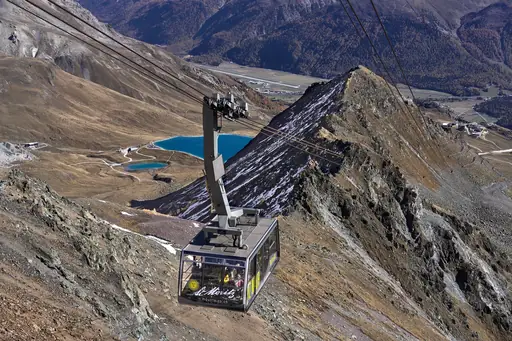
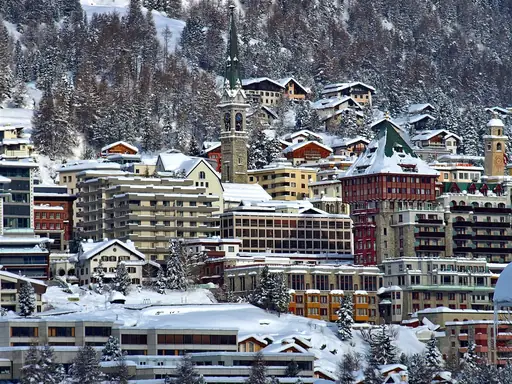
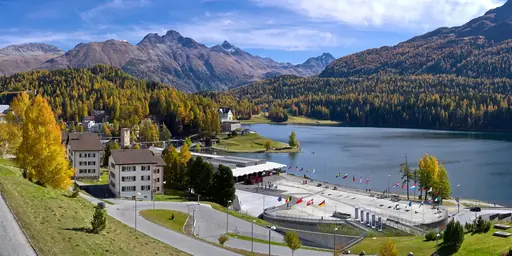
Region in Switzerland
Graubünden
Alpine wonderland with pristine lakes and trails
Switzerland's largest canton is also one of its wildest. The Bergell valley has pink granite spires like Piz Badile that rise above forest and meadow. Mountain huts and bunk rooms make long routes simple to plan. Summer brings the steadiest weather. Rhaetian Railway trains reach many of the valleys.
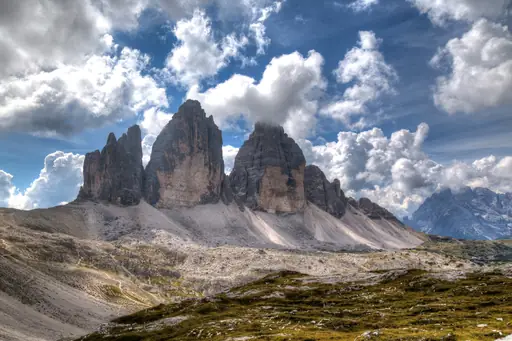
National Park in Italy
Dolomites National Park
Towering peaks and pristine wilderness
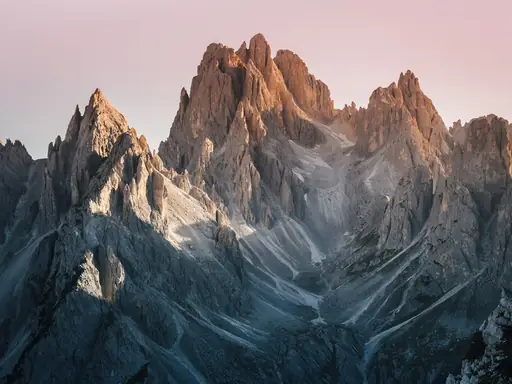
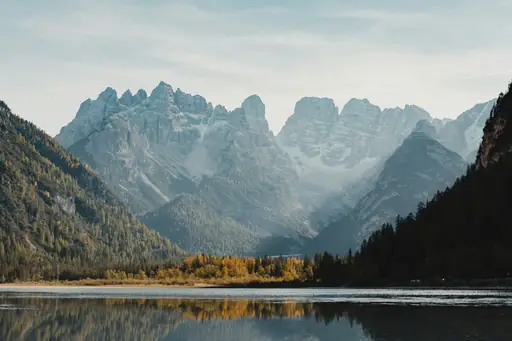
Created as a national park in 1990, this area protects quiet corners of the Dolomites near Belluno. Its limestone walls see far fewer climbers than Cortina or the Tre Cime. Approaches are long and some huts are basic. Pale rock turns pink at sunset. Most climbers visit from June to September.
Town in Switzerland
Saas-Fee
Glaciers, Peaks and Alpine Serenity
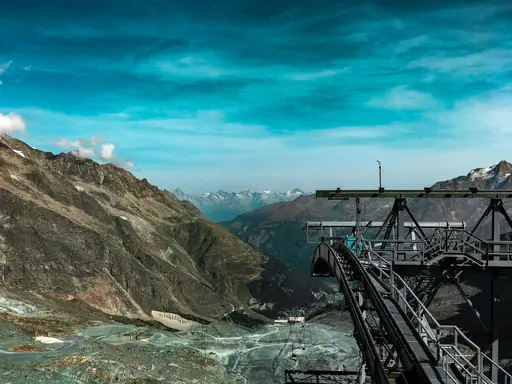
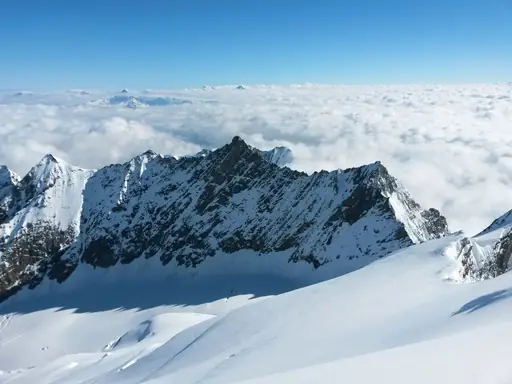
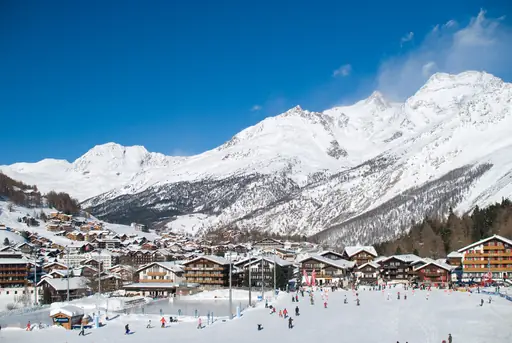
Thirteen peaks over 4,000 metres surround this car free village. The Metro Alpin, an underground funicular, carries climbers to Mittelallalin at 3,456 metres. The Allalinhorn is a popular first 4,000er with a gentle glacier approach. Mountain huts sit close to the routes. Summer brings long, clear mornings.
Region in Italy
South Tyrol
Alpine culture where worlds collide
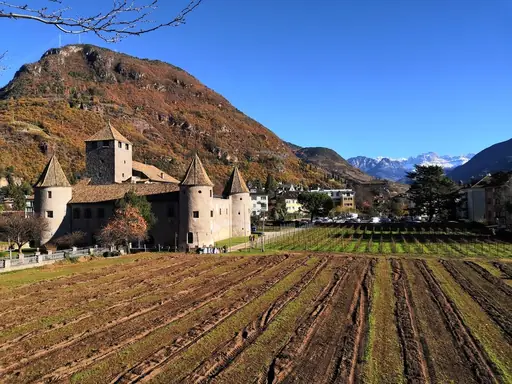
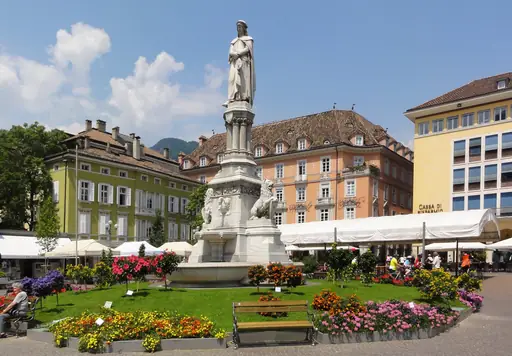
The Dolomites rise above green meadows in this Italian region with Austrian roots. Climbers scramble up the Sella towers and the Vajolet towers. Hut to hut routes include hot food and a bed. The Tre Cime di Lavaredo show three huge rock walls. Menus mix pasta with dumplings.
Mountain
Pyrenees
Where France meets Spain majestically
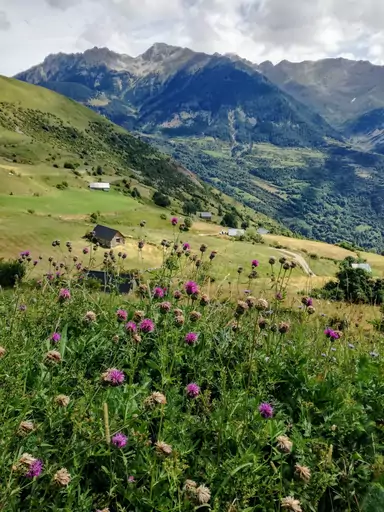
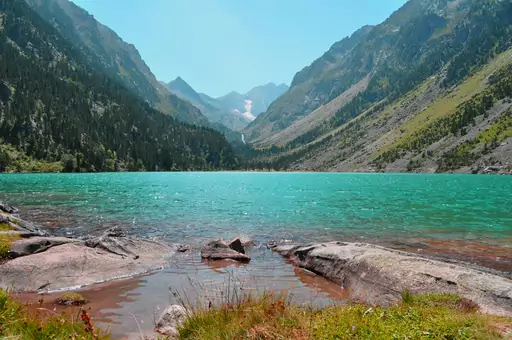
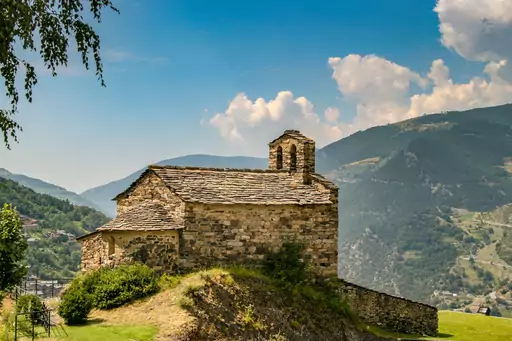
The Mallos de Riglos are conglomerate towers up to 300 metres high. They loom over the village of Riglos in Aragon. Routes follow long cracks and rounded pebbles. North in Ordesa, limestone walls stand over a deep canyon. Summer is hot, so aim for May, June or September.
Town in Switzerland
Verbier
Alpine Paradise with Epic Views
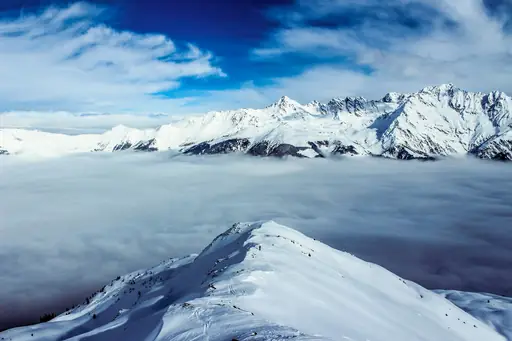
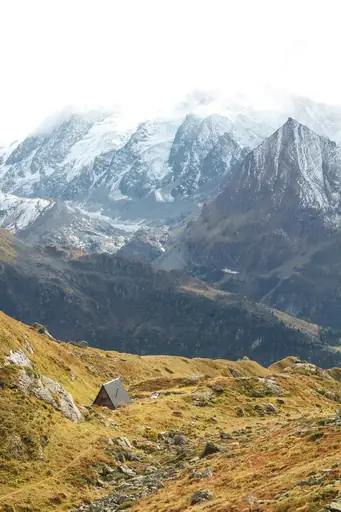
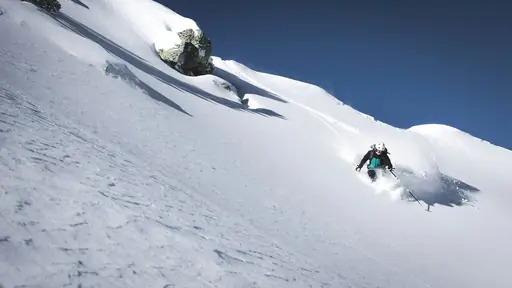
Best known for skiing, Verbier has high alpine routes in summer. Mont Fort reaches 3,328 metres and Mont Blanc de Cheilon 3,870. Lifts and huts shorten the approaches. The Haute Route between Chamonix and Zermatt passes through the area. Cowbells ring on the lower meadows.
Region in Germany
Frankenjura
Cliffs, caves, castles and small breweries
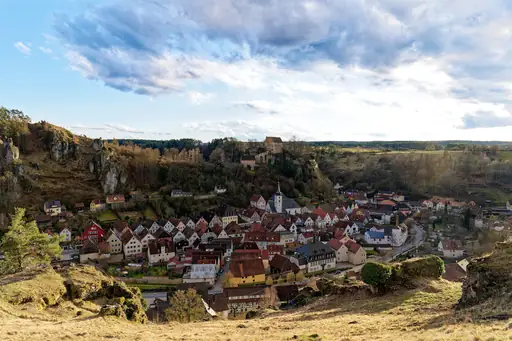
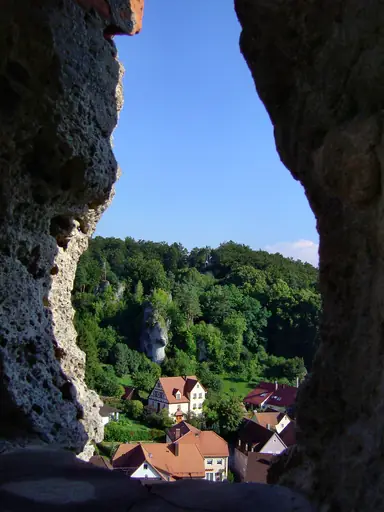
Limestone cliffs stand in quiet forests of Bavaria. In 1991 Wolfgang Güllich climbed Action Directe here, graded 9a and a world benchmark for years. More than 10,000 routes spread across hundreds of crags. Many are short and steep with pocket holds. Villages offer beer gardens and simple rooms for climbers.
Region in France
Northern Catalonia
Sunlit vineyards and historic Mediterranean charm
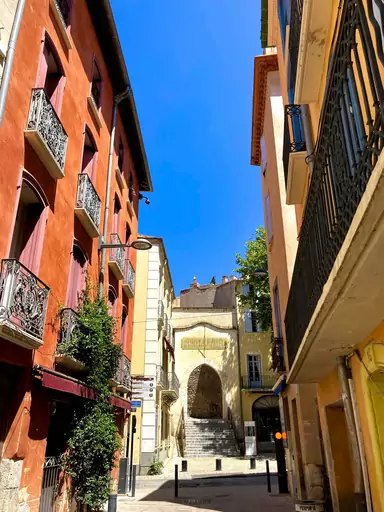
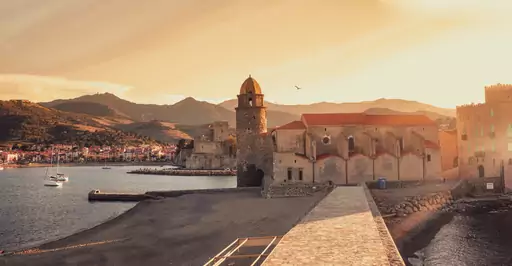
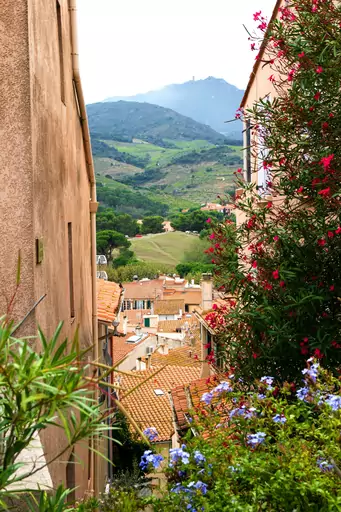
On the French side of Catalan country, warm dry limestone crags catch the sun. Vingrau has hundreds of sport routes on a cliff above vineyards. The Mediterranean is close by. Winters are mild, so climbing works when the Alps are buried in snow. Catalan wine and food are easy to find after a day out.
Village in France
Moustiers Sainte Marie
Gateway to the Verdon Gorge
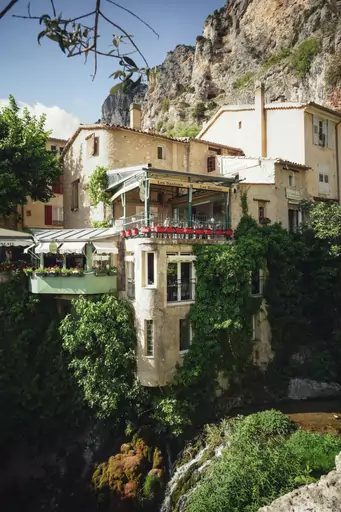
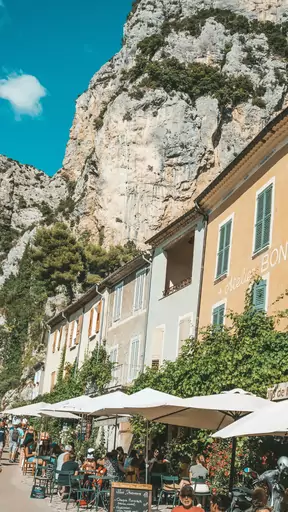
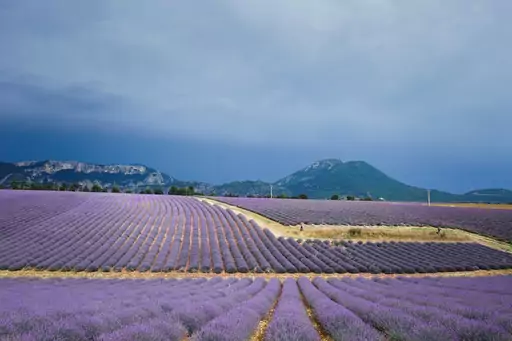
A golden star hangs on a chain between two cliffs above this village. According to legend a knight placed it there after returning from the Crusades. The village sits at the edge of the Verdon Gorge, where limestone walls drop 700 metres. Spring and autumn bring mild days for long routes.
Island in Greece
Kalymnos
Crystal waters and ancient sponge‑harbor charm
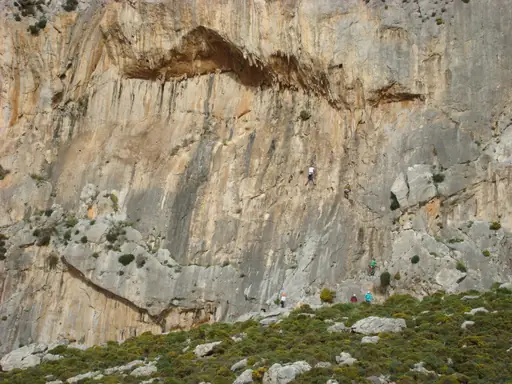
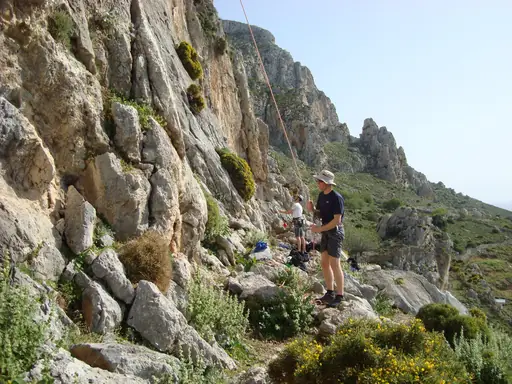
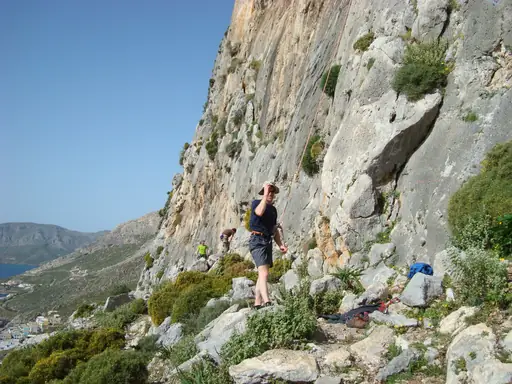
Climbers began bolting routes on Kalymnos in the late 1990s. The island now has more than 3,000 of them. Grey limestone caves and tufa flows hang above the Aegean Sea. Telendos Island sits just across the water. Spring and autumn bring mild sun and light wind for long days on the rock.
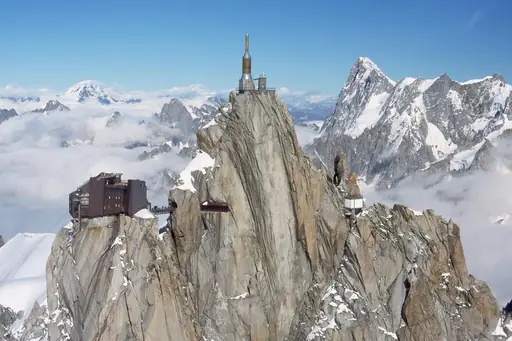
City in France
Chamonix-Mont-Blanc
Alpine thrills beneath Mont Blanc
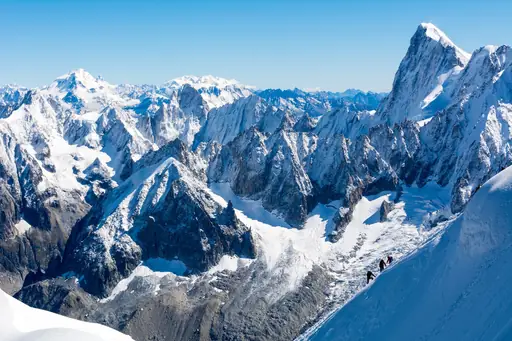
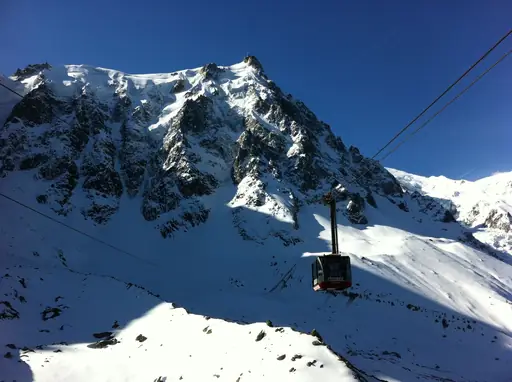
The Aiguille du Midi cable car lifts climbers to 3,842 metres in about 20 minutes. Granite spires and glacier routes spread out below in every direction. Jacques Balmat and Michel Paccard topped Mont Blanc from this valley in 1786, which launched alpinism. Routes range from short cragging to huge mountain days.
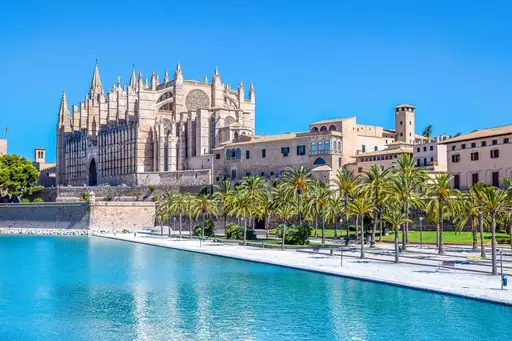
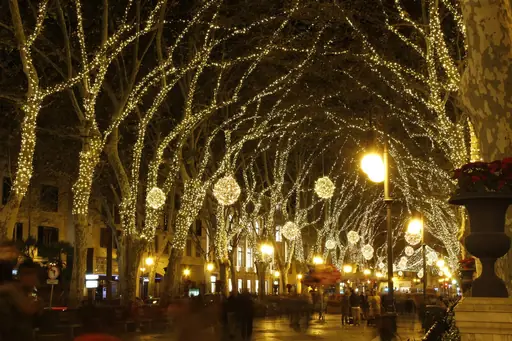
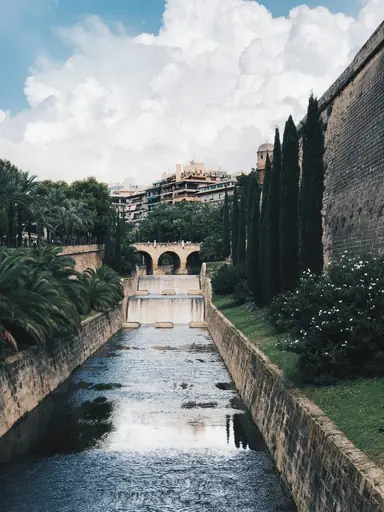
Island in Spain
Mallorca
Mediterranean Magic: Beaches & Mountains
Deep water soloing took off here, where climbers go up sea cliffs without ropes and drop into the water. The cliffs at Cala Barques hang over turquoise coves. Inland, the Serra de Tramuntana has limestone sport crags. Autumn and spring are warm without the summer crowds.
Town in Switzerland
Zermatt
Alpine Magic and the Matterhorn
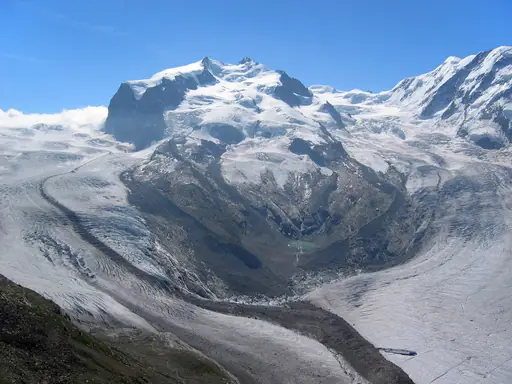
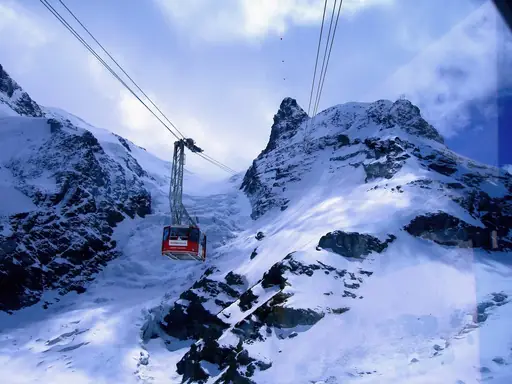
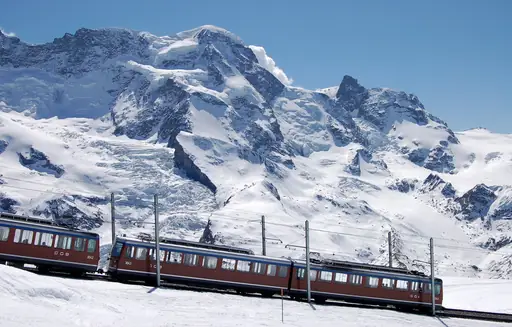
The Matterhorn rises at the end of the valley like a stone pyramid. Edward Whymper reached its summit in 1865. Four of his team died on the way down. Today guides lead climbers along the Hörnli Ridge each summer. The village is car free. Cog trains climb to Gornergrat.
Island in Norway
Lofoten
Dramatic Peaks and Northern Lights
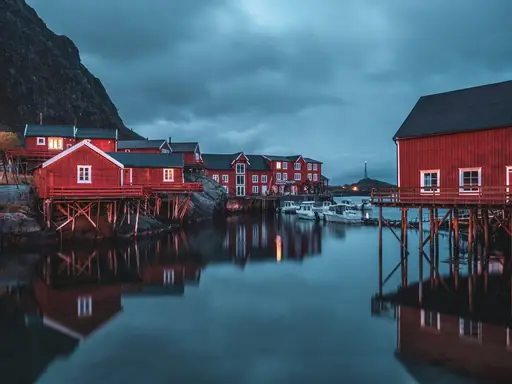
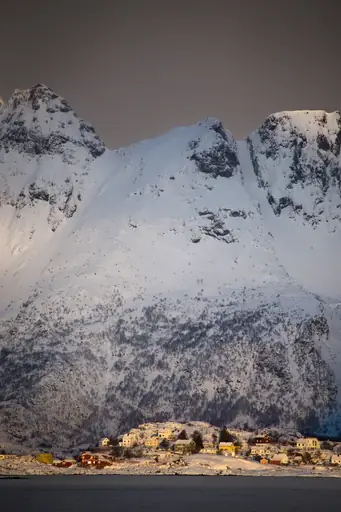
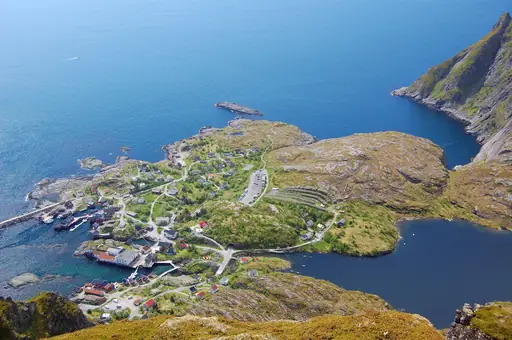
Granite peaks rise straight from the Arctic sea. The Svolværgeita is a twin horned tower that climbers can leap between for fun. Routes run on rough grippy rock beside deep fjords. In summer the midnight sun allows late starts. Fishing villages with red cabins make good bases for a week of climbing.
Town in Switzerland
Interlaken
Adventure, Lakes and Alpine Magic
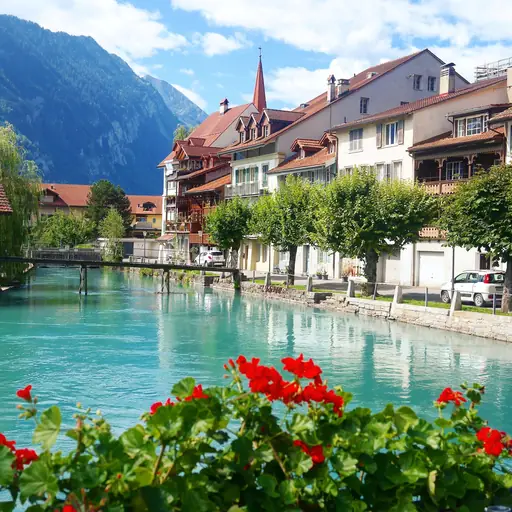
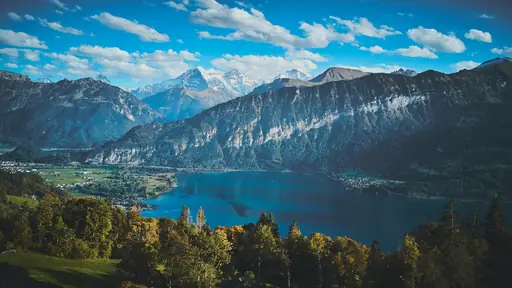
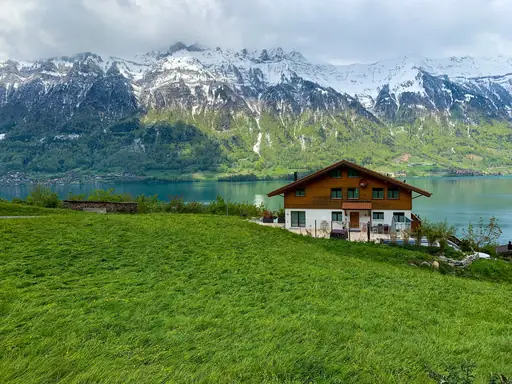
Between two lakes, this town is the gateway to the Bernese Oberland. Trains reach Lauterbrunnen in about 20 minutes and Grindelwald in about 35. Climbers stay in town for cheap beds and an easy base. Summer is high season. Start mornings early, when the rock is cool and the valleys are quiet.
Town in Italy
Cortina d'Ampezzo
Dolomite Peaks, Alpine Glamour, Adventure
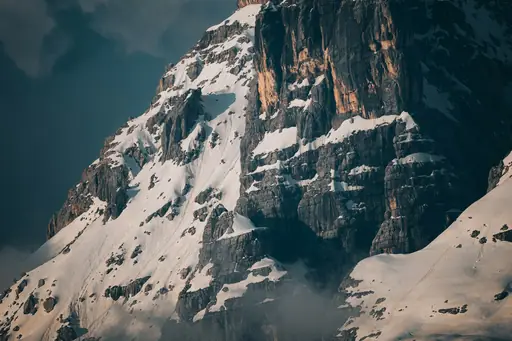
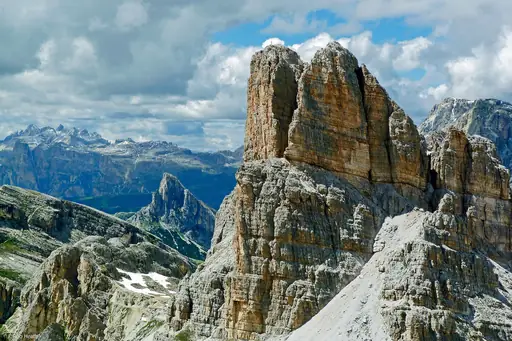
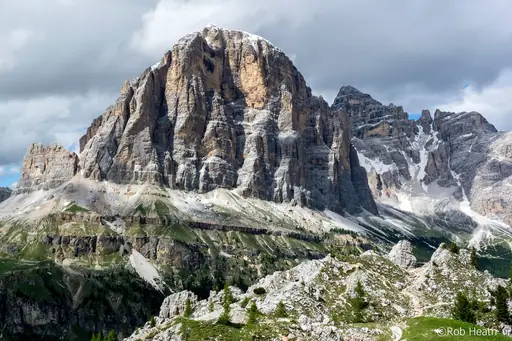
Pale Dolomite towers ring this town. The Cinque Torri are five rock towers with short bolted routes and a mountain hut at their base. Hot lunch is a short walk away. The Tofane peaks have long classic climbs. Old World War I ladders and cables still cross the cliffs.
Town in France
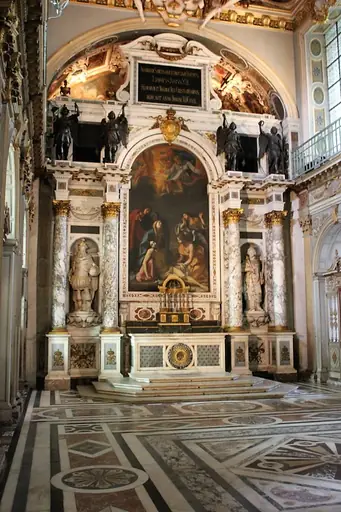
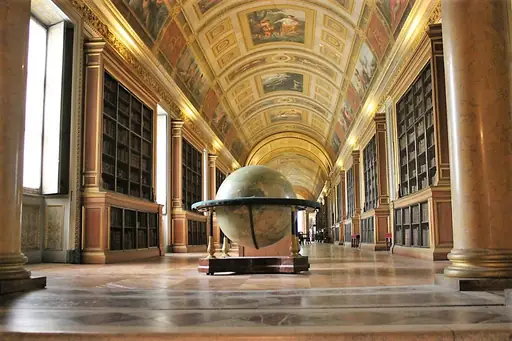
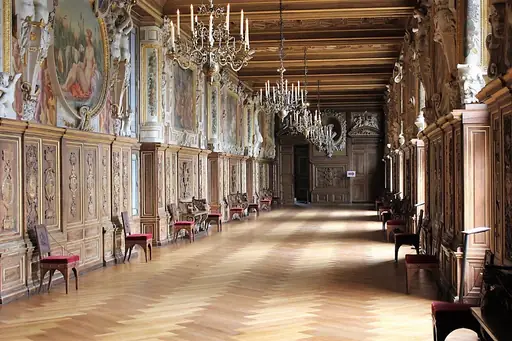
Fontainebleau
Royal Château and Enchanting Forest
Soft sand muffles every sound around the grey boulders here. Climbers have bouldered in these woods since the early 1900s. The colour coded circuits that started here are now copied worldwide. More than 30,000 problems are spread through the forest. A train from Paris takes about 40 minutes.
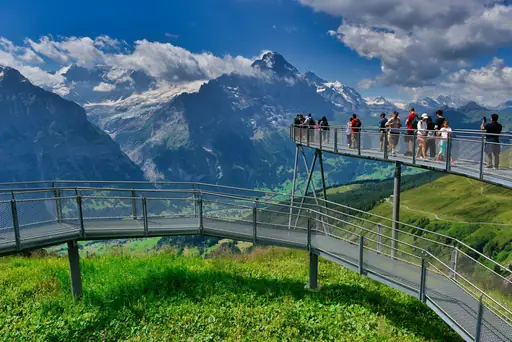
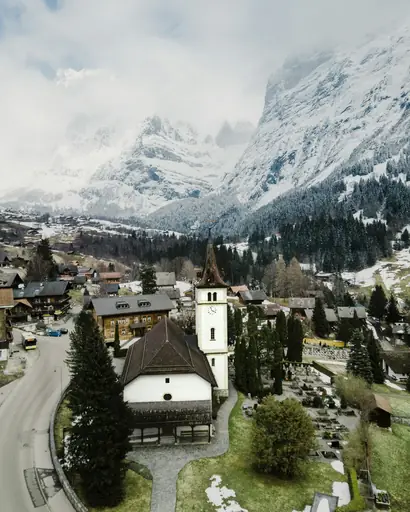
Village in Switzerland
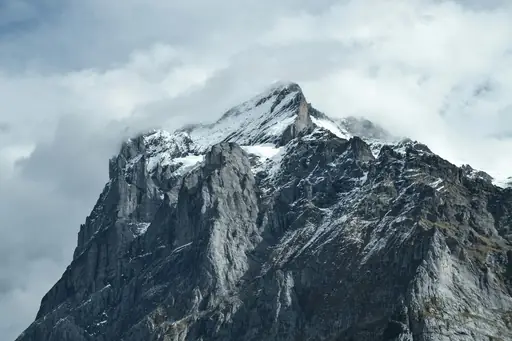
Grindelwald
A Majestic Swiss Mountain Village
The Eiger north face rises 1,800 metres above the village. Early climbers nicknamed it the Mordwand, a German word for murder wall. Most visitors only look up at it from the meadows. Nearby, the Wetterhorn and the Mönch give serious alpine routes. Glacier hikes start at the village. Cows graze beneath the face in summer.
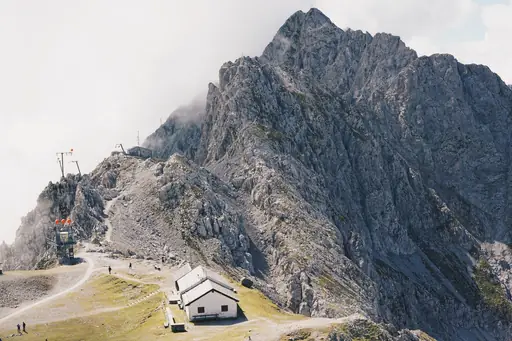
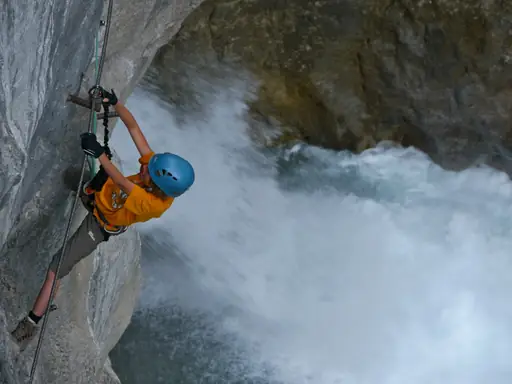
Region in Austria
Tyrol
Alpine paradise in all seasons
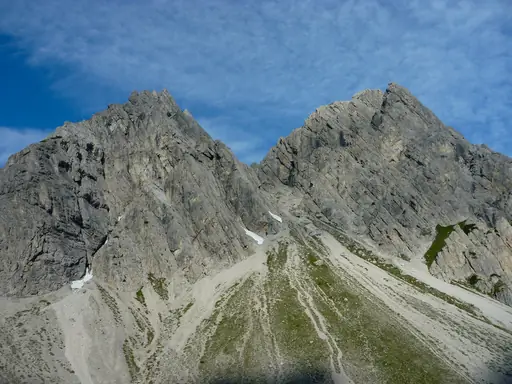
Limestone cliffs of the Wilder Kaiser rise above Kufstein. The Totenkirchl and Fleischbank walls have hundreds of routes that climbers have used for over a century. Near Innsbruck, the Nordkette cable car reaches high crags from the city centre. Summer is the busy season. Mountain huts serve Kaiserschmarrn, a shredded pancake.
Village in Switzerland
Wengen
Car-Free Alpine Bliss and Epic Views
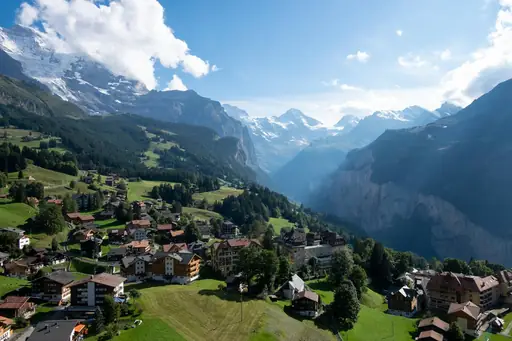
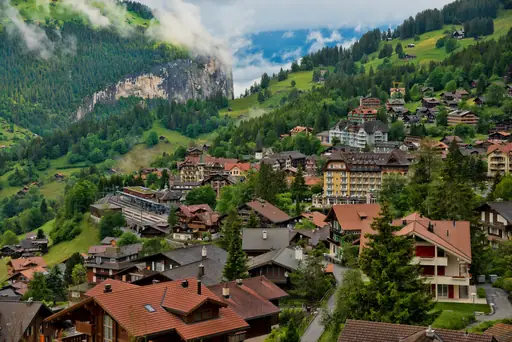
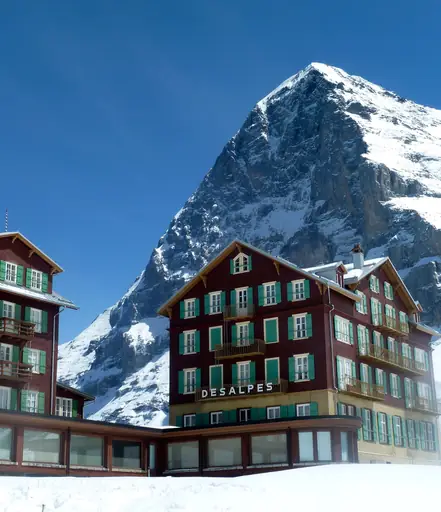
A car free village sits on a ledge above the Lauterbrunnen valley. Trains climb to Kleine Scheidegg, right in front of the Eiger north face. From there, climbers study routes or walk the Eiger Trail. Mountain huts offer rooms and meals. Lauterbrunnen's walls are a short train ride away.
Village in Norway
Reine
Lofoten’s Iconic Fjord Village
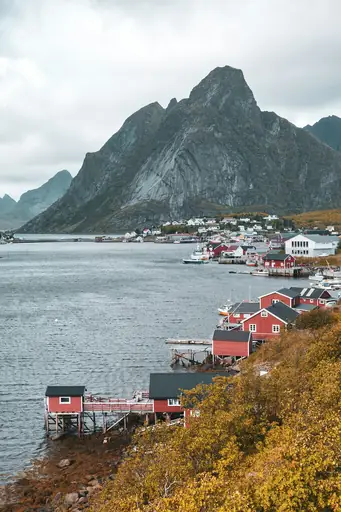
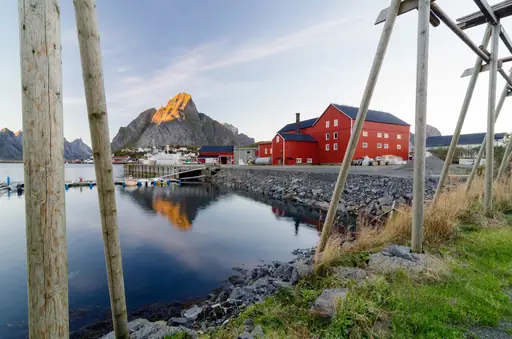
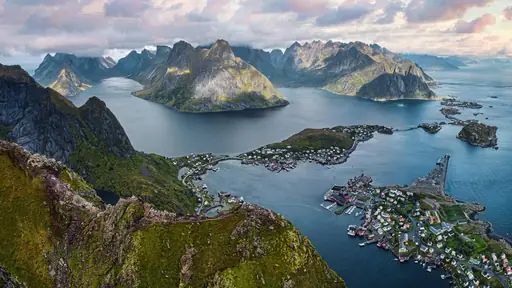
Red fishing cabins stand on stilts along a dark fjord. Steep granite walls rise right behind them. Presten, a rock tower near the village, is a classic Lofoten route. In summer the midnight sun gives light all night. Climbers use Reine as a base for peaks and sea cliffs across the islands.
Nature Reserve in Greece
Meteora
Monasteries Suspended in the Sky
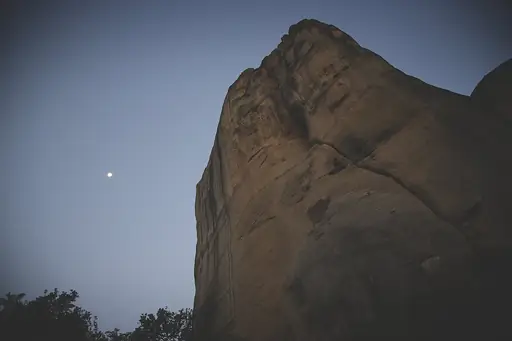
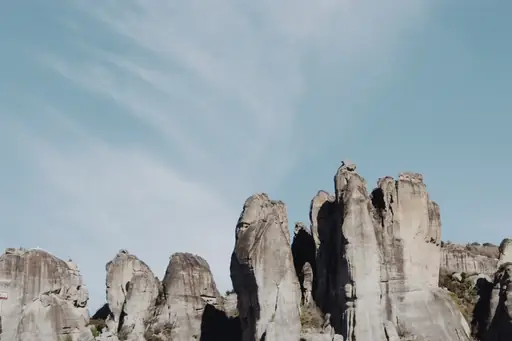
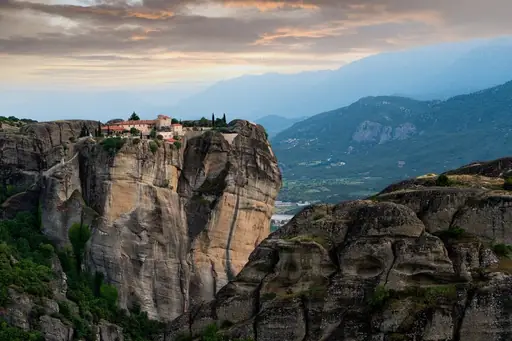
Monasteries perch on sandstone pillars up to 400 metres tall. Monks built them in the 1300s and once climbed up by rope ladders. Today climbers use bolts and ropes on the same rock. Early morning light turns the stone gold. A few monasteries stay open to visitors.
Village in Switzerland
Lauterbrunnen
Valley of 72 waterfalls
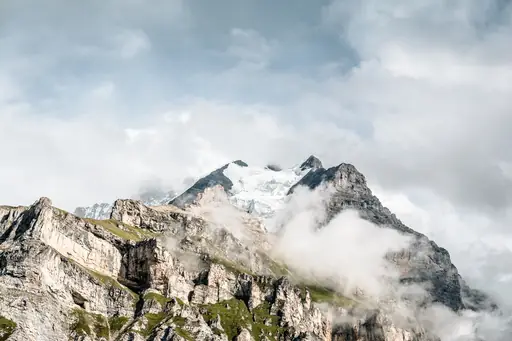
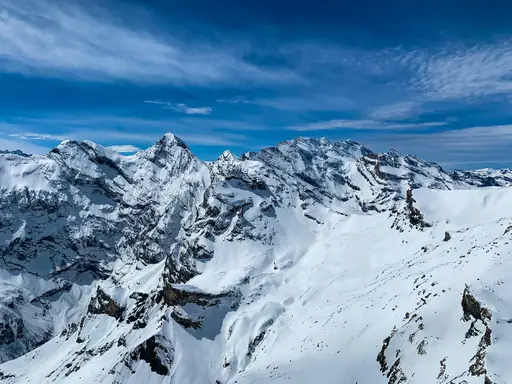
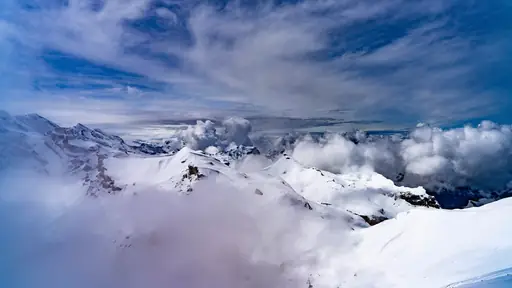
About 72 waterfalls spill from the limestone walls of this narrow valley. Staubbach Falls drops nearly 300 metres. Cliffs on both sides hold sport routes and long multipitch climbs. Cowbells ring from the meadows below. Trains run up to Wengen and Mürren for views across the valley.

City in Norway
Kristiansand
Coastal charm meets vibrant cultural scene
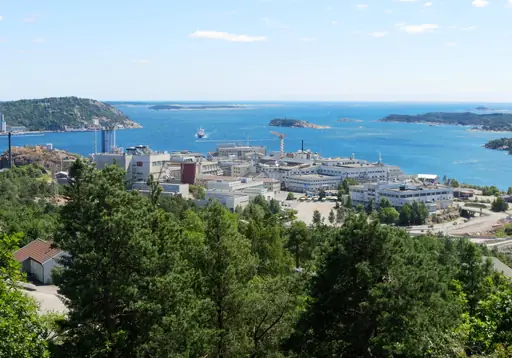
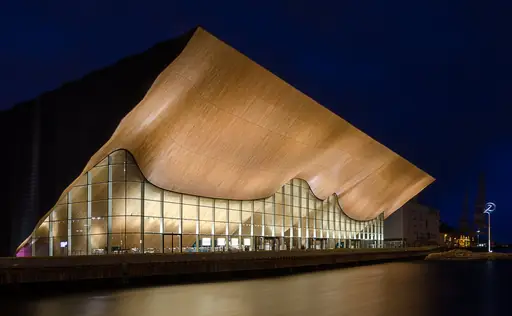
Odderøya, a former military island, sits right by the harbour. A short bridge links it to town. Its rocky shore has bouldering with sea views. North of the city, the valley of Setesdal has granite crags and a small climbing scene. Summer days stay light until late in the evening.
Other lists you may like
Discover
Best climbing destinations in Africa
Africa is one of the most underrated continents for climbing, offering everything from striking granite peaks to sun-baked sandstone that is well worth seeking out. The range…
Read more
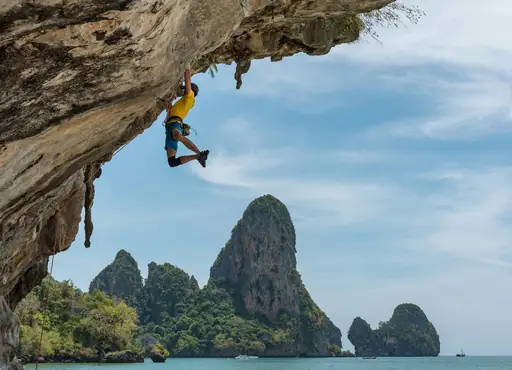
Discover
Best climbing destinations in Asia
Asia has some of the most varied climbing on the planet, from towering limestone cliffs above turquoise water to high mountain routes that push climbers to their limits. The…
Read more
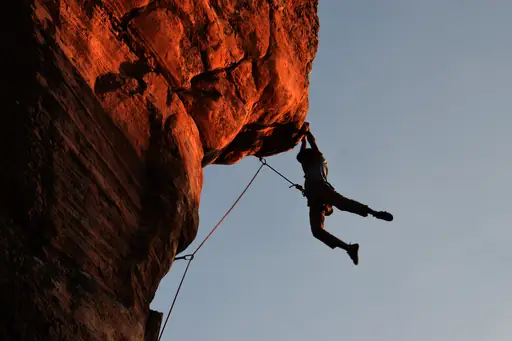
Discover
Best climbing destinations in North America
North America is where modern climbing really came into its own, and the continent still offers an enormous range, from desert towers to alpine granite that draws climbers from all…
Read more
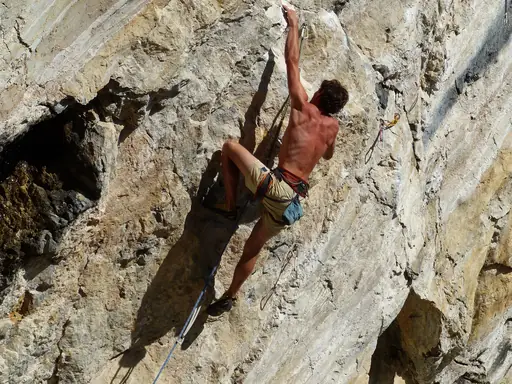
Discover
Best climbing destinations in Oceania
Oceania rarely comes up first in a conversation about climbing, which is exactly what makes it worth a second look. Between volcanic rock, coastal crags, and long stretches of…
Read more
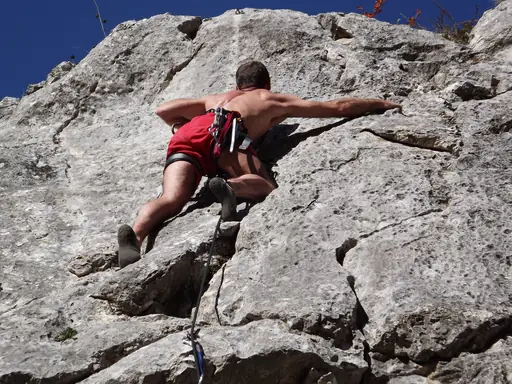
Discover
Best climbing destinations in South America
South America pairs some of the most striking mountain scenery on earth with a climbing scene that still feels wonderfully undiscovered compared to other continents. The range…
Read more
Discover
Top rock climbing destinations and bouldering spots
Climbing means something different to almost everyone who does it and the best climbing destinations reflect that, since no single place suits every style or skill level. Some…
Read more
What other users say about travelfilters
“travelfilters made it easy for me to find ski areas and compare what else they offer, so that I could find the best place for my personal travel style.”

Chris
Snowboarding & Onsen trip to Japan
“I love how transparent the data feels. There is no pushy upsell, just honest information and settings I can tune to my own travel style.”

Maria
After booking her 2027 winter escape
“The level of detail for each destination and how well those are displayed, make planning feel confident instead of overwhelming.”

Mina
Planned a week in New York City
“We used travelfilters for our planning from start to end. The trip turned out even better than expected, thanks to all their tools and customisation options.”

Allan & Etienne
Trip to Japan to see autumn foliage
“Thanks to travelfilters, I found some hidden gems to see. Being able to filter for exactly your interests is a game changer for my travel planning.”

Michael
Tour through the old cities of Northern Italy
“The customizable filters helped me find a quiet beach town with good wifi and low season crowds in under five minutes.”

Diego
Weekend Escape to Llanes, Spain
“The airport connection map saved me hours by showing good flight options from my home airport to lesser-known cities.”

Nguyen
Planning a 2027 trip to France
“The website is clean, fast and focused on the search itself, which makes travelfilters feel more like a professional tool than an ad-heavy booking site.”

Hassan
Christmas Market trip, Germany
