
Best climbing destinations in North America
Best climbing destinations in North America
Vast granite monoliths and prominent sandstone canyons in North America
North America is where modern climbing really came into its own, and the continent still offers an enormous range, from desert towers to alpine granite that draws climbers from all over the world.
The variety here can suit almost any style. Some climbers head for big granite walls that take a full day or more to complete, testing both skill and patience. Others prefer shorter days on sunny sport routes, often within easy reach of a good meal afterward. Beginners have no shortage of gyms and guided crags to start on, while veterans can spend years working through the continent's toughest test pieces. Seasons vary a lot by region, so picking the right time of year matters.
The climbing destinations on our list for North America combine famous areas that shaped the sport with quieter spots that still fly under the radar. Whatever your level, there is likely a wall here worth the trip.
Lists by region
Town in United States
Bishop
High desert oasis with towering granite cliffs
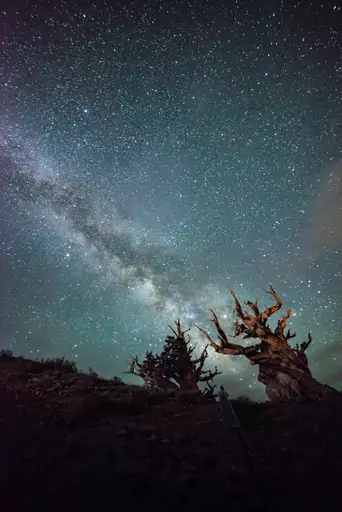
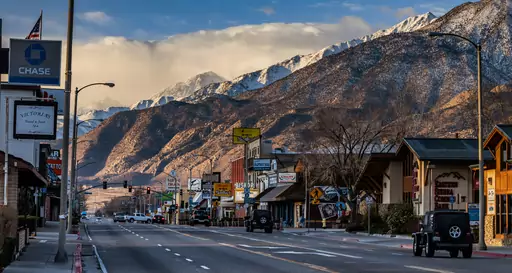
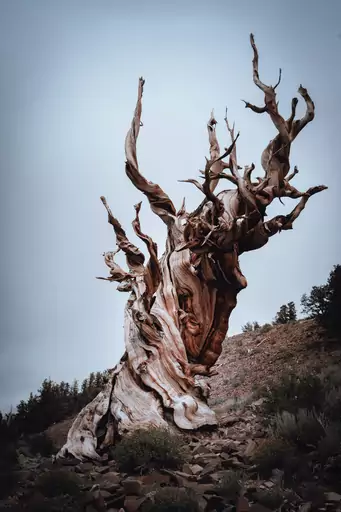
Under the Sierra Nevada, the Buttermilks hold huge granite boulders in sunny, high desert air. Climbers visit from autumn to spring when the days are cool. The Owens River Gorge adds sport routes on volcanic rock. Natural hot springs outside town soothe tired hands and sore legs after long days.
City in United States
Moab
Red rock canyons echo adventure seekers' dreams
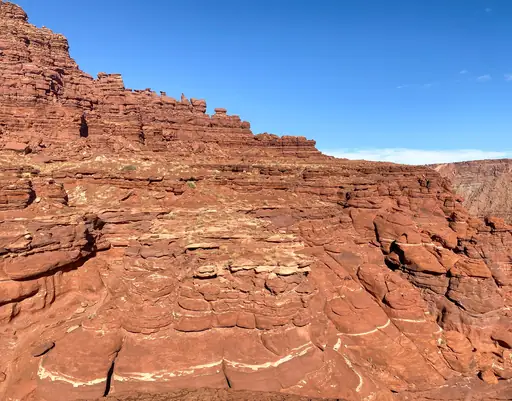
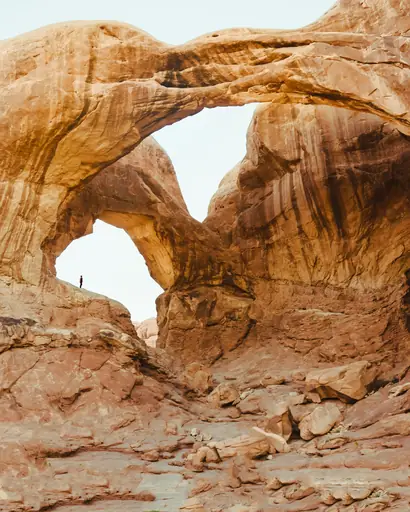
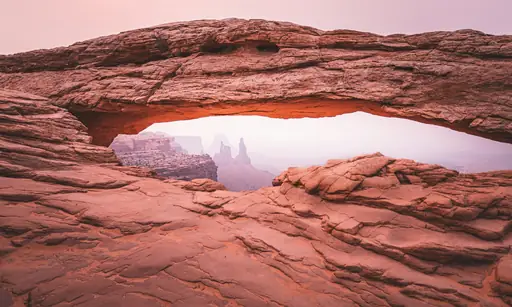
Red sandstone towers like Castleton Tower and the Fisher Towers rise from the desert near Moab. Indian Creek, about an hour south, is famous for long, straight cracks. Spring and autumn bring mild temperatures. After a day on the rock, local cafés serve big breakfasts.
National Park in United States
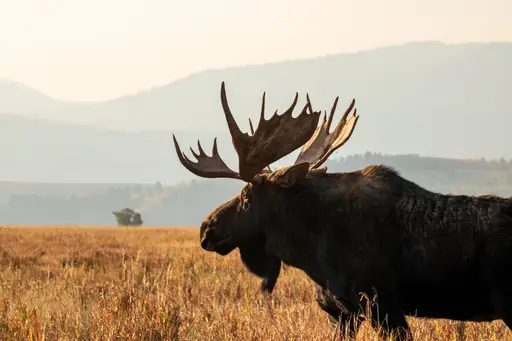
Grand Teton National Park
Stunning Peaks and Wildlife Wonders
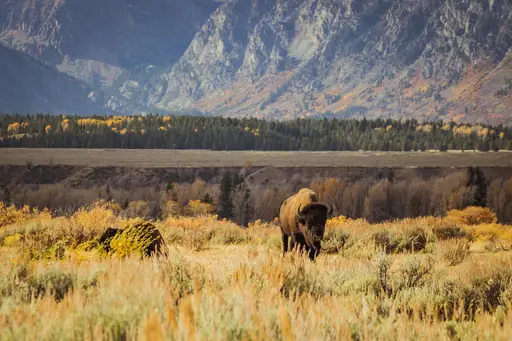
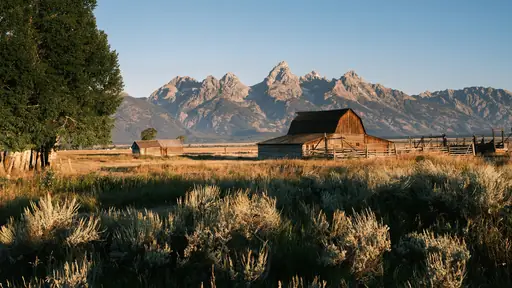
The Grand Teton rises 4,199 metres above Jackson Hole. Exum Mountain Guides has led climbers up its Owen-Spalding route since 1931. The jagged granite peaks rise straight from the valley with no foothills. Jenny Lake is the usual starting point. Climbing season runs through July and August.
Town in Canada
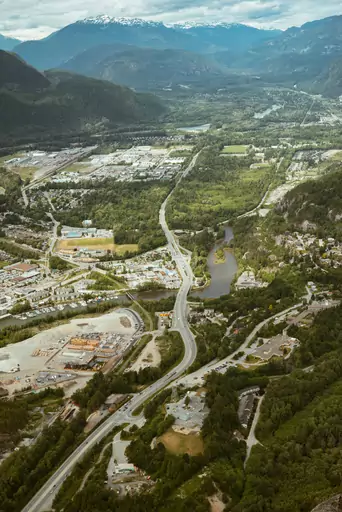
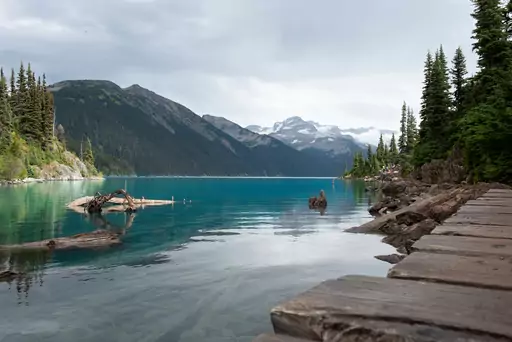
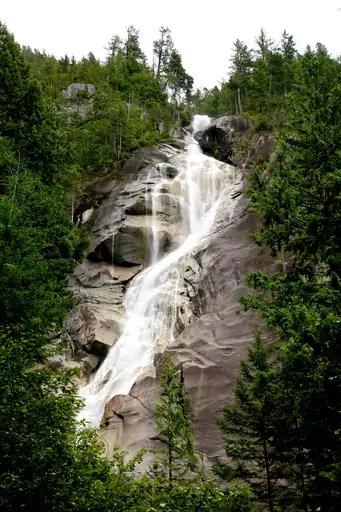
Squamish
Mountain‑coast escape with breathtaking vistas
The Stawamus Chief is a granite dome that rises 700 metres above Howe Sound. Its Grand Wall has clean cracks and slabs. Squamish sits an hour north of Vancouver on the Sea to Sky Highway. Many climbers camp at the base of the Chief. Bald eagles often hunt along the river in winter.

Park in United States
Hueco Tanks
Ancient rock art meets desert adventure
Pockets and edges on dark syenite boulders have made Hueco Tanks a world famous bouldering spot. Daily permits limit the number of visitors. Guided tours are required for North Mountain. Pictographs by ancient peoples decorate the rock. Winter brings cool, dry weather for climbing, with the busiest season from November to March.
Park in Mexico
El Potrero Chico
Serene canyon trails and vibrant wildlife
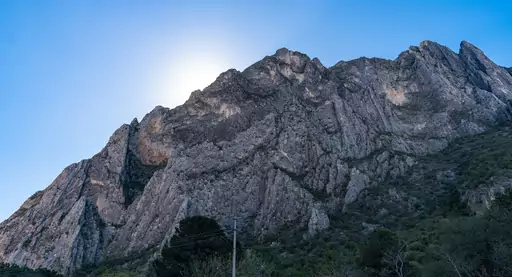
Limestone walls rise from the desert outside Hidalgo, Nuevo León. Hundreds of bolted sport routes make this a winter refuge for climbers. Time Wave Zero is a 23 pitch route to the top of El Toro. Campsites and cafés are close to the crags. Days are sunny and mild from November to March.
National Park in United States
Zion National Park
Red rocks, epic hikes and nature's beauty
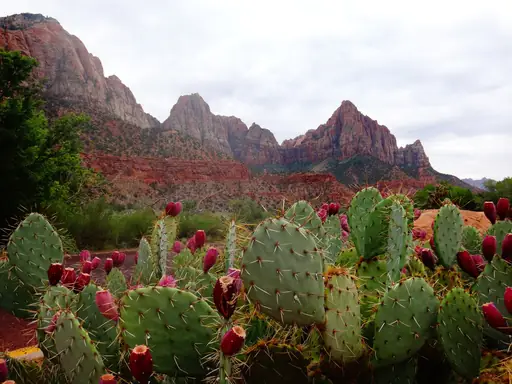
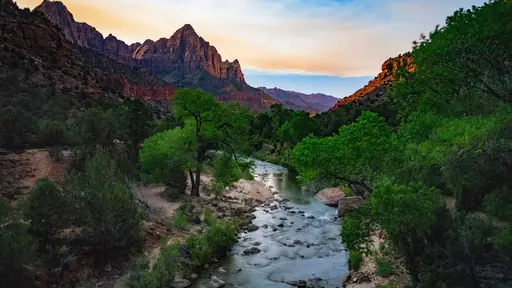
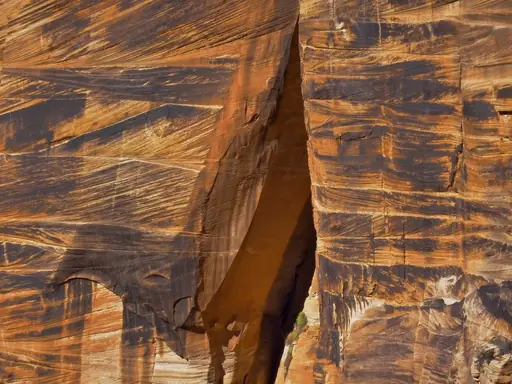
Sandstone walls stand up to 600 metres tall in Zion Canyon. Big wall routes like Moonlight Buttress follow splitter cracks. Climbers often bring crack gear and sleep on ledges. Desert varnish makes streaks of black and orange on the cliffs. Spring and autumn give mild weather before the summer heat.
State/Prefecture in United States
Wyoming
Wild West landscapes and natural wonders
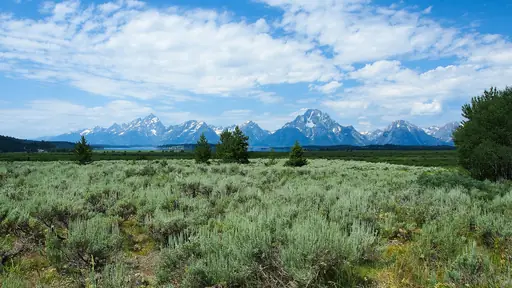
Devils Tower rises 265 metres above the plains. In 1906 it was declared a national monument. Climbers voluntarily avoid it in June out of respect for Native American ceremonies. In the Wind River Range, granite spires fill remote basins. Ten Sleep Canyon has sport routes on limestone.
National Park in United States
Denali National Park
Wild Alaska’s peaks and wildlife
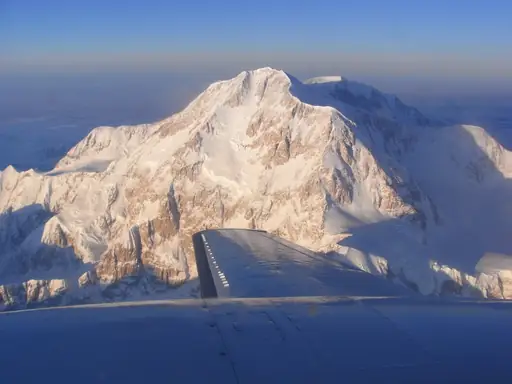
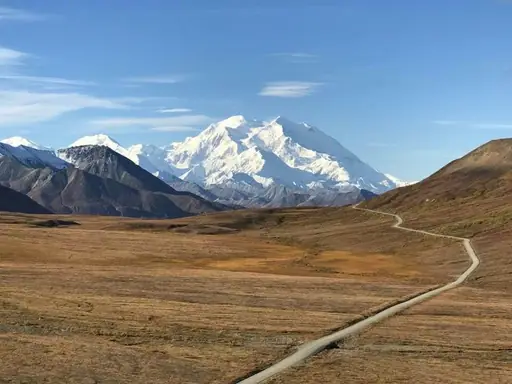
At 6,190 metres, Denali is the highest peak in North America. Most climbers fly from Talkeetna to the Kahiltna Glacier. The West Buttress route takes about two to three weeks. The season runs from May to July, when the days are long. Temperatures can drop far below freezing even in summer.
National Park in United States
Yosemite National Park
Nature's Grand Cathedral
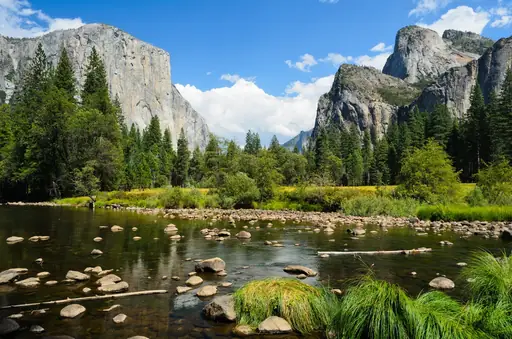
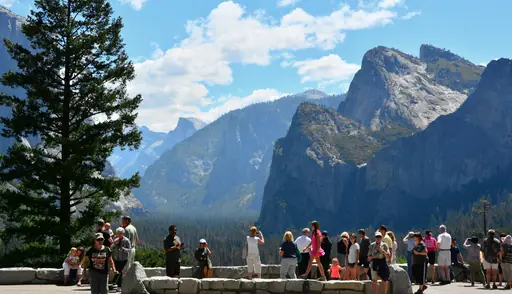
Camp 4 has been the climbers' campsite in Yosemite Valley since the 1950s. It is walking distance from El Capitan and the Cookie Cliff. In Tuolumne Meadows, smooth granite domes offer friction and crack routes. Spring and autumn bring mild temperatures. Summer afternoons can be hot in the valley.
National Park in Canada
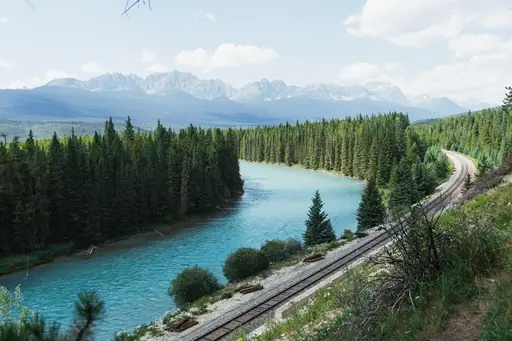
Banff National Park
Majestic Peaks and Turquoise Lakes
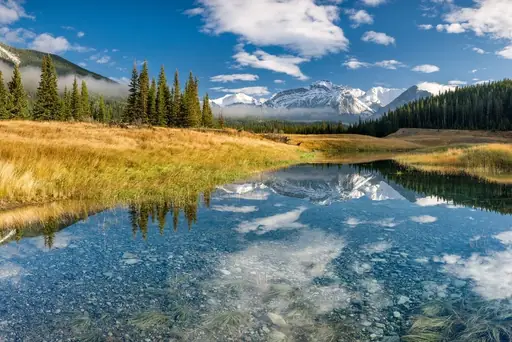
Limestone peaks like Mount Rundle rise above the town of Banff. Summer brings scrambles and alpine routes. In winter, frozen waterfalls form blue ice climbs in the Rockies. The Bow Valley around Canmore has sport crags too. Climbers warm up with hot springs at the end of the day.
City in Canada
Whistler
Alpine Adventure, Epic Views, Year-Round Fun
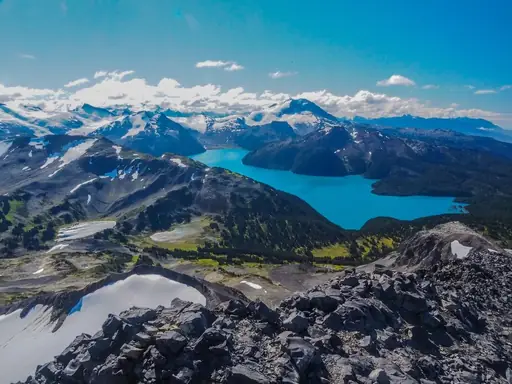
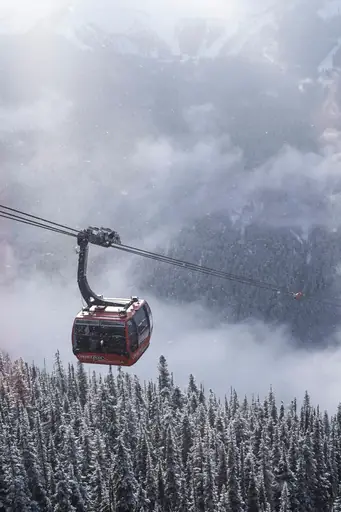
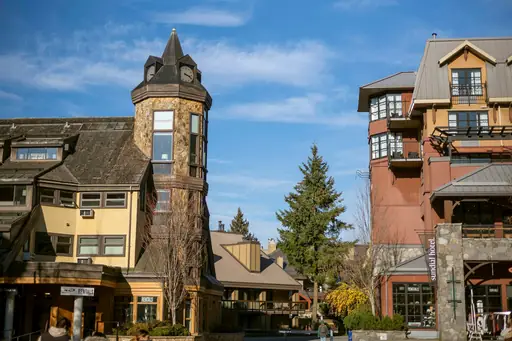
Whistler Mountain has a via ferrata, a route of steel rungs and cables for beginners. Black Tusk, a black volcanic spire in Garibaldi Provincial Park, is a classic scramble. Squamish, with its famous granite, is only an hour south. Summer brings long days for alpine routes.
Lake in Canada
Lake Louise
Turquoise Gem of the Canadian Rockies
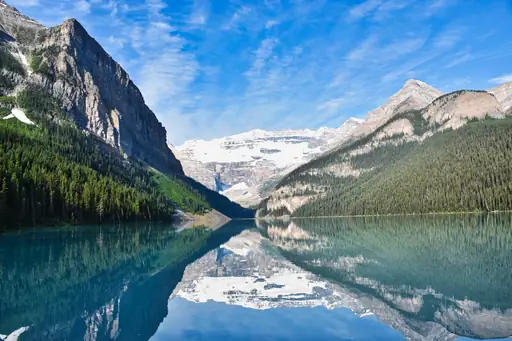
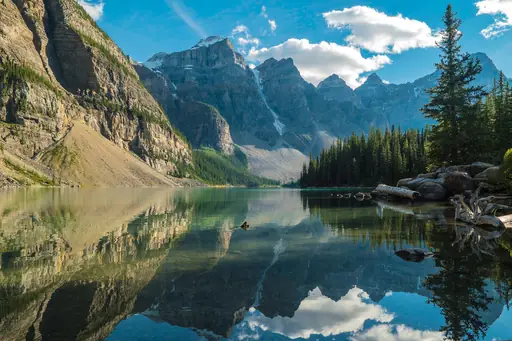
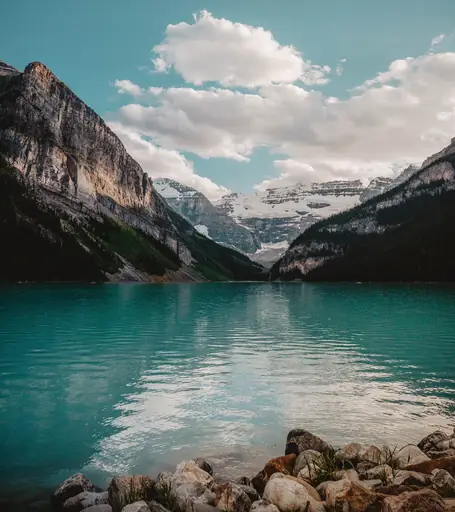
Turquoise water sits below the Victoria Glacier at Lake Louise. Climbers walk past the shore to Back of the Lake, a limestone crag with short routes. In winter, Louise Falls freezes into a classic ice climb. Mount Temple towers above the valley. Hot chocolate at the Fairmont warms hands afterwards.

State/Prefecture in United States
Kentucky
Bluegrass Beauty and Bourbon Heritage
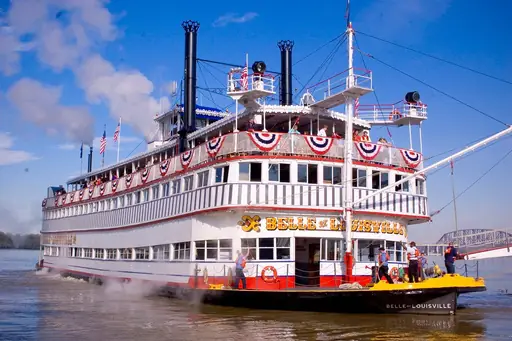
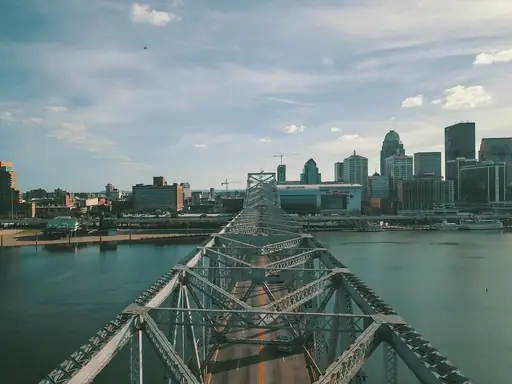
Red River Gorge is a forest of sandstone cliffs with steep walls and big hand holds. Climbers have gathered at Miguel's Pizza after a day on the rock for decades. Autumn brings cool, dry air and colourful leaves. Muir Valley and Pendergrass Murray offer many routes close to the road.
National Park in United States
Sequoia and Kings Canyon National Parks
Home of the Giant Sequoias
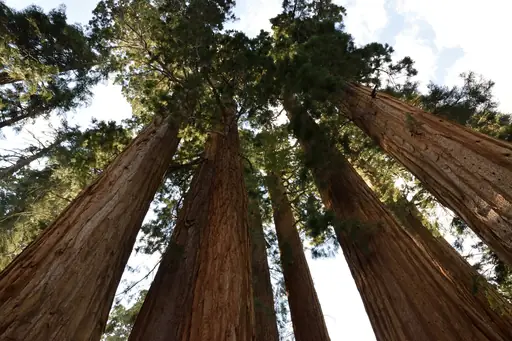
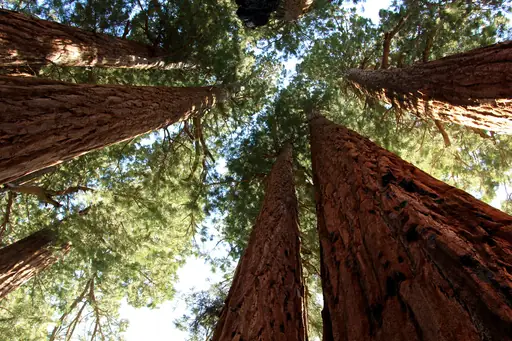
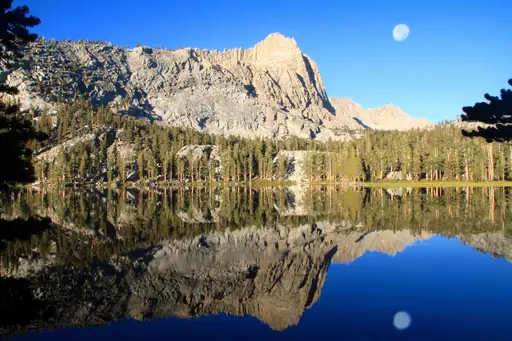
Giant sequoia trees stand beside granite peaks in the High Sierra. Mount Whitney, at 4,421 metres, is the highest peak in the lower 48 states. Climbers choose the East Face or the Mountaineer's Route. Kings Canyon has remote domes like Charlotte Dome. Permits are needed in summer.
State/Prefecture in United States
Alaska
Land of superlatives and adventure
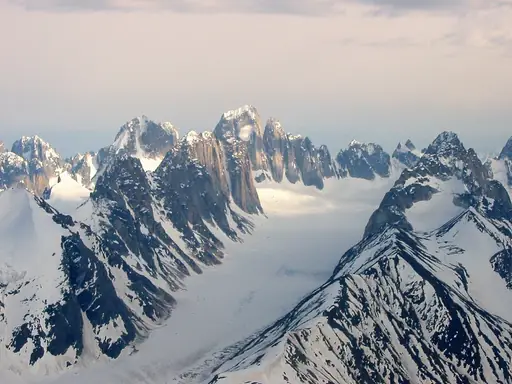
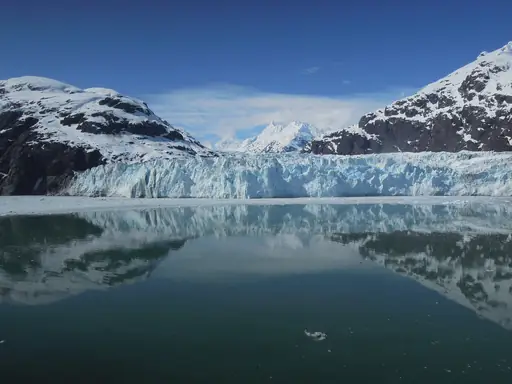
Ski planes from Talkeetna land climbers on glaciers beneath granite spires in the Ruth Gorge. Walls of ice and rock rise more than a kilometre on both sides. Long daylight in May and June gives extra time for big routes. Sea cliffs and ice fields on the coast add more choices.

National Park in United States
Rocky Mountain National Park
Majestic Peaks and Untamed Wilderness
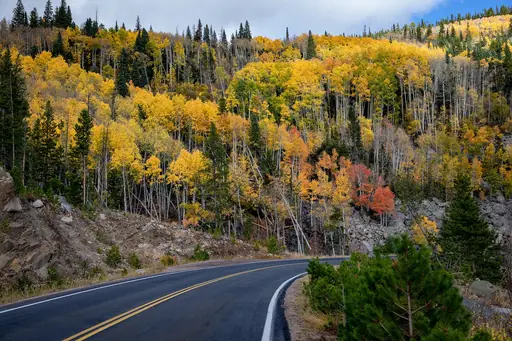
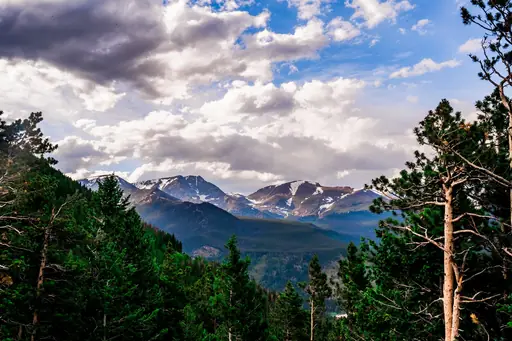
The Diamond is a vertical east face on Longs Peak, about 300 metres tall. Climbers start before dawn to avoid afternoon storms. Lumpy Ridge, a sunny granite crag near Estes Park, has shorter routes. Elk wander the meadows below the peaks in autumn, bugling in the cool morning air.
National Park in Canada
Jasper National Park
Untamed Wilderness and Starry Skies
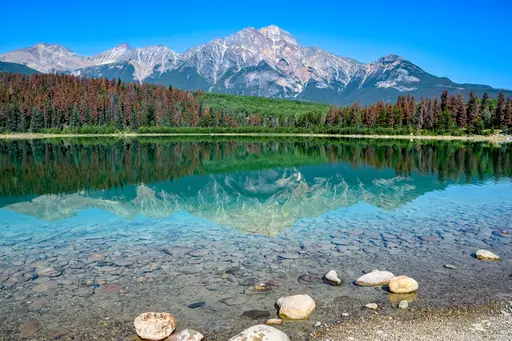
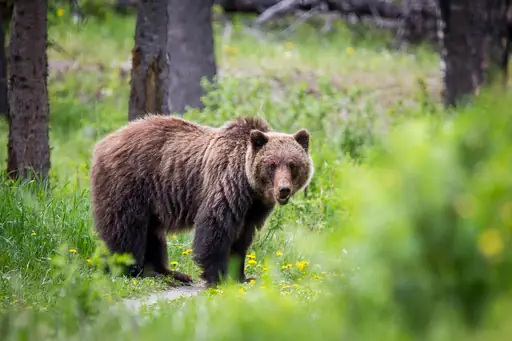
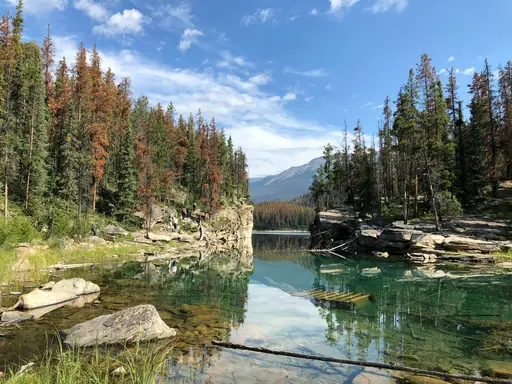
Mount Edith Cavell rises 3,363 metres above the Angel Glacier. Its north face is a classic alpine objective. In winter, frozen waterfalls turn Jasper's canyons into ice climbs. The Icefields Parkway south leads to more glacier routes. Wildlife like elk and bighorn sheep often watches from the road.
Country
Greenland
Arctic wilderness with ice landscapes
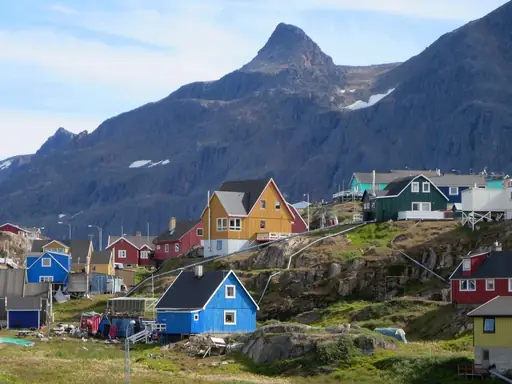
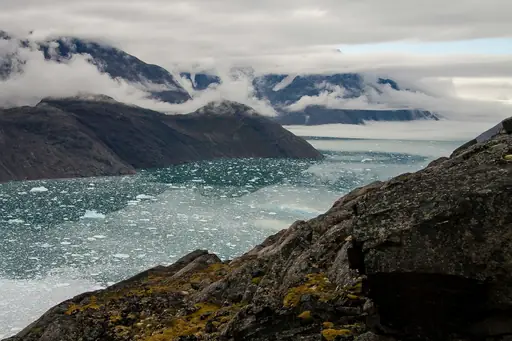
Granite walls rise straight from Tasermiut Fjord in the south. Ulamertorsuaq and Nalumasortoq have routes up walls nearly a kilometre tall. Boats from Nanortalik carry climbers to base camps. The midnight sun gives light for long days in July and August. Icebergs drift past in the water below.
City in United States
Indio
Desert oasis buzzing with music festivals
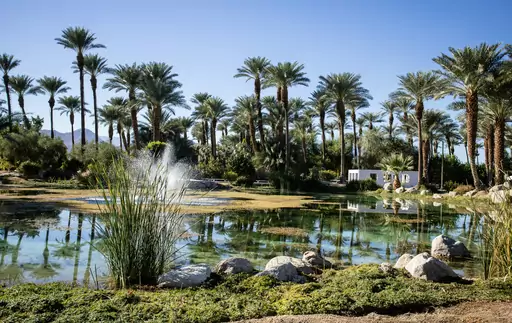
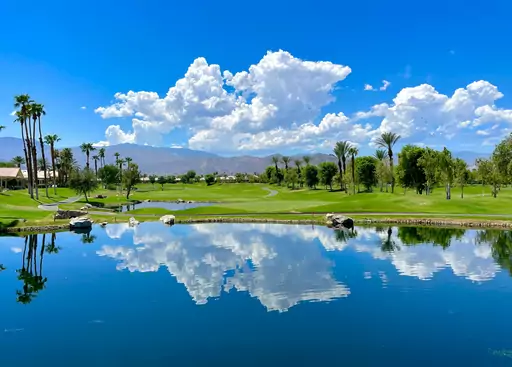
The gateway to Joshua Tree National Park is about 40 minutes away. Golden granite domes and boulders rise out of the desert there. Thousands of climbs cover every grade. Winter days are mild and sunny, which makes the cooler season the busiest. Date shakes are a local treat in Indio.
Town in United States
Telluride
Breathtaking box canyon mountain paradise
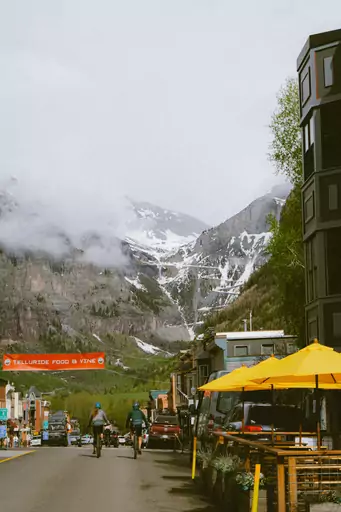
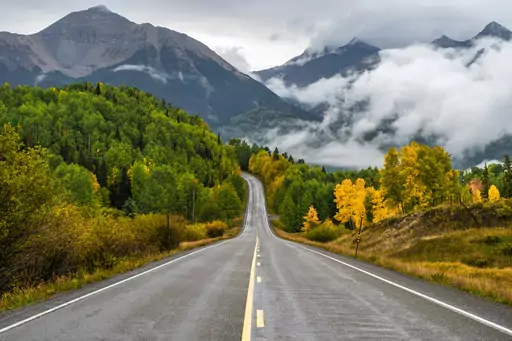
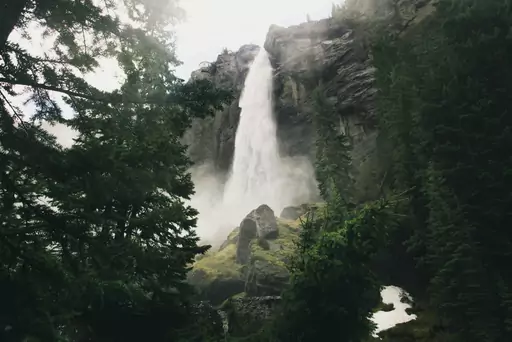
Bridal Veil Falls plunges more than 100 metres at the end of the box canyon above town. In winter it freezes into an ice climb. Telluride hosts an ice festival each January. In summer, a via ferrata lets visitors climb fixed cables above the San Miguel River. Snowy peaks ring the town.
National Park in United States
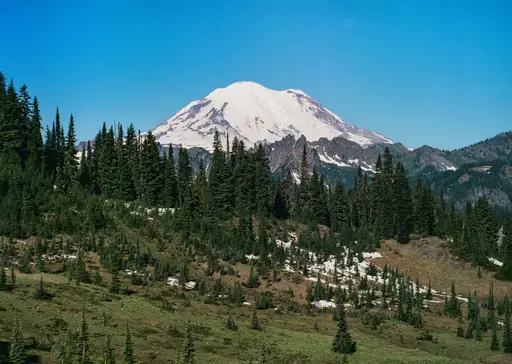
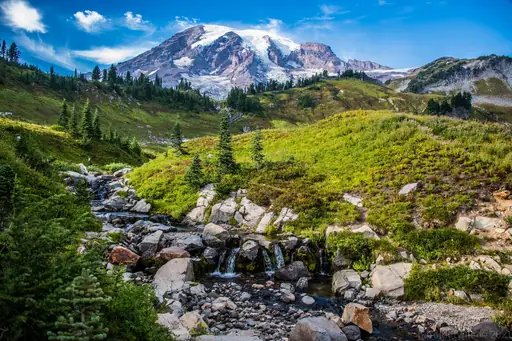
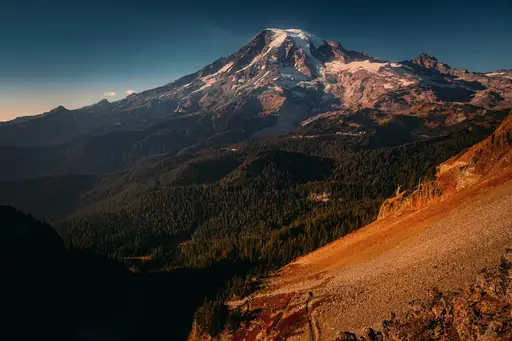
Mount Rainier National Park
A Majestic Volcano and Wild Beauty
At 4,392 metres, Mount Rainier is the most glaciated peak in the lower 48 states. Most climbers start at Paradise and sleep at Camp Muir. The summit push begins in the dark, with headlamps glowing in a line up the snow. Guide services lead the Disappointment Cleaver route from May to September.
Peak in United States
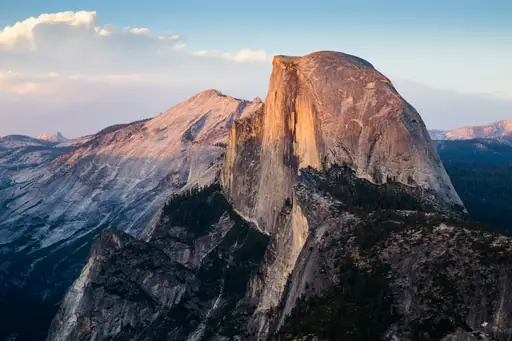
Half Dome
Iconic Granite Challenge Peak
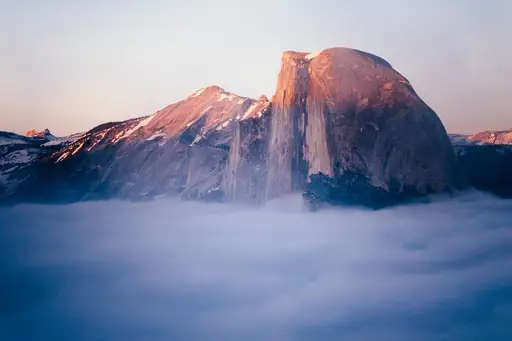
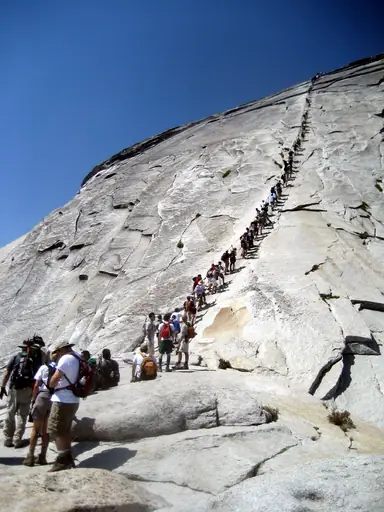
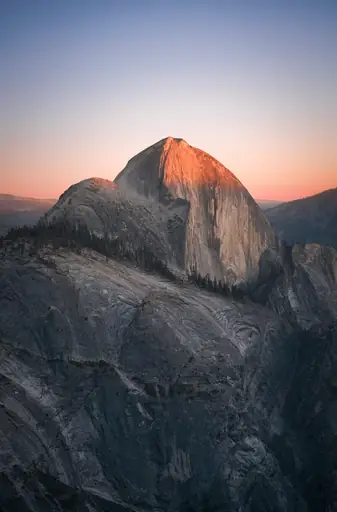
Royal Robbins and his partners climbed the northwest face of Half Dome in 1957. The wall rises about 600 metres and is split into more than 20 pitches. Hikers reach the top by a cable route in summer. Watch the granite face turn orange at sunset from Glacier Point.
Park in United States
Smith Rock
Majestic granite cliffs echo ancient wilderness
Smith Rock is where sport climbing took off in America in the 1980s. Welded tuff cliffs rise above the Crooked River. Monkey Face is a 110 metre pillar with a gaping mouth. More than 1,000 routes fill the park. Spring and autumn bring sunny days and cool mornings.
Peak in United States
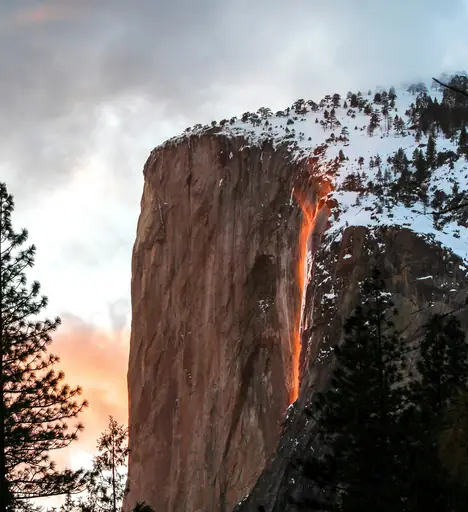
El Capitan
Yosemite's Iconic Vertical Giant
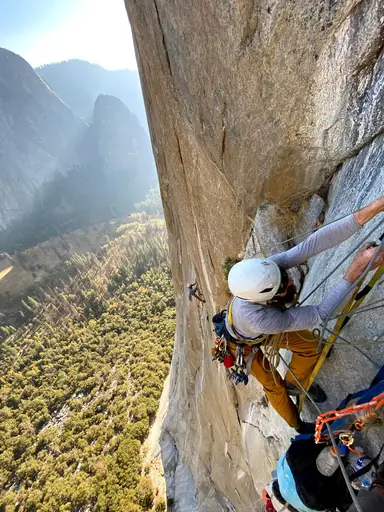
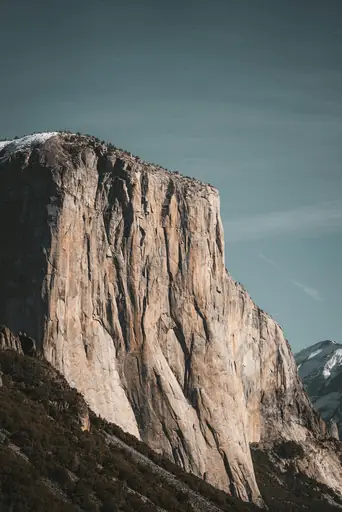
The Nose has drawn climbers up El Capitan since 1958. This 900 metre granite wall takes most teams three to five days. They sleep on hanging ledges. In 2017 Alex Honnold climbed Freerider here without a rope. The Yosemite Valley floor below has a meadow for watching the climbers through binoculars.
Other lists you may like
Discover
Best climbing destinations in Africa
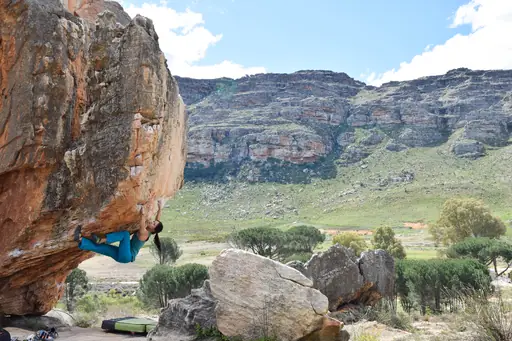
Africa is one of the most underrated continents for climbing, offering everything from striking granite peaks to sun-baked sandstone that is well worth seeking out. The range…
Read more
Discover
Best climbing destinations in Asia
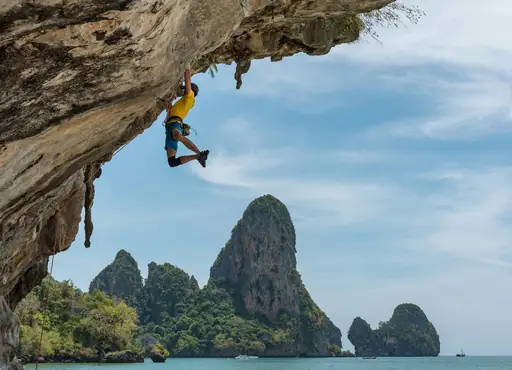
Asia has some of the most varied climbing on the planet, from towering limestone cliffs above turquoise water to high mountain routes that push climbers to their limits. The…
Read more
Discover
Best climbing destinations in Europe
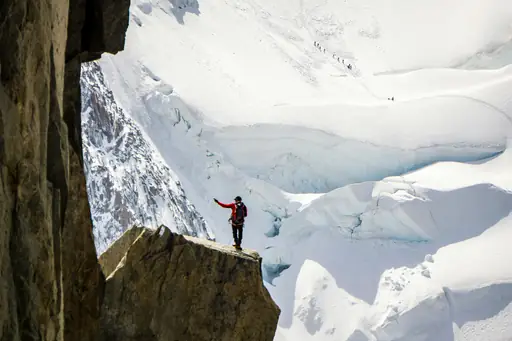
Europe has been shaping the sport of climbing for over a century, and it still offers some of the richest variety anywhere, from sunny limestone crags to serious alpine terrain.…
Read more
Discover
Best climbing destinations in Oceania
Oceania rarely comes up first in a conversation about climbing, which is exactly what makes it worth a second look. Between volcanic rock, coastal crags, and long stretches of…
Read more
Discover
Best climbing destinations in South America
South America pairs some of the most striking mountain scenery on earth with a climbing scene that still feels wonderfully undiscovered compared to other continents. The range…
Read more
Discover
Top rock climbing destinations and bouldering spots
Climbing means something different to almost everyone who does it and the best climbing destinations reflect that, since no single place suits every style or skill level. Some…
Read more
What other users say about travelfilters
“travelfilters made it easy for me to find ski areas and compare what else they offer, so that I could find the best place for my personal travel style.”

Chris
Snowboarding & Onsen trip to Japan
“I love how transparent the data feels. There is no pushy upsell, just honest information and settings I can tune to my own travel style.”

Maria
After booking her 2027 winter escape
“The level of detail for each destination and how well those are displayed, make planning feel confident instead of overwhelming.”

Mina
Planned a week in New York City
“We used travelfilters for our planning from start to end. The trip turned out even better than expected, thanks to all their tools and customisation options.”

Allan & Etienne
Trip to Japan to see autumn foliage
“Thanks to travelfilters, I found some hidden gems to see. Being able to filter for exactly your interests is a game changer for my travel planning.”

Michael
Tour through the old cities of Northern Italy
“The customizable filters helped me find a quiet beach town with good wifi and low season crowds in under five minutes.”

Diego
Weekend Escape to Llanes, Spain
“The airport connection map saved me hours by showing good flight options from my home airport to lesser-known cities.”

Nguyen
Planning a 2027 trip to France
“The website is clean, fast and focused on the search itself, which makes travelfilters feel more like a professional tool than an ad-heavy booking site.”

Hassan
Christmas Market trip, Germany
