








Was this page helpful?

| Public website: | maharashtratourism.gov.in |
|---|
| Power Grid: |
230 V, 50 Hz Plug: Type C , Type D , Type M
Type C:
   Read about power adapters |
|---|---|
| Currency: |
Indian Rupee (INR) £1 ≈ ₹126.52 |
| Cashless info: |
Rating 4/5
Cashless payments are becoming more common in India, especially in urban areas. Credit cards and mobile payment apps like Google Pay, Paytm, and PhonePe are widely accepted in cities.
Save with a travel credit card |
| eSIM providers: |
Best value: Saily Flexibility: Airalo Read our in-depth comparison |
| Tipping: | Tipping is appreciated in India but not mandatory. A 10% tip in restaurants is common. Tipping taxi drivers and hotel staff is also customary, typically 10-15% for good service. |
|---|---|
| Public drinking: | Public drinking is not commonly seen in India. Alcohol is typically consumed in licensed bars, restaurants, and hotels. |
| Public smoking: | Smoking is prohibited in many indoor public spaces, including restaurants, bars, and public transport stations. |
| Independence Day (15 August) |
A national holiday celebrated with flag hoisting and parades |
|---|---|
| Diwali (October-November) |
The Festival of Lights, celebrated with fireworks and festivities |
| Emergency contact: | Emergency Number: 112 |
|---|---|
| Taxi apps: | Ola, Uber |
| Other: | India is a vast and diverse country with a rich cultural heritage, offering a wide range of experiences from ancient temples to modern cities. Prepare for varying infrastructure and safety conditions depending on the region. |
The best times to travel section shows how the months compare for a visit, so you can find the time of year that fits what you want to do.
Background colours of the months:
The colour shows the typical temperature: yellow (hot), green (mild) and blue (cold). How strong the colour is shows the travel season: full colour means high season, soft colour means shoulder season and soft-striped means off season.
Weather symbols:
Each month has one symbol showing what the weather is typically like, such as hot and sunny, freezing or a rainy or snowy season. Use them to quickly spot months that match the weather you want, or to avoid the ones that don't.
Crowdedness:
The people icon shows how busy the place usually is. The more people, the more crowded it gets.
Additional notes:
The grey info boxes point out special things worth knowing, like recurring weather issues or seasonal events.
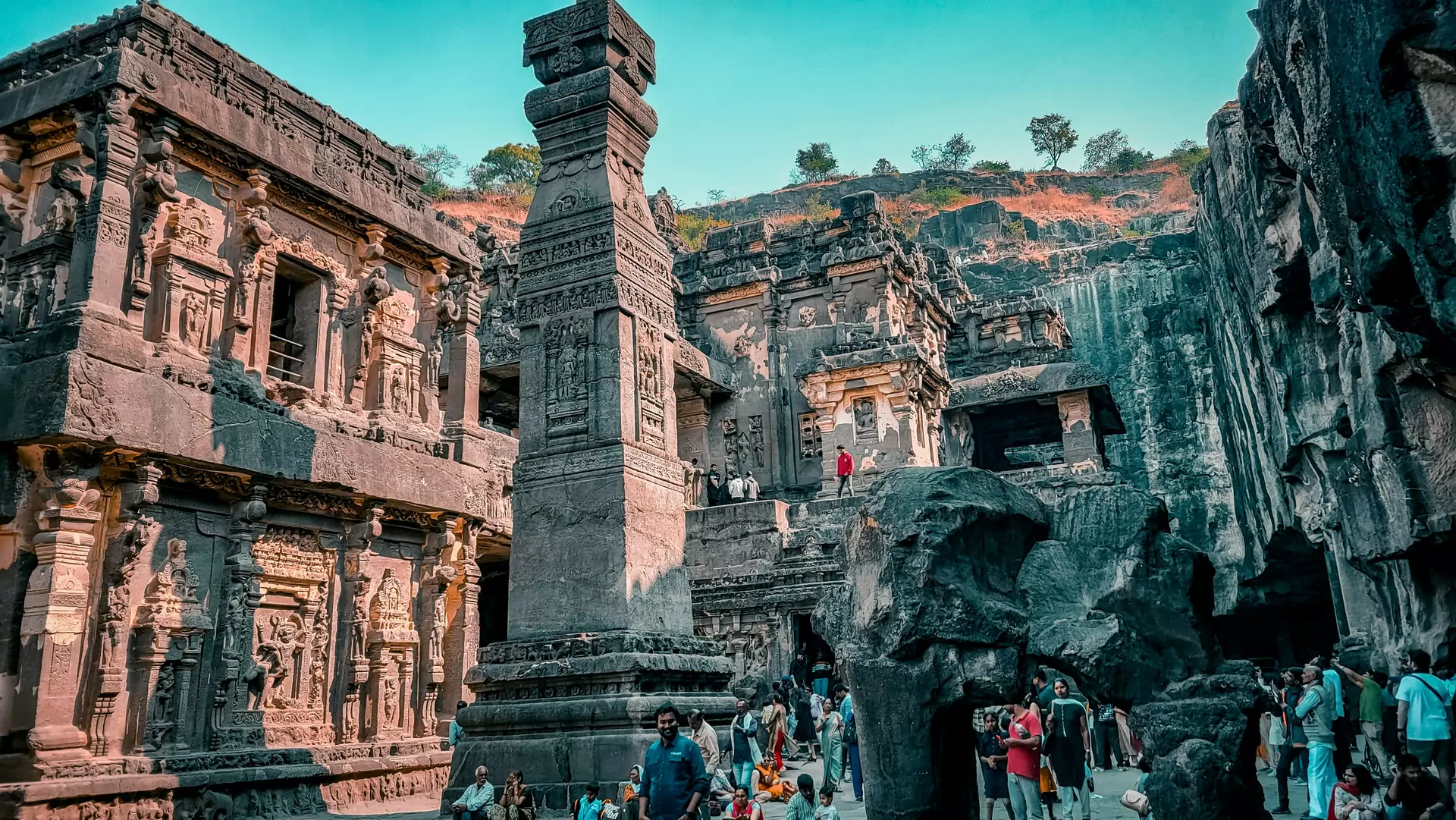
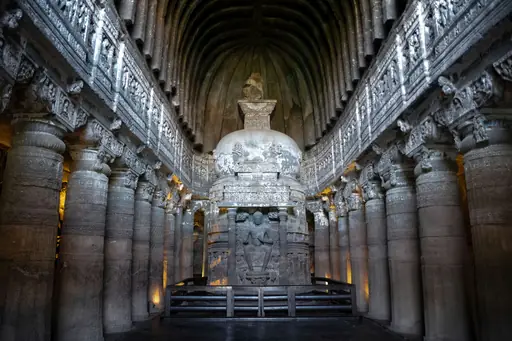
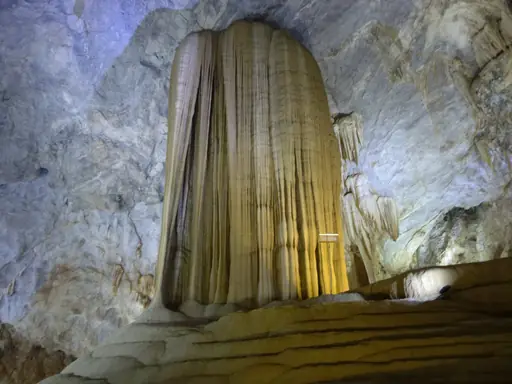
Ellora stands as a remarkable example of ancient craftsmanship and cultural exchange. Located in Maharashtra India Ellora showcases rock cut structures that span centuries of artistic development. The site includes Buddhist Hindu and Jain monuments carved directly into basalt cliffs. Each structure reveals careful planning and skilled labor reflecting deep spiritual traditions.
The most famous section features the Kailasa Temple a massive monolithic building dedicated to Lord Shiva. Its design follows precise geometric principles while integrating natural rock formations. Visitors can observe how artisans transformed solid stone into intricate reliefs depicting myths and daily life. The scale of work suggests organized teams working across generations.
Beyond religious significance Ellora demonstrates practical ingenuity in water management and structural stability. Channels and reservoirs were carved to support large gatherings during festivals. The site’s layout encourages exploration with pathways guiding visitors through different eras. Local guides share stories about the people who built these spaces highlighting community collaboration.
Today Ellora remains a place where history feels tangible. Sunlight plays across stone surfaces changing colors throughout the day. Educational programs focus on preservation techniques ensuring future generations can study original details. Travelers often note how quiet moments here foster reflection on human creativity and endurance through time.
Ellora's scale and craftsmanship will make you completely awestruck - it's hard to comprehend how ancient artisans created such intricate structures using only hammers and chisels. Walking through these caves feels like time-traveling through a millennium of Indian spiritual history, with each cave telling its own story through elaborate sculptures and carvings. The Buddhist caves have a serene simplicity, the Hindu temples burst with dynamic energy and mythological narratives, while the Jain temples showcase incredible attention to ornate detail. What makes Ellora truly special is experiencing how three different religious traditions flourished side by side, each expressing their unique spiritual vision through the same volcanic rock. The highlight is undoubtedly the Kailasanatha Temple, which will leave you speechless - it's twice the size of the Parthenon in Athens and was carved from top to bottom out of a single rock face. Just be aware that summer temperatures can be brutally hot (often exceeding 37°C/98°F), making exploration uncomfortable and the monsoon season can make pathways slippery. Also, while the main caves are well-maintained, some of the lesser-visited ones might lack adequate lighting, so bringing a flashlight is helpful.
Ellora Caves are located about 30 kilometers north of Aurangabad city in Maharashtra state. The most convenient way to reach is to first travel to Aurangabad, which has an airport with connections to major Indian cities like Mumbai and Delhi. From Aurangabad, you can hire a taxi, join a tour or take a local bus to the caves. Many visitors combine Ellora with the nearby Ajanta Caves as part of a longer itinerary.
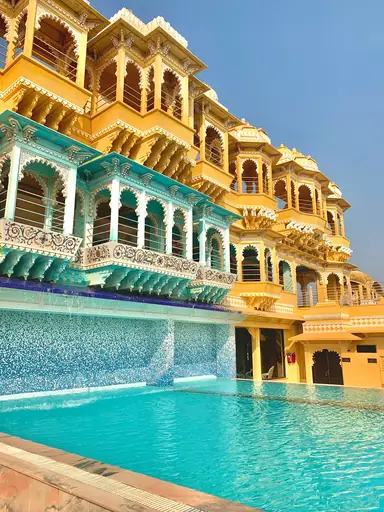
Most visitors to Ellora Caves stay in Aurangabad city, which is about 30 kilometers away and offers a range of accommodation options from budget guesthouses to luxury hotels. The Maharashtra Tourism Development Corporation (MTDC) operates a resort near the caves, which is convenient but often books up quickly. For those seeking a more immersive experience, there are a few smaller guesthouses and homestays in villages closer to the caves.


Log in to add this place to a travel list and get a summary of all recommended items for your whole trip.
We calculate the average costs when travelling to destinations and compare those with the living costs at your home. With this you can get an estimate of how expensive or cheap the destination is for you.
To customise this, you can set up which location and price level are used for the calculations in your account settings.
The exchange rate price factor shows how expensive or cheap a currency currently is compared to its historical average. It's a quick way to see if a country is currently more or less affordable due to exchange rate changes.
