








Was this page helpful?

| Power Grid: |
230 V, 50 Hz Plug: Type C , Type F
Type C:
  Read about power adapters |
|---|---|
| Currency: |
Euro (EUR) £1 ≈ €1.19 |
| Cashless info: |
Rating 5/5
Austria is a highly cashless society, particularly in urban areas. Credit and debit cards are widely accepted, and mobile payment services such as Apple Pay and Google Pay are increasingly popular.
Save with a travel credit card |
| eSIM providers: |
Best value: Saily Flexibility: Airalo Read our in-depth comparison |
| Tipping: | Tipping is customary in Austria. In restaurants, it is common to leave a 5-10% tip, though rounding up to the nearest euro is also acceptable. Taxi drivers typically expect a small tip, around 10% of the fare. Hotel staff and tour guides appreciate small gratuities. |
|---|---|
| Public drinking: | Public drinking is generally permitted in Austria, though some areas may have restrictions. Drinking in public spaces such as parks and squares is socially accepted but may be subject to local laws in specific municipalities. |
| Public smoking: | Smoking is prohibited in most indoor public spaces, including restaurants, bars, and public transport. Designated smoking areas are available in many locations. |
| National Day (October) |
A national holiday with many closures, celebrations, and increased domestic tourism. |
|---|---|
| Christmas (December) |
Festive celebrations across the country, with crowded tourist spots and higher prices for accommodation. |
| Austrian Wine Harvest Festival (September) |
Celebration of local wines, especially in wine-producing regions, with festivals and events. |
| Emergency contact: | Emergency Number: 112 (Police, Fire, Ambulance) |
|---|---|
| Taxi apps: | Bolt, Uber |
| Other: | Austria is known for its rich cultural heritage, with historical sites, museums, and nature reserves. Its well-developed infrastructure, particularly in transport, makes it a comfortable destination for travellers. |
The best times to travel section shows how the months compare for a visit, so you can find the time of year that fits what you want to do.
Background colours of the months:
The colour shows the typical temperature: yellow (hot), green (mild) and blue (cold). How strong the colour is shows the travel season: full colour means high season, soft colour means shoulder season and soft-striped means off season.
Weather symbols:
Each month has one symbol showing what the weather is typically like, such as hot and sunny, freezing or a rainy or snowy season. Use them to quickly spot months that match the weather you want, or to avoid the ones that don't.
Crowdedness:
The people icon shows how busy the place usually is. The more people, the more crowded it gets.
Additional notes:
The grey info boxes point out special things worth knowing, like recurring weather issues or seasonal events.
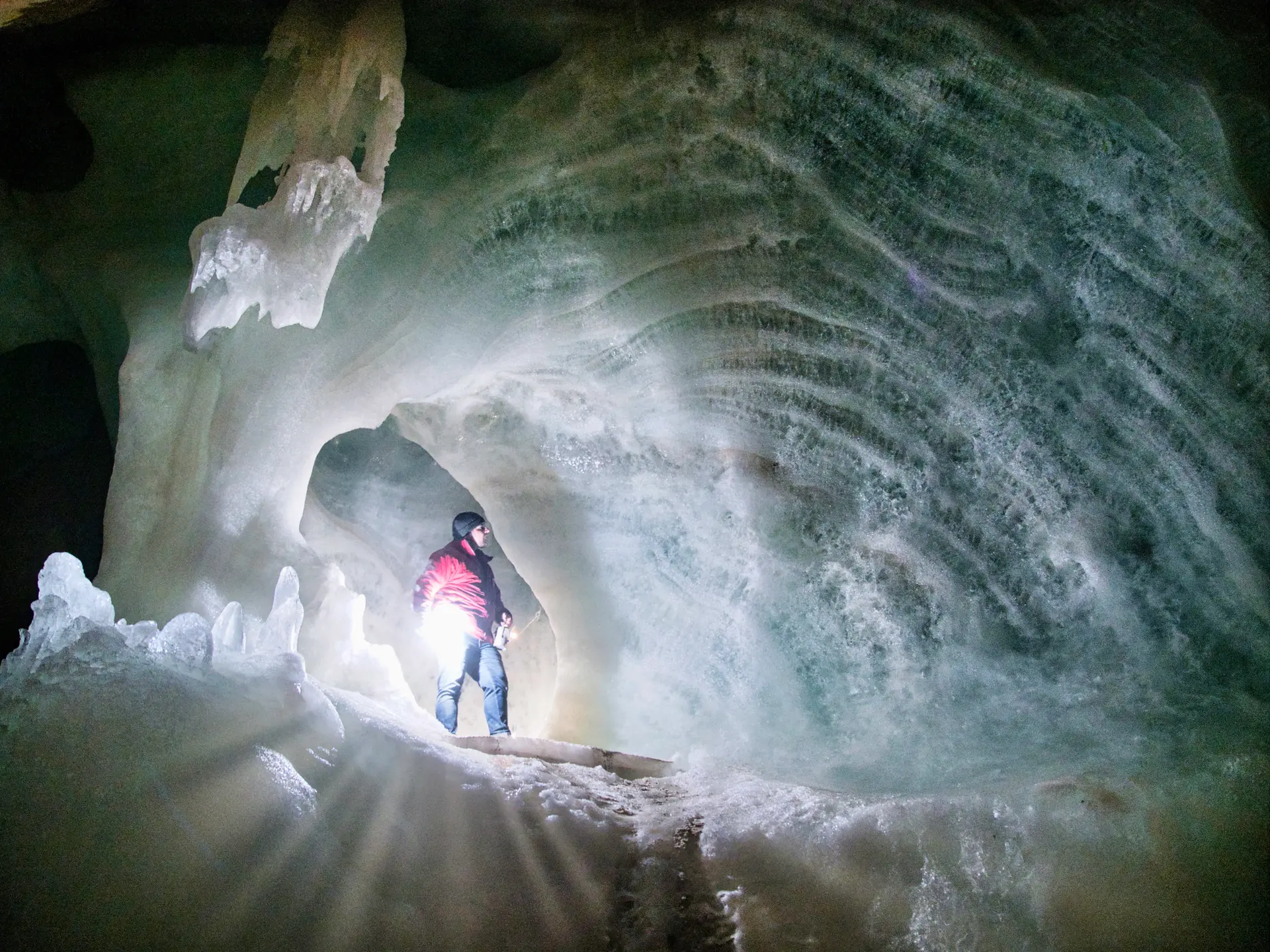
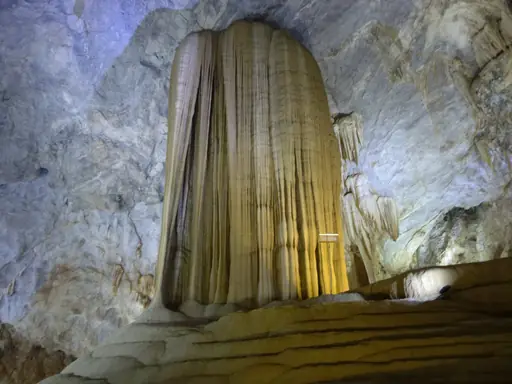
The Eisriesenwelt cave in Salzburg presents a remarkable underground world shaped by ice and time. Formed over thousands of years through natural processes water and mineral deposits have carved out vast chambers and intricate formations. Visitors walk along lit pathways that reveal towering ice structures frozen in place like ancient sculptures waiting to be studied.
What makes this site unique is its scale and the way it showcases nature’s patience. The cave spans more than 40 kilometers though only a fraction is open to tourists each year. Guides explain how cold air trapped inside creates perfect conditions for ice to persist even during warmer months. The experience feels like stepping into another planet where every turn reveals new patterns of frost and crystal.
Exploration here requires careful planning. Tours are limited in size to protect the environment so booking ahead matters. Guides wear specialized gear to avoid damaging delicate formations while sharing stories about how explorers discovered these chambers long ago. The journey involves walking on uneven ground and using small ladders in some sections but safety measures ensure most visitors can enjoy the highlights without difficulty.
Beyond its scientific interest the cave holds cultural value for locals who view it as a symbol of natural heritage. Research continues to understand how climate changes might affect its future state. For travelers seeking quiet reflection or curiosity about Earth’s hidden processes this place delivers insights that linger long after leaving the cool damp air behind.
The Eisriesenwelt cave, located near Salzburg, Austria, is accessible via train and bus from Salzburg’s main station. The nearest rail hub is Salzburg Hauptbahnhof, with regional trains or buses connecting to the town of Werfen, approximately 20 minutes away. From Werfen, visitors can take a short taxi ride or use local bus lines (e.g., Line 62) to reach the cave entrance. Private vehicles can access parking areas near the site. The cave is open year-round, with guided tours available in multiple languages. Public transport schedules should be checked for seasonal variations, especially during winter months when road conditions may affect travel times.
Near the Eisriesenwelt cave, accommodations range from cozy alpine inns to modern boutique lodges, offering a blend of rustic charm and contemporary comfort. Traditional guesthouses in the surrounding villages provide warm hospitality, hearty local cuisine and prices that suit budget travelers, typically between €70 – 120 (£58.78 – 100.76) per night. For those seeking higher-end experiences, luxury hotels with spa facilities and panoramic mountain views command rates from €180 – 250 (£151.14 – 209.92), often including breakfast and free shuttle service to the cave entrance. Many lodging options feature ski‑in/ski‑out access during winter months, while summer guests enjoy easy hiking trails and scenic cable car rides that connect directly to the cave’s visitor center.
Log in to add this place to a travel list and get a summary of all recommended items for your whole trip.
We calculate the average costs when travelling to destinations and compare those with the living costs at your home. With this you can get an estimate of how expensive or cheap the destination is for you.
To customise this, you can set up which location and price level are used for the calculations in your account settings.
The exchange rate price factor shows how expensive or cheap a currency currently is compared to its historical average. It's a quick way to see if a country is currently more or less affordable due to exchange rate changes.
