




Oceania › New Zealand › North Island › Wellington

Wellington

Scroll
Creative capital by wild seas

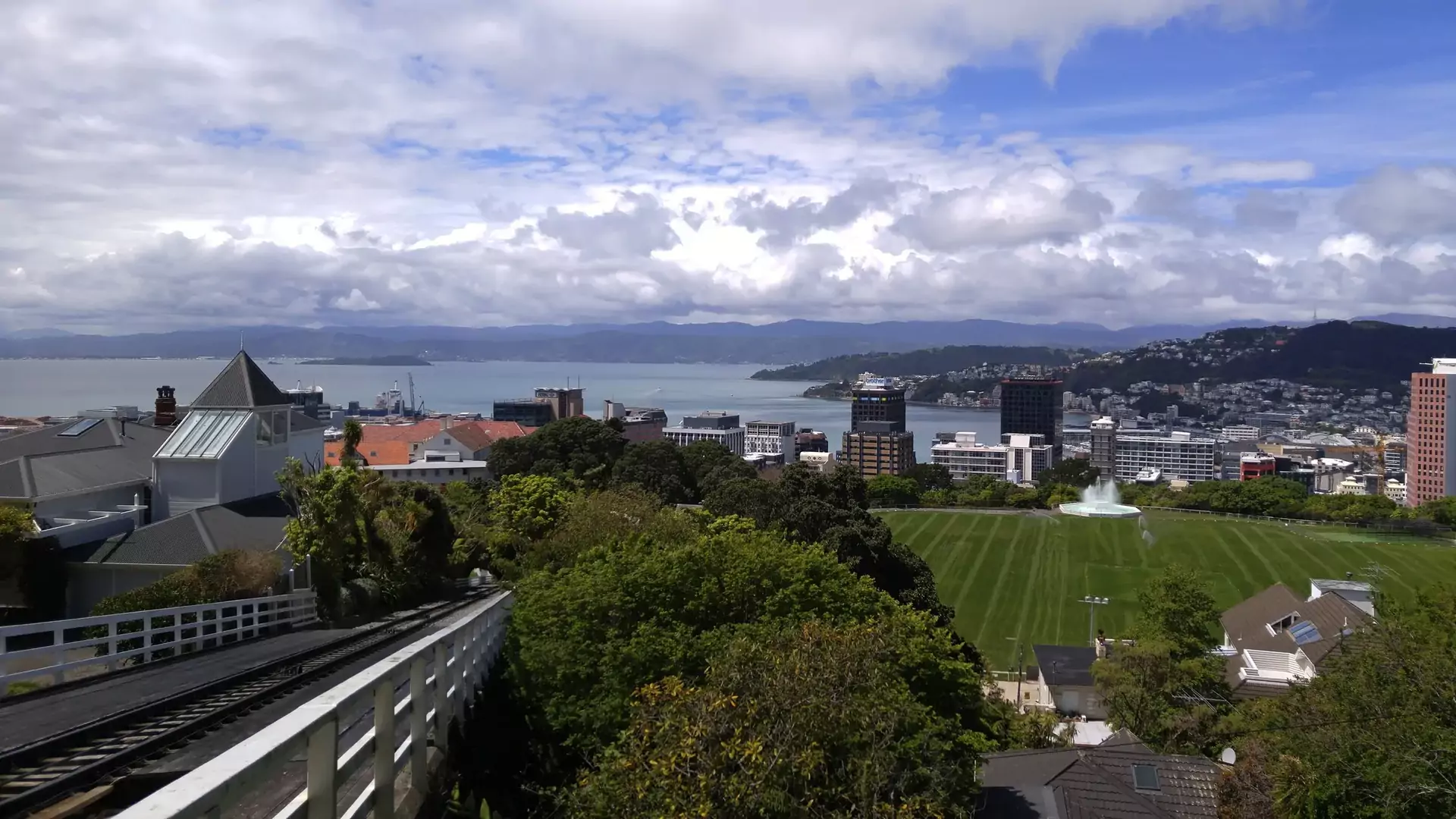
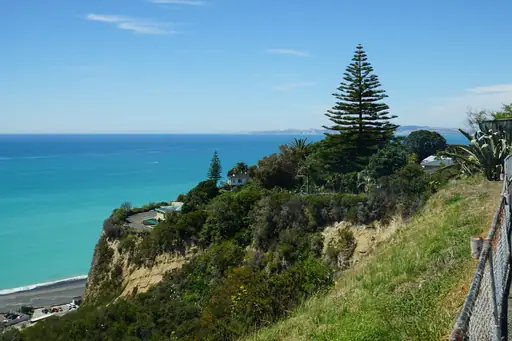
Wellington, New Zealand’s capital city, sits on the southern tip of the North Island. It stands along a coastline where hills meet the sea and is known for its vibrant arts scene, friendly neighborhoods and frequent rain. The city has many cafes, galleries and museums within easy walking distance. Public transport connects different parts efficiently, making it simple to explore markets, parks and waterfront views. Wellington also serves as a gateway to natural attractions like forests and mountains just outside the urban area.

City in New Zealand
Climate zone: Mild oceanic

Mild oceanic: Marine-influenced climates with cool summers, mild winters and frequent precipitation year-round, typical of western coasts at mid-latitudes.

See climate table
Price level: $$$
$Cheap
$$Medium
$$$Expensive, upscale
$$$+Very expensive, luxury
See price details
Safety: 7.9
General Safety:8
Health & medical:8
Accessibility:6
Tap water:9
Read details
Tourist English: 5/5
English is universally spoken, and all signage, menus, and services are in English. Māori is also an official language and visible in place names and greetings, but communication is easy for all visitors.
Last update: 26 Oct 2026
* We earn a commission from some links on this page.
Wellington Summary

These place ratings give you a quick overview of how well a destination matches different types of trips.

‘Best for’ scores:
The specific interest scores show where this place really shines – whether it's ideal for hiking, food & drink experiences, museums or other activities. These highlights help you understand what makes the destination special at a glance.

‘Your personal’ scores:
This reflects how well a place matches your personal preferences. You can adjust the importances of travel topics or other personal requirements categories in your account settings.

‘Suited for’ badges:
These give you a quick overview of how well a destination suits specific types of travellers, to help you find the places that match your lifestyle, preferences or travel situation.

Read how our scores work
Great for culture and waterfront city life. Visit interactive museums, explore film studios, hike nearby hills and enjoy vibrant cafés and craft beer bars.
Place score
7.1
Best at:
Spotless
9
Coffee
9
Museums
9
Sea
8
Walkable
8
Personal score
?
Log in to see how this place matches your personal travel interests.
Suited for
👶 8
Families
🧓 6
Seniors
🛡️ 9
Travel Beginners
🌈 9
LGBTQ+
New Zealand – Quick facts
Power Grid: 230 V, 50 Hz
Plug: Type I
Type I:
Diagram of a Type I power plug

Read about power adapters
Currency: New Zealand Dollar (NZD)
£1 ≈ NZ$2.34
Cashless info: Rating 5/5
Cashless payments are widely accepted across New Zealand, and credit cards are commonly used, especially in urban areas and tourist spots.

Save with a travel credit card
eSIM providers: Best value: Saily
Flexibility: Airalo
Read our in-depth comparison
Tipping: Tipping is not expected in New Zealand, though it is appreciated for exceptional service. 5-10% in restaurants and small tips for taxi and hotel staff are common.
Public drinking: Public drinking is generally allowed in some designated areas but may be restricted in others. Consumption of alcohol in public places may require a permit.
Public smoking: Smoking is restricted in many public areas, especially indoor spaces and public transport.
Waitangi Day
(6 February)
A national holiday celebrating the signing of the Treaty of Waitangi
Emergency contact: Emergency Number: 111 (Police, Fire, Ambulance)
Taxi apps: Uber, Ola
Other: New Zealand is known for its stunning landscapes, from beaches and mountains to national parks and cultural experiences.
Best times to travel

The best times to travel section shows how the months compare for a visit, so you can find the time of year that fits what you want to do.

Background colours of the months:
The colour shows the typical temperature: yellow (hot), green (mild) and blue (cold). How strong the colour is shows the travel season: full colour means high season, soft colour means shoulder season and soft-striped means off season.

Weather symbols:
Each month has one symbol showing what the weather is typically like, such as hot and sunny, freezing or a rainy or snowy season. Use them to quickly spot months that match the weather you want, or to avoid the ones that don't.

Crowdedness:
The people icon shows how busy the place usually is. The more people, the more crowded it gets.

Additional notes:
The grey info boxes point out special things worth knowing, like recurring weather issues or seasonal events.

for Wellington, New Zealand
🌬️
Jan
🌬️
Feb
🌬️
Mar
🌬️
Apr
🌬️
May
🌬️
Jun
🌬️
Jul
🌬️
Aug
🌬️
Sep
🌬️
Oct
🌬️
Nov
🌬️
Dec
High season: Jan. - Feb., Dec.
Shoulder season: March - April, Oct. - Nov.
Crowdedness: 5 (Moderate tourist numbers)
Tap on a month for more info Hover over a month for more info
Strong winds, strongest September to November, can delay flights and Cook Strait ferries to the South Island
Cruise ships call November to April, the waterfront and central sights are busiest on those days

Why travel to Wellington?

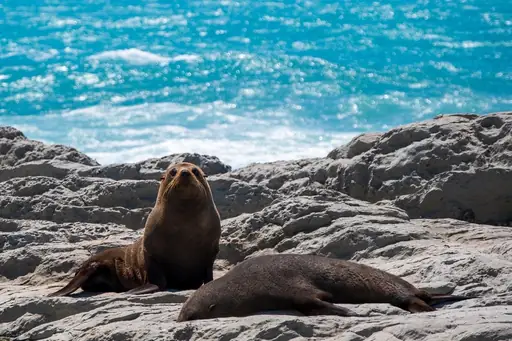
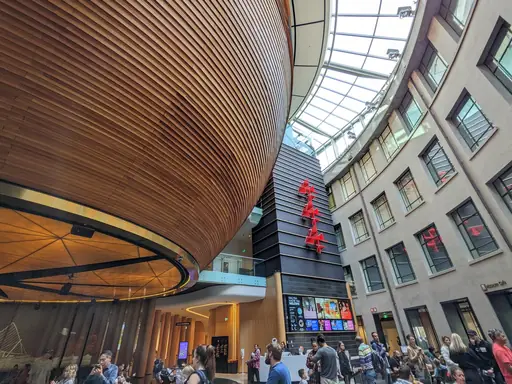
Wellington is New Zealand’s cultural heart, famous for its vibrant arts scene, legendary coffee and more eateries and bars per capita than New York. Explore Te Papa, the national museum, stroll the waterfront and ride the iconic cable car to the Botanic Gardens. The city is surrounded by nature – walk to golden beaches like Oriental Bay, hike to Mount Victoria Lookout or spot seals at Red Rocks. Movie buffs will love Wētā Workshop’s behind-the-scenes tours. Downsides? Wellington is famously windy (bring a jacket!) and weather can change in a flash. Hills are steep, so pack good shoes and accommodation fills up fast during festivals. Still, the city’s energy and friendliness make it easy to love.

🏯Places worth seeing
  • 1 Wellington Cable Car
    A historic funicular connects city center to Kelburn hill, offering panoramic views of harbor and skyline. Operated since 1902, it remains a popular transport link and tourist attraction for daily passengers.
  • 2 Museum of New Zealand
  • 3 Wellington Museum
  • 4 Oriental Bay
  • 5 New Parliament Buildings
  • 6 Mount Victoria Lookout
  • 7 Cuba Street
🎡Places for activities
  • 1 Wētā Workshop – Camperdown
  • 2 Wellington Cable Car
  • 3 Mākara Peak Mountain Bike Park
  • 4 Carlucci Land
  • 5 East By West Ferries
  • 6 Wellington Zoo
🏞️Natural landmarks
  • 1 Zealandia
    This unique research center sits within Wellington's Zealonia, offering a fascinating glimpse into New Zealand's past. Its expansive ruins and ball courts provide an engaging historical experience for visitors exploring the North Island's cultural heritage.
  • 2 Wellington Botanic Garden
    Sprawling over 20 hectares, this garden showcases New Zealand’s native flora and curated collections from around the world. Paths wind through themed areas, offering panoramic city views and tranquil spots for reflection.
  • 3 Matiu / Somes Island
  • 4 Mount Victoria
  • 5 Wellington Harbour / Port Nicholson
  • 6 Red Rocks Scientific Reserve
  • 7 Mākara Hill
  • 8 Ōtari School - Ōtari-Wilton's Bush
  • 9 Southern Walkway
  • 10 Zealandia Ecosanctuary
🛍️Shopping
  • 1 Lambton Quay
  • 2 Old Bank Arcade
🎈Events
  • Wellington on a Plate (food festival)
  • New Zealand International Film Festival
  • World of WearableArt Awards
  • CubaDupa Street Festival
  • Newtown Festival
  • Wellington Jazz Festival
  • Matariki (Māori New Year)
  • Homegrown Music Festival
  • Wellington Pride Festival
  • Diwali Festival of Lights

Knowledge before you go

  • Pack a windproof jacket; Wellington weather changes fast.
  • Ride the Cable Car to Kelburn, then walk back through Botanic Gardens.
  • Visit Te Papa on a rainy day; it’s huge and right on the waterfront.
  • For the best city panorama, do Mount Victoria at sunset – clearer light and fewer tour groups.

How to travel to Wellington

Wellington International Airport (WLG) is just 15 minutes from the city center, with direct flights from major NZ cities and Australia. Intercity buses and trains connect Wellington to other North Island destinations. The Interislander and Bluebridge ferries link Wellington to Picton on the South Island – a spectacular 3.5-hour crossing through the Cook Strait and Marlborough Sounds.

Access summary

  • From Wellington Airport (WLG): Airport Express bus or taxi, about 20–30 minutes.
  • From Auckland: frequent direct flights, roughly 1 hour in the air.
  • From South Island: Interislander or Bluebridge ferry from Picton, about 3–3.5 hours.

Where to stay in Wellington

Wellington offers everything from boutique hotels and stylish apartments in the CBD to cozy hostels and B&Bs in funky neighborhoods like Cuba Street or Mount Victoria. Book ahead for major events and summer weekends. For beach lovers, Oriental Bay is a scenic choice, while Mount Cook offers a quieter, local vibe.

How to get around Wellington

Wellington’s compact center is easy to explore on foot, but hills can be steep. Buses and trains connect suburbs and attractions and the cable car is a must for views. Cycling is popular, especially along the waterfront and to the Botanic Gardens. Taxis and rideshares are widely available and ferries connect to the South Island and Matiu/Somes Island. Parking is limited and expensive downtown – public transport is your friend.
Budget snapshot
Costs compared to home

We calculate the average costs when travelling to destinations and compare those with the living costs at your home. With this you can get an estimate of how expensive or cheap the destination is for you.

To customise this, you can set up which location and price level are used for the calculations in your account settings.

-9 %
Daily expenses in Wellington are around 9% lower than the average across United States. That means you'll spend less on meals and getting around.
Exchange rate trend

The exchange rate price factor shows how expensive or cheap a currency currently is compared to its historical average. It's a quick way to see if a country is currently more or less affordable due to exchange rate changes.

-15 %
Your exchange rate (GBP to NZD) is 15% better than in recent years. That means travelling now is considerably cheaper compared to the past.

Travel costs

To help you plan your trip, we provide estimated daily costs per person (when travelling as a pair) for different travel styles. These numbers give you an idea of what you might spend each day at this destination, including accommodation, food, transport and activities.

Additionally, we also provide average hotel costs for different travel styles to give you an estimate for the accommodation only.

Please note that these are only estimates. The real costs depend on booking times, season and other factors.

Daily cost summary

Travel style categories explained:

Backpacker:
Staying in hostels or budget hotels, cooking your own meals or eating cheap and choosing low-cost activities.

Mid-range:
Staying in mid-range hotels, eating at a mix of restaurants and casual spots and enjoying a variety of activities.

Luxury:
Staying in luxury hotels, dining out at high-end restaurants and enjoying premium experiences without worrying about the price.

Backpacker Mid-range Luxury
💵 Total costs per day, including accommodation
£55
£121
£332
🏨 Accommodation per night, per person
£19
£49
£113
🍝 Food per day
£26
£62
£192
🚕 Transportation per day
£9
£9
£27
Food & Drink
🍽️ Restaurant Dinner, per person
£24
🍛 Lunch Set, per person
£10
🍟 Fast food combo
£7.50
🍝 Preparing your own food, per day
£9.50
☕ Cappuccino
£2.70
🍺 Beer in a restaurant, 0.5 l
£5.50
Transportation
🚌 Public transport ticket
£2.30
🚕 Taxi Ride, 10 km / 6 mi
£15
⛽ Petrol, 1 l
£1.25
Other
🎞️ Cinema ticket
£9
👩‍⚕️ Doctor's consult
£29
🤧 Cold medication
£8
💇 Basic haircut
£13

Safety information overview

General safety
8
Wellington is very safe, with low crime rates. Standard precautions apply — watch your belongings in busy areas and take care near the waterfront in high winds. Hills and weather can make walking tricky, so take your time.
Health & Medical
8
Medical care is excellent, with modern hospitals and clinics. Pharmacies are easy to find. No special vaccinations are needed. The wind and weather can be tough on sensitive skin — bring moisturizer and sun protection.
Accessi­bility
6
Most attractions, hotels and public transport are accessible, but some steep hills and old buildings may pose challenges. The city is improving accessibility — check ahead if you have specific needs.
Tap water
9
Tap water is safe, clean and tastes great. Public fountains are available in parks and along the waterfront — refill your bottle as you go, especially on windy days.

Looking for inspiration?

Discover
Best museum destinations in Oceania
Oceania's museum offer is shaped by the extraordinary depth of its indigenous cultural collections, with Australian and New Zealand institutions holding material that documents…
Read more
Discover
Most famous theater destinations in Oceania
An iconic sail-roofed performance venue has become as much an architectural landmark as a theatre, recognisable even to people who've never seen a show there. Its rotating…
Read more
Discover
Best travel destinations for food allergies
Travelling with a food allergy adds a layer of planning most people never have to think about and the right destination can make that planning a lot easier. Some travellers…
Read more
Discover
Top art destinations and cultural hubs
For many travellers, standing in front of a painting they have only ever seen in books is one of the best moments of a trip and it often feels very different from what they…
Read more
Discover
Best festivals in Oceania
Oceania's festival scene is younger overall than Europe or Asia's, but no less distinctive: large-scale light and music events transform major cities each year, while world music…
Read more
Discover
Best street food destinations in Oceania
Street food is a newer tradition in Oceania than in some other regions, but its cities have built a lively scene around markets and food trucks in a fairly short time.…
Read more
Discover
Top autumn foliage destinations and colours
Few natural spectacles are as season-specific and location-dependent as autumn foliage, where the combination of tree species composition, temperature drop and daylight reduction…
Read more
Discover
Best fall foliage destinations in Oceania
Oceania's autumn foliage is largely a feature of introduced deciduous species rather than native vegetation, with the most significant displays found in the historic gardens,…
Read more
Discover
Best LGBTQ+ friendly destinations in Oceania
Oceania is home to two of the most established LGBTQ+ friendly countries anywhere, alongside a much wider range of conditions across the Pacific. Australia has strong legal…
Read more
Discover
Best zoo destinations in Oceania
Oceania's zoological institutions are anchored by the wildlife sanctuaries and conservation parks of Australia, where the continent's extraordinary endemic fauna has produced a zoo…
Read more
Discover
Best cities to visit in Oceania
Oceania's world city offer is anchored almost entirely by Sydney and Melbourne, two cities with genuine international standing built around harbour geography, multicultural…
Read more
Discover
Top theatres and performing arts destinations
The world's great theatres are as much architectural and cultural landmarks as performance spaces: buildings with acoustics, history and a resident company or programme that…
Read more
Discover
Best beer destinations in Oceania
Oceania's beer scene is dominated by the mature and diverse craft brewing industries of Australia and New Zealand, both of which have developed well beyond the early craft wave…
Read more
Discover
Best plant-based food destinations in Oceania
Oceania might not be the first continent that comes to mind for plant based travel, but its biggest cities have quietly built some of the strongest vegan food scenes anywhere.…
Read more
Discover
Best travel destinations for food allergies in Oceania
Australia and New Zealand share some of the clearest food allergen laws anywhere, which makes Oceania a fairly reassuring region for allergy conscious travelers. Packaged food…
Read more
Was this page helpful?
Feedback