










Was this page helpful?

These place ratings give you a quick overview of how well a destination matches different types of trips.
‘Best for’ scores:
The specific interest scores show where this place really shines – whether it's ideal for hiking, food & drink experiences, museums or other activities. These highlights help you understand what makes the destination special at a glance.
‘Your personal’ scores:
This reflects how well a place matches your personal preferences. You can adjust the importances of travel topics or other personal requirements categories in your account settings.
‘Suited for’ badges:
These give you a quick overview of how well a destination suits specific types of travellers, to help you find the places that match your lifestyle, preferences or travel situation.
| Power Grid: |
230 V, 50 Hz Plug: Type I
Type I:
 Read about power adapters |
|---|---|
| Currency: |
New Zealand Dollar (NZD) £1 ≈ NZ$2.34 |
| Cashless info: |
Rating 5/5
Cashless payments are widely accepted across New Zealand, and credit cards are commonly used, especially in urban areas and tourist spots.
Save with a travel credit card |
| eSIM providers: |
Best value: Saily Flexibility: Airalo Read our in-depth comparison |
| Tipping: | Tipping is not expected in New Zealand, though it is appreciated for exceptional service. 5-10% in restaurants and small tips for taxi and hotel staff are common. |
|---|---|
| Public drinking: | Public drinking is generally allowed in some designated areas but may be restricted in others. Consumption of alcohol in public places may require a permit. |
| Public smoking: | Smoking is restricted in many public areas, especially indoor spaces and public transport. |
| Waitangi Day (6 February) |
A national holiday celebrating the signing of the Treaty of Waitangi |
|---|
| Emergency contact: | Emergency Number: 111 (Police, Fire, Ambulance) |
|---|---|
| Taxi apps: | Uber, Ola |
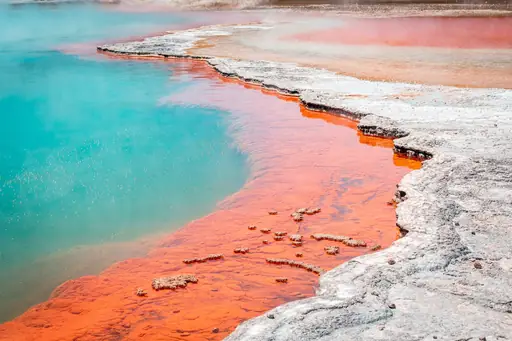
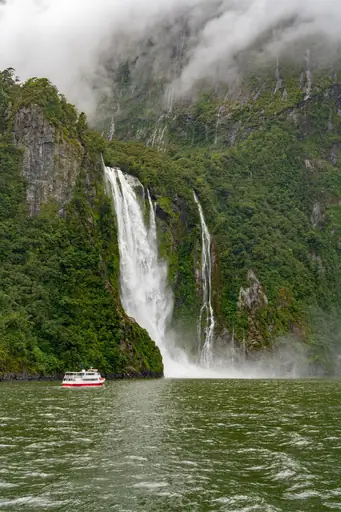
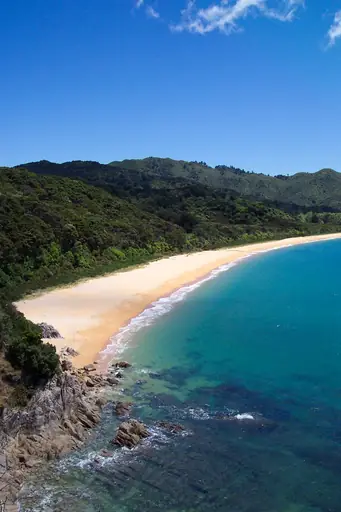
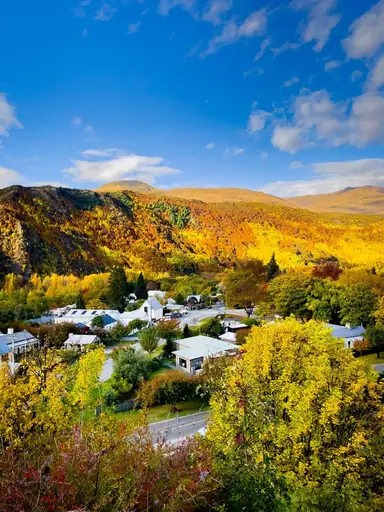
| Other: | New Zealand is known for its stunning landscapes, from beaches and mountains to national parks and cultural experiences. |
The best times to travel section shows how the months compare for a visit, so you can find the time of year that fits what you want to do.
Background colours of the months:
The colour shows the typical temperature: yellow (hot), green (mild) and blue (cold). How strong the colour is shows the travel season: full colour means high season, soft colour means shoulder season and soft-striped means off season.
Weather symbols:
Each month has one symbol showing what the weather is typically like, such as hot and sunny, freezing or a rainy or snowy season. Use them to quickly spot months that match the weather you want, or to avoid the ones that don't.
Crowdedness:
The people icon shows how busy the place usually is. The more people, the more crowded it gets.
Additional notes:
The grey info boxes point out special things worth knowing, like recurring weather issues or seasonal events.
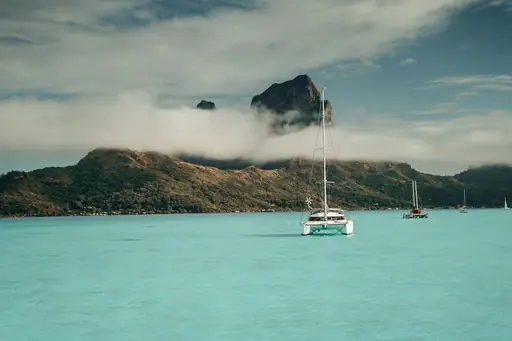
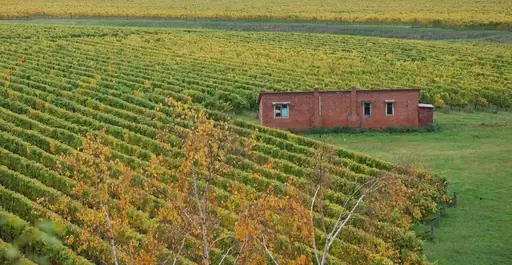
Marlborough offers a unique combination of wine, water and wilderness that's hard to find elsewhere. The region is New Zealand's largest wine producer, particularly renowned for its exceptional Sauvignon Blanc, with over 30 cellar doors where you can sample award-winning wines directly from the source. Beyond the vineyards, the Marlborough Sounds present a stunning maze of deep inlets, sheltered bays and forested hills perfect for hiking, mountain biking or kayaking - with the 70km Queen Charlotte Track being a highlight for outdoor enthusiasts. The region's rich maritime history, including Captain Cook's favorite landing site at Ship Cove, adds cultural depth to your experience, while the abundant seafood (especially the famous green-lipped mussels) makes dining a true pleasure. However, Marlborough isn't without its challenges. Public transportation between smaller towns and attractions is limited, making a rental car essential for exploring beyond the main centers. The weather can be unpredictable, with rain possible even during summer months. During peak season (December-February), popular tracks like the Queen Charlotte can get crowded and accommodation prices rise significantly. Some of the most beautiful areas in the Sounds are only accessible by boat, adding to your travel costs. Despite these considerations, Marlborough's combination of culinary excellence and natural beauty makes it a worthwhile destination for those seeking both relaxation and adventure.
The main gateway to Marlborough is through Blenheim, which has a domestic airport with regular flights from Auckland and Wellington. Alternatively, the Interislander and Bluebridge ferries connect Wellington (North Island) to Picton (Marlborough) across the Cook Strait, a scenic 3.5-hour journey. By road, Marlborough is accessible from Christchurch (about 4 hours drive south) or from Nelson (about 1.5 hours drive west).
Accommodation in Marlborough ranges from luxury lodges and waterfront resorts to boutique B&Bs, holiday parks and backpacker hostels. In the Sounds, you'll find unique waterfront lodges like Lochmara and Punga Cove that are only accessible by boat. Blenheim and Picton offer the widest range of options, while smaller settlements have limited but often charming choices. Book well ahead during summer (December-February) and for waterfront properties, as the best spots fill quickly.
We calculate the average costs when travelling to destinations and compare those with the living costs at your home. With this you can get an estimate of how expensive or cheap the destination is for you.
To customise this, you can set up which location and price level are used for the calculations in your account settings.
The exchange rate price factor shows how expensive or cheap a currency currently is compared to its historical average. It's a quick way to see if a country is currently more or less affordable due to exchange rate changes.
To help you plan your trip, we provide estimated daily costs per person (when travelling as a pair) for different travel styles. These numbers give you an idea of what you might spend each day at this destination, including accommodation, food, transport and activities.
Additionally, we also provide average hotel costs for different travel styles to give you an estimate for the accommodation only.
Please note that these are only estimates. The real costs depend on booking times, season and other factors.
Travel style categories explained:
Backpacker:
Staying in hostels or budget hotels, cooking your own meals or eating cheap and choosing low-cost activities.
Mid-range:
Staying in mid-range hotels, eating at a mix of restaurants and casual spots and enjoying a variety of activities.
Luxury:
Staying in luxury hotels, dining out at high-end restaurants and enjoying premium experiences without worrying about the price.
| Backpacker | Mid-range | Luxury | |
|---|---|---|---|
| 💵 Total costs per day, including accommodation | |||
| 🏨 Accommodation per night, per person | |||
| 🍝 Food per day | |||
| 🚕 Transportation per day |
| 🍽️ Restaurant Dinner, per person | |
|---|---|
| 🍛 Lunch Set, per person | |
| 🍟 Fast food combo | |
| 🍝 Preparing your own food, per day | |
| ☕ Cappuccino | |
| 🍺 Beer in a restaurant, 0.5 l |
| 🚌 Public transport ticket | |
|---|---|
| 🚕 Taxi Ride, 10 km / 6 mi | |
| ⛽ Petrol, 1 l |
| 🎞️ Cinema ticket | |
|---|---|
| 👩⚕️ Doctor's consult | |
| 🤧 Cold medication | |
| 💇 Basic haircut |
Log in to add this place to a travel list and get a summary of all recommended items for your whole trip.
