


Oceania › New Zealand › South Island

South Island

Scroll
Majestic fjords and alpine peaks

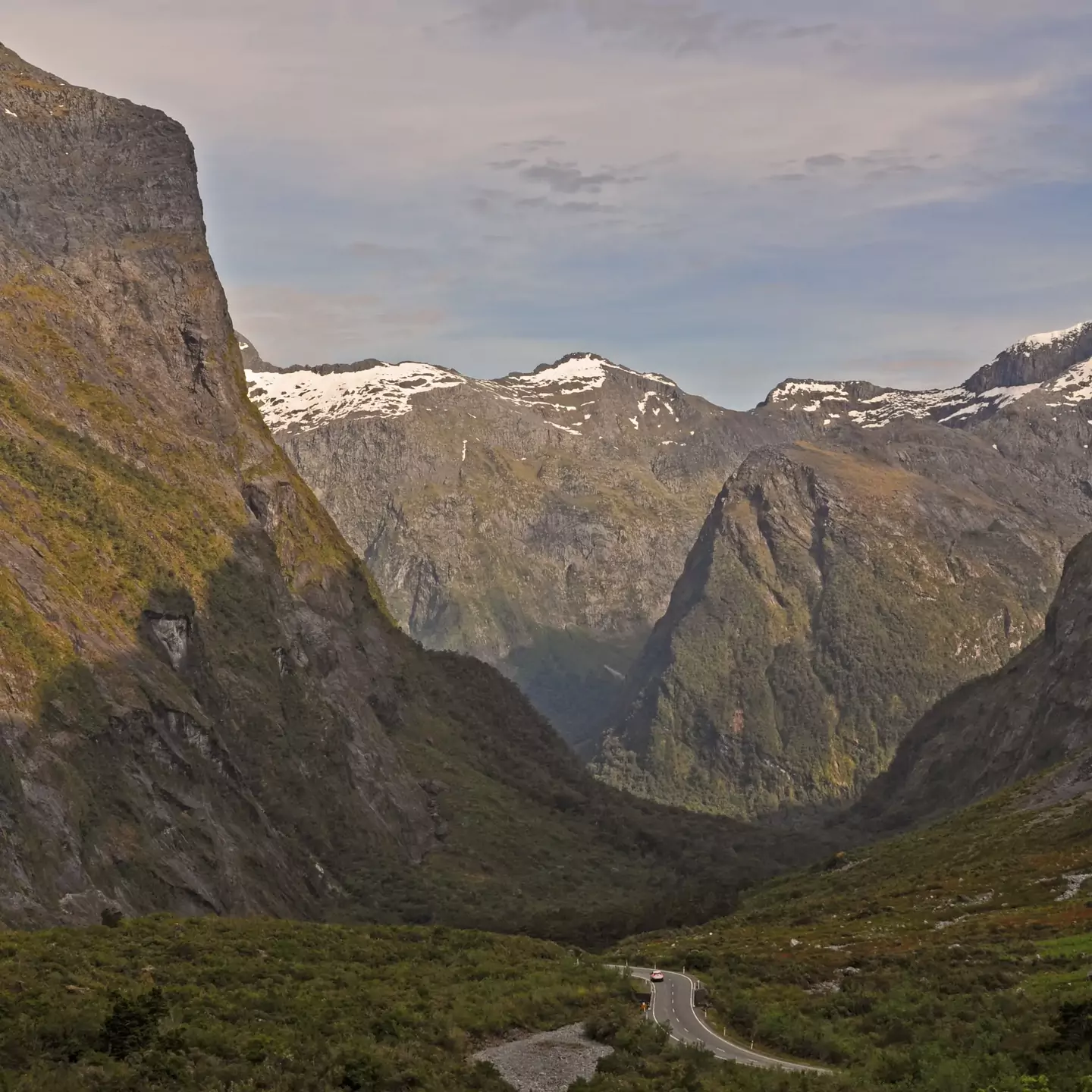
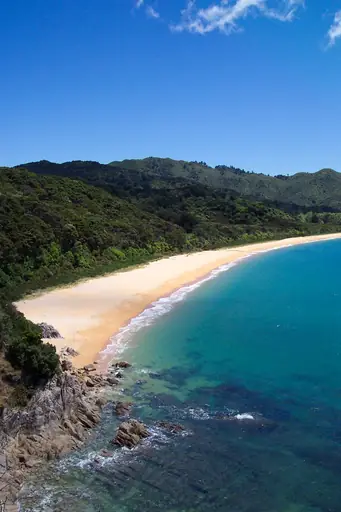
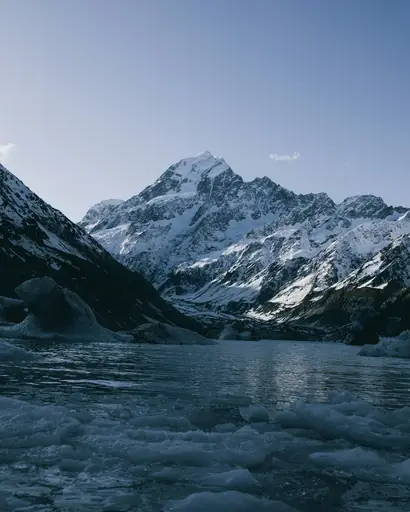
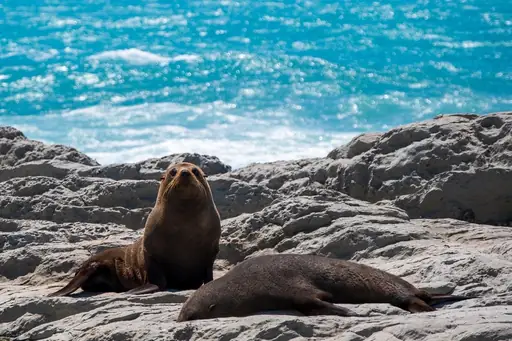
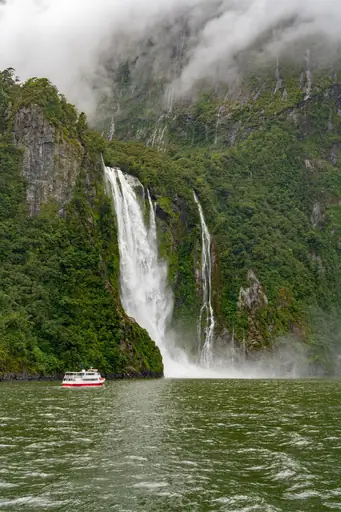
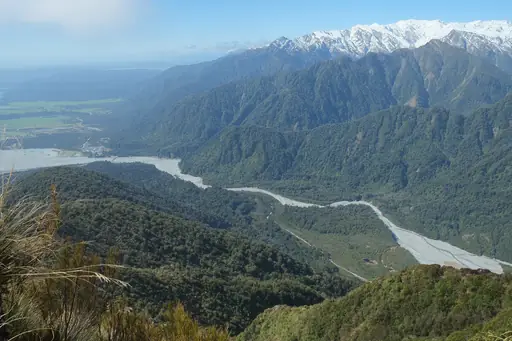
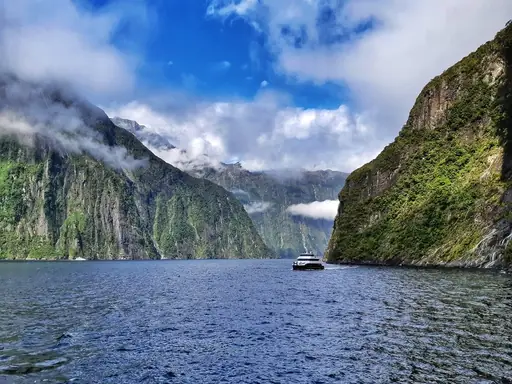
New Zealand’s South Island is a land of dramatic landscapes shaped by mountains, glaciers and coastlines. The Southern Alps run through the center, creating sharp peaks like Aoraki/Mount Cook that attract climbers year-round. Glacial valleys such as Milford Sound hold deep blue waters and towering cliffs where waterfalls cascade into the sea. The west coast features wild beaches and dense rainforests while the east offers golden sands under wide skies. Wildlife thrives here, from native birds to marine mammals in coastal bays.

Island in New Zealand
Climate zone: Mild oceanic

Mild oceanic: Marine-influenced climates with cool summers, mild winters and frequent precipitation year-round, typical of western coasts at mid-latitudes.

See climate table
Price level: $$$
$Cheap
$$Medium
$$$Expensive, upscale
$$$+Very expensive, luxury
See price details
Safety: 9.4
General Safety:10
Health & medical:9
Accessibility:7
Tap water:9
Read details
Tourist English: 5/5
English is widely spoken across New Zealand’s South Island, from bustling Christchurch to remote Fiordland. Tourists will find locals friendly and fluent, making navigation, dining and adventure booking effortless.
Last update: 12 Oct 2026
* We earn a commission from some links on this page.
South Island Summary

These place ratings give you a quick overview of how well a destination matches different types of trips.

‘Best for’ scores:
The specific interest scores show where this place really shines – whether it's ideal for hiking, food & drink experiences, museums or other activities. These highlights help you understand what makes the destination special at a glance.

‘Your personal’ scores:
This reflects how well a place matches your personal preferences. You can adjust the importances of travel topics or other personal requirements categories in your account settings.

‘Suited for’ badges:
These give you a quick overview of how well a destination suits specific types of travellers, to help you find the places that match your lifestyle, preferences or travel situation.

Read how our scores work
World-class for dramatic landscapes and adventure sports. Go hiking in alpine parks, try bungee jumping and skiing, explore fjords and drive scenic mountain roads.
Place score
9.3
Best at:
Natural sites
10
Mountains
9
Lakes
9
Spotless
9
Wine
9
Personal score
?
Log in to see how this place matches your personal travel interests.
Suited for
👶 7
Families
🧓 7
Seniors
🛡️ 9
Travel Beginners
👩 9
Solo
New Zealand – Quick facts
Power Grid: 230 V, 50 Hz
Plug: Type I
Type I:
Diagram of a Type I power plug

Read about power adapters
Currency: New Zealand Dollar (NZD)
£1 ≈ NZ$2.34
Cashless info: Rating 5/5
Cashless payments are widely accepted across New Zealand, and credit cards are commonly used, especially in urban areas and tourist spots.

Save with a travel credit card
eSIM providers: Best value: Saily
Flexibility: Airalo
Read our in-depth comparison
Tipping: Tipping is not expected in New Zealand, though it is appreciated for exceptional service. 5-10% in restaurants and small tips for taxi and hotel staff are common.
Public drinking: Public drinking is generally allowed in some designated areas but may be restricted in others. Consumption of alcohol in public places may require a permit.
Public smoking: Smoking is restricted in many public areas, especially indoor spaces and public transport.
Waitangi Day
(6 February)
A national holiday celebrating the signing of the Treaty of Waitangi
Emergency contact: Emergency Number: 111 (Police, Fire, Ambulance)
Taxi apps: Uber, Ola
Other: New Zealand is known for its stunning landscapes, from beaches and mountains to national parks and cultural experiences.
Best times to travel

The best times to travel section shows how the months compare for a visit, so you can find the time of year that fits what you want to do.

Background colours of the months:
The colour shows the typical temperature: yellow (hot), green (mild) and blue (cold). How strong the colour is shows the travel season: full colour means high season, soft colour means shoulder season and soft-striped means off season.

Weather symbols:
Each month has one symbol showing what the weather is typically like, such as hot and sunny, freezing or a rainy or snowy season. Use them to quickly spot months that match the weather you want, or to avoid the ones that don't.

Crowdedness:
The people icon shows how busy the place usually is. The more people, the more crowded it gets.

Additional notes:
The grey info boxes point out special things worth knowing, like recurring weather issues or seasonal events.

for South Island, New Zealand
🌦️
Jan
🌦️
Feb
🌦️
Mar
🌨️
Apr
🌨️
May
🌨️
Jun
🌨️
Jul
🌨️
Aug
🌨️
Sep
🌨️
Oct
🌨️
Nov
🌨️
Dec
High season: Jan. - March, July - Aug., Dec.
Shoulder season: April, June, Sep. - Nov.
Crowdedness: 5 (Moderate tourist numbers)
Tap on a month for more info Hover over a month for more info
Climate and season vary by area: West Coast and Fiordland wet year-round, east and Central Otago drier, skiing around Queenstown and Wanaka June to October, hiking best November to April
Great Walks (Milford, Routeburn, Kepler) run late October to April; huts and campsites must be booked months ahead
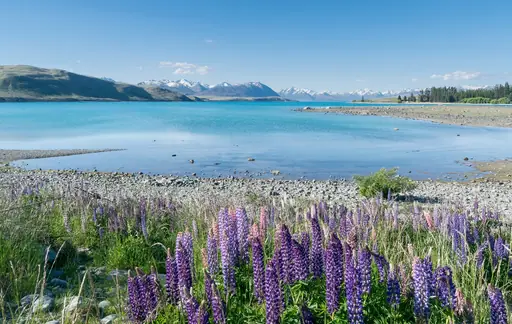
Lupins bloom around Lake Tekapo and Twizel mid November to December

Why travel to South Island?

South Island offers a balanced mix of dramatic landscapes and relaxed towns that appeal to travelers seeking both adventure and comfort. The island’s rugged coastlines – such as the towering cliffs of Kaikoura and the turquoise waters around Abel Tasman National Park – provide excellent opportunities for kayaking, snorkeling and scenic walks without the crowds found in larger cities. Inland, the Southern Alps present a range of outdoor activities from hiking to skiing, depending on the season. The Milford Track is renowned for its well-maintained paths and clear views of waterfalls and fjords, while the Queenstown area offers a variety of guided tours that showcase the region’s natural beauty without overwhelming visitors. For those interested in culture, small towns like Nelson and Dunedin host local art galleries, craft markets and historic architecture. The city of Christchurch, rebuilt after recent earthquakes, now features modern public spaces and botanical gardens that reflect resilience and renewal. Culinary experiences on South Island are rooted in fresh seafood and locally sourced produce. Restaurants often feature dishes prepared with ingredients from nearby farms or fisheries, allowing travelers to taste the island’s terroir directly. Overall, South Island’s combination of accessible natural wonders, welcoming communities and sustainable tourism practices makes it a practical choice for visitors who value authenticity over spectacle.

🏙️Cities & Regions
  • 1 Queenstown
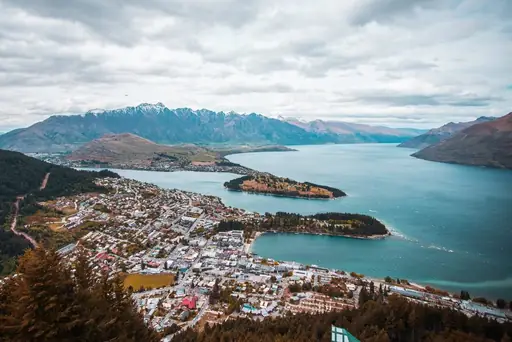
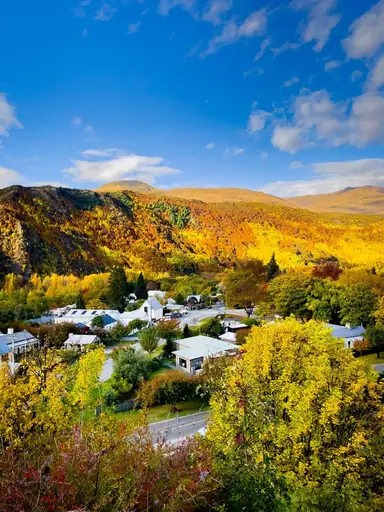
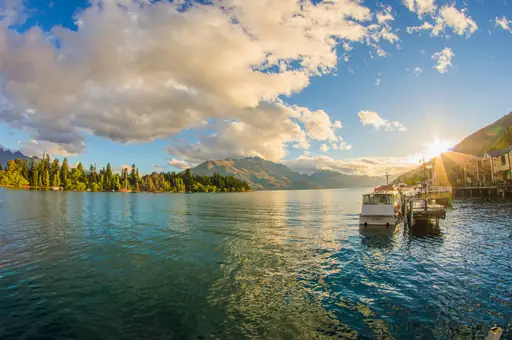
    Known for adventure sports and stunning alpine scenery, this resort town sits beside Lake Wakatipu and the Remarkables range. Visitors enjoy world‑class skiing, bungee jumping, hiking trails and vibrant nightlife in a relaxed, scenic setting.
  • 2 Christchurch
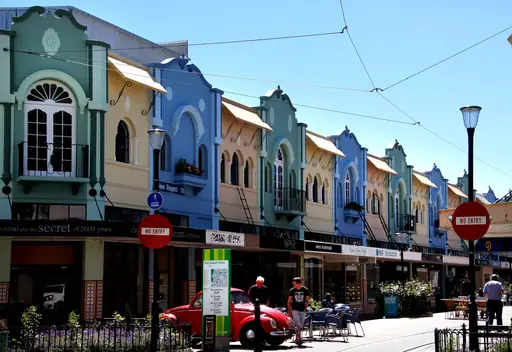
    Known for its vibrant arts scene and resilient spirit after recent earthquakes, this city offers botanical gardens, historic churches and a growing culinary landscape. Visitors can explore nearby lakes, vineyards and the rugged Southern Alps from here.
  • 3 Dunedin
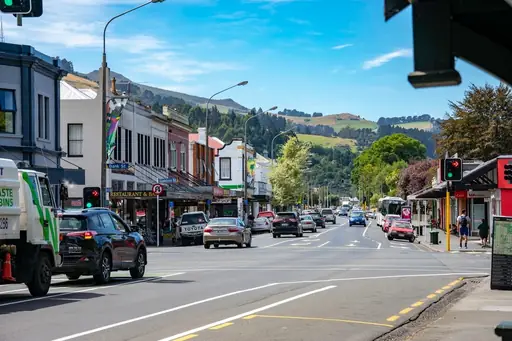
    Known for its Scottish heritage and rugged coastlines, this city offers dramatic cliffs, historic architecture and a vibrant arts scene. Visitors can explore the Otago Peninsula, enjoy local seafood or hike nearby trails for adventure.
  • 4 Franz Josef
    This glacial valley in New Zealand's South Island features the iconic Franz Josef Glacier, accessible via scenic tracks and boat tours. The landscape combines rugged mountains, lush forests and dramatic ice formations that define this world-renowned destination.
  • 5 Mount Cook National Park
    A rugged, alpine landscape in New Zealand's South Island features dramatic peaks and turquoise lakes within Mount Cook National Park. The terrain is more mountain than forest, with glacial valleys and striking rock formations along the northern coast.
  • 6 Wanaka
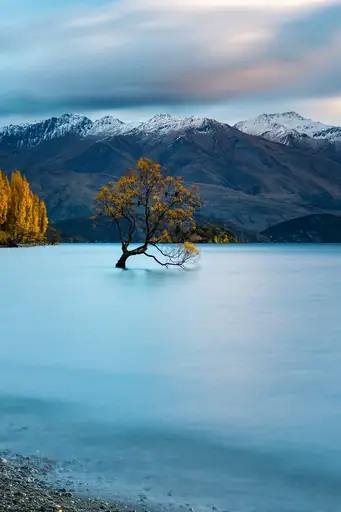
    A lakeside village on Lake Wanaka offers dramatic alpine scenery and outdoor adventure. Popular for hiking, mountain biking and winter sports, it serves as a gateway to the Southern Alps, nearby ski resorts and wildlife-rich national parks.
  • 7 Lake Tekapo
    This sun-drenched lake town on New Zealand's South Island offers dramatic mountain backdrops, clear skies perfect for stargazing and nearby glaciers that create a stunning alpine landscape for visitors to explore.
  • 8 Fiordland National Park
    Explore towering fjords carved by glaciers, crystal‑clear waters and lush temperate rainforests. The park offers dramatic scenery, wildlife sightings and hiking trails that reveal waterfalls, sea stacks and panoramic views of the Southern Ocean for adventurers.
  • 9 Abel Tasman National Park
    A rugged coastline stretches along Abel Tasman National Park’s golden beaches and turquoise waters, offering clear sailing routes, well-marked walking trails and abundant wildlife sightings such as dolphins, seals and native bird species in a protected marine reserve.
🏯Places worth seeing
  • 1 ChristChurch Cathedral
  • 2 Aoraki / Mount Cook National Park
  • 3 Fox Glacier
  • 4 Milford Sound
  • 5 Franz Josef Glacier
  • 6 Punakaiki/Pancake Rocks
🎡Places for activities
  • 1 Christchurch Adventure Park
  • 2 Stargazing
🏞️Natural landmarks
  • 1 Milford Sound
    This dramatic fjord features towering cliffs, cascading waterfalls and deep glacial valleys. Visitors explore by boat or kayak through pristine waters surrounded by lush rainforest and rugged mountains on New Zealand's South Island.
  • 2 Hokitika Gorge
  • 3 Fox Glacier
  • 4 Milford Sound
  • 5 Mount Cook
  • 6 Franz Josef Glacier
  • 7 Punakaiki/Pancake Rocks
🛍️Shopping
  • 1 Pall Mall Arcade

Knowledge before you go

  • Pack layers; South Island weather changes rapidly during a single day.
  • Reserve accommodation well in advance, especially near popular national parks and during summer months.
  • Use public transport or car rentals for remote areas; check road conditions before heading to high-altitude routes.
  • Explore lesser-known fjords like Dusky Sound early in the morning to avoid crowds and experience pristine wilderness.

How to travel to South Island

New Zealand’s South Island is accessible via air and sea. The primary international gateway is Christchurch International Airport, located near the eastern coast of the North Island but serving as a main entry point for domestic flights to the South Island. From Christchurch, travelers can connect to regional airports such as Queenstown (for the southern lakes) or Dunedin (for the east coast). Domestic flights operate frequently between major cities like Auckland and Christchurch, with connections to smaller airfields across the island. Ferry services from Australia (via the Tasman Sea) arrive at Picton, offering access to the northern part of the South Island via State Highway 6. Road travel is common for scenic routes, while domestic flights provide efficient links between key hubs.

Access summary

  • From Queenstown Airport (ZQN): Shuttle bus to town center, 15–20 min.
  • From Christchurch International (CHC): Bus or rental car to Queenstown, 4–5 hours.
  • Ferry from Picton to Wellington: 12–13 hours; popular for scenic cruise.

Where to stay in South Island

South Island’s lodging ranges from rustic farm stays and eco‑lodges to boutique inns nestled amid vineyards or along fjord shores. In Queenstown, you’ll find a mix of luxury chalets with panoramic lake views and budget-friendly hostels that cater to adventure seekers. The Marlborough wine region offers vineyard cottages where guests can sample local sauvignon blanc while enjoying garden rooms. Fiordland’s remote lodges provide intimate wilderness experiences, often featuring guided wildlife tours. Christchurch hosts a growing number of heritage‑style bed‑and‑breakfasts in restored colonial homes and the West Coast presents surf‑inspired cabins overlooking rugged beaches. Many accommodations emphasize sustainability, using solar power and locally sourced materials to reduce environmental impact.

How to get around South Island

New Zealand’s South Island offers diverse landscapes, best explored via a mix of public and private transport. Renting a car or campervan is ideal for flexibility, allowing access to remote areas like Fiordland and the Southern Alps. For shorter trips between cities such as Christchurch, Queenstown and Dunedin, domestic flights save time. Buses operated by InterCity connect major towns affordably but may require longer travel times. Ferries, including the scenic route from Picton to Wellington (via the Interislander service), add unique value for coastal routes. Cycling is viable on flat stretches like the Canterbury Plains. For eco-conscious travelers, electric vehicle rentals are increasingly available. Always check seasonal road conditions and book transport in advance during peak seasons.
Budget snapshot
Costs compared to home

We calculate the average costs when travelling to destinations and compare those with the living costs at your home. With this you can get an estimate of how expensive or cheap the destination is for you.

To customise this, you can set up which location and price level are used for the calculations in your account settings.

-14 %
Daily expenses in the region are around 14% lower than the average across United States. That means you'll spend less on meals and getting around.
Exchange rate trend

The exchange rate price factor shows how expensive or cheap a currency currently is compared to its historical average. It's a quick way to see if a country is currently more or less affordable due to exchange rate changes.

-15 %
Your exchange rate (GBP to NZD) is 15% better than in recent years. That means travelling now is considerably cheaper compared to the past.

Travel costs

To help you plan your trip, we provide estimated daily costs per person (when travelling as a pair) for different travel styles. These numbers give you an idea of what you might spend each day at this destination, including accommodation, food, transport and activities.

Additionally, we also provide average hotel costs for different travel styles to give you an estimate for the accommodation only.

Please note that these are only estimates. The real costs depend on booking times, season and other factors.

Daily cost summary

Travel style categories explained:

Backpacker:
Staying in hostels or budget hotels, cooking your own meals or eating cheap and choosing low-cost activities.

Mid-range:
Staying in mid-range hotels, eating at a mix of restaurants and casual spots and enjoying a variety of activities.

Luxury:
Staying in luxury hotels, dining out at high-end restaurants and enjoying premium experiences without worrying about the price.

Backpacker Mid-range Luxury
💵 Total costs per day, including accommodation
£58
£136
£375
🏨 Accommodation per night, per person
£26
£68
£165
🍝 Food per day
£26
£62
£186
🚕 Transportation per day
£5
£7
£23
Food & Drink
🍽️ Restaurant Dinner, per person
£23
🍛 Lunch Set, per person
£11.50
🍟 Fast food combo
£7
🍝 Preparing your own food, per day
£9
☕ Cappuccino
£2.40
🍺 Beer in a restaurant, 0.5 l
£5.50
Transportation
🚌 Public transport ticket
£1.20
🚕 Taxi Ride, 10 km / 6 mi
£14
⛽ Petrol, 1 l
£1.30
Other
🎞️ Cinema ticket
£8
👩‍⚕️ Doctor's consult
£29
🤧 Cold medication
£4.50
💇 Basic haircut
£11.50

Safety information overview

General safety
10
South Island, New Zealand, ranks highly in safety: low crime rates, reliable emergency services and strict road‑traffic laws. Travelers should stay alert in remote areas, respect wildlife and follow local advisories for hiking or marine activities to ensure a secure visit.
Health & Medical
9
New Zealand’s South Island offers world‑class medical care, with highly trained staff and state‑of‑the‑art facilities in major towns. Clean air, low pollution and a robust public health system reduce disease risk, though travelers should watch for altitude sickness on high peaks.
Accessi­bility
7
South Island’s accessibility is improving: many major towns have wheelchair‑friendly public transport, lifts in ski resorts and accessible beach paths. However, rural roads can be uneven, some historic sites lack ramps and snow closures may limit mobility during winter.
Tap water
9
Tap water in New Zealand’s South Island is among the world’s best – potable, clean and freely available at cafés, restaurants and public fountains. Hydration stations are common and bottled water is inexpensive, making staying hydrated effortless for travelers.

Popular districts of South Island

Looking for inspiration?

Discover
Best climbing destinations in Oceania
Oceania rarely comes up first in a conversation about climbing, which is exactly what makes it worth a second look. Between volcanic rock, coastal crags, and long stretches of…
Read more
Discover
Best hot springs destinations in Oceania
Oceania's hot spring offer is anchored by New Zealand's North Island geothermal zone, where one of the world's most accessible and varied thermal landscapes produces hot springs,…
Read more
Discover
Top motorcycling destinations and scenic routes
A great motorcycle route asks for more than scenery: it needs road surface, corner sequencing and enough remoteness to make the ride itself the point rather than simply transport…
Read more
Discover
Best motorcycle destinations in Oceania
Oceania has long, empty roads and very little traffic once you leave the cities, which makes it a relaxed and fun place to explore on two wheels. In Australia, the Great Ocean…
Read more
Discover
Top hot springs destinations and thermal resorts
Hot spring travel sits at the intersection of natural landscape, geological spectacle and bathing culture, with the world's most rewarding destinations combining accessible thermal…
Read more
Discover
Top fishing destinations and angling hotspots
Fishing travel has developed a dedicated circuit built around the world's most significant game fishing destinations, fly fishing rivers and deep sea charter operations that draw…
Read more
Discover
Best scenic drive destinations in Oceania
Oceania offers some of the most photographed drives anywhere, with roads that hug coastlines and cut through striking mountain scenery in equal measure. Australia's Great Ocean…
Read more
Discover
Top luxury destinations and exclusive getaways
Luxury travel is defined less by price than by the quality of attention, access and experience that money can unlock at the top end of the market. The most rewarding luxury…
Read more
Discover
Best fishing destinations in Oceania
Oceania's fishing destinations are defined by the region's extraordinary marine environments and pristine freshwater systems, with deep sea game fishing grounds of global…
Read more
Discover
Best couple holiday destinations
Travelling as a couple sounds simple enough, yet the best couple holiday destinations mean something different to almost every pair. What feels romantic to one couple can feel like…
Read more
Discover
Best destinations for first-time travelers in Oceania
Oceania asks first-time travelers to commit to a long flight, but the payoff is a destination that stays easy to navigate once you actually arrive. Australia and New Zealand are…
Read more
Discover
Best destinations to visit in February in Oceania
Summer continues across Oceania in February, though the crowds thin out a little once school holidays wrap up in Australia. Australia's beaches stay warm and busy through the…
Read more
Discover
Best destinations for first-time travellers
A first trip abroad works best somewhere that eases you in, rather than throwing every possible culture shock and logistical headache at you at once. Some first-time travellers…
Read more
Discover
Best destinations to visit in March in Oceania
Autumn begins across Oceania in March, easing the region out of its busiest summer months. Australia's weather cools gradually through the month, though many regions stay warm…
Read more
Discover
Best natural wonder destinations in Oceania
Oceania's natural wonders reflect the region's extraordinary geological and biological diversity, shaped by volcanic activity, ancient erosion and the forces that have kept island…
Read more
Was this page helpful?
Feedback