






Oceania › New Zealand › South Island › Abel Tasman National Park

Abel Tasman National Park

Scroll
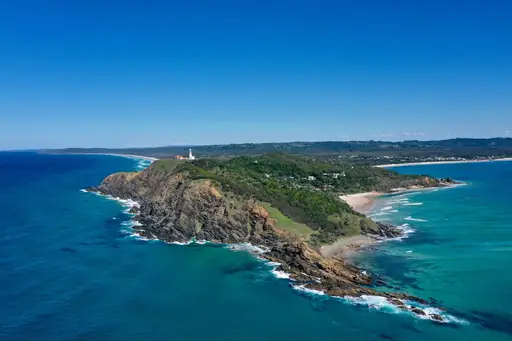
Waves crash against rugged basalt cliffs

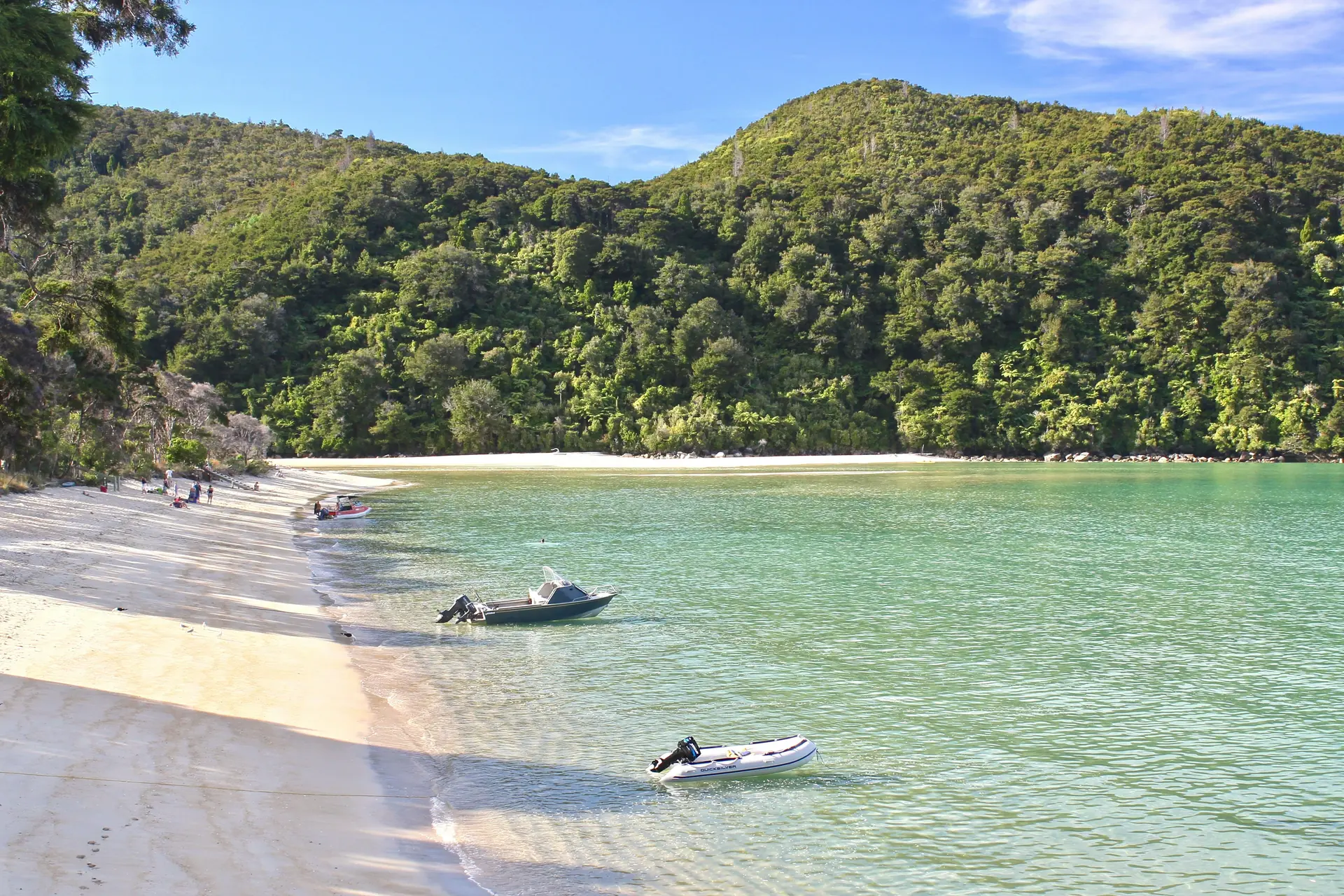
Abel Tasman National Park spans a chain of islands and coastal areas along New Zealand’s northern coast. The park features clear waters, sandy beaches and forested hills where native birds call home. Visitors can walk quiet trails that pass by turquoise bays or take a boat to explore hidden coves surrounded by lush greenery. The landscape supports diverse plant life and offers chances to spot wildlife like seals and rare seabirds. Weather is generally mild, making outdoor activities possible year-round without extreme conditions.

National Park in New Zealand
Climate zone: Mild oceanic

Mild oceanic: Marine-influenced climates with cool summers, mild winters and frequent precipitation year-round, typical of western coasts at mid-latitudes.

See climate table
Price level: $$$
$Cheap
$$Medium
$$$Expensive, upscale
$$$+Very expensive, luxury
See price details
Safety: 7.9
General Safety:9
Health & medical:7
Accessibility:3
Tap water:8
Read details
Tourist English: 5/5
English is widely spoken and understood by park staff, guides and fellow visitors, making communication easy for most tourists. Local signage and information are also available in clear, friendly English.
Last update: 12 Oct 2026
* We earn a commission from some links on this page.
Abel Tasman National Park Summary

These place ratings give you a quick overview of how well a destination matches different types of trips.

‘Best for’ scores:
The specific interest scores show where this place really shines – whether it's ideal for hiking, food & drink experiences, museums or other activities. These highlights help you understand what makes the destination special at a glance.

‘Your personal’ scores:
This reflects how well a place matches your personal preferences. You can adjust the importances of travel topics or other personal requirements categories in your account settings.

‘Suited for’ badges:
These give you a quick overview of how well a destination suits specific types of travellers, to help you find the places that match your lifestyle, preferences or travel situation.

Read how our scores work
Great at showcasing coastlines and lush rainforests, Abel Tasman National Park invites hikers to explore golden beaches and crystal‑clear waters. Trails reveal vibrant wildlife and tranquil vistas.
Place score
9.0
Best at:
Beaches
10
Kayak & SUP
10
Sea
9
Spotless
9
Natural sites
9
Personal score
?
Log in to see how this place matches your personal travel interests.
Suited for
👶 7
Families
🧓 5
Seniors
❤️ 8
Couples
🌈 8
LGBTQ+
New Zealand – Quick facts
Power Grid: 230 V, 50 Hz
Plug: Type I
Type I:
Diagram of a Type I power plug

Read about power adapters
Currency: New Zealand Dollar (NZD)
£1 ≈ NZ$2.34
Cashless info: Rating 5/5
Cashless payments are widely accepted across New Zealand, and credit cards are commonly used, especially in urban areas and tourist spots.

Save with a travel credit card
eSIM providers: Best value: Saily
Flexibility: Airalo
Read our in-depth comparison
Tipping: Tipping is not expected in New Zealand, though it is appreciated for exceptional service. 5-10% in restaurants and small tips for taxi and hotel staff are common.
Public drinking: Public drinking is generally allowed in some designated areas but may be restricted in others. Consumption of alcohol in public places may require a permit.
Public smoking: Smoking is restricted in many public areas, especially indoor spaces and public transport.
Waitangi Day
(6 February)
A national holiday celebrating the signing of the Treaty of Waitangi
Emergency contact: Emergency Number: 111 (Police, Fire, Ambulance)
Taxi apps: Uber, Ola
Other: New Zealand is known for its stunning landscapes, from beaches and mountains to national parks and cultural experiences.
Best times to travel

The best times to travel section shows how the months compare for a visit, so you can find the time of year that fits what you want to do.

Background colours of the months:
The colour shows the typical temperature: yellow (hot), green (mild) and blue (cold). How strong the colour is shows the travel season: full colour means high season, soft colour means shoulder season and soft-striped means off season.

Weather symbols:
Each month has one symbol showing what the weather is typically like, such as hot and sunny, freezing or a rainy or snowy season. Use them to quickly spot months that match the weather you want, or to avoid the ones that don't.

Crowdedness:
The people icon shows how busy the place usually is. The more people, the more crowded it gets.

Additional notes:
The grey info boxes point out special things worth knowing, like recurring weather issues or seasonal events.

for Abel Tasman National Park, New Zealand
🌬️
Jan
🌬️
Feb
🌬️
Mar
🌬️
Apr
🌬️
May
🌬️
Jun
🌬️
Jul
🌬️
Aug
🌬️
Sep
🌬️
Oct
🌬️
Nov
🌬️
Dec
High season: Jan. - March, Dec.
Shoulder season: April - May, Oct. - Nov.
Crowdedness: 8 (Very crowded)
Tap on a month for more info Hover over a month for more info
Water taxis, kayak hire and guided trips run year-round but with reduced services from May to September, main season October to April
Summer school holidays from mid December to late January bring peak crowds, book huts, campsites and the Coastal Track well ahead
Heavy rain can flood tidal crossings and close sections of the Abel Tasman Coast Track, check tide times and track status

Why travel to Abel Tasman National Park?

Abel Tasman National Park offers a quiet, natural experience that appeals to hikers, cyclists and nature lovers alike. Located on New Zealand’s South Island coast, the park is known for its golden‑sand beaches, clear turquoise waters and lush pine forests. The well‑maintained track network allows visitors to explore at their own pace, from short coastal walks to longer multi‑day treks that pass through diverse habitats. The park’s marine environment supports a variety of wildlife. Kayakers can spot dolphins, seals and occasionally the elusive Hector’s dolphin in calm bays. Birdwatchers will find a range of species such as the New Zealand pigeon, weka and several endemic shorebirds along the shoreline. The surrounding forest is home to native ferns, kauri trees and occasional sightings of the rare kea. Abel Tasman also offers practical amenities that make it accessible for families and solo travelers. Visitor centres provide information on safety, local history and conservation efforts. Camping sites are available at both the northern and southern ends of the park, while nearby towns offer accommodation ranging from hostels to boutique lodges. For those seeking a blend of scenic beauty, outdoor activity and wildlife observation without the crowds of larger national parks, Abel Tasman National Park provides a well‑balanced, low‑impact travel experience.

🏯Places worth seeing
  • 1 Abel Tasman Coastal Track
  • 2 Mārahau
🎡Places for activities
  • 1 Abel Tasman Coastal Track
🏞️Natural landmarks
  • 1 Split Apple Rock

Knowledge before you go

  • Pack waterproof gear; weather changes rapidly near coast.
  • Arrive early for sunrise hikes, as trails become crowded during peak daylight hours.
  • Reserve a guided kayak tour in advance; permits are limited and often sold out weeks ahead.
  • Explore the park’s lesser-known coves by foot or bike to experience untouched marine wildlife and quiet beaches.

How to travel to Abel Tasman National Park

Abel Tasman National Park is accessible primarily by road from Nelson or Kaikōura, with scenic routes offering coastal views. The nearest town, Mapua, provides car rental services and shuttle options to trailheads like Split Apple Rock and Anchorage Beach. Public buses operate seasonally between Nelson and the park’s northern entrance at Marahau. For remote areas within the park, walking trails connect to visitor centers accessible via gravel roads. Private vehicles are recommended for flexibility, though some tracks require 4WD due to rugged terrain. Ferry services from Picton allow access to nearby coastal routes, linking to the park’s southern boundaries. Bicycles can be rented in Kaikōura for longer explorations along dedicated paths.

Access summary

  • From Queenstown Airport (ZQN): Shuttle bus to park entrance, 30–45 min.
  • From Christchurch (CHC): Bus or car, 4–5 hours; from Dunedin (DUD), 3–4 hours.
  • By ferry from Picton to Abel Tasman Bay, 1.5–2 hrs, then bike to park.

Where to stay in Abel Tasman National Park

Abel Tasman National Park offers a mix of rustic and upscale stays that cater to every budget. The park’s own campgrounds provide basic pitches with shared facilities, ideal for backpackers seeking immersion in the wilderness. Nearby coastal villages such as Marahau and Tākaka host a range of self‑contained cabins and holiday homes, offering comfortable, private lodging with easy access to walking trails. Boutique lodges on the park’s western edge feature gourmet dining and spa services, appealing to travelers desiring luxury without compromising natural beauty. For those who prefer an eco‑friendly experience, several certified eco‑campsites provide solar‑powered amenities and guided nature walks, ensuring a sustainable stay in this pristine environment.

How to get around Abel Tasman National Park

Abel Tasman National Park, located on New Zealand’s South Island, offers diverse transportation options to explore its stunning coastline and forests. The most popular method is by car, with scenic routes like the Abel Tasman Coast Track accessible via State Highway 94. For a more leisurely experience, guided bus tours operate from Nelson or Kaikōura, providing convenient access to key spots such as Marahau and Split Apple Rock. Bicycles are also widely used; rental shops in towns like Mapua allow visitors to cycle along dedicated trails connecting beaches and bays. For remote areas, kayaking is a unique alternative, with local operators offering guided tours through turquoise waters. Walking tracks, such as the Abel Tasman Track, cater to hikers seeking immersive nature experiences. Public transport options are limited, so renting a car or bike is recommended for flexibility.
Budget snapshot
Costs compared to home

We calculate the average costs when travelling to destinations and compare those with the living costs at your home. With this you can get an estimate of how expensive or cheap the destination is for you.

To customise this, you can set up which location and price level are used for the calculations in your account settings.

-6 %
Daily expenses in the region are around 6% lower than the average across United States. That means you'll spend less on meals and getting around.
Exchange rate trend

The exchange rate price factor shows how expensive or cheap a currency currently is compared to its historical average. It's a quick way to see if a country is currently more or less affordable due to exchange rate changes.

-15 %
Your exchange rate (GBP to NZD) is 15% better than in recent years. That means travelling now is considerably cheaper compared to the past.

Travel costs (Data for Nelson, New Zealand - 58 km away)

To help you plan your trip, we provide estimated daily costs per person (when travelling as a pair) for different travel styles. These numbers give you an idea of what you might spend each day at this destination, including accommodation, food, transport and activities.

Additionally, we also provide average hotel costs for different travel styles to give you an estimate for the accommodation only.

Please note that these are only estimates. The real costs depend on booking times, season and other factors.

Daily cost summary

Travel style categories explained:

Backpacker:
Staying in hostels or budget hotels, cooking your own meals or eating cheap and choosing low-cost activities.

Mid-range:
Staying in mid-range hotels, eating at a mix of restaurants and casual spots and enjoying a variety of activities.

Luxury:
Staying in luxury hotels, dining out at high-end restaurants and enjoying premium experiences without worrying about the price.

Backpacker Mid-range Luxury
💵 Total costs per day, including accommodation
£72
£158
£414
🏨 Accommodation per night, per person
£38
£83
£188
🍝 Food per day
£27
£66
£200
🚕 Transportation per day
£8
£9
£26
Food & Drink
🍽️ Restaurant Dinner, per person
£27
🍛 Lunch Set, per person
£11.50
🍟 Fast food combo
£7
🍝 Preparing your own food, per day
£9.50
☕ Cappuccino
£2.60
🍺 Beer in a restaurant, 0.5 l
£5.50
Transportation
🚌 Public transport ticket
£1.90
🚕 Taxi Ride, 10 km / 6 mi
£15
⛽ Petrol, 1 l
£1.30
Other
🎞️ Cinema ticket
£8.50
👩‍⚕️ Doctor's consult
£26
🤧 Cold medication
£7.50
💇 Basic haircut
£11

Safety information overview

General safety
9
Abel Tasman National Park remains one of New Zealand’s safest destinations, with minimal crime and well‑maintained trails. Visitors should stay on marked paths, keep a safe distance from wildlife, carry a first‑aid kit and follow local guidelines for water safety.
Health & Medical
7
Abel Tasman National Park offers excellent medical support: nearby hospitals in Golden Bay and Nelson provide high‑quality care, while local clinics handle routine issues. Clean air, low pollution and abundant fresh water reduce health risks, though hikers should watch for insect bites and sun exposure.
Accessi­bility
3
Abel Tasman National Park offers excellent accessibility with well‑maintained boardwalks and wheelchair‑friendly trails, especially along the popular coastal walk. However, some remote tracks remain steep and uneven; visitors should check weather conditions and bring sturdy footwear for less accessible sections.
Tap water
8
Tap water in Abel Tasman National Park, New Zealand, is safe and clean, meeting strict national standards. Visitors can refill bottles at well‑maintained public taps along the coastal trail, ensuring convenient hydration while enjoying the park’s pristine beaches and lush forests.

Looking for inspiration?

Discover
Best climbing destinations in Oceania
Oceania rarely comes up first in a conversation about climbing, which is exactly what makes it worth a second look. Between volcanic rock, coastal crags, and long stretches of…
Read more
Discover
Best travel destinations for food allergies
Travelling with a food allergy adds a layer of planning most people never have to think about and the right destination can make that planning a lot easier. Some travellers…
Read more
Discover
Best destinations to visit in September in Oceania
September brings spring to Oceania, easing the region out of winter just as wildflowers and warmer days start to return. Western Australia's wildflower season reaches its peak…
Read more
Discover
Best travel destinations for food allergies in Oceania
Australia and New Zealand share some of the clearest food allergen laws anywhere, which makes Oceania a fairly reassuring region for allergy conscious travelers. Packaged food…
Read more
Discover
Best couple holiday destinations
Travelling as a couple sounds simple enough, yet the best couple holiday destinations mean something different to almost every pair. What feels romantic to one couple can feel like…
Read more
Discover
Best destinations for first-time travelers in Oceania
Oceania asks first-time travelers to commit to a long flight, but the payoff is a destination that stays easy to navigate once you actually arrive. Australia and New Zealand are…
Read more
Discover
Best destinations for first-time travellers
A first trip abroad works best somewhere that eases you in, rather than throwing every possible culture shock and logistical headache at you at once. Some first-time travellers…
Read more
Discover
Best destinations to visit in January in Oceania
January lands in the middle of summer across Oceania, which makes it one of the most popular months to visit the region. Australia's beaches see some of their busiest weeks of…
Read more
Discover
Best travel destinations for seniors in Oceania
Oceania asks older travelers to commit to a long flight, but many find the comfortable infrastructure on the other end makes it worthwhile. Australia and New Zealand both offer…
Read more
Discover
Best travel destinations for seniors
Senior travel covers a wide range, from slow, low effort trips built around comfort to more independent trips for travellers who still want to cover plenty of ground. Some…
Read more
Discover
Best couple vacation destinations in Oceania
Oceania asks (most) couples for a long flight and repays them with the feeling of having reached the far edge of the map together, which can be a romance all of its own. The…
Read more
Discover
Most beautiful beaches and coastal escapes
For a lot of people, a beach is the whole point of a holiday, but what makes a beach day perfect really depends on personal taste. Some travellers want isolation and the feeling…
Read more
Discover
Stunning national parks and wilderness areas
National parks exist because someone decided that certain landscapes were too important to lose. The best of them protect ecosystems, wildlife and natural processes that would…
Read more
Discover
Intimate escapes and romantic getaways
The most memorable trips for couples tend to have less to do with luxury and more to do with the quality of shared experience. A place that slows you down, removes the usual…
Read more
Was this page helpful?
Feedback