












Was this page helpful?

| Public website: | www.milford-sound.co.nz |
|---|
| Power Grid: |
230 V, 50 Hz Plug: Type I
Type I:
 Read about power adapters |
|---|---|
| Currency: |
New Zealand Dollar (NZD) £1 ≈ NZ$2.34 |
| Cashless info: |
Rating 5/5
Cashless payments are widely accepted across New Zealand, and credit cards are commonly used, especially in urban areas and tourist spots.
Save with a travel credit card |
| eSIM providers: |
Best value: Saily Flexibility: Airalo Read our in-depth comparison |
| Tipping: | Tipping is not expected in New Zealand, though it is appreciated for exceptional service. 5-10% in restaurants and small tips for taxi and hotel staff are common. |
|---|---|
| Public drinking: | Public drinking is generally allowed in some designated areas but may be restricted in others. Consumption of alcohol in public places may require a permit. |
| Public smoking: | Smoking is restricted in many public areas, especially indoor spaces and public transport. |
| Waitangi Day (6 February) |
A national holiday celebrating the signing of the Treaty of Waitangi |
|---|
| Emergency contact: | Emergency Number: 111 (Police, Fire, Ambulance) |
|---|---|
| Taxi apps: | Uber, Ola |
| Other: | New Zealand is known for its stunning landscapes, from beaches and mountains to national parks and cultural experiences. |
The best times to travel section shows how the months compare for a visit, so you can find the time of year that fits what you want to do.
Background colours of the months:
The colour shows the typical temperature: yellow (hot), green (mild) and blue (cold). How strong the colour is shows the travel season: full colour means high season, soft colour means shoulder season and soft-striped means off season.
Weather symbols:
Each month has one symbol showing what the weather is typically like, such as hot and sunny, freezing or a rainy or snowy season. Use them to quickly spot months that match the weather you want, or to avoid the ones that don't.
Crowdedness:
The people icon shows how busy the place usually is. The more people, the more crowded it gets.
Additional notes:
The grey info boxes point out special things worth knowing, like recurring weather issues or seasonal events.
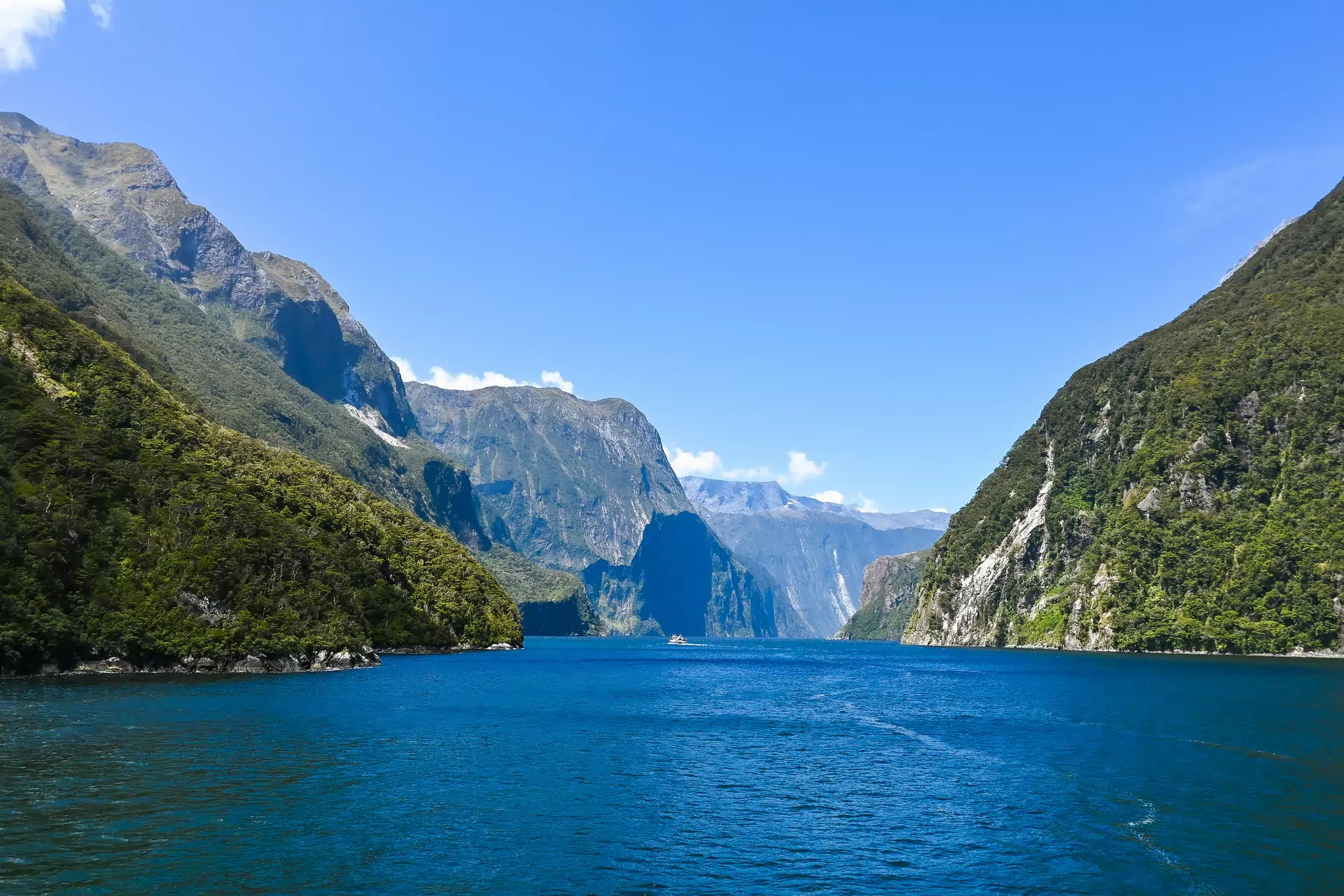
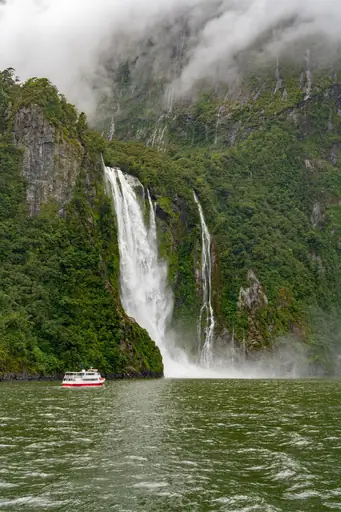
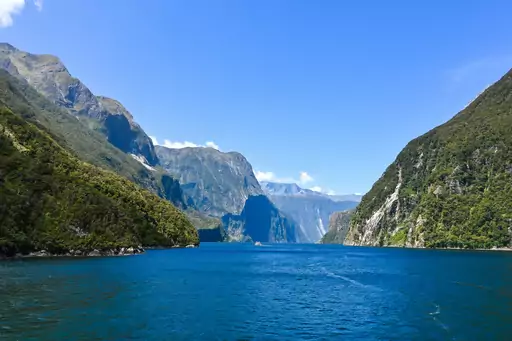
Milford Sound is the crown jewel of Fiordland National Park, a place where nature's grandeur is on full display in a landscape sculpted by the powerful forces of ancient glaciers. Despite its name, it's actually a fiord rather than a sound, characterized by steep cliff faces that plunge dramatically into dark, deep waters. The centerpiece of this natural masterpiece is Mitre Peak, rising 1,692 meters almost vertically from the water, creating one of New Zealand's most photographed and iconic images.
What makes Milford Sound truly special is its unique ecosystem where fresh glacial water sits atop the warmer saltwater from the Tasman Sea, creating ideal conditions for rare marine life. The fiord is home to permanent waterfalls like the impressive Stirling Falls (151 meters) and Bowen Falls (162 meters), but after heavy rainfall, which can occur any time of year, hundreds of temporary falls appear, cascading down the sheer rock faces in a spectacular display of nature's power. The area receives an astonishing amount of rainfall – up to 7 meters annually – making it one of the wettest inhabited places on Earth.
The wildlife viewing opportunities at Milford Sound are exceptional, though never guaranteed. Resident bottlenose dolphins occasionally play in the wake of cruise boats, New Zealand fur seals bask on rocks near the Tasman Sea entrance and if you're exceptionally lucky, you might spot the rare Fiordland crested penguin. Below the surface at Harrison Cove, the Underwater Observatory offers a glimpse of black coral (which is actually white) growing at unusually shallow depths due to the unique light-filtering properties of the tannin-stained freshwater layer.
While Milford Sound's beauty is undeniable, visitors should be prepared for its challenges. The weather is notoriously changeable, with sunshine quickly giving way to driving rain. The peak summer season (December to February) brings crowds that can diminish the sense of wilderness, with up to 40 cruise departures daily. The remote location means limited accommodation and dining options and the journey there can be demanding, particularly in winter when snow and ice can affect road conditions. Despite these considerations, many argue that Milford Sound is at its most magical in the rain or mist, when countless ephemeral waterfalls transform the already dramatic landscape into something truly otherworldly.
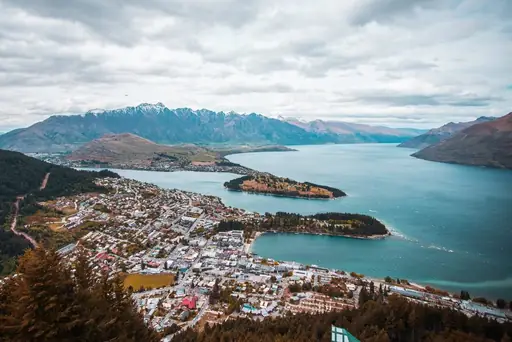
Milford Sound is accessible by road, air or on foot via the famous Milford Track. By road, it's approximately a 4-hour drive from Queenstown or 2.5 hours from Te Anau along the scenic Milford Road (Highway 94). Many visitors opt for guided coach tours that include informative commentary about the region's geology and history, with stops at various scenic points along the way. For those short on time or wanting a spectacular aerial perspective, scenic flights operate from Queenstown and Te Anau, with some offering the option to fly in and cruise back by coach. The Milford Track, one of New Zealand's Great Walks, is another approach for adventurous travelers, culminating at Milford Sound after a 4-day guided or independent hike through Fiordland National Park.
Accommodation options at Milford Sound itself are extremely limited, with Milford Sound Lodge being the only year-round option offering a range of rooms from backpacker dormitories to premium riverside chalets. Most visitors choose to stay in nearby Te Anau (120km away) which offers a wider range of hotels, motels and B&Bs across various price points. For those wanting a truly unique experience, overnight cruises on the Sound provide the opportunity to experience the fiord at its most peaceful, after day-trippers have departed.
Log in to add this place to a travel list and get a summary of all recommended items for your whole trip.
We calculate the average costs when travelling to destinations and compare those with the living costs at your home. With this you can get an estimate of how expensive or cheap the destination is for you.
To customise this, you can set up which location and price level are used for the calculations in your account settings.
The exchange rate price factor shows how expensive or cheap a currency currently is compared to its historical average. It's a quick way to see if a country is currently more or less affordable due to exchange rate changes.
