











Was this page helpful?

These place ratings give you a quick overview of how well a destination matches different types of trips.
‘Best for’ scores:
The specific interest scores show where this place really shines – whether it's ideal for hiking, food & drink experiences, museums or other activities. These highlights help you understand what makes the destination special at a glance.
‘Your personal’ scores:
This reflects how well a place matches your personal preferences. You can adjust the importances of travel topics or other personal requirements categories in your account settings.
‘Suited for’ badges:
These give you a quick overview of how well a destination suits specific types of travellers, to help you find the places that match your lifestyle, preferences or travel situation.
| Power Grid: |
230 V, 50 Hz Plug: Type C , Type F
Type C:
  Read about power adapters |
|---|---|
| Currency: |
Euro (EUR) £1 ≈ €1.19 |
| Cashless info: |
Rating 4/5
Cards are widely accepted, especially in urban areas, but small establishments may prefer cash. Be prepared for occasional cash-only situations.
Save with a travel credit card |
| eSIM providers: |
Best value: Saily Flexibility: Airalo Read our in-depth comparison |
| Tipping: | Tipping is common in restaurants, typically 5-10%. For taxis, it is customary to round up to the nearest euro. Tipping in cash is more common than adding it to card payments. |
|---|---|
| Public drinking: | Public drinking is allowed in most parts of Germany, especially in beer gardens and public events, but some local regulations may restrict it in specific areas. |
| Public smoking: | Smoking is prohibited indoors in public places such as restaurants, trains, and buses. Designated smoking areas are available outside many buildings. |
| Oktoberfest (September) |
Huge crowds in Munich. Expect high hotel rates and crowded transport. |
|---|---|
| Christmas (December) |
Christmas markets are popular, expect crowded cities and higher prices. |
| Labour Day (May) |
Many shops are closed, and there are celebrations throughout the country. |
| Emergency contact: | Police: 110, Emergency Number: 112 (Fire, Ambulance) |
|---|---|
| Taxi apps: | Uber, Free Now, myTaxi |
| Other: | Germany is well-equipped for tourists, with good public transport and high-quality facilities. However, be prepared for language barriers in some rural areas. |
The best times to travel section shows how the months compare for a visit, so you can find the time of year that fits what you want to do.
Background colours of the months:
The colour shows the typical temperature: yellow (hot), green (mild) and blue (cold). How strong the colour is shows the travel season: full colour means high season, soft colour means shoulder season and soft-striped means off season.
Weather symbols:
Each month has one symbol showing what the weather is typically like, such as hot and sunny, freezing or a rainy or snowy season. Use them to quickly spot months that match the weather you want, or to avoid the ones that don't.
Crowdedness:
The people icon shows how busy the place usually is. The more people, the more crowded it gets.
Additional notes:
The grey info boxes point out special things worth knowing, like recurring weather issues or seasonal events.
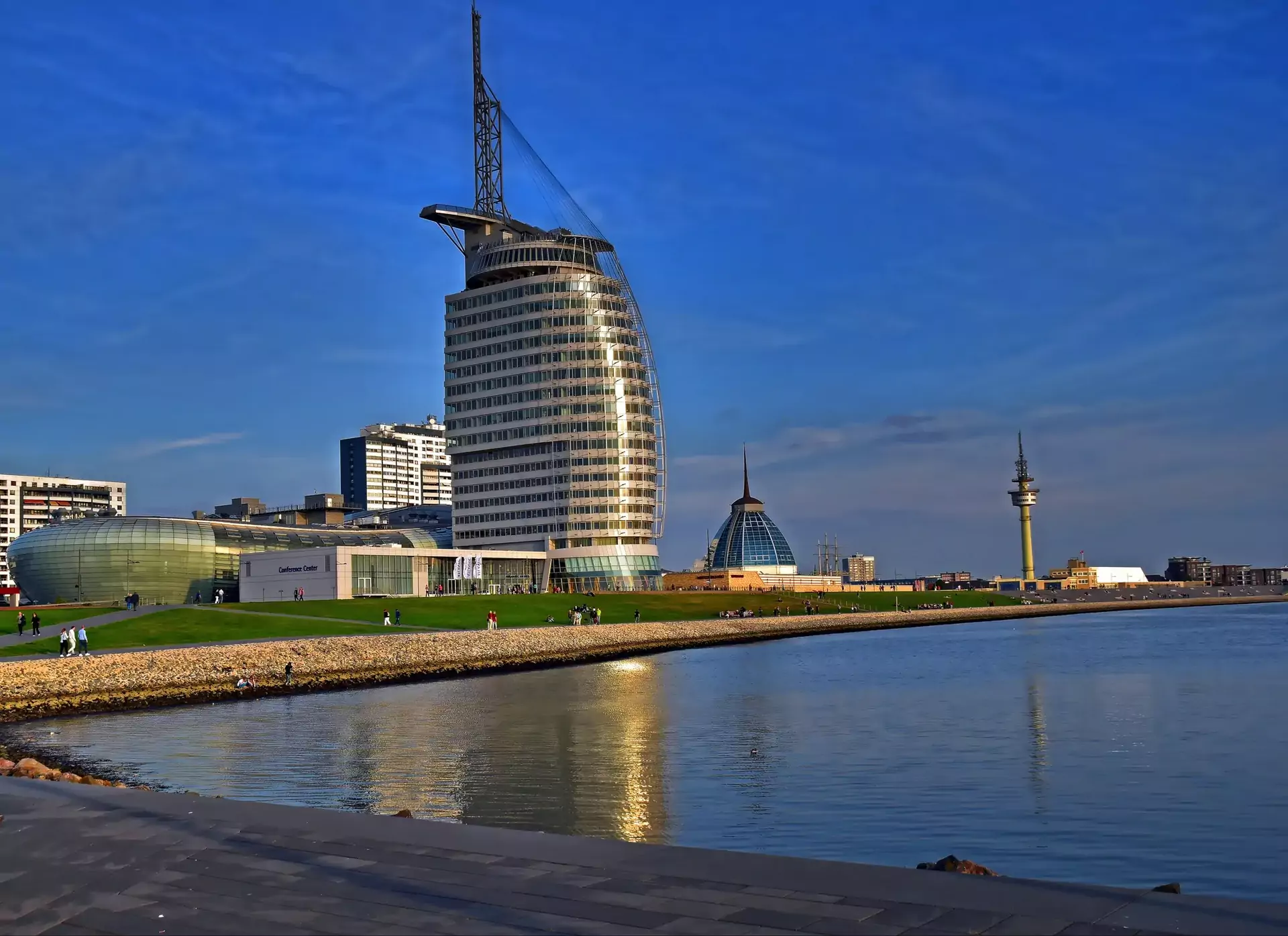
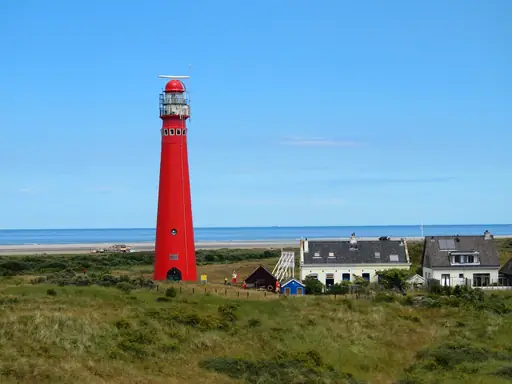
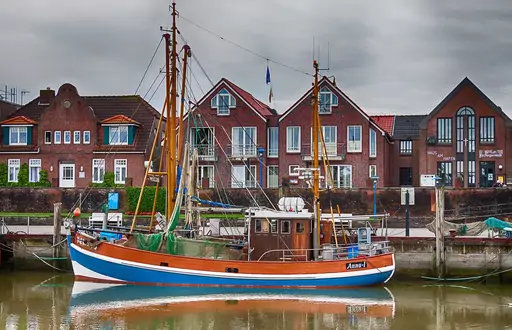
Bremerhaven is a working port that has turned its old harbours into a visitor district. The Havenwelten area has several major museums and a long waterfront promenade within a short walk of each other. It's an easy city to enjoy in any weather, which suits the North Sea climate. The Klimahaus takes you on a trip around the world along the eighth meridian east and shows climate zones across five continents. Tickets cost from €22.50 (£18.89) for adults. The German Maritime Museum has a harbour of historic ships and a 600 year old trade ship called the Bremen cog. Adults pay €10 (£8.40) to enter. The German Emigration Centre tells the story of millions of people who left Europe from this port. Outside the museums you can watch the big ships from the dike, take a harbour tour or visit the fish port with its shops and smokehouses. The Weser beach and the zoo by the sea add easy family stops. One day covers the Havenwelten museums. Two days leave time for the harbour, the fish port and a boat trip. The city is quieter in winter and busiest in summer.
The easiest way in is by train from Bremen. Regional trains take about forty minutes and run often so you rarely wait long. Longer trips from Hamburg, Hanover or Berlin usually need a change in Bremen. By car the A27 runs between Bremen and Cuxhaven and passes close to the city. Traffic builds up on summer weekends and during events, so allow extra time. Bremen Airport is the nearest large airport and has connections across Europe. From there a tram and a train reach Bremerhaven in around an hour and a half. Hamburg Airport is farther away. Ferries serve the nearby North Sea islands from other ports along the coast and long distance buses stop in the city.
The Havenwelten district and the area around the centre have the most hotels, guesthouses and apartments and are the practical base. You can walk to the main museums and the promenade, which suits visitors without a car. Smaller guesthouses are found in the quieter districts and near the Weser dike. The fish port area has a few simple options and the villages along the coast offer cheaper stays. Holiday apartments suit longer trips. Bremerhaven is a small city so rooms aren't hard to find most of the year. Summer weekends, large events and school holidays fill up early, so book ahead. Winter is quiet and cheaper.
The city stretches along the Weser with the main station in the south and the Havenwelten waterfront district to the north. The fish port and the container terminals lie further out. Most visitors stay near the waterfront and cover it on foot.
Walking:
The Havenwelten museums, the shopping centre and the promenade are all close together. The walk from the station to the waterfront is longer and many visitors take a bus.
Buses:
City buses run between the station, the centre and the waterfront and reach the fish port. Tickets are sold on board or at machines. A special harbour bus runs on selected routes through the port area in season.
Cycling:
The terrain is flat and bike paths follow the dike and the waterfront. Hire bikes are available in the city but wind can be strong on the open dike.
Car:
Parking is easy near the waterfront and the museums. A car is only needed if you want to see outlying areas.
Food in Bremerhaven is built on fish and simple North German cooking. Harbour stands and fish shops sell quick snacks while restaurants serve a wider menu with local dishes. The fish port has smokehouses and shops that sell fish to take away. Supermarkets make self-catering easy and many small places close one day a week.
Fischbrötchen:
A bread roll with herring, smoked salmon or shrimp is the standard quick lunch. You'll find them at stands near the harbour and the fish port.
Labskaus:
This old sailor's dish is a mash of corned beef, potato and beet served with a fried egg and pickles. It's a classic harbour meal in traditional restaurants.
Grünkohl mit Pinkel:
Kale is stewed with smoked sausage and served with potatoes as a winter dish across the region that appears on menus from late autumn.
We calculate the average costs when travelling to destinations and compare those with the living costs at your home. With this you can get an estimate of how expensive or cheap the destination is for you.
To customise this, you can set up which location and price level are used for the calculations in your account settings.
The exchange rate price factor shows how expensive or cheap a currency currently is compared to its historical average. It's a quick way to see if a country is currently more or less affordable due to exchange rate changes.
To help you plan your trip, we provide estimated daily costs per person (when travelling as a pair) for different travel styles. These numbers give you an idea of what you might spend each day at this destination, including accommodation, food, transport and activities.
Additionally, we also provide average hotel costs for different travel styles to give you an estimate for the accommodation only.
Please note that these are only estimates. The real costs depend on booking times, season and other factors.
Travel style categories explained:
Backpacker:
Staying in hostels or budget hotels, cooking your own meals or eating cheap and choosing low-cost activities.
Mid-range:
Staying in mid-range hotels, eating at a mix of restaurants and casual spots and enjoying a variety of activities.
Luxury:
Staying in luxury hotels, dining out at high-end restaurants and enjoying premium experiences without worrying about the price.
| Backpacker | Mid-range | Luxury | |
|---|---|---|---|
| 💵 Total costs per day, including accommodation | |||
| 🏨 Accommodation per night, per person | |||
| 🍝 Food per day | |||
| 🚕 Transportation per day |
| 🍽️ Restaurant Dinner, per person | |
|---|---|
| 🍛 Lunch Set, per person | |
| 🍟 Fast food combo | |
| 🍝 Preparing your own food, per day | |
| ☕ Cappuccino | |
| 🍺 Beer in a restaurant, 0.5 l |
| 🚌 Public transport ticket | |
|---|---|
| 🚕 Taxi Ride, 10 km / 6 mi | |
| ⛽ Petrol, 1 l |
| 🎞️ Cinema ticket | |
|---|---|
| 👩⚕️ Doctor's consult | |
| 🤧 Cold medication | |
| 💇 Basic haircut |
Log in to add this place to a travel list and get a summary of all recommended items for your whole trip.
