




Europe › Switzerland › Zurich › Kunsthaus Zürich

Kunsthaus Zürich

Scroll
Switzerland's Largest Art Museum

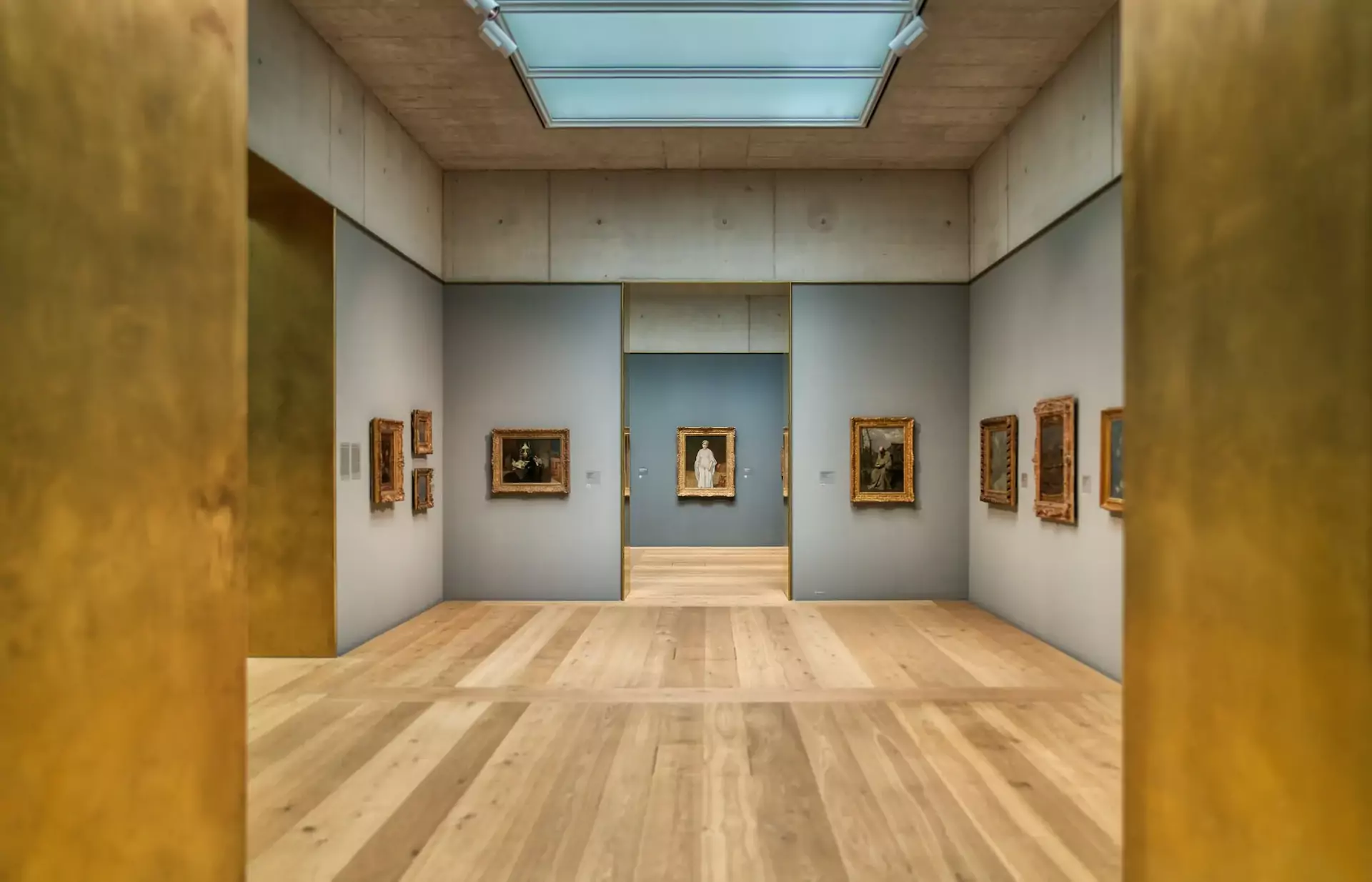
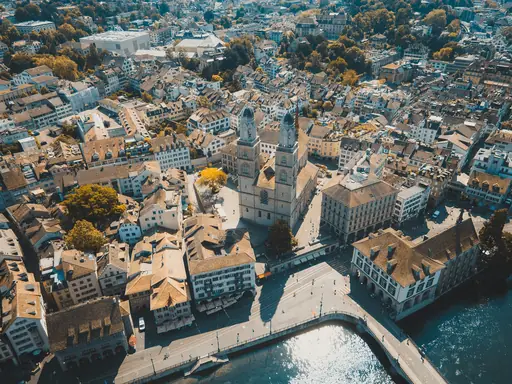
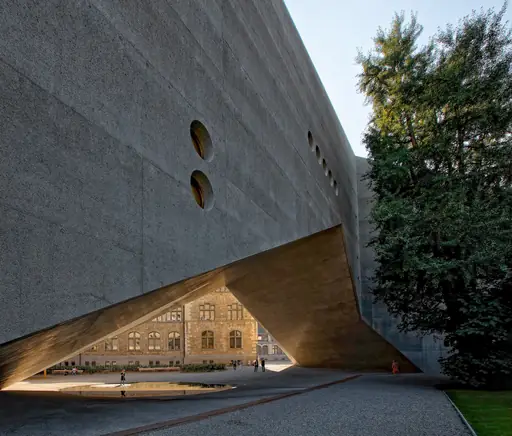
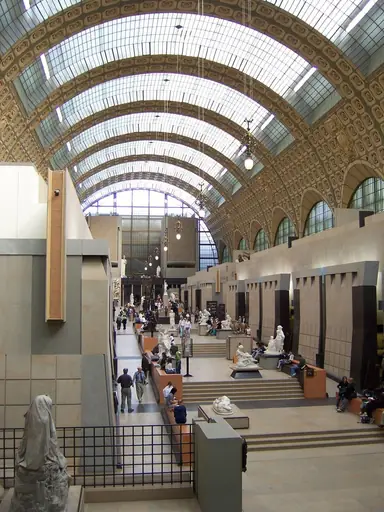
Zurich’s Kunsthaus stands as one of Switzerland’s most important art museums. It holds a large collection of works from Swiss and international artists dating back centuries. The building itself combines historic architecture with modern extensions, creating spaces for paintings, sculptures and temporary exhibitions. Visitors can see pieces by Monet, Picasso and local creators alongside contemporary installations. The museum also organizes guided tours and educational programs. Its central location near Lake Zurich makes it easy to reach from the city center or nearby neighborhoods.

Art Museum in Zurich
Climate zone: Mild oceanic

Mild oceanic: Marine-influenced climates with cool summers, mild winters and frequent precipitation year-round, typical of western coasts at mid-latitudes.

See climate table
Ticket price: $$$
$Cheap
$$Medium
$$$Expensive, upscale
$$$+Very expensive, luxury
Safety: 8.8
General Safety:9
Accessibility:8
Read details
Tourist English: 4/5
English is widely spoken in Zurich, especially in cultural institutions like Kunsthaus Zürich, ensuring comfortable communication for international visitors.
Last update: 12 Oct 2026
* We earn a commission from some links on this page.
Kunsthaus Zürich Summary
Excellent for art museums and cultural exhibitions. Discover European masterpieces and explore one of Switzerland’s most important art collections.
Opening hours:
Mon:Closed
Tue-Wed:10:00 - 18:00
Thu:10:00 - 20:00
Fri-Sun:10:00 - 18:00
Public website: www.kunsthaus.ch
Switzerland – Quick facts
Power Grid: 230 V, 50 Hz
Plug: Type C , Type J
Type C:
Diagram of a Type C power plug
Type J:
Diagram of a Type J power plug

Read about power adapters
Currency: Swiss Franc (CHF)
£1 ≈ CHF 1.10
Cashless info: Rating 5/5
Switzerland is very cashless-friendly, with credit and debit cards widely accepted. Mobile payments like Apple Pay and Google Pay are also increasingly common.

Save with a travel credit card
eSIM providers: Best value: Saily
Flexibility: Airalo
Read our in-depth comparison
Tipping: Tipping is appreciated but not mandatory in Switzerland. Most service charges are included in bills. In restaurants, rounding up to the nearest 5 CHF or leaving 5-10% is common. Taxi drivers and hotel staff appreciate small tips for exceptional service.
Public drinking: Public drinking is allowed and socially acceptable in Switzerland, but being disruptive is frowned upon. Alcohol can be consumed in parks, trains, and outdoor events.
Public smoking: Smoking is banned indoors in public places but allowed in designated areas. Outdoor smoking is common.
Swiss National Day
(August)
Expect celebrations, parades, and fireworks throughout the country.
Christmas
(December)
Markets and festive events are common, with tourist areas being busier than usual.
Easter
(March/April)
Many attractions are closed, but some areas offer special events and celebrations.
Emergency contact: Emergency Number: 112 (Police, Fire, Ambulance)
Taxi apps: Uber, Bolt
Other: Switzerland is famous for its natural beauty, well-organised transport, and multilingual culture. The Swiss Travel Pass is highly recommended for tourists.
Best times to travel

The best times to travel section shows how the months compare for a visit, so you can find the time of year that fits what you want to do.

Background colours of the months:
The colour shows the typical temperature: yellow (hot), green (mild) and blue (cold). How strong the colour is shows the travel season: full colour means high season, soft colour means shoulder season and soft-striped means off season.

Weather symbols:
Each month has one symbol showing what the weather is typically like, such as hot and sunny, freezing or a rainy or snowy season. Use them to quickly spot months that match the weather you want, or to avoid the ones that don't.

Crowdedness:
The people icon shows how busy the place usually is. The more people, the more crowded it gets.

Additional notes:
The grey info boxes point out special things worth knowing, like recurring weather issues or seasonal events.

for Kunsthaus Zürich, Switzerland
Jan
Feb
Mar
Apr
May
Jun
Jul
Aug
Sep
Oct
Nov
Dec
High season: May - Sep.
Shoulder season: March - April, Oct., Dec.
Tap on a month for more info Hover over a month for more info
Closed Mondays; open late on Thursdays

Kunsthaus Zürich is home to one of Switzerland's most valuable collections, spanning from medieval to contemporary art. The museum showcases important works by Edvard Munch, the largest collection outside Norway, as well as an extensive array of pieces from Alberto Giacometti, impressionists like Monet and modern masters such as Picasso and Chagall.

The recent expansion designed by David Chipperfield Architects nearly doubled exhibition space, adding light-filled galleries that seamlessly connect with the historic Moserbau building. This blend of old and new architecture enhances the visitor experience. Besides famous European masters, the museum also highlights Swiss artists and diverse contemporary works, including videoinstallations and photography by artists like Pipilotti Rist.

Visitors should note that popular exhibitions can get crowded, especially on weekends. Admission fees are mid-range but well justified by the quality of collections. Photography is allowed in most parts, but flash and tripods are usually restricted. The museum emphasizes research and occasionally hosts workshops and special guided tours to deepen engagement.

Kunsthaus Zürich is a cultural jewel that not only appeals to art enthusiasts but also to architecture fans and casual visitors alike, offering an enriching and inspiring day in Zurich.

Knowledge before you go

  • Go on Wednesday: free entry to the permanent collection.
  • Visit Thursday evening for late opening and a cheaper reduced evening ticket after 6 pm.
  • Plan time for both buildings; the modern Chipperfield extension connects via an underground passage.
  • Arrive early, then enjoy the public ‘Garden of Art’ outside – open daily from morning until late.

How to travel to Kunsthaus Zürich

Kunsthaus Zürich is centrally located on Heimplatz in Zurich and is easily reached by tram lines 3, 5 and 9 or bus line 31. International travelers usually fly into Zurich Airport, from where city transit or taxi can bring visitors quickly to the museum.

Access summary

  • From Zürich Airport (ZRH): Direct train to Zürich HB, then tram to Kunsthaus (30–35 minutes).
  • From Zürich center: Tram 3, 8 or 9 or 10–15‑minute walk.
  • From Lucerne: Direct train to Zürich HB about 45–60 minutes, then tram or walk.

Where to stay near Kunsthaus Zürich

Accommodation in Zurich city center offers a range of options from boutique hotels to luxury stays, placing visitors within easy reach of Kunsthaus Zürich and other downtown attractions.

Packing recommendations for Kunsthaus Zürich

Log in to add this place to a travel list and get a summary of all recommended items for your whole trip.

Budget snapshot
Costs compared to home

We calculate the average costs when travelling to destinations and compare those with the living costs at your home. With this you can get an estimate of how expensive or cheap the destination is for you.

To customise this, you can set up which location and price level are used for the calculations in your account settings.

+51 %
Daily expenses in the region are around 51% higher than the average across United States. That means you'll spend a lot more on meals and getting around.
Exchange rate trend

The exchange rate price factor shows how expensive or cheap a currency currently is compared to its historical average. It's a quick way to see if a country is currently more or less affordable due to exchange rate changes.

+6 %
Your exchange rate (GBP to CHF) is 6% worse than in recent years. That means travelling now is more expensive compared to the past.

Safety information overview

General safety
9
Zurich’s Kunsthaus is located in a highly secure, low‑crime area of the city. Visitors enjoy excellent public transport access, well‑trained staff and robust security protocols. The museum’s surroundings are pedestrian‑friendly, with frequent police presence and emergency services nearby.
Accessi­bility
8
Kunsthaus Zürich offers excellent accessibility: elevators, ramps and wheelchair‑friendly entrances serve all visitors. Audio guides and Braille labels enhance the experience for visually impaired guests. However, some older galleries lack tactile maps, so planning ahead is advisable.

Looking for inspiration?

Discover
Top museum destinations and cultural institutions
Museum travel has developed a dedicated following built around the world's great permanent collections, blockbuster exhibition programmes and the architecturally significant…
Read more
Discover
Top historical destinations and historic sites
The most compelling history destinations are places where the past is still physically present and legible in the landscape, the architecture and the daily life of the people who…
Read more
Discover
Best museum destinations in Europe
Europe holds the world's greatest concentration of significant museum collections, accumulated over centuries of patronage, scientific inquiry and in many cases imperial…
Read more
Discover
Best historical destinations in Europe
Europe is one of the most historically dense regions on earth, where the evidence of successive civilisations, empires, conflicts and cultural movements is layered into the…
Read more
Discover
Most beautiful beaches and coastal escapes
For a lot of people, a beach is the whole point of a holiday, but what makes a beach day perfect really depends on personal taste. Some travellers want isolation and the feeling…
Read more
Discover
Stunning national parks and wilderness areas
National parks exist because someone decided that certain landscapes were too important to lose. The best of them protect ecosystems, wildlife and natural processes that would…
Read more
Discover
Intimate escapes and romantic getaways
The most memorable trips for couples tend to have less to do with luxury and more to do with the quality of shared experience. A place that slows you down, removes the usual…
Read more
Was this page helpful?
Feedback