








Was this page helpful?

| Opening hours: |
|
||
|---|---|---|---|
| Public website: | www.thjodminjasafn.is |
| Power Grid: |
230 V, 50 Hz Plug: Type F
Type F:
 Read about power adapters |
|---|---|
| Currency: |
Icelandic Króna (ISK) £1 ≈ ISK 163 |
| Cashless info: |
Rating 5/5
Cashless payments are highly common in Iceland, especially in cities. Most businesses accept credit and debit cards, including smaller establishments. Mobile payment options like Apple Pay and Google Pay are popular.
Save with a travel credit card |
| eSIM providers: |
Best value: Saily Flexibility: Airalo Read our in-depth comparison |
| Tipping: | Tipping is not common in Iceland and not expected in restaurants. A service charge is usually included in the bill. Tipping taxi drivers or hotel staff is appreciated but not necessary. |
|---|---|
| Public drinking: | Public drinking is allowed, especially in designated areas during festivals or outdoor events. Alcohol is also available at licensed venues. |
| Public smoking: | Smoking is prohibited in indoor public spaces and on public transport. Designated smoking areas are available outside of many restaurants and public buildings. |
| Icelandic National Day (June) |
Expect parades and celebrations throughout the country. Hotels and tourist spots can get busy. |
|---|---|
| Christmas (December) |
Christmas is widely celebrated, and it’s a great time to visit for festive markets, but accommodation can be more expensive. |
| Þorrablót Festival (January) |
A festival celebrating Icelandic cuisine, it’s a popular time to visit, though some businesses may have reduced hours. |
| Emergency contact: | Emergency Number: 112 (Police, Fire, Ambulance) |
|---|---|
| Taxi apps: | Hreyfill, Reykjavik Taxi |
| Other: | Iceland's weather can be unpredictable, so it’s important to prepare for sudden changes in climate. Always check weather forecasts before venturing into nature. |
The best times to travel section shows how the months compare for a visit, so you can find the time of year that fits what you want to do.
Background colours of the months:
The colour shows the typical temperature: yellow (hot), green (mild) and blue (cold). How strong the colour is shows the travel season: full colour means high season, soft colour means shoulder season and soft-striped means off season.
Weather symbols:
Each month has one symbol showing what the weather is typically like, such as hot and sunny, freezing or a rainy or snowy season. Use them to quickly spot months that match the weather you want, or to avoid the ones that don't.
Crowdedness:
The people icon shows how busy the place usually is. The more people, the more crowded it gets.
Additional notes:
The grey info boxes point out special things worth knowing, like recurring weather issues or seasonal events.
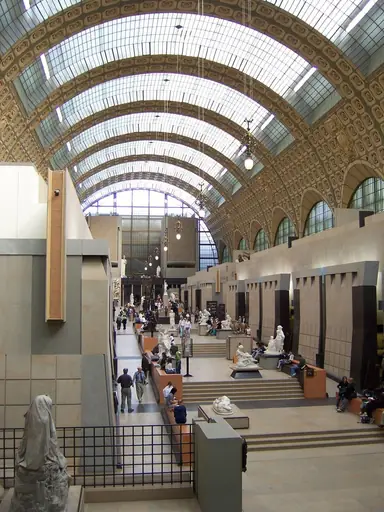
The National Museum of Iceland showcases the rich and varied history of Iceland, from its settlement in the 9th century through the modern era. The museum’s collections include Viking relics, medieval artifacts and items illustrating daily life and cultural traditions of the Icelandic people.
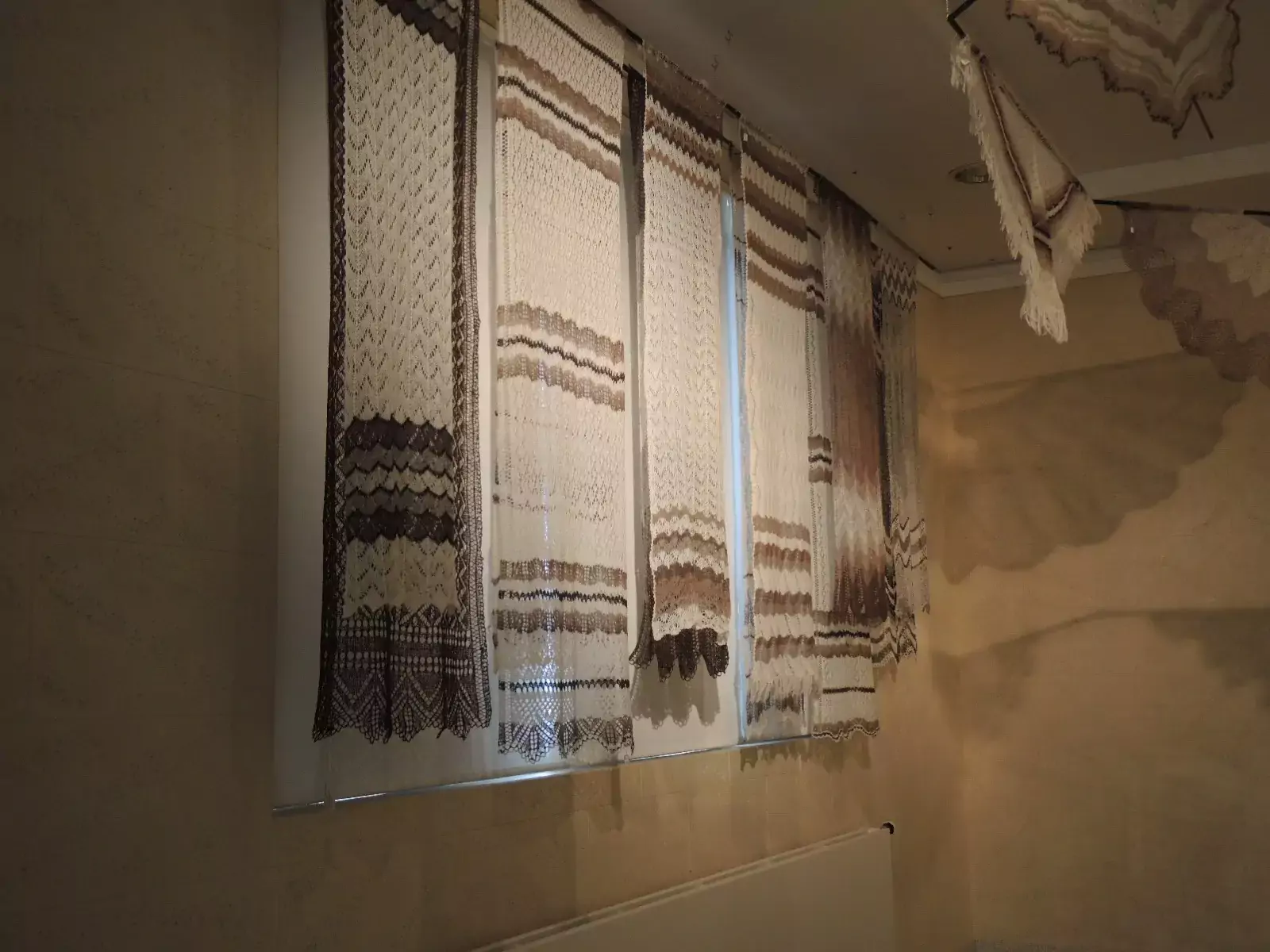
The permanent exhibition, called 'Making of a Nation,' provides a chronological overview featuring well-preserved items such as tools, weaponry, textiles and manuscripts. The museum uses interactive displays to bring history to life, making it engaging for visitors of all ages.
The building itself is modern and well-designed to highlight Iceland’s natural light, creating a pleasant atmosphere to explore the exhibits. The museum regularly hosts special exhibitions and educational programs that deepen the insight into Icelandic culture and history.
Visitors should note that the museum can be less crowded during the colder months but is popular in summer. The entry fee is moderate and audio guides in several languages are available. Some displays may have limited accessibility for visitors with mobility challenges due to the historical nature of some artifacts.
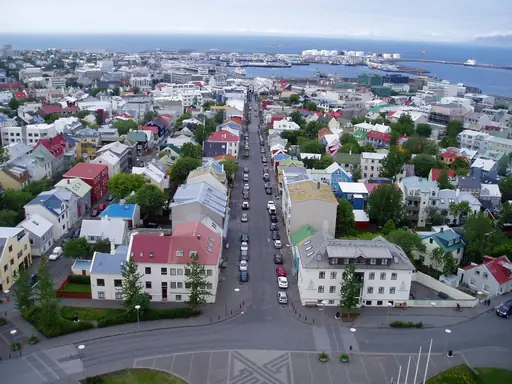
The National Museum of Iceland is centrally located in Reykjavik and is accessible by local buses or a short taxi ride from the city center. International travelers generally arrive at Keflavik International Airport and continue by shuttle, taxi or bus to downtown Reykjavik where the museum is located.
Reykjavik offers a broad range of accommodations near the National Museum, from boutique hotels to guesthouses and budget hostels, providing easy access to cultural and historic city landmarks.
Log in to add this place to a travel list and get a summary of all recommended items for your whole trip.
We calculate the average costs when travelling to destinations and compare those with the living costs at your home. With this you can get an estimate of how expensive or cheap the destination is for you.
To customise this, you can set up which location and price level are used for the calculations in your account settings.
The exchange rate price factor shows how expensive or cheap a currency currently is compared to its historical average. It's a quick way to see if a country is currently more or less affordable due to exchange rate changes.
