










Was this page helpful?

| Opening hours: |
|
||||||||||||
|---|---|---|---|---|---|---|---|---|---|---|---|---|---|
| Public website: | ago.ca |
| Power Grid: |
120 V, 60 Hz Plug: Type A , Type B
Type A:
  Read about power adapters |
|---|---|
| Currency: |
Canadian Dollar (CAD) £1 ≈ CA$1.87 |
| Cashless info: |
Rating 5/5
Cashless payments are widely accepted, especially in urban areas. Most businesses accept credit and debit cards, and mobile payment options like Apple Pay are popular.
Save with a travel credit card |
| eSIM providers: |
Best value: Saily Flexibility: Airalo Read our in-depth comparison |
| Tipping: | Tipping is customary in Canada, with a typical tip of 10-20% in restaurants. Tipping is also expected in taxis and for hotel staff, usually 1-2 CAD for bellhops and housekeepers. |
|---|---|
| Public drinking: | Public drinking laws vary by province, but it's often allowed in designated areas such as festivals or certain parks. |
| Public smoking: | Smoking is prohibited indoors in public spaces and in most outdoor spaces in urban areas. Some provinces have stricter laws than others. |
| Canada Day (July) |
The country celebrates with fireworks and festivals. Expect crowded tourist spots and high demand for accommodations. |
|---|---|
| Thanksgiving (October) |
A major family holiday with many businesses closed, especially in rural areas. |
| Christmas (December) |
Festive markets and winter activities are popular, but expect higher accommodation prices and busy cities. |
| Emergency contact: | Emergency Number: 911 (Police, Fire, Ambulance) |
|---|---|
| Taxi apps: | Uber, Lyft, Bolt |
| Other: | Canada is vast, so be prepared for long distances between cities and varying weather conditions depending on the region. |
The best times to travel section shows how the months compare for a visit, so you can find the time of year that fits what you want to do.
Background colours of the months:
The colour shows the typical temperature: yellow (hot), green (mild) and blue (cold). How strong the colour is shows the travel season: full colour means high season, soft colour means shoulder season and soft-striped means off season.
Weather symbols:
Each month has one symbol showing what the weather is typically like, such as hot and sunny, freezing or a rainy or snowy season. Use them to quickly spot months that match the weather you want, or to avoid the ones that don't.
Crowdedness:
The people icon shows how busy the place usually is. The more people, the more crowded it gets.
Additional notes:
The grey info boxes point out special things worth knowing, like recurring weather issues or seasonal events.
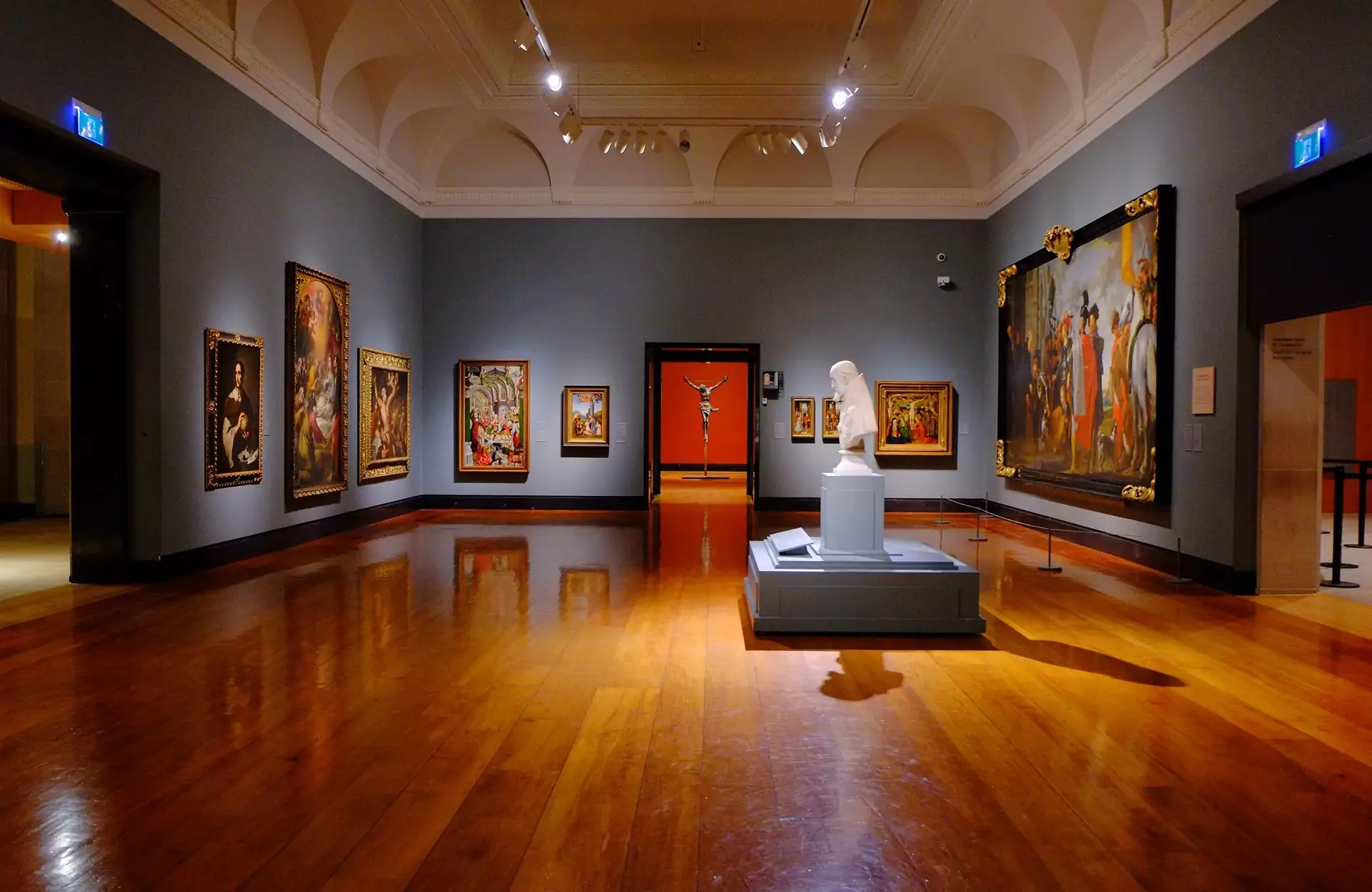
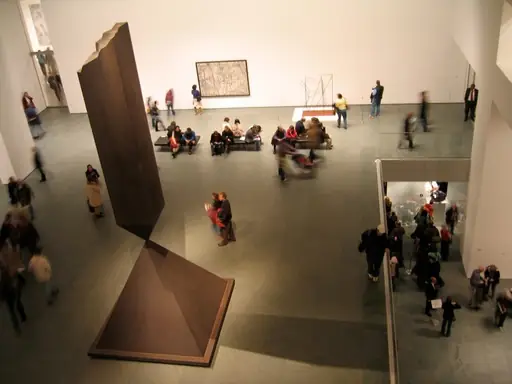
The Art Gallery of Ontario stands as one of the largest and most distinguished art museums in North America. Its dynamic collection includes over 95,000 works ranging from classical to contemporary art, with a richly represented Indigenous collection. The building itself, redesigned by renowned Toronto-born architect Frank Gehry, is a highlight, offering visually stunning features such as sculptural staircases and expansive glass walls that fill galleries with natural light.
Visitors can immerse themselves in diverse exhibitions featuring Canadian icons like the Group of Seven, compelling contemporary artists and unique installations like Yayoi Kusama’s mesmerizing Infinity Mirrored Room. The AGO’s commitment to education shines through its many workshops, family events and curated tours designed to engage art lovers of all ages and backgrounds.
While the AGO is generally welcoming and accessible, visitors should plan ahead during busy periods as weekends and holidays tend to be crowded. Bags larger than 14x14x6 inches are not allowed inside galleries and must be checked. For those sensitive to crowds or seeking a quieter experience, weekday visits are recommended. The gallery also emphasizes art preservation, so touching artworks is strictly prohibited and visitors should be mindful in the bustling areas.
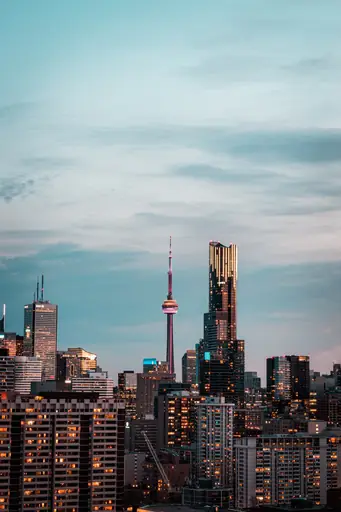
Frequent special events including exhibition openings, artist talks and community programs enrich the visitor experience. The gallery also offers free admission on select Wednesday evenings, making art accessible and inviting to all. Overall, the AGO provides a profound artistic journey set within a architecturally inspiring environment at the heart of Toronto.
The Art Gallery of Ontario is situated at 317 Dundas Street West in Toronto, easily accessible by public transit. Visitors can take the TTC subway to St. Patrick or Dundas stations, with streetcar 505 Dundas stopping right in front of the gallery. For those arriving by car, there are paid parking options nearby. From outside Toronto, the city is accessible via Toronto Pearson International Airport, with convenient subway and taxi connections to downtown.
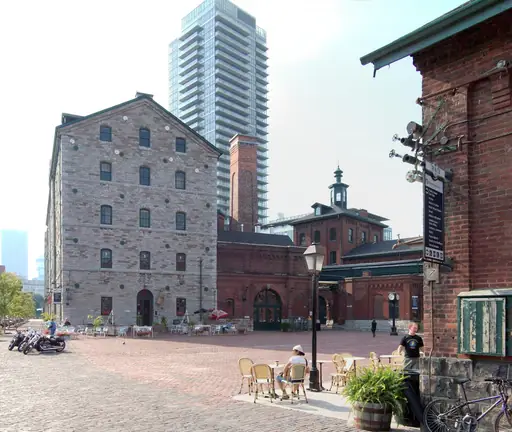
Toronto’s downtown near the AGO features a wide range of accommodations from luxury hotels to boutique lodgings. Staying nearby provides easy access to the gallery as well as other city attractions and dining options.


Log in to add this place to a travel list and get a summary of all recommended items for your whole trip.
We calculate the average costs when travelling to destinations and compare those with the living costs at your home. With this you can get an estimate of how expensive or cheap the destination is for you.
To customise this, you can set up which location and price level are used for the calculations in your account settings.
The exchange rate price factor shows how expensive or cheap a currency currently is compared to its historical average. It's a quick way to see if a country is currently more or less affordable due to exchange rate changes.
