








Was this page helpful?

| Opening hours: |
|
||
|---|---|---|---|
| Public website: | www.nationalmuseum.gov.ph |
| Power Grid: |
220 V, 60 Hz Plug: Type A , Type B
Type A:
  Read about power adapters |
|---|---|
| Currency: |
Philippine Peso (PHP) £1 ≈ ₱85.07 |
| Cashless info: |
Rating 3/5
Cashless payments are increasingly common, especially in larger cities and tourist areas, but cash is still widely used in rural areas.
Save with a travel credit card |
| eSIM providers: |
Best value: Saily Flexibility: Airalo Read our in-depth comparison |
| Tipping: | Tipping is not mandatory in the Philippines, but it is appreciated. 10% is standard in restaurants. Small tips are welcome for taxi drivers and hotel staff. |
|---|---|
| Public drinking: | Public drinking is prohibited in many areas, but alcohol consumption is allowed in licensed venues. |
| Public smoking: | Smoking is allowed in designated areas, but smoking indoors in public spaces is generally prohibited. |
| Emergency contact: | Emergency Number: 911 (Police, Fire, Ambulance) |
|---|---|
| Taxi apps: | Grab |
| Other: | The Philippines is known for its stunning beaches, unique wildlife, and rich cultural heritage. Be mindful of the weather, as typhoon season can affect certain regions. |
The best times to travel section shows how the months compare for a visit, so you can find the time of year that fits what you want to do.
Background colours of the months:
The colour shows the typical temperature: yellow (hot), green (mild) and blue (cold). How strong the colour is shows the travel season: full colour means high season, soft colour means shoulder season and soft-striped means off season.
Weather symbols:
Each month has one symbol showing what the weather is typically like, such as hot and sunny, freezing or a rainy or snowy season. Use them to quickly spot months that match the weather you want, or to avoid the ones that don't.
Crowdedness:
The people icon shows how busy the place usually is. The more people, the more crowded it gets.
Additional notes:
The grey info boxes point out special things worth knowing, like recurring weather issues or seasonal events.
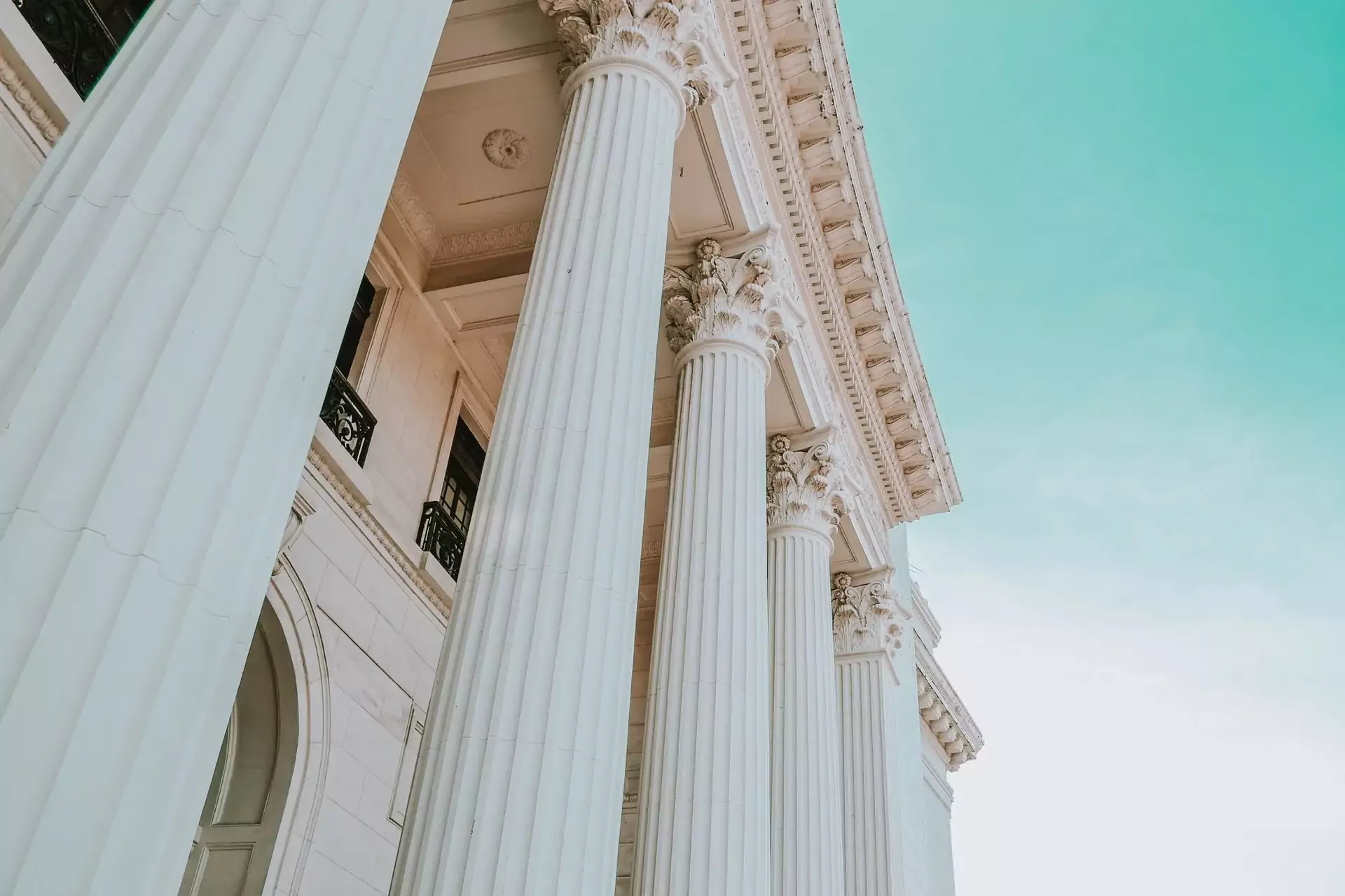
The National Museum of Natural History stands as a centerpiece of the Philippines' rich natural heritage and scientific exploration. Opened in 2018, this museum boasts 12 permanent galleries dedicated to showcasing the country’s unique biodiversity, geological history and ecosystems through immersive and interactive exhibits.
The heart of the museum is the stunning "Tree of Life", a metal-framed glass dome that symbolizes the interconnectedness of all living things. Visitors journey through galleries themed around different ecosystems, from tropical rainforests and freshwater wetlands to marine environments, experiencing the country’s flora and fauna up close.
Highlights include the skeleton of Lolong, the largest saltwater crocodile in captivity and diverse collections of fossils, minerals and live exhibits. The museum also offers educational programs and workshops for all ages in an engaging setting.
While the museum is free to enter, visitors should be prepared for occasional queues, especially during weekends and holidays. The tropical climate means it can be warm inside despite air conditioning, so light clothing and hydration are recommended. The museum is family-friendly, but young children may find some exhibits challenging to fully appreciate.
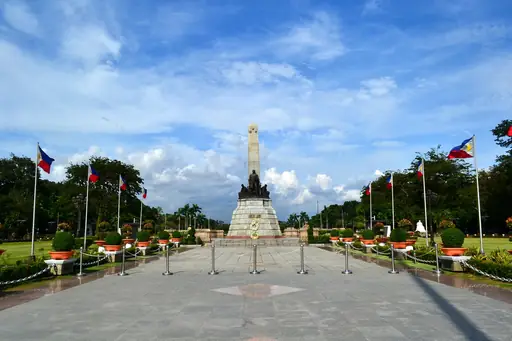
Located in Rizal Park, Manila, the National Museum of Natural History is easily accessible via LRT Line 1, stopping at U.N. Avenue or Central Terminal stations. From Manila Ninoy Aquino International Airport, visitors can take taxis or shuttle services to the museum, a roughly 20‑minute trip depending on traffic.
Manila offers a variety of accommodation options, from luxury hotels to budget-friendly hostels, mostly concentrated around the Ermita and Malate districts, providing easy access to the National Museum and other cultural sites.
Log in to add this place to a travel list and get a summary of all recommended items for your whole trip.
We calculate the average costs when travelling to destinations and compare those with the living costs at your home. With this you can get an estimate of how expensive or cheap the destination is for you.
To customise this, you can set up which location and price level are used for the calculations in your account settings.
The exchange rate price factor shows how expensive or cheap a currency currently is compared to its historical average. It's a quick way to see if a country is currently more or less affordable due to exchange rate changes.
