


Asia › Philippines › Manila › Intramuros

Intramuros

Scroll
Historic Walled City of Manila

Manila’s Intramuros feels like stepping into a living history book. Founded by Spanish colonizers in 1571, this walled city holds centuries of stories within its stone paths and colonial buildings. Today, it stands as Manila’s oldest district, where historic forts stand beside modern cafes and museums. Visitors walk along ancient ramparts overlooking the Pasig River while exploring sites like Fort Santiago and San Agustin Church. The area balances preserved heritage with everyday life, offering quiet moments amid urban energy through its plazas and cobblestone streets.

District in Manila
Climate zone: Tropical monsoon

Tropical monsoon: Tropical climates with pronounced wet and short dry seasons, dominated by monsoon winds and extremely heavy summer rains.

See climate table
Price level: $$$
$Cheap
$$Medium
$$$Expensive, upscale
$$$+Very expensive, luxury
Safety: 5.3
General Safety:6
Health & medical:5
Accessibility:5
Tap water:2
Read details
Tourist English: 4/5
English is widely spoken in Manila, including Intramuros, ensuring tourists can easily communicate with locals and navigate cultural sites.
Last update: 12 Oct 2026
* We earn a commission from some links on this page.
Intramuros Summary

These place ratings give you a quick overview of how well a destination matches different types of trips.

‘Best for’ scores:
The specific interest scores show where this place really shines – whether it's ideal for hiking, food & drink experiences, museums or other activities. These highlights help you understand what makes the destination special at a glance.

‘Your personal’ scores:
This reflects how well a place matches your personal preferences. You can adjust the importances of travel topics or other personal requirements categories in your account settings.

‘Suited for’ badges:
These give you a quick overview of how well a destination suits specific types of travellers, to help you find the places that match your lifestyle, preferences or travel situation.

Read how our scores work
Outstanding for colonial history and heritage walks. Explore old fortifications, visit churches and tour historic Spanish-era streets.
Place score
7.6
Best at:
Walkable
9
Historic sites
9
Religious sites
9
Traditional culture
9
Large cities
8
Personal score
?
Log in to see how this place matches your personal travel interests.
Suited for
👶 7
Families
🧓 7
Seniors
🛡️ 7
Travel Beginners
💻 7
Digital Nomads
Philippines – Quick facts
Power Grid: 220 V, 60 Hz
Plug: Type A , Type B
Type A:
Diagram of a Type A power plug
Type B:
Diagram of a Type B power plug

Read about power adapters
Currency: Philippine Peso (PHP)
£1 ≈ ₱85.07
Cashless info: Rating 3/5
Cashless payments are increasingly common, especially in larger cities and tourist areas, but cash is still widely used in rural areas.

Save with a travel credit card
eSIM providers: Best value: Saily
Flexibility: Airalo
Read our in-depth comparison
Tipping: Tipping is not mandatory in the Philippines, but it is appreciated. 10% is standard in restaurants. Small tips are welcome for taxi drivers and hotel staff.
Public drinking: Public drinking is prohibited in many areas, but alcohol consumption is allowed in licensed venues.
Public smoking: Smoking is allowed in designated areas, but smoking indoors in public spaces is generally prohibited.
Emergency contact: Emergency Number: 911 (Police, Fire, Ambulance)
Taxi apps: Grab
Other: The Philippines is known for its stunning beaches, unique wildlife, and rich cultural heritage. Be mindful of the weather, as typhoon season can affect certain regions.
Best times to travel

The best times to travel section shows how the months compare for a visit, so you can find the time of year that fits what you want to do.

Background colours of the months:
The colour shows the typical temperature: yellow (hot), green (mild) and blue (cold). How strong the colour is shows the travel season: full colour means high season, soft colour means shoulder season and soft-striped means off season.

Weather symbols:
Each month has one symbol showing what the weather is typically like, such as hot and sunny, freezing or a rainy or snowy season. Use them to quickly spot months that match the weather you want, or to avoid the ones that don't.

Crowdedness:
The people icon shows how busy the place usually is. The more people, the more crowded it gets.

Additional notes:
The grey info boxes point out special things worth knowing, like recurring weather issues or seasonal events.

for Intramuros, Philippines
🔥
Jan
🔥
Feb
🔥
Mar
🔥
Apr
🔥
May
🌦️
Jun
🌦️
Jul
🌦️
Aug
🌦️
Sep
🔥
Oct
🔥
Nov
🔥
Dec
High season: Jan. - March, Dec.
Shoulder season: April, Nov.
Crowdedness: 7 (Many tourists)
Tap on a month for more info Hover over a month for more info
Rainy season June to October, typhoon risk peaks July to October with flooding in low-lying areas
Christmas season starts in September: parol lanterns and lights from December, many museums and Fort Santiago on reduced hours around holidays
Holy Week, March or April: many shops, restaurants and sights close, Good Friday processions draw crowds

Intramuros, also known as the 'Walled City,' dates back to the late 16th century when it was built by the Spanish colonizers. It served as the political, military and religious center of Manila for over 300 years. Today, Intramuros retains its historical charm with thick walls, cobbled streets and well-preserved colonial buildings.

The district is home to several significant landmarks like Fort Santiago, a fortress with deep historical significance and San Agustin Church, a UNESCO World Heritage Site famous for its baroque architecture and ornate interiors. The Manila Cathedral stands as another centerpiece, with its resilient structure surviving numerous events.

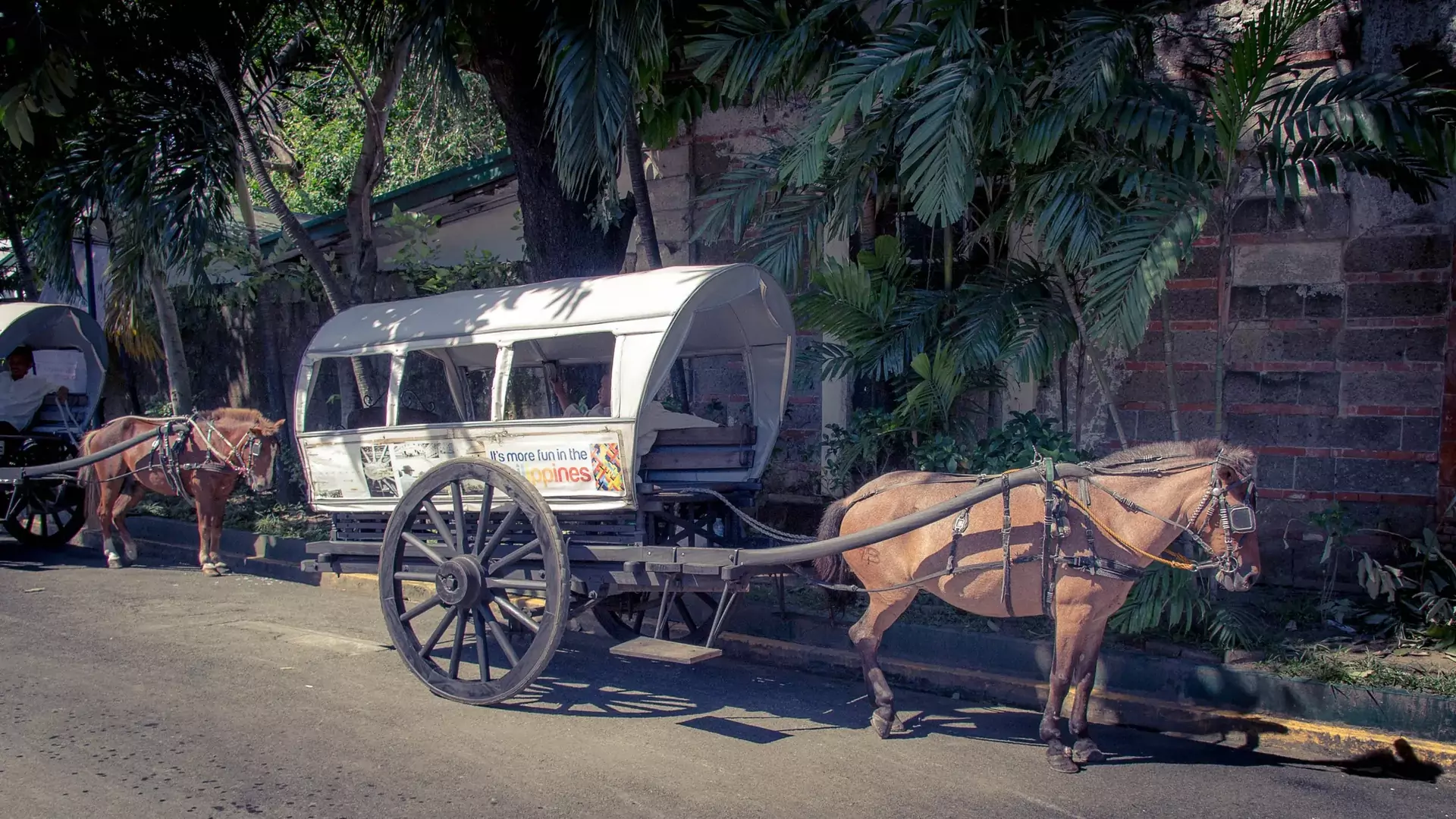
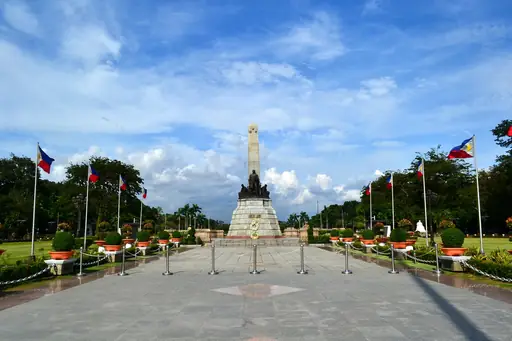
Visitors can explore museums such as Casa Manila, which provides a peek into colonial life and the Rizal Shrine, dedicated to the Philippines' national hero. For a unique experience, tourists can take bamboo bike tours or ride horse-drawn kalesas while soaking in the historical ambiance.

While Intramuros is vibrant and educational, visitors should be mindful of Manila's occasional heavy traffic and crowded areas. The streets can be uneven and narrow, so comfortable footwear is advised. Staying vigilant about personal belongings is also recommended given the busy tourist traffic.

Why travel to Intramuros?

Intramuros, the historic walled city of Manila, offers a quiet window into the Philippines’ colonial past and its evolving urban life. Walking along its cobblestone streets, visitors encounter well‑preserved Spanish architecture, including the iconic San Cristobal Fortress and the Baroque façade of Fort Santiago. The area’s museums – such as the National Museum of Fine Arts and the Intramuros Cultural Center – display works that trace Filipino artistic traditions from pre‑colonial times to contemporary expressions. The district’s cafés and restaurants serve a mix of local dishes, like adobo and sinigang, alongside international fare, reflecting Manila’s cosmopolitan character. For those interested in religious history, the San Agustin Church, a UNESCO World Heritage site, showcases intricate stonework and a rich liturgical heritage. Nearby, the Manila Cathedral stands as a testament to the city’s Catholic roots. Intramuros also serves as a cultural hub for festivals and performances. The annual Intramuros Festival features street theater, music and food stalls that highlight regional diversity. For travelers who appreciate architecture, history and everyday Filipino life, Intramuros provides an accessible yet immersive experience without the bustle of Manila’s larger districts. Its compact layout allows visitors to explore key sites in a single day while still offering quiet corners for reflection amid centuries of layered stories.

🏯Places worth seeing
  • 1 Casa Manila
  • 2 Fort Santiago
  • 3 Manila Cathedral
  • 4 Rizal Shrine
  • 5 San Agustin Church
🎈Events
  • Intramuros Day
  • Cultural Festivals

Knowledge before you go

  • Wear comfortable shoes; cobblestones and uneven paths dominate Intramuros.
  • Arrive early before midday crowds, especially near Fort Santiago and San Agustin Church.
  • Carry a small water bottle and sunscreen; the area receives intense afternoon sun with limited shade.
  • Explore the Manila Heritage Park at sunset for quiet reflection on colonial architecture and local history.

How to travel to Intramuros

Intramuros is easily accessible from Ninoy Aquino International Airport by taxi or shuttle, around 20-30 minutes depending on traffic. The district is well connected via Manila’s LRT Line 1 at Central Terminal Station and is accessible by jeepneys and local taxis for more flexible transport.

Access summary

  • From Manila NAIA Airport: Taxi or bus–train combo, roughly 40–70 min.
  • From Makati: Taxi or LRT/bus via Taft or UN Avenue, 25–45 min.
  • From Quezon City: LRT-2 then LRT-1 or jeepney towards Intramuros, 40–70 min.

Where to stay in Intramuros

Most visitors choose accommodations in Manila’s central districts like Ermita and Malate, offering a range of hotels from budget to upscale options, providing convenient access to Intramuros and other city highlights.

How to get around Intramuros

Intramuros, Manila’s historic walled city, is best explored on foot due to its compact size and pedestrian-friendly streets. Walking allows visitors to fully experience its colonial architecture and hidden gems like Fort Santiago and Casa Manila. For longer distances or convenience, jeepneys – colorful Filipino-made vehicles – are the most common public transport, offering affordable rides across the district and connecting to nearby areas. Tricycles (three-wheeled motorcycles) are another option for short hops between landmarks within Intramuros. Taxis and ride-hailing apps like Grab provide flexible alternatives but may be less efficient in traffic. Bicycles can also be rented for a slower, immersive exploration of the city’s cobblestone paths and heritage sites.
Budget snapshot
Costs compared to home

We calculate the average costs when travelling to destinations and compare those with the living costs at your home. With this you can get an estimate of how expensive or cheap the destination is for you.

To customise this, you can set up which location and price level are used for the calculations in your account settings.

-67 %
Daily expenses in the region are around 67% lower than the average across United States. That means you'll spend a lot less on meals and getting around.
Exchange rate trend

The exchange rate price factor shows how expensive or cheap a currency currently is compared to its historical average. It's a quick way to see if a country is currently more or less affordable due to exchange rate changes.

-19 %
Your exchange rate (GBP to PHP) is 19% better than in recent years. That means travelling now is considerably cheaper compared to the past.

Travel costs

To help you plan your trip, we provide estimated daily costs per person (when travelling as a pair) for different travel styles. These numbers give you an idea of what you might spend each day at this destination, including accommodation, food, transport and activities.

Additionally, we also provide average hotel costs for different travel styles to give you an estimate for the accommodation only.

Please note that these are only estimates. The real costs depend on booking times, season and other factors.

Daily cost summary

Travel style categories explained:

Backpacker:
Staying in hostels or budget hotels, cooking your own meals or eating cheap and choosing low-cost activities.

Mid-range:
Staying in mid-range hotels, eating at a mix of restaurants and casual spots and enjoying a variety of activities.

Luxury:
Staying in luxury hotels, dining out at high-end restaurants and enjoying premium experiences without worrying about the price.

Backpacker Mid-range Luxury
💵 Total costs per day, including accommodation
£31
£65
£165
🏨 Accommodation per night, per person
£15
£38
£90
🍝 Food per day
£13
£25
£69
🚕 Transportation per day
£2
£3
£5
Food & Drink
🍽️ Restaurant Dinner, per person
£9.50
🍛 Lunch Set, per person
£4.40
🍟 Fast food combo
£3.30
🍝 Preparing your own food, per day
£5
☕ Cappuccino
£2
🍺 Beer in a restaurant, 0.5 l
£1.25
Transportation
🚌 Public transport ticket
£0.39
🚕 Taxi Ride, 10 km / 6 mi
£3
⛽ Petrol, 1 l
£0.85
Other
🎞️ Cinema ticket
£5
👩‍⚕️ Doctor's consult
£12
🤧 Cold medication
£4
💇 Basic haircut
£4.80

Safety information overview

General safety
6
Intramuros remains relatively safe, with a strong police presence and well‑lit streets. Tourist areas experience low crime rates, though petty theft can occur in crowded spots. Stay vigilant, avoid isolated alleys after dark and keep valuables secure for peace of mind.
Health & Medical
5
Manila’s Intramuros offers reliable, modern medical care with well‑equipped hospitals and experienced specialists. Travelers can access emergency services, vaccinations and dental clinics easily. However, air pollution and occasional typhoons pose health risks; staying hydrated and using mosquito protection is advised.
Accessi­bility
5
Intramuros offers limited accessibility: many historic streets are cobblestone and uneven, with few ramps or elevators. Some museums provide wheelchair access, but signage is sparse. Visitors should plan ahead, use local guides and bring a portable ramp for best experience.
Tap water
2
In Intramuros, tap water is generally safe for local consumption but not recommended for tourists without filtration. Public fountains are scarce; bottled water remains the most reliable option. Staying hydrated with filtered or boiled water ensures comfort amid Manila’s humid climate.

Packing recommendations for Intramuros

Log in to add this place to a travel list and get a summary of all recommended items for your whole trip.

Looking for inspiration?

Discover
Best destinations for first-time travelers in Asia
Asia has one of the best established beginner travel routes anywhere, largely because so many first time travelers have worn the path before you. Southeast Asia in particular…
Read more
Discover
Top museum destinations and cultural institutions
Museum travel has developed a dedicated following built around the world's great permanent collections, blockbuster exhibition programmes and the architecturally significant…
Read more
Discover
Top digital nomad destinations and remote work hubs in 2026
Working from anywhere in the world sounds simple until you actually try it and the best digital nomad destinations look different depending on what kind of remote worker you are.…
Read more
Discover
Best travel destinations for seniors in Asia
Asia offers some of the most senior friendly infrastructure anywhere, alongside destinations that still call for a bit more independence and stamina. Japan in particular stands…
Read more
Discover
Top digital nomad destinations and remote work hubs in Asia
Asia has quietly become one of the most popular continents for remote work, and it is easy to see why once you look past the obvious hubs. Some remote workers gravitate toward…
Read more
Discover
Top historical destinations and historic sites
The most compelling history destinations are places where the past is still physically present and legible in the landscape, the architecture and the daily life of the people who…
Read more
Discover
Best destinations for first-time travellers
A first trip abroad works best somewhere that eases you in, rather than throwing every possible culture shock and logistical headache at you at once. Some first-time travellers…
Read more
Discover
Best museum destinations in Asia
Asia's museum offer encompasses one of the world's most diverse ranges of cultural traditions, artistic languages and historical periods, with institutions across the continent…
Read more
Discover
Best historical destinations in Asia
Asia's historical depth is staggering, encompassing some of the oldest continuous civilisations on earth and a range of empires, belief systems and cultural traditions that have…
Read more
Discover
Best travel destinations for seniors
Senior travel covers a wide range, from slow, low effort trips built around comfort to more independent trips for travellers who still want to cover plenty of ground. Some…
Read more
Discover
Most beautiful beaches and coastal escapes
For a lot of people, a beach is the whole point of a holiday, but what makes a beach day perfect really depends on personal taste. Some travellers want isolation and the feeling…
Read more
Discover
Stunning national parks and wilderness areas
National parks exist because someone decided that certain landscapes were too important to lose. The best of them protect ecosystems, wildlife and natural processes that would…
Read more
Discover
Intimate escapes and romantic getaways
The most memorable trips for couples tend to have less to do with luxury and more to do with the quality of shared experience. A place that slows you down, removes the usual…
Read more
Was this page helpful?
Feedback