











Was this page helpful?

| Opening hours: |
|
||||
|---|---|---|---|---|---|
| Public website: | norskfolkemuseum.no |
| Power Grid: |
230 V, 50 Hz Plug: Type C , Type F
Type C:
  Read about power adapters |
|---|---|
| Currency: |
Norwegian Krone (NOK) £1 ≈ NOK 12.42 |
| Cashless info: |
Rating 5/5
Norway is a highly cashless society. Credit and debit cards are widely accepted, and many places even prefer card payments over cash.
Save with a travel credit card |
| eSIM providers: |
Best value: Saily Flexibility: Airalo Read our in-depth comparison |
| Tipping: | Tipping is not obligatory in Norway, though it is appreciated. In restaurants, rounding up the bill or leaving 5-10% is common. Taxi drivers expect small tips, and hotel staff appreciate small gratuities. |
|---|---|
| Public drinking: | Public drinking is allowed in Norway in some areas, such as designated outdoor events. However, it is prohibited in public places like parks and streets in many cities. |
| Public smoking: | Smoking is prohibited indoors in all public places, including restaurants and public transport. Designated outdoor smoking areas are available in most public spaces. |
| Norwegian Constitution Day (May) |
A national holiday with celebrations, especially in Oslo, expect crowded areas and festivities. |
|---|---|
| Christmas (December) |
Christmas celebrations are widespread, with Christmas markets and festive events, but expect crowded cities and higher accommodation prices. |
| Midsummer (June) |
Midsummer celebrations take place with outdoor events, festivals, and celebrations. |
| Emergency contact: | Emergency Number: 112 (Police, Fire, Ambulance) |
|---|---|
| Taxi apps: | Uber, Bolt |
| Other: | Norway is a beautiful country with extensive natural landscapes. Be prepared for variable weather and pack accordingly, especially if you plan to explore the outdoors. |
The best times to travel section shows how the months compare for a visit, so you can find the time of year that fits what you want to do.
Background colours of the months:
The colour shows the typical temperature: yellow (hot), green (mild) and blue (cold). How strong the colour is shows the travel season: full colour means high season, soft colour means shoulder season and soft-striped means off season.
Weather symbols:
Each month has one symbol showing what the weather is typically like, such as hot and sunny, freezing or a rainy or snowy season. Use them to quickly spot months that match the weather you want, or to avoid the ones that don't.
Crowdedness:
The people icon shows how busy the place usually is. The more people, the more crowded it gets.
Additional notes:
The grey info boxes point out special things worth knowing, like recurring weather issues or seasonal events.
The Norwegian Museum of Cultural History is one of Europe’s largest and oldest open-air museums. Founded in 1894, it provides a fascinating and immersive journey into Norway’s history, cultural practices and everyday life across centuries. Its setting on the peaceful Bygdøy peninsula offers a blend of cultural discovery and natural beauty.
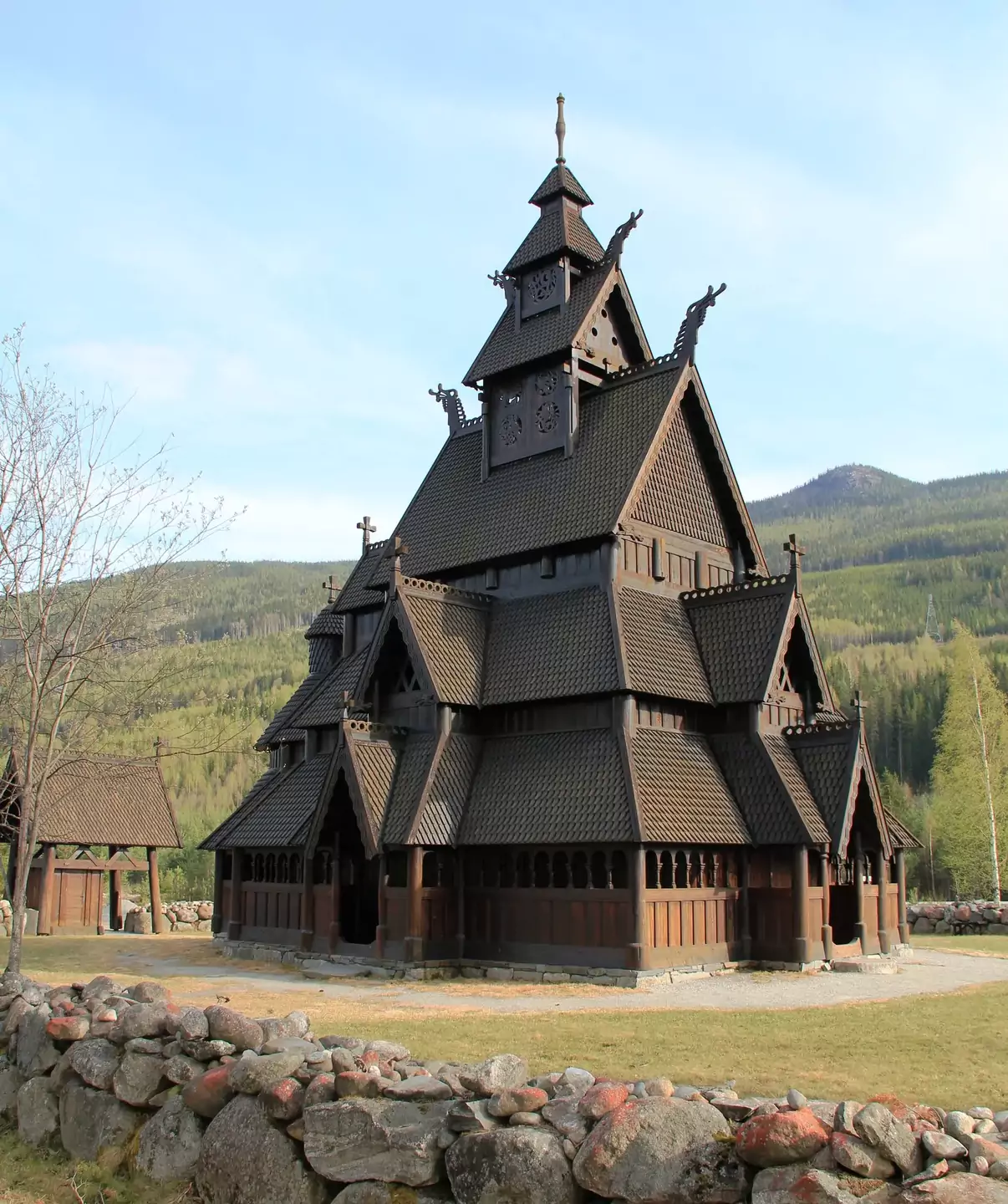
The heart of the museum is its extensive collection of over 150 historic buildings relocated from around Norway, including farmhouses, tenements and the famous 13th-century Gol Stave Church. Walking through the open-air village, visitors witness diverse architectural styles and interiors representing different regions and social classes, giving tangible insight into Norway’s past.
Inside, the museum features rich exhibitions of folk costumes, traditional crafts, Sami culture and historical artifacts. Interactive programs such as folk dancing, storytelling and traditional baking enhance visitor engagement, especially for families. The museum’s dedication to preserving and showcasing cultural heritage includes temporary exhibitions and a photographic archive with historic images.
While beautifully captivating, visitors should be prepared for potentially cold and changeable Norwegian weather, especially if touring outdoors. Also, as the site spans a relatively large area, comfortable footwear is recommended. The museum’s entrance fee is moderate and it’s free for children under 18, encouraging family visits.
The museum is situated approximately 4 km west of Oslo’s city center on the Bygdøy peninsula, reachable by public bus or a pleasant 30-minute walk from central Oslo. Visitors coming from outside Norway can fly into Oslo Gardermoen Airport and then take a train or bus into downtown Oslo, followed by local transport to Bygdøy. The area is well signed and easily accessible by tram, bus or taxi from central Oslo, making it convenient for day trips.
Oslo offers a wide range of accommodations, from boutique hotels to budget-friendly options. Staying near the city center is convenient for easy access to the museum and other cultural attractions on Bygdøy.
Log in to add this place to a travel list and get a summary of all recommended items for your whole trip.
We calculate the average costs when travelling to destinations and compare those with the living costs at your home. With this you can get an estimate of how expensive or cheap the destination is for you.
To customise this, you can set up which location and price level are used for the calculations in your account settings.
The exchange rate price factor shows how expensive or cheap a currency currently is compared to its historical average. It's a quick way to see if a country is currently more or less affordable due to exchange rate changes.
