

Asia › China › Shanghai › Shanghai Museum

Shanghai Museum

Scroll
Gateway to China's Art and History

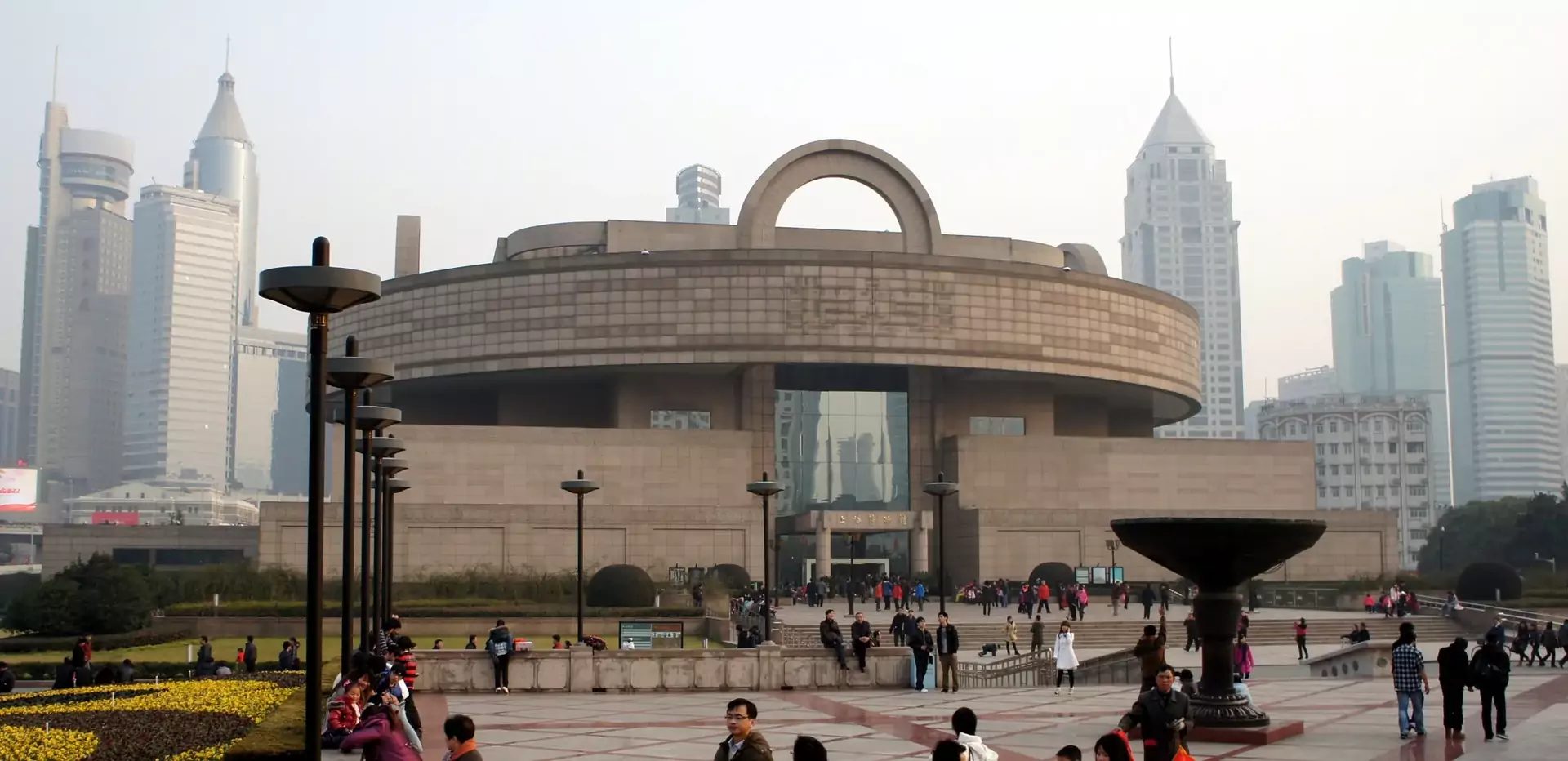
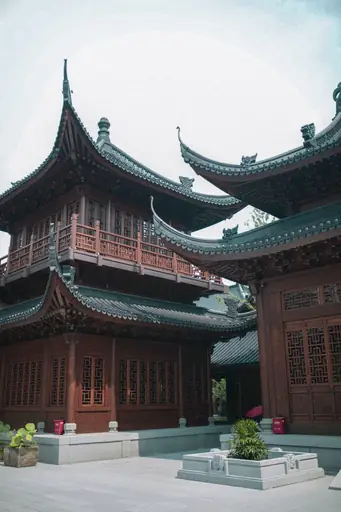
Shanghai Museum presents a clear view of China’s history through its collections. The building itself reflects traditional design with modern touches. Inside, artifacts span thousands of years, showing daily life, art and technology from different dynasties. Exhibits include ceramics, bronze tools, calligraphy and ancient coins. Displays are organized by theme rather than time period, making it easy to compare objects across eras. The museum also hosts educational programs for visitors who want deeper context about specific items or periods in Chinese history.

Museum in Shanghai
Climate zone: Humid subtropical

Humid subtropical: Warm temperate climates with hot, humid summers, mild winters and evenly distributed rainfall, common on eastern continental margins.

See climate table
Ticket price: free
$Cheap
$$Medium
$$$Expensive, upscale
$$$+Very expensive, luxury
Safety: 8.0
General Safety:8
Accessibility:8
Read details
Tourist English: 4/5
English is commonly spoken within the museum and major tourist destinations in Shanghai, facilitating an easy and informative visitor experience.
Last update: 12 Oct 2026
* We earn a commission from some links on this page.
Shanghai Museum Summary
Outstanding for Chinese art and ancient artifacts. Explore galleries displaying ceramics, calligraphy, jade and historic sculptures.
Opening hours:
Mon-Sun:09:00 - 17:00
Public website: www.shanghaimuseum.net
China – Quick facts
Power Grid: 220 V, 50 Hz
Plug: Type A , Type I
Type A:
Diagram of a Type A power plug
Type I:
Diagram of a Type I power plug

Read about power adapters
Currency: Chinese Yuan Renminbi (CNY)
£1 ≈ CN¥8.88
Cashless info: Rating 5/5
Cashless payments are widely accepted in China, particularly in urban areas. Mobile payment services like Alipay and WeChat Pay are commonly used.

Save with a travel credit card
eSIM providers: Best value: Saily
Flexibility: Airalo
Read our in-depth comparison
Tipping: Tipping is not customary in China and is not expected, although it may be appreciated in high-end restaurants or by hotel staff for exceptional service.
Public drinking: Public drinking is generally not allowed in many places in China, but it is common in restaurants and bars.
Public smoking: Smoking is prohibited in many indoor public spaces, such as restaurants and public transport, but enforcement can vary.
Chinese New Year
(January/February)
Major holiday with family gatherings and public celebrations
National Day
(1 October)
National holiday with parades and festivities
Emergency contact: Emergency Numbers: 110 (Police), 120 (Ambulance), 119 (Fire)
Taxi apps: DiDi, Uber
Other: China is known for its vast cultural heritage, including historical landmarks like the Great Wall, the Forbidden City, and the Terracotta Army. It offers diverse landscapes ranging from mountains to beaches.
Best times to travel

The best times to travel section shows how the months compare for a visit, so you can find the time of year that fits what you want to do.

Background colours of the months:
The colour shows the typical temperature: yellow (hot), green (mild) and blue (cold). How strong the colour is shows the travel season: full colour means high season, soft colour means shoulder season and soft-striped means off season.

Weather symbols:
Each month has one symbol showing what the weather is typically like, such as hot and sunny, freezing or a rainy or snowy season. Use them to quickly spot months that match the weather you want, or to avoid the ones that don't.

Crowdedness:
The people icon shows how busy the place usually is. The more people, the more crowded it gets.

Additional notes:
The grey info boxes point out special things worth knowing, like recurring weather issues or seasonal events.

for Shanghai Museum, China
Jan
Feb
Mar
Apr
May
Jun
Jul
Aug
Sep
Oct
Nov
Dec
High season: April - May, Oct. - Nov.
Shoulder season: March, June - Sep.
Tap on a month for more info Hover over a month for more info
Free admission with online or on-site reservation; closed Mondays, and daily entry quotas fill quickly on holidays

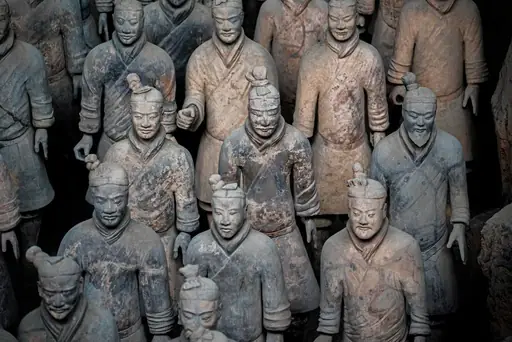
Shanghai Museum opened its doors in 1952 and is one of China’s foremost cultural institutions focused on ancient Chinese art. Its collection exceeds 120,000 artifacts, with highlights including bronzes, ceramics, jades, calligraphy, furniture and sculptures that trace the story of Chinese civilization.

The museum’s architecture, designed to symbolize the concept of 'round sky, square earth,' houses ancient treasures displayed chronologically and thematically across eleven galleries. Visitors experience centuries of craftsmanship, from delicate porcelain to intricate jade carvings.

In addition to the main building in People’s Square, the Museum has a new facility in the Pudong district showcasing contemporary exhibitions and interactive displays. Free admission encourages widespread access, though booking in advance is advised especially during peak seasons.

Visitors should plan for a couple of hours to explore fully and take advantage of multilingual audio guides or guided tours for enriched insights. While the museum is well-maintained and visitor-friendly, some areas can be crowded, especially on weekends and holidays.

Knowledge before you go

  • Free admission. Reserve tickets online in advance via WeChat.
  • Start from first floor bronzes, ascend through ceramics, calligraphy and jade exhibits for logical progression.
  • Allow 3 hours; rent English audio guide at entrance for detailed artifact explanations and history.
  • Housed in ancient 'ding' vessel-shaped building on People's Square, it holds China's premier ancient bronzes and ceramics collection.

How to travel to Shanghai Museum

Shanghai Museum is located at People’s Square in the Huangpu District. Visitors can access it easily via Shanghai Metro lines 1, 2 and 8 at People’s Square station. From Shanghai Pudong or Hongqiao airports, take metro or taxi to the city center.

Access summary

  • From Pudong Airport (PVG): Metro Line 2 to People’s Square (~55–70 min).
  • From central Shanghai: Metro Lines 1, 2 or 8 to People’s Square (~10–25 min).
  • From Hongqiao Airport: Metro Line 2 direct to People’s Square Station (~35–50 min).

Where to stay near Shanghai Museum

Staying near People’s Square or the Huangpu district provides close proximity to the museum and other vibrant city attractions, with options ranging from budget hotels to luxury accommodations.

Packing recommendations for Shanghai Museum

Log in to add this place to a travel list and get a summary of all recommended items for your whole trip.

Budget snapshot
Costs compared to home

We calculate the average costs when travelling to destinations and compare those with the living costs at your home. With this you can get an estimate of how expensive or cheap the destination is for you.

To customise this, you can set up which location and price level are used for the calculations in your account settings.

-63 %
Daily expenses in the region are around 63% lower than the average across United States. That means you'll spend a lot less on meals and getting around.
Exchange rate trend

The exchange rate price factor shows how expensive or cheap a currency currently is compared to its historical average. It's a quick way to see if a country is currently more or less affordable due to exchange rate changes.

-1 %
Your exchange rate (GBP to CNY) is 1% better than in recent years. That means travelling now costs around the same compared to the past.

Safety information overview

General safety
8
The Shanghai Museum enjoys a high safety rating, with strict security protocols and well-trained staff ensuring visitor protection. Crime rates are low and the museum’s central location offers reliable public transport and ample surveillance, making it a secure destination for travelers.
Accessi­bility
8
Shanghai Museum offers excellent accessibility: wide, level entrances, elevators, wheelchair‑friendly exhibits and clear signage in multiple languages. However, some older galleries have narrow aisles and the main lobby can be crowded during peak hours, so plan visits early.

Looking for inspiration?

Discover
Best cities to visit in Asia
Asia's world cities combine ancient urban histories with some of the most dramatic contemporary development anywhere, producing metropolitan environments where centuries of…
Read more
Discover
Top museum destinations and cultural institutions
Museum travel has developed a dedicated following built around the world's great permanent collections, blockbuster exhibition programmes and the architecturally significant…
Read more
Discover
World cities and iconic metropolises
The world's great cities earn that status through a combination of cultural depth, historical layering, architectural ambition and the particular energy that comes from being a…
Read more
Discover
Best museum destinations in Asia
Asia's museum offer encompasses one of the world's most diverse ranges of cultural traditions, artistic languages and historical periods, with institutions across the continent…
Read more
Discover
Most beautiful beaches and coastal escapes
For a lot of people, a beach is the whole point of a holiday, but what makes a beach day perfect really depends on personal taste. Some travellers want isolation and the feeling…
Read more
Discover
Stunning national parks and wilderness areas
National parks exist because someone decided that certain landscapes were too important to lose. The best of them protect ecosystems, wildlife and natural processes that would…
Read more
Discover
Intimate escapes and romantic getaways
The most memorable trips for couples tend to have less to do with luxury and more to do with the quality of shared experience. A place that slows you down, removes the usual…
Read more
Was this page helpful?
Feedback