







Was this page helpful?

| Opening hours: |
|
||||||||
|---|---|---|---|---|---|---|---|---|---|
| Public website: | www.khm.at |
| Power Grid: |
230 V, 50 Hz Plug: Type C , Type F
Type C:
  Read about power adapters |
|---|---|
| Currency: |
Euro (EUR) £1 ≈ €1.19 |
| Cashless info: |
Rating 5/5
Austria is a highly cashless society, particularly in urban areas. Credit and debit cards are widely accepted, and mobile payment services such as Apple Pay and Google Pay are increasingly popular.
Save with a travel credit card |
| eSIM providers: |
Best value: Saily Flexibility: Airalo Read our in-depth comparison |
| Tipping: | Tipping is customary in Austria. In restaurants, it is common to leave a 5-10% tip, though rounding up to the nearest euro is also acceptable. Taxi drivers typically expect a small tip, around 10% of the fare. Hotel staff and tour guides appreciate small gratuities. |
|---|---|
| Public drinking: | Public drinking is generally permitted in Austria, though some areas may have restrictions. Drinking in public spaces such as parks and squares is socially accepted but may be subject to local laws in specific municipalities. |
| Public smoking: | Smoking is prohibited in most indoor public spaces, including restaurants, bars, and public transport. Designated smoking areas are available in many locations. |
| National Day (October) |
A national holiday with many closures, celebrations, and increased domestic tourism. |
|---|---|
| Christmas (December) |
Festive celebrations across the country, with crowded tourist spots and higher prices for accommodation. |
| Austrian Wine Harvest Festival (September) |
Celebration of local wines, especially in wine-producing regions, with festivals and events. |
| Emergency contact: | Emergency Number: 112 (Police, Fire, Ambulance) |
|---|---|
| Taxi apps: | Bolt, Uber |
| Other: | Austria is known for its rich cultural heritage, with historical sites, museums, and nature reserves. Its well-developed infrastructure, particularly in transport, makes it a comfortable destination for travellers. |
The best times to travel section shows how the months compare for a visit, so you can find the time of year that fits what you want to do.
Background colours of the months:
The colour shows the typical temperature: yellow (hot), green (mild) and blue (cold). How strong the colour is shows the travel season: full colour means high season, soft colour means shoulder season and soft-striped means off season.
Weather symbols:
Each month has one symbol showing what the weather is typically like, such as hot and sunny, freezing or a rainy or snowy season. Use them to quickly spot months that match the weather you want, or to avoid the ones that don't.
Crowdedness:
The people icon shows how busy the place usually is. The more people, the more crowded it gets.
Additional notes:
The grey info boxes point out special things worth knowing, like recurring weather issues or seasonal events.
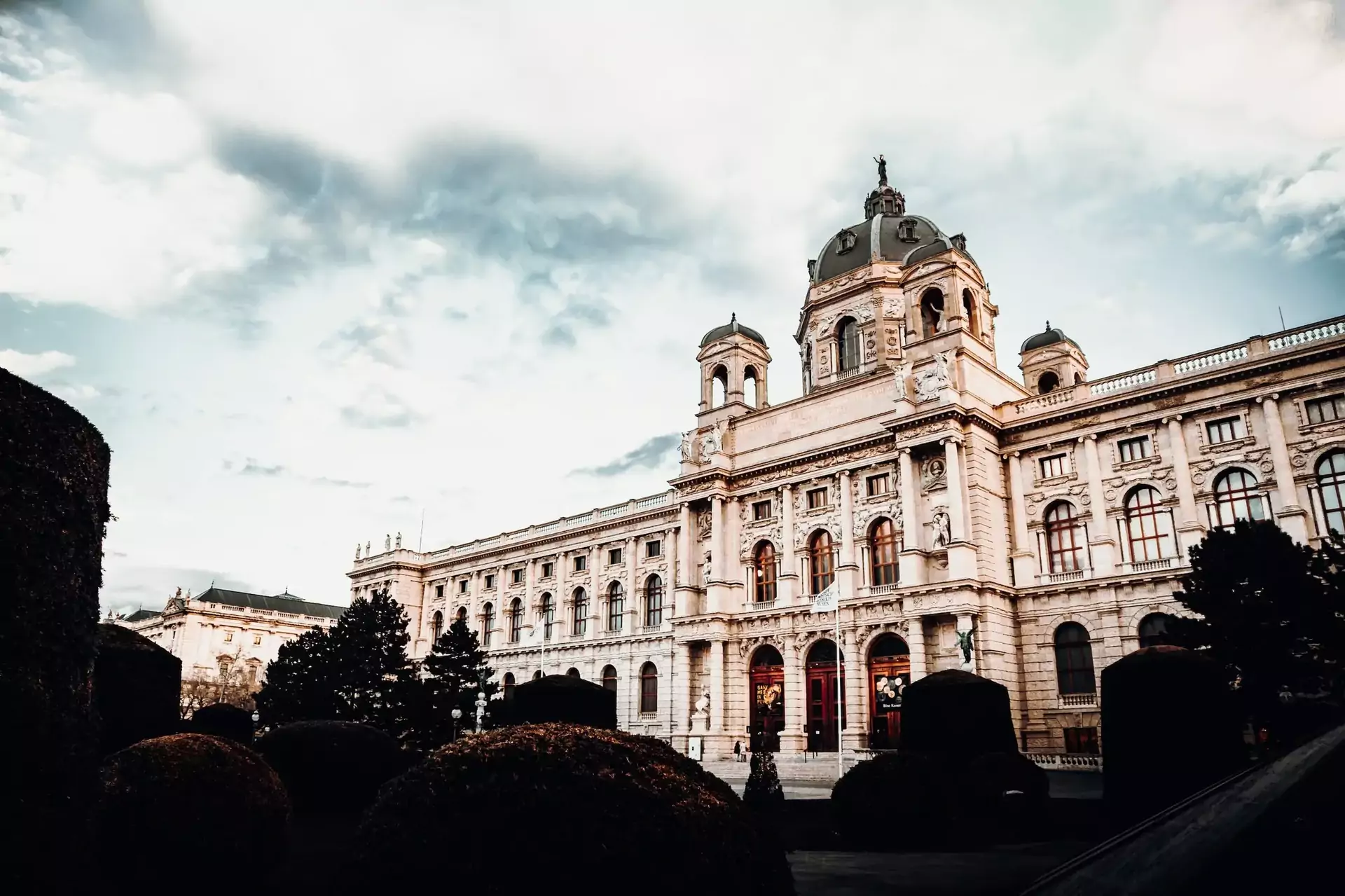
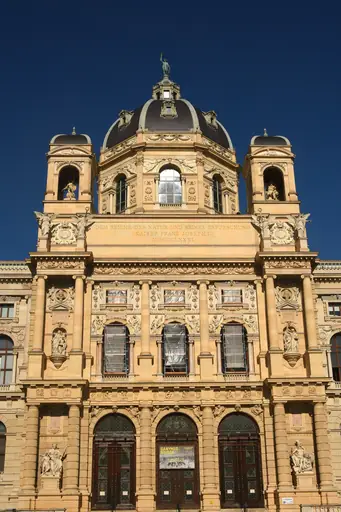
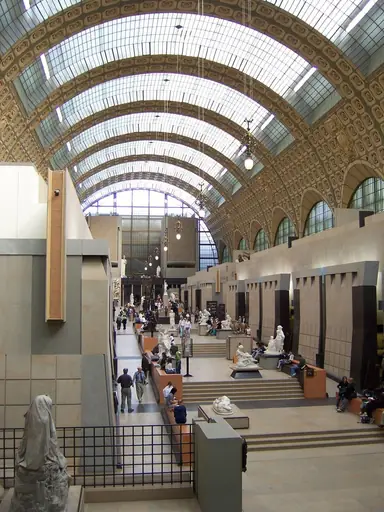
Constructed in the late 19th century, the Museum of Art History (Kunsthistorisches Museum) was commissioned by Emperor Franz Joseph to house the Habsburgs' extensive art collections. The building itself is a masterpiece, with its grand staircase, ornate ceilings and expansive halls designed to awe visitors.
The collection includes stunning works from Old Masters such as Titian, Raphael and Caravaggio alongside Egyptian, Greek and Roman antiquities, offering a comprehensive panorama of art history. The Kunstkammer or Cabinet of Curiosities, showcases rare and exquisite artifacts collected by the Habsburg emperors.
Visitors appreciate the museum’s well-organized displays and the peaceful atmosphere that allows time to savor each masterpiece. The on-site café under the grand dome is perfect for a reflective break amid a day of exploration.
Tips: The museum is hugely popular, especially on weekends, so purchasing tickets in advance is essential to avoid lines. Some rooms can be crowded and photography restrictions apply in certain galleries. Take comfortable shoes and consider guided or audio tours for a richer experience.
The Museum of Art History is centrally located on Vienna’s Ringstraße, adjacent to Maria‑Theresien‑Platz. It is accessible from Vienna International Airport by taxi, train or shuttle. In the city, U-Bahn stations such as Museumsquartier (U2) and Volkstheater (U2, U3) serve the area well.
Staying in Vienna’s Innere Stadt or nearby Museumsquartier area offers luxury hotels and boutique accommodations within walking distance of the museum and other cultural landmarks.


Log in to add this place to a travel list and get a summary of all recommended items for your whole trip.
We calculate the average costs when travelling to destinations and compare those with the living costs at your home. With this you can get an estimate of how expensive or cheap the destination is for you.
To customise this, you can set up which location and price level are used for the calculations in your account settings.
The exchange rate price factor shows how expensive or cheap a currency currently is compared to its historical average. It's a quick way to see if a country is currently more or less affordable due to exchange rate changes.
