


Steven Penton, CC BY 2.0
Oceania › Australia › Tasmania

Tasmania

Scroll
Wilderness, Wildlife and Wild Coasts

Oceania covers a vast ocean area with Australia as its largest landmass, surrounded by islands like Tasmania and New Zealand. The region includes coral reefs such as the Great Barrier Reef off Queensland’s coast. Australia features deserts in the interior and cities along the east and south shores. Tasmania has forests and wildlife distinct from mainland species. The Pacific islands offer beaches, volcanic landscapes and small communities focused on fishing or farming. Each place maintains unique traditions while connecting through shared regional culture and history.

Island in Australia
Climate zone: Mild oceanic

Mild oceanic: Marine-influenced climates with cool summers, mild winters and frequent precipitation year-round, typical of western coasts at mid-latitudes.

See climate table
Price level: $$$
$Cheap
$$Medium
$$$Expensive, upscale
$$$+Very expensive, luxury
See price details
Safety: 8.4
General Safety:9
Health & medical:8
Accessibility:5
Tap water:9
Read details
Tourist English: 5/5
English is spoken everywhere in Tasmania, and all tourism services, signage, and guides are English-friendly. Communication is easy for English-speaking travelers, even in remote areas.
Last update: 24 Oct 2026
* We earn a commission from some links on this page.
Tasmania Summary

These place ratings give you a quick overview of how well a destination matches different types of trips.

‘Best for’ scores:
The specific interest scores show where this place really shines – whether it's ideal for hiking, food & drink experiences, museums or other activities. These highlights help you understand what makes the destination special at a glance.

‘Your personal’ scores:
This reflects how well a place matches your personal preferences. You can adjust the importances of travel topics or other personal requirements categories in your account settings.

‘Suited for’ badges:
These give you a quick overview of how well a destination suits specific types of travellers, to help you find the places that match your lifestyle, preferences or travel situation.

Read how our scores work
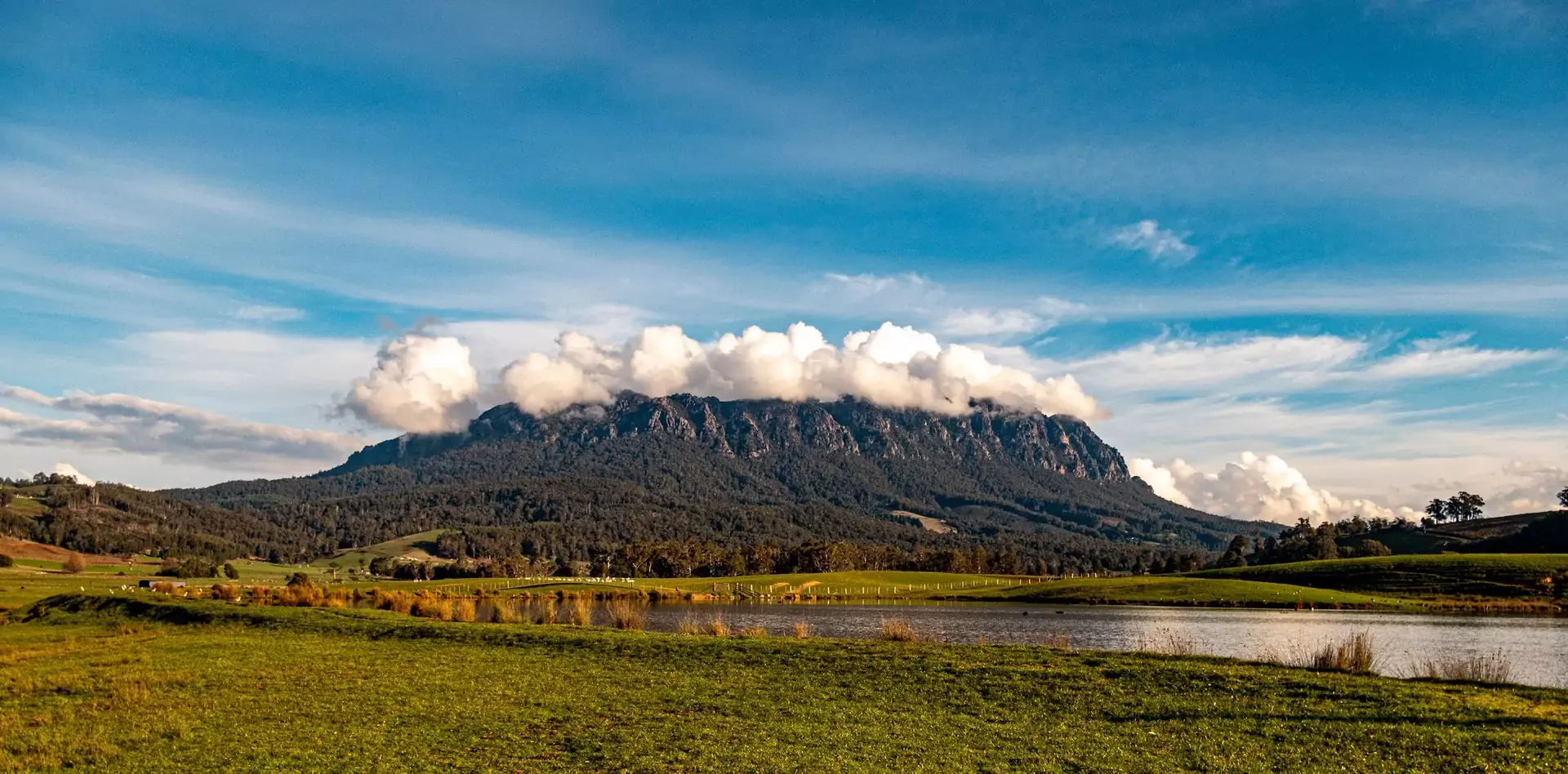
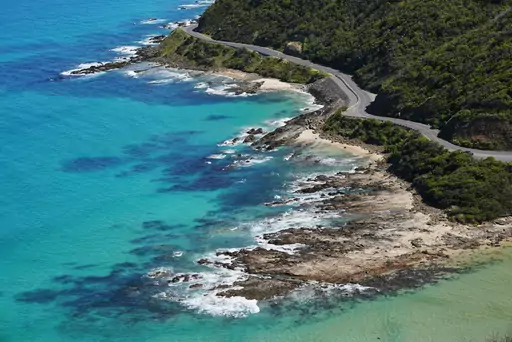
Outstanding for wild nature and outdoor adventures. Hike national park trails, spot unique wildlife, drive scenic coastal routes and explore historic harbor towns.
Place score
8.7
Best at:
Forests
9
Spotless
9
Natural sites
9
Hiking
9
Sea
8
Personal score
?
Log in to see how this place matches your personal travel interests.
Suited for
👶 6
Families
🧓 6
Seniors
🌈 8
LGBTQ+
🛡️ 7
Travel Beginners
Australia – Quick facts
Power Grid: 230 V, 50 Hz
Plug: Type I
Type I:
Diagram of a Type I power plug

Read about power adapters
Currency: Australian Dollar (AUD)
£1 ≈ A$1.89
Cashless info: Rating 5/5
Cashless payment is widely accepted, even in rural areas. Digital wallets are commonly used.

Save with a travel credit card
eSIM providers: Best value: Saily
Flexibility: Airalo
Read our in-depth comparison
Tipping: Tipping is not mandatory in Australia. Rounding up or 10% is appreciated in high-end restaurants.
Public drinking: Public drinking is regulated and often prohibited, except in designated areas.
Public smoking: Smoking is banned in public indoor spaces and most outdoor public areas.
Australia Day
(January)
Public events and celebrations occur nationwide.
ANZAC Day
(April)
Commemorations and closures happen.
Christmas
(December)
Festive events and closures occur.
Emergency contact: Emergency Number: 000 (Police, Fire, Ambulance)
Taxi apps: Uber, 13cabs, Ola
Other: Australia's vast size requires careful planning for travel between regions. Be aware of wildlife and sun exposure.
Best times to travel

The best times to travel section shows how the months compare for a visit, so you can find the time of year that fits what you want to do.

Background colours of the months:
The colour shows the typical temperature: yellow (hot), green (mild) and blue (cold). How strong the colour is shows the travel season: full colour means high season, soft colour means shoulder season and soft-striped means off season.

Weather symbols:
Each month has one symbol showing what the weather is typically like, such as hot and sunny, freezing or a rainy or snowy season. Use them to quickly spot months that match the weather you want, or to avoid the ones that don't.

Crowdedness:
The people icon shows how busy the place usually is. The more people, the more crowded it gets.

Additional notes:
The grey info boxes point out special things worth knowing, like recurring weather issues or seasonal events.

for Tasmania, Australia
☀️
Jan
🌤️
Feb
🌤️
Mar
🌤️
Apr
🌤️
May
🌤️
Jun
🌤️
Jul
🌤️
Aug
🌤️
Sep
🌤️
Oct
🌤️
Nov
🌤️
Dec
High season: Jan. - March, Dec.
Shoulder season: April, Sep. - Nov.
Crowdedness: 4 (Moderate tourist numbers)
Tap on a month for more info Hover over a month for more info
Climate varies by region: east coast driest and warmest, west and Cradle Mountain wetter and cooler, best bushwalking December to March
Overland Track needs a booked permit October to May, book well ahead for summer
Bushfire risk December to March can close parks and roads

Why travel to Tasmania?

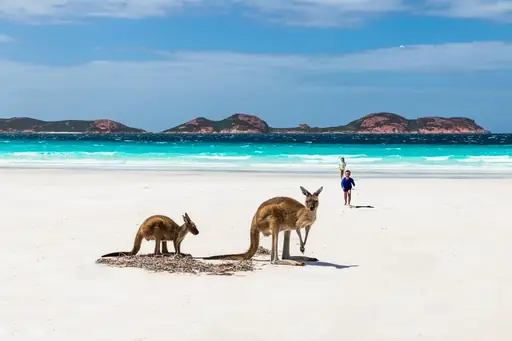
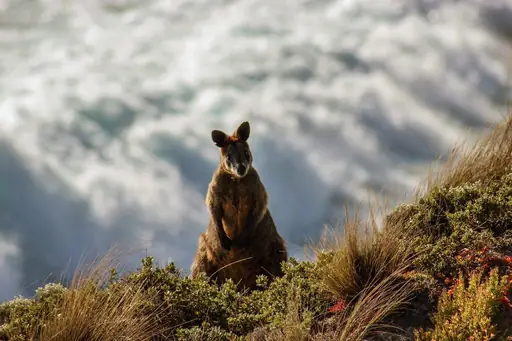
Tasmania is a paradise for nature lovers, with nearly half the island protected as national parks and reserves. Hike through misty forests, spot rare wildlife like Tasmanian devils and marvel at some of the world’s cleanest air and water. The island’s beaches are pristine and the food scene is a delight – think fresh oysters, cool-climate wines and artisan cheeses. History buffs will love the convict heritage sites, while art lovers can lose themselves at MONA, the world-famous Museum of Old and New Art. Tasmania is remote and weather can be unpredictable – pack for all seasons, even in summer. Public transport is limited outside main towns, so renting a car is almost essential to really explore. Some areas have patchy mobile coverage and the rugged wilderness can be challenging if you’re not prepared. But for those who love the outdoors and don’t mind a bit of wildness, Tasmania is unforgettable.

🏙️Cities & Regions
  • 1 Hobart
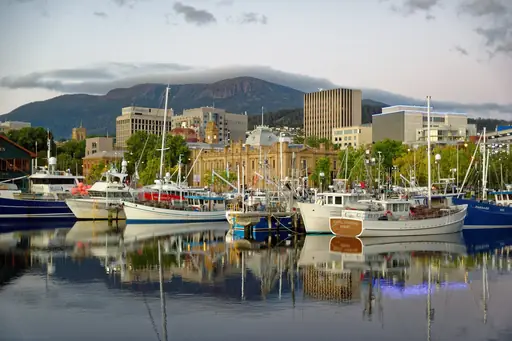
    Capital city on Tasmania’s southern coast offers a mix of historic architecture and modern culture. Visitors enjoy waterfront promenades, vibrant markets and nearby natural parks featuring rugged coastline, wildlife and scenic hiking trails in Tasmania.
🏯Places worth seeing
  • 1 Museum of Old and New Art (MONA)
  • 2 Mount Wellington
  • 3 Bruny Island
  • 4 Cradle Mountain-Lake St Clair National Park
  • 5 Maria Island National Park
  • 6 Richmond Village
  • 7 Port Arthur Historic Site
  • 8 Cataract Gorge Reserve
🎡Places for activities
  • 1 Wineglass Bay Lookout
  • 2 Tasman Island Cruises
  • 3 Dove Lake Circuit
  • 4 Three Capes Walk
🏞️Natural landmarks
  • 1 Cradle Mountain
  • 2 Mount Wellington
  • 3 Franklin-Gordon Wild Rivers National Park
  • 4 Russell Falls
  • 5 Tasman Arch
  • 6 Lake St Clair
  • 7 Bruny Island Neck Game Reserve
  • 8 Wineglass Bay
  • 9 Bay of Fires
🛍️Shopping
  • 1 Farm Gate Market
  • 2 Salamanca Market
  • 3 Wursthaus Kitchen
  • 4 Hazelbrae Hazelnuts Nut Farm Cafe and Tasting Centre
  • 5 Launceston Harvest Market
  • 6 Tasmanian Wool Centre
  • 7 Coal River Farm
🎈Events
  • Dark Mofo (June)
  • Taste of Summer (December–January)
  • Sydney to Hobart Yacht Race (December)
  • Ten Days on the Island (March)
  • Festivale (February)
  • Junction Arts Festival (September)
  • Huon Valley Mid-Winter Festival (July)
  • Tasmanian Wine Festival
  • Falls Festival (New Year)
  • Agfest (May)

Knowledge before you go

  • Rent a car; distances are bigger than they look.
  • Pack layers and rain protection; weather shifts fast, even in summer coastal areas.
  • Book popular walks early, especially Cradle Mountain shuttles and hut-based multi-day treks.
  • Taste local produce: oysters, cheeses, whisky; plan a market morning in Hobart for atmosphere.

How to travel to Tasmania

Fly into Hobart or Launceston from major Australian cities. There are no international flights direct to Tasmania. The Spirit of Tasmania ferry connects Melbourne to Devonport for those bringing vehicles. Regional airports serve smaller towns.

Access summary

  • From Hobart Airport (HBA): Airport shuttle or taxi to city, about 20–30 minutes.
  • From Melbourne: Direct flights to Hobart or Launceston, usually around 1–1.5 hours.
  • From Melbourne by ferry: Spirit of Tasmania to Devonport, about 10–11 hours overnight.

Where to stay in Tasmania

Tasmania offers everything from luxury lodges and boutique hotels to cozy B&Bs, eco-retreats and excellent campsites. Book ahead for national park accommodation, especially in peak season. There are options for every style and budget.

How to get around Tasmania

Renting a car is the best way to explore Tasmania’s diverse regions and national parks. Public buses connect main towns, but services are limited in rural areas. In cities like Hobart and Launceston, walking and local buses are convenient for short trips.
Budget snapshot
Costs compared to home

We calculate the average costs when travelling to destinations and compare those with the living costs at your home. With this you can get an estimate of how expensive or cheap the destination is for you.

To customise this, you can set up which location and price level are used for the calculations in your account settings.

-2 %
Daily expenses in the region are around 2% lower than the average across United States. That means you'll spend around the same on meals and getting around.
Exchange rate trend

The exchange rate price factor shows how expensive or cheap a currency currently is compared to its historical average. It's a quick way to see if a country is currently more or less affordable due to exchange rate changes.

-2 %
Your exchange rate (GBP to AUD) is 2% better than in recent years. That means travelling now costs around the same compared to the past.

Travel costs

To help you plan your trip, we provide estimated daily costs per person (when travelling as a pair) for different travel styles. These numbers give you an idea of what you might spend each day at this destination, including accommodation, food, transport and activities.

Additionally, we also provide average hotel costs for different travel styles to give you an estimate for the accommodation only.

Please note that these are only estimates. The real costs depend on booking times, season and other factors.

Daily cost summary

Travel style categories explained:

Backpacker:
Staying in hostels or budget hotels, cooking your own meals or eating cheap and choosing low-cost activities.

Mid-range:
Staying in mid-range hotels, eating at a mix of restaurants and casual spots and enjoying a variety of activities.

Luxury:
Staying in luxury hotels, dining out at high-end restaurants and enjoying premium experiences without worrying about the price.

Backpacker Mid-range Luxury
💵 Total costs per day, including accommodation
£63
£168
£379
🏨 Accommodation per night, per person
£26
£90
£142
🍝 Food per day
£27
£68
£201
🚕 Transportation per day
£10
£10
£35
Food & Drink
🍽️ Restaurant Dinner, per person
£28
🍛 Lunch Set, per person
£13
🍟 Fast food combo
£7.50
🍝 Preparing your own food, per day
£9
☕ Cappuccino
£2.50
🍺 Beer in a restaurant, 0.5 l
£4.90
Transportation
🚌 Public transport ticket
£2.70
🚕 Taxi Ride, 10 km / 6 mi
£20
⛽ Petrol, 1 l
£0.95
Other
🎞️ Cinema ticket
£13
👩‍⚕️ Doctor's consult
£44
🤧 Cold medication
£5
💇 Basic haircut
£14

Safety information overview

General safety
9
Tasmania is very safe for travelers, with low crime rates. Take normal precautions in cities and when hiking in remote areas — let someone know your plans and check weather conditions before heading out.
Health & Medical
8
Medical care is high quality in cities and larger towns, but remote areas have limited facilities. Carry basic first aid and any personal medications. Be prepared for sudden weather changes and sun exposure during outdoor activities.
Accessi­bility
5
Cities and popular attractions are generally accessible, but many natural sites have rugged terrain or steps. Some remote parks and trails are not suitable for those with limited mobility — check accessibility before visiting.
Tap water
9
Tap water is safe, clean and widely available throughout Tasmania. Public drinking fountains are common in towns and parks, so refilling bottles is easy and recommended.

Looking for inspiration?

Discover
Most beautiful beaches and coastal escapes
For a lot of people, a beach is the whole point of a holiday, but what makes a beach day perfect really depends on personal taste. Some travellers want isolation and the feeling…
Read more
Discover
Best rural retreat destinations in Oceania
Oceania's rural retreat offer is anchored by the agricultural hinterlands, wine regions and coastal farmland of Australia and New Zealand, where a strong tradition of farm stays…
Read more
Discover
Top adventure destinations and outdoor activities
Adventure travel covers an enormous range of activities and risk tolerances, from multi-day wilderness trekking and white water rafting to technical climbing, polar expeditions and…
Read more
Discover
Best climbing destinations in Oceania
Oceania rarely comes up first in a conversation about climbing, which is exactly what makes it worth a second look. Between volcanic rock, coastal crags, and long stretches of…
Read more
Discover
Best birdwatching destinations in Oceania
Oceania is one of the most compelling regions on earth for birdwatching, largely because of the extraordinary levels of endemism produced by millions of years of island isolation.…
Read more
Discover
Best adventure destinations in Oceania
Oceania's adventure offer combines the alpine wilderness and white water rivers of New Zealand's South Island with the surf coastlines of Australia, the jungle trekking of Papua…
Read more
Discover
Top motorcycling destinations and scenic routes
A great motorcycle route asks for more than scenery: it needs road surface, corner sequencing and enough remoteness to make the ride itself the point rather than simply transport…
Read more
Discover
Best travel destinations for food allergies
Travelling with a food allergy adds a layer of planning most people never have to think about and the right destination can make that planning a lot easier. Some travellers…
Read more
Discover
Best sailing destinations in Oceania
A reef-sheltered island group off Australia's coast anchors much of the region's sailing tourism, offering sheltered, reef-protected waters well suited to both bareboat and…
Read more
Discover
Top camping destinations and outdoor escapes
Camping travel spans an enormous range of experiences from wild backcountry camping in remote wilderness to well-serviced campsite networks with full amenity infrastructure that…
Read more
Discover
Best kayak and SUP destinations in Oceania
Oceania's kayaking and SUP offer is defined by the region's extraordinary marine environments, island archipelagos and coastal wilderness, with the Pacific's vast ocean geography…
Read more
Discover
Best slow travel destinations in Oceania
New Zealand's southern regions and the wider Pacific Islands both reward a slower pace, shaped as much by geography and limited transport links as by deliberate choice, with…
Read more
Discover
Best island getaway destinations in Oceania
Oceania is defined by its islands more than any other region, with the Pacific's vast ocean geography encompassing everything from the continental landmasses of Australia and New…
Read more
Discover
Top autumn foliage destinations and colours
Few natural spectacles are as season-specific and location-dependent as autumn foliage, where the combination of tree species composition, temperature drop and daylight reduction…
Read more
Discover
Best fall foliage destinations in Oceania
Oceania's autumn foliage is largely a feature of introduced deciduous species rather than native vegetation, with the most significant displays found in the historic gardens,…
Read more
Was this page helpful?
Feedback