



Oceania › Australia › Victoria › Phillip Island

Phillip Island

Scroll
Penguins, Surf and Coastal Wonders

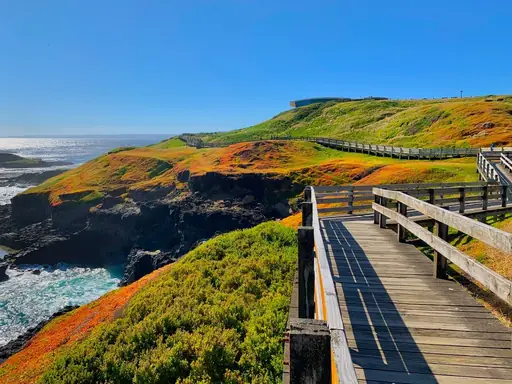
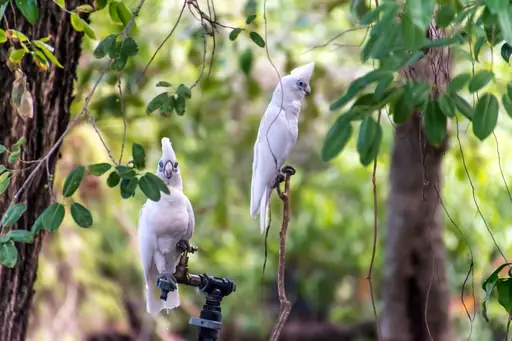
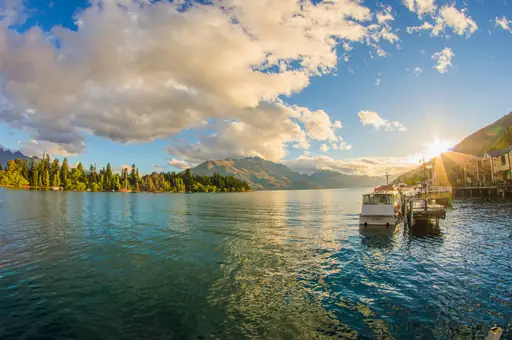
Phillip Island sits in Australia’s southern waters, part of Victoria's coastline. The island features rugged cliffs and wide beaches where penguins gather at dusk. Visitors can explore coastal trails or watch wildlife up close without large crowds. Weather stays mild most of the year, supporting native plants and animals. Ferries connect the mainland to the island daily in summer months. Accommodations range from simple lodges to campsites for those seeking quiet outdoor time near the ocean. The area remains known for clear waters and seasonal whale sightings during migration periods.

Island in Australia
Climate zone: Mild oceanic

Mild oceanic: Marine-influenced climates with cool summers, mild winters and frequent precipitation year-round, typical of western coasts at mid-latitudes.

See climate table
Price level: $$$
$Cheap
$$Medium
$$$Expensive, upscale
$$$+Very expensive, luxury
See price details
Safety: 7.8
General Safety:8
Health & medical:7
Accessibility:7
Tap water:9
Read details
Tourist English: 5/5
English is universally spoken, with all signage, tours, and services in English. Staff at attractions and hotels are used to helping international visitors, so communication is easy.
Last update: 24 Oct 2026
* We earn a commission from some links on this page.
Phillip Island Summary

These place ratings give you a quick overview of how well a destination matches different types of trips.

‘Best for’ scores:
The specific interest scores show where this place really shines – whether it's ideal for hiking, food & drink experiences, museums or other activities. These highlights help you understand what makes the destination special at a glance.

‘Your personal’ scores:
This reflects how well a place matches your personal preferences. You can adjust the importances of travel topics or other personal requirements categories in your account settings.

‘Suited for’ badges:
These give you a quick overview of how well a destination suits specific types of travellers, to help you find the places that match your lifestyle, preferences or travel situation.

Read how our scores work
Great for wildlife watching and coastal views. Watch penguin parades, see seals and birds, explore scenic drives and enjoy ocean viewpoints.
Place score
8.1
Best at:
Wildlife
9
Sea
8
Spotless
8
Surfing
8
Islands
7
Personal score
?
Log in to see how this place matches your personal travel interests.
Suited for
👶 9
Families
🧓 8
Seniors
🛡️ 9
Travel Beginners
🥜 8
With food allergies
Australia – Quick facts
Power Grid: 230 V, 50 Hz
Plug: Type I
Type I:
Diagram of a Type I power plug

Read about power adapters
Currency: Australian Dollar (AUD)
£1 ≈ A$1.89
Cashless info: Rating 5/5
Cashless payment is widely accepted, even in rural areas. Digital wallets are commonly used.

Save with a travel credit card
eSIM providers: Best value: Saily
Flexibility: Airalo
Read our in-depth comparison
Tipping: Tipping is not mandatory in Australia. Rounding up or 10% is appreciated in high-end restaurants.
Public drinking: Public drinking is regulated and often prohibited, except in designated areas.
Public smoking: Smoking is banned in public indoor spaces and most outdoor public areas.
Australia Day
(January)
Public events and celebrations occur nationwide.
ANZAC Day
(April)
Commemorations and closures happen.
Christmas
(December)
Festive events and closures occur.
Emergency contact: Emergency Number: 000 (Police, Fire, Ambulance)
Taxi apps: Uber, 13cabs, Ola
Other: Australia's vast size requires careful planning for travel between regions. Be aware of wildlife and sun exposure.
Best times to travel

The best times to travel section shows how the months compare for a visit, so you can find the time of year that fits what you want to do.

Background colours of the months:
The colour shows the typical temperature: yellow (hot), green (mild) and blue (cold). How strong the colour is shows the travel season: full colour means high season, soft colour means shoulder season and soft-striped means off season.

Weather symbols:
Each month has one symbol showing what the weather is typically like, such as hot and sunny, freezing or a rainy or snowy season. Use them to quickly spot months that match the weather you want, or to avoid the ones that don't.

Crowdedness:
The people icon shows how busy the place usually is. The more people, the more crowded it gets.

Additional notes:
The grey info boxes point out special things worth knowing, like recurring weather issues or seasonal events.

for Phillip Island, Australia
⛅
Jan
⛅
Feb
⛅
Mar
⛅
Apr
⛅
May
⛅
Jun
⛅
Jul
⛅
Aug
⛅
Sep
⛅
Oct
⛅
Nov
⛅
Dec
High season: Jan. - Feb., Dec.
Shoulder season: March - April, Sep. - Nov.
Crowdedness: 8 (Very crowded)
Tap on a month for more info Hover over a month for more info
Penguin Parade at dusk all year, most penguins come ashore in summer, check sunset time and book ahead December to February
Short-tailed shearwaters (muttonbirds) are on the island from late September to April
Australian MotoGP in October fills accommodation and raises prices

Why travel to Phillip Island?

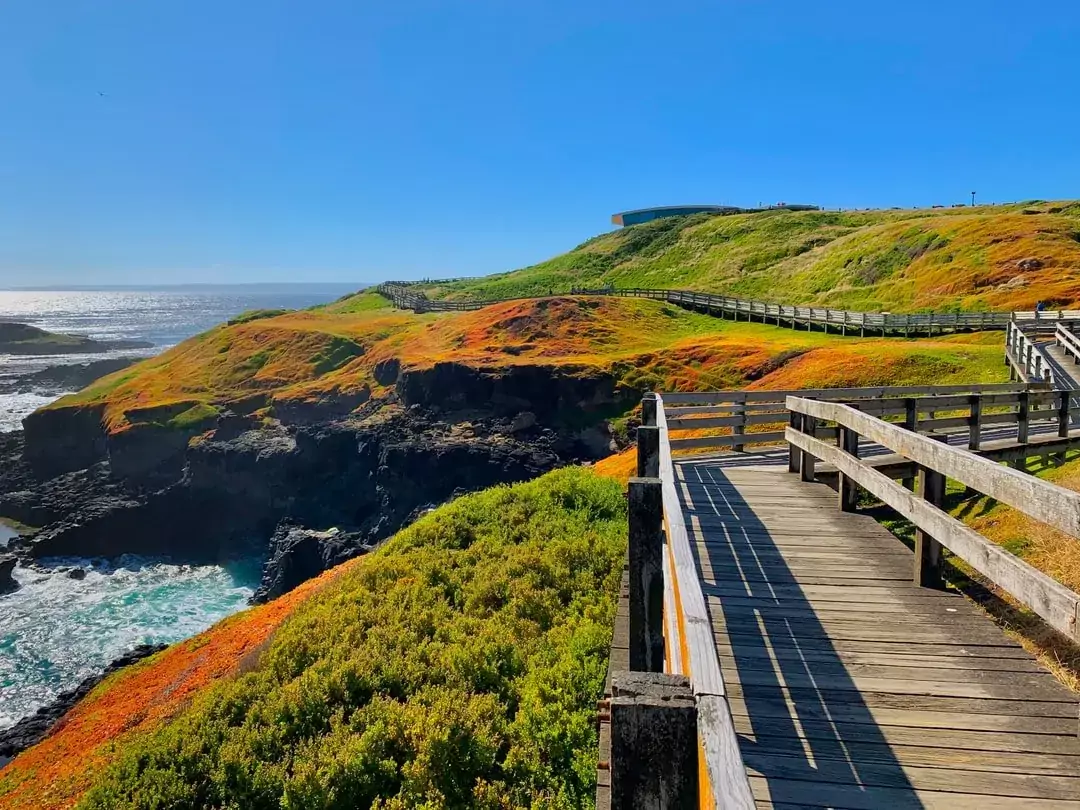
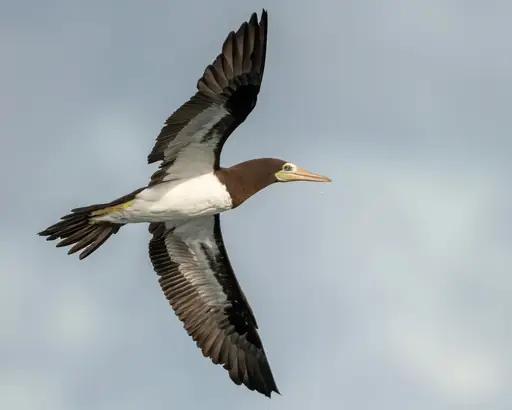
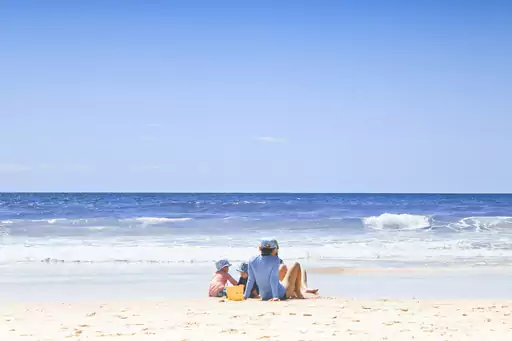
Phillip Island is a must for nature lovers, families and anyone who wants a classic Aussie coastal escape. The Penguin Parade – where hundreds of little penguins waddle ashore at sunset – is a true bucket-list experience, but there’s so much more: spot koalas from treetop boardwalks, cruise out to see Australia’s largest fur seal colony or explore rugged headlands at The Nobbies. Beaches like Cowes and Cape Woolamai are perfect for swimming, surfing or just soaking up the sun. There are quirky attractions too, from a chocolate factory to go-karting at the Grand Prix Circuit. But a few things to note: Phillip Island gets very busy in summer and on weekends, so book ahead for accommodation and the Penguin Parade. Public transport is limited – renting a car is best for getting around. Weather can change quickly, with cool breezes even in summer and some wildlife experiences are best enjoyed at dusk, so plan for late nights. Still, the mix of wildlife, beaches and family fun makes Phillip Island a place you’ll want to return to again and again.

🏯Places worth seeing
  • 1 A MAZE'N Things
  • 2 Koala Conservation Centre
  • 3 Penguin Parade
  • 4 Phillip Island Grand Prix Circuit
  • 5 Cape Woolamai
  • 6 Cowes Main Beach
  • 7 Churchill Island Heritage Farm
  • 8 Phillip Island Chocolate Factory
  • 9 Phillip Island Wildlife Park
🏞️Natural landmarks
  • 1 The Nobbies
  • 2 Summerland Beach
🛍️Shopping
  • 1 Phillip Island Visitor Information Centre
🎈Events
  • Phillip Island Grand Prix (motorcycle, October)
  • San Remo Channel Challenge (February)
  • Island Whale Festival (July)
  • Easter Fun Festival
  • Penguin Parade anniversary events

Knowledge before you go

  • Book Penguin Parade tickets early; sessions sell out fast.
  • Bring a windproof jacket; coastal weather turns cold even in summer evenings.
  • Plan your day around wildlife spots: Nobbies boardwalk, seals and the Koala Conservation Centre.
  • Arrive before dusk, eat in Cowes, then head to penguins; parking and queues build quickly.

How to travel to Phillip Island

The island is a 90-minute drive from Melbourne via the South Gippsland Highway. Rent a car at Melbourne or Avalon airports for the easiest trip. V/Line buses run from Melbourne to Cowes, but journeys are long and connections are limited. Guided day tours from Melbourne are popular and include transfers and attraction tickets.

Access summary

  • From Melbourne Airport (MEL): 2–2.5 hours by rental car or shuttle.
  • From Melbourne CBD: 90–120 minutes by car via M1 and Bass Highway.
  • From Stony Point: Train then passenger ferry to Cowes, about 2.5–3 hours.

Where to stay in Phillip Island

Accommodation ranges from family-friendly resorts, motels and holiday parks to boutique B&Bs and accessible lodges. Most options are in Cowes or near main beaches. Book ahead for peak times (summer, school holidays, Grand Prix). Camping is available at holiday parks, but wild camping is not allowed.

How to get around Phillip Island

Phillip Island is best explored by car-there’s a bridge from the mainland and plenty of parking at main sights. Public buses from Melbourne reach Cowes, but local transport is limited and walking between attractions is impractical. Guided tours are a good option if you don’t want to drive. For accessibility, many attractions (including the Penguin Parade and Koala Reserve) have excellent facilities, mobility maps and even all-terrain wheelchair hire.
Budget snapshot
Costs compared to home

We calculate the average costs when travelling to destinations and compare those with the living costs at your home. With this you can get an estimate of how expensive or cheap the destination is for you.

To customise this, you can set up which location and price level are used for the calculations in your account settings.

+7 %
Daily expenses in the region are around 7% higher than the average across United States. That means you'll spend more on meals and getting around.
Exchange rate trend

The exchange rate price factor shows how expensive or cheap a currency currently is compared to its historical average. It's a quick way to see if a country is currently more or less affordable due to exchange rate changes.

-2 %
Your exchange rate (GBP to AUD) is 2% better than in recent years. That means travelling now costs around the same compared to the past.

Travel costs (Data for Frankston, Australia - 37 km away)

To help you plan your trip, we provide estimated daily costs per person (when travelling as a pair) for different travel styles. These numbers give you an idea of what you might spend each day at this destination, including accommodation, food, transport and activities.

Additionally, we also provide average hotel costs for different travel styles to give you an estimate for the accommodation only.

Please note that these are only estimates. The real costs depend on booking times, season and other factors.

Daily cost summary

Travel style categories explained:

Backpacker:
Staying in hostels or budget hotels, cooking your own meals or eating cheap and choosing low-cost activities.

Mid-range:
Staying in mid-range hotels, eating at a mix of restaurants and casual spots and enjoying a variety of activities.

Luxury:
Staying in luxury hotels, dining out at high-end restaurants and enjoying premium experiences without worrying about the price.

Backpacker Mid-range Luxury
💵 Total costs per day, including accommodation
£65
£147
£411
🏨 Accommodation per night, per person
£26
£64
£150
🍝 Food per day
£28
£74
£235
🚕 Transportation per day
£10
£9
£26
Food & Drink
🍽️ Restaurant Dinner, per person
£32
🍛 Lunch Set, per person
£9.50
🍟 Fast food combo
£8.50
🍝 Preparing your own food, per day
£9.50
☕ Cappuccino
£2.10
🍺 Beer in a restaurant, 0.5 l
£6.50
Transportation
🚌 Public transport ticket
£2.70
🚕 Taxi Ride, 10 km / 6 mi
£14
⛽ Petrol, 1 l
£0.90
Other
🎞️ Cinema ticket
£12
👩‍⚕️ Doctor's consult
£40
🤧 Cold medication
£6
💇 Basic haircut
£19

Safety information overview

General safety
8
Phillip Island is very safe, with low crime rates. The main risks are sunburn, strong surf at some beaches and wildlife on roads at night — drive carefully and follow local advice.
Health & Medical
7
Good medical care is available in Cowes. Bring any personal medications and sun protection. Watch for bluebottles (jellyfish) at some beaches in summer. Tap water is safe and widely available.
Accessi­bility
7
Most major attractions are accessible, with ramps, boardwalks and accessible toilets. Some natural trails and beaches may be challenging for wheelchairs or strollers, but all-terrain wheelchairs are available for hire.
Tap water
9
Tap water is safe to drink and widely available. Carry a reusable bottle, especially in summer when exploring outdoors.

Looking for inspiration?

Discover
Most beautiful beaches and coastal escapes
For a lot of people, a beach is the whole point of a holiday, but what makes a beach day perfect really depends on personal taste. Some travellers want isolation and the feeling…
Read more
Discover
Best birdwatching destinations in Oceania
Oceania is one of the most compelling regions on earth for birdwatching, largely because of the extraordinary levels of endemism produced by millions of years of island isolation.…
Read more
Discover
Best travel destinations for food allergies
Travelling with a food allergy adds a layer of planning most people never have to think about and the right destination can make that planning a lot easier. Some travellers…
Read more
Discover
Best LGBTQ+ friendly destinations in Oceania
Oceania is home to two of the most established LGBTQ+ friendly countries anywhere, alongside a much wider range of conditions across the Pacific. Australia has strong legal…
Read more
Discover
Best travel destinations for food allergies in Oceania
Australia and New Zealand share some of the clearest food allergen laws anywhere, which makes Oceania a fairly reassuring region for allergy conscious travelers. Packaged food…
Read more
Discover
Top solo travel destinations and safe hubs
Travelling alone sounds like a bigger deal than it is. The first day feels strange – eating dinner by yourself, navigating without someone to double-check the map with, making…
Read more
Discover
Top birdwatching destinations and avian hotspots
Birdwatching has a way of changing how you travel. Once you start paying attention to what's flying, perching and calling overhead, a destination opens up in ways that a standard…
Read more
Discover
Top digital nomad destinations and remote work hubs in 2026
Working from anywhere in the world sounds simple until you actually try it and the best digital nomad destinations look different depending on what kind of remote worker you are.…
Read more
Discover
Best couple holiday destinations
Travelling as a couple sounds simple enough, yet the best couple holiday destinations mean something different to almost every pair. What feels romantic to one couple can feel like…
Read more
Discover
Top digital nomad destinations and remote work hubs in Oceania
Oceania asks remote workers to plan around long flights and tricky time zones, but for many the lifestyle on offer makes it worth the extra effort. Some nomads are drawn to laid…
Read more
Discover
Best destinations for first-time travelers in Oceania
Oceania asks first-time travelers to commit to a long flight, but the payoff is a destination that stays easy to navigate once you actually arrive. Australia and New Zealand are…
Read more
Discover
Top family friendly destinations and holidays
Family travel asks for different things than a solo or couples trip, with safety, ease of getting around and the ability to keep different ages happy mattering just as much as any…
Read more
Discover
Top LGBTQ+ friendly travel destinations and safe hubs
LGBTQ+ friendly travel means something different depending on where you are headed, since legal protections and everyday attitudes can vary enormously even within the same region.…
Read more
Discover
Best destinations for first-time travellers
A first trip abroad works best somewhere that eases you in, rather than throwing every possible culture shock and logistical headache at you at once. Some first-time travellers…
Read more
Discover
Best family friendly destinations in Oceania
Oceania asks families to commit to a longer flight, but the payoff is often a trip built around outdoor time and a different pace of life altogether. Coastal cities give…
Read more
Was this page helpful?
Feedback