











Was this page helpful?

| Power Grid: |
230 V, 50 Hz Plug: Type I
Type I:
 Read about power adapters |
|---|---|
| Currency: |
Australian Dollar (AUD) £1 ≈ A$1.89 |
| Cashless info: |
Rating 5/5
Cashless payment is widely accepted, even in rural areas. Digital wallets are commonly used.
Save with a travel credit card |
| eSIM providers: |
Best value: Saily Flexibility: Airalo Read our in-depth comparison |
| Tipping: | Tipping is not mandatory in Australia. Rounding up or 10% is appreciated in high-end restaurants. |
|---|---|
| Public drinking: | Public drinking is regulated and often prohibited, except in designated areas. |
| Public smoking: | Smoking is banned in public indoor spaces and most outdoor public areas. |
| Australia Day (January) |
Public events and celebrations occur nationwide. |
|---|---|
| ANZAC Day (April) |
Commemorations and closures happen. |
| Christmas (December) |
Festive events and closures occur. |
| Emergency contact: | Emergency Number: 000 (Police, Fire, Ambulance) |
|---|---|
| Taxi apps: | Uber, 13cabs, Ola |
| Other: | Australia's vast size requires careful planning for travel between regions. Be aware of wildlife and sun exposure. |
The best times to travel section shows how the months compare for a visit, so you can find the time of year that fits what you want to do.
Background colours of the months:
The colour shows the typical temperature: yellow (hot), green (mild) and blue (cold). How strong the colour is shows the travel season: full colour means high season, soft colour means shoulder season and soft-striped means off season.
Weather symbols:
Each month has one symbol showing what the weather is typically like, such as hot and sunny, freezing or a rainy or snowy season. Use them to quickly spot months that match the weather you want, or to avoid the ones that don't.
Crowdedness:
The people icon shows how busy the place usually is. The more people, the more crowded it gets.
Additional notes:
The grey info boxes point out special things worth knowing, like recurring weather issues or seasonal events.
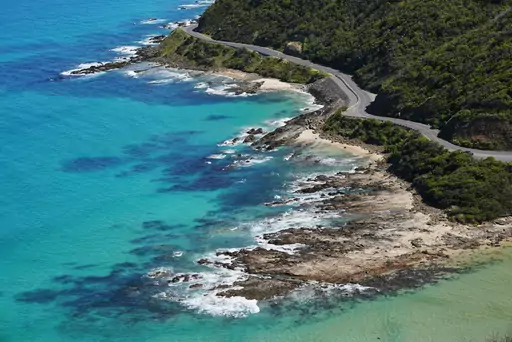
Victoria’s Great Ocean Road stretches along the southern coast of Australia presenting dramatic cliffs and sweeping ocean views. The route begins near Melbourne and travels westward through small towns and protected parks. Drivers encounter ancient forests where eucalyptus trees dominate the landscape while coastal heathlands add splashes of color during spring.
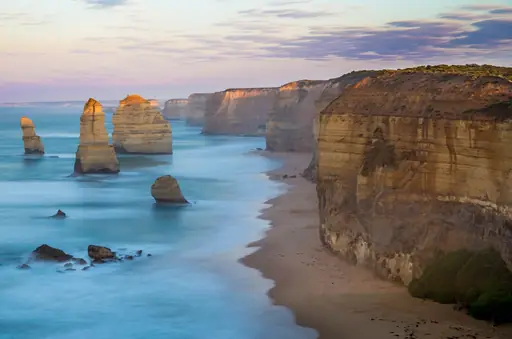
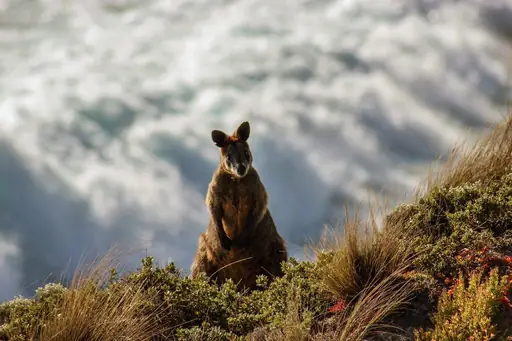
One key feature is the Twelve Apostles limestone stacks rising from the water. These formations were shaped by wind and waves over thousands of years creating striking silhouettes at sunrise and sunset. Alongside these natural sculptures visitors find rugged beaches where seals rest on rocky outcrops and seabirds glide above crashing surf. The area also includes state parks that protect native wildlife including kangaroos wallabies and a variety of bird species.
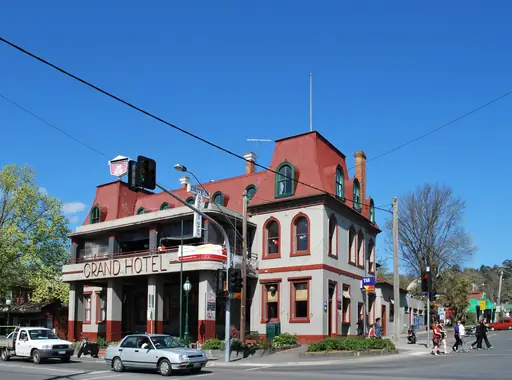
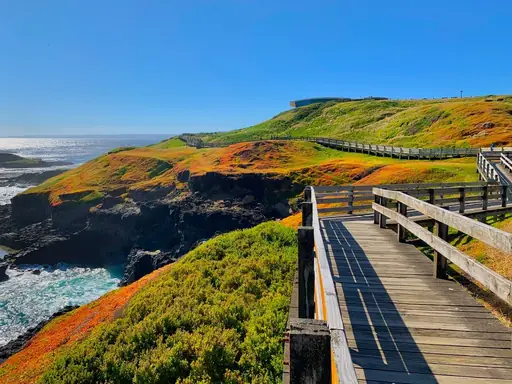
The road passes through historic fishing villages such as Apollo Bay and Port Campbell where local cafes serve fresh seafood caught nearby. Many travelers stop at lighthouses like Cape Otway to learn about maritime history while walking boardwalks that wind through coastal dunes. The region supports conservation projects focused on restoring native vegetation and protecting endangered marine life.
Travelers should plan for variable weather by packing layers and checking road conditions especially during winter months when fog can limit visibility. Public transport options are limited so renting a car provides flexibility to explore hidden coves or short hiking trails. The Great Ocean Road remains popular among cyclists hikers and families seeking outdoor experiences without crowded attractions.
The Great Ocean Road in Victoria, Australia, is accessible primarily by car, with well-maintained highways connecting major cities like Melbourne to coastal towns such as Torquay. Public transport includes regional buses and trains operating along the route, though schedules may be limited outside peak hours. Tourists often drive or take guided tours for flexibility. Cycling routes are popular, supported by dedicated paths in sections like the Bells Beach area. Ferries link coastal communities across the Bass Strait. Accessibility varies seasonally, with winter months potentially affecting road conditions due to rain. Visitors should check local transport providers for real-time updates and plan accordingly for remote stretches of the route.
Along the Great Ocean Road, accommodations range from rustic beachside cabins to upscale boutique lodges, offering a mix of budget-friendly and luxury stays. Small towns such as Apollo Bay, Lorne and Port Campbell host charming bed‑and‑breakfasts that emphasize local character and ocean views. For travelers seeking higher-end options, the region features stylish cliff‑top resorts with private balconies overlooking the Southern Ocean, complete with spa amenities and gourmet dining. Campsites and caravan parks provide affordable, family‑friendly lodging for those who prefer a more adventurous experience. Many properties capitalize on the area’s natural beauty by offering eco‑friendly practices, such as solar power and recycled materials, ensuring guests can enjoy both comfort and sustainability.
Log in to add this place to a travel list and get a summary of all recommended items for your whole trip.
We calculate the average costs when travelling to destinations and compare those with the living costs at your home. With this you can get an estimate of how expensive or cheap the destination is for you.
To customise this, you can set up which location and price level are used for the calculations in your account settings.
The exchange rate price factor shows how expensive or cheap a currency currently is compared to its historical average. It's a quick way to see if a country is currently more or less affordable due to exchange rate changes.
