










Was this page helpful?

The best times to travel section shows how the months compare for a visit, so you can find the time of year that fits what you want to do.
Background colours of the months:
The colour shows the typical temperature: yellow (hot), green (mild) and blue (cold). How strong the colour is shows the travel season: full colour means high season, soft colour means shoulder season and soft-striped means off season.
Weather symbols:
Each month has one symbol showing what the weather is typically like, such as hot and sunny, freezing or a rainy or snowy season. Use them to quickly spot months that match the weather you want, or to avoid the ones that don't.
Crowdedness:
The people icon shows how busy the place usually is. The more people, the more crowded it gets.
Additional notes:
The grey info boxes point out special things worth knowing, like recurring weather issues or seasonal events.
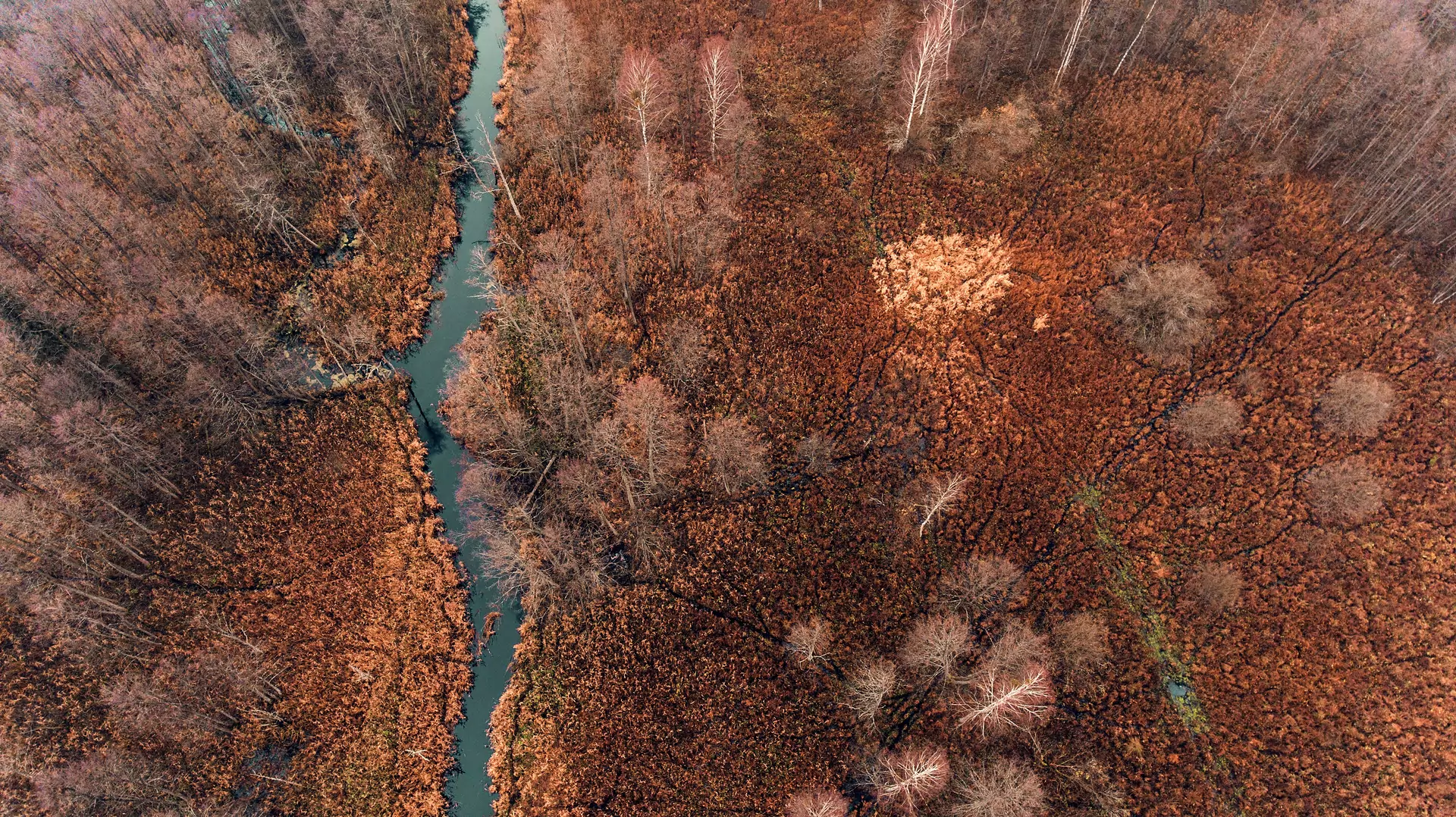
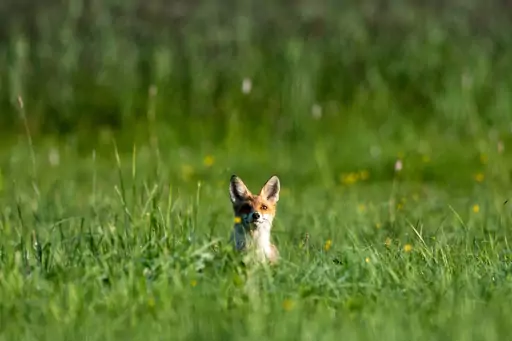
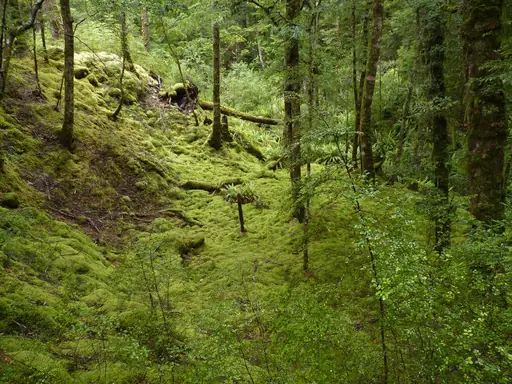
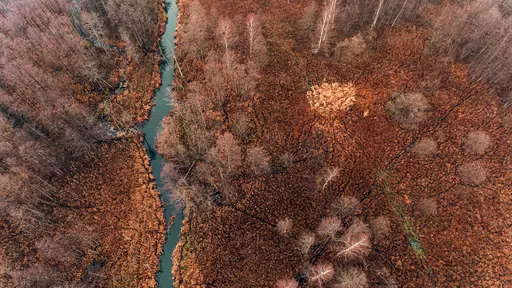
Białowieża Forest stands out as one of Europe’s last remaining primeval woodlands. Spanning parts of Poland and Belarus it covers over 141 thousand hectares of land. The forest is home to a rich variety of plant life including towering oak and pine trees that have stood for centuries. Its untouched landscapes support many rare species such as the European bison which roams freely through the undergrowth.
The area holds deep cultural meaning for local communities who rely on its resources for generations. Traditional practices like sustainable logging and guided nature walks connect people to this environment in meaningful ways. The forest also plays a role in scientific research helping experts study ecosystems that remain largely unchanged by modern development.
Visitors can explore the region through marked trails designed to minimize impact while maximizing observation opportunities. Cycling routes wind alongside quiet streams where birds like the white-tailed eagle can often be seen hunting. Campgrounds near select zones allow travelers to experience peaceful nights under clear skies without disturbing wildlife habitats.
Conservation efforts focus on protecting biodiversity and maintaining natural processes within the forest. Organizations work with local authorities to monitor species populations and prevent illegal activities that could harm the environment. Educational programs raise awareness about the importance of preserving such spaces for future generations while supporting sustainable tourism practices.
Białowieża Forest, a UNESCO World Heritage Site, is accessible via several routes depending on your starting point. The nearest major city is Białystok, approximately 60 km away, reachable by car in about an hour or via regional trains from Warsaw or Kraków to Białystok, followed by a bus or taxi. For those traveling from the east (e.g., Belarus), the forest can be accessed through the town of Narewka, reachable by train or bus from Minsk or Warsaw. The Biało-Wisła River and surrounding roads provide scenic routes into the forest. Public transport options include regional buses to Białowieża village, while car rentals are recommended for exploring remote areas.
In the Białowieża region, lodging ranges from rustic farm stays to modest guesthouses and a handful of eco‑lodges that blend into the forest environment. Traditional wooden cottages offer basic amenities for PLN 135 – 225 (£25.95 – 43.26) per night, appealing to travelers seeking authenticity and proximity to walking trails. Mid‑range inns provide more comfort – heated rooms, breakfast and sometimes guided tours – for PLN 270 – 405 (£51.91 – 77.86). The area is renowned for its eco‑lodges that emphasize sustainability; these can cost PLN 450 – 675 (£86.52 – 129.77) but include organic meals, forest therapy sessions and access to wildlife observation points. For budget travelers, hostels or shared dormitories in nearby villages offer rooms around PLN 67.50 – 112.50 (£12.98 – 21.63), while luxury stays are rare, keeping the overall experience affordable yet immersive.
Log in to add this place to a travel list and get a summary of all recommended items for your whole trip.
We calculate the average costs when travelling to destinations and compare those with the living costs at your home. With this you can get an estimate of how expensive or cheap the destination is for you.
To customise this, you can set up which location and price level are used for the calculations in your account settings.
