
Best wildlife destinations in Europe
Best wildlife destinations in Europe
Protected reserves for native birds and large mammals in Europe
Europe's wildlife offer is easy to underestimate, but the continent has made significant conservation gains over recent decades and the results are increasingly visible. Wolf and bear populations have expanded across mountain regions, marine wildlife is recovering in several coastal areas and the diversity of birdlife along major migration routes remains extraordinary. The best experiences tend to be found away from the most visited areas.
Habitat variety is one of Europe's strengths. Ancient boreal forest, Atlantic seabird colonies, Mediterranean wetlands and Alpine meadows each support distinct wildlife communities and offer very different kinds of encounter. Some of the continent's most rewarding wildlife destinations are in places that see relatively few visitors, which works in favour of the quality of experience on offer.
Seasonality drives much of what is possible in Europe. Migration periods, breeding seasons and winter congregation events all require specific timing to witness at their best. Choosing the right destination for the right time of year, and arriving with realistic expectations about what that involves, makes the difference between a good experience and an exceptional one.
Lists by region
National Park in Spain
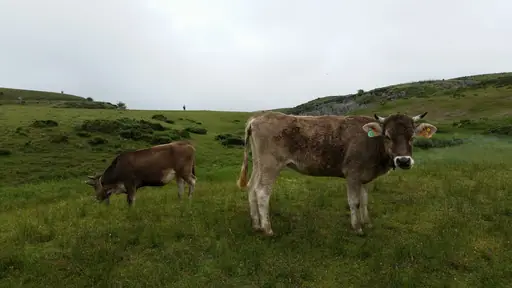
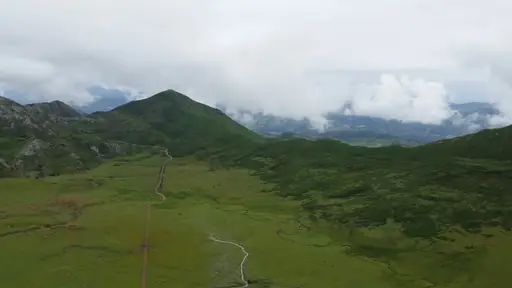
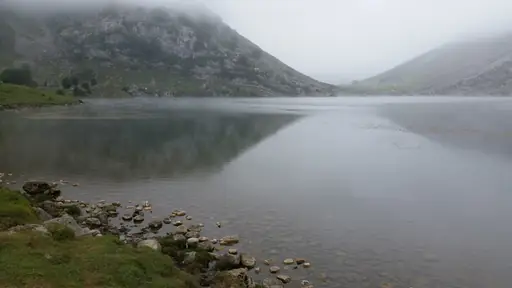
Picos de Europa National Park
Jagged Peaks, Deep Gorges, Wild Spain
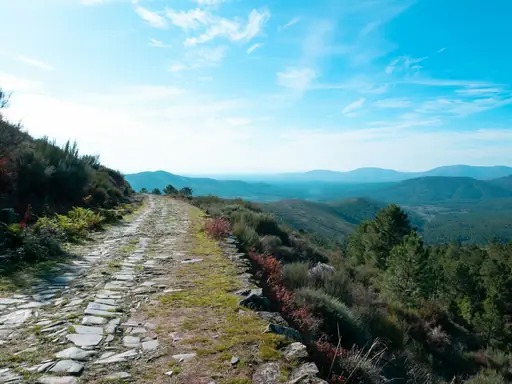
Brown bears roam the forested slopes of the Picos de Europa, part of a slowly recovering population. Chamois navigate the park's limestone cliffs and high mountain pastures with ease. Griffon vultures circle above gorges carved deep into the mountain range. Wolves persist in scattered packs across the park's more remote, less-visited valleys.
Outer Territory in Norway
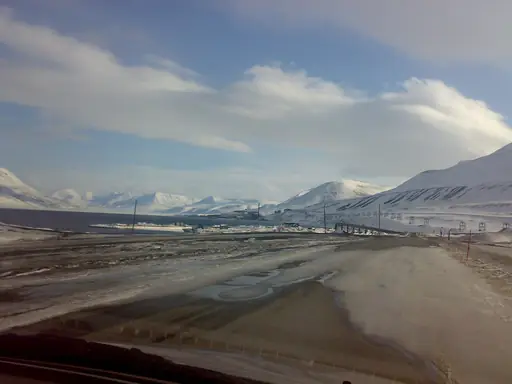
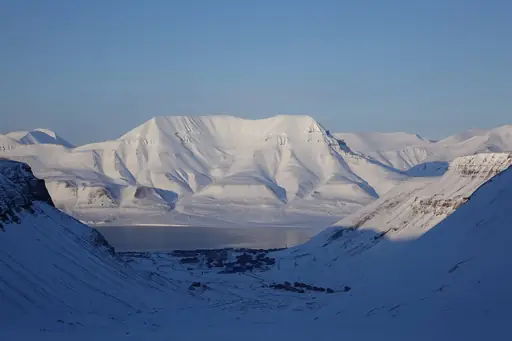
Svalbard
Arctic wilderness at Earth's edge
Polar bears roam Svalbard's ice and tundra, outnumbering the archipelago's human residents. Walrus haul out in noisy colonies along several remote beaches each summer. Beluga whales and bearded seals frequent the fjords near Longyearbyen throughout the season. Arctic foxes and reindeer round out the wildlife visible on guided expeditions across the islands.
National Park in Spain
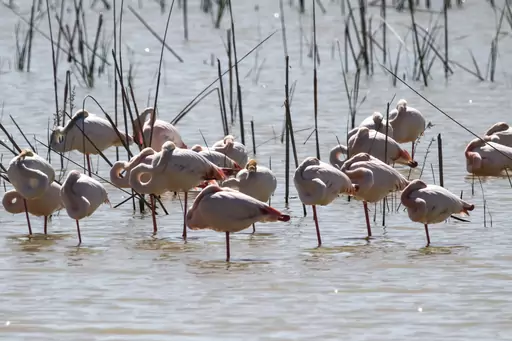
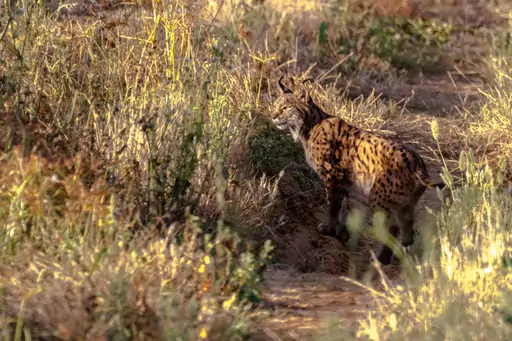
Doñana National Park
Wildlife sanctuary where rivers meet wetlands
Iberian lynx, one of the world's rarest wild cats, have been reintroduced to Donana's marshes. Flamingos gather by the thousands in the park's shallow lagoons during breeding season. Imperial eagles nest in the park's cork oak forests, among Europe's rarest raptors. Wetlands here shift between seasons, flooding in winter and drying by late summer.

Island in Norway
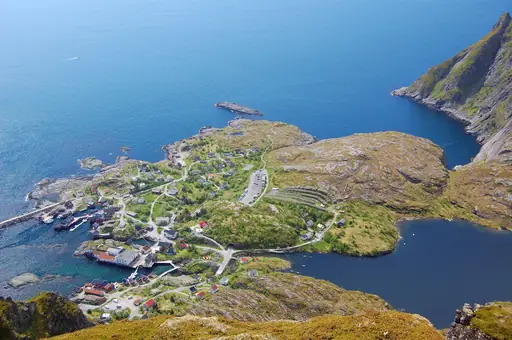
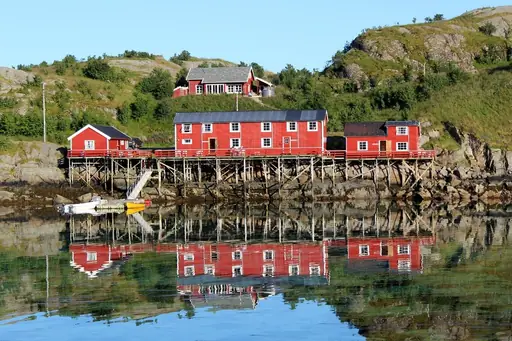
Lofoten
Dramatic Peaks and Northern Lights
Orcas hunt herring in Lofoten's fjords each winter, drawing whale watching boats into icy water. White-tailed sea eagles nest on the archipelago's steep cliffs, among the largest raptors in Europe. Sperm whales and humpbacks pass through nearby waters during their seasonal migrations. Puffins nest on several islands each summer, adding colour to the coastal scenery.
Wetland in Romania
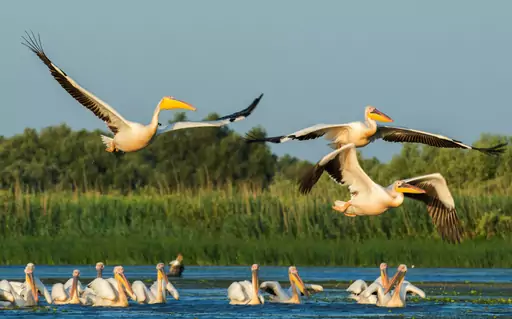
Danube Delta
Breathtaking wetlands where nature thrives
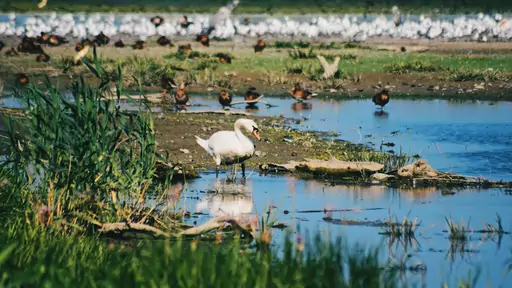
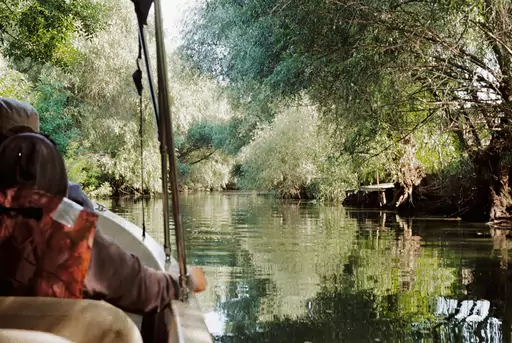
Pelicans nest by the thousands in the Danube Delta, Europe's largest and best-preserved wetland. Boat trips through the reed-lined channels reveal herons, egrets and cormorants along the water. More than 300 bird species pass through the delta during spring and autumn migration. Wild horses roam sections of the delta's marshland, descended from long-abandoned domestic herds.
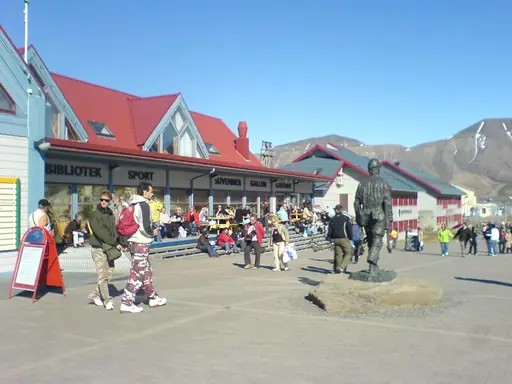
Town in Norway
Longyearbyen
The Edge of the Arctic Wild
Polar bears outnumber people around Longyearbyen, making armed guides mandatory for trips beyond town. Svalbard reindeer, a stocky subspecies, graze on tundra visible from the settlement's edges. Arctic foxes scavenge along the shoreline, their coats turning white each winter. Walrus haul out on nearby beaches, reachable by boat during the brief Arctic summer.
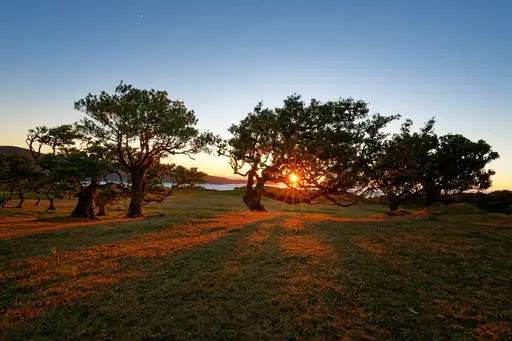
Island in Portugal
Madeira
Dramatic Cliffs and Eternal Spring
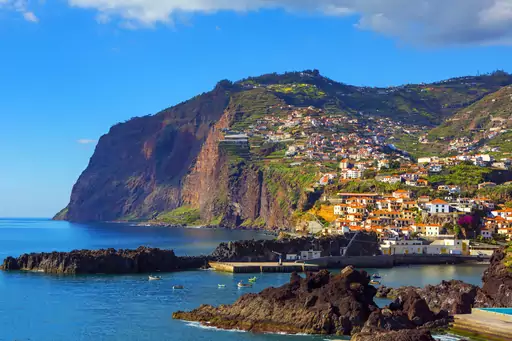
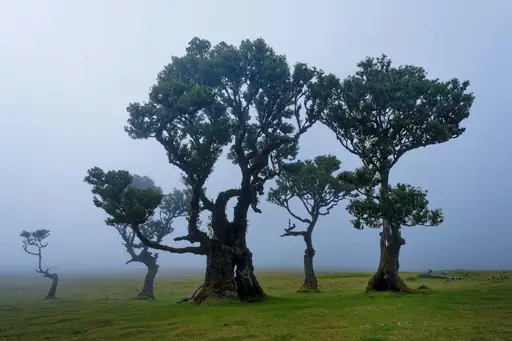
Zino's petrel, one of Europe's rarest seabirds, nests only in Madeira's remote mountain peaks. Whale and dolphin watching boats depart regularly from Funchal's harbour throughout the year. Monk seals, among the world's most endangered marine mammals, survive in the nearby Desertas Islands. Laurel forests covering the interior host plant and insect species found nowhere else.
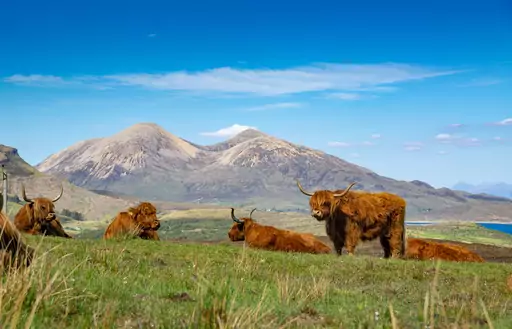
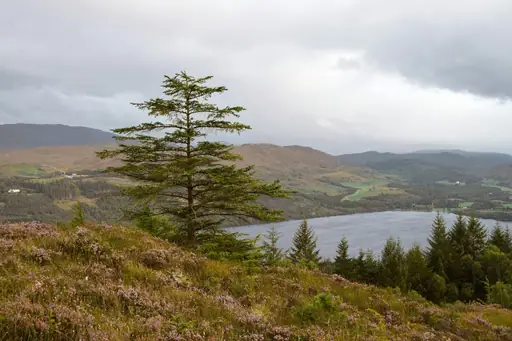
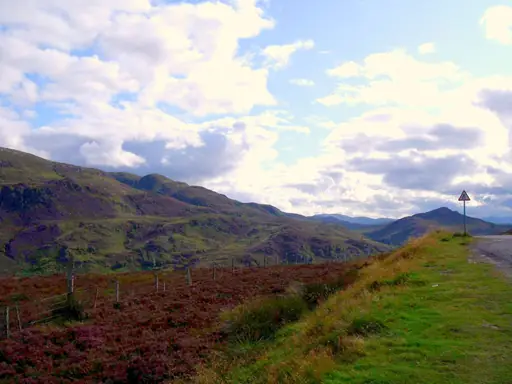
Region in United Kingdom
Scottish Highlands
Rugged Beauty and Ancient Legends
Red deer roam the Highlands' glens, their stags roaring during the autumn rutting season. Golden eagles nest on remote cliffs, among Europe's largest populations of the species. Ospreys have returned to Scottish lochs after decades of absence, drawing birdwatchers each spring. Pine martens and wildcats survive in pockets of ancient Caledonian forest across the region.

Region in Spain
Extremadura
Rolling hills and historic castles
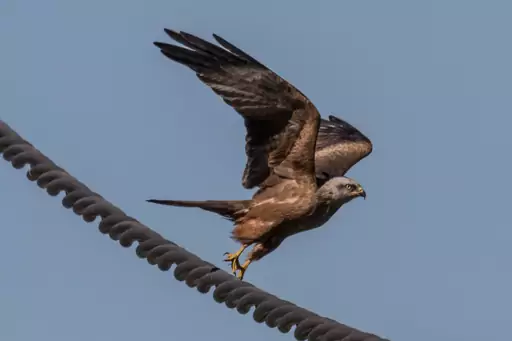
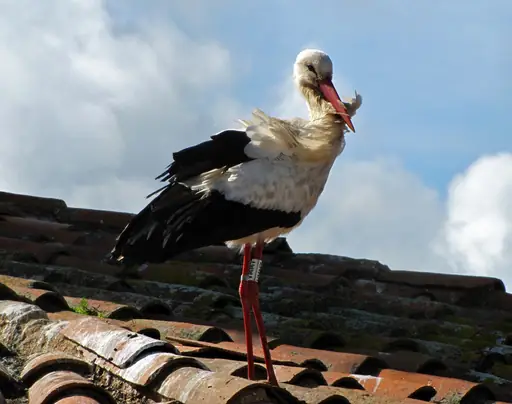
Griffon and black vultures circle above Extremadura's cliffs, among Europe's largest raptor populations. Common cranes gather by the thousands each winter in the region's oak-dotted grasslands. Iberian lynx have been reintroduced to parts of the region after decades of decline. Storks nest on nearly every church tower and pylon across the countryside.
Archipelago in Portugal
Azores
Volcanic Isles of Atlantic Wonders
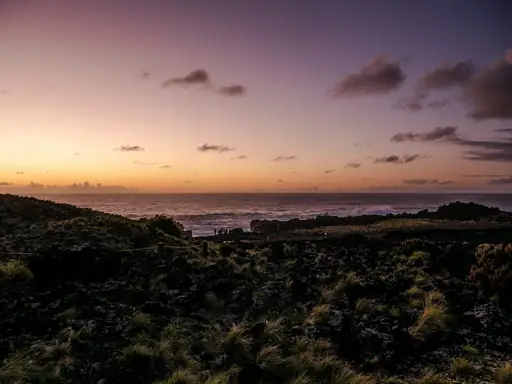
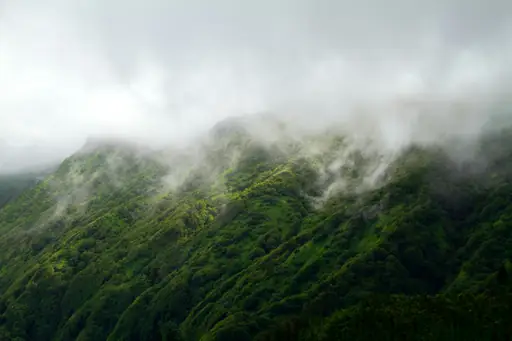
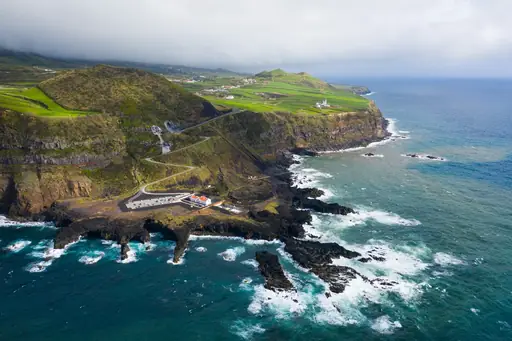
Sperm whales feed year-round in the deep waters surrounding the Azores, drawing whale watchers offshore. Dolphins frequently ride the bow waves of boats crossing between the archipelago's nine islands. Loggerhead turtles pass through these waters during their long Atlantic migrations. Seabird colonies nest on cliffs across several islands, including the rare Monteiro's storm petrel.

Country
Iceland
Land of fire and ice
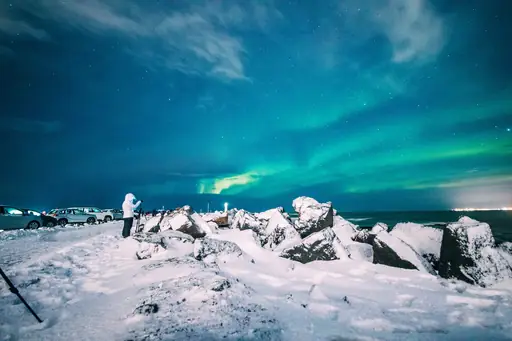
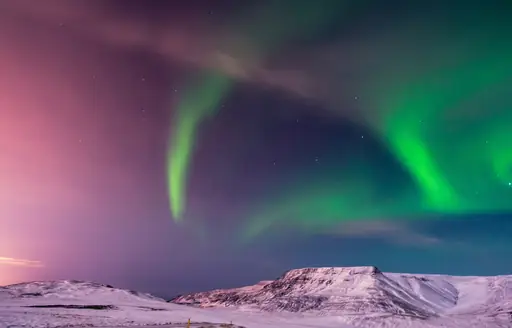
Atlantic puffins nest along Iceland's coastal cliffs each summer, drawing birdwatchers to sites like Latrabjarg. Humpback and minke whales feed in the fjords near Husavik, a hub for whale watching. Arctic foxes, the island's only native land mammal, roam the remote Westfjords. Seals haul out on black sand beaches along much of the southern coastline.
Forest
Białowieża Forest
Ancient woodland echoing centuries of wildlife
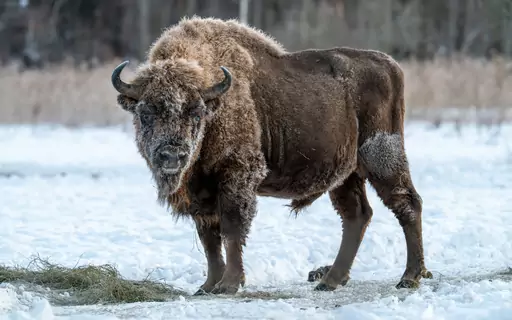
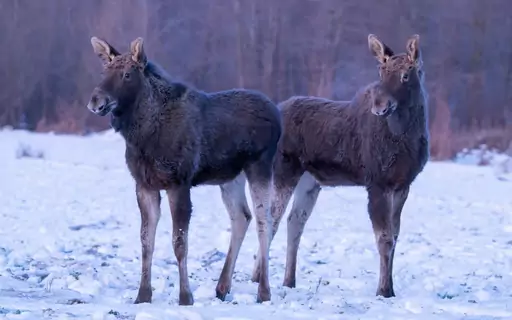
European bison, the continent's largest land mammal, roam freely through Bialowieza's ancient woodland. This primeval forest survives as one of the last fragments of forest that once covered lowland Europe. Wolves and lynx hunt through the same tangled undergrowth, rarely seen but present. Centuries-old oak trees tower over trails winding through the forest's core.
Other lists you may like

Discover
Amazing wildlife encounters and natural habitats
Wildlife encounters of real quality are becoming rarer and finding them requires more intention than it once did. The destinations that still offer genuine, undisturbed wildlife in…
Read more
Discover
Best wildlife destinations in Africa
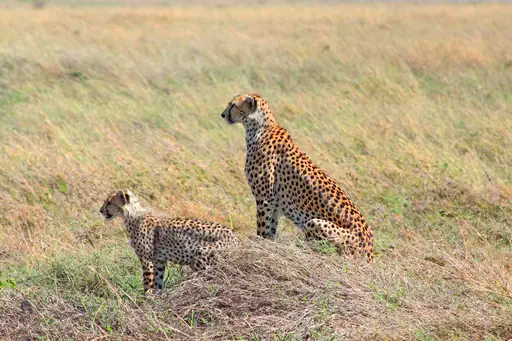
Africa remains the benchmark for wildlife encounters worldwide. The scale of large mammal populations in the continent's best protected areas, the quality of the savanna ecosystems…
Read more
Discover
Best wildlife destinations in Asia
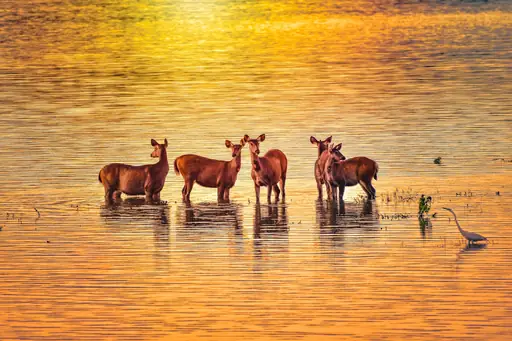
Asia holds some of the most extraordinary wildlife on earth, from the great apes of equatorial rainforest to marine ecosystems of exceptional richness, endemic island species found…
Read more
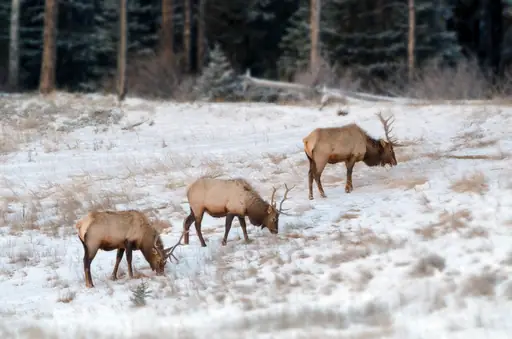
Discover
Best wildlife destinations in North America
North America's wildlife offer is defined by scale and variety. From Arctic marine mammals and great bear populations to desert reptile ecosystems and the largest remaining bison…
Read more
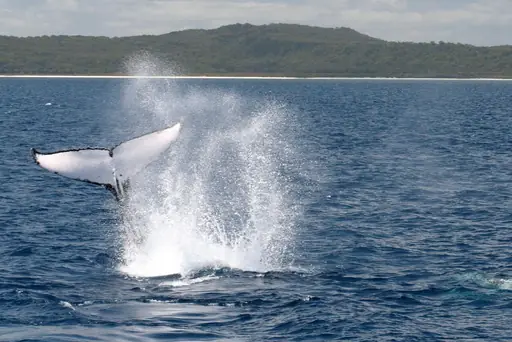
Discover
Best wildlife destinations in Oceania
Oceania's wildlife is defined by the extraordinary endemism that results from millions of years of island isolation. Species found nowhere else on earth, ancient reptile lineages,…
Read more
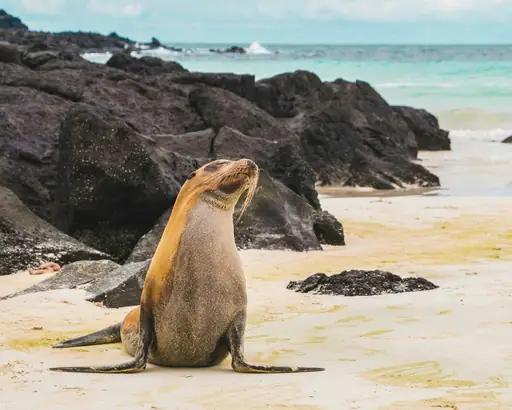
Discover
Best wildlife destinations in South America
South America's wildlife is as extraordinary as its landscapes, shaped by an unmatched range of ecosystems and some of the highest levels of biodiversity on earth. From vast river…
Read more
What other users say about travelfilters
“travelfilters made it easy for me to find ski areas and compare what else they offer, so that I could find the best place for my personal travel style.”

Chris
Snowboarding & Onsen trip to Japan
“I love how transparent the data feels. There is no pushy upsell, just honest information and settings I can tune to my own travel style.”

Maria
After booking her 2027 winter escape
“The level of detail for each destination and how well those are displayed, make planning feel confident instead of overwhelming.”

Mina
Planned a week in New York City
“We used travelfilters for our planning from start to end. The trip turned out even better than expected, thanks to all their tools and customisation options.”

Allan & Etienne
Trip to Japan to see autumn foliage
“Thanks to travelfilters, I found some hidden gems to see. Being able to filter for exactly your interests is a game changer for my travel planning.”

Michael
Tour through the old cities of Northern Italy
“The customizable filters helped me find a quiet beach town with good wifi and low season crowds in under five minutes.”

Diego
Weekend Escape to Llanes, Spain
“The airport connection map saved me hours by showing good flight options from my home airport to lesser-known cities.”

Nguyen
Planning a 2027 trip to France
“The website is clean, fast and focused on the search itself, which makes travelfilters feel more like a professional tool than an ad-heavy booking site.”

Hassan
Christmas Market trip, Germany
