










Was this page helpful?

These place ratings give you a quick overview of how well a destination matches different types of trips.
‘Best for’ scores:
The specific interest scores show where this place really shines – whether it's ideal for hiking, food & drink experiences, museums or other activities. These highlights help you understand what makes the destination special at a glance.
‘Your personal’ scores:
This reflects how well a place matches your personal preferences. You can adjust the importances of travel topics or other personal requirements categories in your account settings.
‘Suited for’ badges:
These give you a quick overview of how well a destination suits specific types of travellers, to help you find the places that match your lifestyle, preferences or travel situation.
| Power Grid: |
240 V, 50 Hz Plug: Type G
Type G:
 Read about power adapters |
|---|---|
| Currency: |
Malaysian Ringgit (MYR) £1 ≈ MYR 5.44 |
| Cashless info: |
Rating 5/5
Cashless payments are widely accepted in Malaysia, especially in urban areas. Major credit cards are used in most hotels, restaurants, and shops. Mobile payment services like GrabPay and Touch 'n Go are also widely used.
Save with a travel credit card |
| eSIM providers: |
Best value: Saily Flexibility: Airalo Read our in-depth comparison |
| Tipping: | Tipping is not compulsory in Malaysia, but it is appreciated in restaurants, with a 5-10% tip recommended if no service charge is included. Taxi drivers and hotel staff may also expect small tips. |
|---|---|
| Public drinking: | Drinking in public is generally acceptable in Malaysia, though alcohol is restricted in some regions, particularly in the east coast states of Kelantan and Terengganu and other Muslim-majority areas. Drinking is common in cities like Kuala Lumpur. |
| Public smoking: | Smoking is banned in restaurants and cafés (including open-air eateries), shopping centres, government buildings and many other public places. Smoking is only allowed in designated areas. |
| Hari Merdeka (31 August) |
National day with celebrations and parades |
|---|---|
| Chinese New Year (variable) |
Celebrated with family gatherings, festivals, and fireworks |
| Emergency contact: | Emergency Numbers: 999 (Police, Fire, Ambulance), 112 (from mobile phones) |
|---|---|
| Taxi apps: | Grab, MyCar |
| Other: | Malaysia is known for its diverse culture, cuisine, and natural beauty. It's a popular tourist destination, offering a range of experiences from city exploration to beach holidays. |
The best times to travel section shows how the months compare for a visit, so you can find the time of year that fits what you want to do.
Background colours of the months:
The colour shows the typical temperature: yellow (hot), green (mild) and blue (cold). How strong the colour is shows the travel season: full colour means high season, soft colour means shoulder season and soft-striped means off season.
Weather symbols:
Each month has one symbol showing what the weather is typically like, such as hot and sunny, freezing or a rainy or snowy season. Use them to quickly spot months that match the weather you want, or to avoid the ones that don't.
Crowdedness:
The people icon shows how busy the place usually is. The more people, the more crowded it gets.
Additional notes:
The grey info boxes point out special things worth knowing, like recurring weather issues or seasonal events.
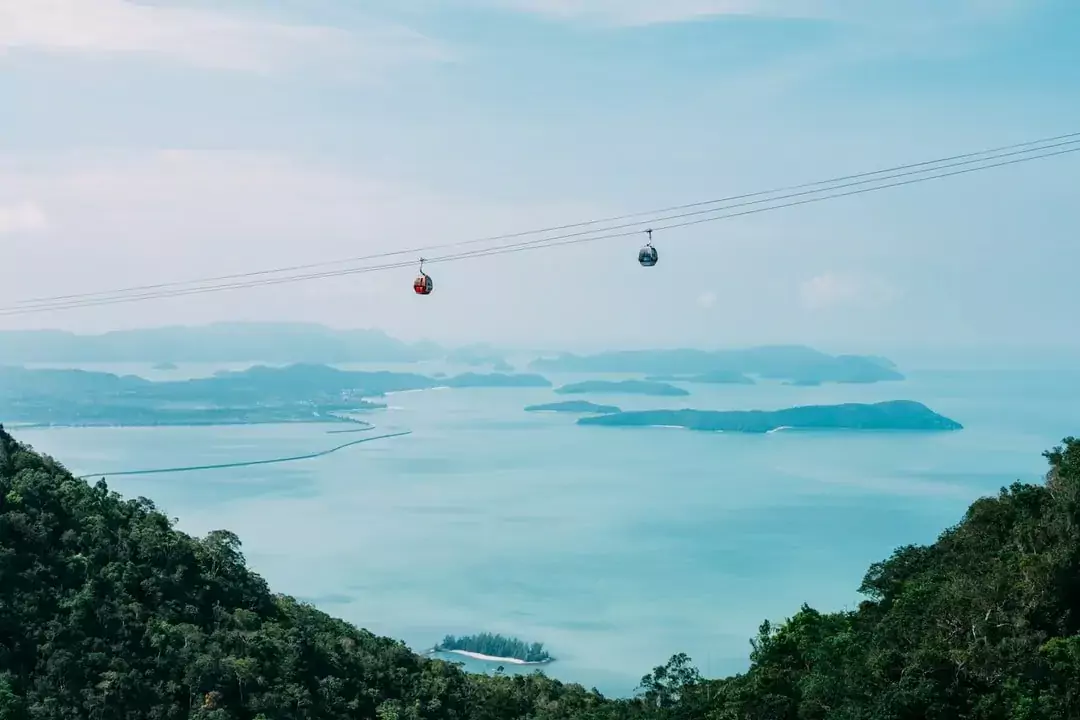
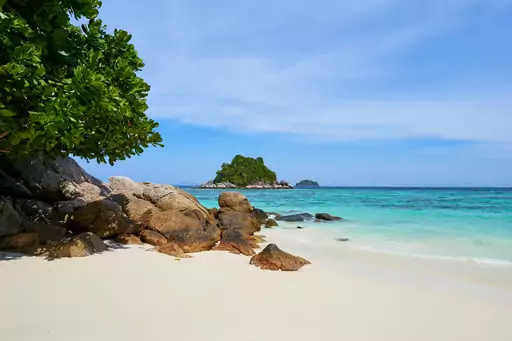
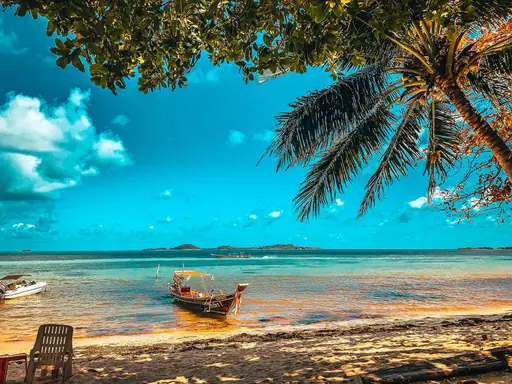
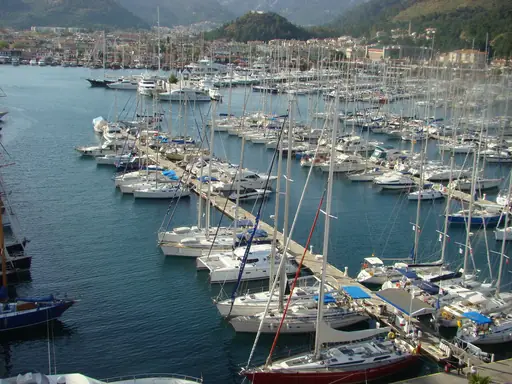
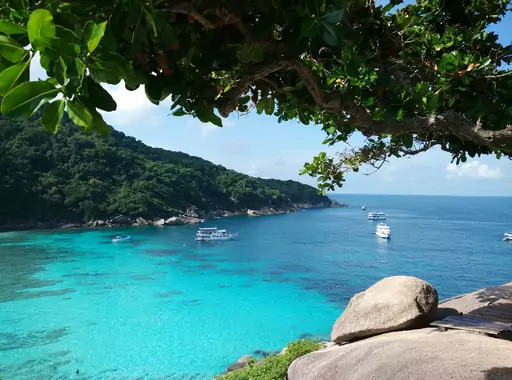
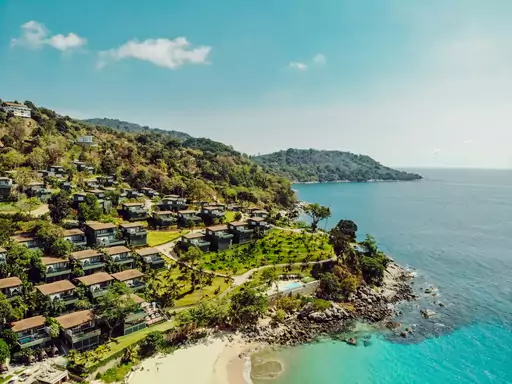
Langkawi is the kind of place that makes you want to slow down and soak up every moment. You can spend your days lounging on beaches like Pantai Cenang or Tanjung Rhu, ziplining through rainforest canopies or taking a cable car up to the famous Sky Bridge for jaw-dropping views. The island’s mangrove forests, waterfalls and night markets add even more color and flavor to the experience. Plus, Langkawi is duty-free, so shopping for chocolates and souvenirs is a treat! A few things to note: public transport is almost non-existent, so renting a car or motorbike is the best way to get around. Mosquitoes and sandflies can be a nuisance, especially at dusk, so bring repellent. While Langkawi is very safe, keep an eye on your belongings and avoid feeding wildlife, as monkeys can get aggressive. The rainy season (September–November) brings heavier showers, but the island is lovely year-round.
Langkawi is easily reached by air via Langkawi International Airport, with direct flights from Kuala Lumpur, Penang and Singapore. Ferries connect Langkawi to Penang, Kuala Kedah and Kuala Perlis. The airport is about 20 minutes from Pantai Cenang by car.
Langkawi offers everything from luxury beach resorts and boutique hotels to budget guesthouses and homestays. Most accommodations are clustered around Pantai Cenang, Kuah Town and Tanjung Rhu. Book ahead for peak season and consider a beachfront stay for the full island experience.
We calculate the average costs when travelling to destinations and compare those with the living costs at your home. With this you can get an estimate of how expensive or cheap the destination is for you.
To customise this, you can set up which location and price level are used for the calculations in your account settings.
The exchange rate price factor shows how expensive or cheap a currency currently is compared to its historical average. It's a quick way to see if a country is currently more or less affordable due to exchange rate changes.
To help you plan your trip, we provide estimated daily costs per person (when travelling as a pair) for different travel styles. These numbers give you an idea of what you might spend each day at this destination, including accommodation, food, transport and activities.
Additionally, we also provide average hotel costs for different travel styles to give you an estimate for the accommodation only.
Please note that these are only estimates. The real costs depend on booking times, season and other factors.
Travel style categories explained:
Backpacker:
Staying in hostels or budget hotels, cooking your own meals or eating cheap and choosing low-cost activities.
Mid-range:
Staying in mid-range hotels, eating at a mix of restaurants and casual spots and enjoying a variety of activities.
Luxury:
Staying in luxury hotels, dining out at high-end restaurants and enjoying premium experiences without worrying about the price.
| Backpacker | Mid-range | Luxury | |
|---|---|---|---|
| 💵 Total costs per day, including accommodation | |||
| 🏨 Accommodation per night, per person | |||
| 🍝 Food per day | |||
| 🚕 Transportation per day |
| 🍽️ Restaurant Dinner, per person | |
|---|---|
| 🍛 Lunch Set, per person | |
| 🍟 Fast food combo | |
| 🍝 Preparing your own food, per day | |
| ☕ Cappuccino | |
| 🍺 Beer in a restaurant, 0.5 l |
| 🚌 Public transport ticket | |
|---|---|
| 🚕 Taxi Ride, 10 km / 6 mi | |
| ⛽ Petrol, 1 l |
| 🎞️ Cinema ticket | |
|---|---|
| 👩⚕️ Doctor's consult | |
| 🤧 Cold medication | |
| 💇 Basic haircut |
Log in to add this place to a travel list and get a summary of all recommended items for your whole trip.
