
Best craft destinations in Europe
Best craft destinations in Europe
Traditional glassblowing workshops and lace making centers across Europe
Europe's craft traditions span an extraordinary range of making cultures, regional materials and accumulated technical knowledge, with ceramics, textiles, glass, metalwork and woodworking traditions of considerable depth distributed across distinct regional identities that developed largely in isolation from each other. The most compelling destinations are those where living craft cultures produce for local and professional markets rather than purely for visitors, maintaining standards that tourist-oriented production frequently compromises.
Several countries have developed serious craft tourism infrastructure, with open studio programmes, dedicated craft festivals and specialist markets providing direct access to makers across a wide range of traditions. Design weeks and applied arts fairs in several cities create time-specific reasons to visit destinations whose craft offer justifies the journey at any time of year alongside the event calendar.
Buying directly from makers rather than retail outlets delivers better value and more direct economic support to independent craft producers. Several of Europe's most significant craft traditions are under pressure from industrial competition and visitor spending that reaches makers directly matters. Customs regulations on specific materials vary and are worth checking before significant purchases for non-European visitors.
Lists by region

City in Italy
Venice
A floating city of romance and history
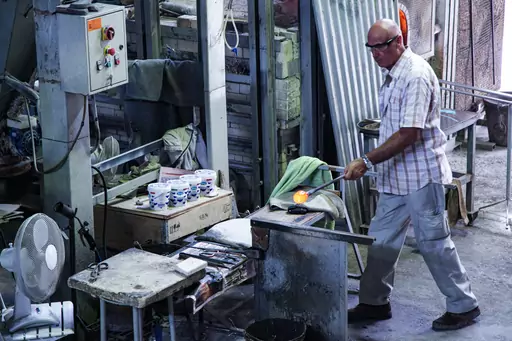
In 1291 the city moved its glass furnaces to the island of Murano to lower the risk of fire. Glassblowers there still shape vases and chandeliers by hand. Back in Venice, paper mache masks are made for Carnival. Gondola builders work in boatyards called squeri. Visitors watch a demonstration at many studios.
City in Italy
Lecce
Baroque Beauty in Italy’s Heel
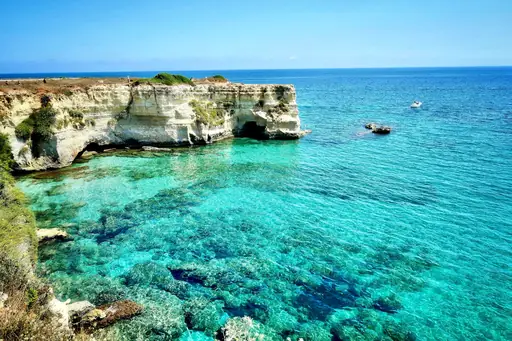
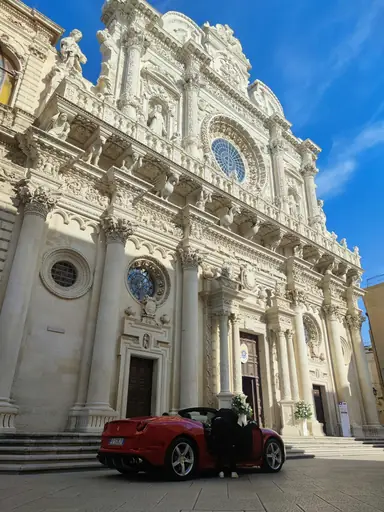
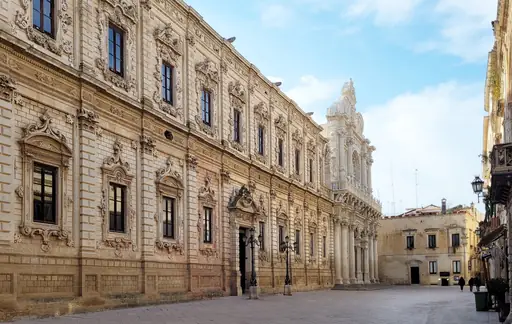
Often called the Florence of the South, this Italian city is built of soft golden limestone. Carvers shape it into Baroque scrolls and flowers. Papier mache figures called cartapesta have been made here since the 1600s. Workshops let visitors watch artisans paint saints and animals. Stone carvers repair church facades in the old centre.
City in Spain
Córdoba
A timeless blend of cultures
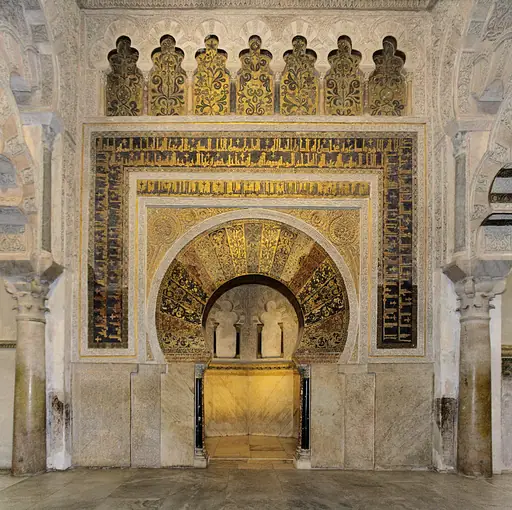
This Spanish city was the capital of a Muslim caliphate in the 900s. Its crafts still reflect that past. Silversmiths make delicate filigree jewellery in workshops near the Mezquita. Leatherworkers stamp and paint wall panels in a style called guadamecil. The municipal craft market in the old Jewish quarter has open studios.
Village in France
Moustiers Sainte Marie
Gateway to the Verdon Gorge
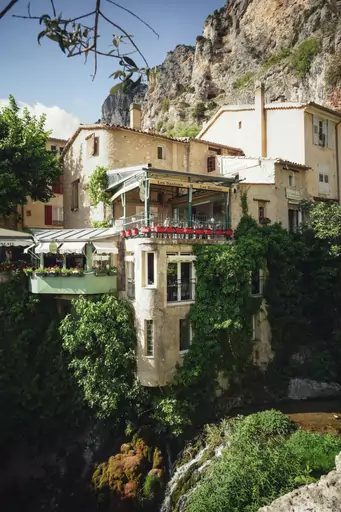
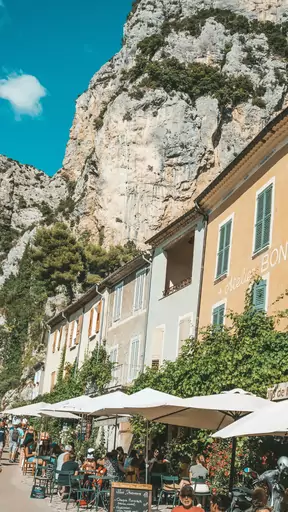
Potters here began making tin glazed pottery called faience in the late 1600s. The village hangs below limestone cliffs at the edge of the Verdon Gorge. A gold star on a chain stretches across the gap in the rock. Workshops and a ceramics museum show decorated plates and soup tureens.
Island in Italy
Burano
Colorful houses reflecting Venetian charm
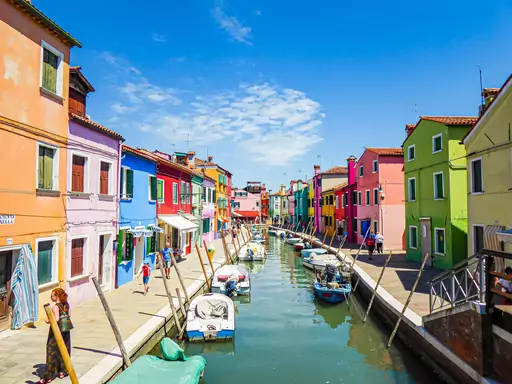
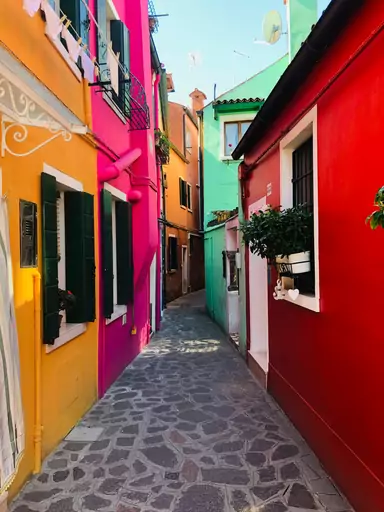
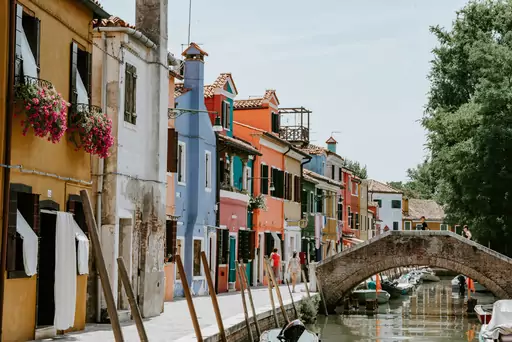
In the northern Venetian lagoon, this small island is a short boat ride from Venice. Its fishermen's houses are painted in bright blues, reds and yellows. Women here have made fine needle lace since the 1500s. The Lace Museum shows old pieces and living lacemakers. Shops sell handmade doilies and table linens.
Town in Poland
Zakopane
Poland’s Tatra Mountain Adventure Hub
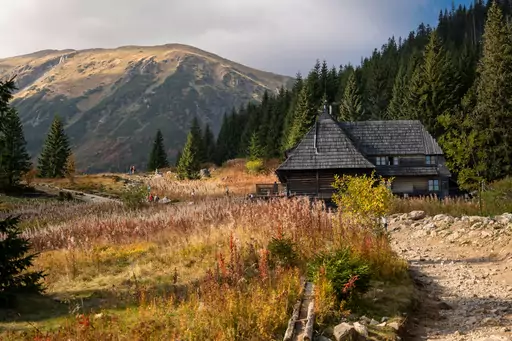
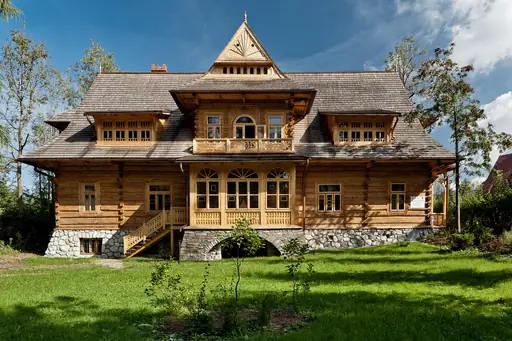
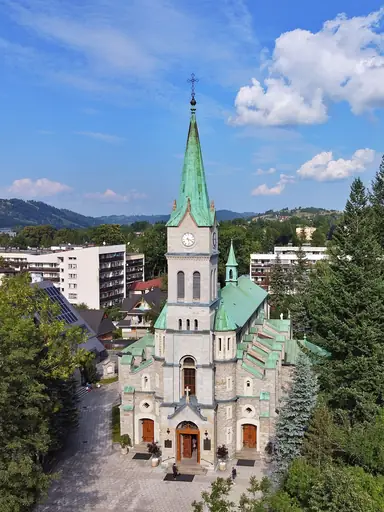
Set in the Tatra Mountains of southern Poland, this resort town is the capital of highlander culture. Wooden houses here follow the Zakopane style with carved gables. Craftspeople make wood carvings, sheepskin vests and painted glass. Shops on Krupowki Street sell oscypek, smoked sheep cheese pressed in wooden moulds.
City in Italy
Ravenna
Mosaics, History and Charm
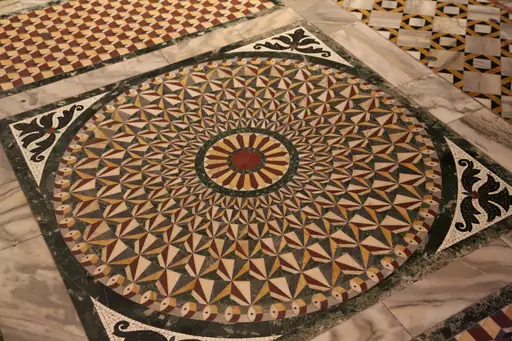
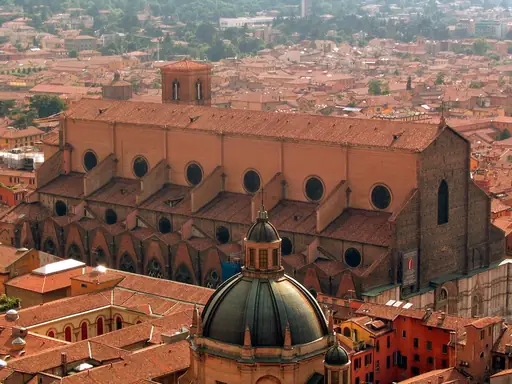
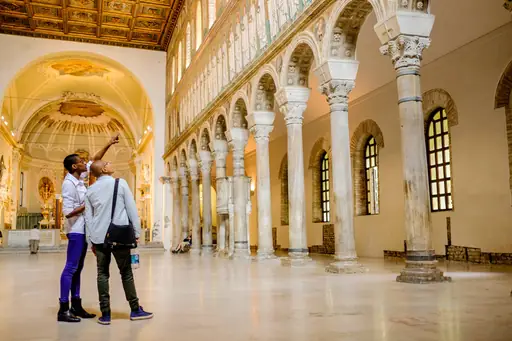
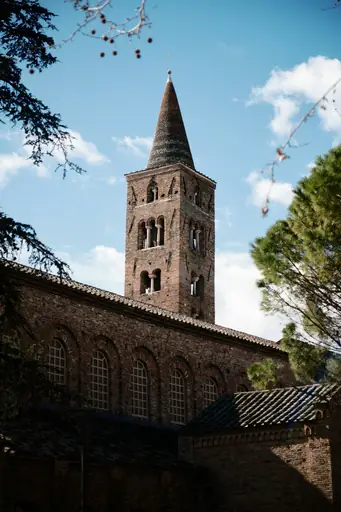
This small Italian city of about 160,000 people has eight World Heritage sites, most of them decorated with mosaics. The glass and stone tile work in San Vitale and Sant'Apollinare dates to the 500s. Studios teach the craft to visitors. Modern mosaic artists sell panels and jewellery in shops along the old streets.
City in Spain
Granada
Where Moorish Palaces Meet Flamenco Beats
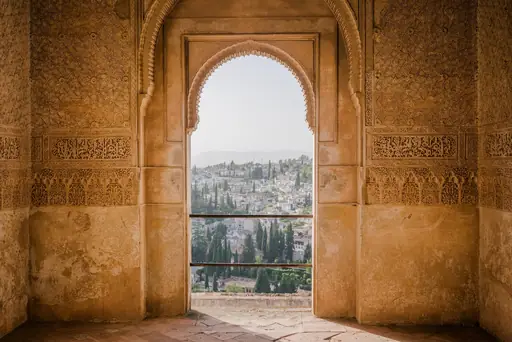
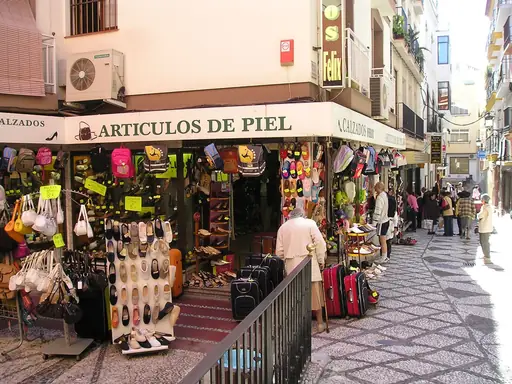
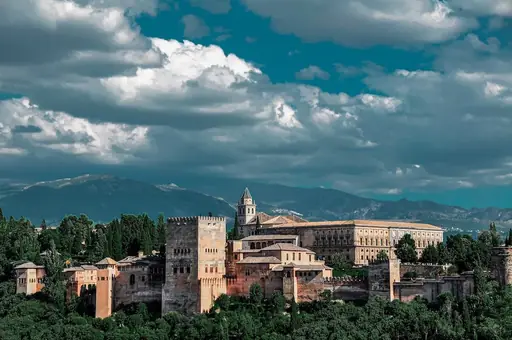
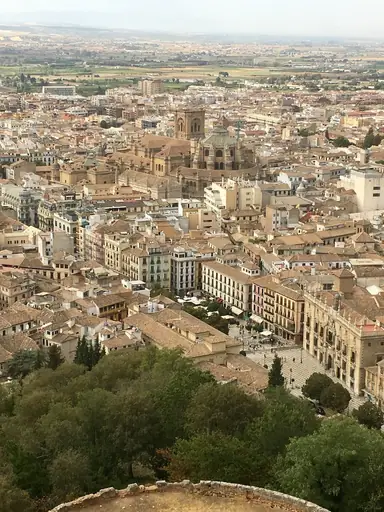
Spring and autumn days are mild here, which suits walking between workshops in the old Albaicin quarter. Craftsmen make taracea, wooden boxes inlaid with bone and mother of pearl. Fajalauza pottery has a blue and green pattern. Guitar makers still build instruments by hand. The old silk market called the Alcaiceria sells scarves.
City in Netherlands
Delft
Canals, blue pottery, Vermeer’s legacy
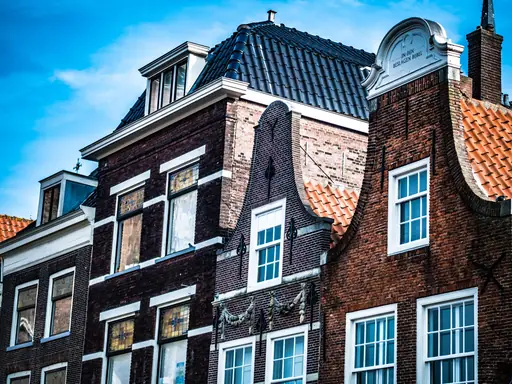
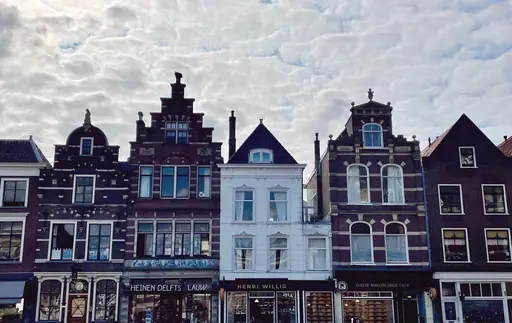
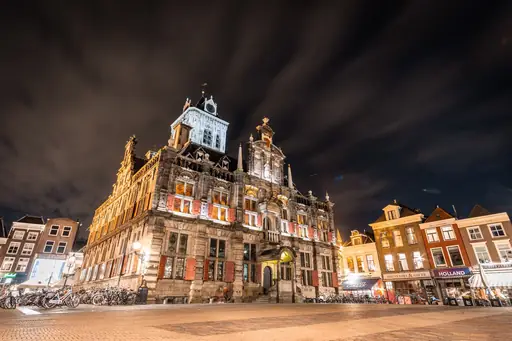
With about 105,000 people, this small Dutch city is known around the world for Delft Blue pottery. The factory called Royal Delft was founded in 1653 and still hand paints plates and tiles in cobalt blue. A museum shows painters at work. Small galleries around the canals sell tiles and vases.

Island in Portugal
Madeira
Dramatic Cliffs and Eternal Spring
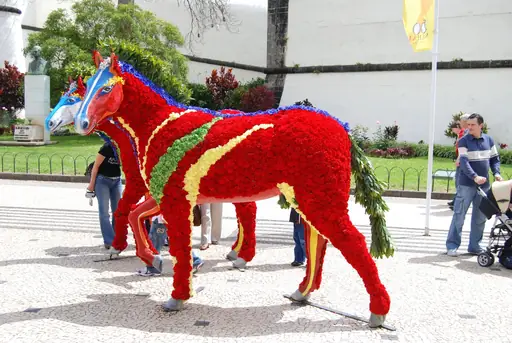
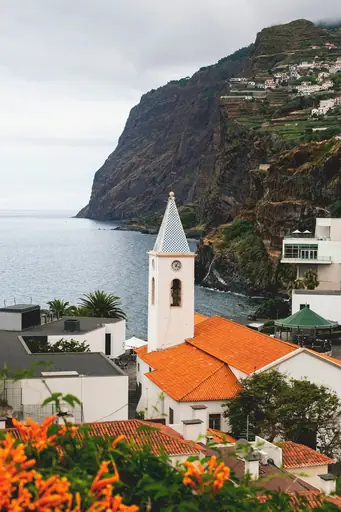
About 1,000 kilometres southwest of Lisbon in the Atlantic, this island is famous for embroidery. Women stitch flowers and leaves onto fine linen in a tradition more than a century old. Wicker furniture is woven in the village of Camacha. A museum in Funchal shows prized pieces. Madeira wine cellars are open for tastings.
Island in Italy
Sicily
Sun, Sea and Ancient Secrets
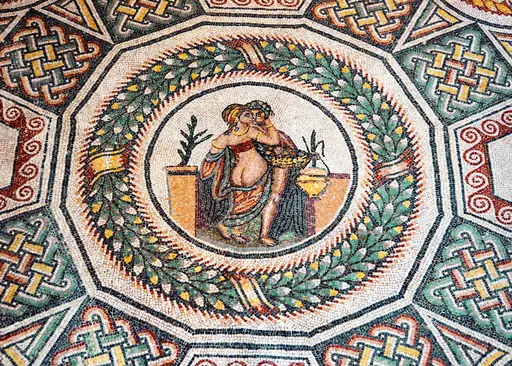
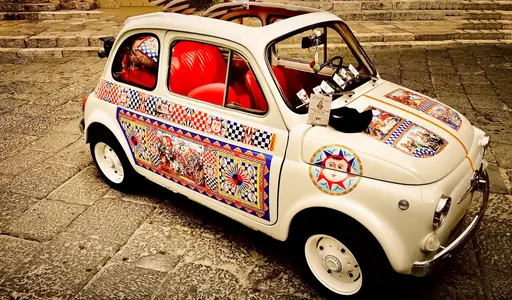
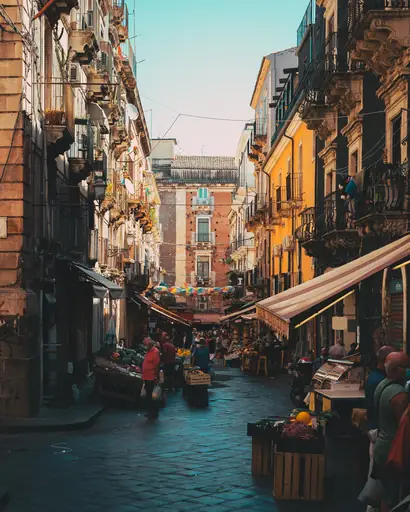
Families in Palermo have staged opera dei pupi for generations. This puppet theatre with handmade knights was added to the UNESCO list in 2008. Sicily also has painted carts decorated with scenes from legends. Caltagirone potters make colourful tiles and ceramic heads. Ceramic shops in Taormina and Palermo sell hand painted plates.
City in Spain
Toledo
A Timeless Blend of Cultures
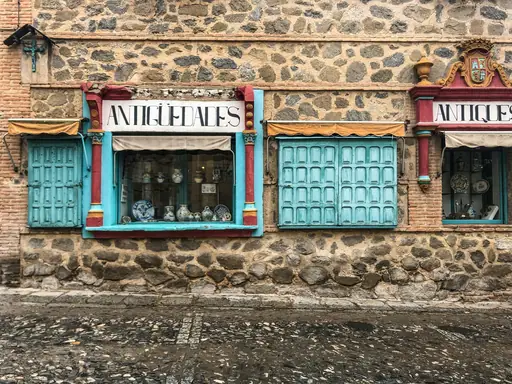
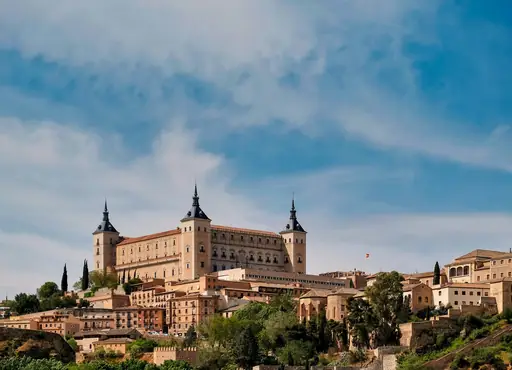
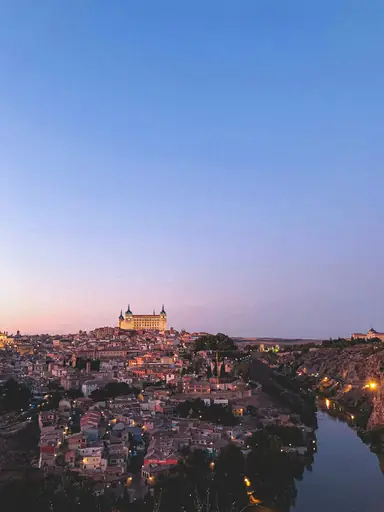
On a granite hill above the Tagus River, this Spanish city has made steel blades since Roman times. Artisans practice damascene, the art of pressing gold and silver thread into black steel. Swords and jewellery are for sale in small workshops. Bakeries also sell marzipan, a local sweet.
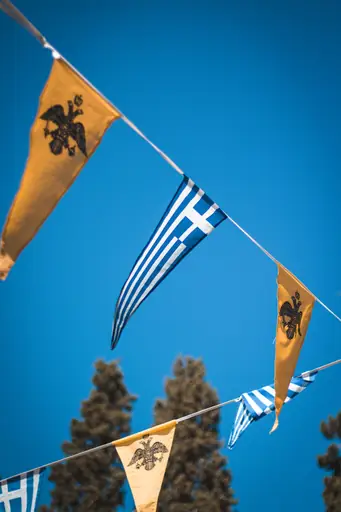
Island in Greece
Crete
A Journey Through History and Nature
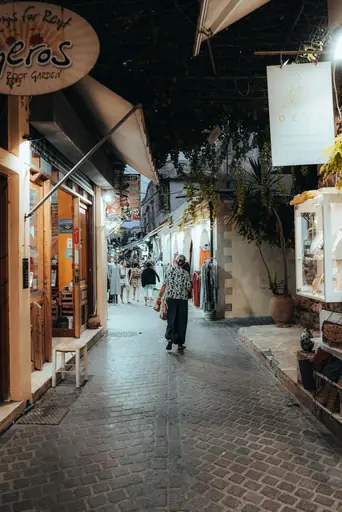
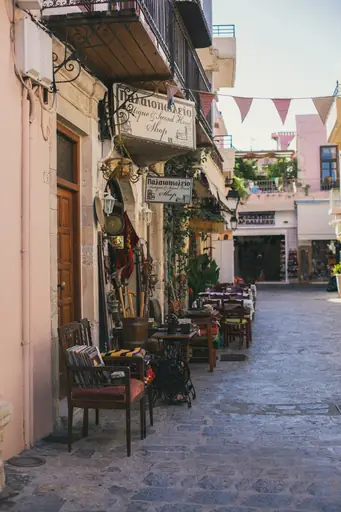
Rugged and proud of its traditions, this Greek island keeps old village crafts alive. The village of Margarites has potters whose clay work follows a tradition thousands of years old. Women in Anogeia weave wool on looms. Cretan knife makers in Chania forge blades by hand and shops sell them with carved handles.
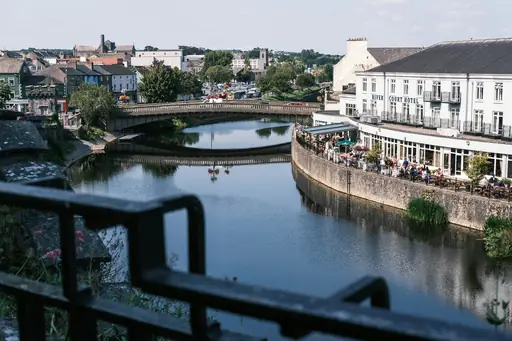
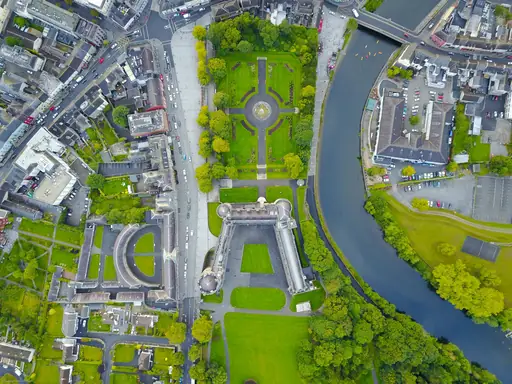
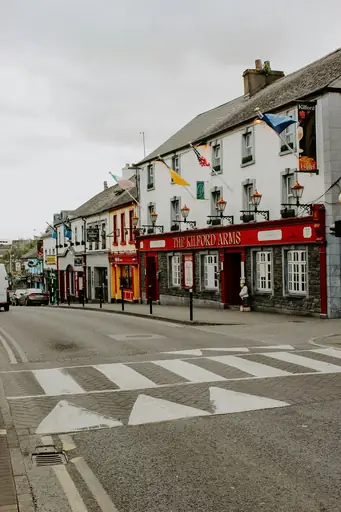
City in Ireland
Kilkenny
Ireland’s Medieval Gem with Spirit
Shoppers in this medieval Irish city look for handmade goods in the Castle Yard Design Centre. The Kilkenny Design Workshops opened in 1963 to improve Irish design and still shape its reputation. The National Design and Craft Gallery shows pottery, glass and weaving. Studios along the Medieval Mile welcome visitors.
Island in Italy
Sardinia
Turquoise seas and ancient secrets
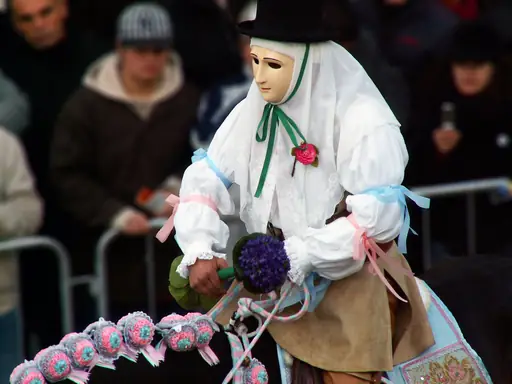
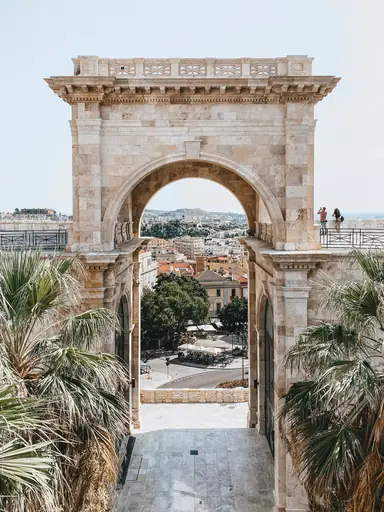
On 1 May the town of Cagliari holds the Sant'Efisio procession. People wear hand embroidered costumes and ride in decorated carts. Across the island artisans keep old crafts alive. Castelsardo weavers make baskets from reeds. Samugheo is known for woven rugs. Pattada knife makers forge blades with horn handles.
City in Estonia
Tallinn
Medieval charm meets modern innovation
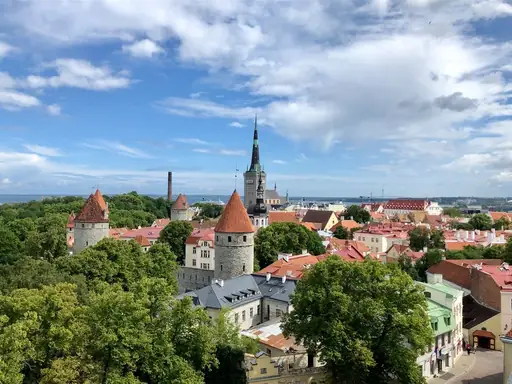
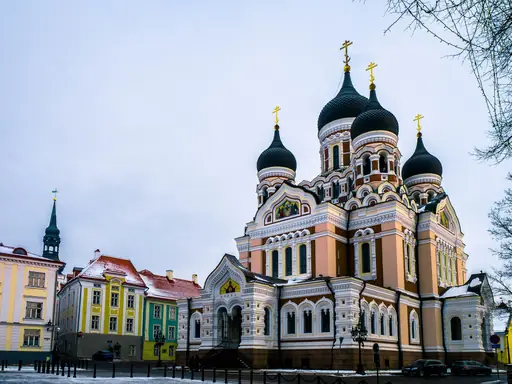
Unlike many modern capitals, this one keeps a walled medieval centre with craft workshops in old guild houses. St Catherine's Passage has potters, glassmakers and hand weavers. The Masters' Courtyard sells candles and felt. A row of stalls called the Sweater Wall sells hand knit wool jumpers. Makers are often at work behind the counter.

City in Hungary
Pécs
Historic charm and Mediterranean vibes
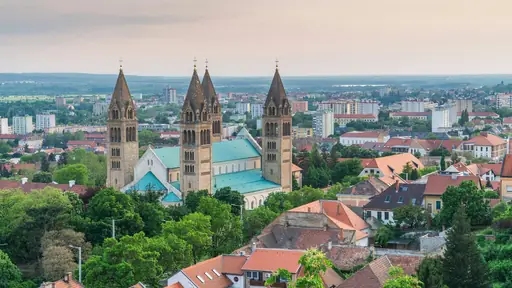
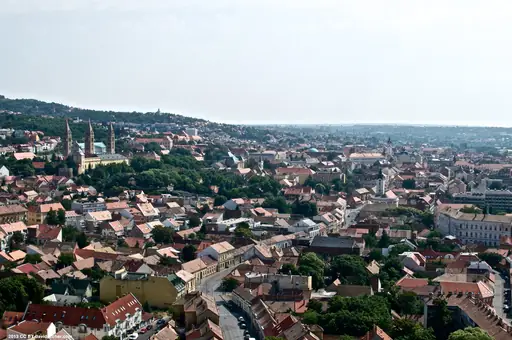
Warm, artistic and southern in feel, this Hungarian city is known for Zsolnay porcelain. The factory opened in 1853 and invented a shiny glaze called eosin. Colourful roof tiles shine on buildings across town. The Zsolnay Cultural Quarter has a museum and workshops. Pecs was a European Capital of Culture in 2010.
Other lists you may like
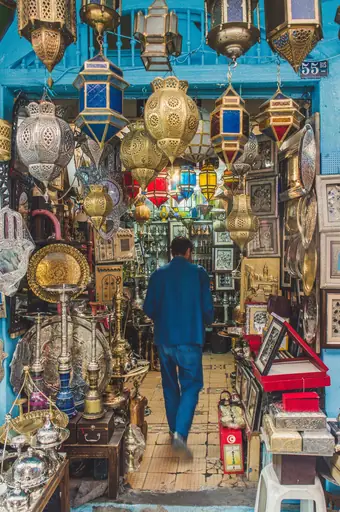
Discover
Best craft destinations in Africa
Africa's craft traditions encompass some of the world's most distinctive textile, ceramic, metalwork, basketry and woodcarving cultures, with making traditions rooted in specific…
Read more
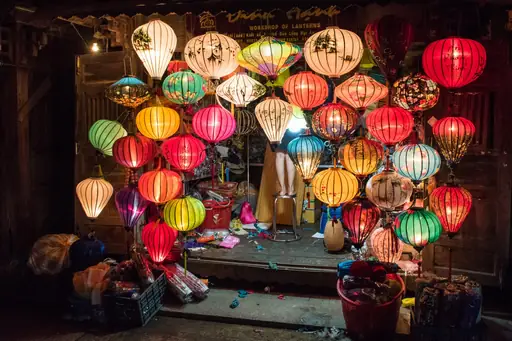
Discover
Best craft destinations in Asia
Asia contains the world's most diverse and technically sophisticated craft traditions, with ceramics, textiles, lacquerwork, metalsmithing, woodcarving and papermaking traditions…
Read more
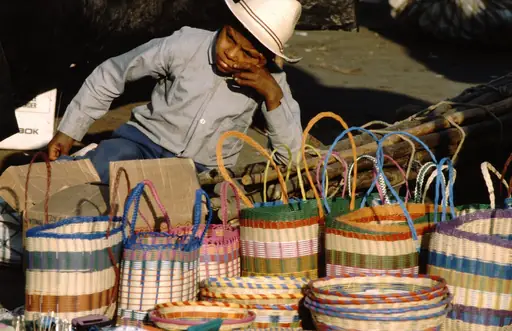
Discover
Best craft destinations in North America
North America's craft traditions are rooted in the indigenous making cultures of the continent's native communities alongside folk craft traditions brought by successive waves of…
Read more
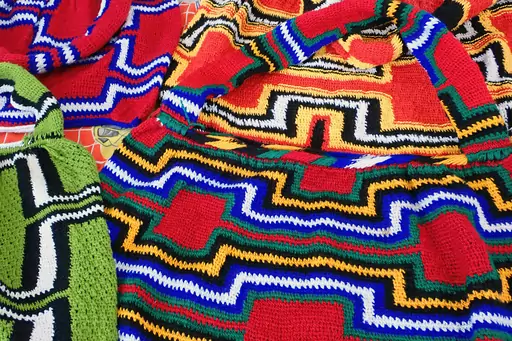
Discover
Best craft destinations in Oceania
Oceania's craft traditions are defined by the indigenous making cultures of Australia, New Zealand and the Pacific island groups, where distinct artistic traditions rooted in…
Read more
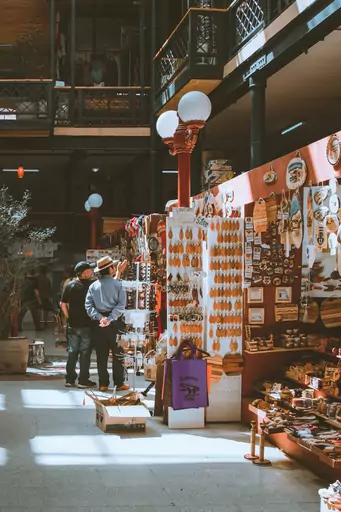
Discover
Best craft destinations in South America
South America's craft traditions are among the most diverse on earth, with textile, ceramic, metalwork and woodcarving traditions rooted in pre-Columbian making cultures that have…
Read more
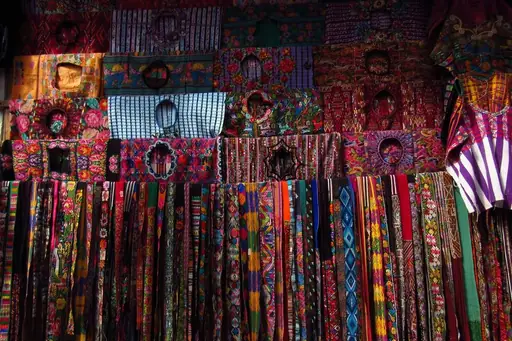
Discover
Top craft destinations and artisan workshops
Craft travel has developed a dedicated following built around the world's great making traditions, artisan communities and the places where specific skills, materials and cultural…
Read more
What other users say about travelfilters
“travelfilters made it easy for me to find ski areas and compare what else they offer, so that I could find the best place for my personal travel style.”

Chris
Snowboarding & Onsen trip to Japan
“I love how transparent the data feels. There is no pushy upsell, just honest information and settings I can tune to my own travel style.”

Maria
After booking her 2027 winter escape
“The level of detail for each destination and how well those are displayed, make planning feel confident instead of overwhelming.”

Mina
Planned a week in New York City
“We used travelfilters for our planning from start to end. The trip turned out even better than expected, thanks to all their tools and customisation options.”

Allan & Etienne
Trip to Japan to see autumn foliage
“Thanks to travelfilters, I found some hidden gems to see. Being able to filter for exactly your interests is a game changer for my travel planning.”

Michael
Tour through the old cities of Northern Italy
“The customizable filters helped me find a quiet beach town with good wifi and low season crowds in under five minutes.”

Diego
Weekend Escape to Llanes, Spain
“The airport connection map saved me hours by showing good flight options from my home airport to lesser-known cities.”

Nguyen
Planning a 2027 trip to France
“The website is clean, fast and focused on the search itself, which makes travelfilters feel more like a professional tool than an ad-heavy booking site.”

Hassan
Christmas Market trip, Germany
