
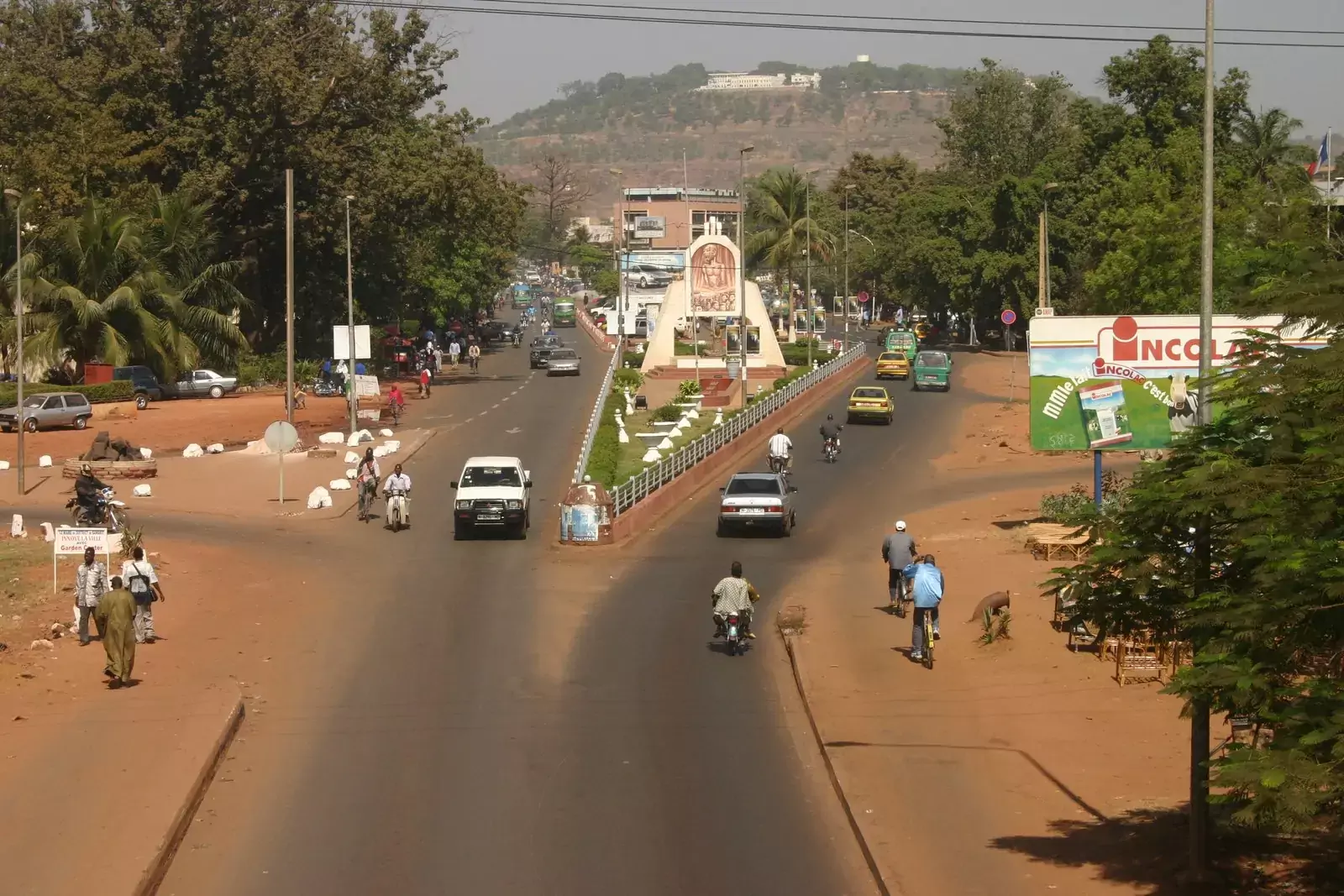
There is a travel warning issued for this country. Please check the website of your country's foreign office for the latest information.
Last update: 12 Oct 2026
* We earn a commission from some links on this page.
Mali Summary
These place ratings give you a quick overview of how well a destination matches different types of trips.
‘Best for’ scores:
The specific interest scores show where this place really shines – whether it's ideal for hiking, food & drink experiences, museums or other activities. These highlights help you understand what makes the destination special at a glance.
‘Your personal’ scores:
This reflects how well a place matches your personal preferences. You can adjust the importances of travel topics or other personal requirements categories in your account settings.
‘Suited for’ badges:
These give you a quick overview of how well a destination suits specific types of travellers, to help you find the places that match your lifestyle, preferences or travel situation.
Suited for
Mali – Quick facts
| Power Grid: |
220 V, 50 Hz Plug: Type C
Type C:
 Read about power adapters |
|---|---|
| Currency: |
West African CFA Franc (BCEAO) (XOF) £1 ≈ F CFA 784 |
| Cashless info: |
Rating 1/5
Cashless payments are not widely accepted in Mali, especially outside of Bamako. In larger cities, credit cards are sometimes accepted in hotels and some businesses, but cash is the most common form of payment.
Save with a travel credit card |
| eSIM providers: |
Best value: Saily Flexibility: Airalo Read our in-depth comparison |
| Tipping: | Tipping is appreciated in Mali, though not compulsory. In restaurants, leaving a small tip (around 5-10%) is common if no service charge is included. Taxi drivers and hotel staff also appreciate small tips. |
|---|---|
| Public drinking: | Public drinking is not common in Mali. Alcohol consumption is typically restricted to private settings, such as restaurants and private homes. |
| Public smoking: | Smoking is allowed in most public areas, including restaurants and cafes, but many indoor spaces have designated non-smoking zones. |
| Independence Day (22 September) |
National holiday celebrated with parades and cultural events |
|---|---|
| Ramadan (variable) |
Observed by many, with fasting and social gatherings |
| Emergency contact: | Emergency Numbers: 17 (Police), 15 (Ambulance), 18 (Fire) |
|---|---|
| Taxi apps: | None, Taxis available in Bamako |
| Other: | Mali offers rich cultural and historical experiences, but travellers should be cautious of the security situation, especially in certain regions. It's important to stay updated on travel advisories and follow local safety guidelines. |
Best times to travel
The best times to travel section shows how the months compare for a visit, so you can find the time of year that fits what you want to do.
Background colours of the months:
The colour shows the typical temperature: yellow (hot), green (mild) and blue (cold). How strong the colour is shows the travel season: full colour means high season, soft colour means shoulder season and soft-striped means off season.
Weather symbols:
Each month has one symbol showing what the weather is typically like, such as hot and sunny, freezing or a rainy or snowy season. Use them to quickly spot months that match the weather you want, or to avoid the ones that don't.
Crowdedness:
The people icon shows how busy the place usually is. The more people, the more crowded it gets.
Additional notes:
The grey info boxes point out special things worth knowing, like recurring weather issues or seasonal events.
for Mali, Mali
Security situation and entry rules can change at short notice; most governments advise against travel to much of Mali, check official travel advisories before planning
Climate varies by region: the south has one rainy season June to September, the Sahel and Sahara in the north are almost rainless and best November to February
Dogon Country and Djenné are best November to February, when trails are dry and nights are cool
Don't miss
- 🏯 Marvel at the Great Mosque of Djenné, a mud-brick masterpiece
- 🚤 Cruise the Niger River past traditional villages and markets
- 📜 Explore Timbuktu’s ancient manuscripts and desert heritage
- 🏜️ Hike through the dramatic sandstone cliffs of the Bandiagara Escarpment
- ⛰️ Experience Dogon culture in remote cliffside villages
- 🛍️ Wander Bamako’s colorful markets filled with crafts and fabrics
You've been here?
Log in to manage your own bucket list! Why travel to Mali?
What makes Mali truly special is its remarkable preservation of ancient cultural traditions and architectural wonders. The country is home to several UNESCO World Heritage Sites, including the Great Mosque of Djenné – the world's largest mud-brick building – and the ancient manuscripts of Timbuktu that speak to Mali's historical importance as a center of Islamic learning. The Bandiagara Escarpment offers a glimpse into the unique culture of the Dogon people, whose villages are carved into sandstone cliffs and whose traditions have remained largely untouched by outside influences. Beyond its cultural treasures, Mali's natural landscapes are equally captivating. From the rolling hills and serene lakes of Mali National Park to the dramatic Mount Hombori rising 750 meters above the surrounding plains, the country offers diverse environments for outdoor enthusiasts. The Niger River, flowing through the heart of the country, provides a lifeline for communities and a scenic backdrop for visitors. However, it's important to note that Mali currently faces significant security challenges, with travel advisories in place for many regions, making careful planning and local guidance essential for any visit.
🏯Places worth seeing
🏞️Natural landmarks
🛍️Shopping
🎈Events
-
Biennale Artistique et Culturelle
-
Festival sur le Niger
-
Djenné Mosque Re-plastering Festival
-
Ségou'Art Festival
-
Dogon Mask Festival
-
Essakane Desert Festival
-
Independence Day Celebrations
-
Maouloud (Prophet's Birthday)
-
Tabaski (Eid al-Adha)
-
Ramadan Celebrations
Knowledge before you go
- Do not travel due to terrorism and kidnapping risks.
- Entire country under highest warnings from governments worldwide; avoid all areas including Bamako.
- Violent crime, carjackings common; power outages frequent and roads dangerous outside cities.
- Terrorists target westerners at hotels, markets; fly out if possible and never drive at night anywhere.
How to travel to Mali
Most international visitors arrive in Mali through Bamako-Sénou International Airport, which has connections to several West African cities and European destinations like Paris. From the airport, taxis are available to reach the city center, about 15km away. Land borders with neighboring countries are also entry points, though security situations can affect their accessibility. As of March 2025, many countries have travel advisories in place for Mali due to security concerns. Visitors should check the latest travel advice from their government before planning a trip and consider arranging travel through experienced local tour operators who can provide up-to-date information on safe areas to visit.
Access summary
- Bamako: Fly into Modibo Keita International Airport (BKO) from regional hubs.
- From neighboring countries: Limited regional flights and long-distance buses/overland routes.
- No major alliance hub airline; Sky Mali operates mainly domestic/regional routes.
Check your route from anywhere
Where to stay in Mali
Accommodation in Mali ranges from international-standard hotels in Bamako to basic guesthouses in smaller towns and villages. In Bamako, you'll find the widest selection of hotels catering to various budgets, while in historic centers like Djenné and Mopti, options are more limited but often have character, sometimes in traditional mud-brick buildings. In remote areas like Dogon Country, simple homestays or basic camping arrangements are common. Advance booking is recommended, especially in Bamako where business travelers can fill hotels during weekdays.
Hotel recommendations
*by rating and popularity. Commissions have no influence on the rankings.



How to get around Mali
Getting around Mali requires patience and flexibility. In cities like Bamako, taxis are the most common form of transportation, with both shared and private options available. For longer distances between cities, buses and bush taxis (shared minivans) connect major towns, though schedules can be unpredictable and comfort levels basic. The Niger River also serves as an important transportation route, with boat services available between riverside towns like Mopti and Timbuktu during high water season. For exploring remote areas like Dogon Country or national parks, hiring a 4x4 vehicle with a driver-guide is highly recommended and often necessary. Road conditions vary greatly, with paved roads limited to major routes and many secondary roads becoming difficult or impassable during the rainy season.
Budget snapshot
Costs compared to home
We calculate the average costs when travelling to destinations and compare those with the living costs at your home. With this you can get an estimate of how expensive or cheap the destination is for you.
To customise this, you can set up which location and price level are used for the calculations in your account settings.
Daily expenses in Mali are around 71% lower than the average across United States. That means you'll spend a lot less on meals and getting around.
Exchange rate trend
The exchange rate price factor shows how expensive or cheap a currency currently is compared to its historical average. It's a quick way to see if a country is currently more or less affordable due to exchange rate changes.
Your exchange rate (GBP to XOF) is 3% better than in recent years. That means travelling now costs around the same compared to the past.
Travel costs
To help you plan your trip, we provide estimated daily costs per person (when travelling as a pair) for different travel styles. These numbers give you an idea of what you might spend each day at this destination, including accommodation, food, transport and activities.
Additionally, we also provide average hotel costs for different travel styles to give you an estimate for the accommodation only.
Please note that these are only estimates. The real costs depend on booking times, season and other factors.
Daily cost summary
Travel style categories explained:
Backpacker:
Staying in hostels or budget hotels, cooking your own meals or eating cheap and choosing low-cost activities.
Mid-range:
Staying in mid-range hotels, eating at a mix of restaurants and casual spots and enjoying a variety of activities.
Luxury:
Staying in luxury hotels, dining out at high-end restaurants and enjoying premium experiences without worrying about the price.
| Backpacker | Mid-range | Luxury | |
|---|---|---|---|
| 💵 Total costs per day, including accommodation | |||
| 🏨 Accommodation per night, per person | |||
| 🍝 Food per day | |||
| 🚕 Transportation per day |
Food & Drink
| 🍽️ Restaurant Dinner, per person | |
|---|---|
| 🍛 Lunch Set, per person | |
| 🍟 Fast food combo | |
| 🍝 Preparing your own food, per day | |
| ☕ Cappuccino | |
| 🍺 Beer in a restaurant, 0.5 l |
Transportation
| 🚌 Public transport ticket | |
|---|---|
| 🚕 Taxi Ride, 10 km / 6 mi | |
| ⛽ Petrol, 1 l |
Other
| 🎞️ Cinema ticket | |
|---|---|
| 👩⚕️ Doctor's consult | |
| 🤧 Cold medication | |
| 💇 Basic haircut |
Safety information overview
General safety
Travel to Mali currently involves significant security risks. Many regions are under travel advisories due to terrorism, kidnapping and armed conflict. If traveling, stick to safer areas like Bamako, hire local guides, maintain low profile and stay informed about regional security developments.
Health & Medical
Medical facilities in Mali are extremely limited, particularly outside Bamako. Bring all necessary medications and comprehensive travel insurance with evacuation coverage. Malaria is endemic throughout the country and waterborne diseases are common. Yellow fever vaccination is required for entry.
Accessibility
Accessibility infrastructure is virtually non-existent in Mali. Historical sites, natural attractions and public transportation present significant challenges for travelers with mobility issues. Rough terrain, unpaved roads and limited infrastructure make travel difficult even for those without mobility limitations.
Tap water
Tap water is unsafe to drink throughout Mali. Bottled water is available in cities but may be harder to find in remote areas. Always carry water purification tablets or a portable filter, especially when traveling outside major urban centers.
Packing recommendations for Mali
Log in to add this place to a travel list and get a summary of all recommended items for your whole trip.
📷
Camera
🌞
Sun cream
👕
Light, breathable clothing
🪰
Insect repellent
🔦
Torch
power cuts are common
👛
Cash in small denominations
few cash machines
🔋
Power bank
🩹
Basic first aid kit
👒
Sun hat
📃
Travel insurance
🚰
Water bottle with filter
🪪
Copies of passport and important documents
📱
Translation app or phrasebook
📱
Travel eSIM
🔌
Universal travel adaptor
🩺
Prescription medicines
💳
Credit card with no foreign transaction fees
🛂
Passport
Related articles & guides for Mali



Nearby recommended places
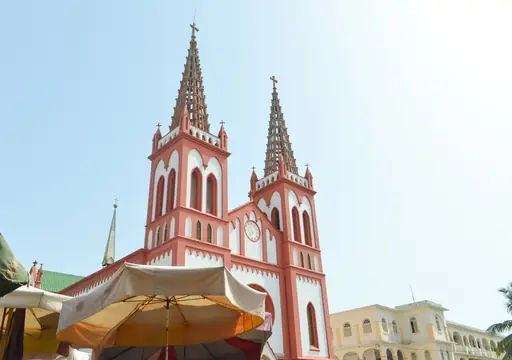
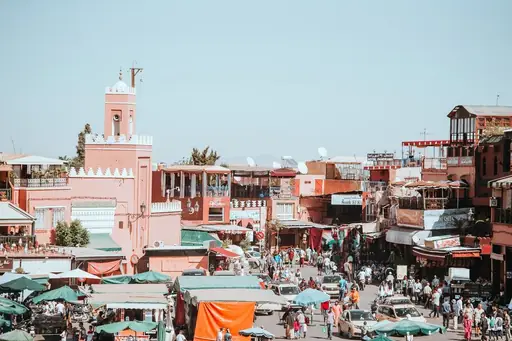
Looking for inspiration?

Discover
Top architecture destinations and iconic landmarks
Architecture travel spans everything from ancient ceremonial complexes and medieval urban cores to the grands projets of the twentieth century and contemporary buildings that draw…
Read more

Discover
Top hiking destinations and famous trails
Hiking at its best is one of the most direct ways to engage with a landscape. The pace forces a relationship with terrain, weather and distance that faster forms of travel rarely…
Read more
Discover
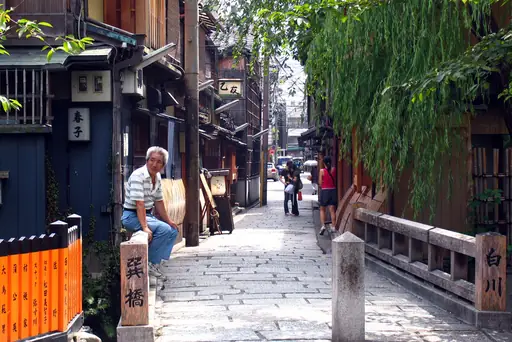
Top traditional destinations and cultural heritage sites
Traditional destinations are those where cultural practices, craftsmanship, ceremony and ways of life that predate industrialisation and mass tourism remain visible and active…
Read more
Discover
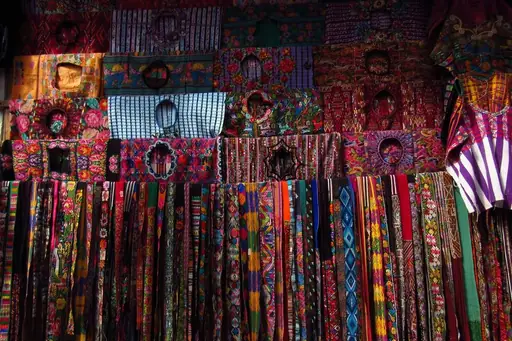
Top craft destinations and artisan workshops
Craft travel has developed a dedicated following built around the world's great making traditions, artisan communities and the places where specific skills, materials and cultural…
Read more
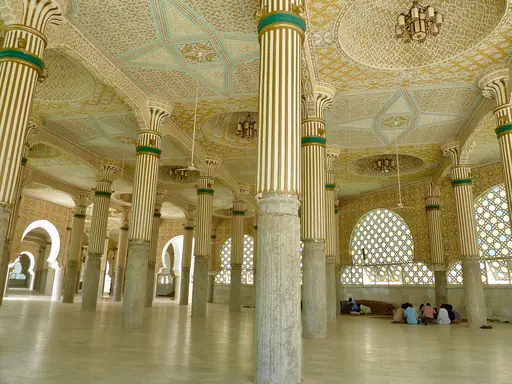
Discover
Most famous pilgrimage destinations in Africa
Africa's pilgrimage traditions span deep, centuries-old roots, from rock-hewn churches central to annual Christian pilgrimage to cities anchoring significant Sufi traditions tied…
Read more
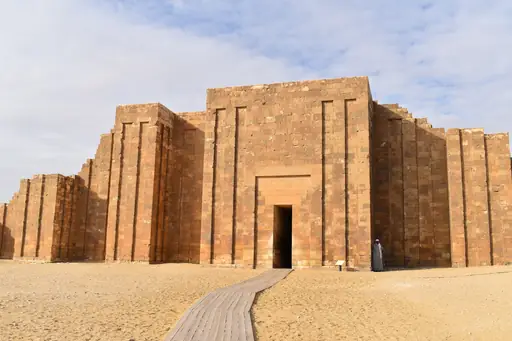
Discover
Best architecture destinations in Africa
Africa's architectural heritage spans an enormous chronological range, from the ancient stone complexes of the northeast and the monumental earthen mosque traditions of the west to…
Read more
Discover
Best traditional destinations in Africa
Africa's traditional destinations encompass some of the world's most diverse and ancient living cultures, craft traditions and ceremonial practices, with communities across the…
Read more
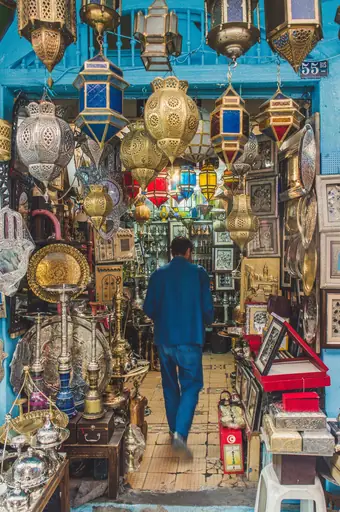
Discover
Best craft destinations in Africa
Africa's craft traditions encompass some of the world's most distinctive textile, ceramic, metalwork, basketry and woodcarving cultures, with making traditions rooted in specific…
Read more
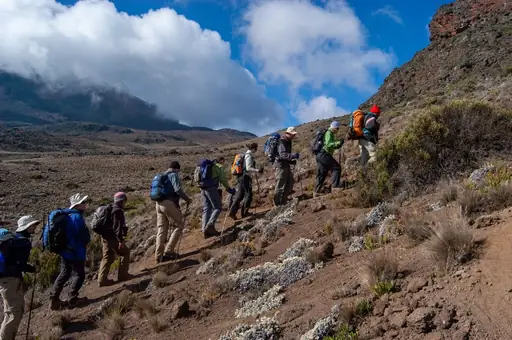
Discover
Best hiking destinations in Africa
Africa's hiking ranges from the glaciated summit zone of equatorial high peaks and the vast plateau trails of the south to rainforest routes in the centre and dramatic coastal…
Read more
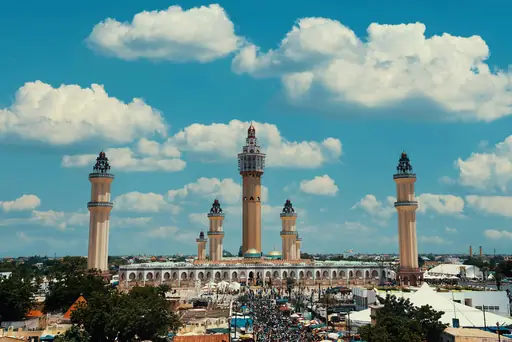
Discover
Most famous religious destinations in Africa
Africa has some of the oldest churches and mosques in the world, and religion is still a big part of everyday life across most of the continent. In Ethiopia, the rock-cut…
Read more

Discover
Most beautiful beaches and coastal escapes
For a lot of people, a beach is the whole point of a holiday, but what makes a beach day perfect really depends on personal taste. Some travellers want isolation and the feeling…
Read more

Discover
Stunning national parks and wilderness areas
National parks exist because someone decided that certain landscapes were too important to lose. The best of them protect ecosystems, wildlife and natural processes that would…
Read more

Discover
Intimate escapes and romantic getaways
The most memorable trips for couples tend to have less to do with luxury and more to do with the quality of shared experience. A place that slows you down, removes the usual…
Read more
What other users say about travelfilters
“travelfilters made it easy for me to find ski areas and compare what else they offer, so that I could find the best place for my personal travel style.”

Chris
Snowboarding & Onsen trip to Japan
“I love how transparent the data feels. There is no pushy upsell, just honest information and settings I can tune to my own travel style.”

Maria
After booking her 2027 winter escape
“The level of detail for each destination and how well those are displayed, make planning feel confident instead of overwhelming.”

Mina
Planned a week in New York City
“We used travelfilters for our planning from start to end. The trip turned out even better than expected, thanks to all their tools and customisation options.”

Allan & Etienne
Trip to Japan to see autumn foliage
“Thanks to travelfilters, I found some hidden gems to see. Being able to filter for exactly your interests is a game changer for my travel planning.”

Michael
Tour through the old cities of Northern Italy
“The customizable filters helped me find a quiet beach town with good wifi and low season crowds in under five minutes.”

Diego
Weekend Escape to Llanes, Spain
“The airport connection map saved me hours by showing good flight options from my home airport to lesser-known cities.”

Nguyen
Planning a 2027 trip to France
“The website is clean, fast and focused on the search itself, which makes travelfilters feel more like a professional tool than an ad-heavy booking site.”

Hassan
Christmas Market trip, Germany
