
Best traditional destinations in Africa
Best traditional destinations in Africa
Living heritage cultural preserves and tribal historical areas in Africa
Africa's traditional destinations encompass some of the world's most diverse and ancient living cultures, craft traditions and ceremonial practices, with communities across the continent maintaining distinct languages, social structures and relationships with land that predate and have survived centuries of colonial disruption. The most compelling experiences are found where tradition is maintained by active communities rather than preserved as heritage for visitor consumption.
The continent's strongest traditional cultures are distributed across its highland communities, desert societies, forest peoples and coastal cultures, each maintaining practices rooted in specific landscapes and social histories. Markets, initiation ceremonies and craft traditions operate on community calendars and timing visits around specific events delivers considerably more than arriving outside the rhythms that give traditional life its character.
Respectful engagement requires research into appropriate behaviour and photography protocols that vary considerably by community. Community-based operators with genuine local relationships deliver more meaningful access than standard circuits. Your money goes a long way making extended traditional culture itineraries practical across multiple communities even when reaching remote destinations requires considerable logistical planning.
Lists by region
City in Ethiopia
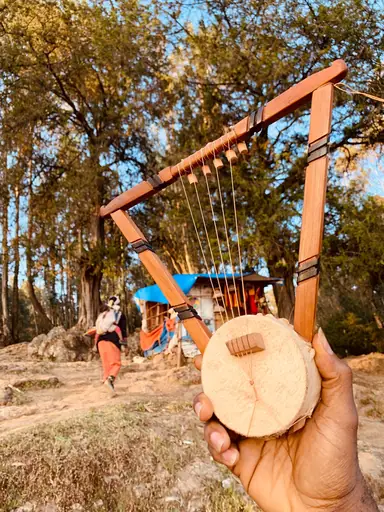
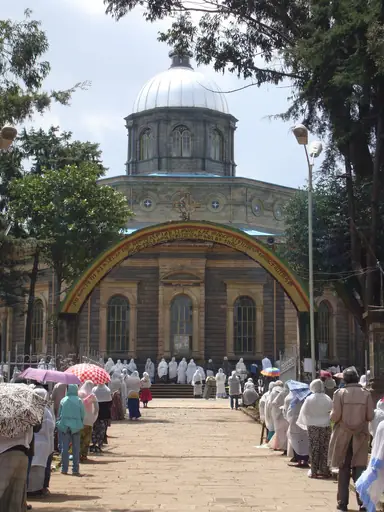
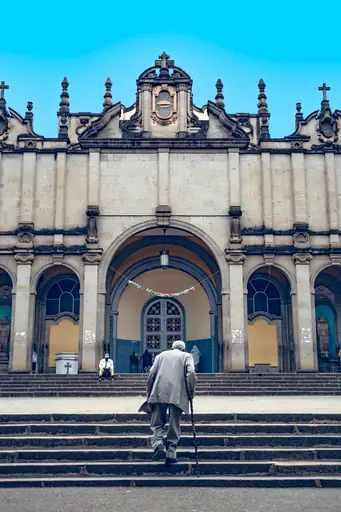
Addis Ababa
Vibrant capital where history meets modernity
Emperor Menelik II founded the city in the late 1880s. It is now the capital of Ethiopia and lies more than 2,300 metres above sea level. Traditional coffee ceremonies are common in homes and cafes, with beans roasted and served in small cups. The National Museum has exhibits on early human fossils and Ethiopian history.
Village in Morocco
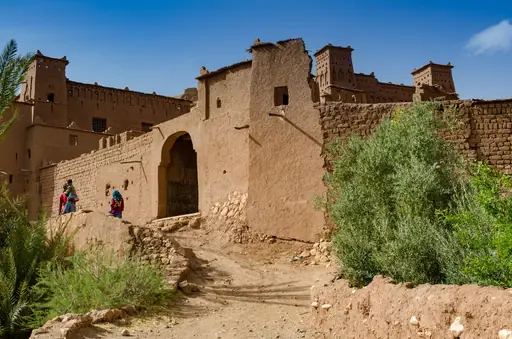
Aït-Benhaddou
Ancient Moroccan Desert Fortress
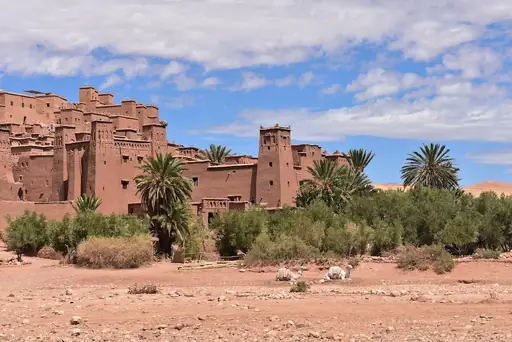
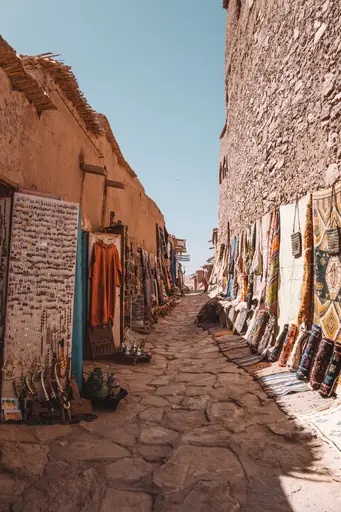
A fortified village of red earth buildings sits on a hillside above a river in southern Morocco. Called a ksar, it lies on an old caravan route from the Sahara towards Marrakech. A few families still live in the houses. UNESCO lists the site. Many films have been shot here.
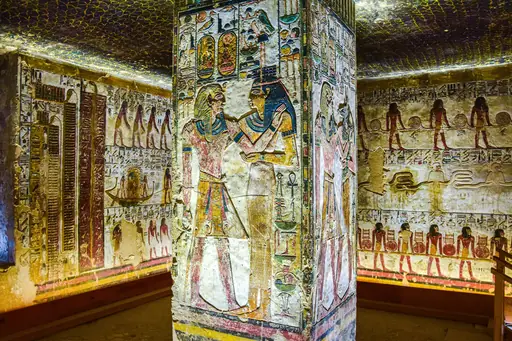
City in Egypt
Luxor
Ancient wonders on the Nile
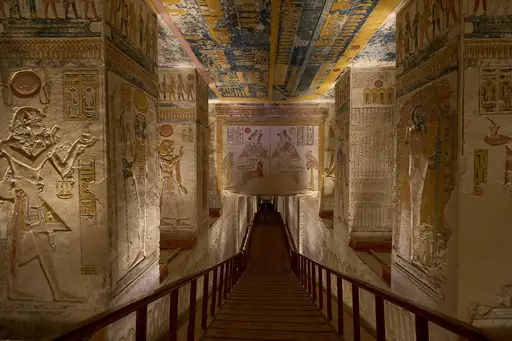
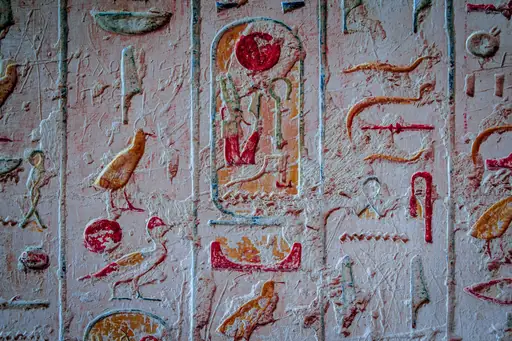
The city stands on the site of ancient Thebes, capital of Egypt during much of the New Kingdom. Karnak and Luxor Temples sit on the east bank of the Nile. The Valley of the Kings and Hatshepsut's temple are on the west bank. Many visitors take a balloon flight at dawn.
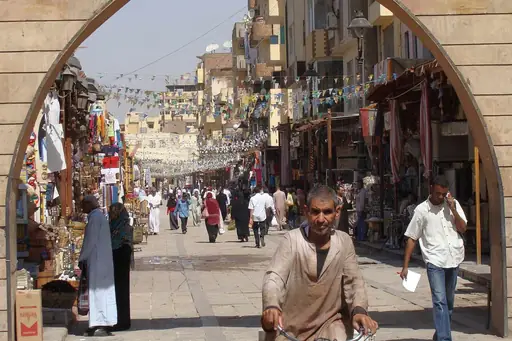
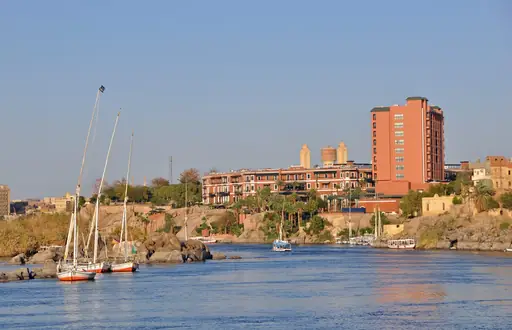

City in Egypt
Aswan
Nile Islands, Nubian Culture, Golden Light
A relaxed city on the Nile in southern Egypt has a quieter feel than Cairo. Feluccas, the traditional sailing boats, carry visitors around the islands and past the botanical garden. Nubian villages nearby are known for colourful houses and local crafts. Philae Temple, dedicated to the goddess Isis, sits on an island.
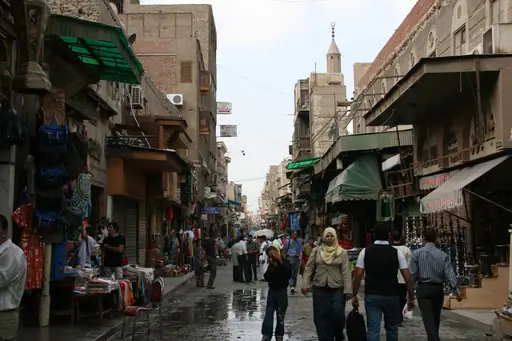
City in Egypt
Cairo
Where ancient history meets bustling life
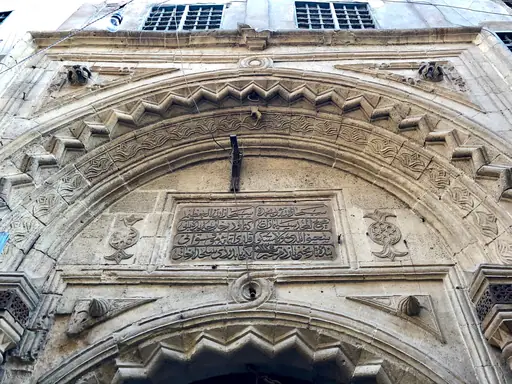
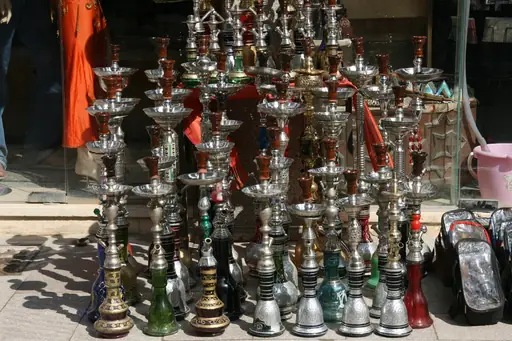
More than 20 million people live in the capital of Egypt and its surrounding areas. The Giza pyramids stand on the western edge of the city. Islamic Cairo has old mosques, narrow streets and the Khan el Khalili bazaar. Many visitors also take a felucca ride on the Nile at sunset.
City in Morocco
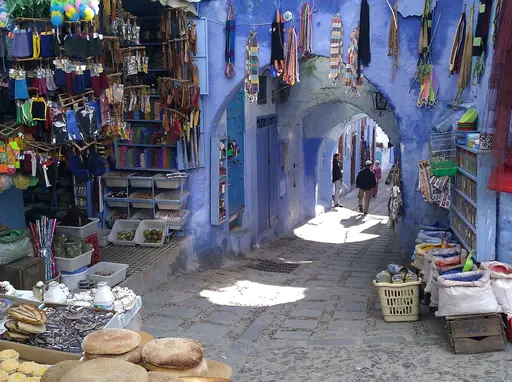
Chefchaouen
Blue Medina, Mountain Views, Calm Vibes
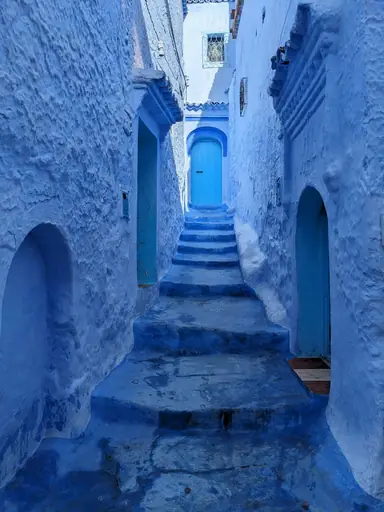
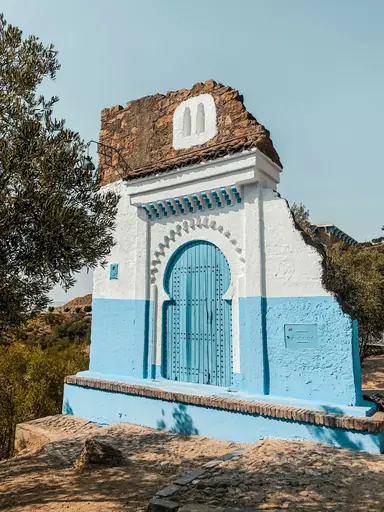
Weather is mild in spring and autumn, which suits walks through the hilly old town in northern Morocco. Many walls, doors and steps are painted in shades of blue. Local weavers sell wool blankets and scarves in small shops. Hiking trails in the nearby Rif mountains lead to waterfalls at Akchour.

City in Morocco
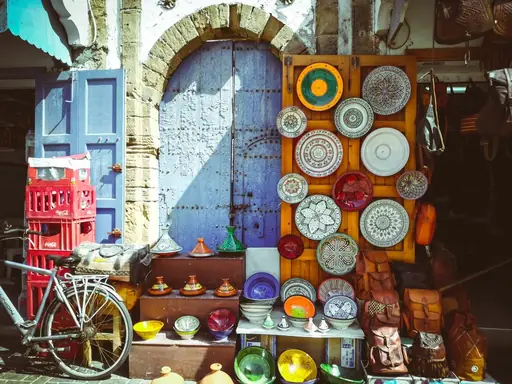
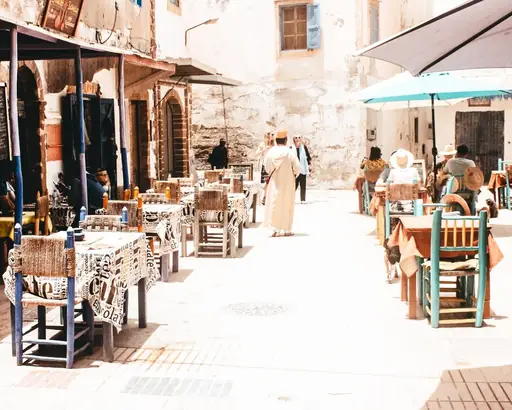
Essaouira
Atlantic Breeze, Blue Medina, Bohemian Vibe
Gnawa music, a spiritual tradition with drums and metal castanets, is part of daily culture in this Moroccan port city. Musicians play in small cafes and at an annual festival, usually in June. The old walled medina is a UNESCO site. Fishermen sell grilled fish at the busy harbour.
Region in South Africa
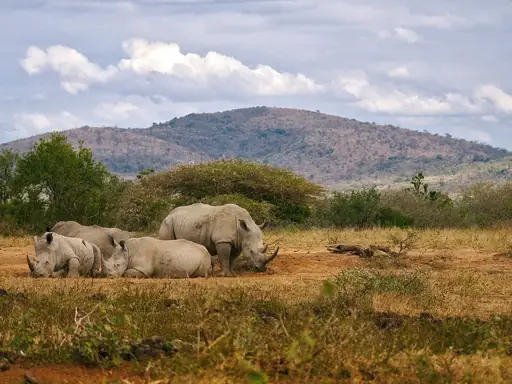
KwaZulu-Natal
Where Wild Beauty Meets Coastal Bliss
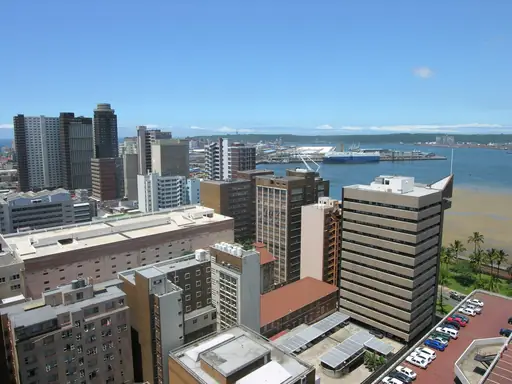
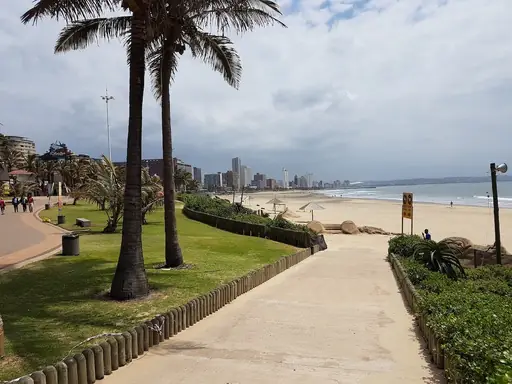
A province on the east coast of South Africa lies between the warm Indian Ocean and the high Drakensberg mountains. It is the heartland of the Zulu people. Cultural villages present dance, beadwork and traditional food. Historic battlefields such as Isandlwana can be visited with local guides.
Nature Reserve in Kenya
Maasai Mara
Endless savannahs echo with wildlife rhythms
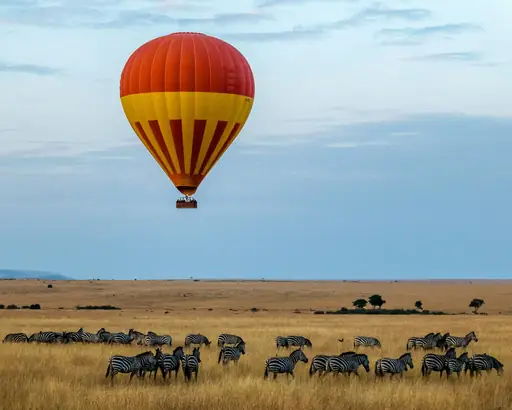
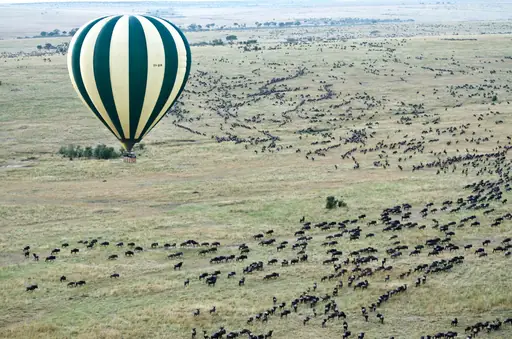
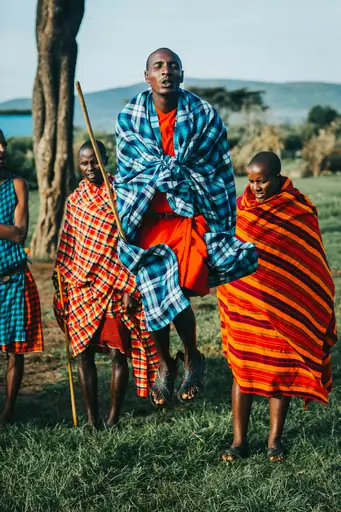
The drier months from July to October are a good time to see wildebeest cross the Mara River. Conservancies around this reserve in southwest Kenya are run with local Maasai communities. Village visits show beadwork, songs and the traditional jumping dance. Maasai guides often lead game drives and bush walks.
City in Morocco
Marrakech
A vibrant maze of colors and spices
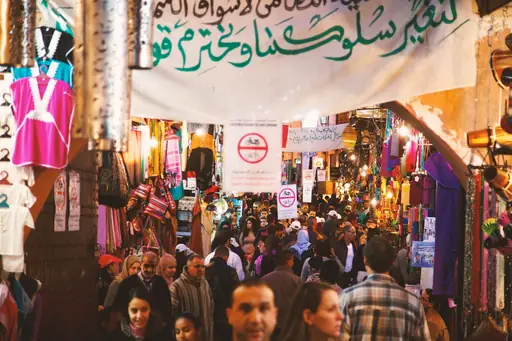
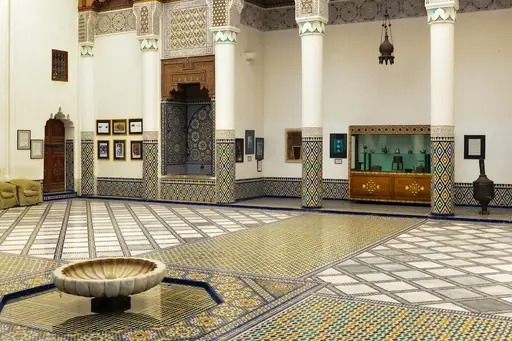
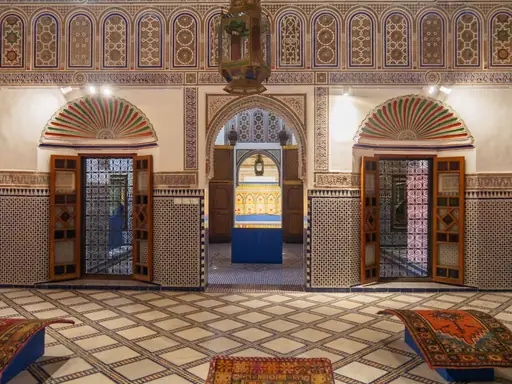
A lively city in central Morocco has an old walled medina with souks selling spices, leather and lanterns. Jemaa el Fnaa square has storytellers, musicians and food stalls in the evening. Traditional riads, which are houses built around courtyards, are used as small hotels. Majorelle Garden is a calm place for a break.
City in Morocco
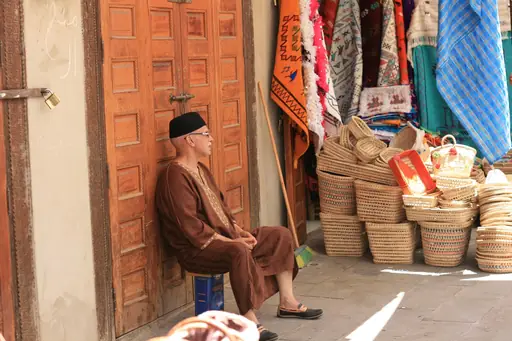
Fez
Labyrinthine Medina, Living Moroccan Heritage
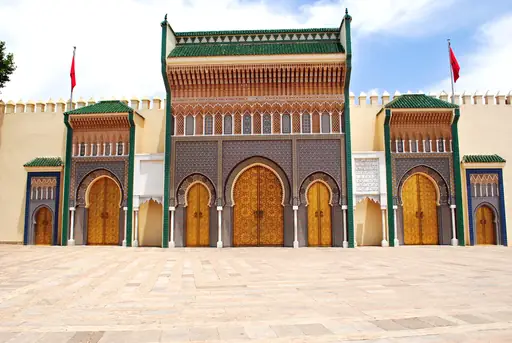
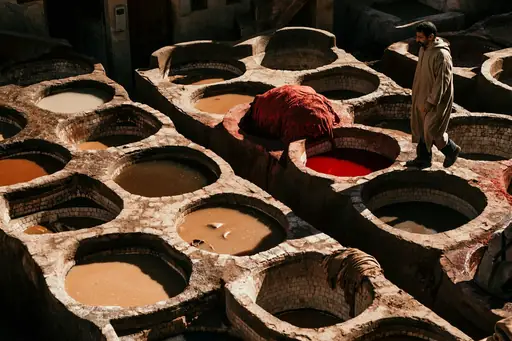
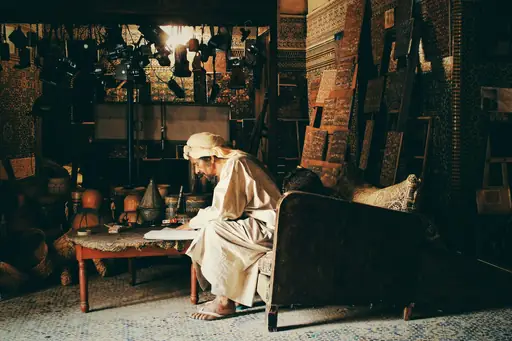
This inland city, founded around the year 800, is more than two centuries older than Marrakech. Its old medina, Fez el Bali, has narrow car free lanes and many craft workshops. Visitors can watch leather being dyed at the Chouara tannery. Al Quaraouiyine, founded in 859, is among the oldest universities still running.
City in Morocco
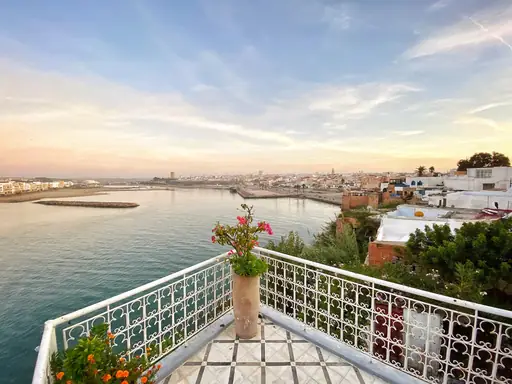
Rabat
A Hidden Gem with Royal Flair
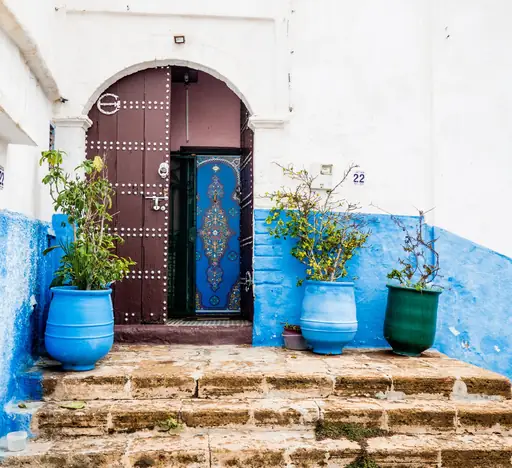
The capital of Morocco is a coastal city that is much smaller than nearby Casablanca. The Kasbah of the Udayas has blue and white lanes and a garden above the river. The Hassan Tower and the royal mausoleum are historic landmarks. The medina is less busy than those in Fez or Marrakech.
Other lists you may like
Discover
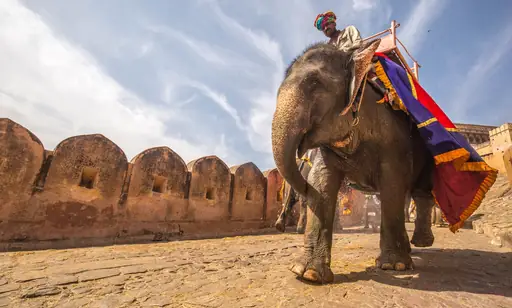
Best traditional destinations in Asia
Asia contains the world's greatest concentration of living traditional cultures, craft traditions and ceremonial practices, with communities across the continent maintaining ways…
Read more
Discover
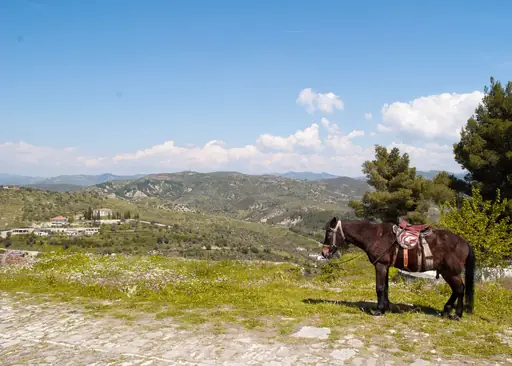
Best traditional destinations in Europe
Europe's traditional destinations are found in the rural fringes and island communities that retained distinct craft traditions, folk cultures and ways of life while the…
Read more
Discover
Best traditional destinations in North America
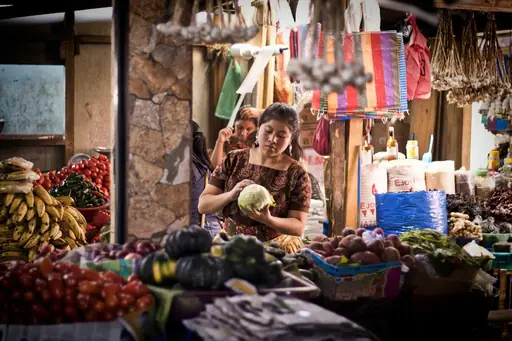
North America's traditional destinations are defined by the indigenous communities, living craft traditions and folk cultures that have maintained distinct practices despite the…
Read more

Discover
Best traditional destinations in Oceania
Oceania's traditional destinations are defined by the indigenous cultures of Australia, New Zealand and the Pacific island groups, where some of the world's oldest continuous…
Read more
Discover
Best traditional destinations in South America
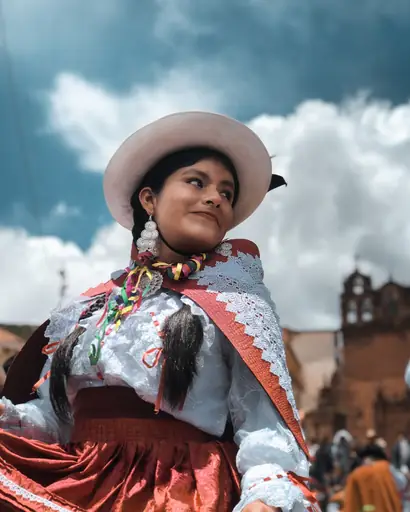
South America's traditional destinations are anchored by the indigenous communities of the Andean highlands, Amazonian basin and Pacific coastal cultures that have maintained…
Read more
Discover
Top traditional destinations and cultural heritage sites
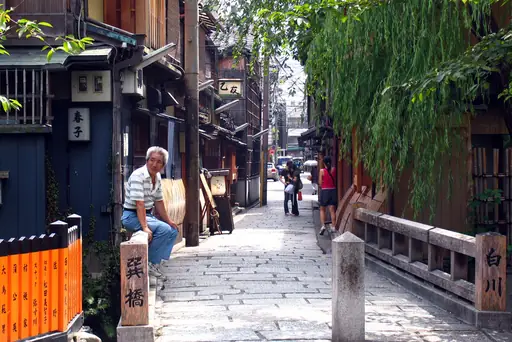
Traditional destinations are those where cultural practices, craftsmanship, ceremony and ways of life that predate industrialisation and mass tourism remain visible and active…
Read more
What other users say about travelfilters
“travelfilters made it easy for me to find ski areas and compare what else they offer, so that I could find the best place for my personal travel style.”

Chris
Snowboarding & Onsen trip to Japan
“I love how transparent the data feels. There is no pushy upsell, just honest information and settings I can tune to my own travel style.”

Maria
After booking her 2027 winter escape
“The level of detail for each destination and how well those are displayed, make planning feel confident instead of overwhelming.”

Mina
Planned a week in New York City
“We used travelfilters for our planning from start to end. The trip turned out even better than expected, thanks to all their tools and customisation options.”

Allan & Etienne
Trip to Japan to see autumn foliage
“Thanks to travelfilters, I found some hidden gems to see. Being able to filter for exactly your interests is a game changer for my travel planning.”

Michael
Tour through the old cities of Northern Italy
“The customizable filters helped me find a quiet beach town with good wifi and low season crowds in under five minutes.”

Diego
Weekend Escape to Llanes, Spain
“The airport connection map saved me hours by showing good flight options from my home airport to lesser-known cities.”

Nguyen
Planning a 2027 trip to France
“The website is clean, fast and focused on the search itself, which makes travelfilters feel more like a professional tool than an ad-heavy booking site.”

Hassan
Christmas Market trip, Germany
