



Africa › Kenya › Maasai Mara

Maasai Mara

Scroll
Endless savannahs echo with wildlife rhythms

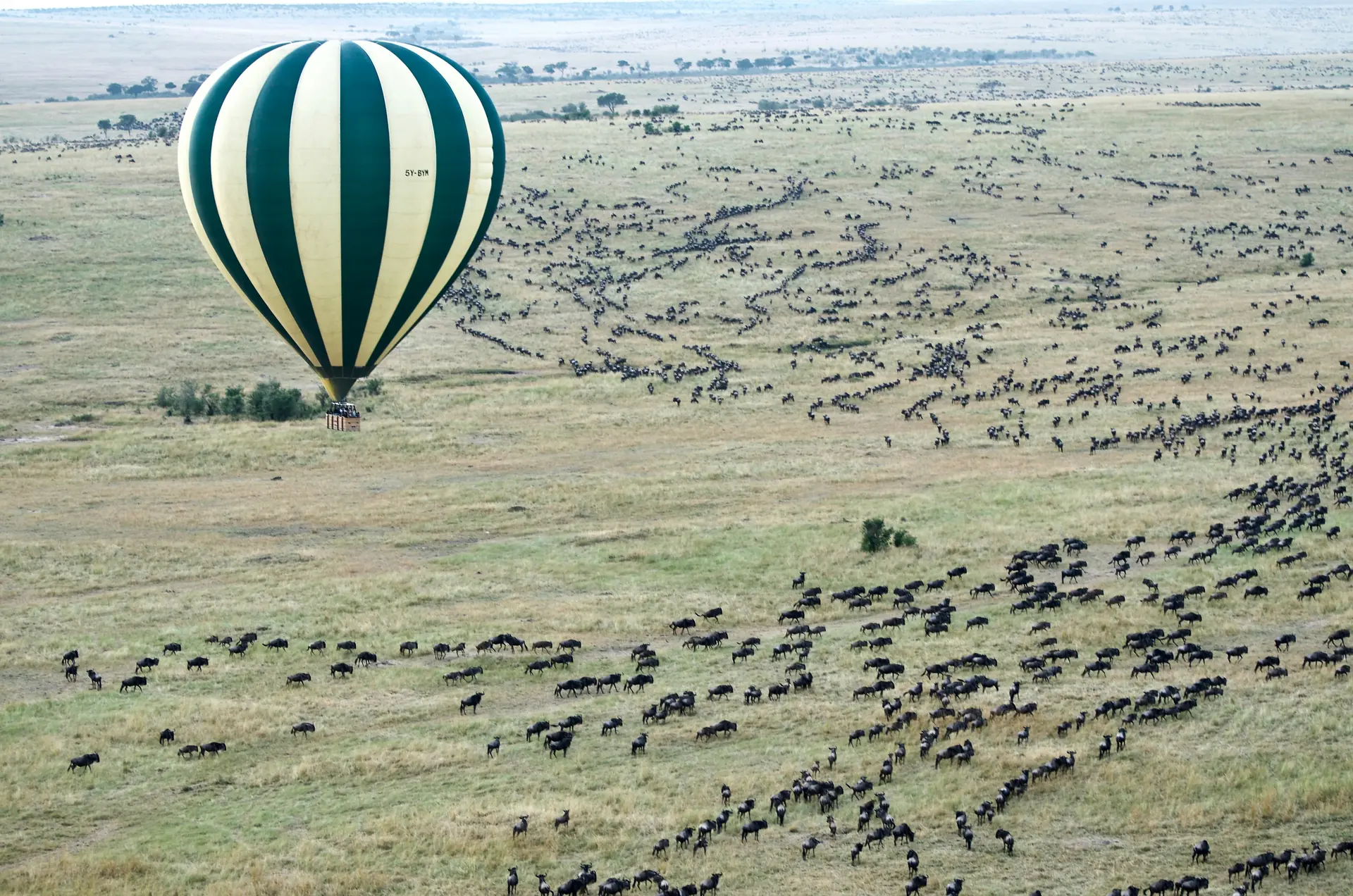
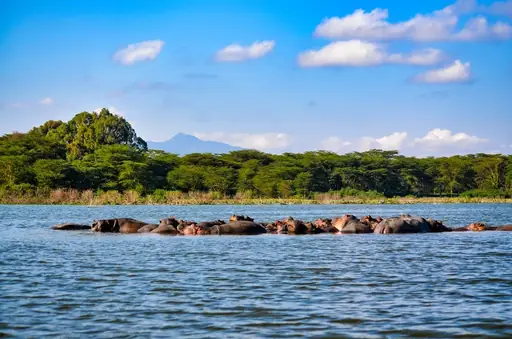
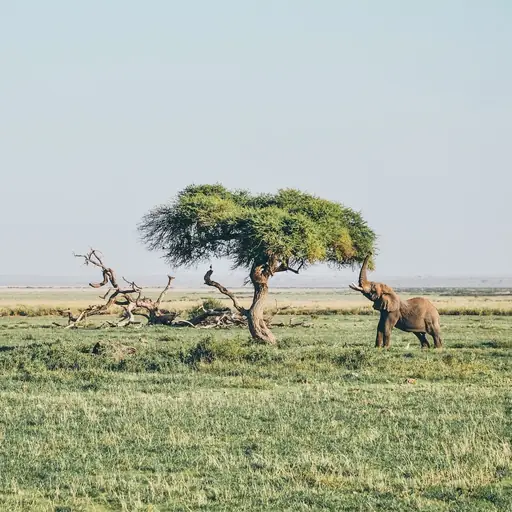
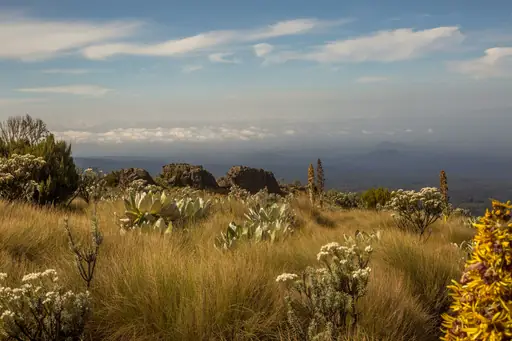
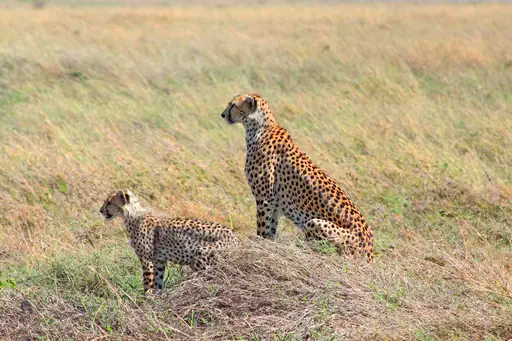
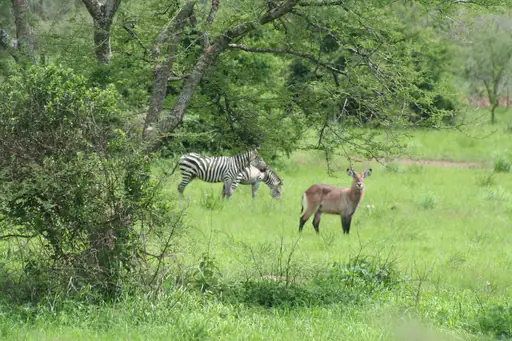
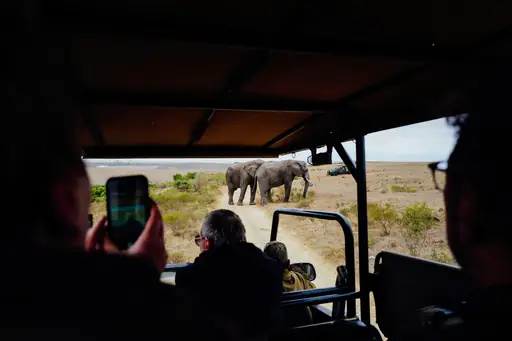
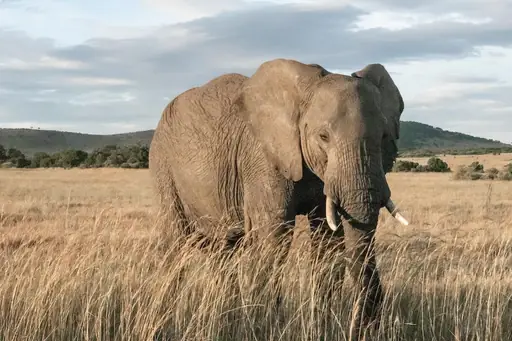
Kenya’s Maasai Mara covers over 1,500 square kilometers of savanna and river valleys in southern Africa. The reserve is home to large herds of wildebeest that migrate each year along ancient routes. Lions, elephants, giraffes and cheetahs roam the plains alongside zebras and many bird species. Visitors can watch wildlife from open-air vehicles or walk with local Maasai guides who share knowledge about plants, animals and traditions. The landscape changes with the seasons, offering different views throughout the year.

Nature Reserve in Kenya
Climate zone: Tropical savanna

Tropical savanna: Tropical climates with distinct wet and dry seasons, warm year-round, featuring grasslands with scattered trees and shrubs.

See climate table
Price level: $$$
$Cheap
$$Medium
$$$Expensive, upscale
$$$+Very expensive, luxury
See price details
Safety: 5.8
General Safety:8
Health & medical:3
Accessibility:3
Tap water:1
Read details
Tourist English: 4/5
In Maasai Mara, most guides and lodge staff speak fluent English, making communication easy for visitors. Local Maasai may know basic English phrases, but a guide bridges cultural nuances smoothly.
Last update: 29 Oct 2026
* We earn a commission from some links on this page.
Maasai Mara Summary

These place ratings give you a quick overview of how well a destination matches different types of trips.

‘Best for’ scores:
The specific interest scores show where this place really shines – whether it's ideal for hiking, food & drink experiences, museums or other activities. These highlights help you understand what makes the destination special at a glance.

‘Your personal’ scores:
This reflects how well a place matches your personal preferences. You can adjust the importances of travel topics or other personal requirements categories in your account settings.

‘Suited for’ badges:
These give you a quick overview of how well a destination suits specific types of travellers, to help you find the places that match your lifestyle, preferences or travel situation.

Read how our scores work
World-renowned for safari and the Great Migration. Watch huge herds of wildebeest, spot lions and cheetahs, enjoy game drives and photograph classic savannah wildlife.
Place score
8.6
Best at:
Wildlife
10
Luxury
9
Natural sites
9
Guided tours
9
Romantic
9
Personal score
?
Log in to see how this place matches your personal travel interests.
Suited for
👶 5
Families
🧓 6
Seniors
❤️ 9
Couples
🛡️ 6
Travel Beginners
Kenya – Quick facts
Power Grid: 240 V, 50 Hz
Plug: Type G
Type G:
Diagram of a Type G power plug

Read about power adapters
Currency: Kenyan Shilling (KES)
£1 ≈ KES 172.94
Cashless info: Rating 5/5
Cashless payments are becoming more widespread in Kenya, particularly in larger cities. Mobile payment services like M-Pesa are extremely popular, while credit cards are also accepted in many places.

Save with a travel credit card
eSIM providers: Best value: Saily
Flexibility: Airalo
Read our in-depth comparison
Tipping: Tipping in Kenya is not mandatory but is common for good service. In restaurants, a 10% tip is typical if service charge is not included. Tipping taxi drivers is appreciated, rounding up the fare.
Public drinking: Public drinking is not allowed in Kenya, and alcohol consumption is restricted to licensed establishments like bars, restaurants, and hotels. Drinking in public spaces is prohibited.
Public smoking: Smoking is prohibited in many indoor public spaces and on public transport. Designated smoking areas are provided in some places.
Mashujaa Day
(20 October)
A national holiday commemorating heroes with public celebrations
Christmas
(25 December)
Celebrated with family gatherings, festivals, and events
Emergency contact: Emergency Number: 999 (Police), 911 (Ambulance)
Taxi apps: Bolt, Uber, Little
Other: Kenya is famous for its wildlife and natural beauty. Travellers should be cautious about health concerns such as malaria and take necessary precautions during safaris.
Best times to travel

The best times to travel section shows how the months compare for a visit, so you can find the time of year that fits what you want to do.

Background colours of the months:
The colour shows the typical temperature: yellow (hot), green (mild) and blue (cold). How strong the colour is shows the travel season: full colour means high season, soft colour means shoulder season and soft-striped means off season.

Weather symbols:
Each month has one symbol showing what the weather is typically like, such as hot and sunny, freezing or a rainy or snowy season. Use them to quickly spot months that match the weather you want, or to avoid the ones that don't.

Crowdedness:
The people icon shows how busy the place usually is. The more people, the more crowded it gets.

Additional notes:
The grey info boxes point out special things worth knowing, like recurring weather issues or seasonal events.

for Maasai Mara, Kenya
☀️
Jan
🔥
Feb
🌦️
Mar
🌦️
Apr
🌦️
May
🌦️
Jun
☀️
Jul
☀️
Aug
☀️
Sep
☀️
Oct
🌦️
Nov
🌦️
Dec
High season: July - Oct.
Shoulder season: Jan. - March, June, Nov. - Dec.
Crowdedness: 8 (Very crowded)
Tap on a month for more info Hover over a month for more info
Great Migration river crossings usually July to October, timing shifts year to year with rainfall
Long rains April to May make some roads impassable, many camps close

Why travel to Maasai Mara?

The Maasai Mara National Reserve offers a distinctive wildlife experience that blends natural beauty with cultural insight. Located in southwestern Kenya, the reserve is part of the larger Serengeti ecosystem and is renowned for its seasonal migrations, which bring millions of wildebeest, zebras and Thomson’s gazelles across the plains. Observing these movements provides an understanding of ecological cycles and predator-prey dynamics that are rarely seen elsewhere. Beyond the iconic migration, visitors can encounter a diverse array of predators – including lions, leopards, cheetahs and hyenas – alongside large herbivores such as elephants, giraffes and buffalo. The reserve’s varied habitats, from open grasslands to acacia woodlands, support this biodiversity and offer multiple viewing opportunities throughout the day. The Maasai people, who have inhabited the region for centuries, maintain traditional lifestyles that coexist with conservation efforts. Guided tours often include visits to Maasai villages, where travelers can learn about local customs, crafts and sustainable practices that help protect the reserve’s environment. For those interested in wildlife observation, ecological education and cultural exchange, the Maasai Mara provides a well-rounded destination. Its established infrastructure – lodges, camps and safari operators – ensures reliable access while supporting responsible tourism initiatives that benefit both visitors and the local community.

Knowledge before you go

  • Arrive early for sunrise game drives; wildlife is most active before noon.
  • Carry a refillable water bottle and sunscreen, as shade is limited in the reserve's open plains.
  • Book your safari through accredited operators to ensure safety protocols and support local conservation efforts.
  • Learn basic Maasai greetings and cultural etiquette; respectful interaction enhances visitor experience and community relations.

How to travel to Maasai Mara

The Maasai Mara National Reserve in Kenya is accessible primarily by road and air. By road, visitors can drive from Nairobi, Kenya’s capital, via the Nairobi–Mombasa Highway to the reserve’s southern gates, a journey of approximately 5–6 hours covering around 350 kilometers. Private vehicles or guided tours are common, with well-maintained roads leading into the reserve. For faster access, charter flights from Nairobi’s Jomo Kenyatta International Airport land at nearby airstrips such as Musiara or Kichwa Tembo, offering scenic aerial views of the savannah. The reserve is also reachable via bus services connecting major towns to its northern boundaries. Entry requires permits and adherence to park regulations.

Access summary

  • From Wilson Airport (NBO): 30‑min taxi to Maasai Mara camp entrance.
  • From Nairobi city center: 4‑hour bus or 45‑min flight to Narok, then 30‑min drive.
  • By chartered safari plane from Nairobi: 1‑hour flight to Mara airstrip.

Where to stay in Maasai Mara

Within the Maasai Mara National Reserve, lodging ranges from rustic campsites to luxury tented lodges, catering to diverse budgets and preferences. The area is renowned for its open‑air safari tents that blend comfort with authenticity, offering panoramic views of the savannah and wildlife. Budget travelers often choose community‑run campsites or self‑contained campsites, where basic amenities are provided at modest rates. Mid‑range options include semi‑permanent lodges featuring shared dining areas and communal fire pits, striking a balance between affordability and convenience. For those seeking premium experiences, exclusive tented resorts offer private butler service, gourmet meals and guided night safaris, all while maintaining the reserve’s natural ambiance.

Hotel recommendations

*by rating and popularity. Commissions have no influence on the rankings.
We couldn't find any nearby hotels for now.

How to get around Maasai Mara

Getting around Maasai Mara is best done via safari vehicles, which offer the most immersive experience through the reserve’s vast savannahs. Most visitors join guided tours from lodges or camps, as self-driving is permitted but requires a 4x4 vehicle and familiarity with local roads. Public minibuses connect major towns like Nairobi to nearby gates, while shared shuttles provide affordable group transport within the region. For greater flexibility, charter flights are available between Nairobi and Mara’s airstrips, ideal for covering large distances quickly. Walking safaris or cycling tours offer slower-paced exploration but require experienced guides due to wildlife encounters. Always prioritize licensed operators for safety and environmental responsibility.
Budget snapshot
Costs compared to home

We calculate the average costs when travelling to destinations and compare those with the living costs at your home. With this you can get an estimate of how expensive or cheap the destination is for you.

To customise this, you can set up which location and price level are used for the calculations in your account settings.

-64 %
Daily expenses in the region are around 64% lower than the average across United States. That means you'll spend a lot less on meals and getting around.
Exchange rate trend

The exchange rate price factor shows how expensive or cheap a currency currently is compared to its historical average. It's a quick way to see if a country is currently more or less affordable due to exchange rate changes.

-7 %
Your exchange rate (GBP to KES) is 7% better than in recent years. That means travelling now is cheaper compared to the past.

Travel costs (Data for Kisumu, Kenya - 159 km away)

To help you plan your trip, we provide estimated daily costs per person (when travelling as a pair) for different travel styles. These numbers give you an idea of what you might spend each day at this destination, including accommodation, food, transport and activities.

Additionally, we also provide average hotel costs for different travel styles to give you an estimate for the accommodation only.

Please note that these are only estimates. The real costs depend on booking times, season and other factors.

Daily cost summary

Travel style categories explained:

Backpacker:
Staying in hostels or budget hotels, cooking your own meals or eating cheap and choosing low-cost activities.

Mid-range:
Staying in mid-range hotels, eating at a mix of restaurants and casual spots and enjoying a variety of activities.

Luxury:
Staying in luxury hotels, dining out at high-end restaurants and enjoying premium experiences without worrying about the price.

Backpacker Mid-range Luxury
💵 Total costs per day, including accommodation
£46
£103
£275
🏨 Accommodation per night, per person
£30
£75
£188
🍝 Food per day
£13
£22
£66
🚕 Transportation per day
£3
£5
£21
Notable additional fees: US$100 (£75.11) per non-resident adult per day Jan–Jun, US$200 (£150.23) Jul–Dec. Tickets last 12h if you sleep outside the reserve, 24h if inside. The surrounding private conservancies set their own, often lower, fees.
Food & Drink
🍽️ Restaurant Dinner, per person
£8
🍛 Lunch Set, per person
£3
🍟 Fast food combo
£5
🍝 Preparing your own food, per day
£4.40
☕ Cappuccino
£1.70
🍺 Beer in a restaurant, 0.5 l
£1.40
Transportation
🚌 Public transport ticket
£0.60
🚕 Taxi Ride, 10 km / 6 mi
£13
⛽ Petrol, 1 l
£1.05
Other
🎞️ Cinema ticket
£6
👩‍⚕️ Doctor's consult
£17
🤧 Cold medication
£1.90
💇 Basic haircut
£1.60

Safety information overview

General safety
8
The Maasai Mara offers a generally safe environment for travelers, with well‑staffed lodges and reliable guides. Petty theft is rare when staying in established camps; avoid isolated areas at night. Follow local advice, keep valuables secure and respect wildlife regulations.
Health & Medical
3
Kenya’s Maasai Mara offers excellent medical support with well‑equipped regional hospitals and mobile clinics, especially in tourism hubs. Travelers should stay hydrated, use malaria prophylaxis, avoid unfiltered water and be aware of limited emergency services in remote areas.
Accessi­bility
3
Maasai Mara offers limited accessibility: paved roads and wheelchair-friendly lodges are scarce, but many camps provide basic ramps. Guided safari vehicles can accommodate mobility aids, yet uneven terrain and long walks may challenge visitors with severe disabilities. Advance planning is essential.
Tap water
1
Tap water in Kenya’s Maasai Mara is generally unsafe for drinking due to bacterial contamination and inconsistent treatment. Visitors should rely on bottled or filtered water. Public refill stations are rare; many lodges provide purified water.

Looking for inspiration?

Discover
Best wildlife destinations in Africa
Africa remains the benchmark for wildlife encounters worldwide. The scale of large mammal populations in the continent's best protected areas, the quality of the savanna ecosystems…
Read more
Discover
Best destinations to visit in October in Africa
October brings some of the hottest, driest conditions of the year to parts of East and Southern Africa, right before the rains return. Southern safari regions reach peak dry…
Read more
Discover
Best destinations for first-time travelers in Africa
Africa can feel like a bigger step for a first trip abroad, with more planning and a longer flight than some other options, though it still makes a memorable start with the right…
Read more
Discover
Best traditional destinations in Africa
Africa's traditional destinations encompass some of the world's most diverse and ancient living cultures, craft traditions and ceremonial practices, with communities across the…
Read more
Discover
Best destinations to visit in July in Africa
July counts among the best months of the year for East African safaris, even as other parts of the continent settle into a quieter, wetter season. The wildebeest migration often…
Read more
Discover
Top traditional destinations and cultural heritage sites
Traditional destinations are those where cultural practices, craftsmanship, ceremony and ways of life that predate industrialisation and mass tourism remain visible and active…
Read more
Discover
Best couple vacation destinations in Africa
For couples, Africa offers something that is getting rare in modern travel, the sense of experiencing something genuinely extraordinary together rather than ticking off sights you…
Read more
Discover
Best couple holiday destinations
Travelling as a couple sounds simple enough, yet the best couple holiday destinations mean something different to almost every pair. What feels romantic to one couple can feel like…
Read more
Discover
Best family friendly destinations in Africa
A family trip to Africa can feel like something else entirely, with wildlife encounters and landscapes that are hard to match anywhere else. It also takes more planning than usual,…
Read more
Discover
Best destinations to visit in December in Africa
December brings real contrast across Africa, with parts of the continent deep in wet season green while others hit their busiest, driest month of the year. East Africa's short…
Read more
Discover
Best travel destinations for seniors in Africa
Africa has become steadily more accessible for older travelers, with more lodges and tour operators now set up to make a safari more comfortable than it used to be. Many safari…
Read more
Discover
Best destinations to visit in August in Africa
August remains one of the strongest months for East African safaris, with dry conditions and active wildlife holding steady from July. The wildebeest migration is often still…
Read more
Discover
Extraordinary natural wonders and scenic landscapes
Natural wonders occupy a different category from other travel destinations. They are places where the scale, the geology, the light or the sheer improbability of what exists there…
Read more
Discover
Amazing wildlife encounters and natural habitats
Wildlife encounters of real quality are becoming rarer and finding them requires more intention than it once did. The destinations that still offer genuine, undisturbed wildlife in…
Read more
Discover
Best natural wonder destinations in Africa
Africa's natural wonders are as varied as the continent itself, shaped by ancient geology, vast tectonic forces and climatic extremes that have produced landscapes of extraordinary…
Read more
Was this page helpful?
Feedback