
Best natural wonder destinations in Africa
Best natural wonder destinations in Africa
Imposing geological formations and natural landscapes in Africa
Africa's natural wonders are as varied as the continent itself, shaped by ancient geology, vast tectonic forces and climatic extremes that have produced landscapes of extraordinary scale and drama. From vast rift valley systems and ancient desert formations to enormous waterfall systems and vast salt pan landscapes, the continent holds natural phenomena that have no equivalent anywhere else on earth.
Many of Africa's most remarkable natural sites are also among its most important wildlife habitats, adding a biological dimension to landscapes that are already extraordinary on purely geological terms. Ancient lake systems, vast floodplains and desert ecosystems of great ecological complexity sit alongside more purely geological wonders in a continent where nature operates at a scale that consistently defies expectation.
Access and seasonality vary significantly across such a large continent. Some of Africa's great natural wonders are well set up for visitors with reliable infrastructure. Others require more planning and a greater tolerance for logistical complexity. Seasonal flooding, extreme heat and remote locations all factor into the planning of a visit and are worth researching carefully before committing to a specific destination and time of year.
Lists by region
National Park in Zimbabwe
Hwange National Park
Elephant Herds and Wild Horizons
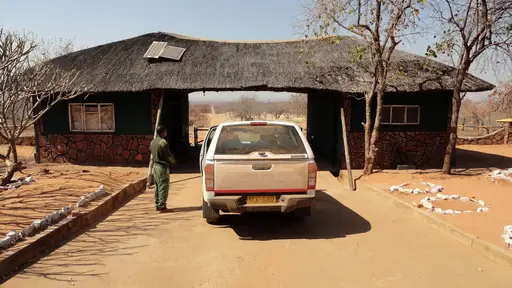
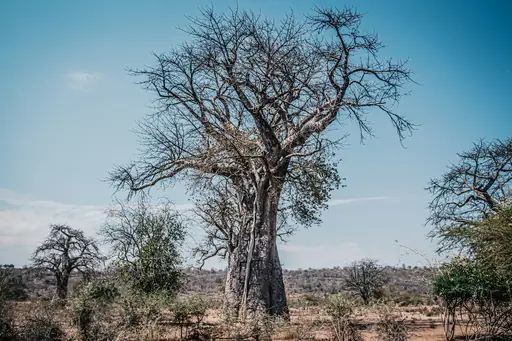
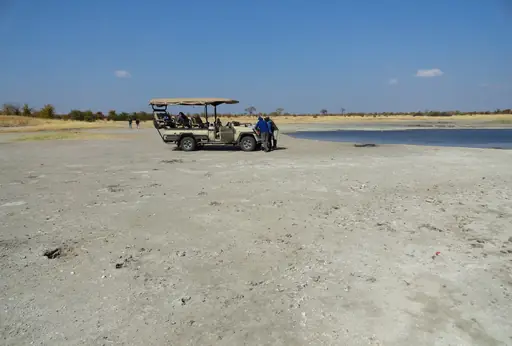
Hwange National Park in Zimbabwe holds one of the largest elephant populations in Africa. Waterholes in the dry season draw herds by the hundreds. Lions, buffalo and wild dogs also roam the reserve. Platforms and hides give visitors a quiet close view of the animals.
National Park in Ethiopia
Simien National Park
Jagged peaks of ancient wilderness
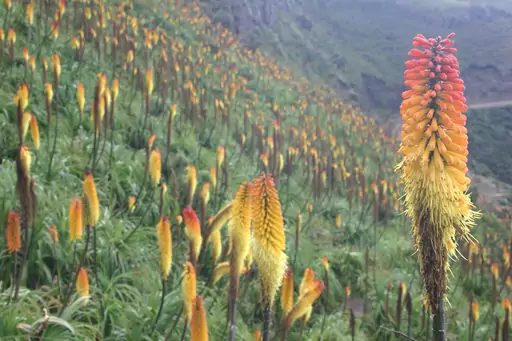
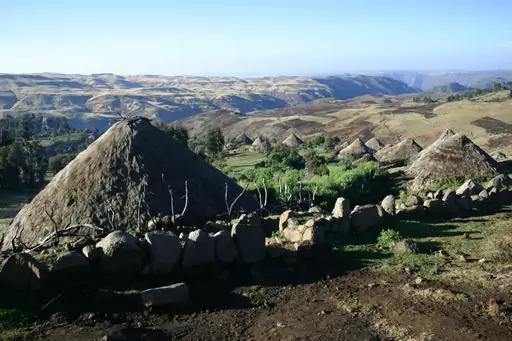
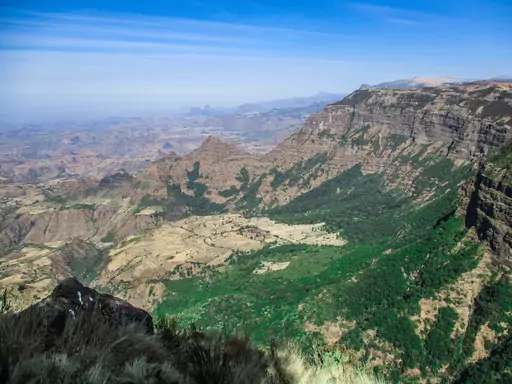
Simien Mountains National Park has dramatic cliffs that fall more than 1,500 metres to the valleys. Gelada baboons graze on the grassy plateaus in large troops. Ras Dashen reaches 4,550 metres and is the highest peak in Ethiopia. Rare Walia ibex can be seen on the ledges.
National Park
Kgalagadi Transfrontier Park
Where predators rule the Kalahari
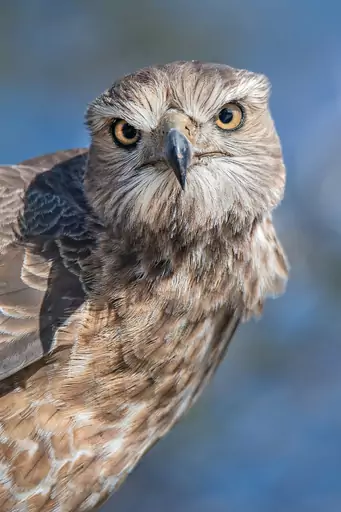
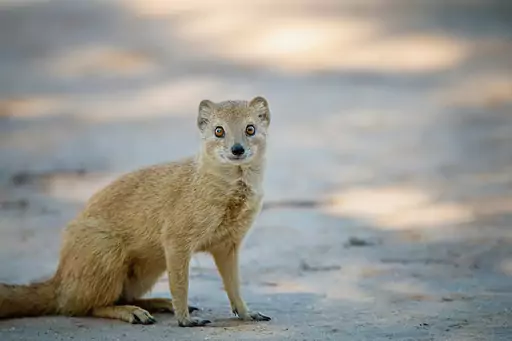
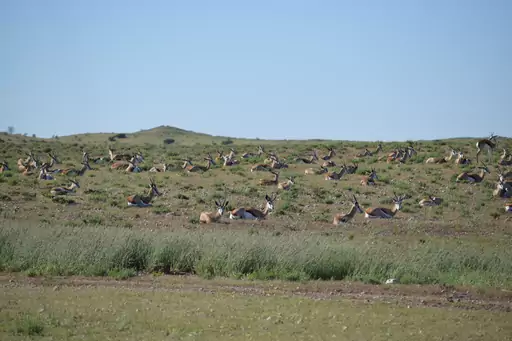
Kgalagadi Transfrontier Park lies across South Africa and Botswana in the red dunes of the Kalahari. Dry riverbeds run through the sand and draw animals to their banks. Black maned lions and cheetahs hunt on the open plains. Meerkats stand guard near their burrows in the morning sun each day.
Island in Seychelles
Mahé
Tropical Paradise with a Wild Side
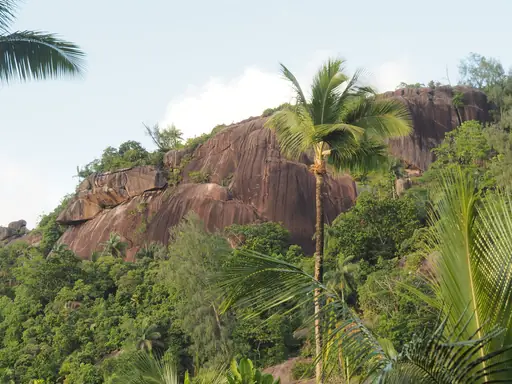
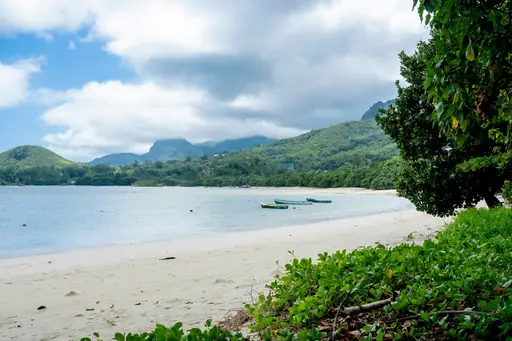
Morne Seychellois National Park covers the mountainous interior of Mahé with dense tropical forest. Trails climb to granite peaks above 900 metres. Hikers see pitcher plants and rare birds along the paths. Clouds drift across the ridges and sometimes reveal sea views far below the trail.
Nature Reserve in Kenya
Maasai Mara
Endless savannahs echo with wildlife rhythms
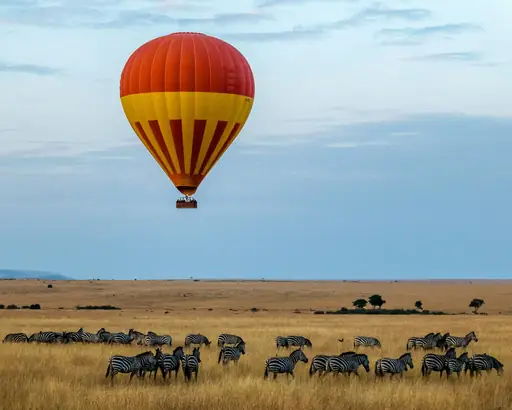
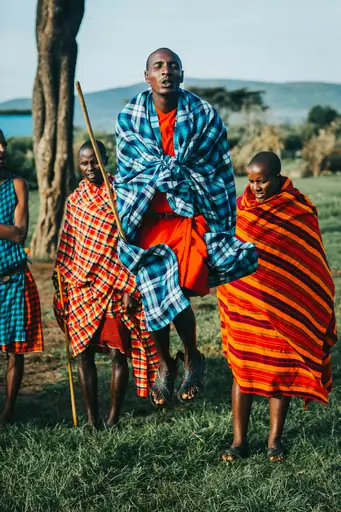
Maasai Mara has a dense population of lions, leopards and cheetahs. Large predators hunt across the open grassland all year round. Hot air balloon flights float over the wide plains at sunrise. Maasai villages near the reserve welcome visitors for cultural visits and guided walks.
Country
Lesotho
Mountain kingdom in the sky
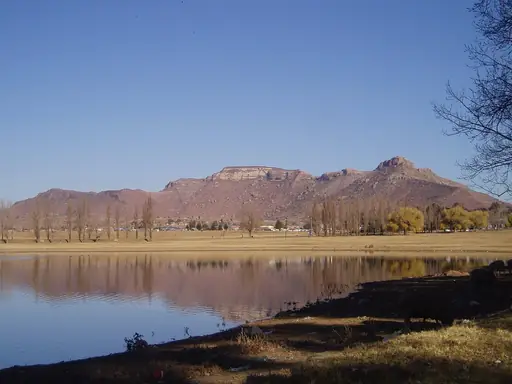
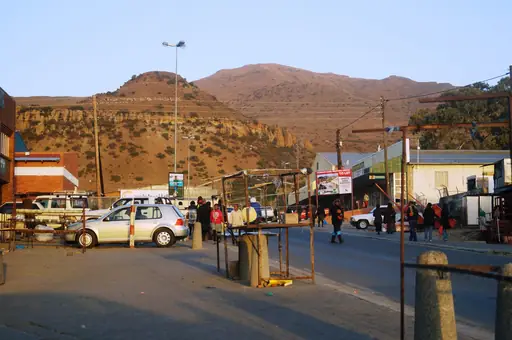
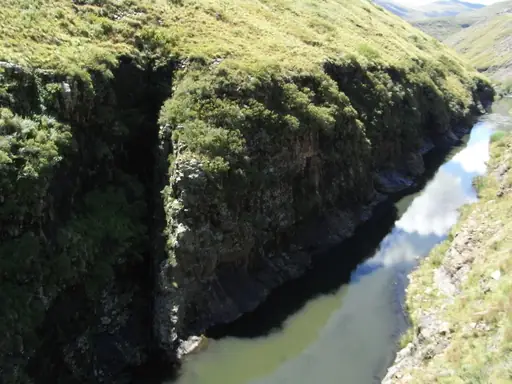
Maletsunyane Falls in Lesotho drops 192 metres into a deep basalt gorge. A trail leads to viewpoints on the rim near the town of Semonkong. Adventurers can abseil down the cliff beside the falls with a local guide. The kingdom sits high in the mountains above the clouds.
Town in Zimbabwe
Victoria Falls
The Smoke That Thunders
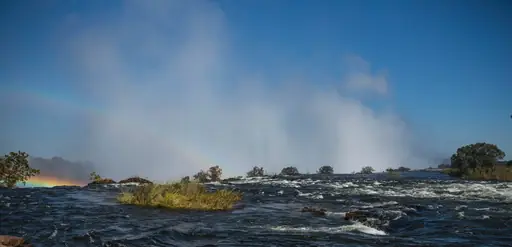
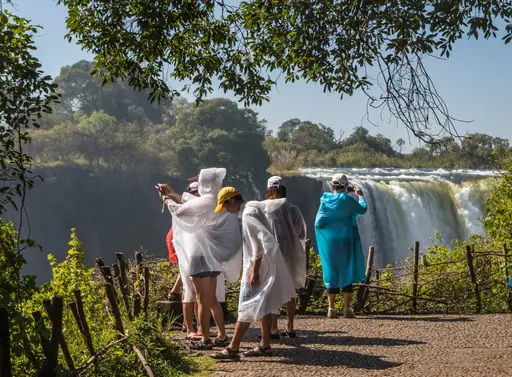
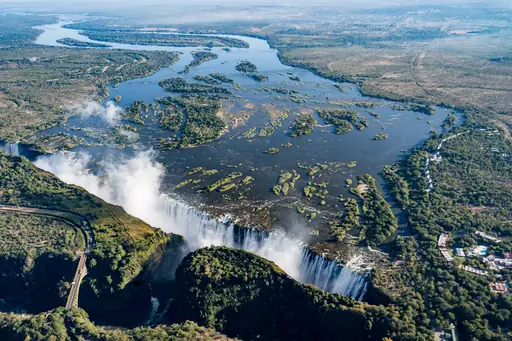
Victoria Falls is a curtain of water more than 1.7 kilometres wide and 108 metres high on the Zambezi River. Locals call it Mosi oa Tunya which means the smoke that thunders. Spray rises high above the gorge and forms rainbows. Trails lead to viewpoints on the Zimbabwe side.
National Park in Namibia
Sossusvlei
Towering red dunes meet white clay
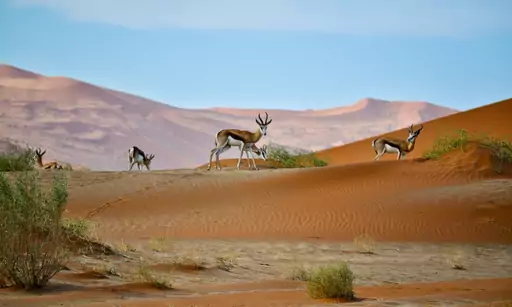
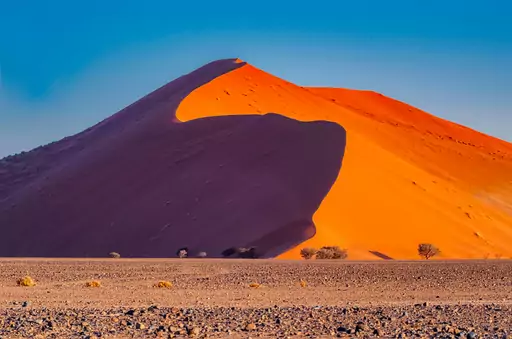
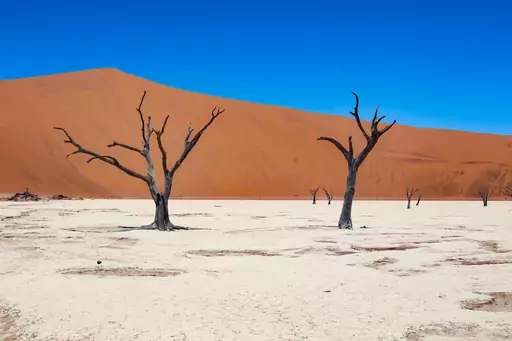
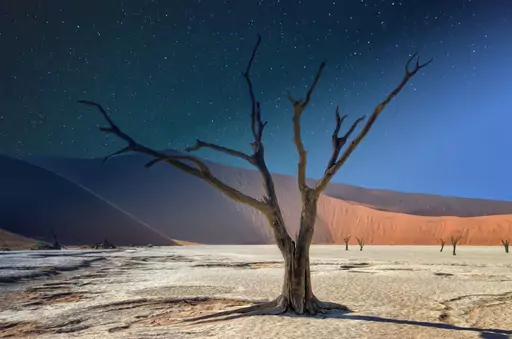
Big Daddy dune at Sossusvlei rises about 325 metres and glows red in the morning light. Hikers climb its crest for a view over a sea of sand. Nearby Deadvlei holds dead camel thorn trees about 900 years old. The white clay pan makes a sharp contrast.
Outer Territory in United Kingdom
Saint Helena, Ascension and Tristan da Cunha
Remote volcanic islands with history
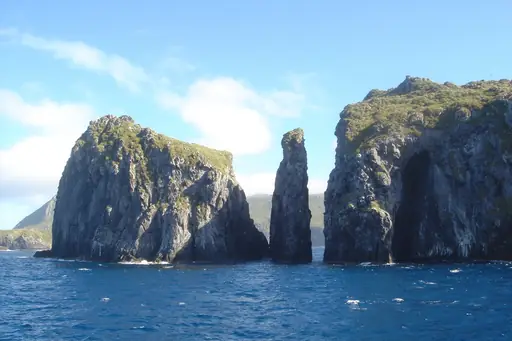
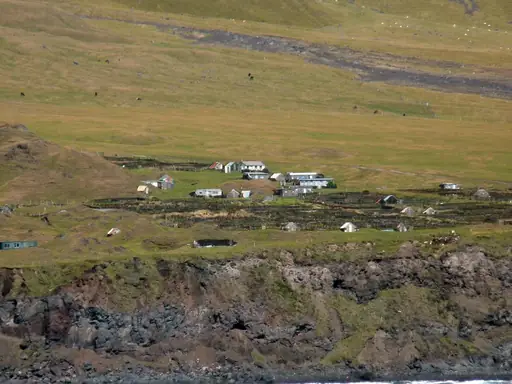
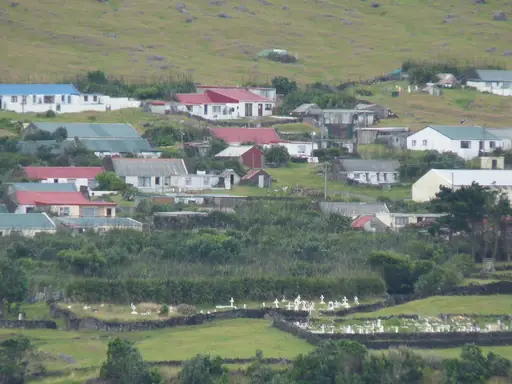
Diana's Peak on Saint Helena is the island's highest point at 823 metres. A path climbs through cloud forest of rare tree ferns found only here. Hikers may spot endemic birds and insects in the mist. Views open across the deep green valleys to the South Atlantic Ocean.
National Park in Zambia
South Luangwa National Park
Walking Safaris and Wild Encounters
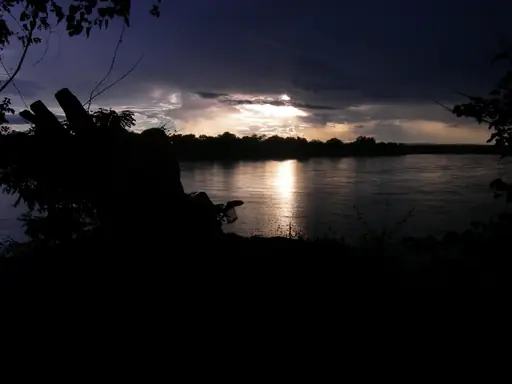
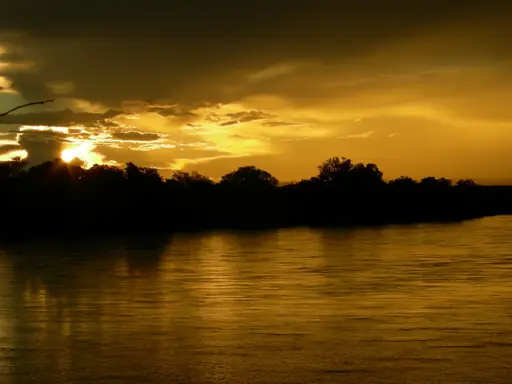
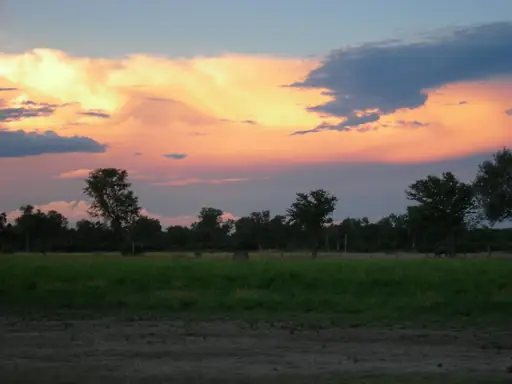
South Luangwa National Park is known as the home of the walking safari. Guides lead small groups along the Luangwa River on foot. Leopards, hippos and elephants live around oxbow lagoons and river bends. The park is quiet and has fewer visitors than many other reserves.
City in South Africa
Cape Town
Mountains, Beaches and a Vibrant Culture
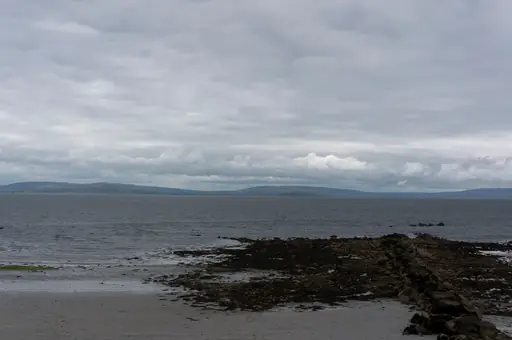
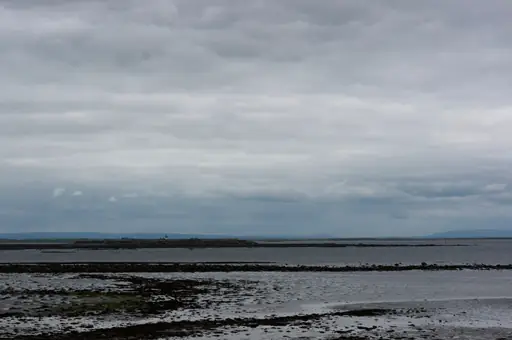
African penguins waddle across the white sand at Boulders Beach on the Cape Peninsula near Cape Town. Colonies breed among granite boulders in sheltered coves. Visitors can watch them from wooden walkways or swim nearby. Cape Point rises from the sea a short drive farther south.
Island in Seychelles
La Digue
Secluded island with dream beaches
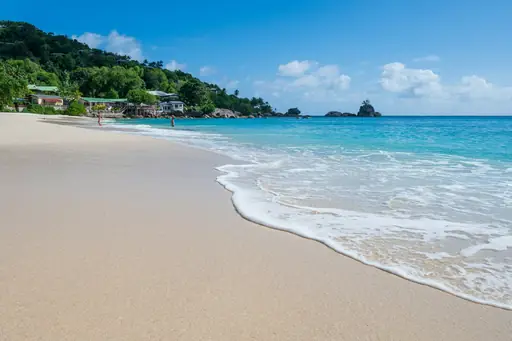
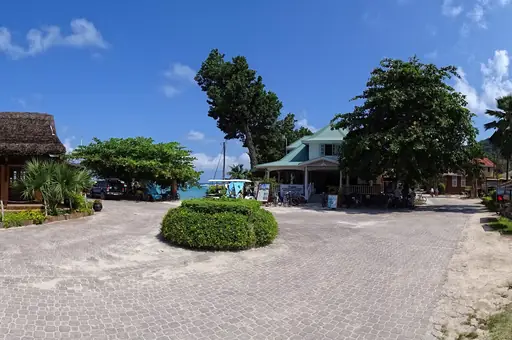
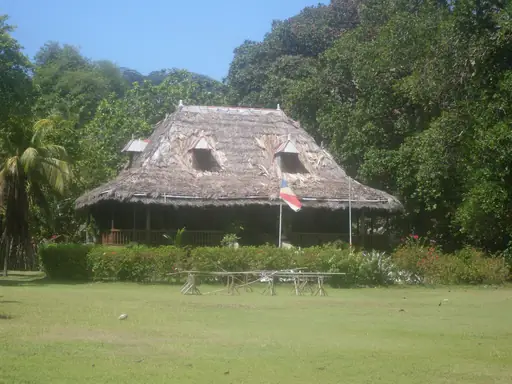
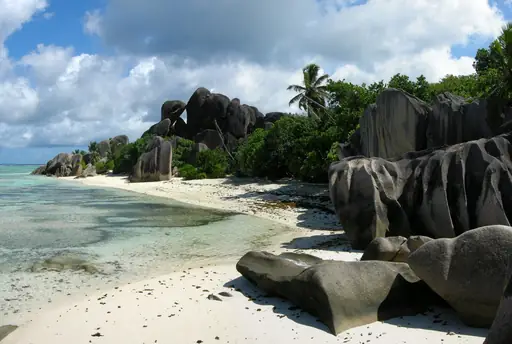
Anse Source d'Argent on La Digue is lined with giant pink granite boulders. Shallow turquoise water in the bay washes over powdery white sand. Visitors reach the beach by bicycle through a coconut plantation. Low tide reveals calm shallow pools that are good for swimming and photos.

Country
São Tomé and Príncipe
Equatorial paradise with volcanic landscapes
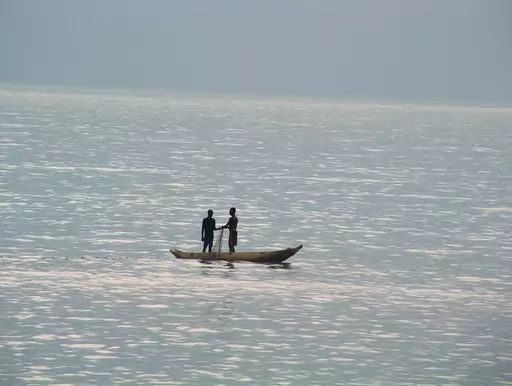
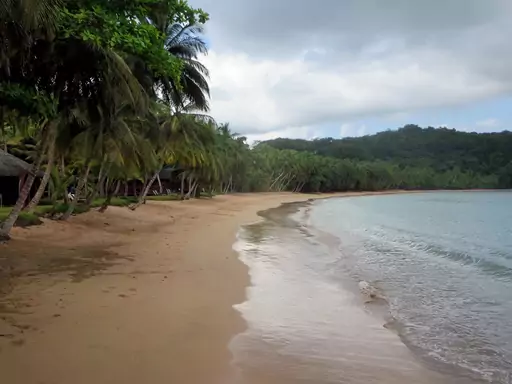
Pico Cão Grande is a needle of volcanic rock rising about 663 metres above the rainforest of São Tomé. The rock is an old volcanic plug left behind after softer material eroded away. Trails wind through cocoa farms and jungle to viewpoints. Its sheer sides attract skilled climbers.
Nature Reserve in Tanzania
Ngorongoro Conservation Area
Nature's Untamed Sanctuary
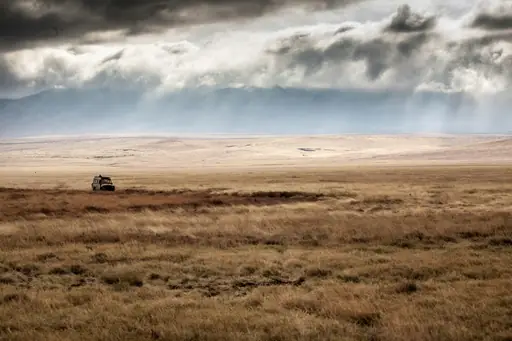
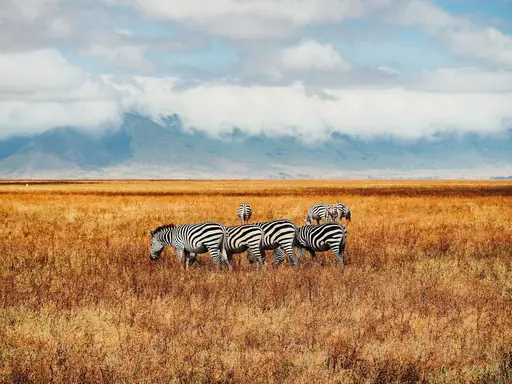
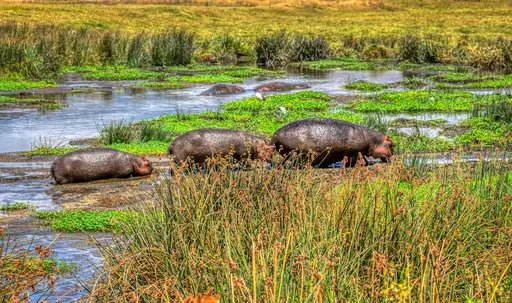
Ngorongoro Crater is a collapsed volcano about 19 kilometres wide with walls rising 600 metres. Around 25,000 large animals live on the crater floor. Black rhinos, lions and flamingos share the same grasslands and soda lake. Jeeps descend a steep road from the rim at dawn.
Country
Madagascar
Unique biodiversity meets diverse landscapes
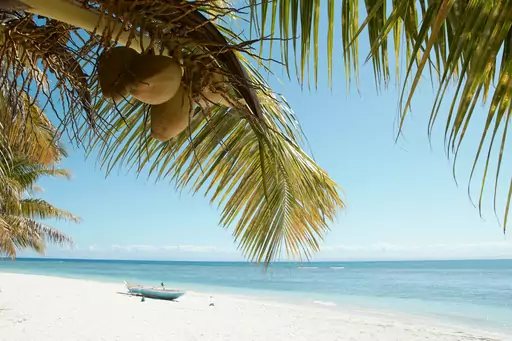
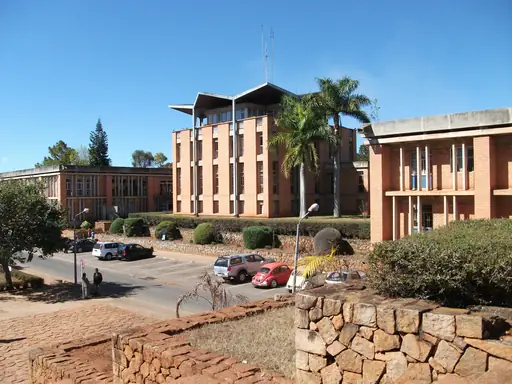
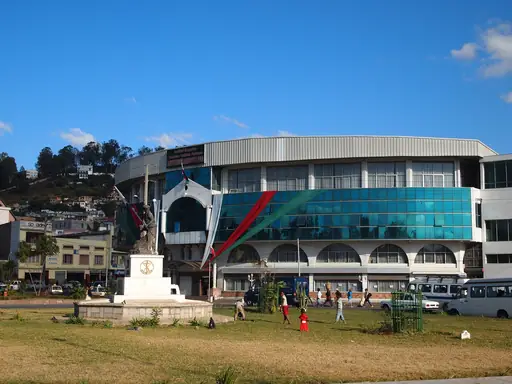
The Avenue of the Baobabs near Morondava is a dirt road lined with giant baobab trees. Some of the trees are 800 years old and rise about 30 metres tall. The trunks glow red at sunrise and sunset. Local children and carts often pass beneath them.
National Park in South Africa
Kruger National Park
Where Africa's Big Five Roam Free
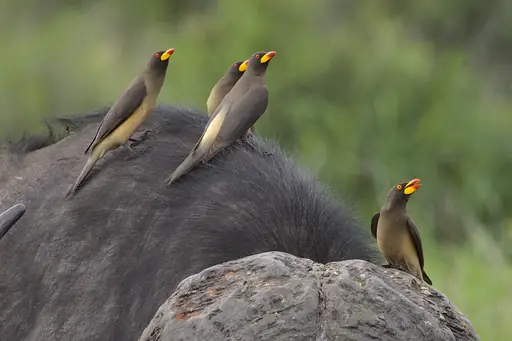
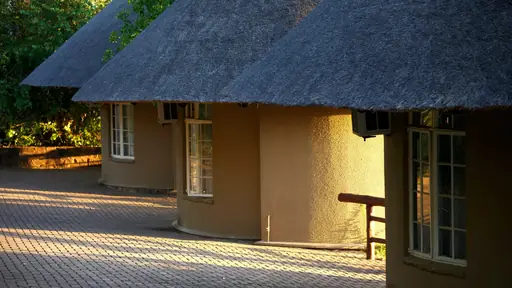
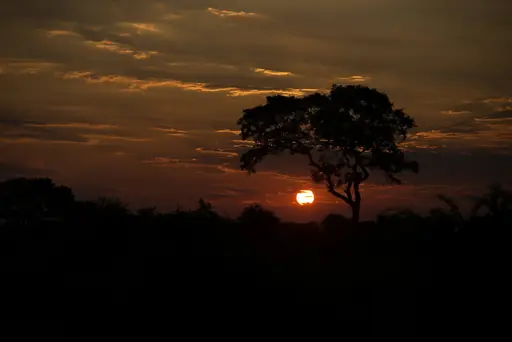
Kruger National Park covers nearly two million hectares of savannah in northeastern South Africa. Lions, leopards, rhinos, elephants and buffalo all live in the park. Visitors drive self guided routes or join ranger led game drives. Sunrise brings a strong chance to see predators on the move.
National Park in Namibia
Etosha National Park
Namibia's Wildlife Sanctuary
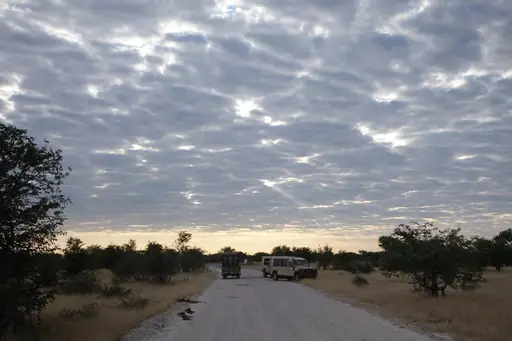
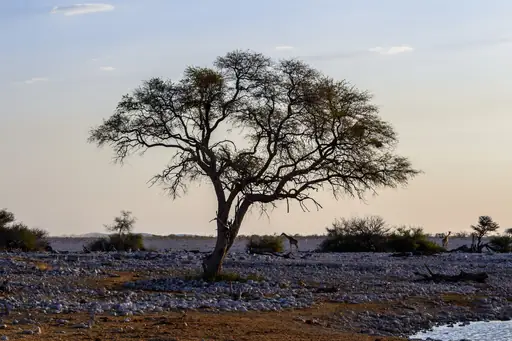
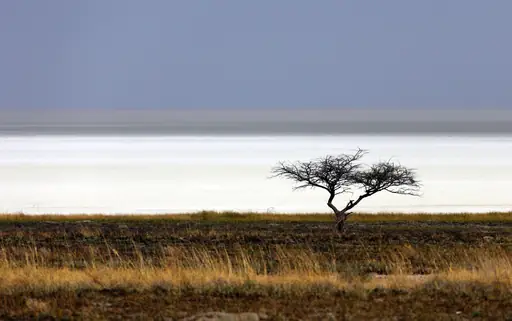
The Etosha Pan is a vast salt flat so large it can be seen from space. Its white surface shimmers in the heat and sometimes fills with shallow water. Floodlit waterholes at Okaukuejo camp draw rhinos and elephants at night. Visitors watch quietly from benches at the fence.
National Park in Uganda
Bwindi Impenetrable National Park
Gorilla Encounters in Ancient Forest
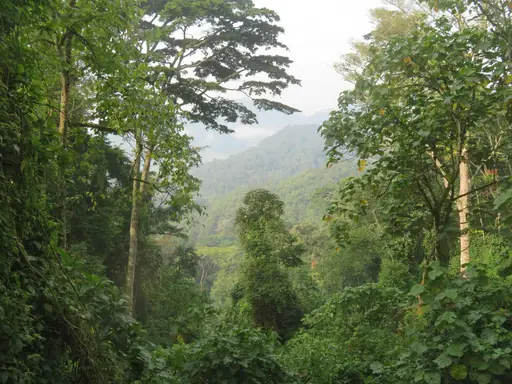
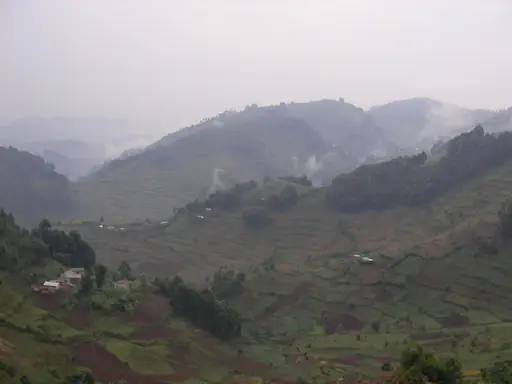
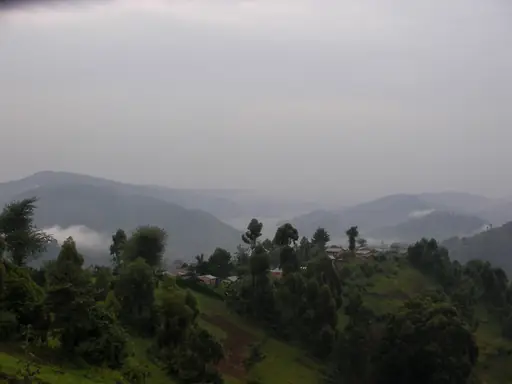
Bwindi Impenetrable Forest is an ancient rainforest that shelters more than 400 mountain gorillas. Trekkers hike through steep and misty hills with trained guides. You can sit within a few metres of a gorilla family for one hour each day. Permits are limited to protect the animals.
National Park in Kenya
Amboseli National Park
Elephants Against Kilimanjaro's Backdrop
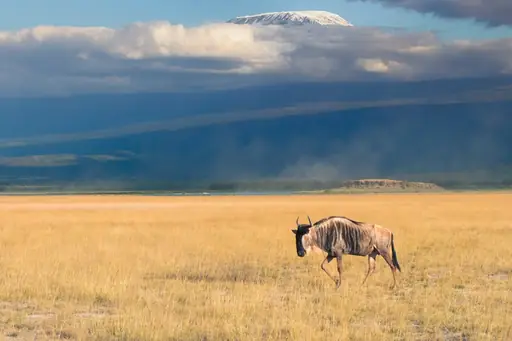
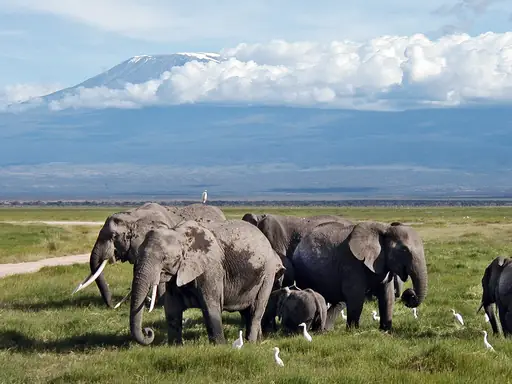
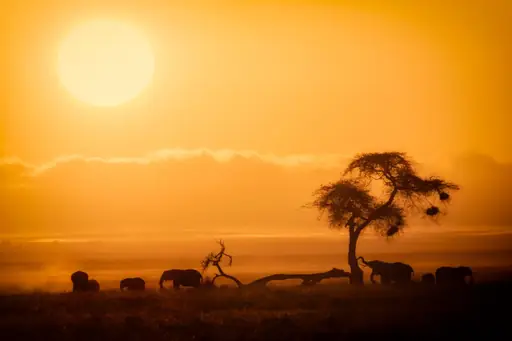
Herds of elephants walk across the dusty plains of Amboseli with Mount Kilimanjaro rising behind them. The park lets you see the animals up close from a jeep at very short range. Swamps fed by mountain snow melt attract hippos and birds. Sunrise turns the summit pink.
National Park in Botswana
Chobe National Park
Elephant Haven in Botswana
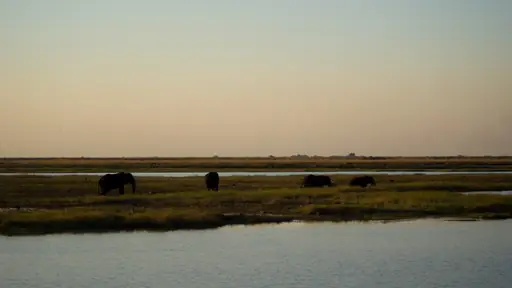
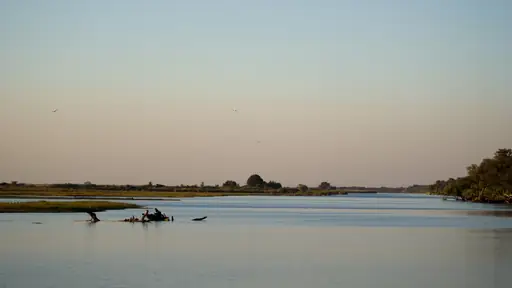
The Chobe River in Botswana draws one of the largest elephant populations in Africa. Large herds come to drink and swim along the riverfront in the dry season. Boat safaris pass close to hippos and crocodiles on the river. Sunset paints the water in gold and orange.
Outer Territory in France
Réunion
An Island of Adventure and Beauty
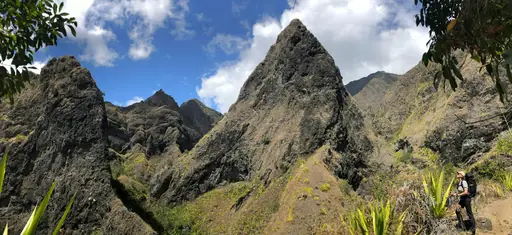
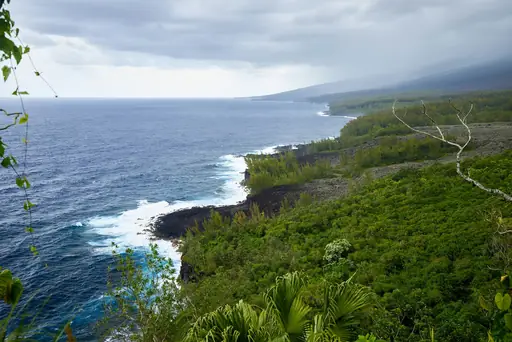
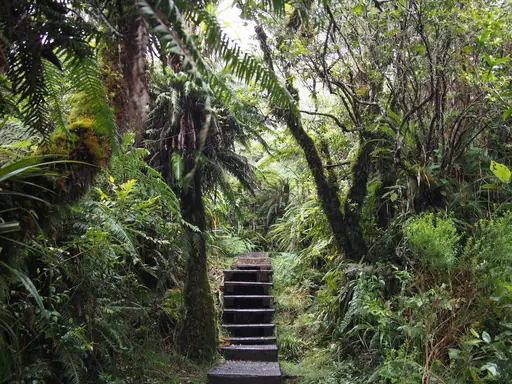
Piton de la Fournaise on Réunion is one of the world's most active volcanoes. It rises 2,632 metres and erupts almost every year. Hikers can cross a black lava field to the crater rim on marked trails. Clouds often fill the valley below at sunrise.
National Park in Namibia
Namib-Naukluft National Park
Endless Dunes and Desert Drama
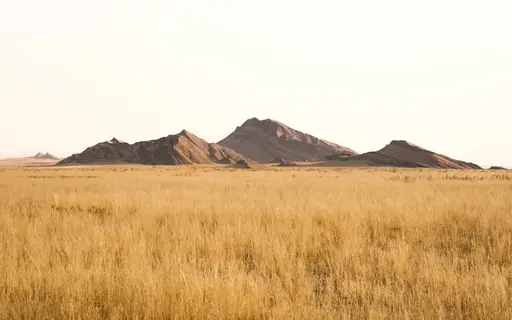
Sesriem Canyon is a narrow gorge cut about 30 metres deep by the Tsauchab River in Namib Naukluft National Park. Visitors walk down between smooth layered walls of rock. Pools hold water after rare rains. The canyon lies near the gate to the big dunes of Sossusvlei.
Nature Reserve in Botswana
Okavango Delta
Africa’s Uncharted Water Wilderness
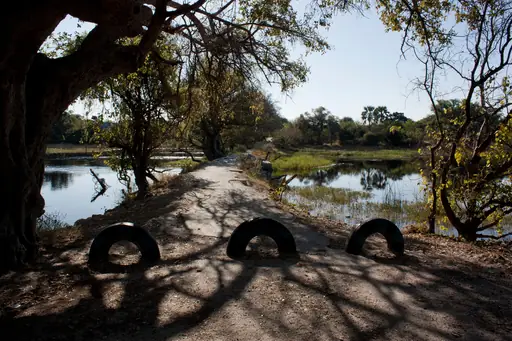
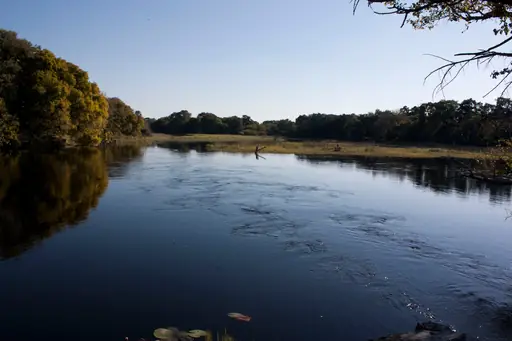
The Okavango Delta is an inland delta where a river spreads across the Kalahari Desert. Floodwaters arrive in the dry season and fill channels and lagoons. Visitors glide in a dugout mokoro past water lilies and elephants. Islands of palm trees shelter lions and leopards.
National Park in Tanzania
Serengeti National Park
The Ultimate Safari Adventure
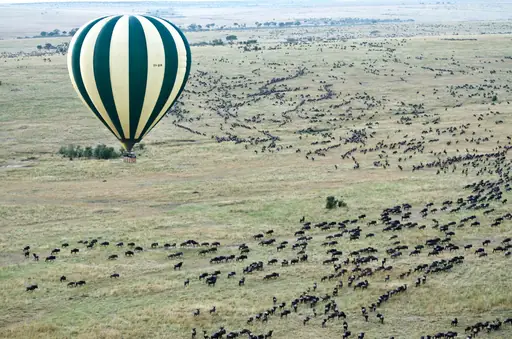
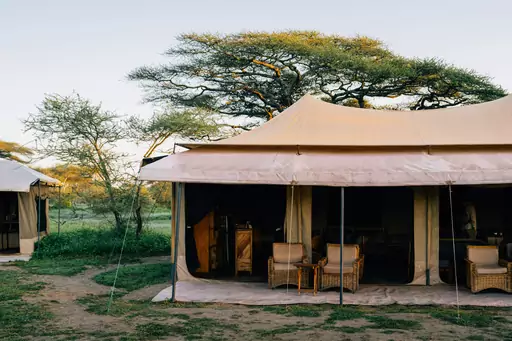
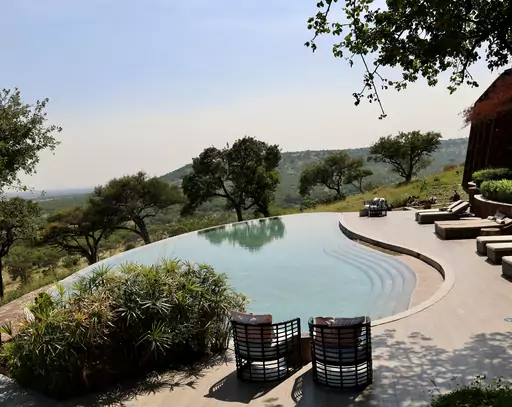
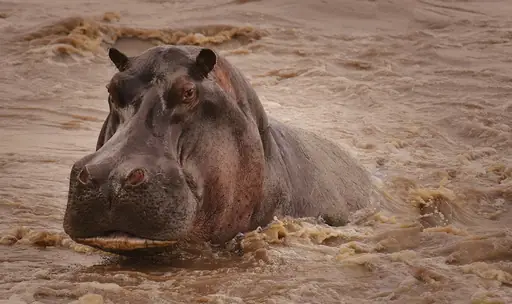
The Serengeti hosts the Great Migration of about 1.5 million wildebeest each year. Herds follow the rains across endless grass plains in a large loop. Predators such as lions and cheetahs follow close behind the herds. Hot air balloons drift above the herds at sunrise for those who book.
Nature Reserve in Kenya
Maasai Mara National Reserve
Witness the Great Migration
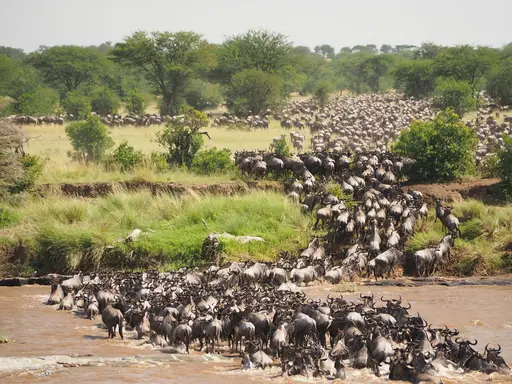
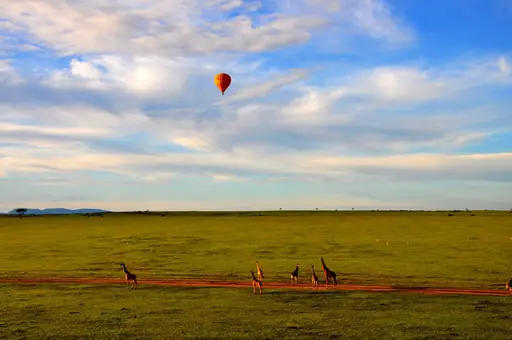
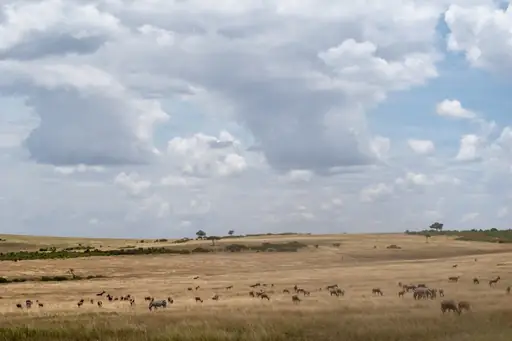
The Great Migration brings more than a million wildebeest and zebras into the Maasai Mara each year. Herds gather on the banks of the Mara River between July and October. Crocodiles wait in the water as the animals plunge in. Vehicles watch from the shore.
City in Zambia
Livingstone
Gateway to Victoria Falls Adventure
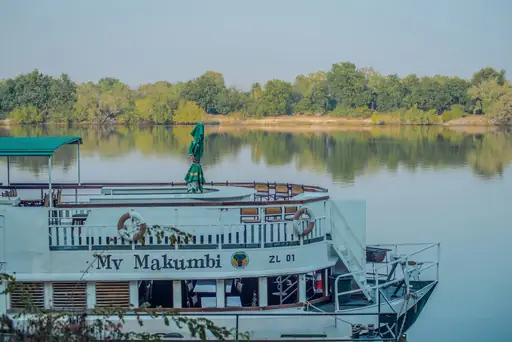
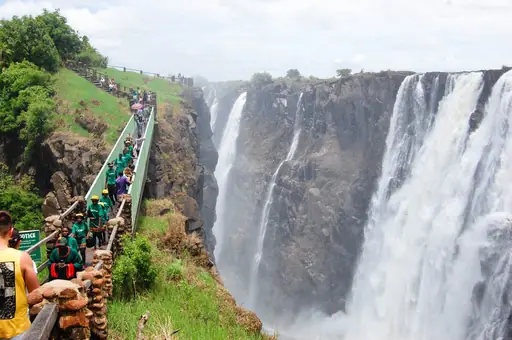
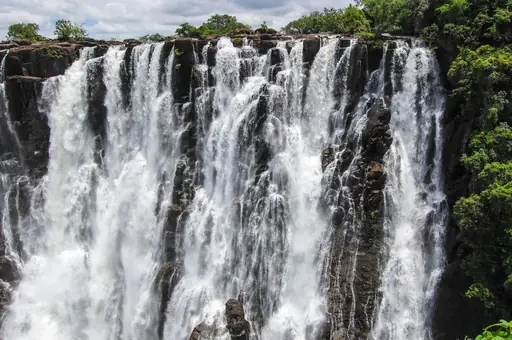
Devil's Pool sits at the very edge of Victoria Falls on the Zambian side near Livingstone. Swimmers can lean over the lip of the cliff during low water in the dry season. A rock wall keeps the current from sweeping them away. Guides take small groups by boat.
Region in Ethiopia
Danakil Depression
Earth's Hottest, Most Alien Landscape
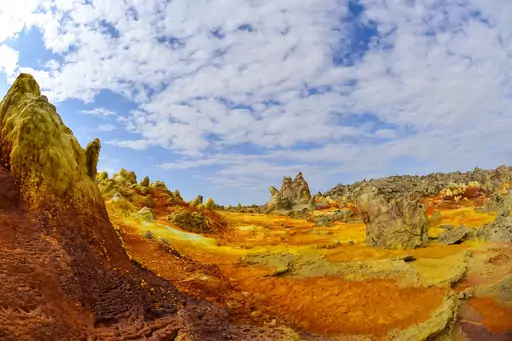
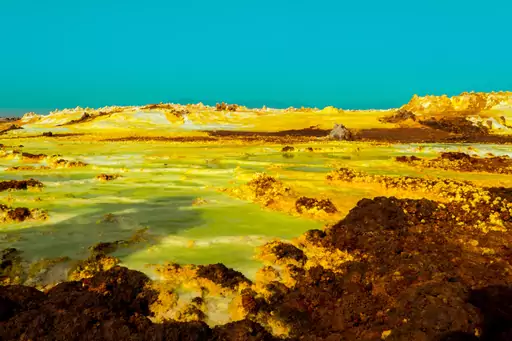
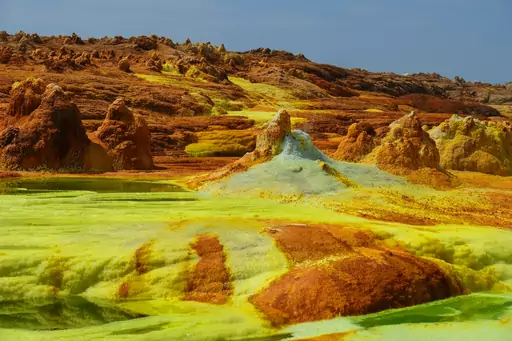
The Danakil Depression in Ethiopia lies more than 100 metres below sea level. Dallol has neon yellow and green sulphur pools and salt towers. The Erta Ale volcano holds a lava lake that glows at night. Daytime heat often passes 40 degrees Celsius so most tours start early.
National Park in Tanzania
Tarangire National Park
Elephant Paradise with Baobab Backdrops
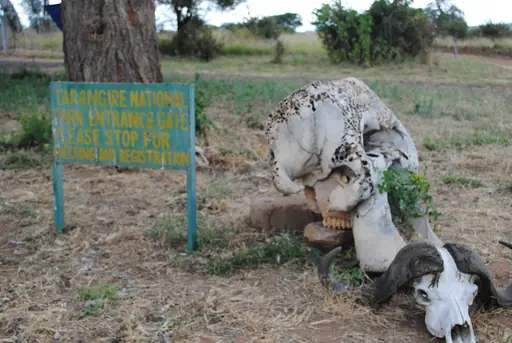
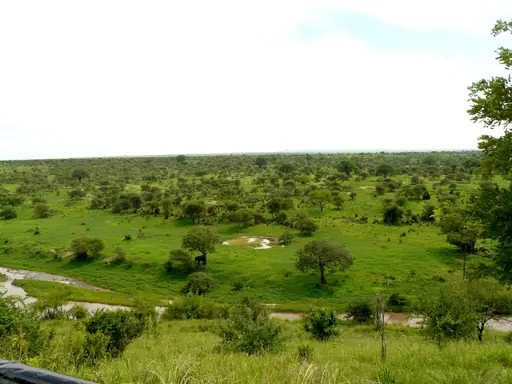
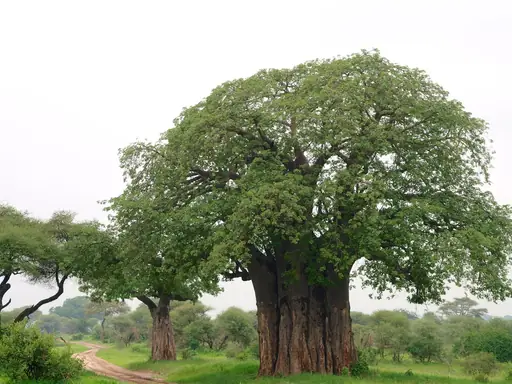
Tarangire National Park is known for its huge baobab trees and its large herds of elephants. In the dry season animals gather along the Tarangire River. Visitors may see hundreds of elephants at one time. Lions and leopards rest in the shade of the acacia trees.
Nature Reserve in South Africa
Ukhahlamba Drakensberg Park
Barrier of spears touching sky
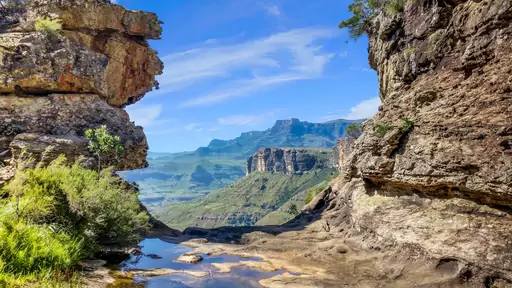
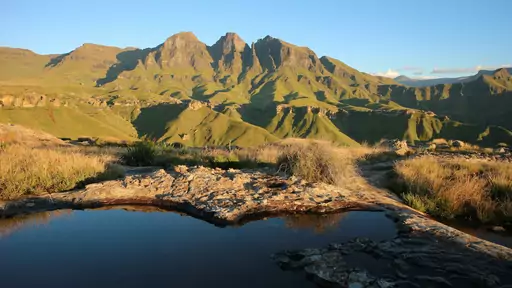
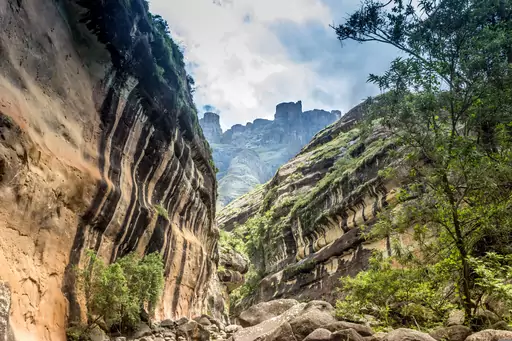
The Amphitheatre is a basalt wall in the Drakensberg that stretches about five kilometres along the ridge. Tugela Falls drops 948 metres in five leaps off the edge. Hikers climb chain ladders to reach the top. San rock paintings decorate caves and shelters in the valleys below.
Desert in Namibia
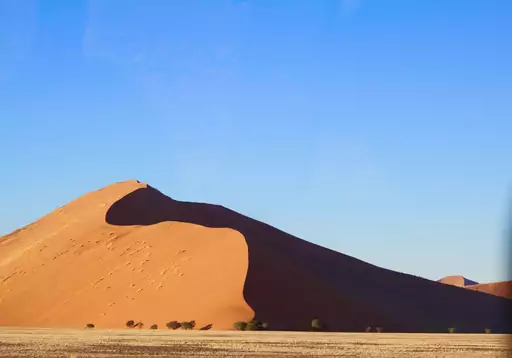
Namib
Endless dunes whisper ancient desert secrets
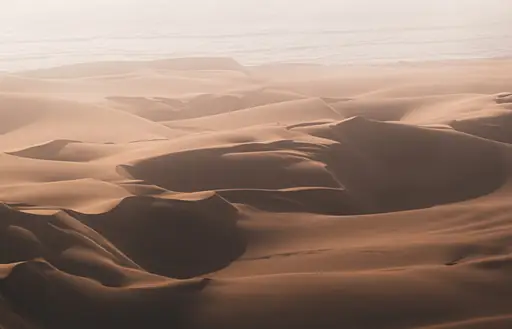
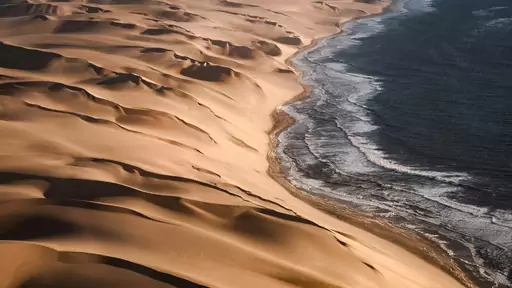
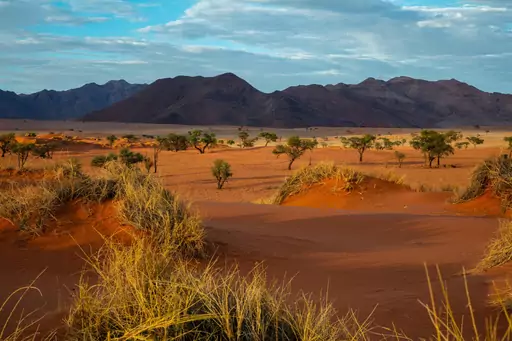
The Namib is one of the oldest deserts on Earth and stretches along the Atlantic coast of Namibia. Fog rolling in from the cold ocean feeds unique plants and insects. Ancient welwitschia plants grow here and can live for over a thousand years. Orange dunes meet the sea in places.
Country
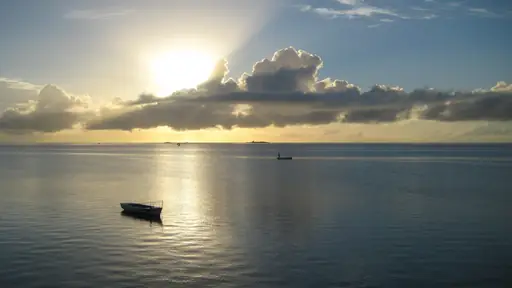
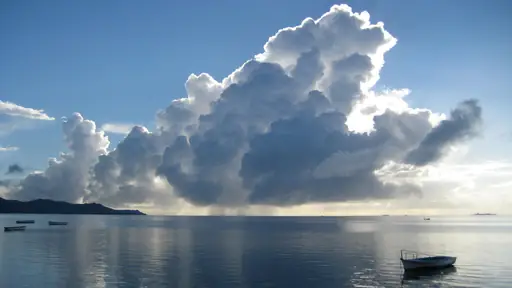
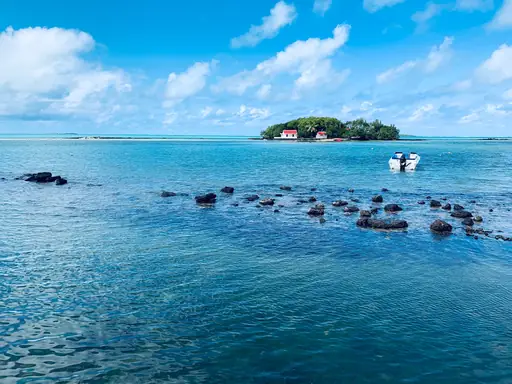
Mauritius
Tropical Bliss in the Indian Ocean
The Seven Coloured Earths of Chamarel are dunes of sand in red, brown, violet and other shades. The colours stay in separate bands even after heavy rain. A viewing platform overlooks the striped hills. A nearby waterfall drops about 100 metres into a green gorge.
Cliff in Cape Town
Table Mountain
Cape Town’s Iconic Flat-Topped Wonder
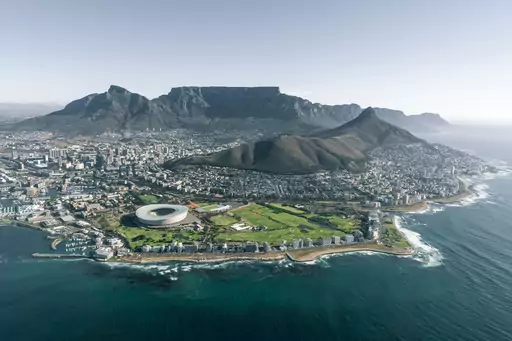
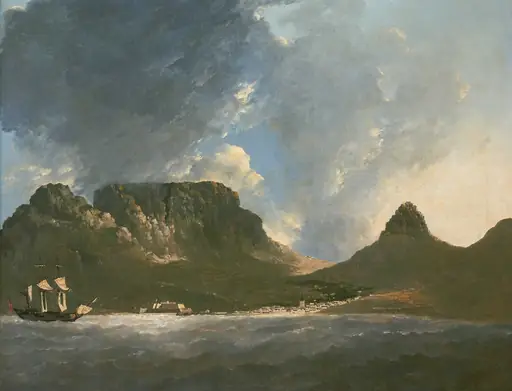
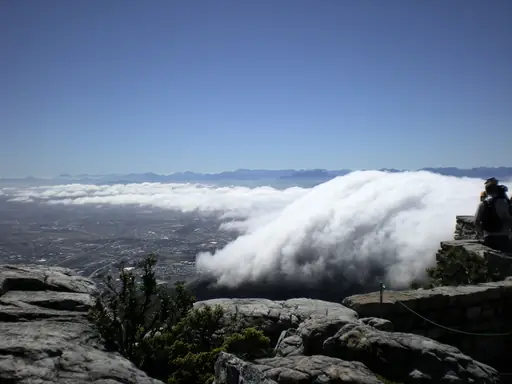
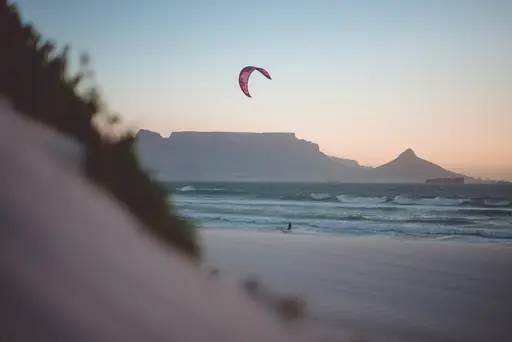
Table Mountain rises 1,085 metres above Cape Town with a flat top like a table. A cable car and hiking trails lead to the summit plateau. Clouds often spill over the edge like a white tablecloth. It was named one of the New7Wonders of Nature in 2011.
Mountain in Tanzania
Mount Kilimanjaro
Africa's Roof, World's Highest Freestanding Volcano
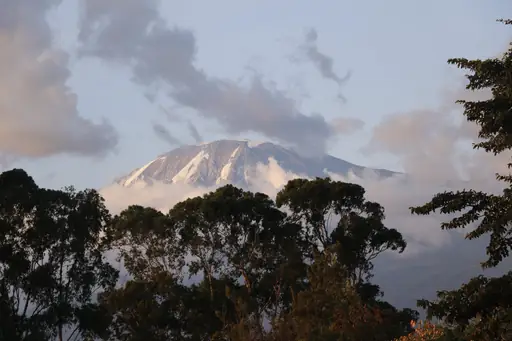
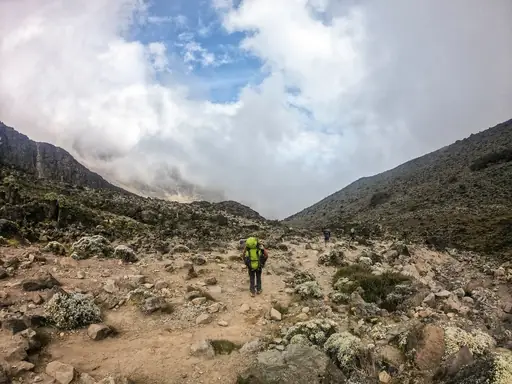
Mount Kilimanjaro rises 5,895 metres and is the tallest free standing mountain in the world. Its summit is capped by glaciers that shrink each year. Trekkers walk through rainforest and alpine desert before reaching the top. Many climbers start at midnight to see sunrise from the crater rim.
Other lists you may like
Discover
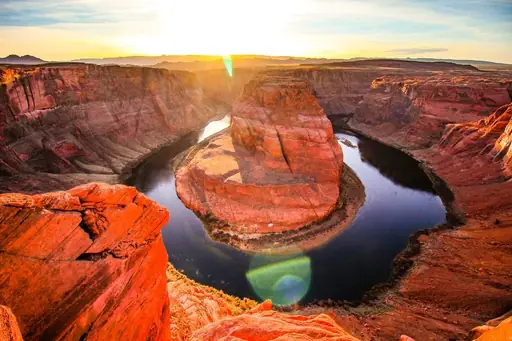
Extraordinary natural wonders and scenic landscapes
Natural wonders occupy a different category from other travel destinations. They are places where the scale, the geology, the light or the sheer improbability of what exists there…
Read more
Discover
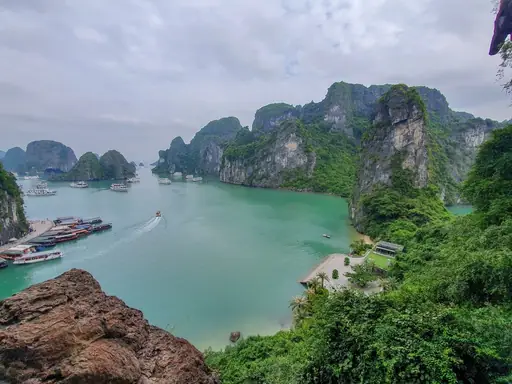
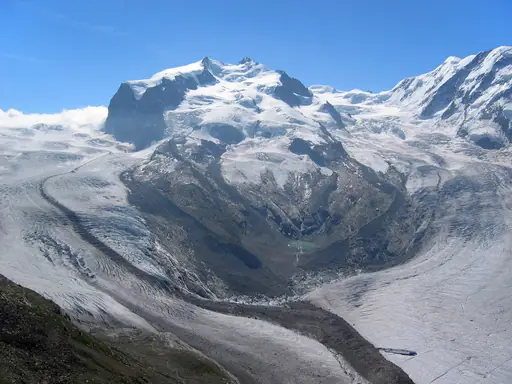
Best natural wonder destinations in Asia
Asia contains some of the most extraordinary natural wonders on earth, shaped by the collision of tectonic plates, vast river systems, volcanic activity and climatic extremes that…
Read more
Discover
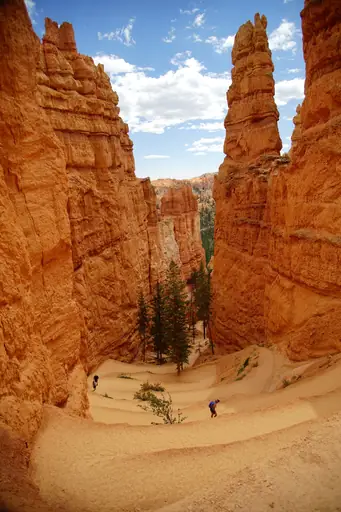
Best natural wonder destinations in Europe
Europe's natural wonders tend toward the intimate rather than the epic, but the continent has landscapes and natural phenomena that are genuinely extraordinary on any global scale.…
Read more
Discover
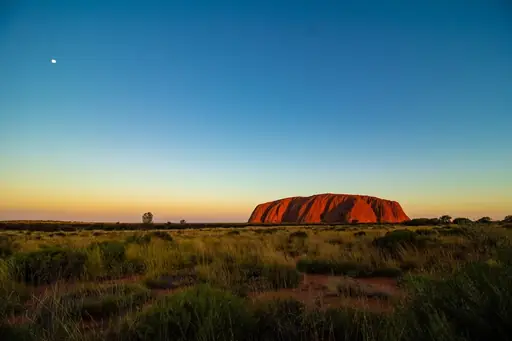
Best natural wonder destinations in North America
North America's natural wonders operate at a scale that can be genuinely difficult to comprehend until you are standing in front of them. The continent's geological history has…
Read more
Discover
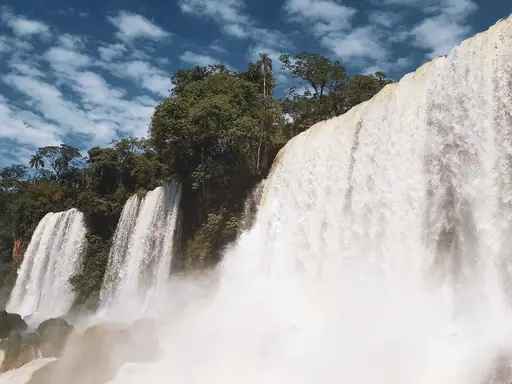
Best natural wonder destinations in Oceania
Oceania's natural wonders reflect the region's extraordinary geological and biological diversity, shaped by volcanic activity, ancient erosion and the forces that have kept island…
Read more
Discover
Best natural wonder destinations in South America
South America holds natural wonders on a genuinely extraordinary scale, from waterfall systems among the most dramatic on earth to vast desert landscapes known for extraordinarily…
Read more
What other users say about travelfilters
“travelfilters made it easy for me to find ski areas and compare what else they offer, so that I could find the best place for my personal travel style.”

Chris
Snowboarding & Onsen trip to Japan
“I love how transparent the data feels. There is no pushy upsell, just honest information and settings I can tune to my own travel style.”

Maria
After booking her 2027 winter escape
“The level of detail for each destination and how well those are displayed, make planning feel confident instead of overwhelming.”

Mina
Planned a week in New York City
“We used travelfilters for our planning from start to end. The trip turned out even better than expected, thanks to all their tools and customisation options.”

Allan & Etienne
Trip to Japan to see autumn foliage
“Thanks to travelfilters, I found some hidden gems to see. Being able to filter for exactly your interests is a game changer for my travel planning.”

Michael
Tour through the old cities of Northern Italy
“The customizable filters helped me find a quiet beach town with good wifi and low season crowds in under five minutes.”

Diego
Weekend Escape to Llanes, Spain
“The airport connection map saved me hours by showing good flight options from my home airport to lesser-known cities.”

Nguyen
Planning a 2027 trip to France
“The website is clean, fast and focused on the search itself, which makes travelfilters feel more like a professional tool than an ad-heavy booking site.”

Hassan
Christmas Market trip, Germany
