
Best traditional destinations in Europe
Best traditional destinations in Europe
Medieval historic preservation zones and folklore exhibition grounds in Europe
Europe's traditional destinations are found in the rural fringes and island communities that retained distinct craft traditions, folk cultures and ways of life while the continent's urban centres modernised around them. The most compelling experiences are in places where tradition is maintained by active communities rather than preserved for visitors, with working crafts, living dialects and seasonal festivals that operate on their own terms regardless of tourist interest.
The continent's strongest traditional cultures are concentrated in its Atlantic island communities, Alpine villages and eastern rural regions, where geographic isolation and strong local identity have maintained practices that more accessible areas lost generations ago. Food traditions, textile crafts and musical cultures rooted in specific landscapes reward slow travel and extended stays over brief visits that barely scratch the surface of what sustained engagement reveals.
Overtourism is commodifying traditional practices at the most celebrated destinations and visiting lesser-known communities with genuine local operators delivers more meaningful access. Seasonal festivals operate on community rather than tourist calendars and advance research into specific events is essential for timing visits around the moments that make traditional destinations worth the journey.
Lists by region
Town in North Macedonia
Ohrid
Ancient Lakeside Bliss and History
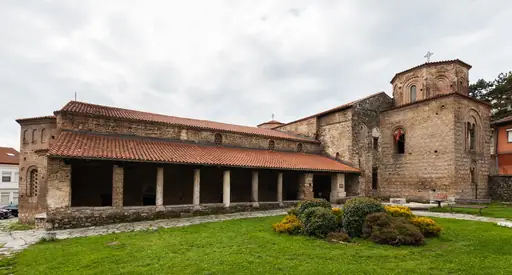
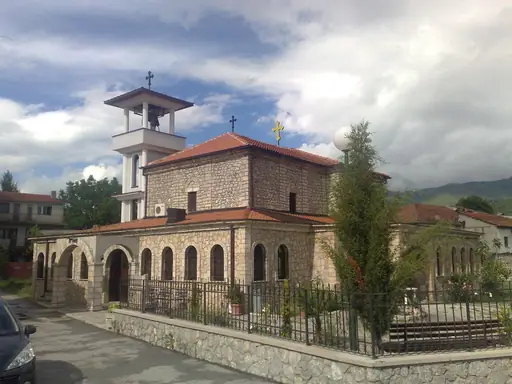
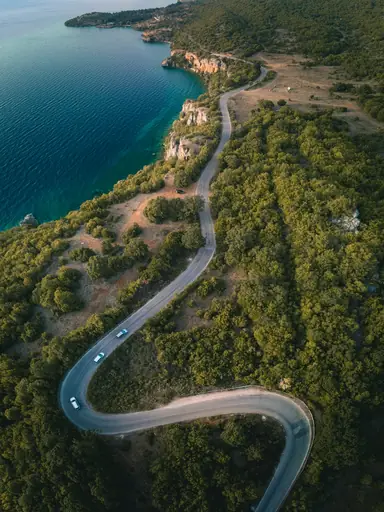
The Church of St. John at Kaneo sits on a cliff above Lake Ohrid. Its stone walls date to the 1200s. The old town below has cobbled lanes and many Byzantine churches. UNESCO lists the lake and the town together as a World Heritage site.
Town in Malta
Mdina
The Silent City of Malta
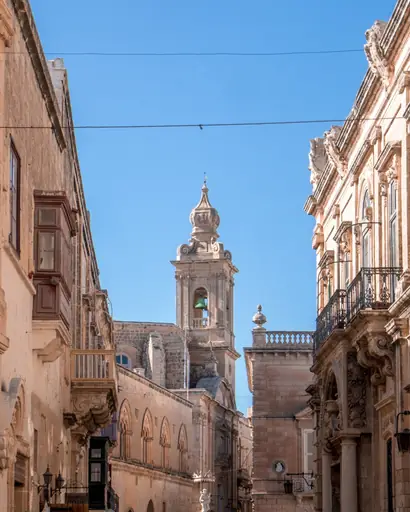
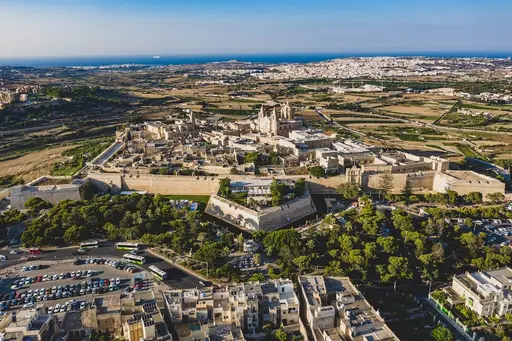
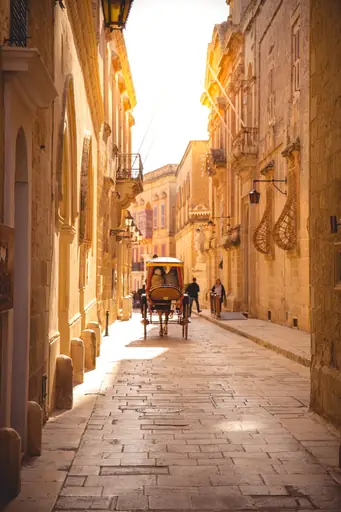
A fortified hilltop city in Malta is known as the silent city. Only residents' cars are allowed and the lanes are quiet. Visitors can see St Paul's Cathedral, palaces and bastions with views across the island. Fontanella tea garden serves famous cakes on the walls.
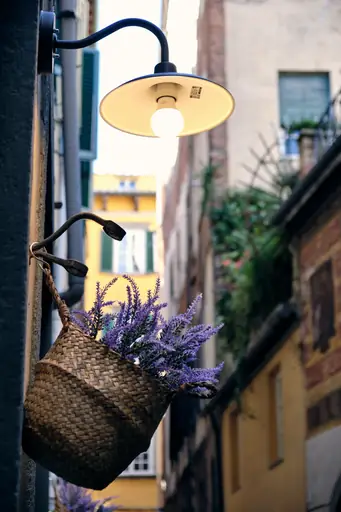
Town in Italy
Lucca
Medieval Charm and Hidden Gems
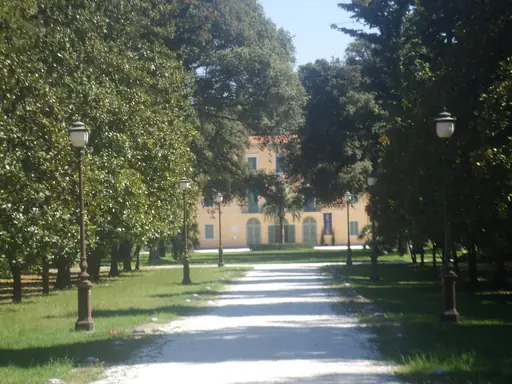
Complete Renaissance walls wrap around this Tuscan city and form a tree lined walking path. Piazza dell'Anfiteatro follows the shape of a Roman arena. Visitors can cycle the walls, climb the Guinigi Tower with oak trees on top and hear Puccini performed. Puccini was born here.
Town in Albania
Berat
City of a Thousand Windows
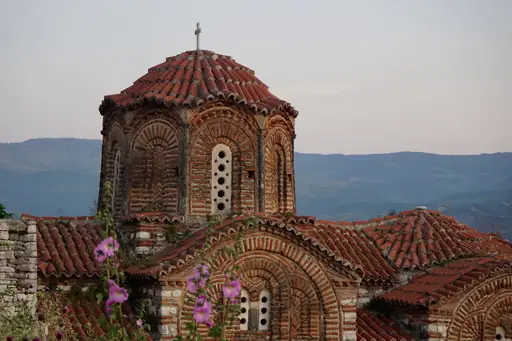
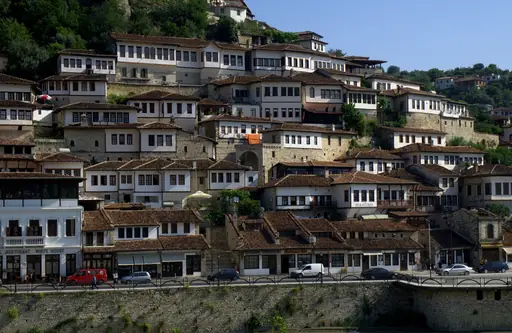
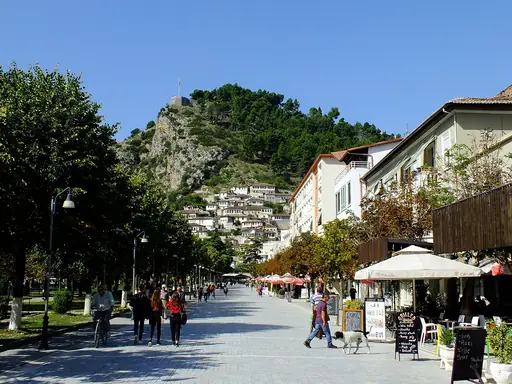
Whitewashed Ottoman houses climb the hillside above the Osum river in this Albanian town. It is called the city of a thousand windows. Visitors can explore the hilltop castle quarter with its Byzantine churches and the Onufri museum. Local raki and traditional stews are served in family run restaurants.
Nature Reserve in Greece
Meteora
Monasteries Suspended in the Sky
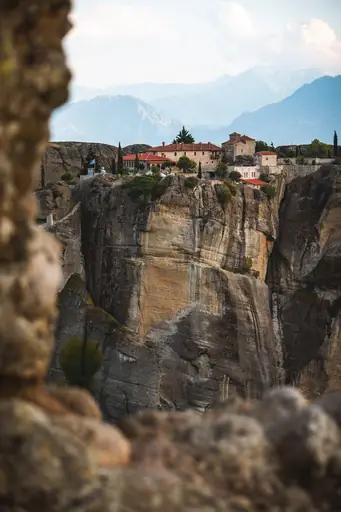
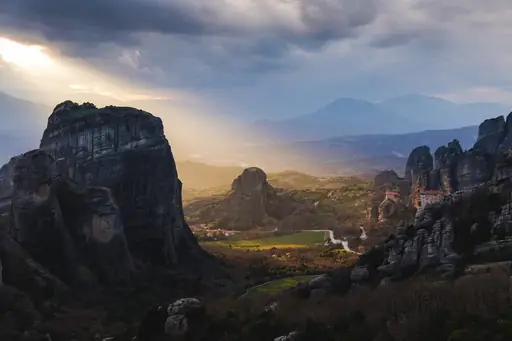
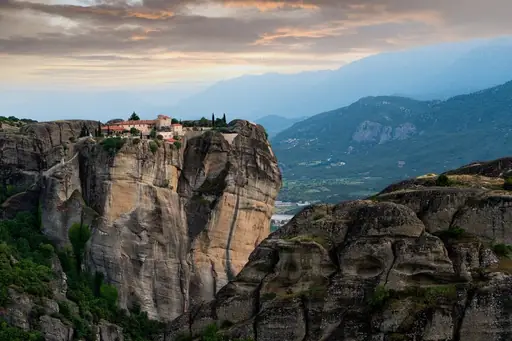
Monasteries stand on tall sandstone pillars above the Thessaly plain in Greece. Six monasteries remain active today, including Great Meteoron and Varlaam. Visitors can climb stairs carved into the rock and see Byzantine frescoes inside. Sunset viewpoints and hiking trails add extra views across the pillars.
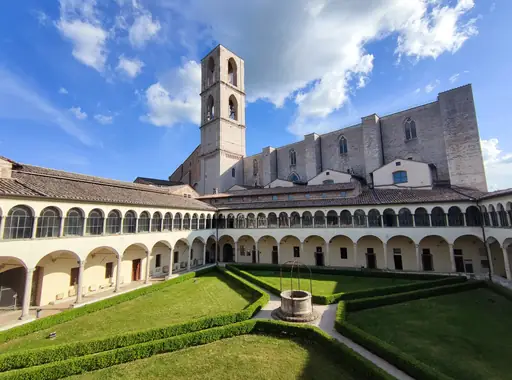
Region in Italy
Umbria
Italy's mystical green heart
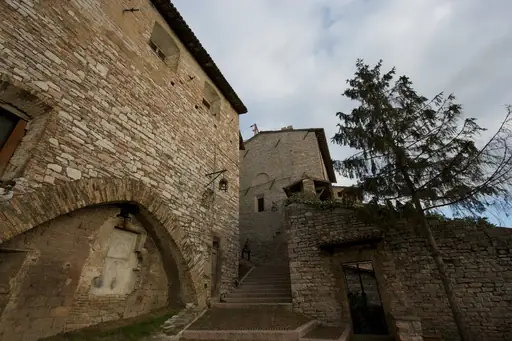
Saint Francis was born in Assisi around 1181. The region still follows his story. Pilgrims visit the basilica built over his tomb. Spello and Spoleto have Roman gates. In the hill town of Norcia, shops still cure pork the old way. Truffles and lentils from the hills end up in local stews.
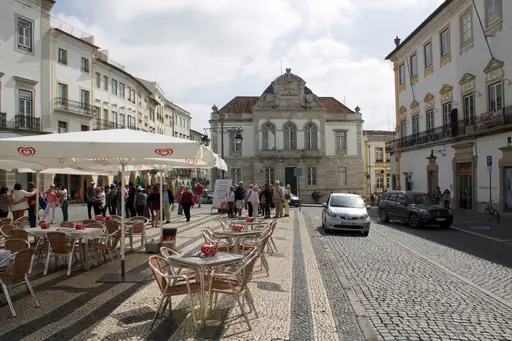
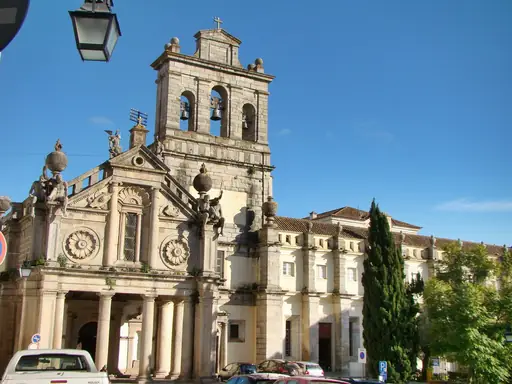
Town in Portugal
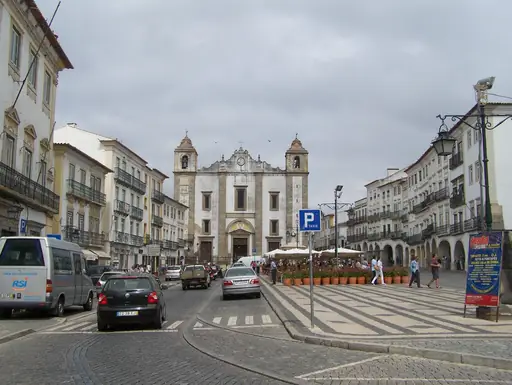
Évora
A Timeless Journey Through History
A walled Alentejo city preserves Roman, medieval and Renaissance buildings in a compact centre. The Roman temple, the cathedral and the Chapel of Bones are the key sights. Visitors can taste cured pork, Alentejo wine and cork crafts in whitewashed streets. The historic centre is UNESCO listed and quiet in the evenings.
City in Greece
Rethymno
Venetian Alleys and Sandy Shores
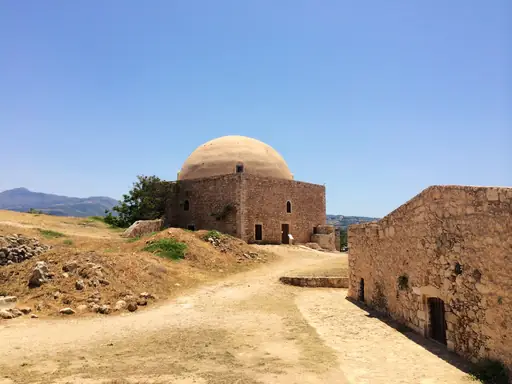
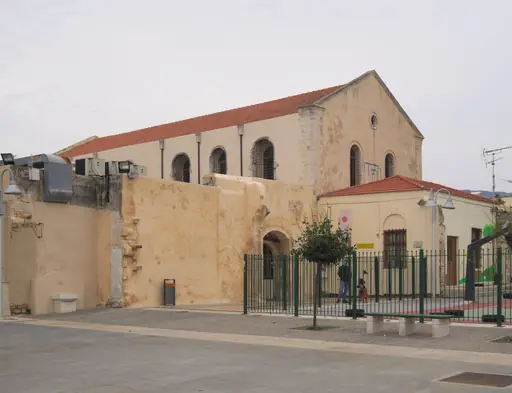
Tavernas in Crete end a meal with free raki, a clear grape spirit. A plate of fruit often comes too. Rethymno has a Venetian harbour with a small lighthouse. Above it stands the Fortezza, a fortress built in the 1500s. Wander the old town's narrow lanes.
Town in Romania
Sighișoara
Medieval magic in Transylvania
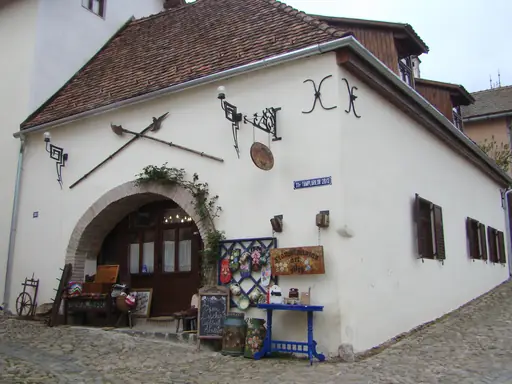
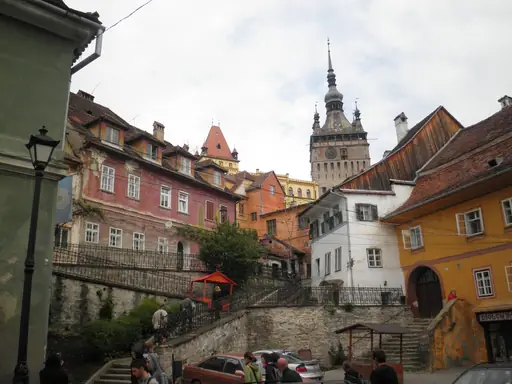
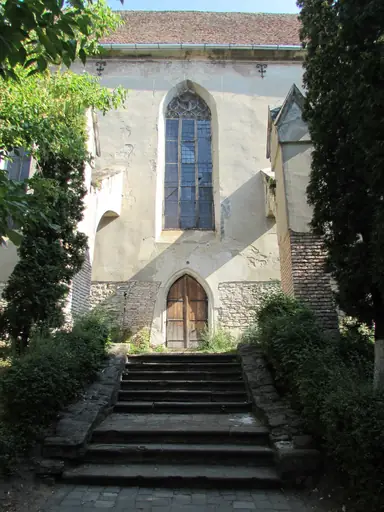
The old citadel looks like a medieval picture book come to life. Painted houses line cobbled lanes below a Clock Tower from the 1300s. Vlad the Impaler, who inspired the Dracula legend, was born here around 1431. Climb the covered wooden stairway to the hilltop church.
Village in Italy
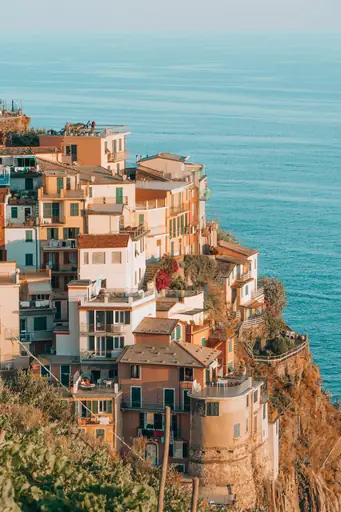
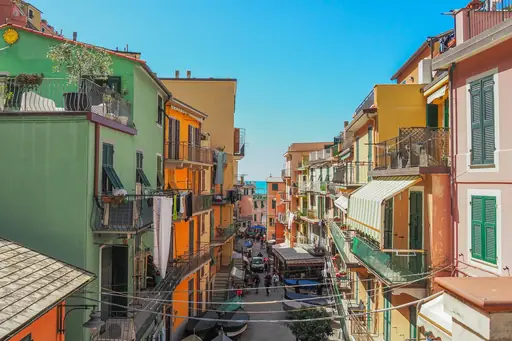
Riomaggiore
Pastel Cliffs Meet Azure Sea
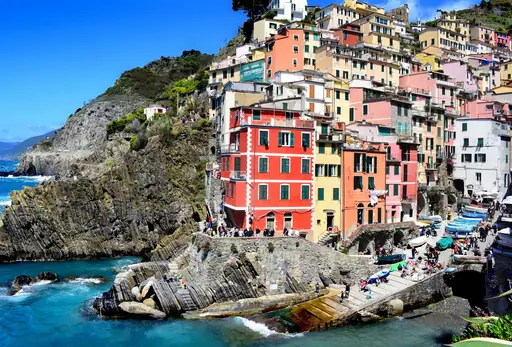
Houses in orange, pink and yellow stack on the cliff like a box of crayons. Fishing boats sit on the slipway in the tiny harbour. Old stone walls and terraced vineyards climb the hills above. Taste Sciacchetrà, a sweet wine made from grapes dried in the sun.
City in Sweden
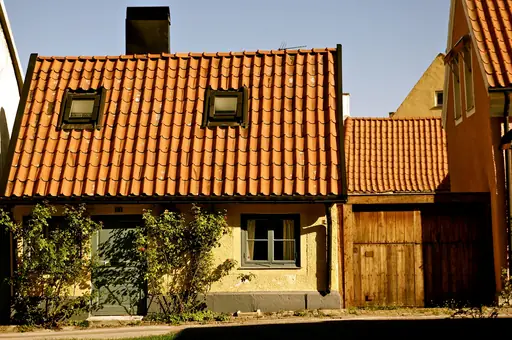
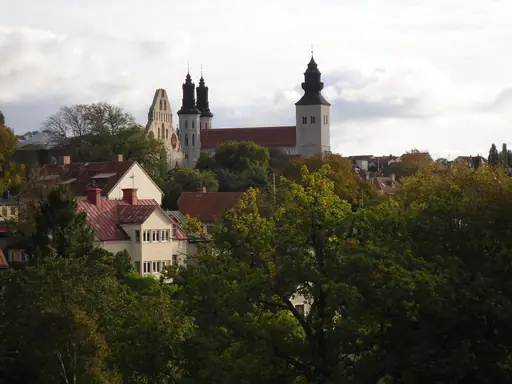
Visby
Medieval Walls, Roses and Ruins
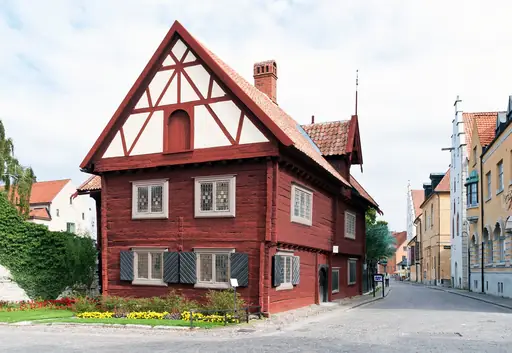
Each August thousands of people dress in medieval clothes for Medieval Week. They hold markets and jousts inside the old town. A stone wall about 3.4 kilometres long with 27 towers still circles Visby. UNESCO listed the town in 1995. Roses climb the old church ruins.
Region in United Kingdom
Wales
Land of castles and rugged coasts
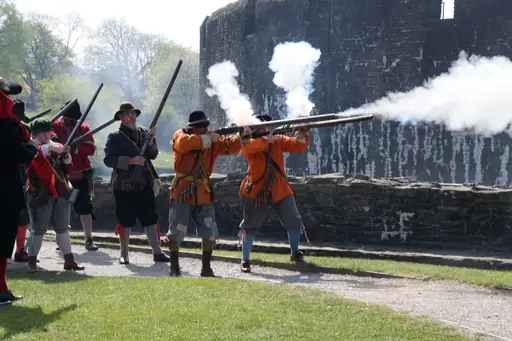
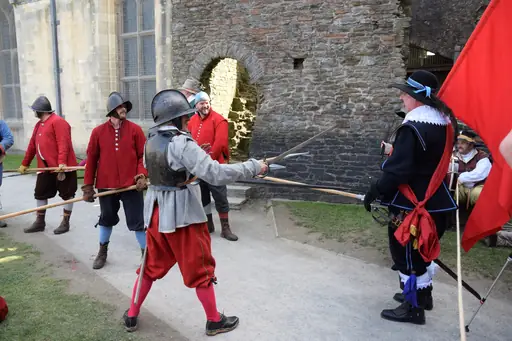
Caernarfon Castle has tall towers and striped stone walls begun by King Edward I in 1283. Welsh is still spoken daily in many towns. Each summer the National Eisteddfod fills a field with poetry and choir singing. Try cawl, a slow cooked lamb and vegetable stew.
Region in Germany
Bavaria
Alpine beauty meets medieval charm
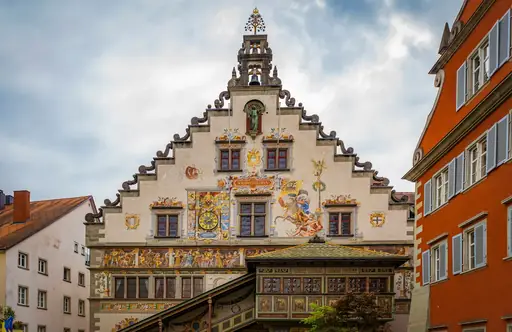
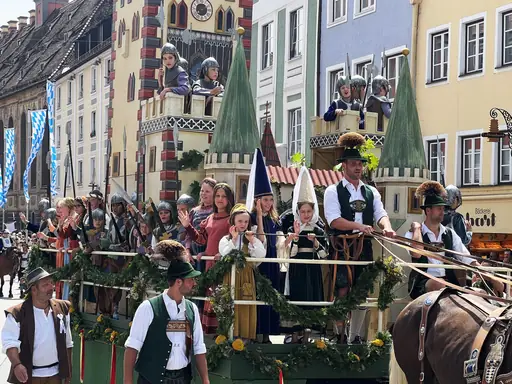
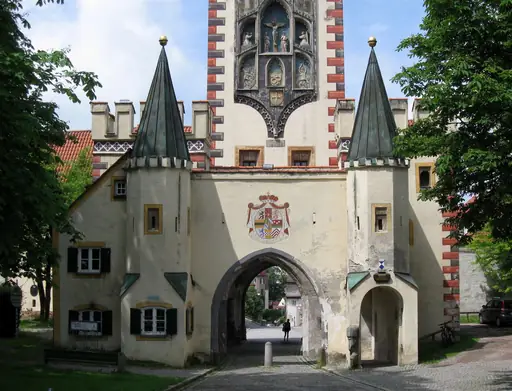
Beer halls, alpine villages and fairy tale castles make this southern state the classic image of Germany. Munich hosts Oktoberfest and the Hofbräuhaus. Neuschwanstein Castle and Rothenburg ob der Tauber draw visitors from around the world. Dirndl and lederhosen, brass bands and maypoles remain part of everyday village life.
Town in Bulgaria
Nesebar
Ancient Black Sea charm and sun
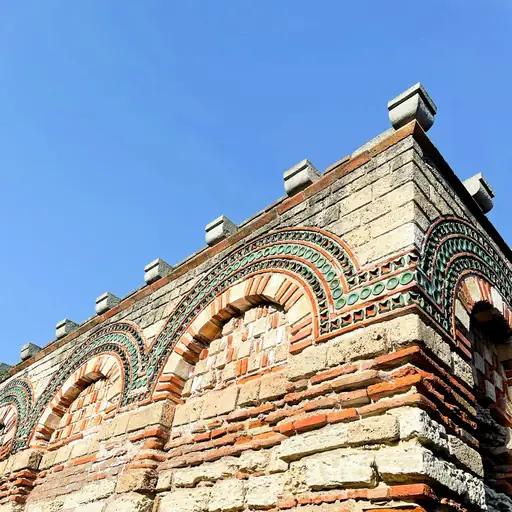
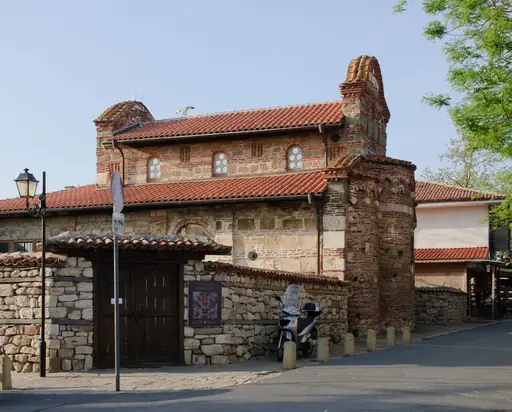
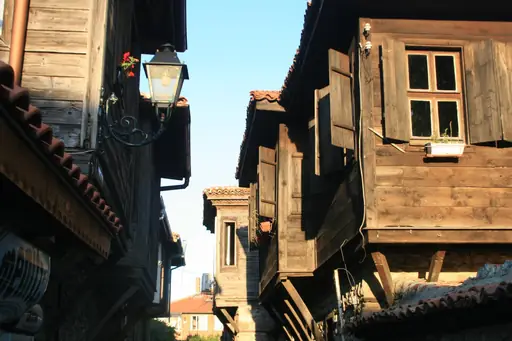
Byzantine churches and wooden houses fill this Black Sea old town on a rocky peninsula. It is among the oldest towns in Europe, with about 3,000 years of history. Visitors can see ruined basilicas, stone windmills and old Bulgarian Revival houses. Fresh grilled fish and Bulgarian wines are served near the harbour.
City in Romania
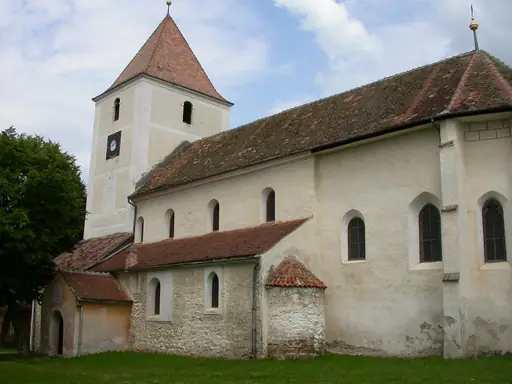
Sibiu
Medieval Charm in Transylvania
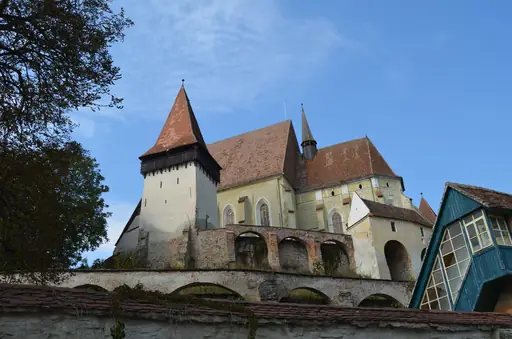
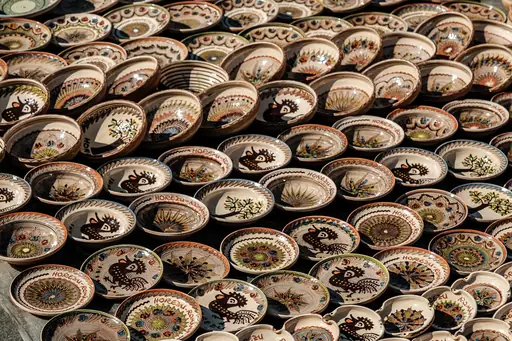
In southern Transylvania, German settlers built a walled town in the 1100s. Houses on the Large Square have small attic windows that look like eyes. Walk the Bridge of Lies and the old town walls. The city was a European Capital of Culture in 2007.
Region in Italy
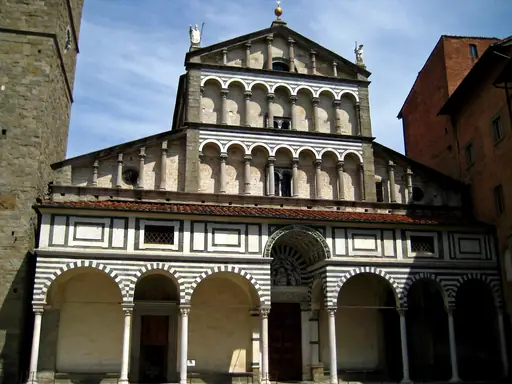
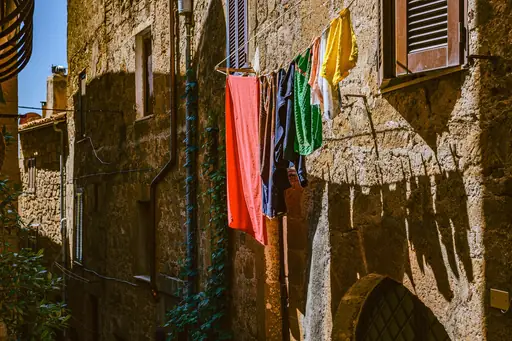
Tuscany
Rolling Hills, Wine and Renaissance Charm
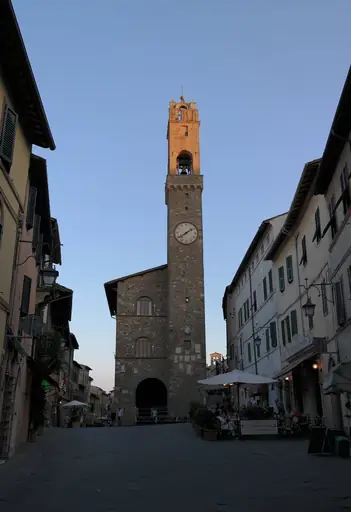
Cypress lined roads and stone farmhouses look like a Renaissance painting. Families still press olive oil and make Chianti wine from their own hills. Stay at an agriturismo, a working farm with rooms. Sunday lunch here can last for hours. Medieval villages stand on nearly every hilltop.
Town in Italy
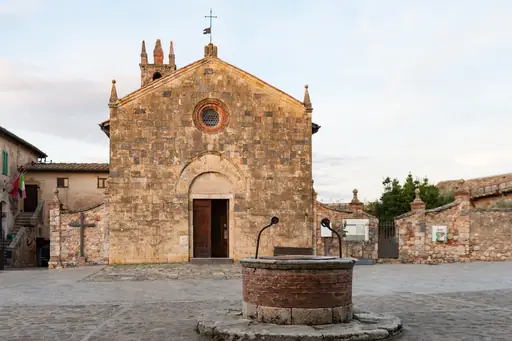
Siena
Timeless Charm in Tuscany
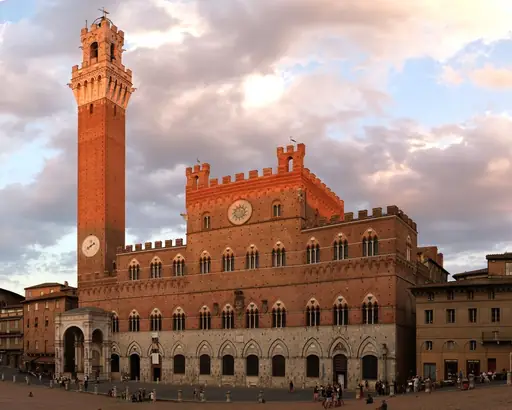
Locals belong to one of 17 districts called contrade, each with its own flag and church. Twice each summer ten horses race around the shell shaped Piazza del Campo. This race, the Palio, is held on 2 July and 16 August. It lasts about 90 seconds.
City in Spain
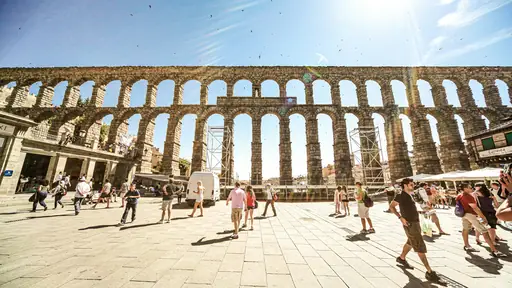
Segovia
Historic charm near Madrid
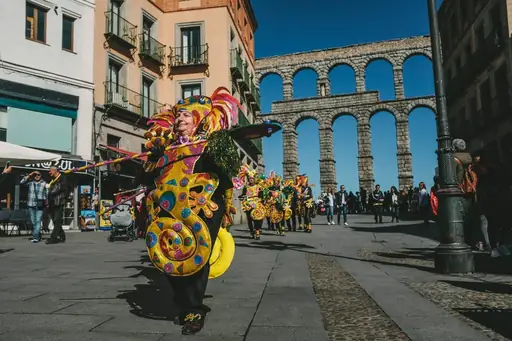
Romans built the aqueduct here about 2,000 years ago. It uses no mortar and stands about 28 metres high. Walk beneath its arches to the old town. Taste cochinillo, roast suckling pig, which cooks often cut with the edge of a plate to show it is tender.
City in Estonia
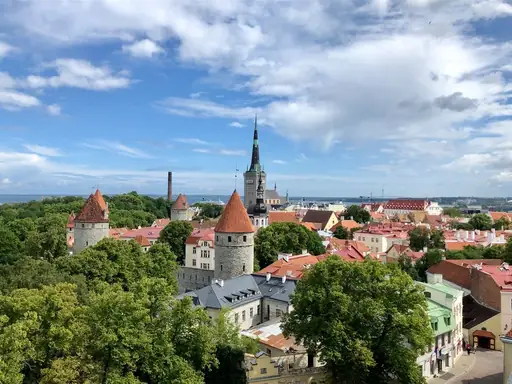
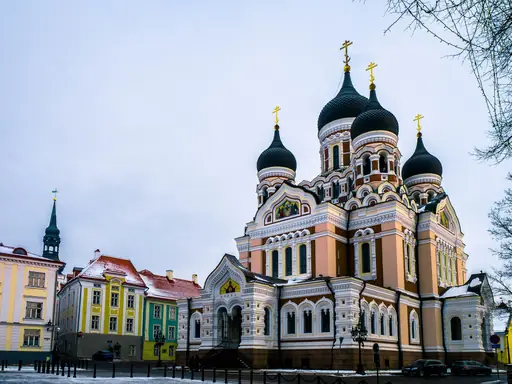
Tallinn
Medieval charm meets modern innovation
Sugared almonds roast in copper pans on the old town square. Medieval walls and towers still ring the Old Town, a UNESCO site since 1997. Look up at the Gothic Town Hall. Try black bread and pickled herring in a candlelit cellar restaurant. Stalls sell hand knit wool mittens and jumpers.
Village in Netherlands
Giethoorn
Venice of the North, Without Roads
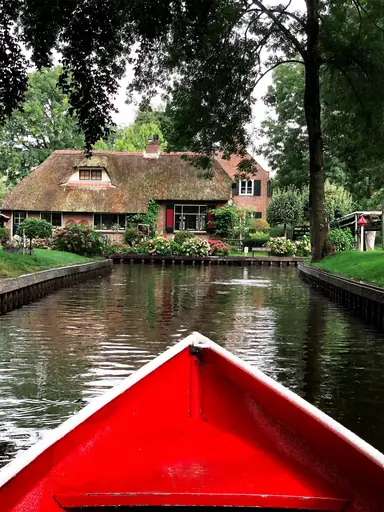
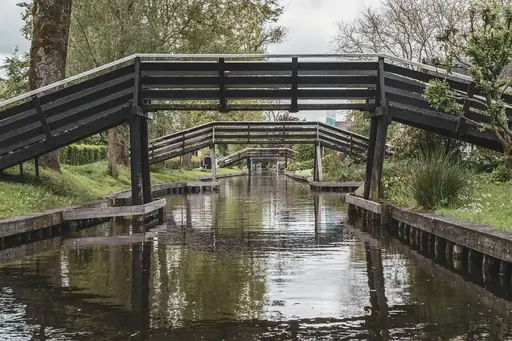
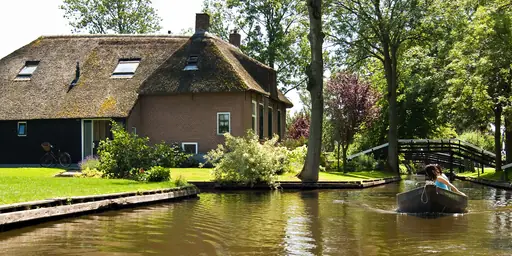
Canals replace roads in this Dutch village of thatched farmhouses dating from the 1700s. Visitors glide by whisper boat past wooden footbridges and flower filled gardens. Cycling paths lead through reed fields and farmland beside quiet water. Local cafes serve pancakes on the canal side.
Town in Czech Republic
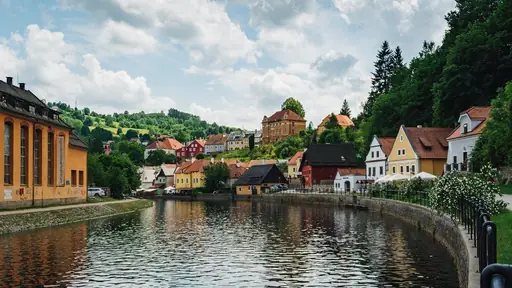
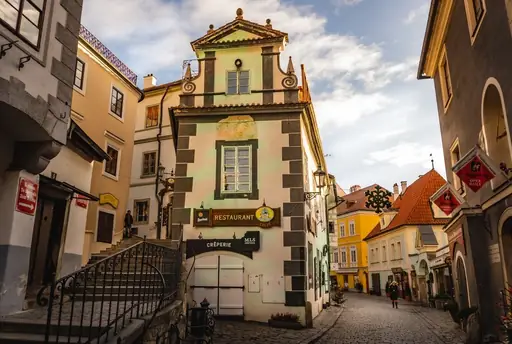
Český Krumlov
Fairytale Town with Rich History
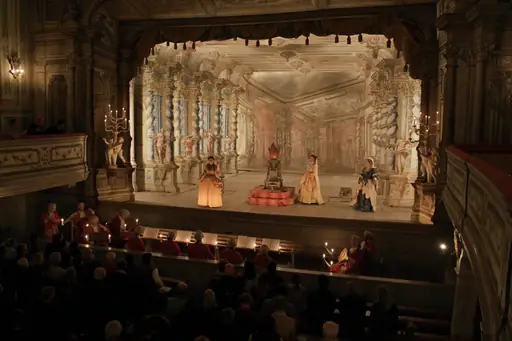
A bend of the Vltava river wraps around this Bohemian town with a Renaissance and Baroque old centre. Its huge castle has a colourful round tower and a Baroque theatre. Visitors can raft the river, explore cobbled lanes and eat roast pork with dumplings. The five petalled rose festival brings costumes and music in June.
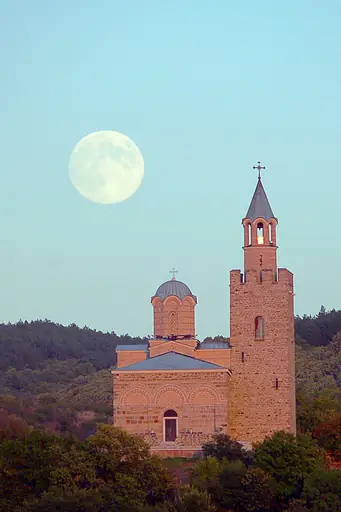
City in Bulgaria
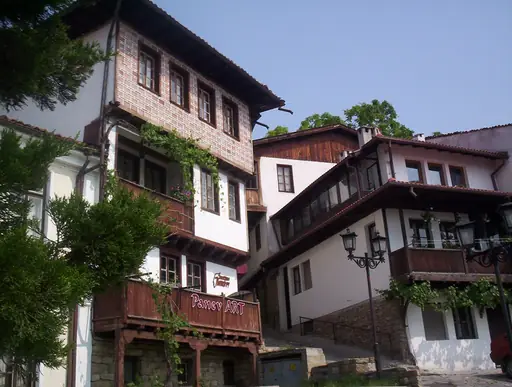
Veliko Tarnovo
Medieval Hills, Fortress Views, Artisan Streets
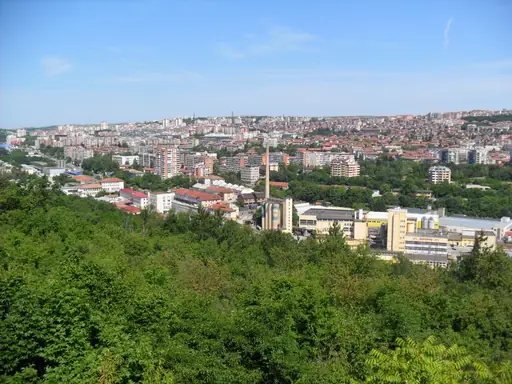
On steep hills above the winding Yantra river, the Tsarevets fortress once ruled the Second Bulgarian Empire. It was the capital from 1185 to 1396. Walk the fortress walls at sunset. Visit Samovodska Charshia, a lane where craftsmen still make pottery and lace. Evening lights glow on the old walls.
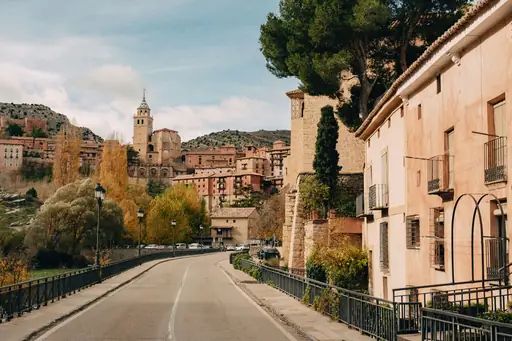
Village in Spain
Albarracín
Coastal charm meets historic stone streets
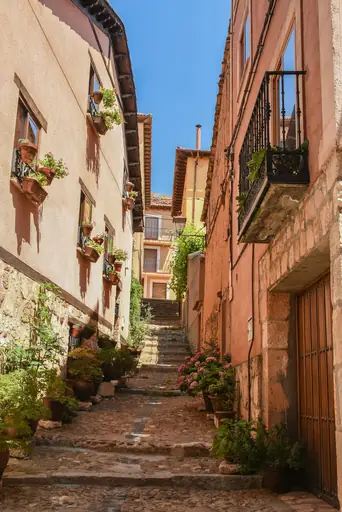
Spring and autumn bring mild days and quiet streets. Rust pink houses lean over narrow lanes in this walled hill town. Medieval walls climb the ridge above a bend in the river. Nearby caves have rock paintings thousands of years old. Climb the walls at sunset for views of the rooftops.
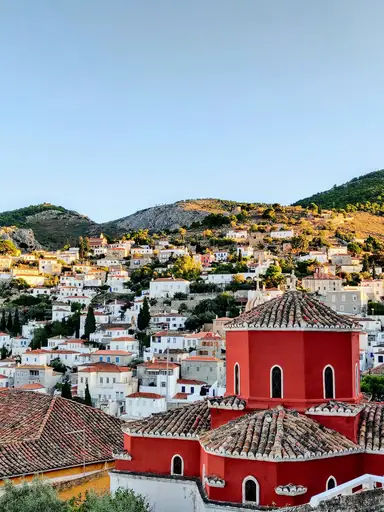
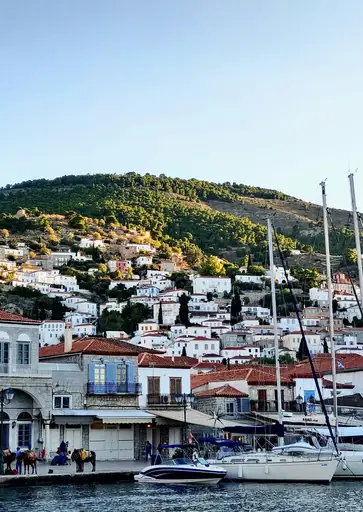
Island in Greece
Hydra
Car-Free Charm and Greek Sun
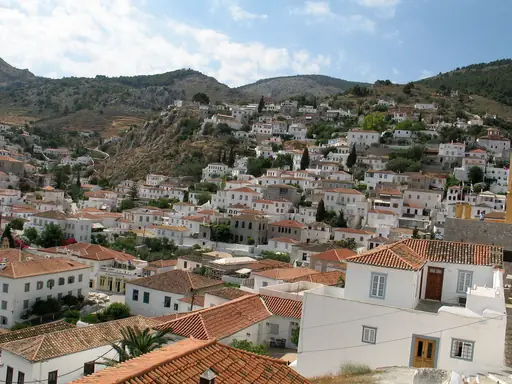
No cars are allowed on this Greek island where donkeys and boats carry goods. Stone mansions rise in a horseshoe around the harbour. Visitors can swim off rocks, walk to old monasteries and visit the Historical Archives Museum. Sea captain houses show the island's wealth from shipping.
Town in Italy
San Gimignano
Medieval Towers and Tuscan Charm
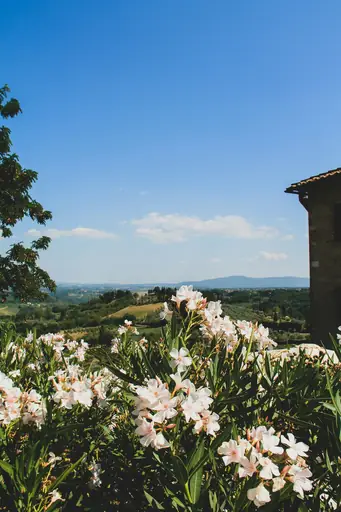
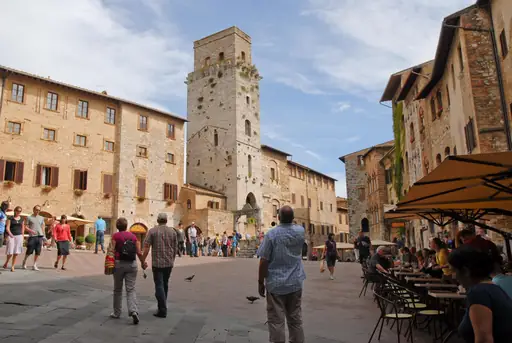
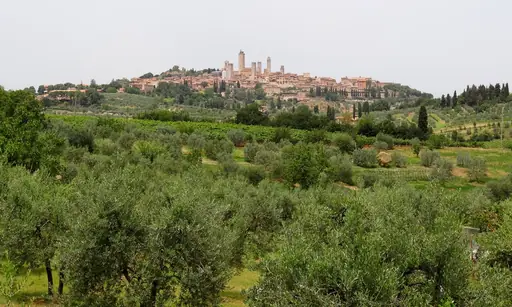
Come early in the morning or at dusk when day visitors are gone. In the 1200s rich families built tall stone towers to show their power. Fourteen still stand over the town. Taste Vernaccia, a crisp white wine grown on the nearby hills. Walk the old stone lanes between them.
City in Spain
Granada
Where Moorish Palaces Meet Flamenco Beats
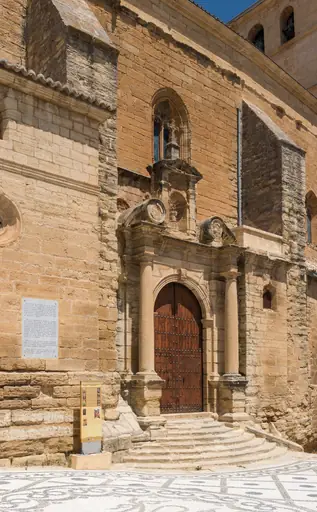
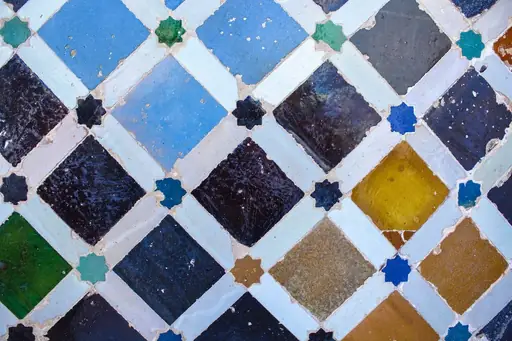
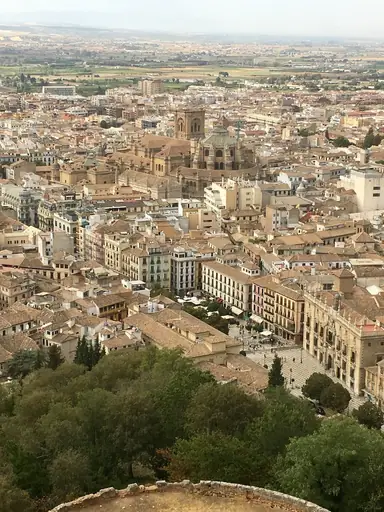
The Alhambra palace and fortress crowns a hill above this Andalusian city. The Albaicín quarter has whitewashed lanes and views of the Sierra Nevada. Visitors can watch flamenco in the Sacromonte caves and get a free tapa with each drink. Arab baths and tea houses recall its Moorish past.
City in Italy
Palermo
Sicily’s melting pot of wonders
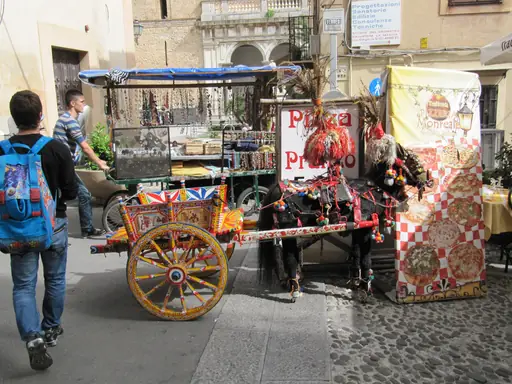
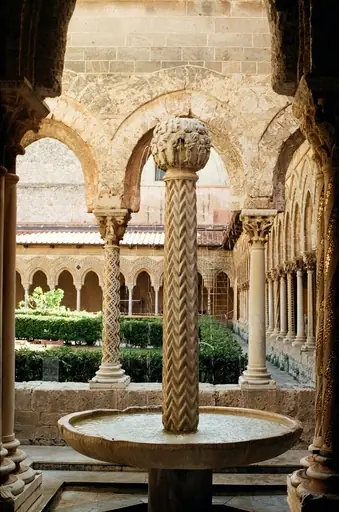
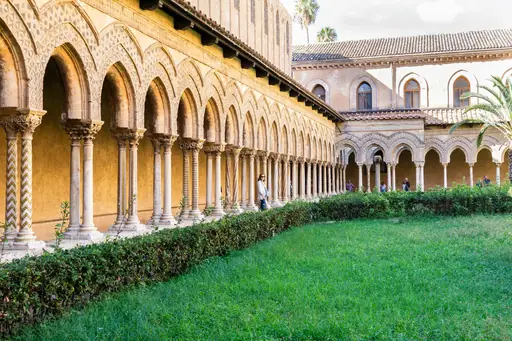
Chickpea fritters sizzle and sellers shout at Ballarò, the old street market. Arab and Norman rulers left their marks on the city. See the gold mosaics in the Palatine Chapel, part of a UNESCO site. Then eat panelle, the fritters, tucked into a soft roll on the street.
City in Italy
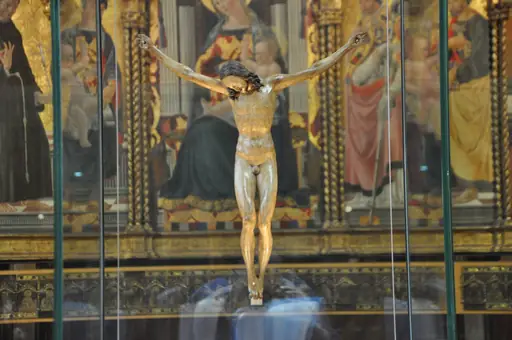
Florence
The cradle of the Renaissance
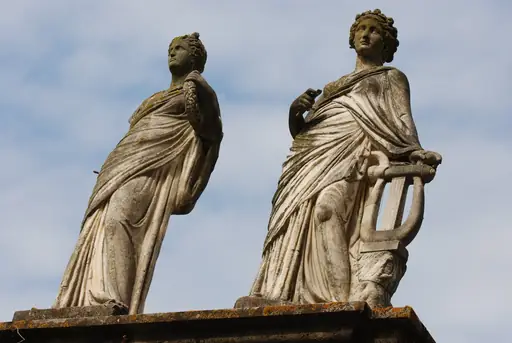
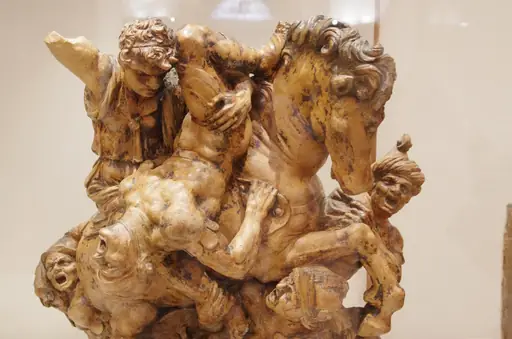
Brunelleschi's dome crowns this Renaissance city that shaped Western art. The Uffizi Gallery, the Accademia with Michelangelo's David and the Ponte Vecchio are top sights. Visitors can watch leather and gold craftsmen work in small workshops. Bistecca alla fiorentina and gelato fill trattorias around the Oltrarno.
Region in Austria
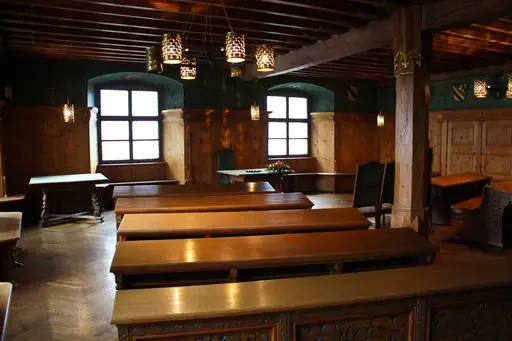
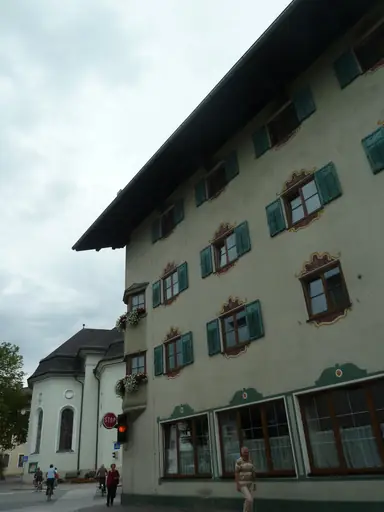
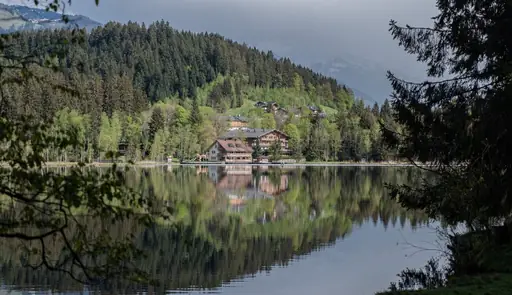
Tyrol
Alpine paradise in all seasons
The Golden Roof in Innsbruck is a balcony topped with gilded copper tiles, built around 1500. In the villages brass bands and marksmen in old uniforms march at church festivals. Folk dancers slap their boots in the schuhplattler. Hear yodelling in a mountain inn. Summers bring fresh cheese from mountain huts.
City in France
Colmar
A Fairytale Town in Alsace
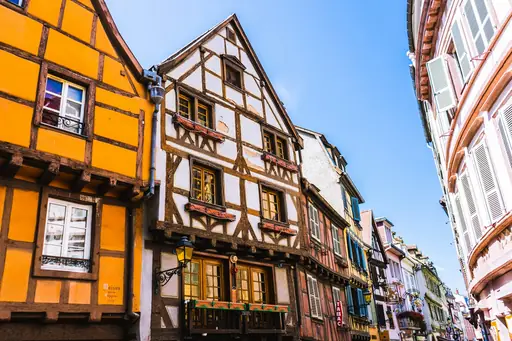
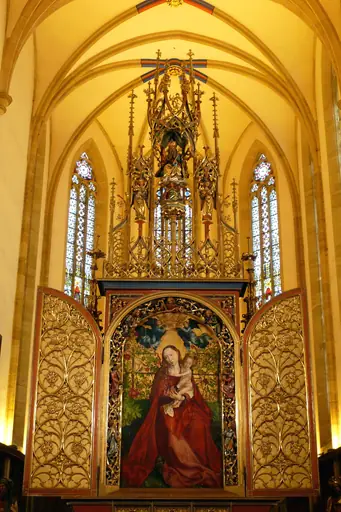
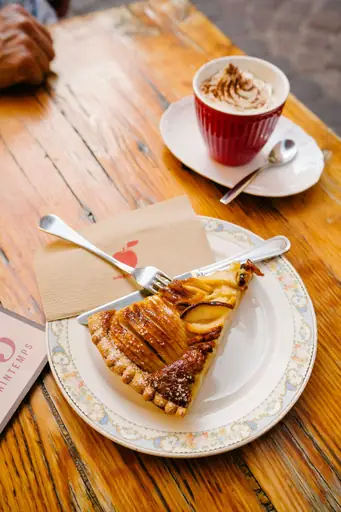
Half timbered houses in pastel colours line canals in this Alsace town. The Little Venice quarter and the Unterlinden Museum with the Isenheim Altarpiece are the top sights. Visitors can taste Riesling and Gewürztraminer wines and eat choucroute and tarte flambée. Its Christmas markets are among the most charming in France.
City in Faroe Islands
Tórshavn
Nordic Charm on Stormy Shores
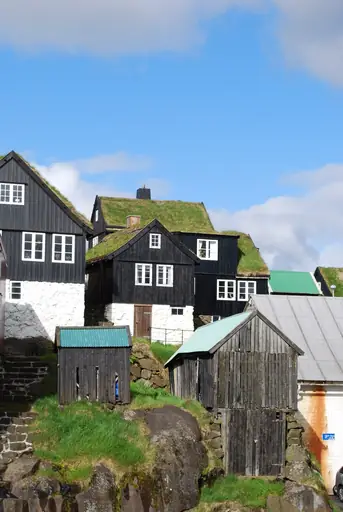
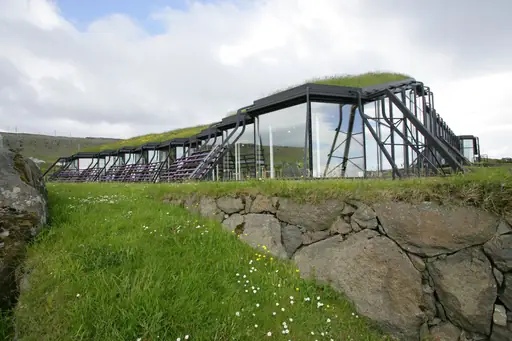
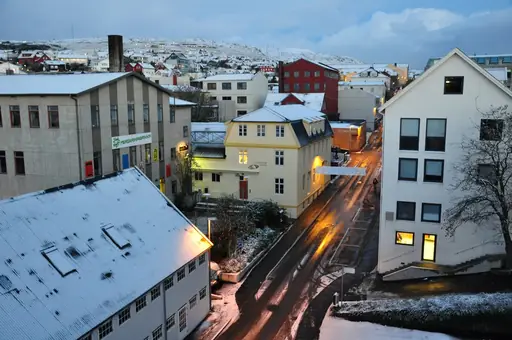
On the Faroe Islands, this small capital sits on a rocky peninsula in the North Atlantic. Tinganes has red wooden houses with grass roofs. The islanders have met in parliament here since Viking times. Try ræst kjøt, lamb that is dried and aged in the island wind.
City in Spain
Seville
Andalusia's Heartbeat of History
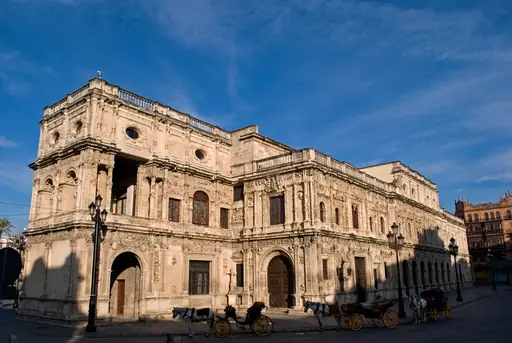
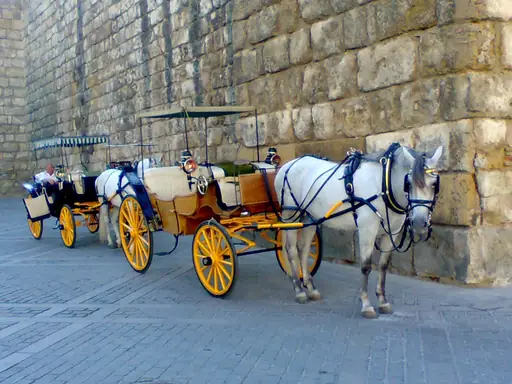
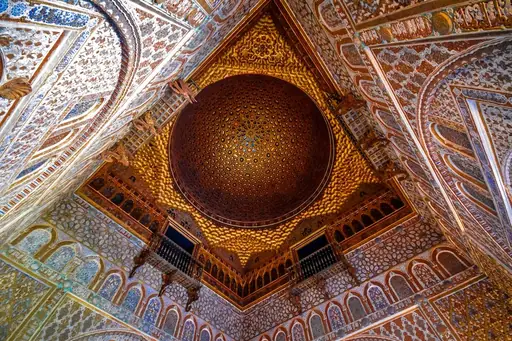
Orange blossom scents the streets in spring. At night the clap of hands and the sound of guitar spill from small flamenco bars. The Alcázar palace has tiled courtyards from the Moorish era. Holy Week brings hooded processions through the old centre. Walk across the river to Triana, where potters still paint tiles.
Region in Spain
Andalusia
Flamenco, Moorish Palaces and Sun
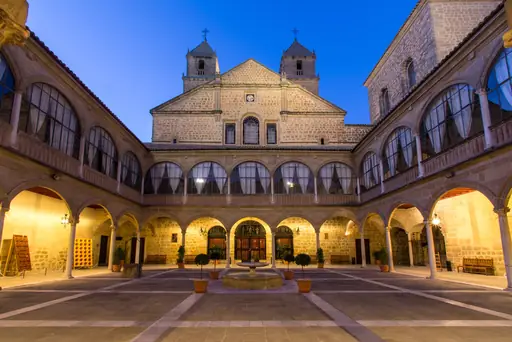
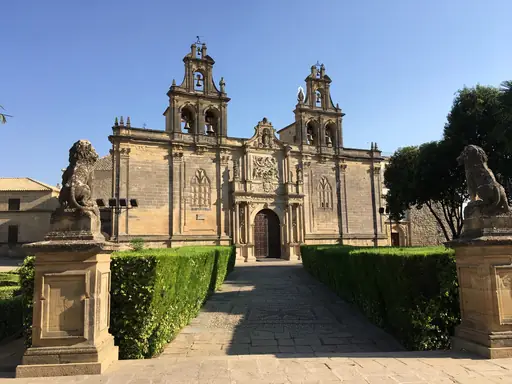
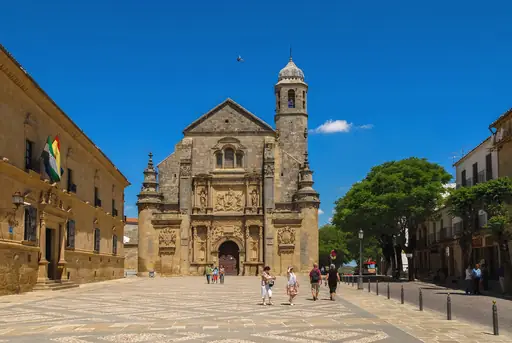
Flamenco, bullfighting heritage and Moorish architecture define this sunny southern region. The Alhambra in Granada, Seville's cathedral and Córdoba's Mezquita are the big name monuments. Visitors can wander whitewashed villages, watch flamenco and eat tapas in lively plazas. Spring fairs and Holy Week processions show local traditions at their most vivid.
Island in Greece
Paros
Charming beaches and whitewashed villages
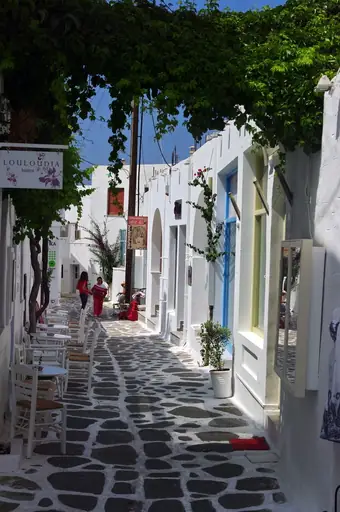
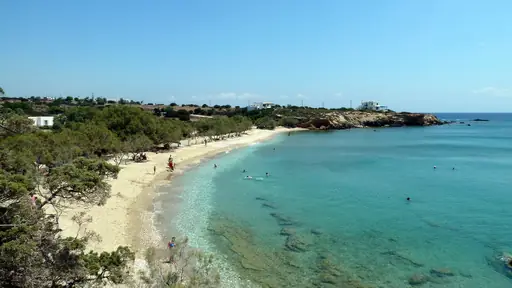
In the middle of the Cyclades, this island has white villages and quiet bays. Lefkes is a mountain village with marble paved lanes and a big church. Ancient quarries here supplied marble for famous Greek statues. Naoussa has a small fishing harbour with seaside tavernas.
Town in Italy
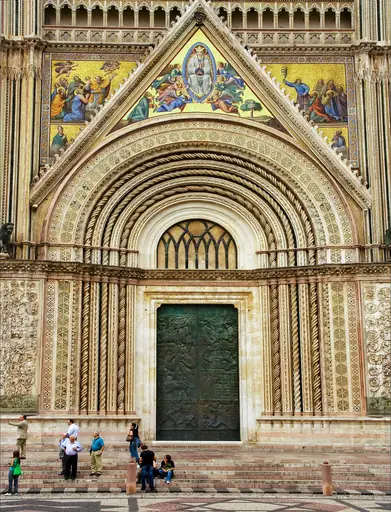
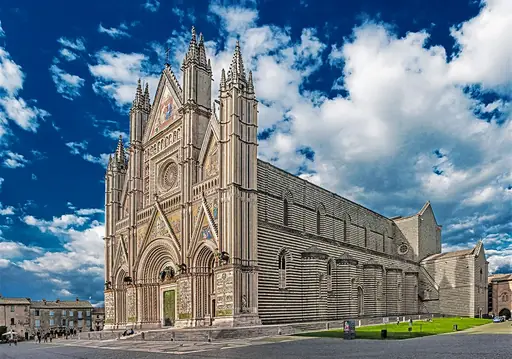
Orvieto
Umbrian hilltop gem
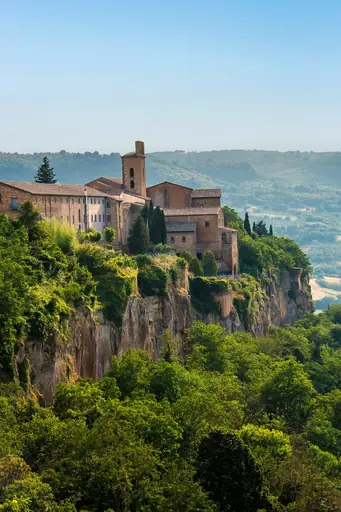
Etruscans built a town on this cliff of volcanic rock more than 2,500 years ago. Work on the cathedral began in 1290 and went on for about 300 years. Tour caves dug into the soft rock under the streets. Pair a glass of local white wine with lunch.
City in France
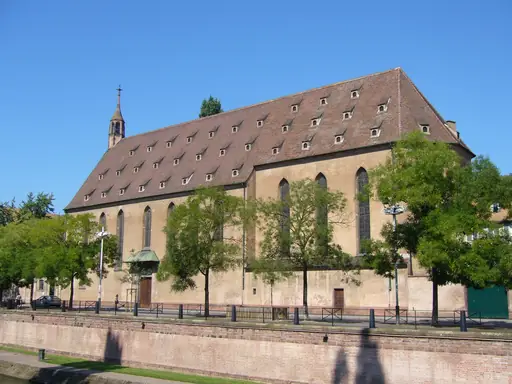
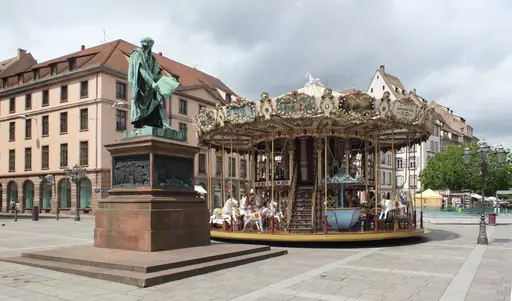
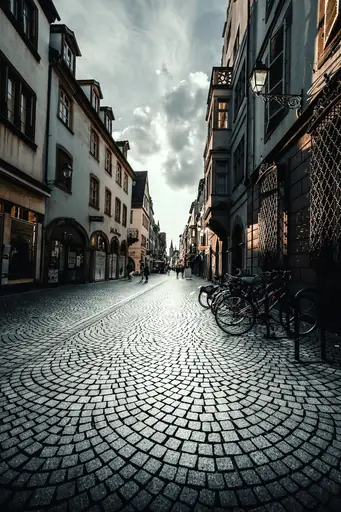
Strasbourg
Where France Meets Germany in Style
Gutenberg worked on early printing here in the 1430s. Walk through Petite France, an old tanners' quarter of half timbered houses and canals. The Christmas market dates to 1570. Eat tarte flambée and choucroute in a winstub, a cosy Alsatian tavern. Boats glide past on the canals.
City in Spain
Santiago de Compostela
A Pilgrimage Through History and Charm
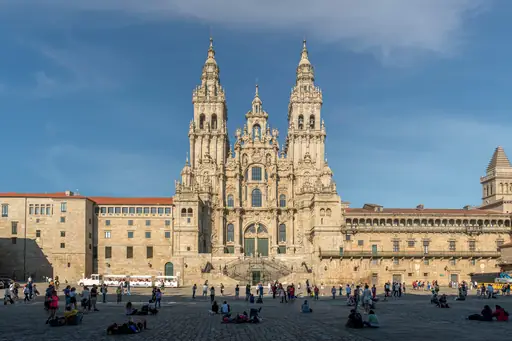
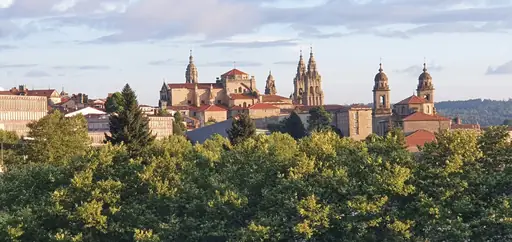
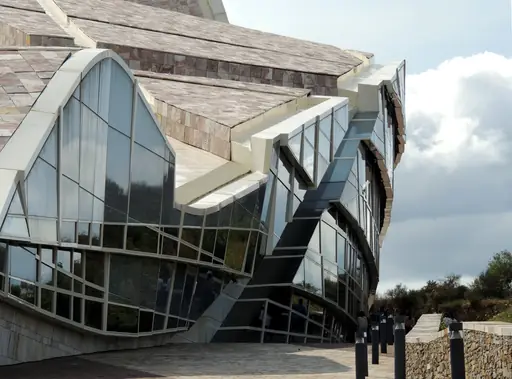
Pilgrims finish the Camino by hugging the statue of Saint James inside the cathedral. They have walked here for more than 1,000 years. On some feast days a huge incense burner called the botafumeiro swings across the church. Eat Galician octopus afterwards. The cathedral square fills with walkers resting their feet.
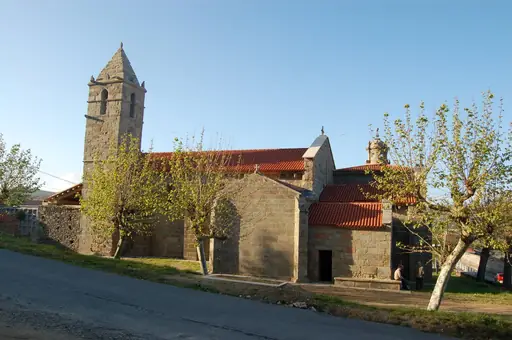
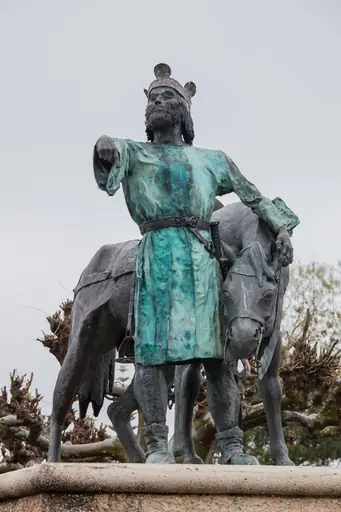
Region in Spain
Galicia
Coastal charm with misty mountains and vineyards
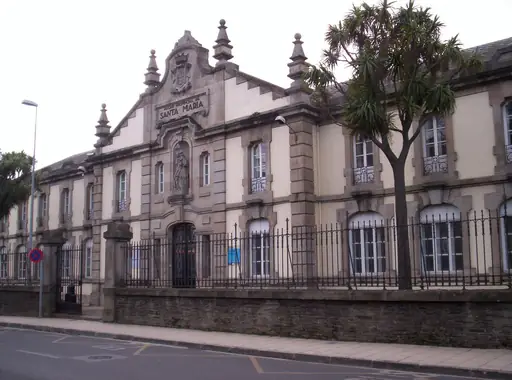
Green hills, stone villages and a rugged Atlantic coast define this northwest Spanish region. Santiago de Compostela ends the Camino pilgrimage at its cathedral. Visitors can eat octopus, seafood and Albariño wine in village taverns. Celtic roots show in bagpipe music and old stone granaries called hórreos.
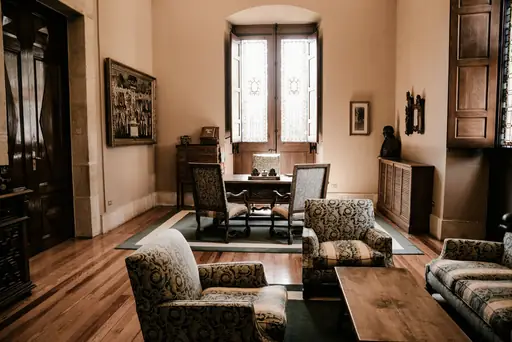
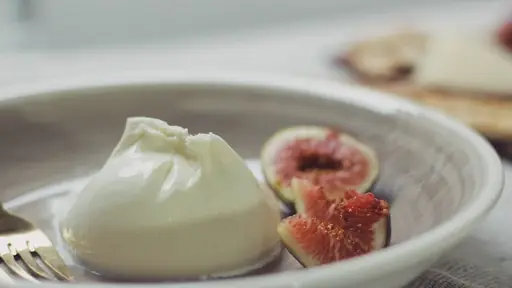
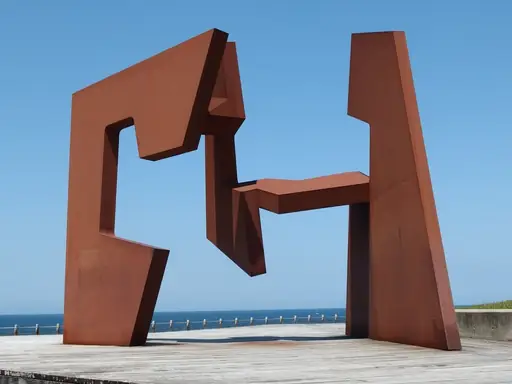
Region in Spain
Basque Country
Where tradition meets avant-garde beauty
A proud region with its own language, sports and food lies on the Bay of Biscay. San Sebastián is famous for pintxos bars and Michelin starred restaurants. Bilbao adds the Guggenheim Museum and a lively old quarter. Visitors can watch stone lifting and pelota and taste cider at village sidrerías.
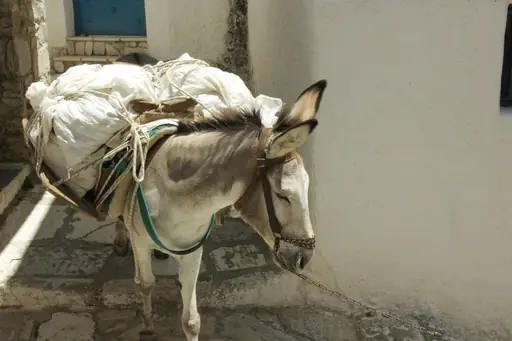
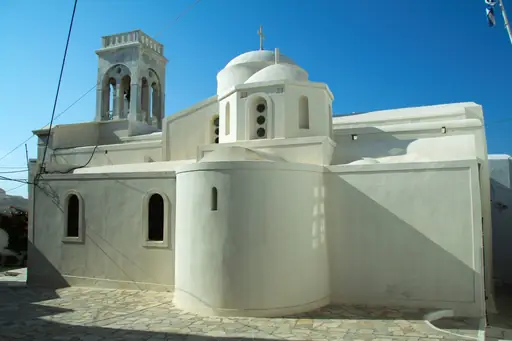
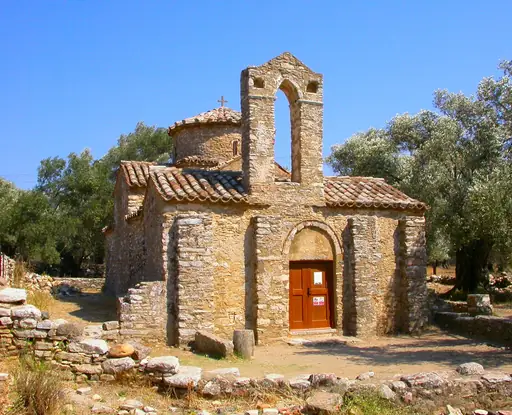
Island in Greece
Naxos
Golden Beaches and Ancient Charm
Marble gates, mountain villages and sandy beaches define the largest Cycladic island. The Portara marble doorway stands on an islet by the port. Visitors can see Apeiranthos village and taste Naxian potatoes, cheese and citron liqueur. Kitron distillery and old Venetian towers add local culture.
Region in Italy
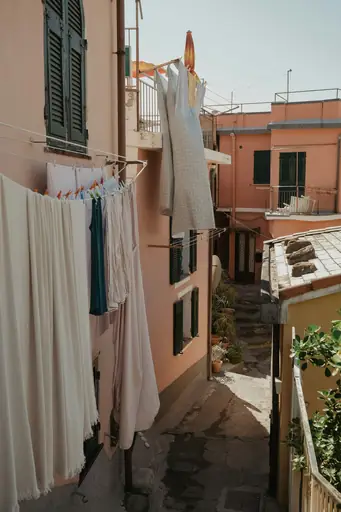
Cinque Terre
Colorful Cliffs and Coastal Charm
Five colourful fishing villages cling to cliffs above the Ligurian sea. Monterosso, Vernazza, Corniglia, Manarola and Riomaggiore are linked by coastal trails and a train. Visitors can taste pesto, anchovies and Sciacchetrà dessert wine from terraced vineyards. Locals still farm the steep terraces by hand.
Town in Poland
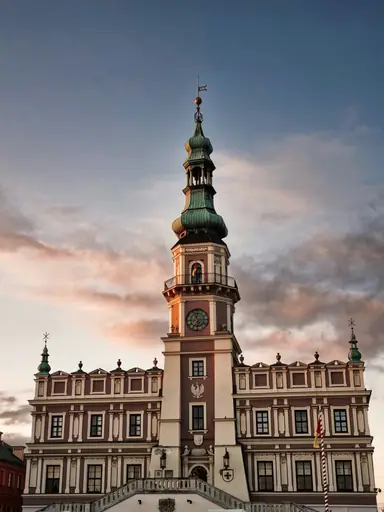
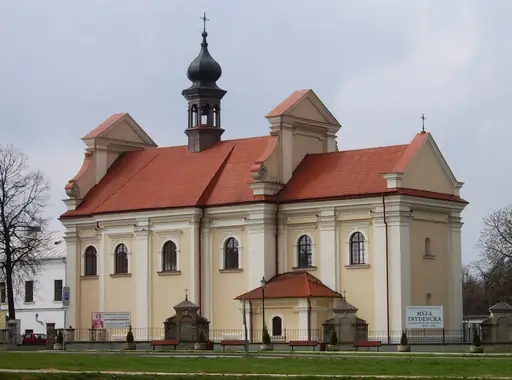
Zamość
Renaissance Pearl of Eastern Poland
Pastel facades glow in the evening light around the Great Market Square. Jan Zamoyski planned the town in 1580 with an Italian architect named Bernardo Morando. The Town Hall has a tall clock tower and a curved double stair. UNESCO lists the old town. Arcades shade the old square.
City in Italy
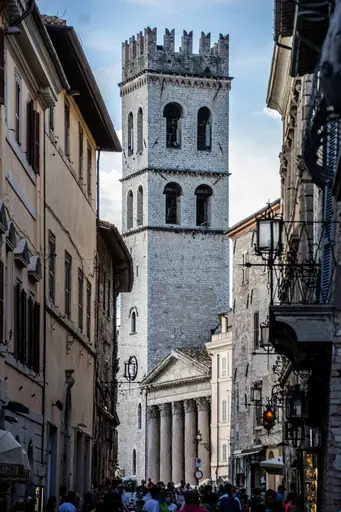
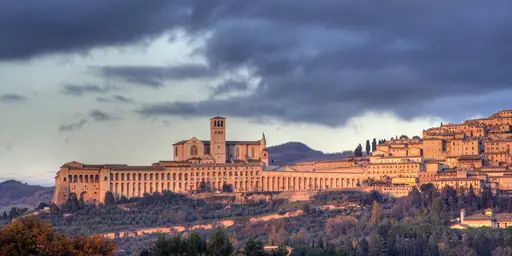
Assisi
Hilltop Saints, Frescoes and Peaceful Views
Pink stone lanes climb a hillside in this medieval Umbrian town. The Basilica of St Francis holds famous frescoes by Giotto. Visitors can walk to the hermitage on Mount Subasio and join quiet candlelit processions. Festivals like Calendimaggio bring costumes and medieval music to the streets each spring.
City in Italy
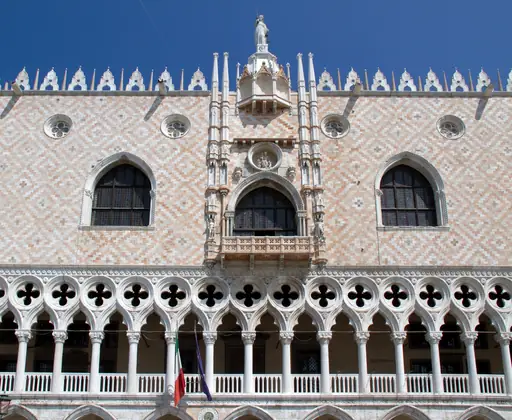
Venice
A floating city of romance and history
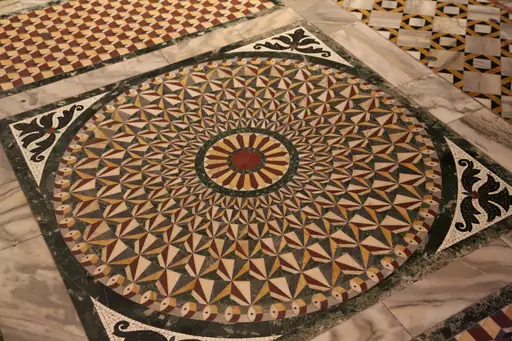
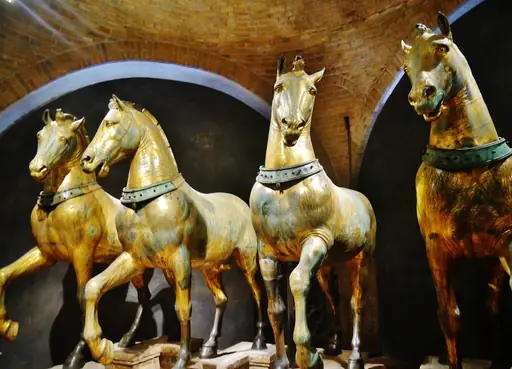
Come in February for Carnival, when people wear masks and costumes in the streets. The city stands on wooden piles driven into the lagoon more than a thousand years ago. See gondolas repaired at the San Trovaso boatyard from across the canal. Visit the Rialto market early.
Island in Italy
Sardinia
Turquoise seas and ancient secrets
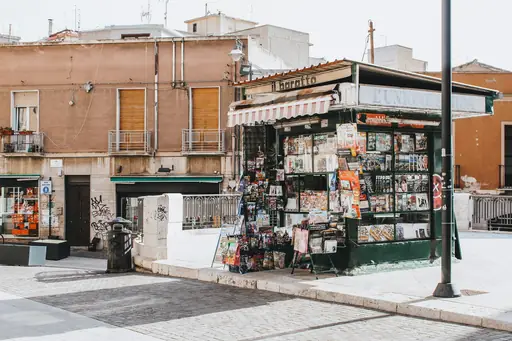
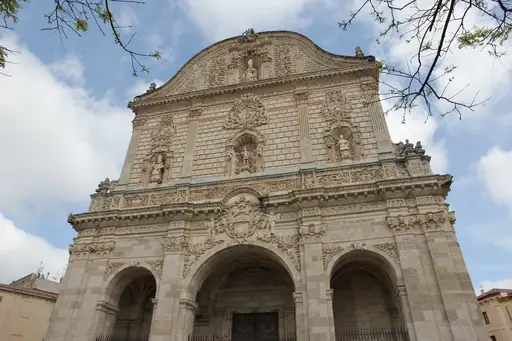
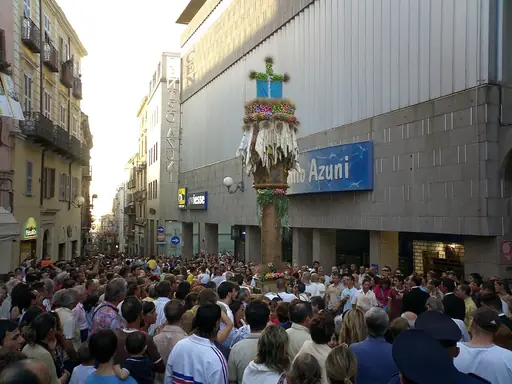
Su Nuraxi di Barumini is a stone tower village from the Bronze Age. Thousands of similar towers called nuraghi dot the island. Shepherds still make pecorino sardo, a hard sheep cheese. Bakers make carasau, a thin crisp flatbread that keeps for weeks. Villagers wear traditional costumes at local festivals.
City in Germany
Bamberg
Seven Hills, Smoked Beer, Living History
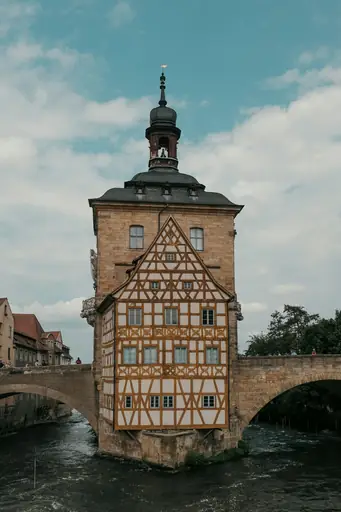
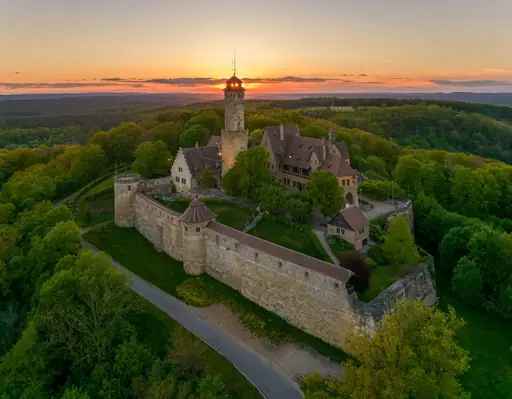
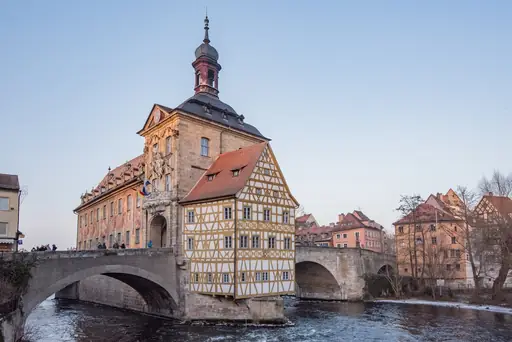
A UNESCO listed old town spreads across seven hills above the Regnitz river. The cathedral, the Old Town Hall on a bridge and the Little Venice fishermen's houses are the top sights. Visitors can taste smoked beer called Rauchbier in historic taverns. About ten breweries keep local brewing traditions alive.
Town in Ireland
Dingle
Wild Atlantic Views, Music & Craic
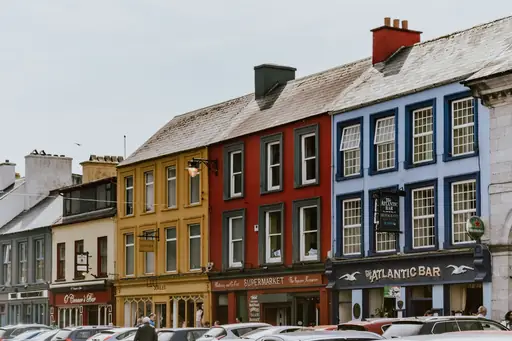
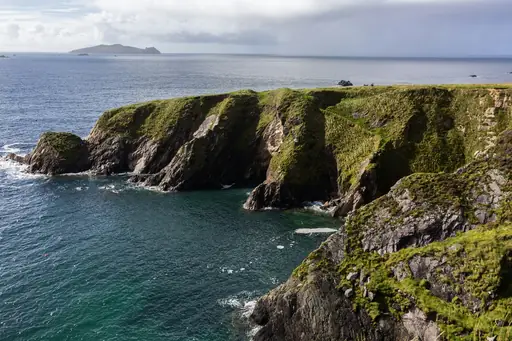
At the far west edge of Ireland, this peninsula is a Gaeltacht. That means Irish is still spoken every day. Gallarus Oratory is an old stone chapel shaped like an upturned boat. Pubs in town host live music sessions most nights. Walk the Slea Head loop at sunset.
City in Poland
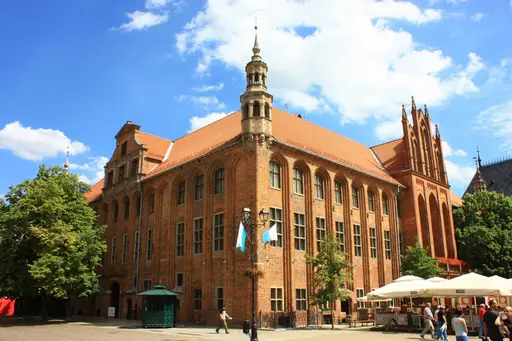
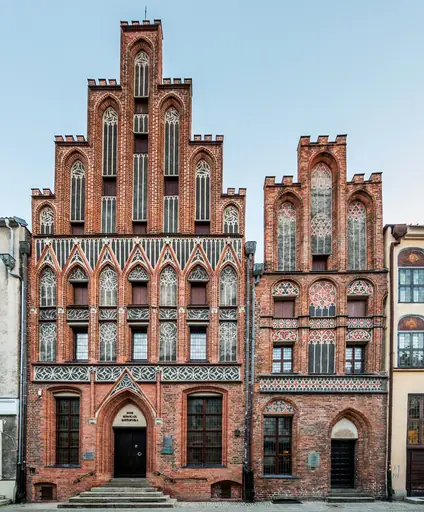
Toruń
Gingerbread, Gothic and Copernicus
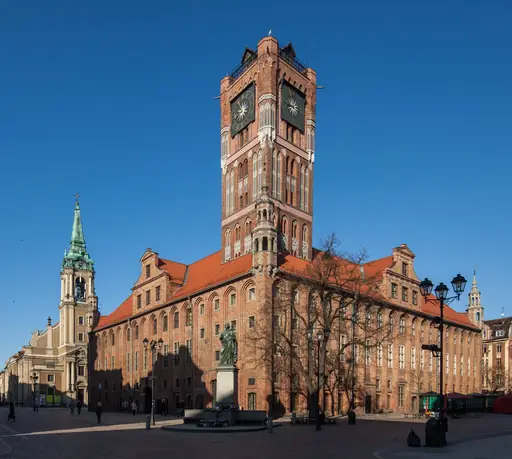
Bakers here have made gingerbread since the Middle Ages. Join a workshop at the Living Museum of Gingerbread and bake your own with old wooden moulds. Copernicus was born in this brick Gothic town in 1473. UNESCO lists the old town. Brick towers and a leaning tower stand along the old walls.
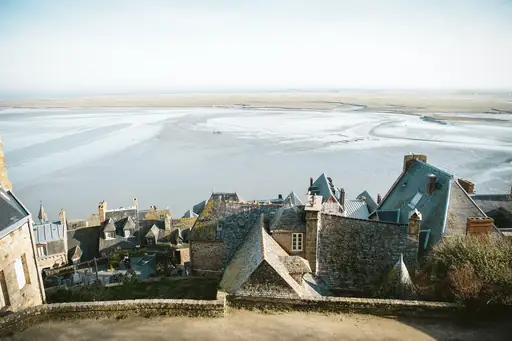
Island in France
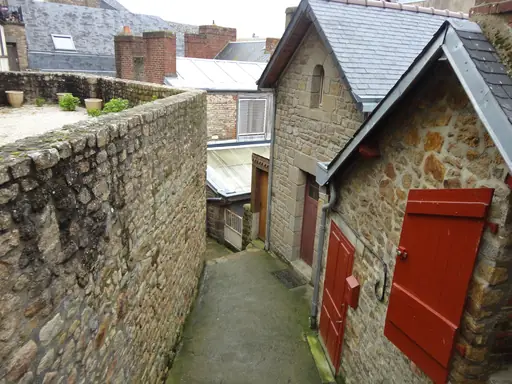
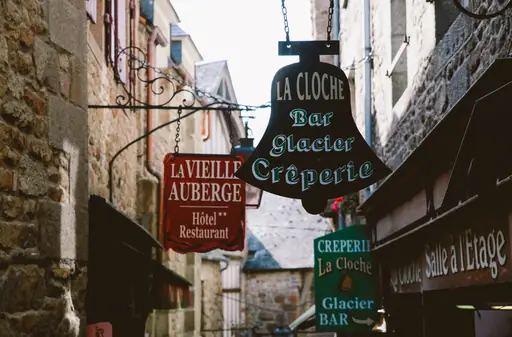
Mont Saint-Michel
A Medieval Island Rising from the Sea
A medieval abbey crowns a rocky island in a bay with some of Europe's highest tides. A single street of shops winds up to the abbey church. Visitors can cross the bay on guided walks and taste salt meadow lamb and apple cider. The abbey is UNESCO listed and dates back to the 8th century.
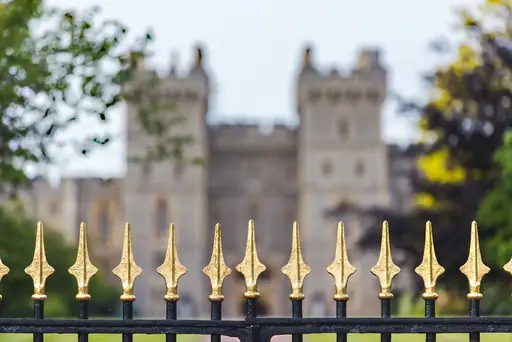
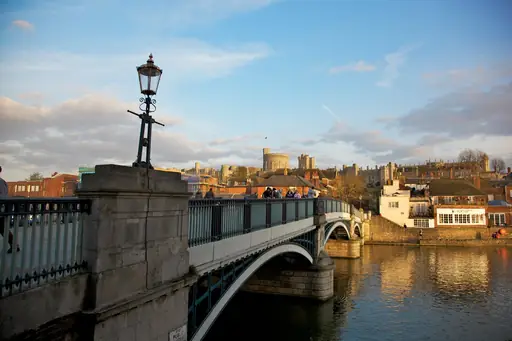
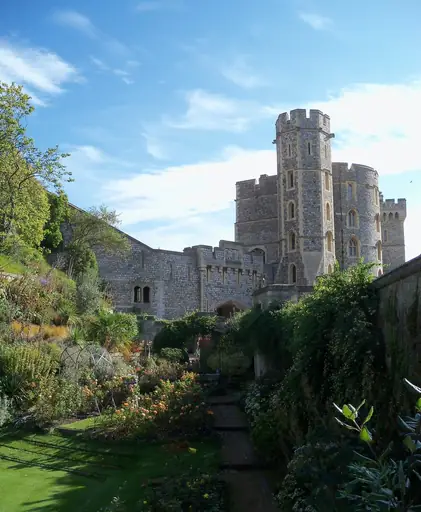
Town in United Kingdom
Windsor and Eton
Royal Castles, River Walks and Tradition
William the Conqueror began Windsor Castle in the 1070s. Royal families have lived there ever since. Across the Thames, Eton College was founded in 1440 by Henry VI. Many pupils still wear tailcoats. Watch the Changing of the Guard outside the castle. Stroll the river path between the two towns.
City in Netherlands
Delft
Canals, blue pottery, Vermeer’s legacy
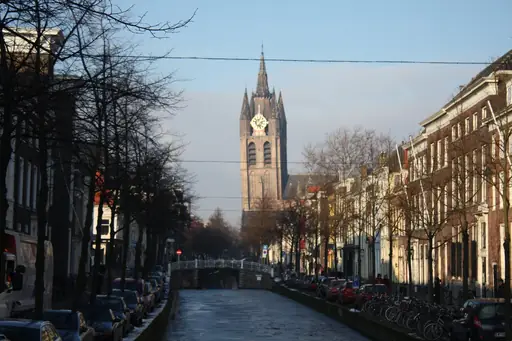
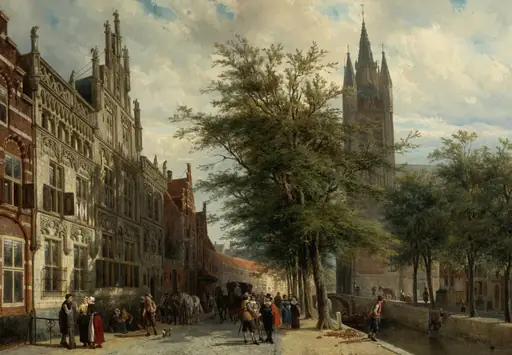
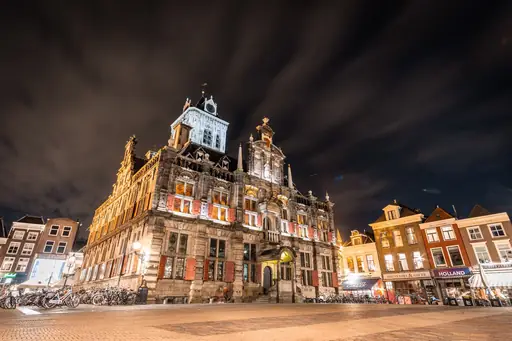
Canals, gabled houses and blue and white pottery define this Dutch town. Royal Delft still paints Delftware by hand in its factory. Visitors can learn about Vermeer and climb the Nieuwe Kerk tower. A Thursday market fills the old square near the old town hall building.
Region in Croatia
Istria
Heart-shaped peninsula of cultural fusion
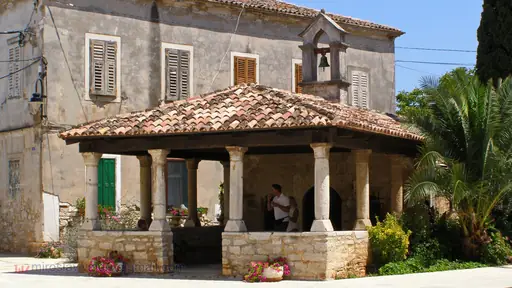
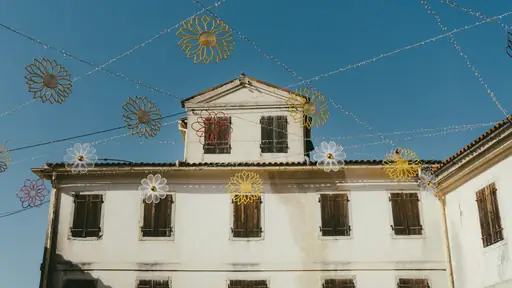
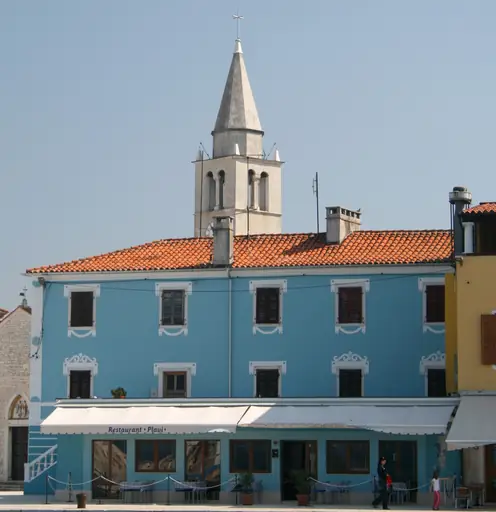
Hilltop stone towns, truffle forests and vineyards fill this Croatian peninsula. Pula has a Roman amphitheatre and Rovinj a Venetian harbour. Visitors can taste truffles, Malvazija wine and olive oil in farm restaurants. Motovun and Grožnjan are old hill towns with quiet stone lanes and wine cellars.
Region in Italy
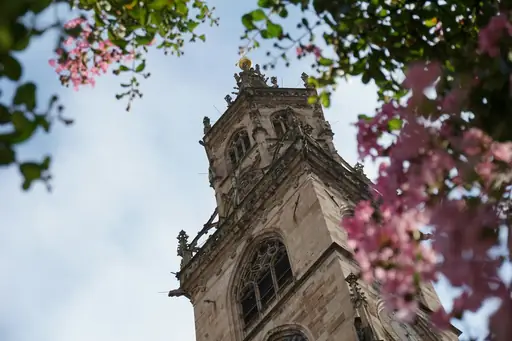
South Tyrol
Alpine culture where worlds collide
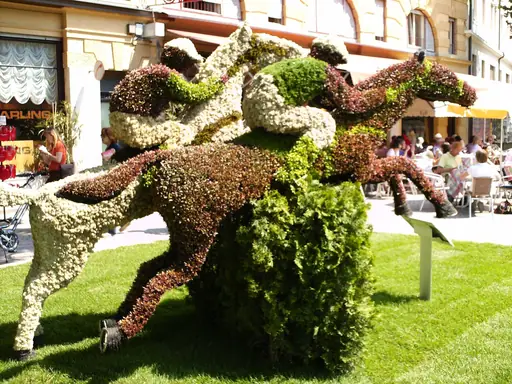
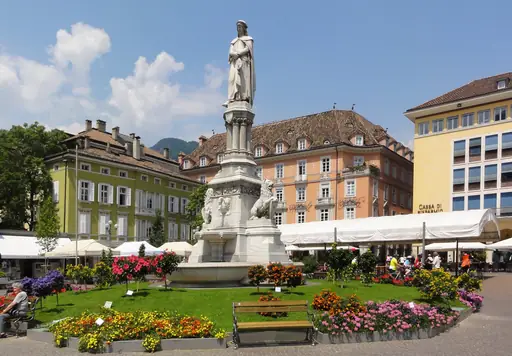
The South Tyrol Museum of Archaeology in Bolzano shows Ötzi, a man preserved in ice for about 5,300 years. Outside, villages keep old ways alive. Locals wear dirndls and leather trousers on feast days. Three languages are spoken here, German, Italian and Ladin. Many farms also sell their own cheese and smoked ham.
Town in Italy
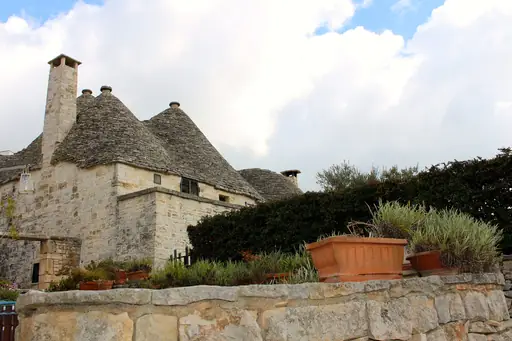
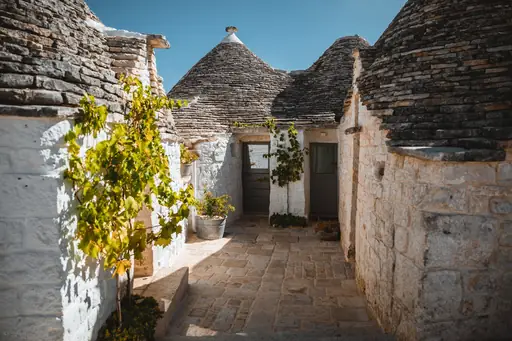
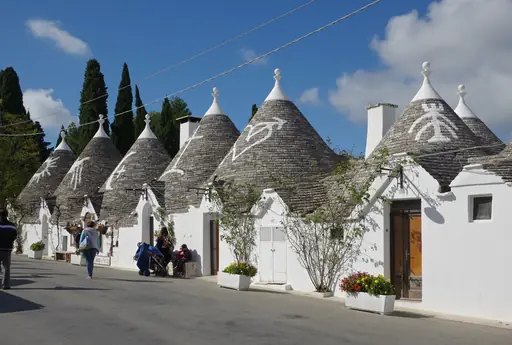
Alberobello
The fairytale town of trulli
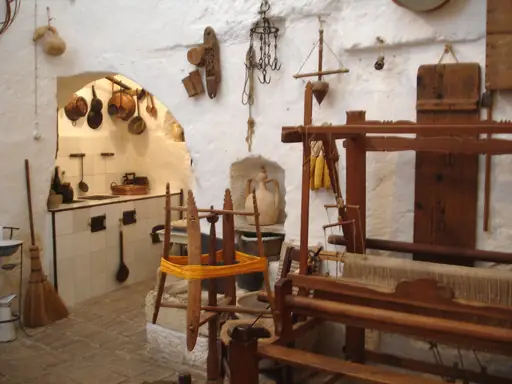
Whitewashed stone huts called trulli with conical grey roofs cover the hillsides of this Puglian town. The Rione Monti and Aia Piccola districts hold over a thousand of them. Visitors can stay in a trullo, shop for local crafts and taste orecchiette pasta. The trulli are UNESCO listed and date from the 1600s.
Town in Italy
Matera
The ancient cave city of Italy
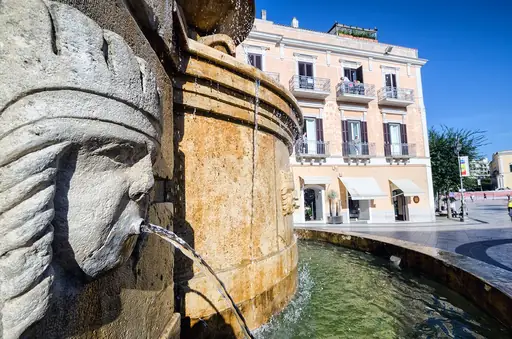
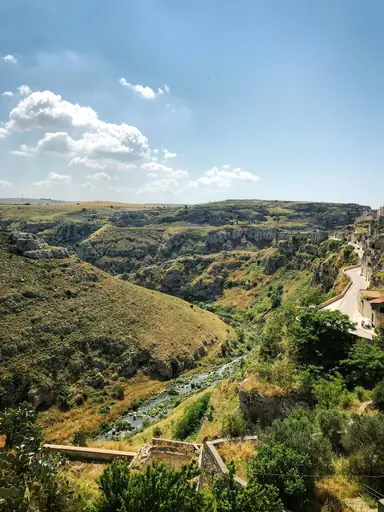
Ancient cave dwellings called Sassi are carved into a ravine in this southern Italian city. People have lived here for thousands of years. Visitors can tour rock churches with Byzantine frescoes and sleep in cave hotels. Local bread and Lucanian sausage are baked and cooked in old traditions.
Region in United Kingdom
Cotswolds National Landscape
Honey-Colored Villages and Rolling Hills
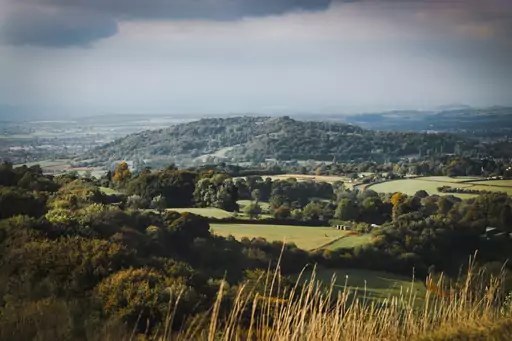
Honey coloured limestone villages and rolling sheep pastures define this English countryside. Bibury, Bourton on the Water and Chipping Campden are classic stops. Visitors can walk the Cotswold Way and sip ale in thatched pubs. Old wool churches and market halls show the wealth of the medieval wool trade.
City in France
Saint-Malo
Walled city, wild tides, pirate tales
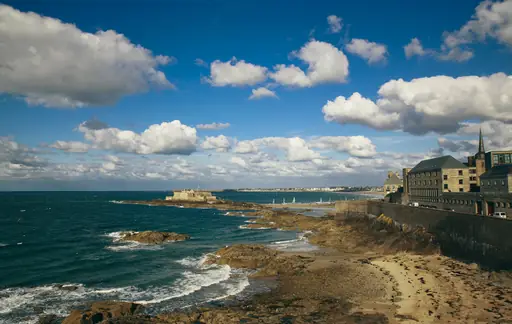
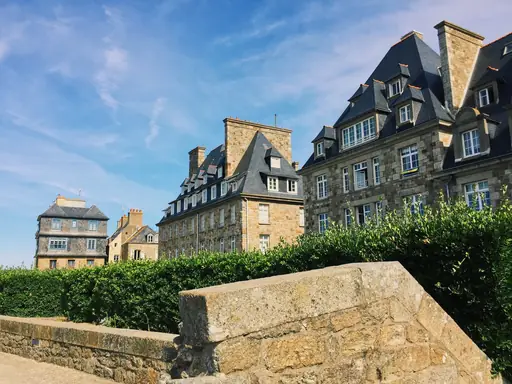
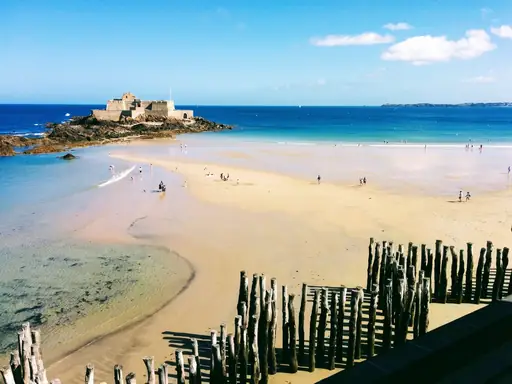
Waves slap the stone ramparts and gulls cry overhead. The walled port was rebuilt after heavy bombing in 1944. At low tide you can walk to Grand Bé, a small island with a famous writer's tomb. Eat buckwheat crepes with a bowl of Breton cider.
City in Spain
Girona
Medieval Walls, Colorful Rivers, Catalan Soul
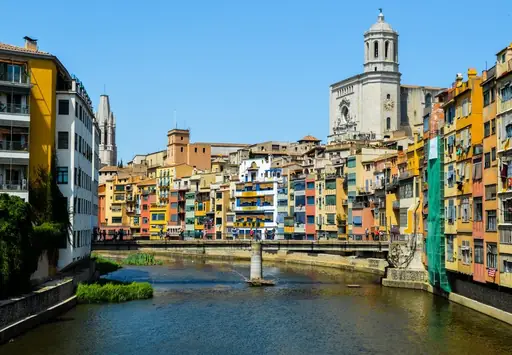
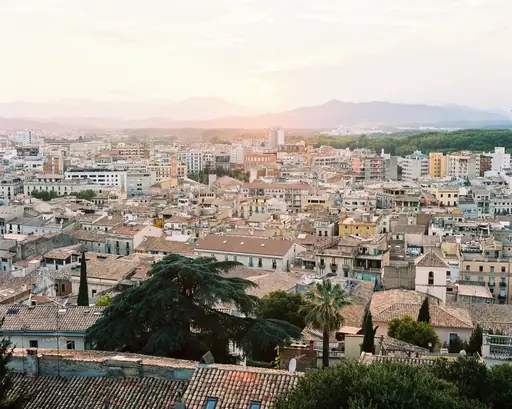
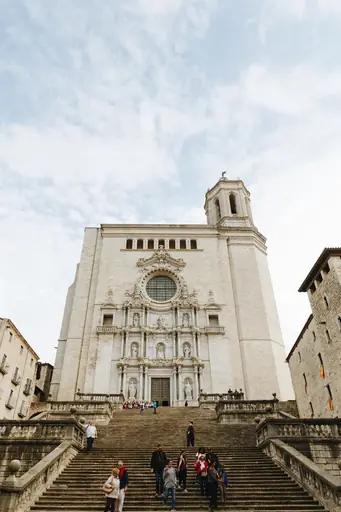
Medieval lanes, a Jewish quarter and colourful houses over the Onyar river fill this Catalan city. The cathedral has a huge Baroque stairway and a wide Gothic nave. Visitors can walk the old city walls and taste crema catalana. Cafes and bakeries line the old streets.
City in Poland
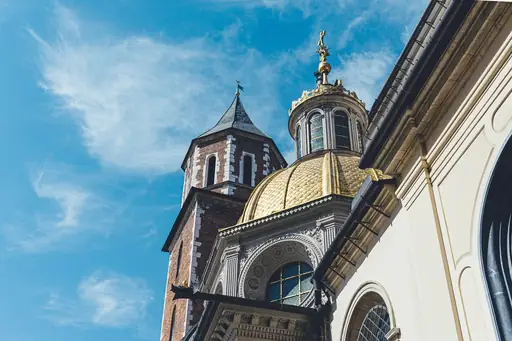
Kraków
Timeless Charm and Rich History
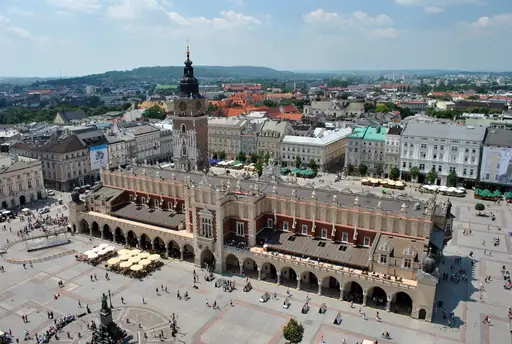
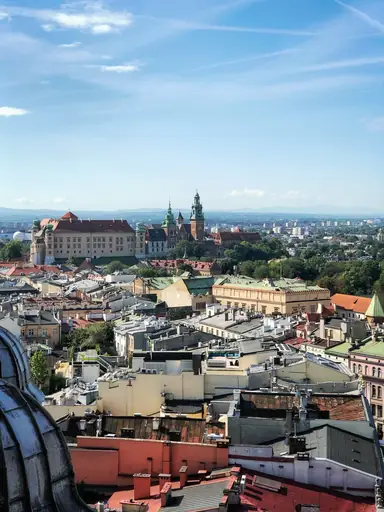
One of Europe's largest medieval squares sits at the heart of this Polish city. Wawel Castle, the Cloth Hall and St Mary's Basilica are the big name sights. Visitors can explore the Kazimierz Jewish quarter and eat pierogi and obwarzanek bread rings. A trumpet call sounds from St Mary's tower every hour.
City in Spain
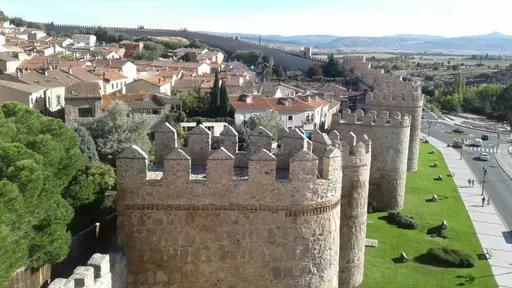
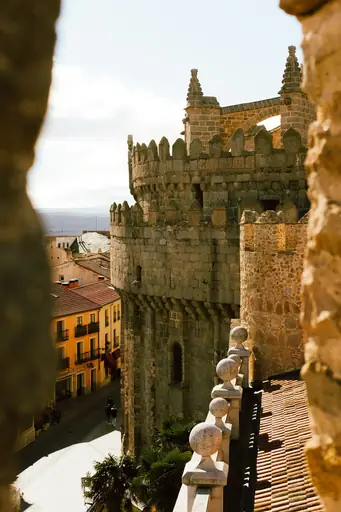
Ávila
Medieval Walls and Sacred History
Medieval granite walls about 2.5 kilometres long and with 88 towers encircle this Castilian city. Saint Teresa was born here and a convent marks the spot. Visitors can walk the top of the walls and visit the Romanesque cathedral. Local yemas sweets and tender Ávila beef are served in old stone restaurants.
City in Spain
Córdoba
A timeless blend of cultures
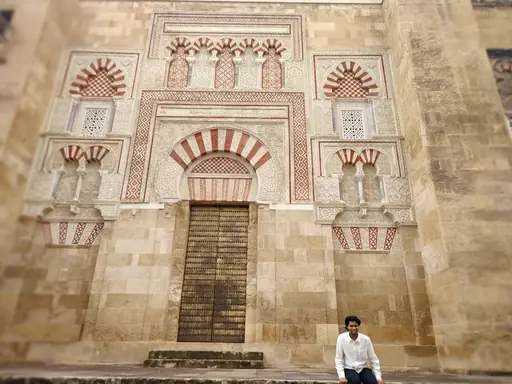
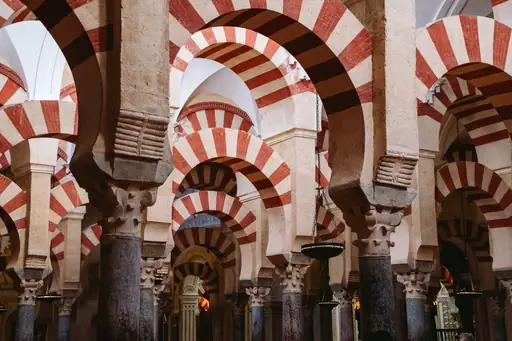
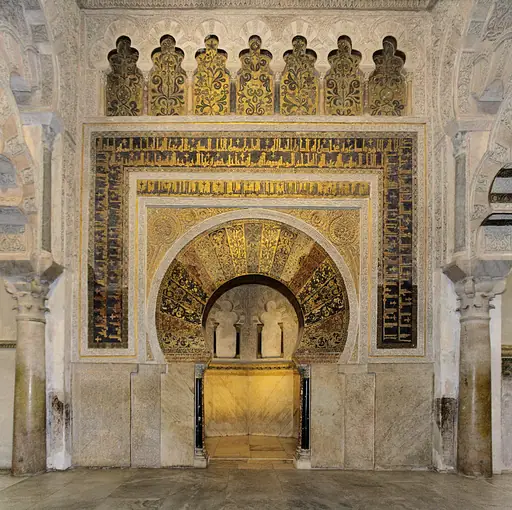
The Mezquita, a vast mosque turned cathedral with hundreds of red and white arches, dominates this Andalusian city. The Jewish Quarter and Roman bridge add to the historic centre. Visitors can see flower filled patios in May and eat salmorejo cold soup. Medina Azahara palace ruins sit outside the city.
City in Spain
Toledo
A Timeless Blend of Cultures
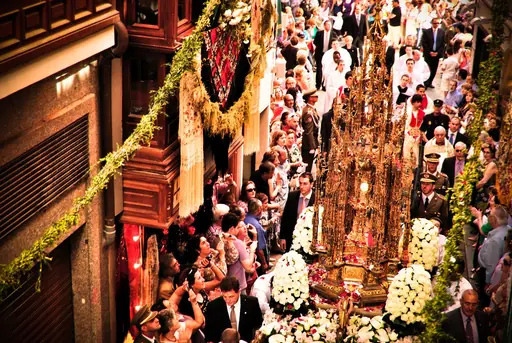
Come in late spring or early summer for Corpus Christi, when streets are hung with awnings and flowers. Christians, Muslims and Jews all lived in this hill city. Their churches, mosques and synagogues still stand close together. Workshops forge steel swords and bake sweet marzipan.
Region in Finland
Lapland
Northern lights and midnight sun
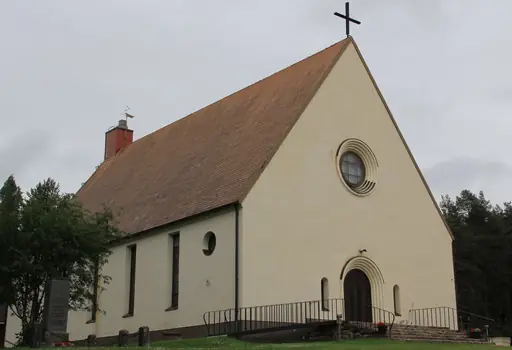
Sami culture, reindeer herding and northern lights define this Arctic region of Finland. Rovaniemi hosts Santa Claus Village on the Arctic Circle. Visitors can ride reindeer sleds, meet Sami herders and sleep in glass igloos. Smoked reindeer and cloudberry desserts are local specialities served in cosy wooden restaurants.
Town in Italy
Volterra
Timeless Tuscan Hilltop Retreat
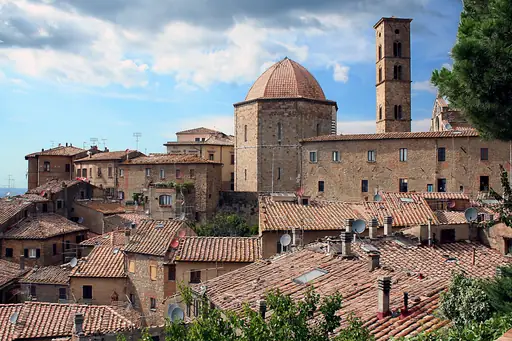
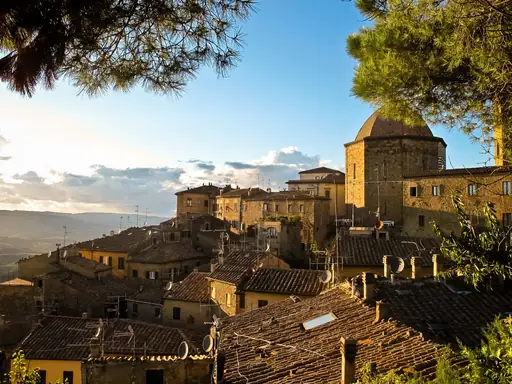
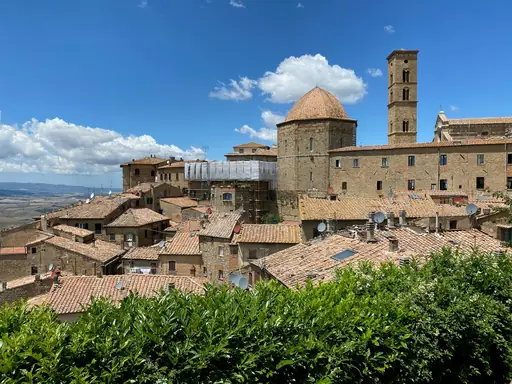
Compared with nearby San Gimignano this hill town feels rougher and quieter. Workshops still carve alabaster, a craft that goes back to the Etruscans. See the Roman theatre and the Etruscan gate. The Medici fortress is now a prison, so you can only view it from outside.
Region in Italy
Puglia
Sun‑kissed coastlines and ancient olive groves
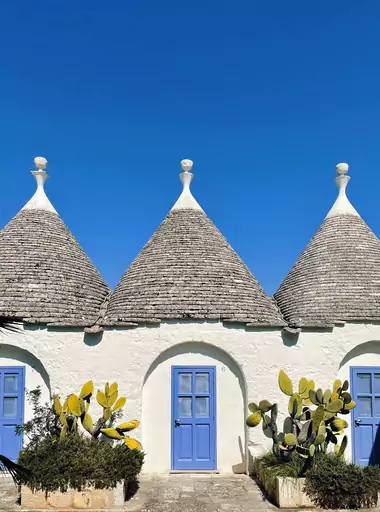
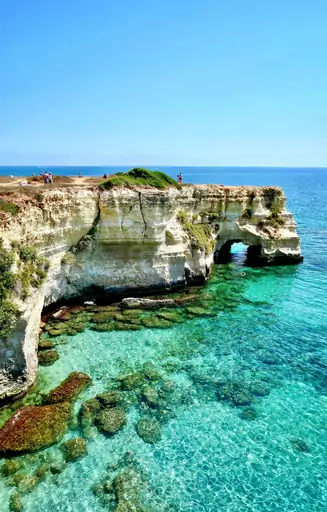
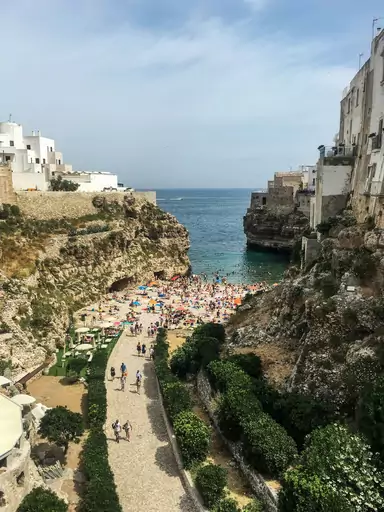
The trulli of Alberobello are round houses of dry stone built without mortar and listed by UNESCO in 1996. This region has 50 to 60 million olive trees and produces 40 percent of Italy's olive oil. Orecchiette is a typical pasta shape. In Salento a few thousand people still speak Griko, a Greek language.
Town in Portugal
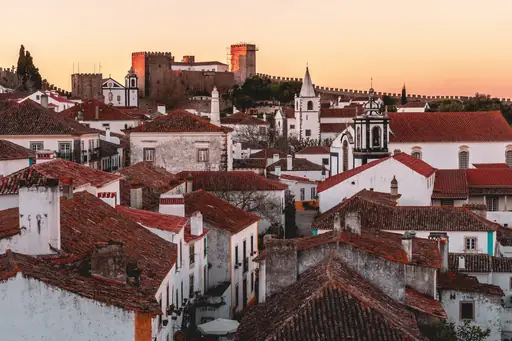
Óbidos
A Fairytale Town Behind Ancient Walls
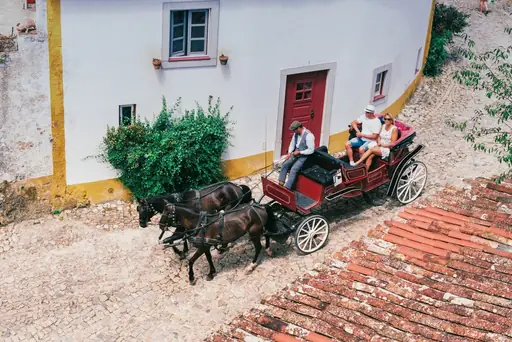
Whitewashed houses with yellow and blue trims and flowers fill this walled Portuguese village. Its castle now serves as a pousada hotel. Visitors can walk the walls and sip ginja cherry liqueur from a chocolate cup. A medieval market and a chocolate festival fill the lanes each year.
Town in United Kingdom
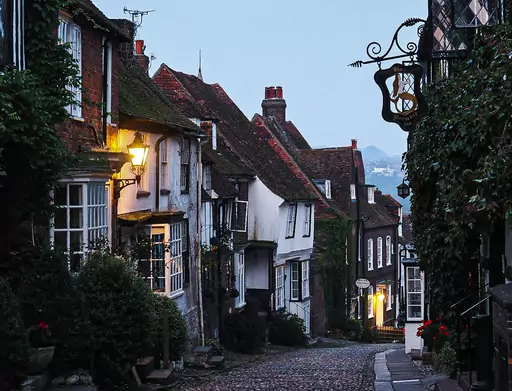
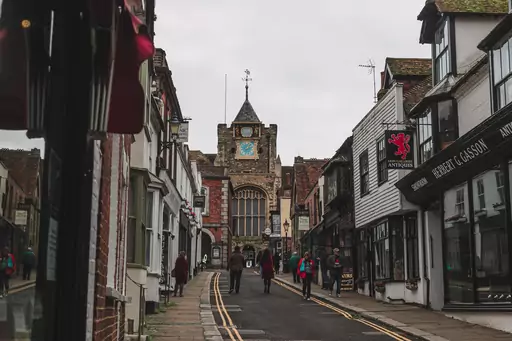
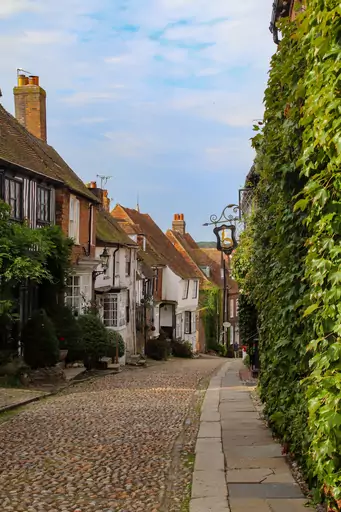
Rye
Medieval citadel with smuggler's soul
In the 1700s smugglers used the inns of this old Cinque Ports town. The Mermaid Inn on cobbled Mermaid Street dates to 1420. The sea has since pulled back. The town now sits above green marshland. Climb the tower of St Mary's church for views.
Island in Greece
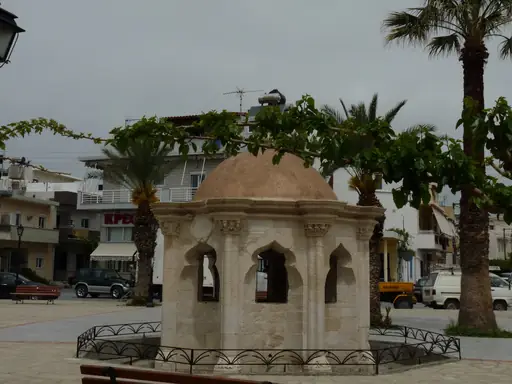
Crete
A Journey Through History and Nature
Minoan palaces, white mountain villages and olive groves shape Greece's largest island. Knossos near Heraklion is the famous Minoan site and Chania has a Venetian harbour. Visitors can hike the Samaria Gorge and taste raki, cheese pies and olive oil. Village festivals with lyra music and dancing keep local traditions alive.
City in United Kingdom
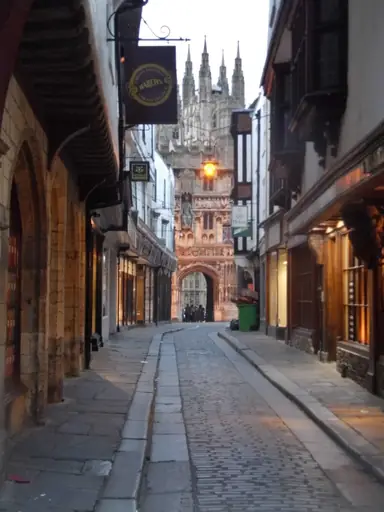
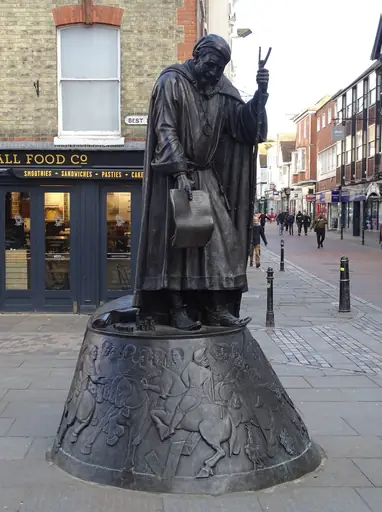
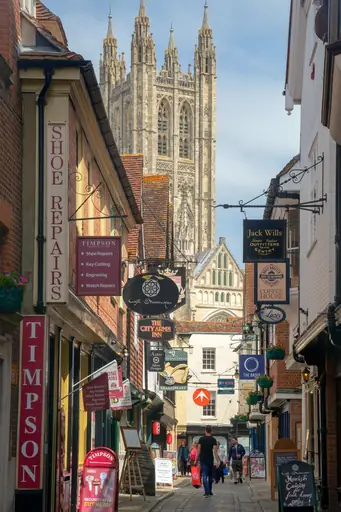
Canterbury
Cathedrals, Cobblestones and River Tales
Timbered houses and narrow lanes surround one of England's most important cathedrals in this medieval city. Canterbury Cathedral was the destination of pilgrims in Chaucer's tales. Visitors can punt on the River Stour and walk the old city walls. The Canterbury Tales attraction and St Augustine's Abbey ruins add history.
City in Spain
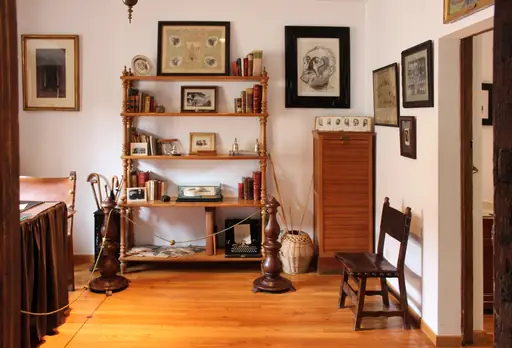
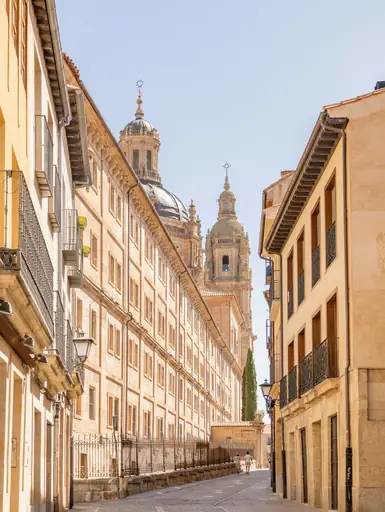
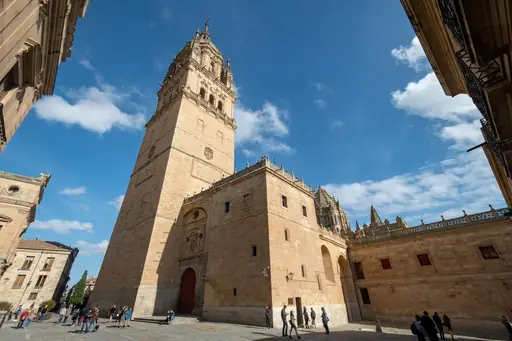
Salamanca
Golden Stone and Timeless Charm
On a high plain in western Spain, a town of golden sandstone grew around a university founded in 1218. The Plaza Mayor is a large baroque square with arches. Search the university front for a tiny carved frog. Students say finding it brings good luck.
City in Croatia
Dubrovnik
The Pearl of the Adriatic
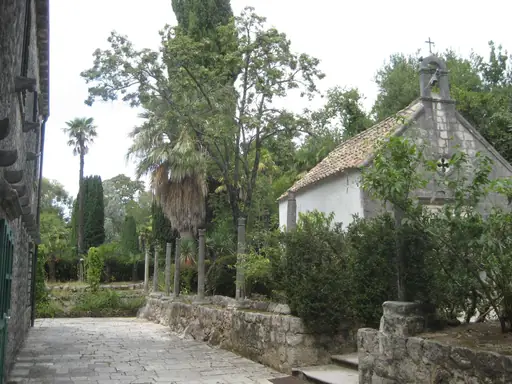
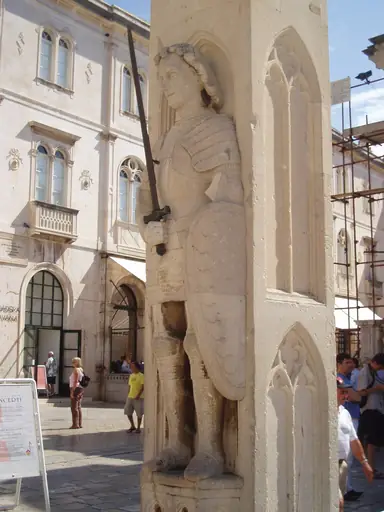
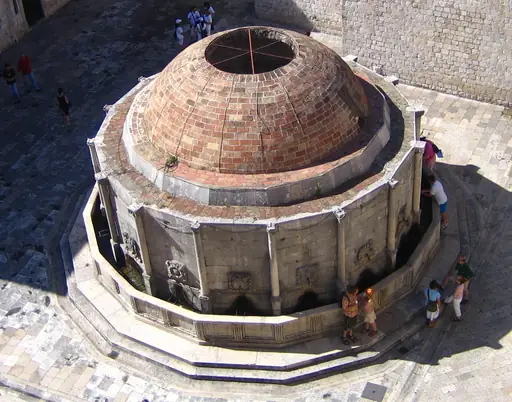
Massive limestone walls about two kilometres long encircle the old town on the Adriatic. Stradun street, the Rector's Palace and Onofrio's Fountain are the main sights. Visitors can walk the walls, ride the cable car and eat fresh oysters and black risotto. Folk dances at the Linđo show Croatian traditions.
Town in Germany
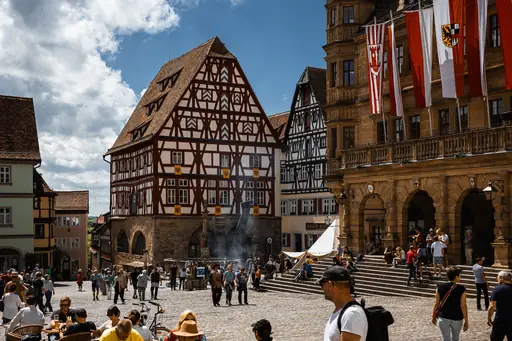
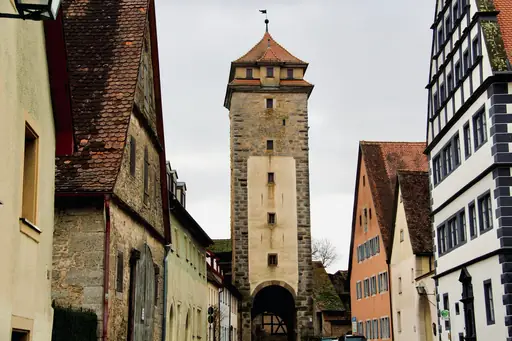
Rothenburg ob der Tauber
Step Into a Living Fairytale
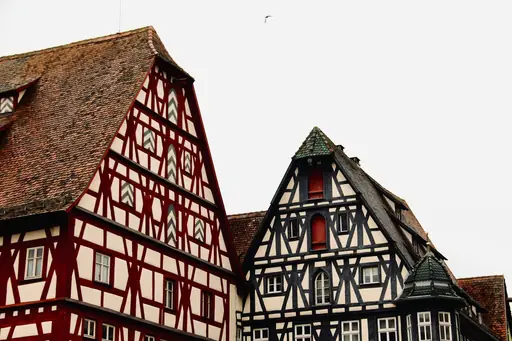
The Plönlein is a small square where two lanes meet at a half timbered house. Town walls from the 1300s still circle the old town and you can walk on top of them. Try a Schneeball, a ball of crisp pastry dusted with sugar. Come early to have the lanes to yourself.
City in Bosnia and Herzegovina
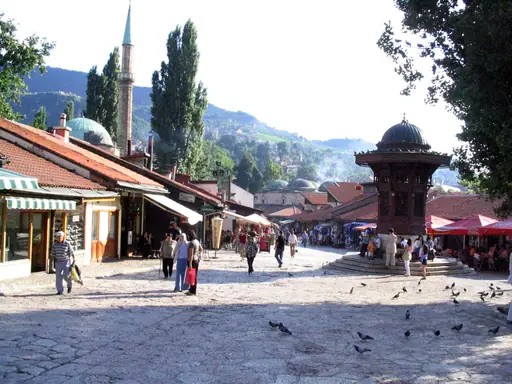
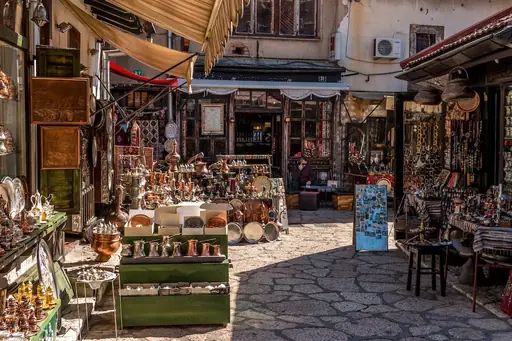
Sarajevo
Where East meets West in the Balkans
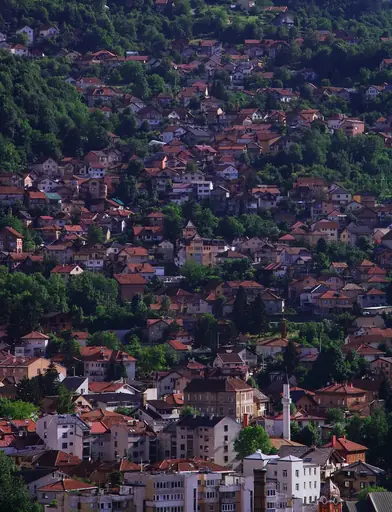
Walk a few blocks and you pass from an Ottoman bazaar to an Austro-Hungarian avenue. Baščaršija is the old market, where coppersmiths still hammer coffee sets. Drink thick Bosnian coffee from a copper pot. Eat ćevapi, small grilled sausages tucked in flatbread. Sip tea near the Sebilj, a wooden fountain.
City in Malta
Valletta
A historic gem by the sea
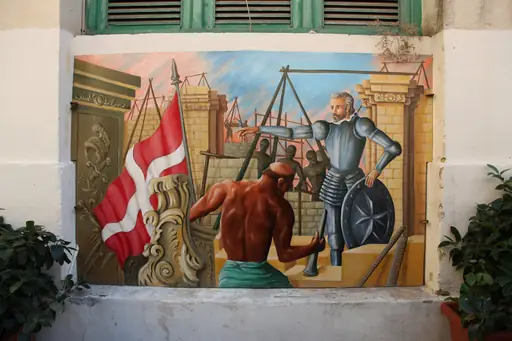
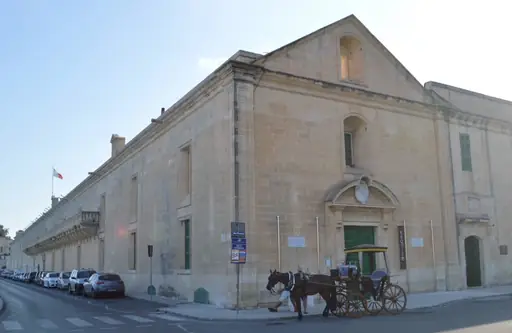
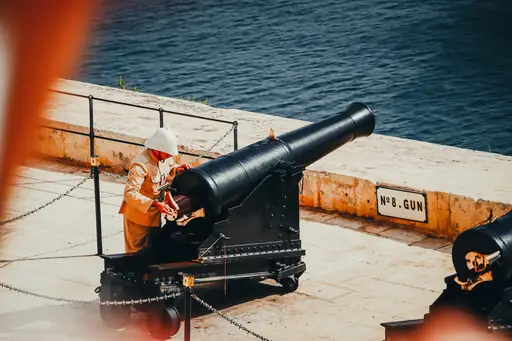
Warm limestone walls line the narrow streets. The smell of pastizzi, flaky pastries filled with ricotta or peas, drifts from small bakeries. The Knights of St John founded the city in 1566. Inside St John's Co-Cathedral, see a painting by Caravaggio. Wooden balconies in bright colours hang over the steep lanes.
Island in Ireland
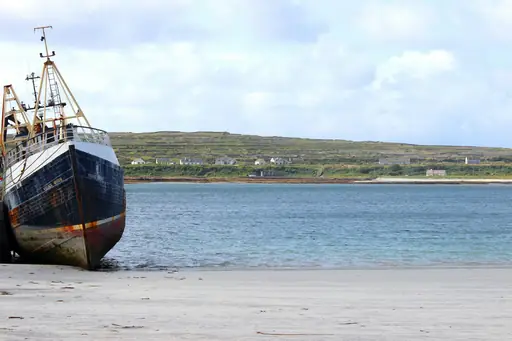
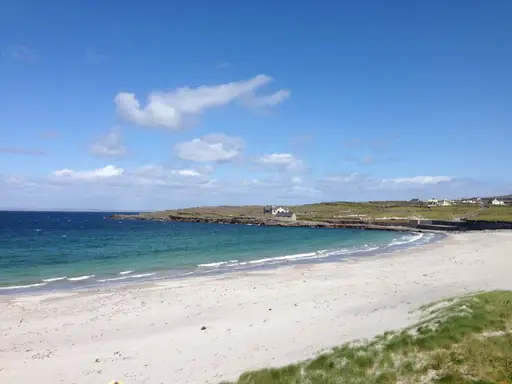
Inishmore
Stone Forts, Cliffs and Celtic Spirit
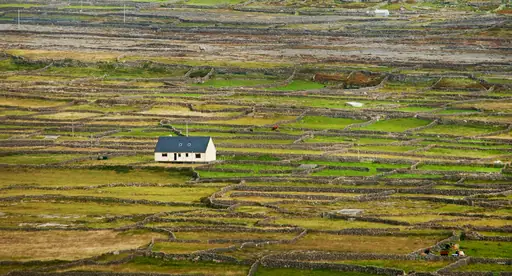
Islanders speak Irish every day. Many knit Aran jumpers in thick cream wool, a craft the islands are known for. Small fields are walled with stone laid by hand over centuries. Take a pony trap, a small horse cart, around the island. Sit with a pint in a pub with a turf fire.
Island in Italy
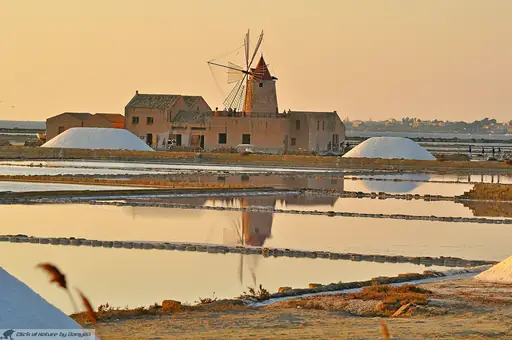
Sicily
Sun, Sea and Ancient Secrets
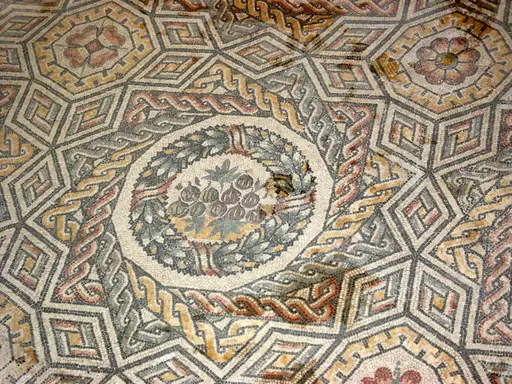
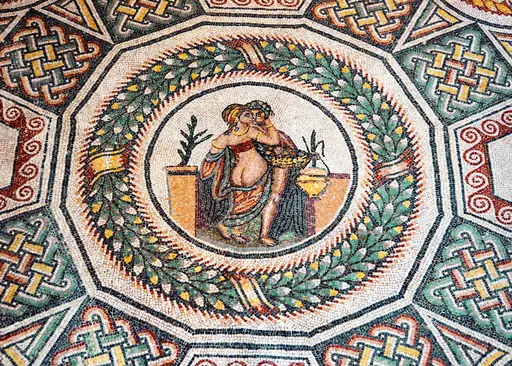
Come in spring or autumn, when the days are warm but not hot. Greek temples stand in the Valley of the Temples near Agrigento. Puppet theatres in Palermo and Catania still stage tales of armoured knights. Finish with a cannolo, a crisp shell filled with sweet ricotta.
Museum in Aarhus
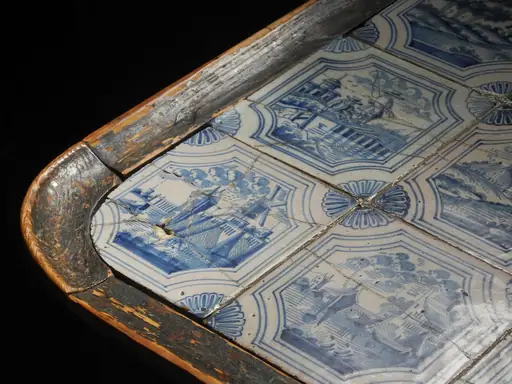
Den Gamle By
Living History of Danish Cities
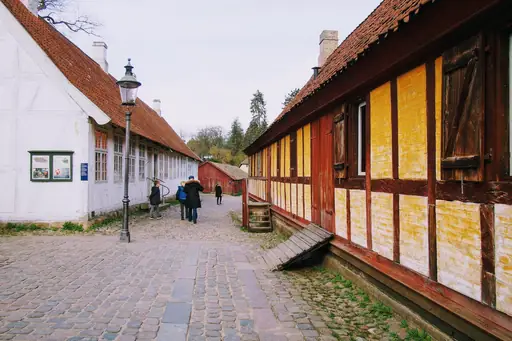
Dozens of historic houses were moved to this Aarhus open air museum to form a living old Danish town. Streets show daily life in the 1580s, 1864, 1927 and 1974. Visitors can enter shops, a bakery and a school with costumed staff. A Christmas market fills the cobbled lanes with candles and gingerbread.
City in United Kingdom
Lancaster (England)
Historic riverfront charm meets university spirit
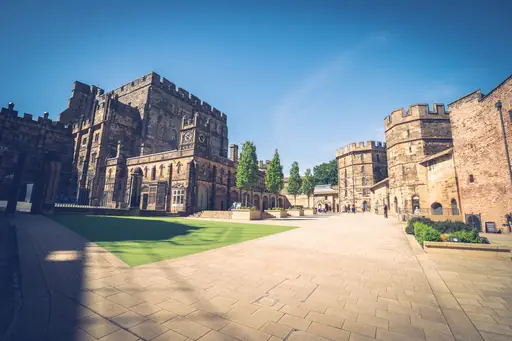
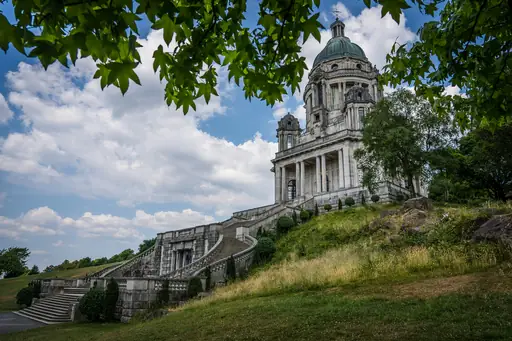
A Norman castle and a Georgian old town overlook the River Lune in this northern English city. Lancaster Castle served as a prison for centuries and offers guided tours. Visitors can see the Ashton Memorial, walk the quay and taste Lancashire cheese. The Judges' Lodgings museum shows Georgian furniture and Gillow craftsmanship.
City in Germany
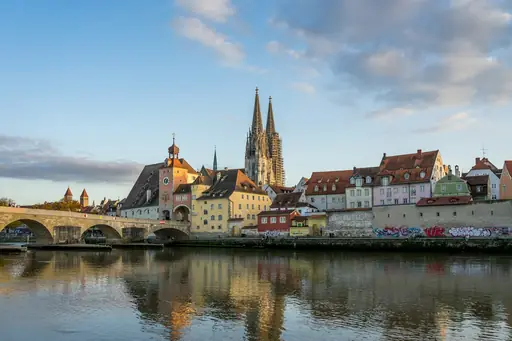
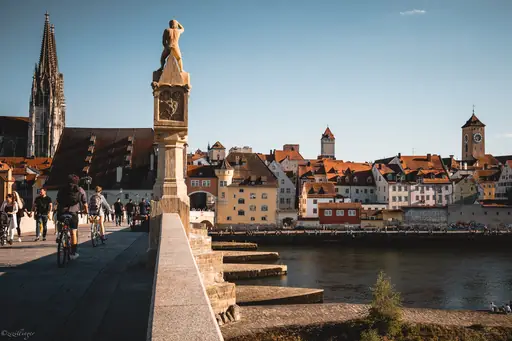
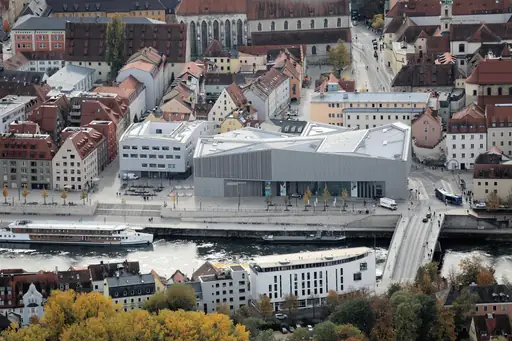
Regensburg
Medieval Marvel on the Danube
Come in December when the Christmas market fills the courtyard of Thurn und Taxis palace. The Stone Bridge, built in the 1100s, still crosses the Danube. The old town is a UNESCO site with medieval towers. Grab a bratwurst by the river at the Historic Sausage Kitchen.
Museum in Stockholm
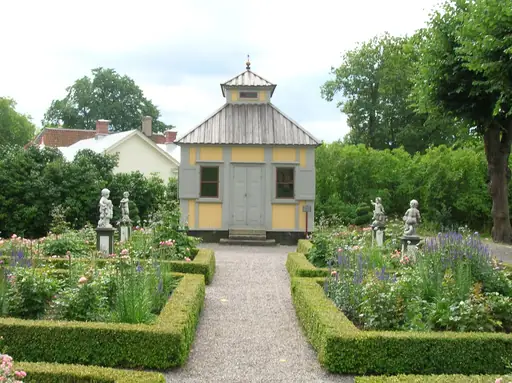
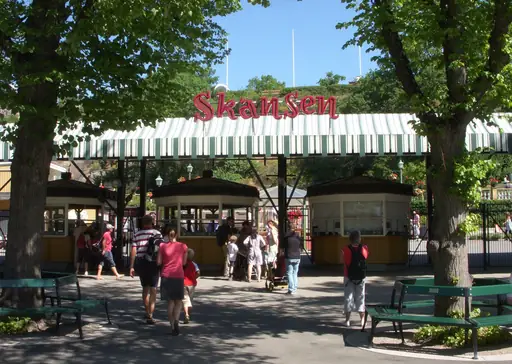
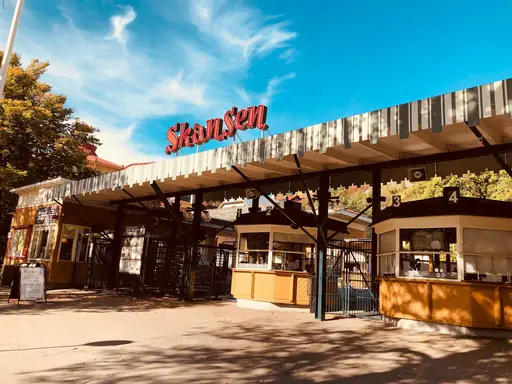
Skansen
World's Oldest Open-Air Museum
An open air museum on Djurgården shows Swedish life from the 1500s to the 1900s. Over 150 relocated farmhouses, workshops and manor houses stand on a hillside. Visitors can watch costumed guides bake bread, blow glass and tend farm animals. Midsummer and Christmas markets bring old folk dances and seasonal food to the grounds.
Other lists you may like
Discover
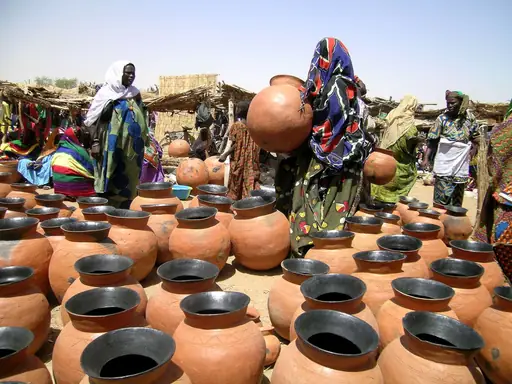
Best traditional destinations in Africa
Africa's traditional destinations encompass some of the world's most diverse and ancient living cultures, craft traditions and ceremonial practices, with communities across the…
Read more
Discover
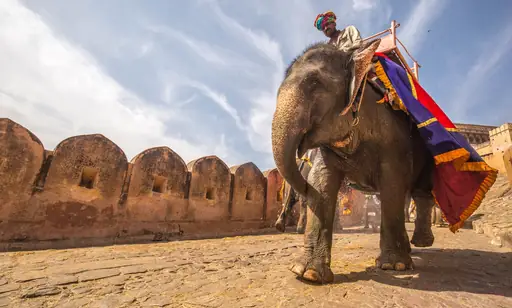
Best traditional destinations in Asia
Asia contains the world's greatest concentration of living traditional cultures, craft traditions and ceremonial practices, with communities across the continent maintaining ways…
Read more
Discover
Best traditional destinations in North America
North America's traditional destinations are defined by the indigenous communities, living craft traditions and folk cultures that have maintained distinct practices despite the…
Read more

Discover
Best traditional destinations in Oceania
Oceania's traditional destinations are defined by the indigenous cultures of Australia, New Zealand and the Pacific island groups, where some of the world's oldest continuous…
Read more
Discover
Best traditional destinations in South America
South America's traditional destinations are anchored by the indigenous communities of the Andean highlands, Amazonian basin and Pacific coastal cultures that have maintained…
Read more
Discover
Top traditional destinations and cultural heritage sites
Traditional destinations are those where cultural practices, craftsmanship, ceremony and ways of life that predate industrialisation and mass tourism remain visible and active…
Read more
What other users say about travelfilters
“travelfilters made it easy for me to find ski areas and compare what else they offer, so that I could find the best place for my personal travel style.”

Chris
Snowboarding & Onsen trip to Japan
“I love how transparent the data feels. There is no pushy upsell, just honest information and settings I can tune to my own travel style.”

Maria
After booking her 2027 winter escape
“The level of detail for each destination and how well those are displayed, make planning feel confident instead of overwhelming.”

Mina
Planned a week in New York City
“We used travelfilters for our planning from start to end. The trip turned out even better than expected, thanks to all their tools and customisation options.”

Allan & Etienne
Trip to Japan to see autumn foliage
“Thanks to travelfilters, I found some hidden gems to see. Being able to filter for exactly your interests is a game changer for my travel planning.”

Michael
Tour through the old cities of Northern Italy
“The customizable filters helped me find a quiet beach town with good wifi and low season crowds in under five minutes.”

Diego
Weekend Escape to Llanes, Spain
“The airport connection map saved me hours by showing good flight options from my home airport to lesser-known cities.”

Nguyen
Planning a 2027 trip to France
“The website is clean, fast and focused on the search itself, which makes travelfilters feel more like a professional tool than an ad-heavy booking site.”

Hassan
Christmas Market trip, Germany
