
Best traditional destinations in North America
Best traditional destinations in North America
Native American historic sites and regional heritage preservation areas in North America
North America's traditional destinations are defined by the indigenous communities, living craft traditions and folk cultures that have maintained distinct practices despite the pressures of modernisation and historical displacement. The continent's most compelling traditional experiences are found where native communities have retained ceremonial life, language and artistic traditions that connect directly to pre-colonial ways of life rather than reconstructed heritage presentations.
Indigenous cultural destinations across the continent operate on community terms, with feast days, powwows and ceremonial calendars that are not organised around visitor schedules. Access to the most significant events and sites requires respectful advance research into visiting protocols and photography restrictions that vary considerably by community and tradition. Several communities have developed cultural tourism infrastructure that provides genuine access while maintaining community control over what is shared.
Folk and craft traditions in rural and mountain communities offer a parallel experience built around living textile, musical and foodways traditions that reward slow travel and extended engagement. Overtourism is commodifying practices at the most visited destinations and community-based operators consistently deliver more meaningful access than standard heritage circuits.
Lists by region

Region in Mexico
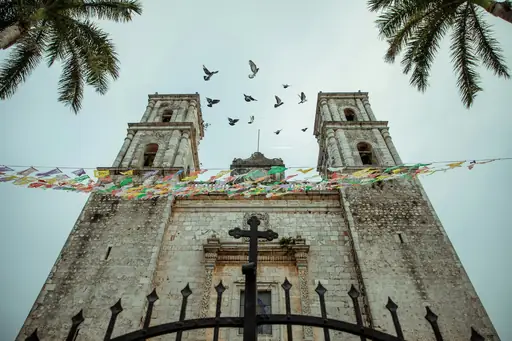
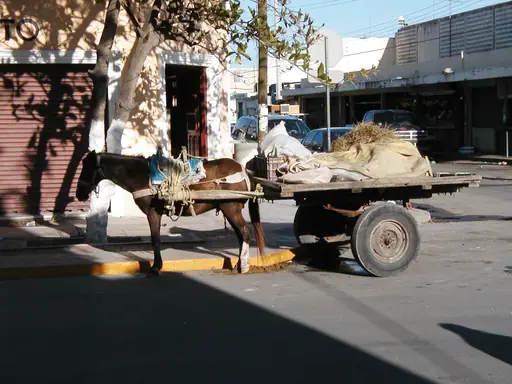
Yucatán
Gateway to the Mayan world
Hot and humid for much of the year, this region is most comfortable from November to April. Maya ruins such as Chichén Itzá and Uxmal stand in the jungle. Many villages still speak Yucatec Maya. Families cook in earth ovens for Hanal Pixán, the local Day of the Dead.
City in Cuba
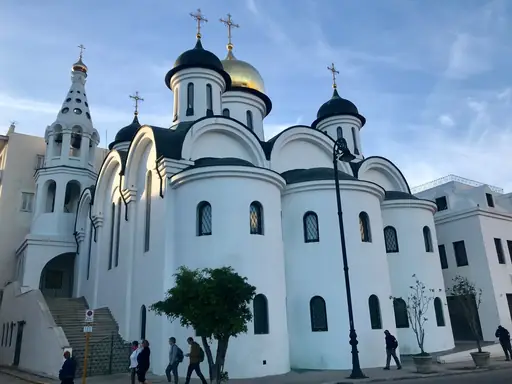
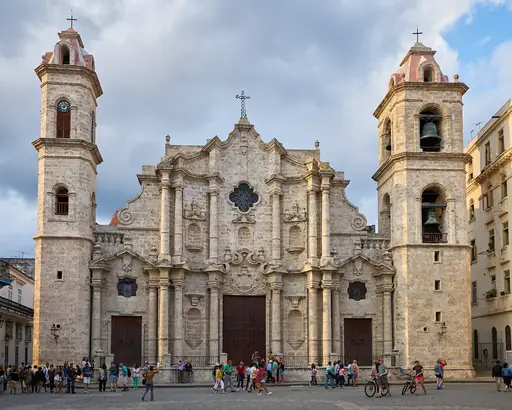
Havana
Vibrant Streets, Timeless Rhythms
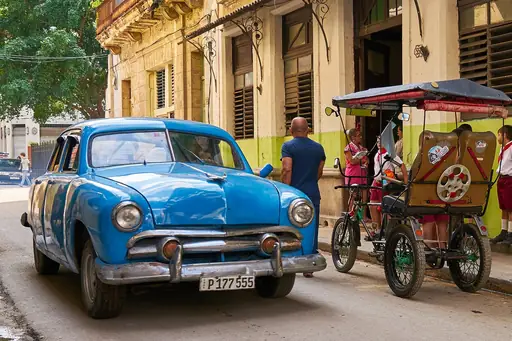
The dry season runs from November to April in this city, with highs near 27 degrees Celsius. Old Havana has Spanish squares, church towers and UNESCO listed streets. Classic American cars from the 1950s still serve as taxis. Cigars are rolled by hand in factories.
Town in Guatemala
Chichicastenango
Ancient Market with Vibrant Mayan Culture
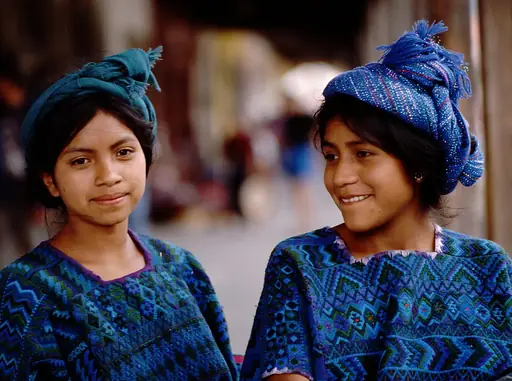
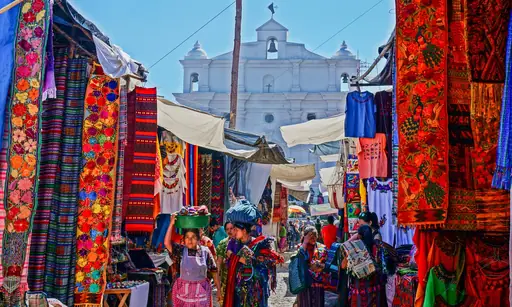
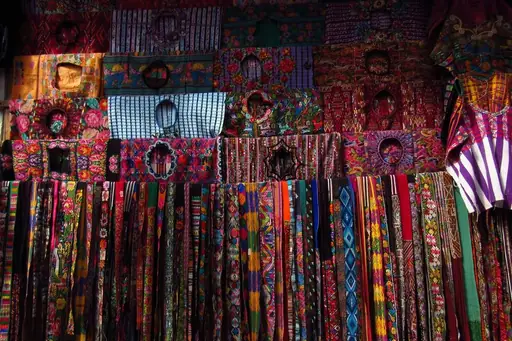
K'iche' Maya people have traded in this highland town for centuries. The church of Santo Tomás was built around 1540 on a Maya temple platform. Worshippers burn incense on its steps. The market on Thursdays and Sundays fills the square with textiles, masks, flowers and food.
City in United States
Santa Fe (New Mexico)
Ancient adobe charm meets artistic soul
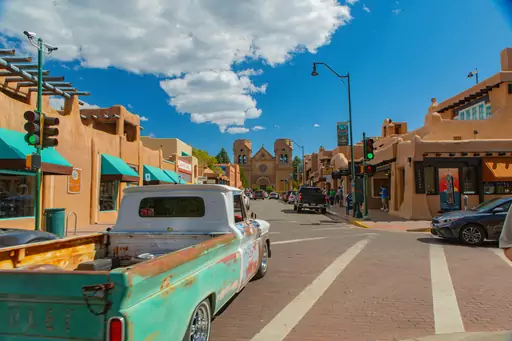
As the capital of New Mexico, this city sits at about 2,100 metres and was founded in 1610. Adobe buildings surround the central plaza. Native American artists sell silver jewellery and pottery under the portal of the Palace of the Governors. Red and green chile season the local food.

City in Mexico
Mérida
Colonial charm and Yucatán culture
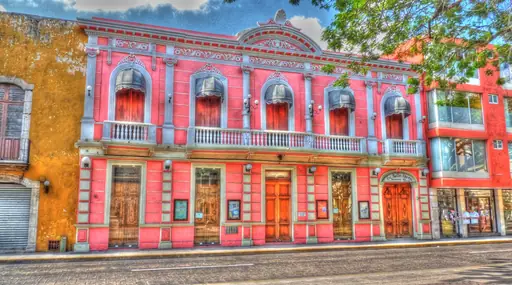
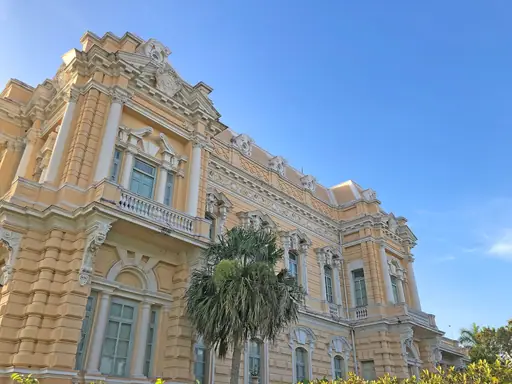
On Sundays the central streets of this city close to cars. Families stroll to markets, music and dancing around the Plaza Grande. Many locals wear the guayabera, a light shirt with pleats. Yucatec dishes such as cochinita pibil are slow cooked pork wrapped in banana leaf.

City in Mexico
Guanajuato
Colorful alleys and silver history
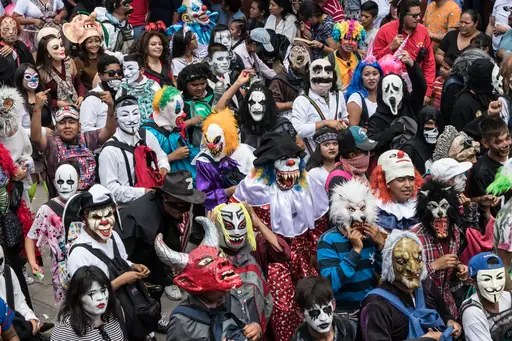
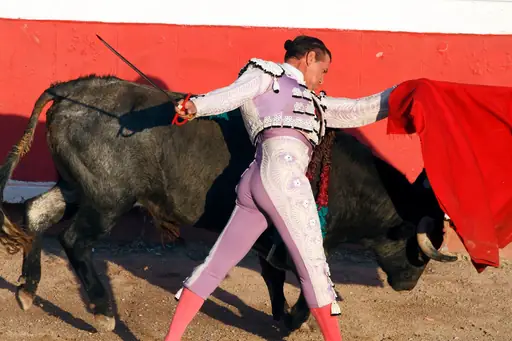
As a former silver mining region, this part of central Mexico has colonial mansions and winding hillside streets. Guanajuato city and its old mines are a UNESCO site. Underground tunnels carry traffic beneath the old centre. The Cervantino arts festival fills the city each October.
City in Mexico
Puebla
Mexico's Underrated Cultural Gem
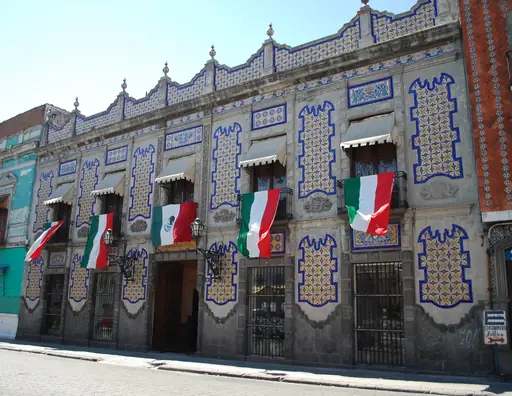
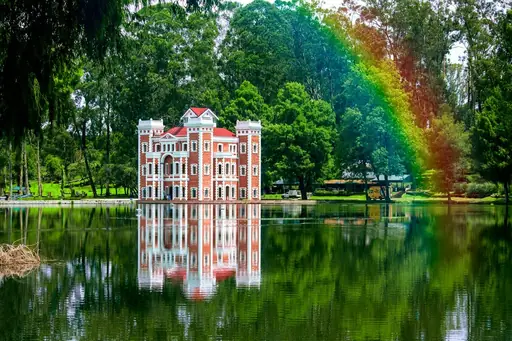
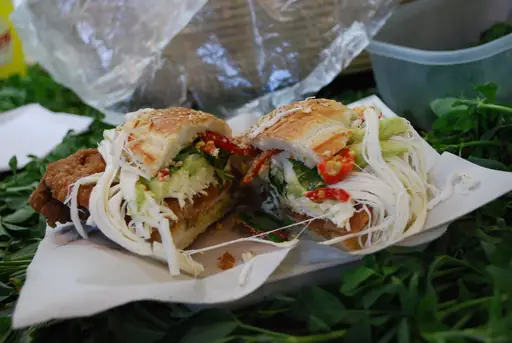
Set in a high valley southeast of Mexico City, this city is known for Talavera tiles on churches. Mole poblano, a rich chilli and chocolate sauce, is a local speciality. A famous battle against French troops in 1862 is remembered every 5 May. The old centre is a UNESCO site.
City in Guatemala
Antigua Guatemala
Colonial Charm and Volcanic Views
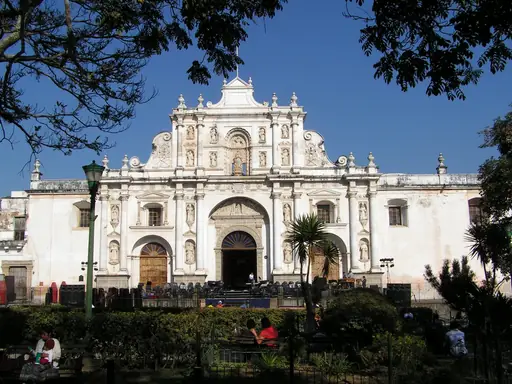
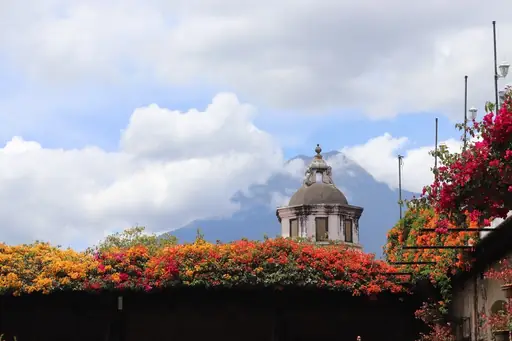
Located in the highlands between three volcanoes, this town keeps its Spanish colonial streets and church ruins. Holy Week processions are the highlight of the year. Families make carpets of coloured sawdust and flowers along the route. Weavers and jade carvers sell traditional crafts in the market.
City in Mexico
Oaxaca
Colonial Charm and Rich Traditions
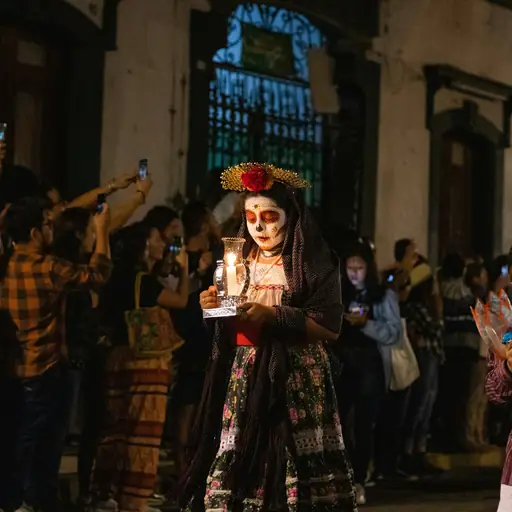
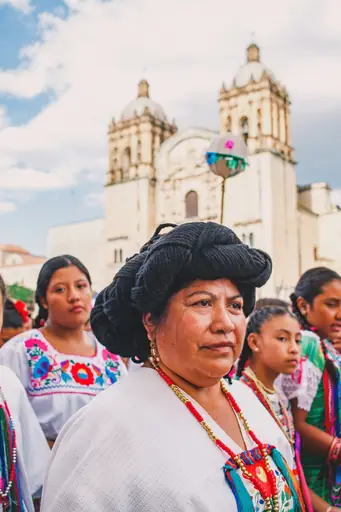
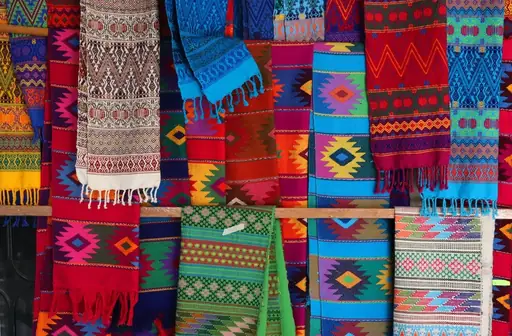
Compared with Mexico City, this city is smaller and closer to Indigenous traditions. Zapotec and Mixtec cultures remain strong in nearby villages. Teotitlán del Valle weavers dye wool rugs with natural colours. Mole negro and mezcal are local classics. Black pottery comes from San Bartolo Coyotepec.
City in Mexico
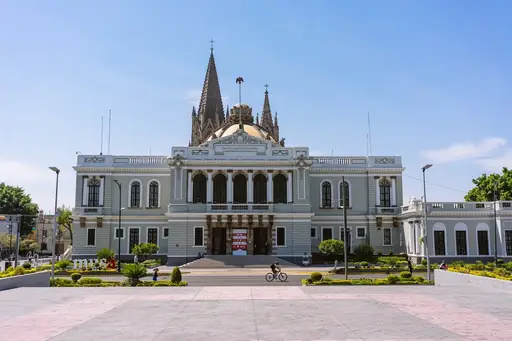
Guadalajara
Mariachi, murals and modern flair
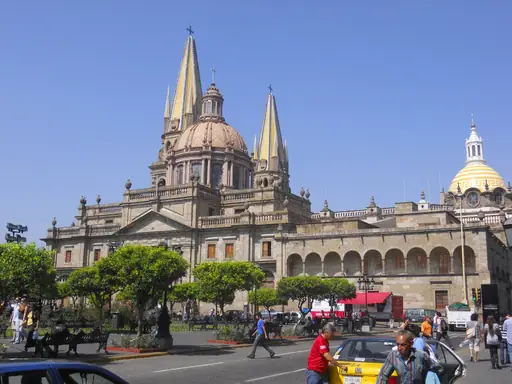
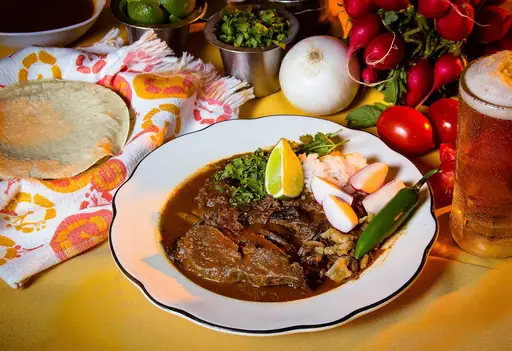
Proud of its customs, this city is linked to mariachi music, tequila and charrería, the Mexican rodeo. Both mariachi and charrería are on UNESCO's intangible heritage lists. Tlaquepaque and Tonalá sell hand blown glass and painted pottery. Try tortas ahogadas, pork sandwiches in spicy sauce.
City in Mexico
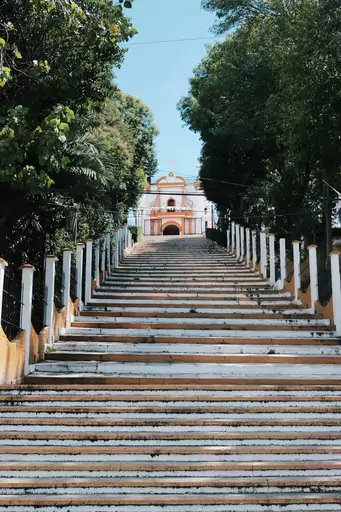
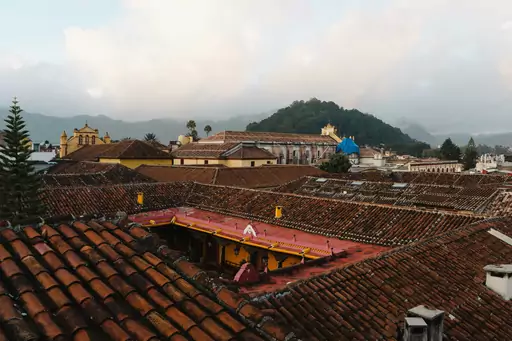
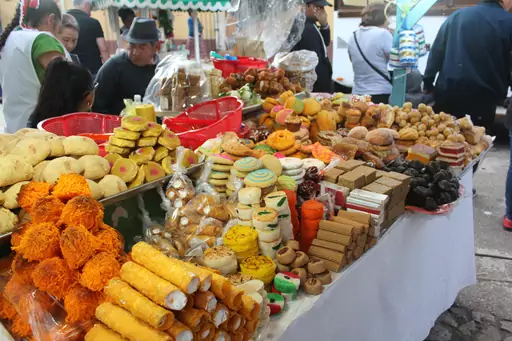
San Cristóbal de las Casas
Colonial Charm Meets Indigenous Culture
Spanish settlers founded this highland town in 1528. It sits at about 2,200 metres. Tzotzil and Tzeltal Maya families from nearby villages sell weavings in the market. The church at San Juan Chamula hosts Maya rituals. Photos are not allowed inside. Local amber is carved into jewellery.
City in Mexico
San Miguel de Allende
Colonial Charm with Artistic Soul
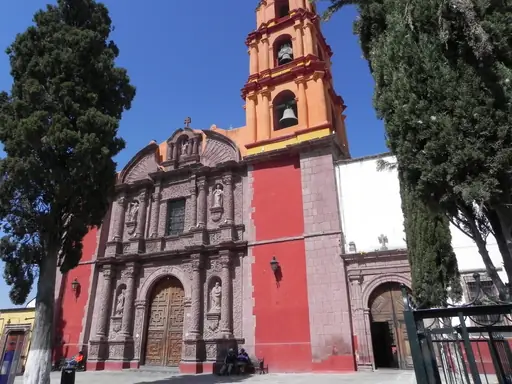
Artistic and proud of its local customs, this town marks its patron saint each September with Alborada, fireworks at dawn. Day of the Dead brings altars and flower paths in the streets. Artisans make tin ornaments, glass and paper mache figures. A pink church dominates the main plaza.
Other lists you may like
Discover
Best traditional destinations in Africa
Africa's traditional destinations encompass some of the world's most diverse and ancient living cultures, craft traditions and ceremonial practices, with communities across the…
Read more
Discover
Best traditional destinations in Asia
Asia contains the world's greatest concentration of living traditional cultures, craft traditions and ceremonial practices, with communities across the continent maintaining ways…
Read more
Discover
Best traditional destinations in Europe
Europe's traditional destinations are found in the rural fringes and island communities that retained distinct craft traditions, folk cultures and ways of life while the…
Read more

Discover
Best traditional destinations in Oceania
Oceania's traditional destinations are defined by the indigenous cultures of Australia, New Zealand and the Pacific island groups, where some of the world's oldest continuous…
Read more
Discover
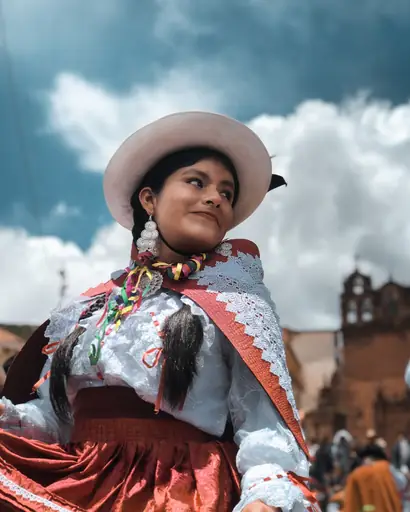
Best traditional destinations in South America
South America's traditional destinations are anchored by the indigenous communities of the Andean highlands, Amazonian basin and Pacific coastal cultures that have maintained…
Read more
Discover
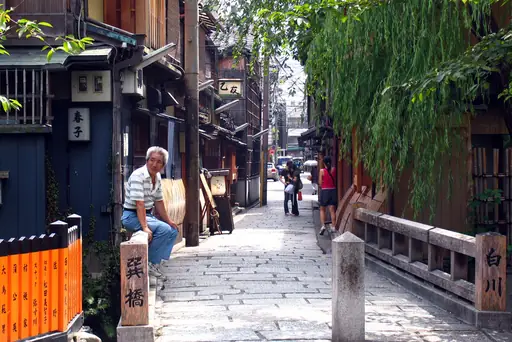
Top traditional destinations and cultural heritage sites
Traditional destinations are those where cultural practices, craftsmanship, ceremony and ways of life that predate industrialisation and mass tourism remain visible and active…
Read more
What other users say about travelfilters
“travelfilters made it easy for me to find ski areas and compare what else they offer, so that I could find the best place for my personal travel style.”

Chris
Snowboarding & Onsen trip to Japan
“I love how transparent the data feels. There is no pushy upsell, just honest information and settings I can tune to my own travel style.”

Maria
After booking her 2027 winter escape
“The level of detail for each destination and how well those are displayed, make planning feel confident instead of overwhelming.”

Mina
Planned a week in New York City
“We used travelfilters for our planning from start to end. The trip turned out even better than expected, thanks to all their tools and customisation options.”

Allan & Etienne
Trip to Japan to see autumn foliage
“Thanks to travelfilters, I found some hidden gems to see. Being able to filter for exactly your interests is a game changer for my travel planning.”

Michael
Tour through the old cities of Northern Italy
“The customizable filters helped me find a quiet beach town with good wifi and low season crowds in under five minutes.”

Diego
Weekend Escape to Llanes, Spain
“The airport connection map saved me hours by showing good flight options from my home airport to lesser-known cities.”

Nguyen
Planning a 2027 trip to France
“The website is clean, fast and focused on the search itself, which makes travelfilters feel more like a professional tool than an ad-heavy booking site.”

Hassan
Christmas Market trip, Germany
