






Was this page helpful?

| Power Grid: |
120 V, 60 Hz Plug: Type A , Type B
Type A:
  Read about power adapters |
|---|---|
| Currency: |
US Dollar (USD) £1 ≈ US$1.33 |
| Cashless info: |
Rating 5/5
The U.S. is highly cashless, with credit and debit cards accepted almost everywhere. Mobile payment options like Apple Pay and Google Pay are widely used.
Save with a travel credit card |
| eSIM providers: |
Best value: Saily Flexibility: Airalo Read our in-depth comparison |
| Tipping: | Tipping is customary and expected in the U.S. In restaurants, 15-20% is standard. Taxi drivers, hotel staff, and tour guides also expect tips, usually around 10-20% depending on the service. |
|---|---|
| Public drinking: | Public drinking laws vary by state, but it is generally prohibited in public spaces without a permit. |
| Public smoking: | Smoking is restricted in most indoor public spaces and some outdoor areas. Local laws vary. |
| Etiquette: | Greet with a firm handshake, maintain eye contact, respect personal space, and avoid discussing politics or income unless invited to share opinions. Politeness and friendliness are appreciated. |
| Thanksgiving (November) |
A major holiday with closures and domestic travel surges. |
|---|---|
| Independence Day (July) |
Expect parades, fireworks, and celebrations nationwide. |
| Christmas (December) |
Markets, festive events, and crowded tourist spots. |
| Emergency contact: | Emergency Number: 911 (Police, Fire, Ambulance) |
|---|---|
| Taxi apps: | Uber, Lyft, Bolt |
| Helpful links: |
Wikipedia Visa regulations Customs & border control Travel with medicine |
| Other: | The U.S. is known for its diverse landscapes, cultural experiences, and regional cuisines. Public transport is efficient in cities but less so in rural areas. Renting a car is recommended for exploring national parks. |
The best times to travel section shows how the months compare for a visit, so you can find the time of year that fits what you want to do.
Background colours of the months:
The colour shows the typical temperature: yellow (hot), green (mild) and blue (cold). How strong the colour is shows the travel season: full colour means high season, soft colour means shoulder season and soft-striped means off season.
Weather symbols:
Each month has one symbol showing what the weather is typically like, such as hot and sunny, freezing or a rainy or snowy season. Use them to quickly spot months that match the weather you want, or to avoid the ones that don't.
Crowdedness:
The people icon shows how busy the place usually is. The more people, the more crowded it gets.
Additional notes:
The grey info boxes point out special things worth knowing, like recurring weather issues or seasonal events.
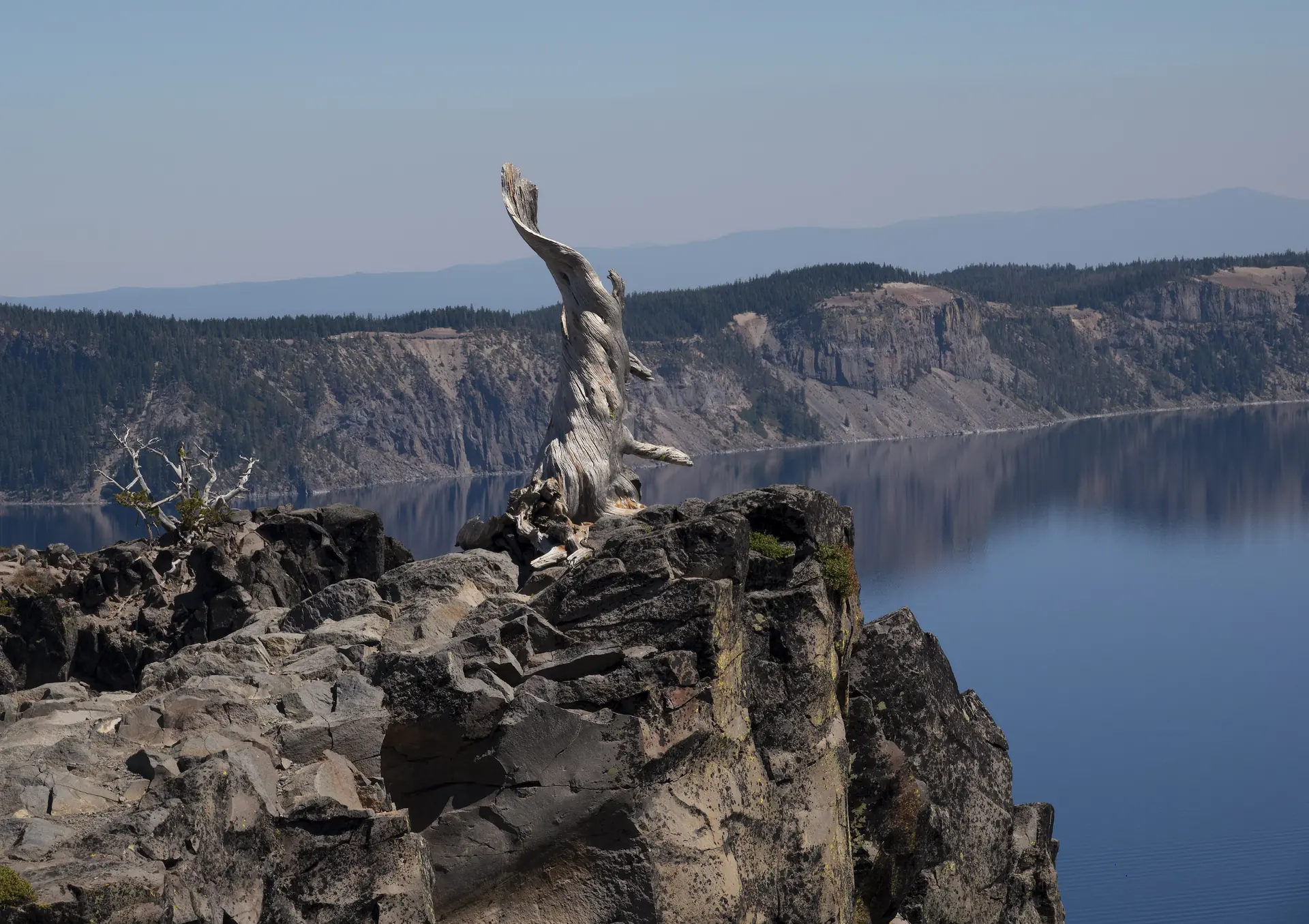
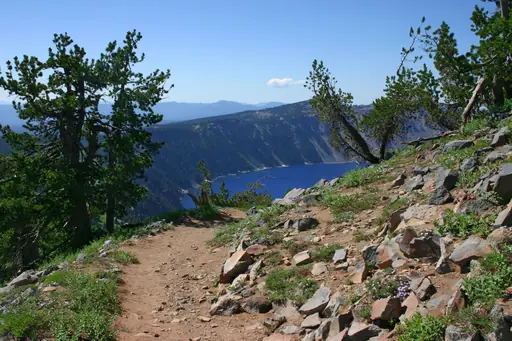
Crater Lake in Oregon stands out as a striking example of natural beauty shaped by geological forces. Formed inside a massive volcanic crater over 7,000 years ago the lake holds deep blue waters that reflect surrounding forests and mountains. The caldera walls rise sharply creating dramatic vistas that draw visitors year after year.
The lake’s clarity allows sunlight to penetrate deep into its depths making colors shift with depth and weather. Hiking trails circle much of the rim offering varied perspectives from panoramic viewpoints to quiet spots where mist rises off the surface in early mornings. The area supports diverse plant life including pine forests and wildflower meadows that change through seasons.
Visitors can explore the lake by boat during warmer months or enjoy scenic drives along the rim road which provides access to pullouts for photography and short walks. Winter brings snow covering trails and changing how people experience the landscape with quiet stillness and occasional ice formations near edges. Ranger programs explain history geology and ecology making knowledge accessible without complex jargon.
Nearby towns provide lodging food options and gear rentals supporting sustainable tourism practices that protect fragile ecosystems. Local guides share stories about Indigenous heritage and early exploration adding cultural depth to outdoor adventures. The combination of natural wonder scientific interest and community effort makes Crater Lake a place where curiosity meets quiet reflection.
Crater Lake, located in Oregon, is accessible primarily by road via Highway 62, which connects to Interstate 5. The nearest major airport is Medford International Airport (MFR), approximately 45 miles west of the lake. From Medford, visitors can rent a car or use regional shuttle services for ground transportation. Seasonal access may vary due to snowfall; winter routes often require four-wheel drive vehicles. Public transit options are limited, with local buses and tour operators offering guided trips during peak seasons. The park’s Rim Drive provides scenic viewpoints accessible by vehicle year-round. Visitors should check road conditions for closures or restrictions before arrival.
Near Crater Lake the lodging scene blends rustic charm with modern comfort. Campers can pitch tents at the park’s designated sites or rent cabins that offer wood‑fire stoves and lake views, typically ranging from US$30 – 70 (£22.43 – 52.33) per night. For those preferring a bit more luxury, lodges in nearby towns such as Klamath Falls provide cozy rooms with heated floors and hot tubs, prices hovering around US$120 – 180 (£89.71 – 134.57) nightly. The area is renowned for its “backcountry” cabins – hand‑crafted, off‑grid retreats that emphasize natural materials and minimalistic design. Seasonal rentals often include guided hikes or fishing passes, adding value to the stay while keeping costs moderate.
Log in to add this place to a travel list and get a summary of all recommended items for your whole trip.
We calculate the average costs when travelling to destinations and compare those with the living costs at your home. With this you can get an estimate of how expensive or cheap the destination is for you.
To customise this, you can set up which location and price level are used for the calculations in your account settings.
The exchange rate price factor shows how expensive or cheap a currency currently is compared to its historical average. It's a quick way to see if a country is currently more or less affordable due to exchange rate changes.
