





Was this page helpful?

| Power Grid: |
220 V, 50 Hz Plug: Type A , Type C
Type A:
  Read about power adapters |
|---|---|
| Currency: |
Bolivian Boliviano (BOB) £1 ≈ BOB 15.88 |
| Cashless info: |
Rating 3/5
Cashless payments are becoming more common in Bolivia, particularly in larger cities, but cash is still widely used, especially in rural areas.
Save with a travel credit card |
| eSIM providers: |
Best value: Saily Flexibility: Airalo Read our in-depth comparison |
| Tipping: | Tipping is not mandatory in Bolivia, but leaving 10% in restaurants and small tips for taxi drivers or hotel staff is appreciated. |
|---|---|
| Public drinking: | Public drinking is not common in Bolivia and is not widely accepted outside of private spaces or licensed establishments. |
| Public smoking: | Smoking is allowed in designated smoking areas and licensed establishments but is prohibited in most indoor public spaces. |
| Dia del Trabajo (Labour Day) (May) |
Expect some business closures and public celebrations. |
|---|---|
| Carnival (February) |
Expect lively celebrations, street parties, and crowded events. |
| Emergency contact: | Emergency Numbers: 110 (Police), 118 (Ambulance), 119 (Fire) |
|---|---|
| Taxi apps: | Cabify, Uber |
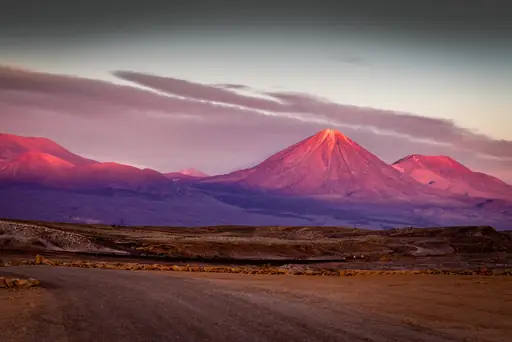
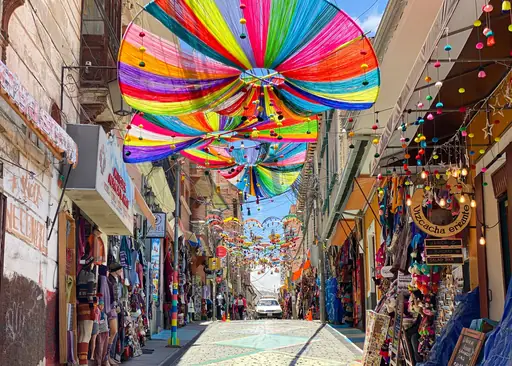
| Other: | Bolivia offers a range of natural attractions, including the Uyuni salt flats, the Amazon rainforest, and the high-altitude city of La Paz. |
The best times to travel section shows how the months compare for a visit, so you can find the time of year that fits what you want to do.
Background colours of the months:
The colour shows the typical temperature: yellow (hot), green (mild) and blue (cold). How strong the colour is shows the travel season: full colour means high season, soft colour means shoulder season and soft-striped means off season.
Weather symbols:
Each month has one symbol showing what the weather is typically like, such as hot and sunny, freezing or a rainy or snowy season. Use them to quickly spot months that match the weather you want, or to avoid the ones that don't.
Crowdedness:
The people icon shows how busy the place usually is. The more people, the more crowded it gets.
Additional notes:
The grey info boxes point out special things worth knowing, like recurring weather issues or seasonal events.
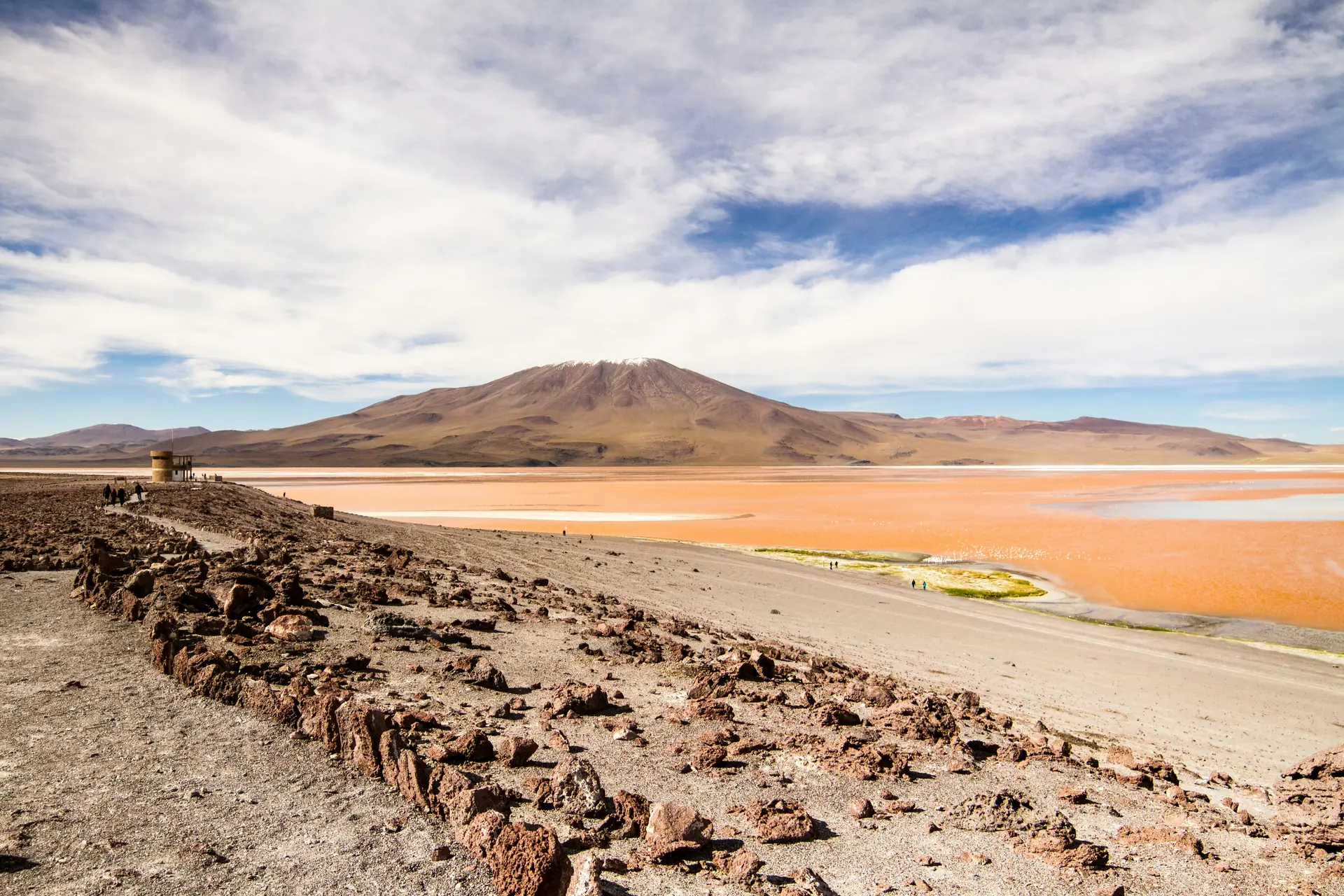
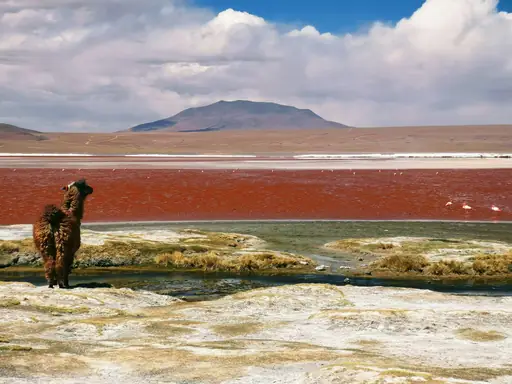
Laguna Colorada is a striking lake located in Bolivia’s Eduardo Avaroa National Park. Its name translates to “Red Lagoon,” a title earned by the deep red hue of its waters. This color comes from algae and minerals that thrive in the area. The lake sits at high altitude within the Andes Mountains creating a stark contrast between its vivid tones and rugged surroundings.
The landscape around the lagoon features volcanic formations and salt flats stretching far into the distance. Flamingos frequent the site drawn by abundant shrimp-like creatures called *artemia*. These birds add movement to the scene with their pink feathers against the red backdrop. Nearby geothermal vents release steam creating pockets of warmth in an otherwise cold environment.
Visitors reach Laguna Colorada via rugged dirt roads that wind through protected reserves. Guides often recommend early morning visits for clearer skies and better photo opportunities. The area remains largely untouched preserving its natural state. Camping is possible but requires permits due to conservation rules designed to protect wildlife.
Temperatures can shift quickly here even during daytime hours. Strong winds are common making layers essential for comfort. The site serves as a reminder of Bolivia’s geological diversity and ecological resilience. It stands out not just for its color but also for the life it supports despite harsh conditions.]
Laguna Colorada, located in Bolivia’s Eduardo Avaroa Andean Fauna National Reserve, is accessed primarily by road from the city of San Pedro de Atacama. The journey typically begins with a drive through arid highlands, covering approximately 100 kilometers over rugged terrain. Visitors often travel via private vehicle or join guided tours departing from San Pedro, which include four-wheel-drive vehicles suited for unpaved roads. Public transportation options are limited, making organized tours or self-driven trips more common. The route passes through striking landscapes of salt flats and volcanic formations before reaching the lake’s vibrant red waters. Entry requires a national park permit, obtainable at nearby checkpoints along the access road.
Near Laguna Colorada, lodging ranges from rustic eco‑cabins to modest hostels and a handful of upscale lodges that cater to trekkers and wildlife enthusiasts. Most accommodations are family‑run, offering basic amenities such as shared bathrooms, communal kitchens and Wi‑Fi in the common areas. Prices typically fall between US$30 – 70 (£22.43 – 52.33) per night for standard rooms, while premium cabins with panoramic views can reach US$120 – 150 (£89.71 – 112.14). The region is renowned for its “glamping” tents – luxury yurts equipped with comfortable beds, solar power and private bathrooms – providing a unique blend of comfort and immersion in the high‑altitude desert landscape. Many lodges emphasize sustainability, using locally sourced materials and renewable energy to minimize environmental impact.
Log in to add this place to a travel list and get a summary of all recommended items for your whole trip.
We calculate the average costs when travelling to destinations and compare those with the living costs at your home. With this you can get an estimate of how expensive or cheap the destination is for you.
To customise this, you can set up which location and price level are used for the calculations in your account settings.
The exchange rate price factor shows how expensive or cheap a currency currently is compared to its historical average. It's a quick way to see if a country is currently more or less affordable due to exchange rate changes.
