





Was this page helpful?

The best times to travel section shows how the months compare for a visit, so you can find the time of year that fits what you want to do.
Background colours of the months:
The colour shows the typical temperature: yellow (hot), green (mild) and blue (cold). How strong the colour is shows the travel season: full colour means high season, soft colour means shoulder season and soft-striped means off season.
Weather symbols:
Each month has one symbol showing what the weather is typically like, such as hot and sunny, freezing or a rainy or snowy season. Use them to quickly spot months that match the weather you want, or to avoid the ones that don't.
Crowdedness:
The people icon shows how busy the place usually is. The more people, the more crowded it gets.
Additional notes:
The grey info boxes point out special things worth knowing, like recurring weather issues or seasonal events.
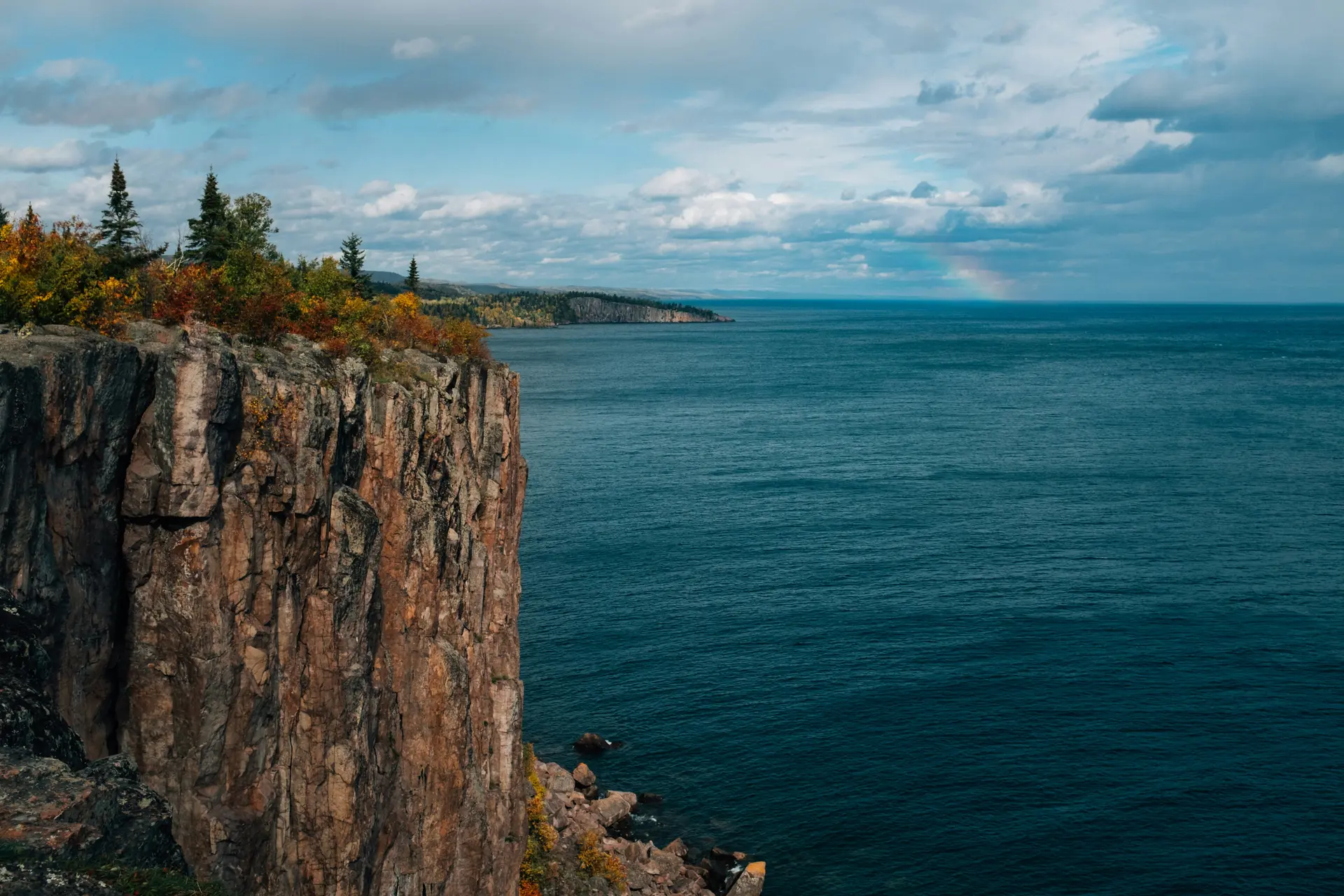
Lake Superior is the largest freshwater lake by surface area in North America. It spans across two countries and several states making it a unique natural landmark. The water is so clear that on calm days you can see far below the surface. Its size means it holds about ten percent of the world’s fresh surface water.
The lake’s shoreline stretches for thousands of miles with many small towns and large forests along its edge. Communities rely on fishing tourism and shipping to support local economies. The cold climate keeps the air crisp and the waters deep. In winter the lake often freezes creating a solid sheet of ice that locals use for travel.
Wildlife thrives around Lake Superior including fish birds and mammals. Species such as lake trout walleye and whitefish are common here. The surrounding forests host deer elk and numerous bird species. Visitors can explore nature trails or take boat tours to observe the environment up close.
Recreation on the lake includes swimming kayaking and sailing during warmer months. In summer people gather for festivals markets and outdoor concerts near the water. The region’s history is tied to shipping and mining which shaped its development over time. Whether you seek adventure or quiet moments by the shore Lake Superior provides a space for both.
Lake Superior, the largest of North America’s Great Lakes by surface area and volume, is accessible via several transportation routes. The lake’s shores are bordered by the U.S. states of Minnesota, Wisconsin and Michigan, as well as Canada’s Ontario province. Major ports such as Duluth-Superior (Minnesota) and Thunder Bay (Ontario) provide commercial shipping access through the Great Lakes Seaway System. For recreational travel, ferries operate seasonally between ports like Marquette (Michigan) and Sault Ste. Marie (Michigan/Ontario). The lake is reachable by road via U.S. Highways 2, 35 and 71 in Minnesota, Wisconsin and Michigan, as well as Ontario Highway 35/115. Air travel options include regional airports near the shores, such as Duluth International Airport (DUL) and Thunder Bay International Airport (YQT).
Lake Superior’s shoreline offers a spectrum of lodging that caters to every traveler’s taste and budget. In the Upper Peninsula, rustic cabins and log lodges line the forested banks, often featuring wood‑fire fireplaces and private docks for boating enthusiasts; rates typically range from US$150 (£112.14) to US$300 (£224.28) per night, depending on proximity to the water and seasonal demand. Along the Wisconsin coast, boutique inns and bed‑and‑breakfasts provide a cozy, locally flavored experience, with nightly prices between US$120 (£89.71) and US$200 (£149.52). For those seeking luxury, upscale resorts in Duluth boast panoramic lake views, spa amenities and gourmet dining, commanding premium rates of US$400 (£299.03) to US$600 (£448.55) per night. The region is renowned for its “lakefront cabin” culture, where guests can enjoy both the serenity of nature and the convenience of modern comforts.


Log in to add this place to a travel list and get a summary of all recommended items for your whole trip.
We calculate the average costs when travelling to destinations and compare those with the living costs at your home. With this you can get an estimate of how expensive or cheap the destination is for you.
To customise this, you can set up which location and price level are used for the calculations in your account settings.
