







Was this page helpful?

| Power Grid: |
240 V, 50 Hz Plug: Type G
Type G:
 Read about power adapters |
|---|---|
| Currency: |
Kenyan Shilling (KES) £1 ≈ KES 172.94 |
| Cashless info: |
Rating 5/5
Cashless payments are becoming more widespread in Kenya, particularly in larger cities. Mobile payment services like M-Pesa are extremely popular, while credit cards are also accepted in many places.
Save with a travel credit card |
| eSIM providers: |
Best value: Saily Flexibility: Airalo Read our in-depth comparison |
| Tipping: | Tipping in Kenya is not mandatory but is common for good service. In restaurants, a 10% tip is typical if service charge is not included. Tipping taxi drivers is appreciated, rounding up the fare. |
|---|---|
| Public drinking: | Public drinking is not allowed in Kenya, and alcohol consumption is restricted to licensed establishments like bars, restaurants, and hotels. Drinking in public spaces is prohibited. |
| Public smoking: | Smoking is prohibited in many indoor public spaces and on public transport. Designated smoking areas are provided in some places. |
| Mashujaa Day (20 October) |
A national holiday commemorating heroes with public celebrations |
|---|---|
| Christmas (25 December) |
Celebrated with family gatherings, festivals, and events |
| Emergency contact: | Emergency Number: 999 (Police), 911 (Ambulance) |
|---|---|
| Taxi apps: | Bolt, Uber, Little |
| Other: | Kenya is famous for its wildlife and natural beauty. Travellers should be cautious about health concerns such as malaria and take necessary precautions during safaris. |
The best times to travel section shows how the months compare for a visit, so you can find the time of year that fits what you want to do.
Background colours of the months:
The colour shows the typical temperature: yellow (hot), green (mild) and blue (cold). How strong the colour is shows the travel season: full colour means high season, soft colour means shoulder season and soft-striped means off season.
Weather symbols:
Each month has one symbol showing what the weather is typically like, such as hot and sunny, freezing or a rainy or snowy season. Use them to quickly spot months that match the weather you want, or to avoid the ones that don't.
Crowdedness:
The people icon shows how busy the place usually is. The more people, the more crowded it gets.
Additional notes:
The grey info boxes point out special things worth knowing, like recurring weather issues or seasonal events.
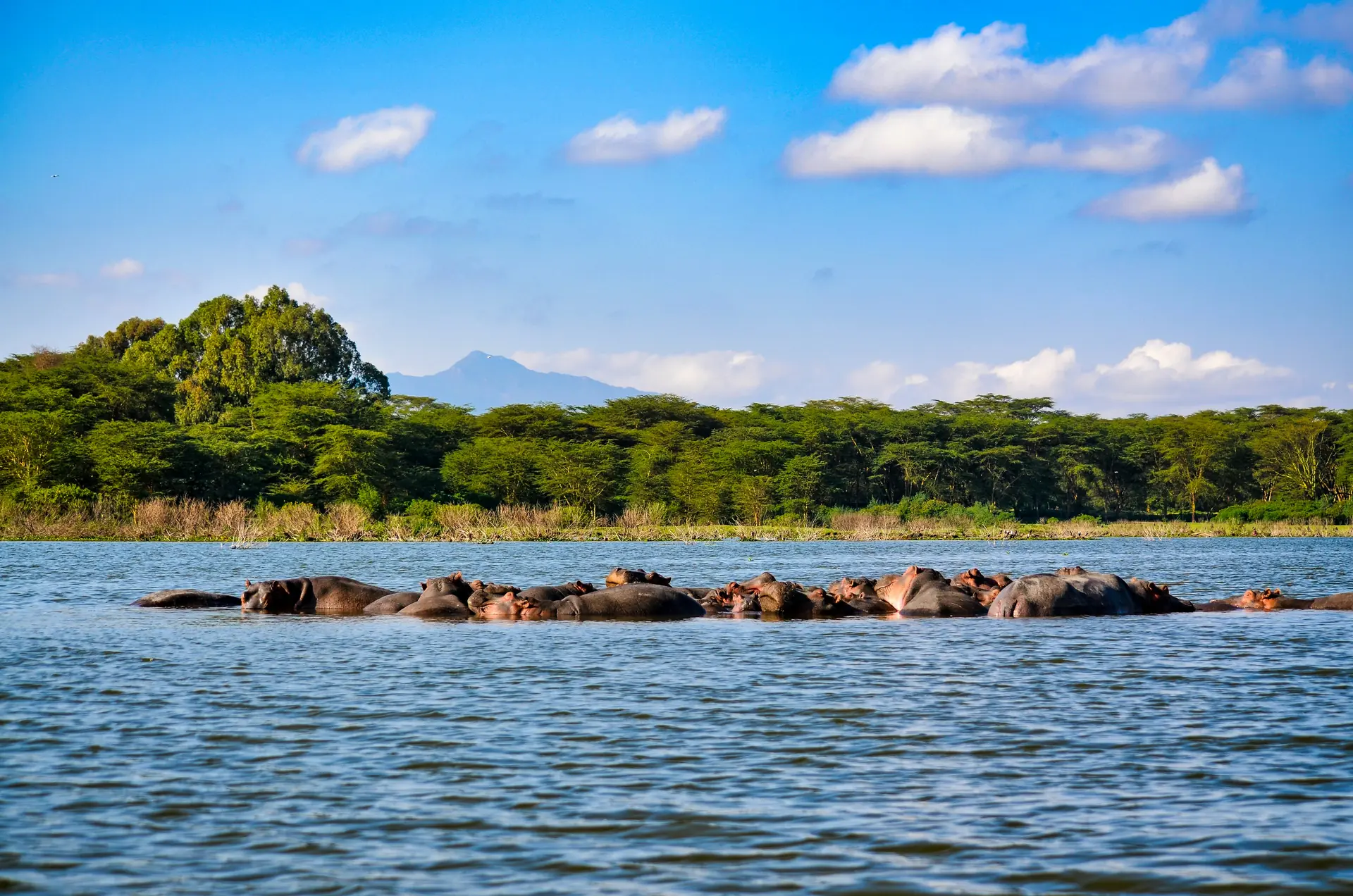
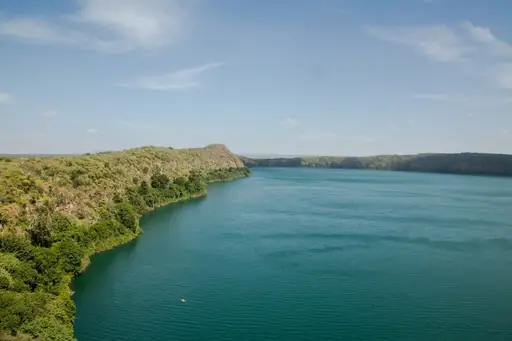
Lake Nakuru stands out as a remarkable body of water in Kenya’s Rift Valley. The lake is famous for its large flocks of pink flamingos that gather along its shores each year. These birds create a striking scene against the blue sky and green surroundings making it a popular spot for nature lovers. The area around the lake supports diverse wildlife including rhinos zebras and various antelope species.
The ecosystem here depends heavily on the lake’s water levels which change with seasons and rainfall patterns. When algae grow in abundance they attract birds seeking food while fish populations shift influencing what predators hunt nearby. Researchers study these changes to understand how climate affects habitats over time. Visitors can observe this balance from boardwalks or guided walks that keep a safe distance from animals.
Beyond the lake people visit nearby towns like Naivasha which provide access to boat tours and cycling routes along the shoreline. Local guides share knowledge about plant life bird calls and traditional uses of resources by communities living close to the water. Some areas allow swimming though safety rules are posted to protect both visitors and wildlife. Small markets sell crafts made from recycled materials supporting local economies.
Conservation efforts focus on protecting water quality and preventing pollution that could harm species dependent on the lake. Efforts include monitoring invasive plants managing waste and educating travelers about responsible behavior. By respecting boundaries visitors help maintain conditions for birds to thrive and ensure future generations can experience this natural site without disruption. The combination of wildlife research tourism and community involvement makes Lake Nakuru a model for sustainable travel in Kenya.
Lake Nakuru, located in central Kenya, is accessible primarily by road from Nairobi, the capital city. The drive takes approximately 160 kilometers and can be completed via the Nairobi-Nakuru Highway, a well-maintained route with regular transport services available. Public buses and private minibuses operate frequently between Nairobi and Lake Nakuru National Park, offering convenient access for travelers. For those preferring self-drive, rental cars are available at Nairobi’s Jomo Kenyatta International Airport or in the city center. During peak tourist seasons, shuttle services also run from nearby towns such as Naivasha to accommodate visitors seeking easier access to the lake and its surrounding attractions.
Lake Nakuru’s surroundings offer a mix of budget-friendly lodges and upscale eco‑resorts that cater to wildlife enthusiasts and adventure seekers alike. Guesthouses in the nearby town provide basic rooms with shared kitchen facilities for travelers on a tight budget, typically ranging from KES 4,200 – 7,000 (£24.18 – 40.31) per night. Mid‑range boutique hotels feature private verandas overlooking the lake’s iconic flamingo colonies, with rates around KES 11,200 – 16,800 (£64.49 – 96.74). For those seeking luxury, eco‑resorts on the lake’s western shore offer spacious suites, guided game drives and sunset cruises, often priced between KES 28,000 – 49,000 (£161.23 – 282.15) per night. Many accommodations emphasize sustainable practices, using solar power and local materials to preserve the fragile Rift Valley ecosystem.
Log in to add this place to a travel list and get a summary of all recommended items for your whole trip.
We calculate the average costs when travelling to destinations and compare those with the living costs at your home. With this you can get an estimate of how expensive or cheap the destination is for you.
To customise this, you can set up which location and price level are used for the calculations in your account settings.
The exchange rate price factor shows how expensive or cheap a currency currently is compared to its historical average. It's a quick way to see if a country is currently more or less affordable due to exchange rate changes.
