







Was this page helpful?

| Power Grid: |
230 V, 50 Hz Plug: Type F
Type F:
 Read about power adapters |
|---|---|
| Currency: |
Icelandic Króna (ISK) £1 ≈ ISK 163 |
| Cashless info: |
Rating 5/5
Cashless payments are highly common in Iceland, especially in cities. Most businesses accept credit and debit cards, including smaller establishments. Mobile payment options like Apple Pay and Google Pay are popular.
Save with a travel credit card |
| eSIM providers: |
Best value: Saily Flexibility: Airalo Read our in-depth comparison |
| Tipping: | Tipping is not common in Iceland and not expected in restaurants. A service charge is usually included in the bill. Tipping taxi drivers or hotel staff is appreciated but not necessary. |
|---|---|
| Public drinking: | Public drinking is allowed, especially in designated areas during festivals or outdoor events. Alcohol is also available at licensed venues. |
| Public smoking: | Smoking is prohibited in indoor public spaces and on public transport. Designated smoking areas are available outside of many restaurants and public buildings. |
| Icelandic National Day (June) |
Expect parades and celebrations throughout the country. Hotels and tourist spots can get busy. |
|---|---|
| Christmas (December) |
Christmas is widely celebrated, and it’s a great time to visit for festive markets, but accommodation can be more expensive. |
| Þorrablót Festival (January) |
A festival celebrating Icelandic cuisine, it’s a popular time to visit, though some businesses may have reduced hours. |
| Emergency contact: | Emergency Number: 112 (Police, Fire, Ambulance) |
|---|---|
| Taxi apps: | Hreyfill, Reykjavik Taxi |
| Other: | Iceland's weather can be unpredictable, so it’s important to prepare for sudden changes in climate. Always check weather forecasts before venturing into nature. |
The best times to travel section shows how the months compare for a visit, so you can find the time of year that fits what you want to do.
Background colours of the months:
The colour shows the typical temperature: yellow (hot), green (mild) and blue (cold). How strong the colour is shows the travel season: full colour means high season, soft colour means shoulder season and soft-striped means off season.
Weather symbols:
Each month has one symbol showing what the weather is typically like, such as hot and sunny, freezing or a rainy or snowy season. Use them to quickly spot months that match the weather you want, or to avoid the ones that don't.
Crowdedness:
The people icon shows how busy the place usually is. The more people, the more crowded it gets.
Additional notes:
The grey info boxes point out special things worth knowing, like recurring weather issues or seasonal events.
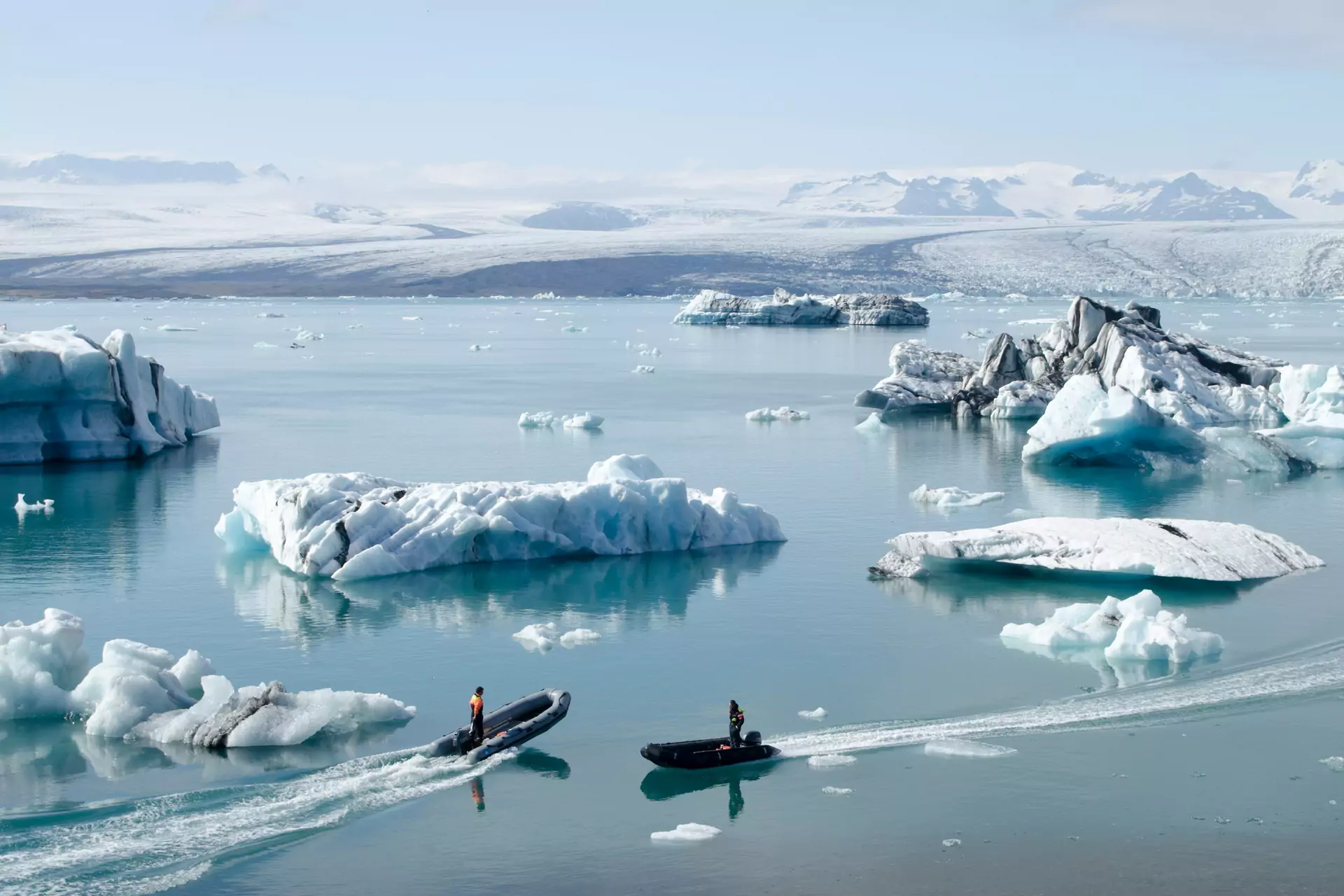
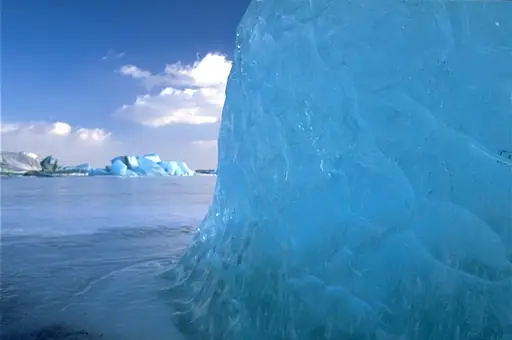
Jökulsárlón is a glacial lake in southeastern Iceland where large icebergs rest on black sand. The water appears dark blue because of its depth and the way light reflects off the ice. Smaller ice chunks float near the shore while larger ones sit grounded, creating a striking contrast against the surrounding lava fields. This place shows how glaciers slowly shape landscapes over time.
The lake connects to the Atlantic Ocean through a narrow channel called Diamond Beach. Here, broken icebergs wash ashore and sparkle under sunlight like scattered gems. Visitors often walk along the beach to see these formations up close. The area remains quiet even during peak seasons making it easy to observe wildlife such as Arctic terns diving for fish or seals resting on ice pieces.
Nearby Vatnajökull National Park covers parts of Europe’s largest glacier. Hiking trails wind through valleys dotted with moss-covered rocks and steam rising from geothermal areas. Guides recommend wearing sturdy boots because paths can be uneven near meltwater streams. The park protects habitats where ptarmigans live among low shrubs while Arctic foxes hunt for small rodents.
Travelers should check weather updates before visiting since conditions change quickly. Summer brings long daylight hours perfect for photography while winter offers snowy scenery but shorter days. Local guides share knowledge about glacier safety and best spots to view wildlife without disturbing natural processes. Respecting park rules helps preserve this environment for future visitors.
Jökulsárlón Glacier Lagoon is accessible via Route 1, Iceland’s primary ring road, which connects major attractions across the country. The lake lies approximately 370 km east of Reykjavik, reachable by a 4–5 hour drive. Renting a car from the capital offers flexibility, with options to join guided tours departing from Reykjavik or nearby towns like Höfn (a 2-hour drive away). Public buses operate seasonally but are less frequent; summer schedules align with peak tourist months. Winter access requires 4x4 vehicles due to snow-covered roads. The nearest airport is Kirkjubæjarklaustur (90 km west), served by domestic flights from Reykjavik. Limited shuttle services operate during high season for group transfers between major sites and the lagoon.
Near Jokulsarlón, accommodations range from rustic guesthouses to modern eco‑lodges, catering to both budget travelers and those seeking comfort. The area hosts a handful of family‑run cabins offering basic amenities and stunning glacier views, while boutique hotels provide higher-end services such as spa treatments and gourmet dining. Campsites along the coast allow adventurous visitors to experience Iceland’s wilderness up close, with facilities that include shared kitchens and communal fire pits. Many lodgings emphasize sustainability, using solar power and locally sourced materials. Whether you prefer a cozy cabin or an upscale lodge, the region offers diverse options that highlight Iceland’s natural beauty and commitment to eco‑friendly hospitality.
Log in to add this place to a travel list and get a summary of all recommended items for your whole trip.
We calculate the average costs when travelling to destinations and compare those with the living costs at your home. With this you can get an estimate of how expensive or cheap the destination is for you.
To customise this, you can set up which location and price level are used for the calculations in your account settings.
The exchange rate price factor shows how expensive or cheap a currency currently is compared to its historical average. It's a quick way to see if a country is currently more or less affordable due to exchange rate changes.
