





Was this page helpful?

| Power Grid: |
220 V, 50 Hz Plug: Type C , Type E
Type C:
  Read about power adapters |
|---|---|
| Currency: |
Djiboutian Franc (DJF) £1 ≈ DJF 237 |
| Cashless info: |
Rating 2/5
Cashless payments are not widely accepted in Djibouti. Cash is preferred, and the local currency, Djiboutian Franc (DJF), is primarily used. However, some larger businesses accept credit cards.
Save with a travel credit card |
| eSIM providers: | We cannot recommend an eSIM provider for this country. We advise getting a local SIM card. |
| Tipping: | Tipping is customary in Djibouti, especially in restaurants and hotels. A tip of around 5-10% is appreciated, though not obligatory. |
|---|---|
| Public drinking: | Public drinking is not widely accepted in Djibouti, and alcohol consumption is generally confined to licensed establishments like bars and restaurants. |
| Public smoking: | Smoking is permitted in outdoor areas but prohibited in indoor public spaces such as restaurants and public transport. |
| Independence Day (27 June) |
National holiday celebrating independence with parades and celebrations |
|---|
| Emergency contact: | Emergency Numbers: 17 (Police), 18 (Fire) |
|---|---|
| Taxi apps: | |
| Other: | Djibouti is a small country located at the crossroads of the Red Sea and the Gulf of Aden. It is known for its hot desert climate and strategic port location. |
The best times to travel section shows how the months compare for a visit, so you can find the time of year that fits what you want to do.
Background colours of the months:
The colour shows the typical temperature: yellow (hot), green (mild) and blue (cold). How strong the colour is shows the travel season: full colour means high season, soft colour means shoulder season and soft-striped means off season.
Weather symbols:
Each month has one symbol showing what the weather is typically like, such as hot and sunny, freezing or a rainy or snowy season. Use them to quickly spot months that match the weather you want, or to avoid the ones that don't.
Crowdedness:
The people icon shows how busy the place usually is. The more people, the more crowded it gets.
Additional notes:
The grey info boxes point out special things worth knowing, like recurring weather issues or seasonal events.
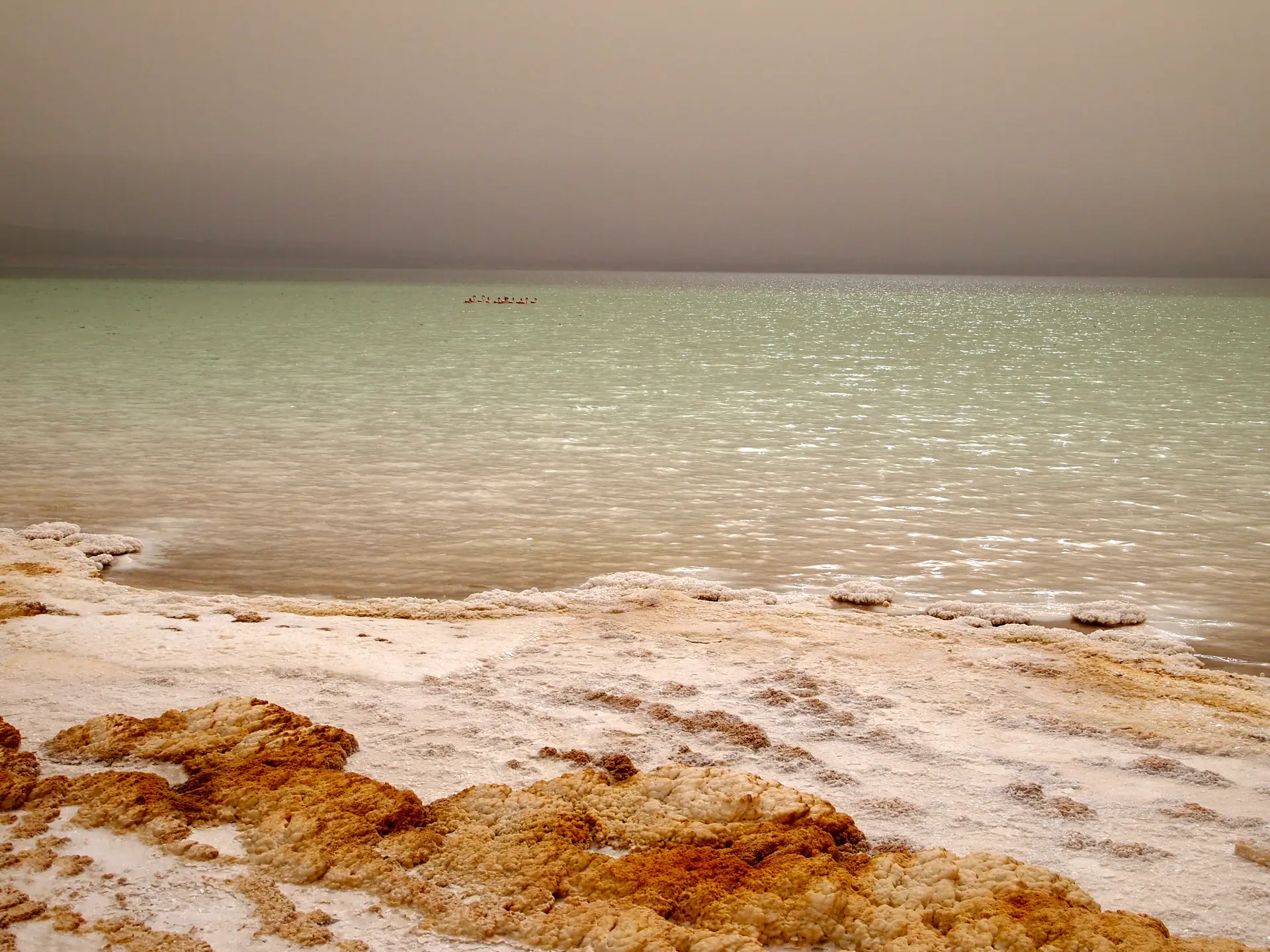
Lake Assal stands as one of Earth’s lowest points. The lake rests 155 meters below sea level in Djibouti. Its surface glistens under intense sun and salt crystals coat the edges. Visitors see a stark landscape where water meets cracked earth.
The area around Lake Assal draws attention for its extreme environment. Hot air rises above the lake while winds push salty breezes inland. The terrain feels barren yet striking in its simplicity. Many travelers come to witness how nature shapes such a harsh setting without losing beauty.
Local Afar communities have lived near Lake Assal for generations. They harvest salt using traditional methods passed down through families. Salt blocks are cut by hand and used locally or sold beyond the region. This practice connects people directly to the land and its resources.
Exploring the lake requires careful planning. The heat can become intense during daylight hours. Visitors should bring water, wear protective clothing and avoid midday exposure. Guides familiar with the area help ensure safety while allowing time to appreciate geological wonders up close.
Lake Assal, located in Djibouti, is accessible via a combination of road and air travel. The nearest major city is Djibouti City, approximately 120 kilometers northwest, reachable by car or bus through the country’s well-maintained highway network. Domestic flights to Djibouti International Airport (DIA) offer an alternative for travelers from regional hubs such as Addis Ababa or Nairobi. From the airport, rental cars, taxis or guided tours can transport visitors to Lake Assal, situated in a remote desert basin about 150 kilometers south of the capital. The journey involves traversing arid landscapes and volcanic terrain, with road conditions varying by season. Public transportation options are limited, making private transfers or pre-arranged vehicles recommended for convenience.
Lake Assal’s remote setting offers a mix of modest camping sites and basic guesthouses catering to adventurous travelers. Most accommodations are simple, with shared bathrooms and limited electricity, reflecting the harsh desert environment. A handful of eco‑lodges provide solar power and composting toilets for those seeking greener options, while some nomadic camps offer tents with local furnishings. Prices vary from roughly US$20 (£14.95) per night for a basic tent to US$60 – 80 (£44.86 – 59.81) for a private lodge room equipped with a small kitchenette. The area is renowned for its rugged, off‑grid stays that emphasize sustainability and immersion in the stark salt flats rather than luxury amenities.
Log in to add this place to a travel list and get a summary of all recommended items for your whole trip.
We calculate the average costs when travelling to destinations and compare those with the living costs at your home. With this you can get an estimate of how expensive or cheap the destination is for you.
To customise this, you can set up which location and price level are used for the calculations in your account settings.
The exchange rate price factor shows how expensive or cheap a currency currently is compared to its historical average. It's a quick way to see if a country is currently more or less affordable due to exchange rate changes.
