









Was this page helpful?

| Power Grid: |
120 V, 60 Hz Plug: Type A , Type B
Type A:
  Read about power adapters |
|---|---|
| Currency: |
Guatemalan Quetzal (GTQ) £1 ≈ GTQ 10.17 |
| Cashless info: |
Rating 3/5
Cashless payments are not widely accepted outside of major cities in Guatemala. While credit cards are accepted in some places, cash is still commonly used.
Save with a travel credit card |
| eSIM providers: |
Best value: Saily Flexibility: Airalo Read our in-depth comparison |
| Tipping: | Tipping is appreciated in Guatemala, especially in restaurants. A 10-15% tip is common. Taxi drivers may also expect small tips for good service. |
|---|---|
| Public drinking: | Public drinking is not widely accepted in Guatemala, and alcohol is consumed in licensed venues such as bars and restaurants. |
| Public smoking: | Smoking is prohibited in most indoor public spaces, including restaurants and bars. |
| Independence Day (15 September) |
Celebrates Guatemala's independence from Spain |
|---|---|
| Christmas (25 December) |
Celebrated widely throughout the country |
| Emergency contact: | Emergency Numbers: 110 (Police), 128 (Ambulance), 122 (Fire) |
|---|---|
| Taxi apps: | Uber |
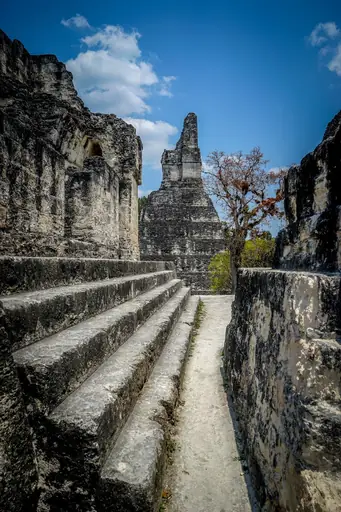
| Other: | Guatemala is known for its rich Mayan heritage, volcanoes, and natural beauty. It is an excellent destination for those interested in history, culture, and outdoor adventures. |
The best times to travel section shows how the months compare for a visit, so you can find the time of year that fits what you want to do.
Background colours of the months:
The colour shows the typical temperature: yellow (hot), green (mild) and blue (cold). How strong the colour is shows the travel season: full colour means high season, soft colour means shoulder season and soft-striped means off season.
Weather symbols:
Each month has one symbol showing what the weather is typically like, such as hot and sunny, freezing or a rainy or snowy season. Use them to quickly spot months that match the weather you want, or to avoid the ones that don't.
Crowdedness:
The people icon shows how busy the place usually is. The more people, the more crowded it gets.
Additional notes:
The grey info boxes point out special things worth knowing, like recurring weather issues or seasonal events.
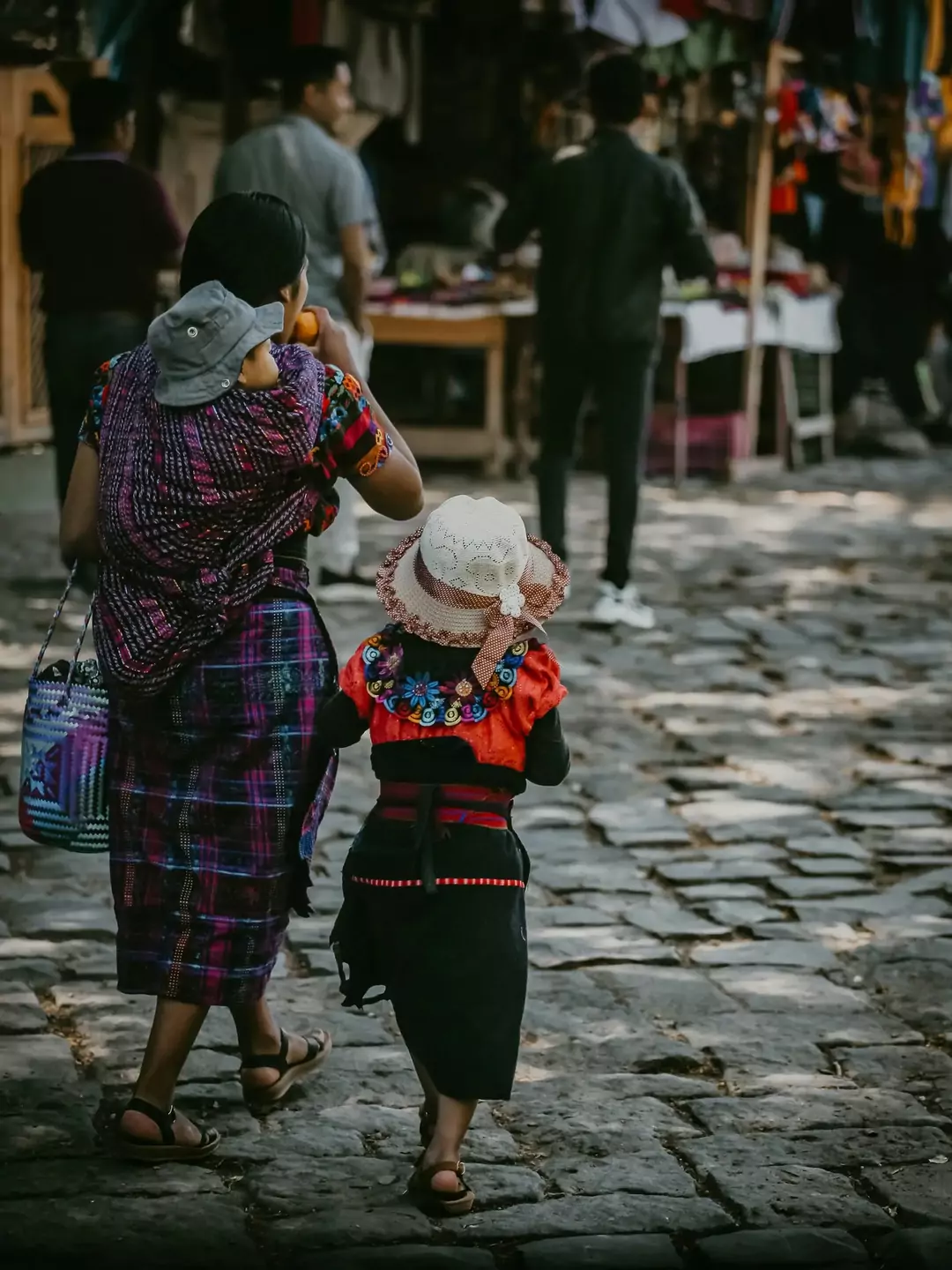
Lake Atitlán is a large volcanic lake located in the highlands of Guatemala. It sits surrounded by three prominent volcanoes that shape its landscape and influence its climate. The water reflects the sky on calm days creating a peaceful view for visitors and locals alike. The area has long been home to indigenous communities who preserve their traditions through language crafts and daily life.
The lake’s depth reaches over 300 meters making it one of the deepest lakes in Central America. Its waters are fed by rivers and streams flowing from surrounding hills. Local farmers grow coffee and vegetables on terraced slopes while fishermen use traditional boats to collect fish. The climate around the lake is mild with cooler temperatures near the water and warmer days higher up.
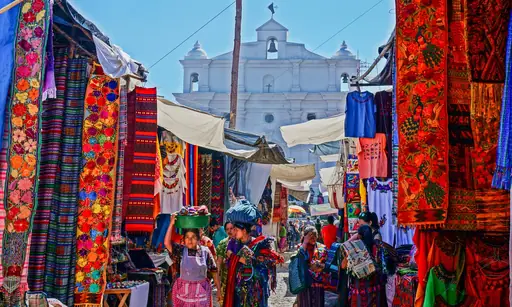
Travelers can explore nearby towns such as Panajachel or San Pedro La Laguna where markets offer handmade textiles pottery and fresh fruit. Hiking trails lead to viewpoints where you can see multiple volcanoes side by side. Boat tours provide access to small villages along the shoreline allowing visitors to learn about daily routines and cultural practices.
The region experiences distinct seasons with a rainy period from May to October. During this time mist often covers the hills adding to the serene atmosphere. The lake remains a central part of life for many people who rely on it for water, transport and food. Visitors find opportunities to connect with nature learn about history and experience hospitality that feels genuine and welcoming.
Lake Atitlán, located in Guatemala’s highlands, is accessible primarily by road from the country’s capital, Guatemala City. The journey takes approximately 6 to 8 hours via a scenic route through mountainous terrain and rural villages. Public transportation options include buses departing from La Aurora International Airport or major bus terminals in the city center, with shared shuttles also available for travelers seeking cost-effective travel. For those preferring private transport, rental cars or guided tours can be arranged to reach the lake’s shores directly. The nearest town is Panajachel, situated 30 kilometers south of Santiago Atitlán, both accessible by boat from various docking points along the lake’s perimeter.
Lake Atitlán’s shoreline offers a spectrum of lodging that caters to every budget and taste. Budget travelers can find hostels and guesthouses in towns like Panajachel and San Pedro La Laguna, where rooms start around GTQ 156 – 234 (£15.26 – 22.89) per night and often include communal kitchens and shared terraces overlooking the lake. Mid‑range options abound in rustic boutique hotels and eco‑lodges that blend local architecture with modern comforts; nightly rates typically range from GTQ 546 – 876 (£53.41 – 85.70). For those seeking luxury, upscale resorts and private villas provide spa services, infinity pools and panoramic views, with prices exceeding GTQ 1,560 (£152.61) per night. The area is renowned for its “eco‑friendly” accommodations, many of which use solar power, rainwater harvesting and locally sourced materials to minimize environmental impact.
Log in to add this place to a travel list and get a summary of all recommended items for your whole trip.
We calculate the average costs when travelling to destinations and compare those with the living costs at your home. With this you can get an estimate of how expensive or cheap the destination is for you.
To customise this, you can set up which location and price level are used for the calculations in your account settings.
The exchange rate price factor shows how expensive or cheap a currency currently is compared to its historical average. It's a quick way to see if a country is currently more or less affordable due to exchange rate changes.
