


South America › Brazil › Bahia › Chapada Diamantina National Park

Chapada Diamantina National Park

Scroll
Waterfalls, Caves and Diamond History

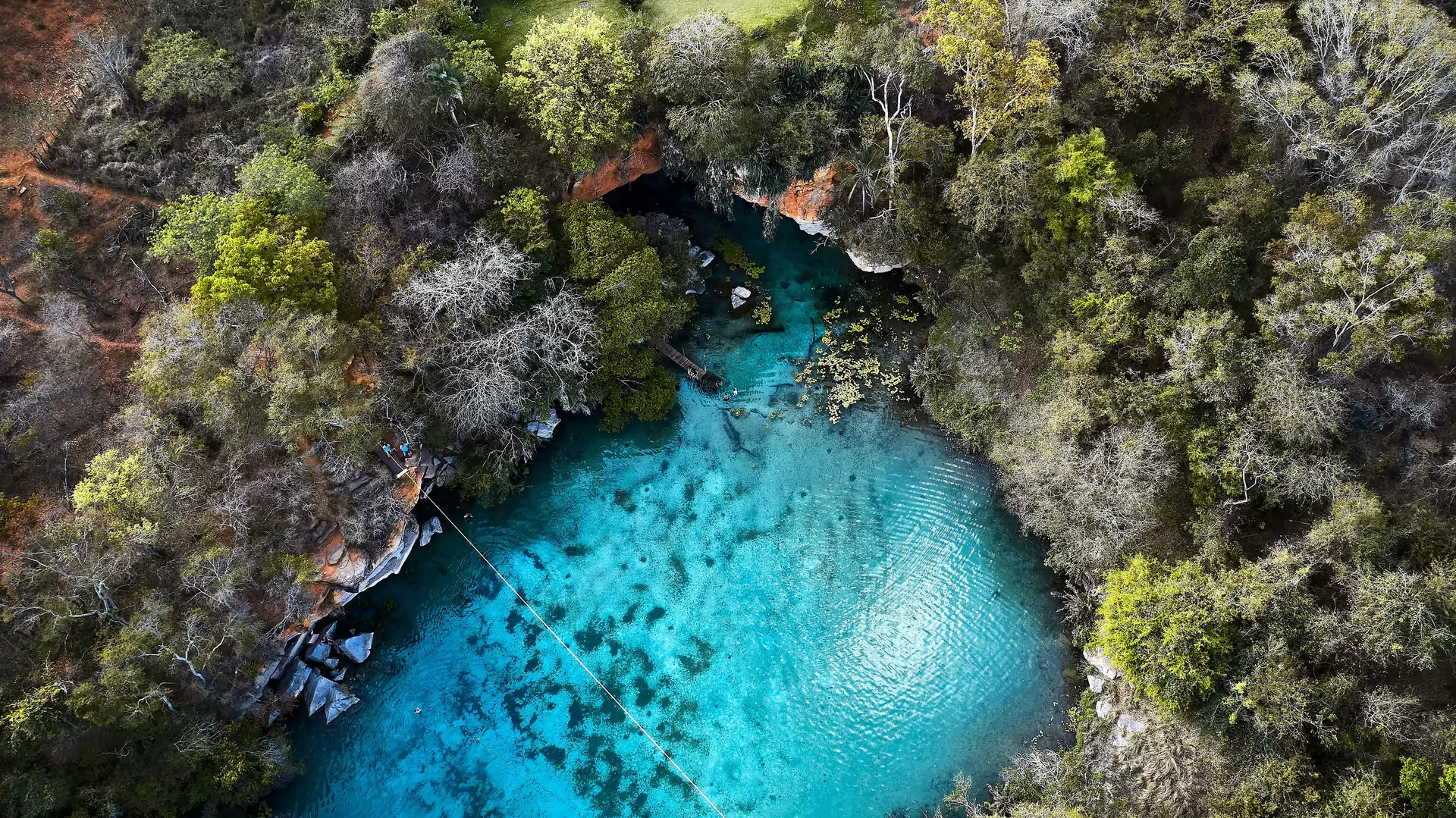
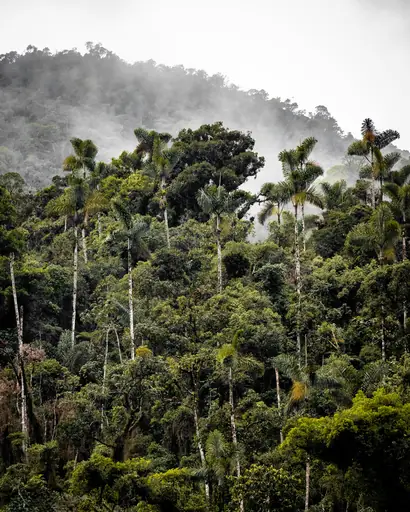
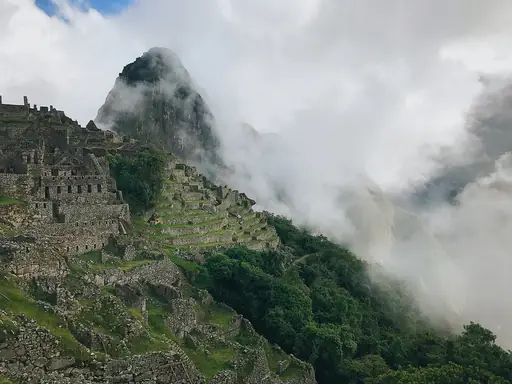
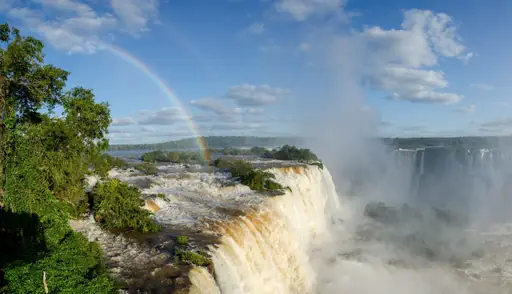
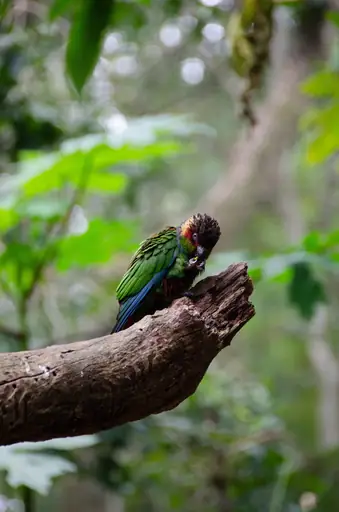
Chapada Diamantina National Park in Brazil showcases rugged highlands with dramatic cliffs, deep valleys and clear rivers. The landscape features ancient quartzite plateaus shaped by erosion over millions of years. Visitors can explore waterfalls tucked into forested gorges or hike trails that pass through remote villages where local traditions remain strong. Wildlife includes rare birds and unique insects adapted to the park’s isolated environment. The area supports small-scale farming communities whose daily life reflects a close relationship with the land and surrounding forests.

National Park in Brazil
Climate zone: Tropical savanna

Tropical savanna: Tropical climates with distinct wet and dry seasons, warm year-round, featuring grasslands with scattered trees and shrubs.

See climate table
Price level: $$$
$Cheap
$$Medium
$$$Expensive, upscale
$$$+Very expensive, luxury
See price details
Safety: 6.2
General Safety:7
Health & medical:6
Accessibility:4
Tap water:4
Read details
Tourist English: 2/5
English proficiency varies widely in Chapada Diamantina. Tour guides working with international visitors typically speak basic to intermediate English, but outside tourist areas, Portuguese is dominant. Learning key phrases in Portuguese is highly recomme
Last update: 12 Oct 2026
* We earn a commission from some links on this page.
Chapada Diamantina National Park Summary

These place ratings give you a quick overview of how well a destination matches different types of trips.

‘Best for’ scores:
The specific interest scores show where this place really shines – whether it's ideal for hiking, food & drink experiences, museums or other activities. These highlights help you understand what makes the destination special at a glance.

‘Your personal’ scores:
This reflects how well a place matches your personal preferences. You can adjust the importances of travel topics or other personal requirements categories in your account settings.

‘Suited for’ badges:
These give you a quick overview of how well a destination suits specific types of travellers, to help you find the places that match your lifestyle, preferences or travel situation.

Read how our scores work
Excellent for waterfalls and wilderness hiking. Trek through rugged valleys, swim in natural pools, explore caves and enjoy scenic viewpoints across vast plateaus.
Place score
7.7
Best at:
Natural sites
10
Waterfalls
9
Wildlife
9
Mountains
7
Rivers
7
Personal score
?
Log in to see how this place matches your personal travel interests.
Suited for
👶 7
Families
🧓 5
Seniors
❤️ 8
Couples
♻️ 8
Sustainability
Brazil – Quick facts
Power Grid: 127 V, 60 Hz
Plug: Type C , Type N
Type C:
Diagram of a Type C power plug
Type N:
Diagram of a Type N power plug

Read about power adapters
Currency: Brazilian Real (BRL)
£1 ≈ R$7.11
Cashless info: Rating 4/5
Cashless payment is widely accepted in urban areas but less so in remote regions.

Save with a travel credit card
eSIM providers: Best value: Saily
Flexibility: Airalo
Read our in-depth comparison
Tipping: Tipping is not customary in Brazil. Restaurants often include a 10% service charge. Additional tips are optional.
Public drinking: Public drinking is generally allowed in Brazil, and it is common in social settings.
Public smoking: Smoking is banned in enclosed public spaces, with designated outdoor areas.
Carnival
(February/March)
Expect parades and heavy crowds.
Independence Day
(September)
National celebrations occur.
Christmas
(December)
Family gatherings and public celebrations are common.
Emergency contact: Emergency Numbers: 190 (Police), 192 (Ambulance), 193 (Fire)
Taxi apps: 99, Uber, Cabify
Other: Brazil is known for its natural beauty, vibrant culture, and Carnival celebrations. Avoid travelling alone in remote areas for safety.
Best times to travel

The best times to travel section shows how the months compare for a visit, so you can find the time of year that fits what you want to do.

Background colours of the months:
The colour shows the typical temperature: yellow (hot), green (mild) and blue (cold). How strong the colour is shows the travel season: full colour means high season, soft colour means shoulder season and soft-striped means off season.

Weather symbols:
Each month has one symbol showing what the weather is typically like, such as hot and sunny, freezing or a rainy or snowy season. Use them to quickly spot months that match the weather you want, or to avoid the ones that don't.

Crowdedness:
The people icon shows how busy the place usually is. The more people, the more crowded it gets.

Additional notes:
The grey info boxes point out special things worth knowing, like recurring weather issues or seasonal events.

for Chapada Diamantina National Park, Brazil
🌦️
Jan
🌦️
Feb
🌦️
Mar
🌧️
Apr
☁️
May
🌥️
Jun
🌥️
Jul
🌤️
Aug
🌤️
Sep
🌦️
Oct
🌦️
Nov
🌦️
Dec
High season: May - Sep.
Shoulder season: Jan., April, Oct., Dec.
Crowdedness: 4 (Moderate tourist numbers)
Tap on a month for more info Hover over a month for more info
Multi-day treks like Vale do Pati are best May to September; heavy rain November to March can flood rivers and close trails
Waterfalls such as Cachoeira da Fumaça flow strongest January to May and shrink to a trickle by October
Light beams in caves like Poço Azul and Poço Encantado appear around midday, roughly late September to March

Why travel to Chapada Diamantina National Park?

Chapada Diamantina is a dream for outdoor enthusiasts seeking authentic natural wonders away from Brazil's more touristy coastal areas. The park's diverse landscapes offer everything from challenging multi-day treks through the Vale do Pati (considered Brazil's best trekking destination) to accessible day trips featuring stunning waterfalls like Cachoeira da Fumaça (Brazil's highest at 400m), mysterious caves and natural swimming pools. History buffs will appreciate the colonial architecture and diamond mining heritage, while photographers will find endless inspiration in the dramatic plateaus, steep valleys and crystal-clear waters. However, the park isn't without challenges. Many of the best attractions require guided tours, which adds to the cost and some areas are only accessible through difficult hikes requiring good physical condition. The trails can be rough, with scratchy plants, insects and exposure to intense sun. During rainy seasons, some areas may flood or become inaccessible. Language barriers can also be an issue, as English isn't widely spoken outside tourist areas and there have been rare reports of guides making inappropriate comments to foreign visitors. Despite these drawbacks, the park's raw beauty and adventure opportunities make it a must-visit for those seeking Brazil's natural wonders.

🏯Places worth seeing
  • 1 Cachoeira da Fumaça
  • 2 Cachoeira da Fumacinha
  • 3 Cachoeira do Mixila
  • 4 Gruta Azul
  • 5 Gruta da Fumaça
  • 6 Mirante do Pati
  • 7 Morro do Camelo
  • 8 Morro do Pai Inácio
  • 9 Poço Azul
  • 10 Trilha para o Vale do Pati
🎡Places for activities
  • 1 Cachoeira do Buracão
  • 2 Lençóis
  • 3 Cachoeira do Mosquito
🏞️Natural landmarks
  • 1 Cachoeira da Fumaça
  • 2 Morro do Camelo
  • 3 Morro do Pai Inácio
  • 4 Poço Azul
  • 5 Trilha para o Vale do Pati
🎈Events
  • Trekking festivals
  • Local cultural celebrations
  • Eco-tourism events
  • Conservation awareness days
  • Regional food festivals

Knowledge before you go

  • Hire local guides for all major hikes and waterfalls.
  • Base in Lençóis or Capão Valley for easy trail access and charming pousadas.
  • Pack sturdy boots, rain gear; trails slippery after rain, best May-September dry season.
  • Catch Morro do Pai Inácio sunset for epic 360-degree views over canyons and table mountains.

How to travel to Chapada Diamantina National Park

The main gateway to Chapada Diamantina is the town of Lençóis, which can be reached by bus from Salvador (approximately 6-7 hours). The nearest airport is in Salvador, Bahia's capital. From Salvador, you can either take a direct bus to Lençóis or fly to the smaller Lençóis airport (limited flights). Some visitors also arrive via private transfer or rental car, though navigation can be challenging for those unfamiliar with the region.

Access summary

  • From Lençóis Airport (LEC): Short taxi to Lençóis town, about 20 minutes.
  • From Salvador: Daily buses to Lençóis, usually 6–7 hours by road.
  • From São Paulo: Fly to Salvador, then bus or flight to Lençóis.

Where to stay in Chapada Diamantina National Park

Accommodation options range from simple guesthouses and hostels in Lençóis to eco-lodges and pousadas scattered throughout the region. For multi-day treks like Vale do Pati, you'll either camp or stay in basic homestays with local families. During peak seasons (July-August and December-January), accommodations fill up quickly, so advance booking is essential. Some treks involve overnight stays in very basic conditions with no electricity or running water.

How to get around Chapada Diamantina National Park

Getting around Chapada Diamantina requires planning as the park is vast and attractions are spread out. Most visitors base themselves in Lençóis and take guided tours or treks from there. A car is useful for reaching trailheads, but many areas require hiking to access. For safety and navigation reasons, hiring local guides is highly recommended and sometimes mandatory for certain attractions, especially multi-day treks like Vale do Pati.
Budget snapshot
Costs compared to home

We calculate the average costs when travelling to destinations and compare those with the living costs at your home. With this you can get an estimate of how expensive or cheap the destination is for you.

To customise this, you can set up which location and price level are used for the calculations in your account settings.

-56 %
Daily expenses in the region are around 56% lower than the average across United States. That means you'll spend a lot less on meals and getting around.
Exchange rate trend

The exchange rate price factor shows how expensive or cheap a currency currently is compared to its historical average. It's a quick way to see if a country is currently more or less affordable due to exchange rate changes.

-6 %
Your exchange rate (GBP to BRL) is 6% better than in recent years. That means travelling now is cheaper compared to the past.

Travel costs (Data for Itaberaba, Brazil - 122 km away)

To help you plan your trip, we provide estimated daily costs per person (when travelling as a pair) for different travel styles. These numbers give you an idea of what you might spend each day at this destination, including accommodation, food, transport and activities.

Additionally, we also provide average hotel costs for different travel styles to give you an estimate for the accommodation only.

Please note that these are only estimates. The real costs depend on booking times, season and other factors.

Daily cost summary

Travel style categories explained:

Backpacker:
Staying in hostels or budget hotels, cooking your own meals or eating cheap and choosing low-cost activities.

Mid-range:
Staying in mid-range hotels, eating at a mix of restaurants and casual spots and enjoying a variety of activities.

Luxury:
Staying in luxury hotels, dining out at high-end restaurants and enjoying premium experiences without worrying about the price.

Backpacker Mid-range Luxury
💵 Total costs per day, including accommodation
£26
£58
£180
🏨 Accommodation per night, per person
£8
£23
£75
🍝 Food per day
£15
£31
£88
🚕 Transportation per day
£3
£5
£17
Food & Drink
🍽️ Restaurant Dinner, per person
£11.50
🍛 Lunch Set, per person
£6
🍟 Fast food combo
£5.50
🍝 Preparing your own food, per day
£4.80
☕ Cappuccino
£1.60
🍺 Beer in a restaurant, 0.5 l
£2
Transportation
🚌 Public transport ticket
£0.75
🚕 Taxi Ride, 10 km / 6 mi
£10
⛽ Petrol, 1 l
£0.90
Other
🎞️ Cinema ticket
£4.70
👩‍⚕️ Doctor's consult
£29
🤧 Cold medication
£3.10
💇 Basic haircut
£4.60

Safety information overview

General safety
7
The park is generally safe for tourists, but always hike with a guide as trails can be unmarked and it's easy to get lost. There have been rare reports of inappropriate behavior from some guides, so research tour companies carefully and consider group tours.
Health & Medical
6
Medical facilities are limited within the park. The nearest hospitals are in larger towns like Lençóis, but services may be basic. Bring any necessary medications and be prepared for limited access to healthcare during multi-day treks.
Accessi­bility
4
Chapada Diamantina presents significant accessibility challenges. Most attractions require hiking over uneven terrain, crossing rivers or climbing rocks. Some sites like Pratinha and Gruta Azul offer more accessible options with car access and shorter walks.
Tap water
4
Tap water is not recommended for drinking. River water may look clean but can contain microorganisms. Bring purification tablets or filters if trekking or rely on bottled water in towns. Some guides say river water is safe, but boiling is recommended.

Looking for inspiration?

Discover
Stunning national parks and wilderness areas
National parks exist because someone decided that certain landscapes were too important to lose. The best of them protect ecosystems, wildlife and natural processes that would…
Read more
Discover
Top adventure destinations and outdoor activities
Adventure travel covers an enormous range of activities and risk tolerances, from multi-day wilderness trekking and white water rafting to technical climbing, polar expeditions and…
Read more
Discover
Stunning national parks and wilderness areas in South America
Read more
Discover
Best spiritual destinations in South America
South America has ancient ruins, huge empty landscapes and living Indigenous traditions, which makes it a natural choice for travelers looking for something deeper than a regular…
Read more
Discover
Best destinations to visit in March in South America
South America settles into autumn in March, with the peak of summer travel and Carnival season both winding down. Carnival celebrations wrap up in early March in most years,…
Read more
Discover
Top spiritual travel destinations and wellness retreats
Spiritual travel works best at destinations with a genuine, long-standing tradition behind the practice on offer: places where meditation, ritual or retreat has been part of local…
Read more
Discover
Best birdwatching destinations in South America
South America is the undisputed capital of global birdwatching. The continent holds more bird species than any other, with over 3,400 recorded, and the levels of endemism in…
Read more
Discover
Top hiking destinations and famous trails
Hiking at its best is one of the most direct ways to engage with a landscape. The pace forces a relationship with terrain, weather and distance that faster forms of travel rarely…
Read more
Discover
Best wildlife destinations in South America
South America's wildlife is as extraordinary as its landscapes, shaped by an unmatched range of ecosystems and some of the highest levels of biodiversity on earth. From vast river…
Read more
Discover
Top birdwatching destinations and avian hotspots
Birdwatching has a way of changing how you travel. Once you start paying attention to what's flying, perching and calling overhead, a destination opens up in ways that a standard…
Read more
Discover
Best stargazing destinations in South America
South America's dark sky destinations are among the finest in the world, with high-altitude Andean deserts producing atmospheric conditions that have attracted major international…
Read more
Discover
Best couple holiday destinations
Travelling as a couple sounds simple enough, yet the best couple holiday destinations mean something different to almost every pair. What feels romantic to one couple can feel like…
Read more
Discover
Best rural retreat destinations in South America
South America's rural retreat offer is shaped by the continent's extraordinary landscape diversity, with Andean valley farmsteads, Patagonian estancias, cloud forest lodges and…
Read more
Discover
Best destinations to visit in September in South America
September marks the start of spring across South America, though winter conditions still linger in parts of the continent. Andean regions remain in their dry season, with stable…
Read more
Discover
Top stargazing destinations and dark sky reserves
The best dark sky destinations are found far from urban light pollution, typically in high-altitude deserts, remote island locations and vast uninhabited interior regions.…
Read more
Was this page helpful?
Feedback