










Was this page helpful?

These place ratings give you a quick overview of how well a destination matches different types of trips.
‘Best for’ scores:
The specific interest scores show where this place really shines – whether it's ideal for hiking, food & drink experiences, museums or other activities. These highlights help you understand what makes the destination special at a glance.
‘Your personal’ scores:
This reflects how well a place matches your personal preferences. You can adjust the importances of travel topics or other personal requirements categories in your account settings.
‘Suited for’ badges:
These give you a quick overview of how well a destination suits specific types of travellers, to help you find the places that match your lifestyle, preferences or travel situation.
| Power Grid: |
127 V, 60 Hz Plug: Type C , Type N
Type C:
  Read about power adapters |
|---|---|
| Currency: |
Brazilian Real (BRL) £1 ≈ R$7.11 |
| Cashless info: |
Rating 4/5
Cashless payment is widely accepted in urban areas but less so in remote regions.
Save with a travel credit card |
| eSIM providers: |
Best value: Saily Flexibility: Airalo Read our in-depth comparison |
| Tipping: | Tipping is not customary in Brazil. Restaurants often include a 10% service charge. Additional tips are optional. |
|---|---|
| Public drinking: | Public drinking is generally allowed in Brazil, and it is common in social settings. |
| Public smoking: | Smoking is banned in enclosed public spaces, with designated outdoor areas. |
| Carnival (February/March) |
Expect parades and heavy crowds. |
|---|---|
| Independence Day (September) |
National celebrations occur. |
| Christmas (December) |
Family gatherings and public celebrations are common. |
| Emergency contact: | Emergency Numbers: 190 (Police), 192 (Ambulance), 193 (Fire) |
|---|---|
| Taxi apps: | 99, Uber, Cabify |
| Other: | Brazil is known for its natural beauty, vibrant culture, and Carnival celebrations. Avoid travelling alone in remote areas for safety. |
The best times to travel section shows how the months compare for a visit, so you can find the time of year that fits what you want to do.
Background colours of the months:
The colour shows the typical temperature: yellow (hot), green (mild) and blue (cold). How strong the colour is shows the travel season: full colour means high season, soft colour means shoulder season and soft-striped means off season.
Weather symbols:
Each month has one symbol showing what the weather is typically like, such as hot and sunny, freezing or a rainy or snowy season. Use them to quickly spot months that match the weather you want, or to avoid the ones that don't.
Crowdedness:
The people icon shows how busy the place usually is. The more people, the more crowded it gets.
Additional notes:
The grey info boxes point out special things worth knowing, like recurring weather issues or seasonal events.
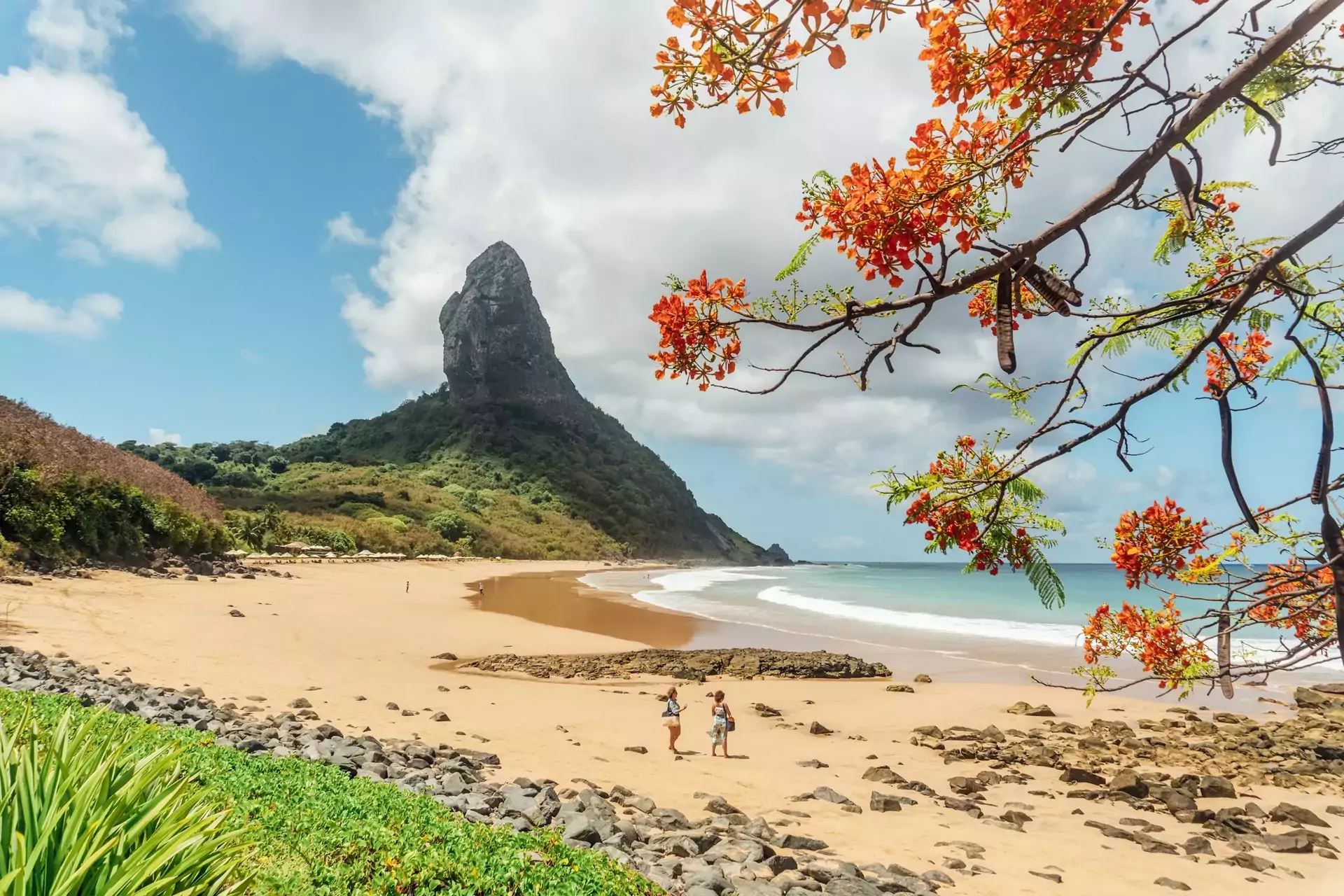
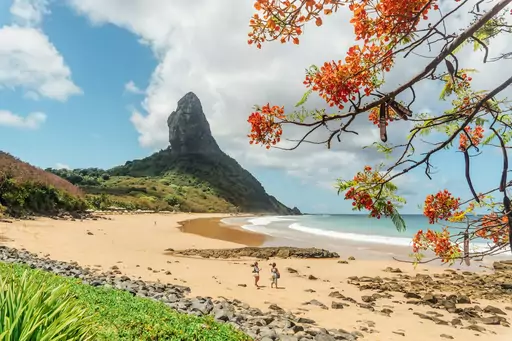
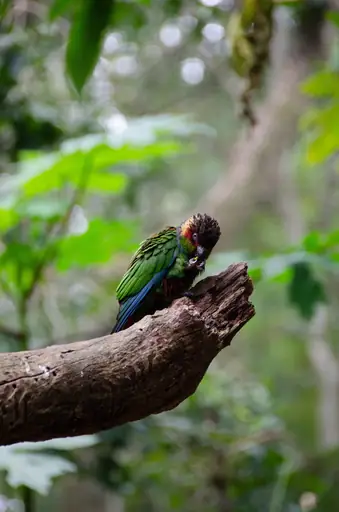
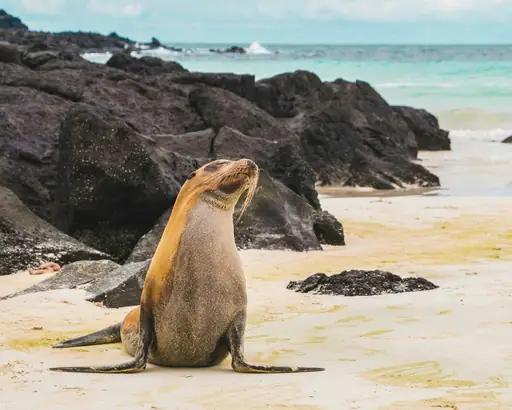
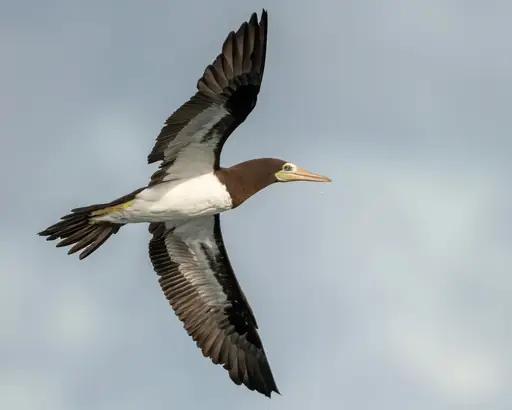
Fernando de Noronha offers a rare combination of ecological preservation and natural beauty that's increasingly hard to find. Baía do Sancho, repeatedly chosen as the world's most beautiful beach by TripAdvisor, is just the beginning – the archipelago features numerous pristine beaches with warm, transparent waters perfect for snorkeling and diving among vibrant marine life. Wildlife enthusiasts will be thrilled by the chance to observe spinner dolphins in their natural habitat, watch sea turtles hatching (December to May) and spot numerous bird species in this carefully protected ecosystem. However, this paradise comes at a premium price point that can be a shock to many travelers. Upon arrival, you'll need to pay an environmental tax (approximately £12 per day) plus an additional PANAMAR ticket (around R$330 for foreigners) to access the national park areas where many of the best attractions are located. The island strictly limits visitors to 420 at any given time, making advance planning essential, especially during the December to March peak season. With limited accommodation options that range from simple bed-and-breakfasts to small luxury pousadas, prices tend to be high across the board. The language barrier can also be challenging for non-Portuguese speakers, so having translation tools or booking guided experiences is recommended.
Fernando de Noronha is only accessible by air, with regular flights from Recife and Natal on the Brazilian mainland. Less frequent flights are also available from Fortaleza. There are no direct flights from major cities like Rio de Janeiro or São Paulo, so you'll need to connect through one of these northeastern cities. The island's small airport receives limited flights daily, so booking well in advance is essential, especially during peak season (December-March).
Accommodation on Fernando de Noronha ranges from simple bed-and-breakfasts to small luxury pousadas (guesthouses), with no large resort chains. Options are limited due to strict environmental regulations and reservations should be made well in advance, especially during peak season (December-March). Expect to pay premium prices across all categories, with even basic accommodations costing more than mainland equivalents due to the island's exclusivity and limited capacity.
We calculate the average costs when travelling to destinations and compare those with the living costs at your home. With this you can get an estimate of how expensive or cheap the destination is for you.
To customise this, you can set up which location and price level are used for the calculations in your account settings.
The exchange rate price factor shows how expensive or cheap a currency currently is compared to its historical average. It's a quick way to see if a country is currently more or less affordable due to exchange rate changes.
Log in to add this place to a travel list and get a summary of all recommended items for your whole trip.
