











Was this page helpful?

| Opening hours: |
|
|
|---|---|---|
| Public website: | thekotel.org |
| Power Grid: |
230 V, 50 Hz Plug: Type C , Type H
Type C:
  Read about power adapters |
|---|---|
| Currency: |
Israeli New Shekel (ILS) £1 ≈ ₪4.03 |
| Cashless info: |
Rating 5/5
Cashless payments are widely accepted, particularly in urban areas and tourist locations.
Save with a travel credit card |
| eSIM providers: |
Best value: Saily Flexibility: Airalo Read our in-depth comparison |
| Tipping: | Tipping is customary in Israel. 10-15% is standard in restaurants, while taxi drivers usually do not expect tips. |
|---|---|
| Public drinking: | Public drinking is uncommon but not strictly regulated. |
| Public smoking: | Smoking is prohibited in public indoor spaces, with designated areas available. |
| Passover (March/April) |
Public transport is limited. Book accommodations early. |
|---|---|
| Yom Kippur (September/October) |
The country comes to a standstill. |
| Hanukkah (December) |
Festivities and events occur in major cities. |
| Emergency contact: | Emergency Numbers: 100 (Police), 101 (Ambulance), 102 (Fire) |
|---|---|
| Taxi apps: | Gett, Yango |
| Other: | Israel offers a mix of historical, cultural, and natural attractions. Public transport is limited during Shabbat. |
The best times to travel section shows how the months compare for a visit, so you can find the time of year that fits what you want to do.
Background colours of the months:
The colour shows the typical temperature: yellow (hot), green (mild) and blue (cold). How strong the colour is shows the travel season: full colour means high season, soft colour means shoulder season and soft-striped means off season.
Weather symbols:
Each month has one symbol showing what the weather is typically like, such as hot and sunny, freezing or a rainy or snowy season. Use them to quickly spot months that match the weather you want, or to avoid the ones that don't.
Crowdedness:
The people icon shows how busy the place usually is. The more people, the more crowded it gets.
Additional notes:
The grey info boxes point out special things worth knowing, like recurring weather issues or seasonal events.
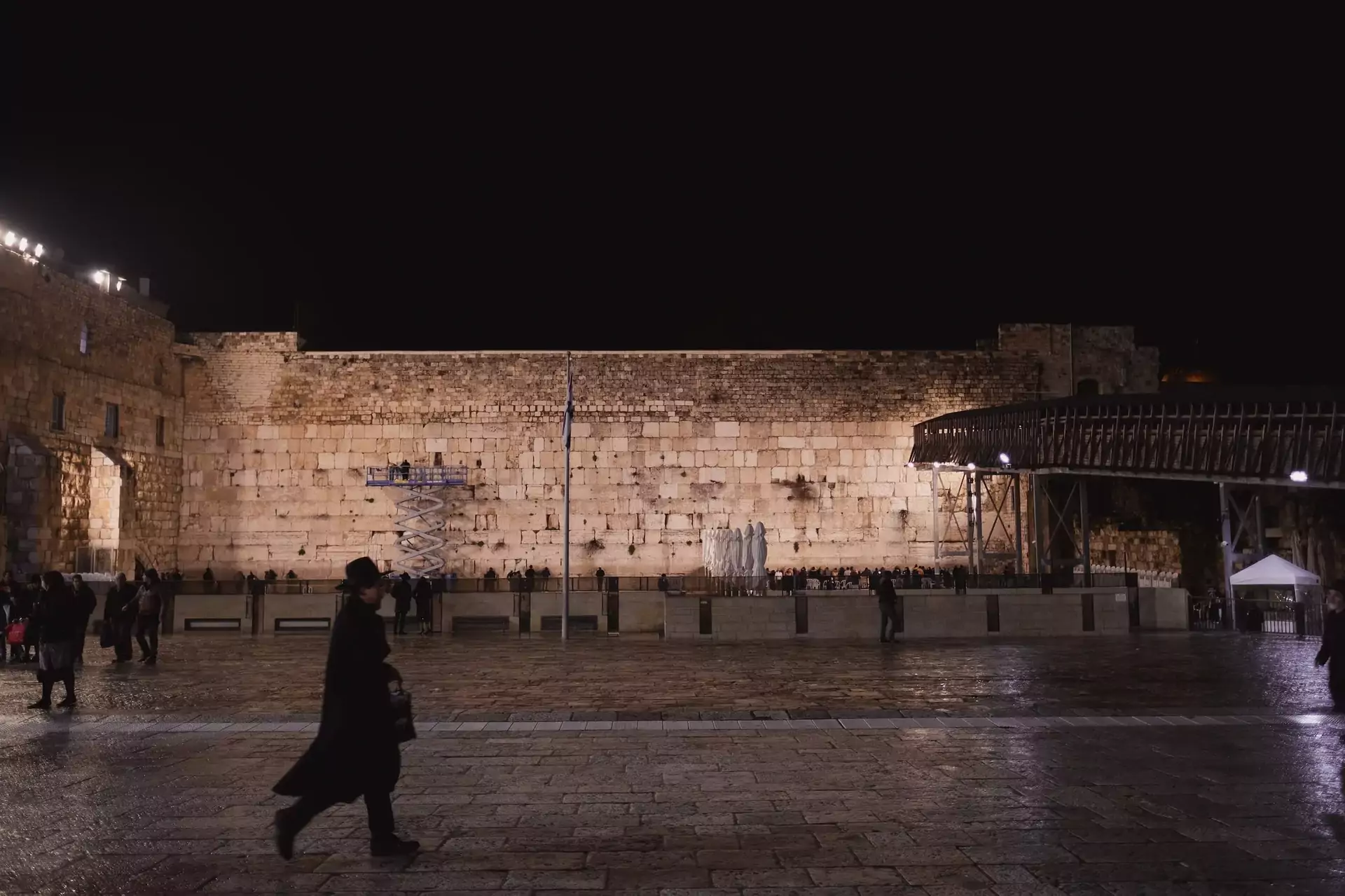
The Western Wall is the last remaining part of the Second Jewish Temple, destroyed in 70 CE and has since become a focal point of Jewish faith and identity. Standing before this sacred wall, visitors can see small notes and prayers tucked into its crevices, a testament to its enduring spiritual significance.
The site is divided into men’s and women’s prayer areas, with a large open plaza used for communal gatherings and ceremonies such as Bar and Bat Mitzvahs. Guided tours offer insight into the archaeological tunnels beneath the wall, revealing the history buried beneath the current city.
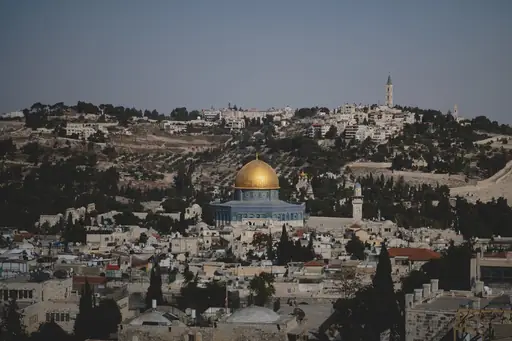
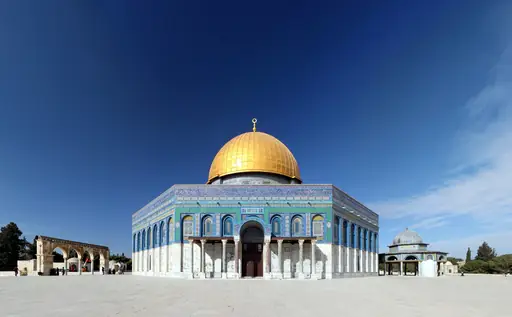
Nearby, visitors can explore other important religious landmarks such as the Al-Aqsa Mosque and Dome of the Rock. The surrounding Old City’s ancient streets provide a rich cultural backdrop, filled with markets, historic sites and religious institutions.
It’s important to dress modestly and respectfully when visiting. The area can be very crowded, especially during religious holidays and peak tourist seasons. Security checks are mandatory and visitors should be prepared for a busy, sometimes intense atmosphere due to the site's religious and political sensitivities.
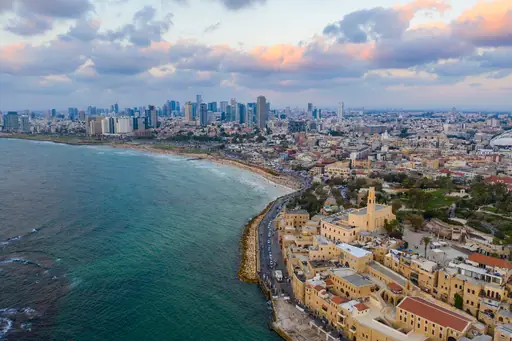
The Western Wall is located in the Old City of Jerusalem, surrounded by narrow winding streets. International visitors typically fly into Ben Gurion Airport near Tel Aviv and then travel by bus, taxi or car to Jerusalem, which is about an hour's drive. Inside Jerusalem, the Old City is best explored on foot or by local public transport, with several entrances leading to the Wall.
Jerusalem offers a variety of accommodations near the Old City, including luxury hotels, boutique inns and budget hostels. Staying within walking distance of the Western Wall allows easy access to explore the historic and religious sites.
Log in to add this place to a travel list and get a summary of all recommended items for your whole trip.
We calculate the average costs when travelling to destinations and compare those with the living costs at your home. With this you can get an estimate of how expensive or cheap the destination is for you.
To customise this, you can set up which location and price level are used for the calculations in your account settings.
The exchange rate price factor shows how expensive or cheap a currency currently is compared to its historical average. It's a quick way to see if a country is currently more or less affordable due to exchange rate changes.
