







Was this page helpful?

| Power Grid: |
220 V, 50 Hz Plug: Type A , Type I
Type A:
  Read about power adapters |
|---|---|
| Currency: |
Chinese Yuan Renminbi (CNY) £1 ≈ CN¥8.88 |
| Cashless info: |
Rating 5/5
Cashless payments are widely accepted in China, particularly in urban areas. Mobile payment services like Alipay and WeChat Pay are commonly used.
Save with a travel credit card |
| eSIM providers: |
Best value: Saily Flexibility: Airalo Read our in-depth comparison |
| Tipping: | Tipping is not customary in China and is not expected, although it may be appreciated in high-end restaurants or by hotel staff for exceptional service. |
|---|---|
| Public drinking: | Public drinking is generally not allowed in many places in China, but it is common in restaurants and bars. |
| Public smoking: | Smoking is prohibited in many indoor public spaces, such as restaurants and public transport, but enforcement can vary. |
| Chinese New Year (January/February) |
Major holiday with family gatherings and public celebrations |
|---|---|
| National Day (1 October) |
National holiday with parades and festivities |
| Emergency contact: | Emergency Numbers: 110 (Police), 120 (Ambulance), 119 (Fire) |
|---|---|
| Taxi apps: | DiDi, Uber |
| Other: | China is known for its vast cultural heritage, including historical landmarks like the Great Wall, the Forbidden City, and the Terracotta Army. It offers diverse landscapes ranging from mountains to beaches. |
The best times to travel section shows how the months compare for a visit, so you can find the time of year that fits what you want to do.
Background colours of the months:
The colour shows the typical temperature: yellow (hot), green (mild) and blue (cold). How strong the colour is shows the travel season: full colour means high season, soft colour means shoulder season and soft-striped means off season.
Weather symbols:
Each month has one symbol showing what the weather is typically like, such as hot and sunny, freezing or a rainy or snowy season. Use them to quickly spot months that match the weather you want, or to avoid the ones that don't.
Crowdedness:
The people icon shows how busy the place usually is. The more people, the more crowded it gets.
Additional notes:
The grey info boxes point out special things worth knowing, like recurring weather issues or seasonal events.
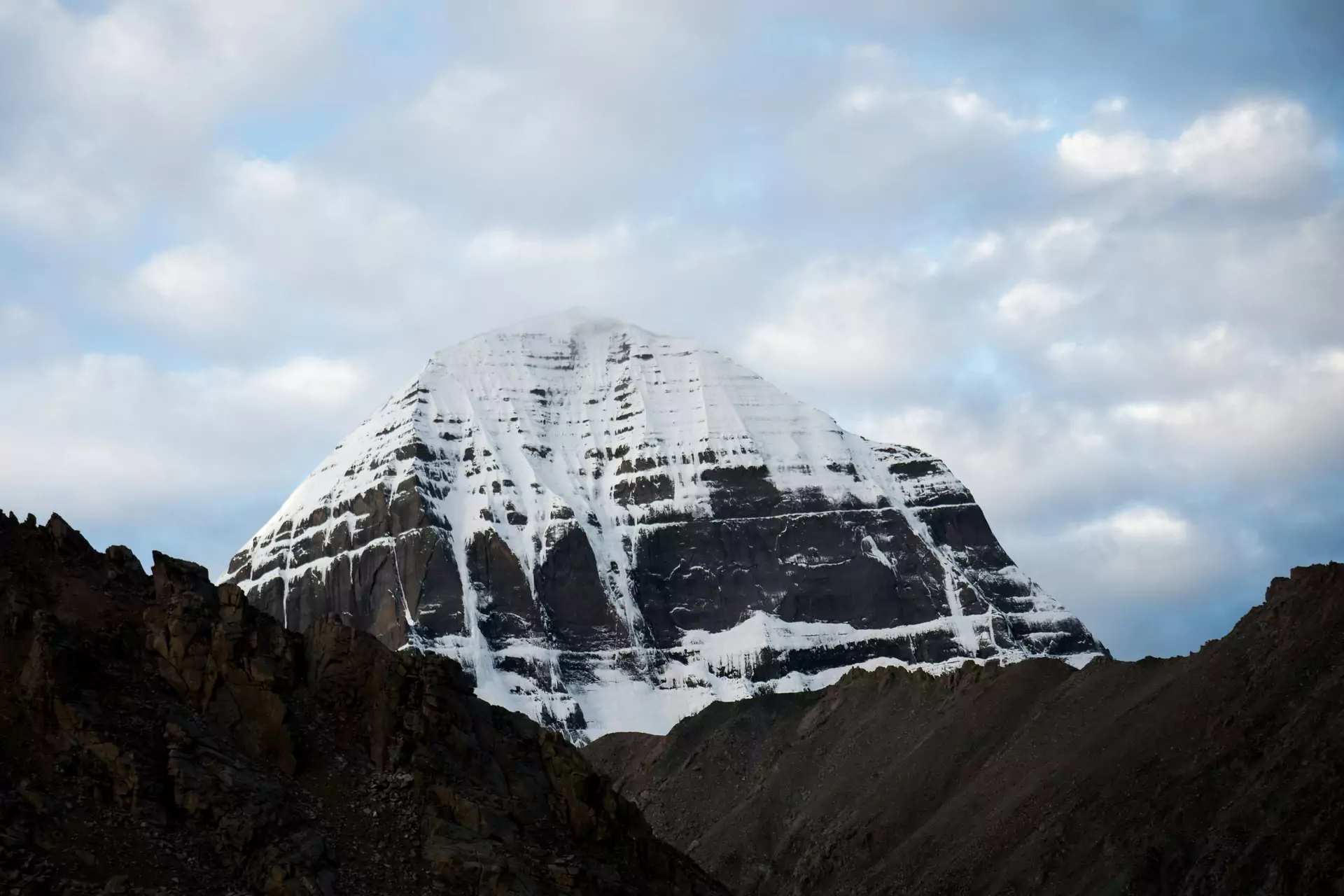
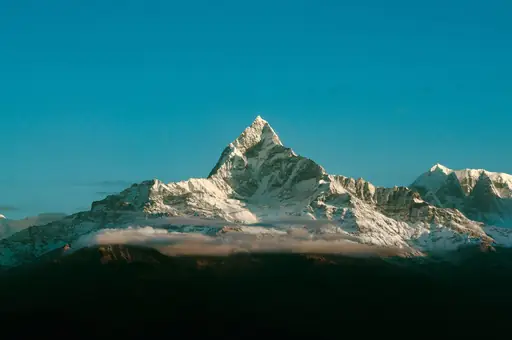
Mount Kailash stands tall in western Tibet as a striking granite peak surrounded by stark landscapes of rolling hills and icy slopes. The mountain rises to over 6,000 meters above sea level creating a dramatic backdrop for travelers who make the journey here. Its presence dominates local culture and spiritual beliefs drawing visitors from around the world.
The area around Mount Kailash is part of a sacred region considered holy in several religions including Buddhism Hinduism Jainism and Bon. Pilgrims walk long distances along defined routes to honor the mountain’s significance. The trek involves crossing high passes and navigating rugged terrain requiring careful preparation and respect for local customs.
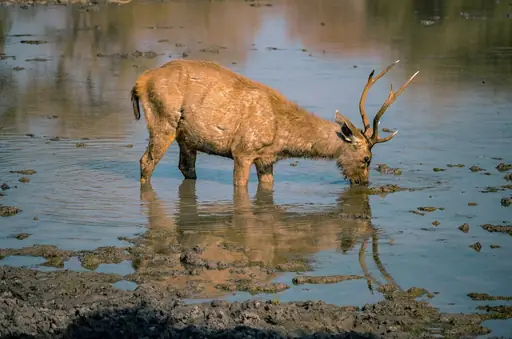
Environmental conditions shift rapidly making each season unique. Summer brings milder weather allowing easier access while winter locks paths under thick snow. Weather patterns influence travel plans so visitors check forecasts before setting out. The region’s wildlife includes rare species adapted to high altitude environments adding another layer of interest for nature enthusiasts.
Cultural exchanges happen along trails where stories are shared between travelers and locals. Traditional songs prayers and quiet reflection mark daily routines at campsites and monasteries nearby. Respecting local traditions is essential as this place remains a living spiritual site rather than just a scenic destination.
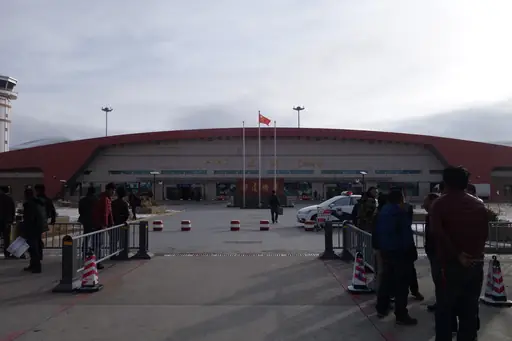
Mount Kailash, located in the Ngari Prefecture of western China’s Tibet Autonomous Region, is accessible primarily by road from Shiquanhe Town. The most common route begins with a flight to Shiquanhe Airport from Lhasa or Xigaze, followed by a 4–5 hour drive along the scenic National Highway 219 toward the Indian border. Road conditions vary seasonally; summer months (June–September) offer better accessibility due to reduced snow and stable weather. A smaller number of travelers opt for guided tours departing from Lhasa or Kathmandu, Nepal, which include border crossing arrangements at Lipu Lhatse. The final approach involves a 52-kilometer drive through high-altitude desert terrain, requiring vehicles equipped for rugged conditions.
In the remote Golog Tibetan Autonomous Prefecture surrounding Mount Kailash, lodging ranges from modest guesthouses to more upscale lodges catering to pilgrims and trekkers. Most accommodations are small family-run inns offering basic rooms with shared bathrooms, often featuring traditional Tibetan décor and communal kitchens. For those seeking higher comfort, a handful of boutique hotels provide private ensuite facilities, Wi‑Fi and panoramic views of the surrounding plateau. Many establishments specialize in vegetarian cuisine and offer guided pilgrimage packages. Seasonal demand spikes during the annual pilgrimage season, prompting temporary campsites and tented resorts that blend rustic charm with modern amenities. The area is renowned for its serene, spiritually infused lodging options rather than luxury chains.
Log in to add this place to a travel list and get a summary of all recommended items for your whole trip.
We calculate the average costs when travelling to destinations and compare those with the living costs at your home. With this you can get an estimate of how expensive or cheap the destination is for you.
To customise this, you can set up which location and price level are used for the calculations in your account settings.
The exchange rate price factor shows how expensive or cheap a currency currently is compared to its historical average. It's a quick way to see if a country is currently more or less affordable due to exchange rate changes.
