
Most famous religious destinations in Asia
Most famous religious destinations in Asia
Historic temple complexes and ancient sacred shrines across Asia
Most of the world's big religions started in Asia, so it is no surprise that the continent has a huge number of temples, shrines and mosques worth traveling for, whatever you believe.
Some travelers head straight for the famous ones, like Angkor Wat in Cambodia, the Golden Temple in Amritsar or the many shrines and temples of Kyoto. Others prefer the quieter experience of staying overnight in a Buddhist monastery or watching monks collect alms in the early morning before the tour buses arrive. Keep in mind that dress codes and rules can be strict in many places, so covering your shoulders and knees and taking off your shoes is often part of the visit.
A temple complex like Angkor can easily fill a full day or more, while a small village shrine might only take ten minutes, and you could be the only visitor there, apart from a sleepy cat or two.
Lists by region
Region in Myanmar
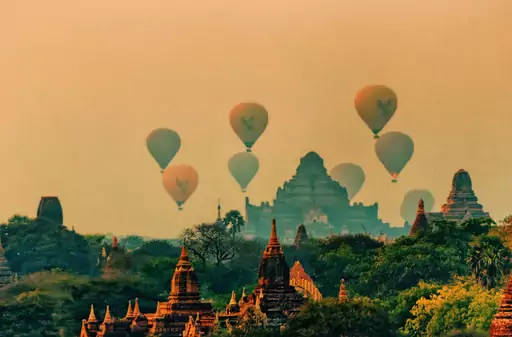
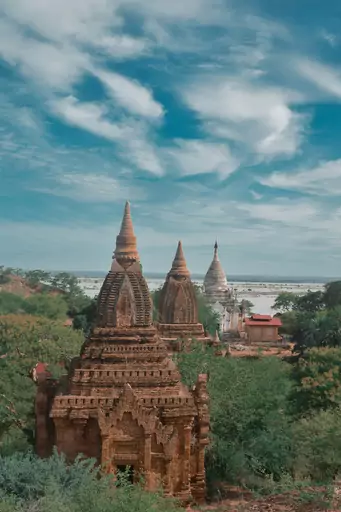
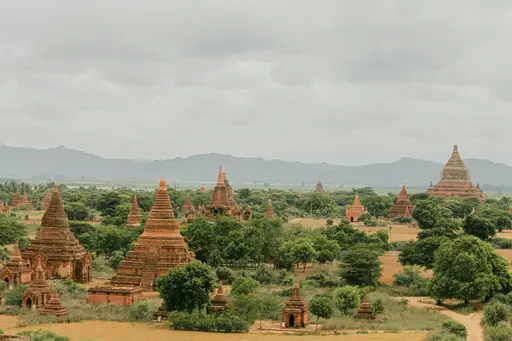
Bagan
Ancient Temples and Timeless Sunsets
Dawn light turns the brick temples gold across a dusty plain in central Myanmar. About 2,000 pagodas and temples survive from the 11th to 13th centuries. Ride an electric bike between them on sandy paths. Watch the sun set over the Irrawaddy River as haze settles.
City in Japan
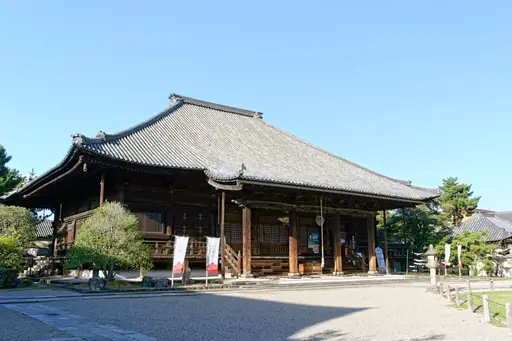
Nara
Giant Buddha, tame deer and ancient temples
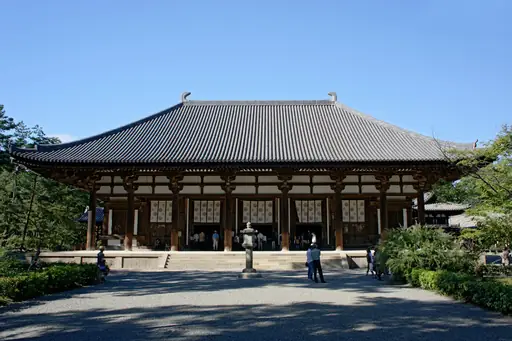
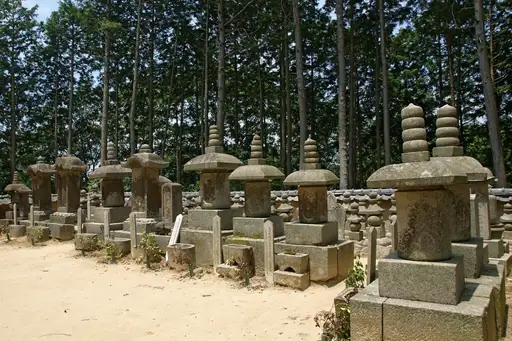
Todaiji Temple has a bronze Great Buddha 15 metres tall. It sits inside one of the largest wooden buildings in the world. Japan made Nara its capital in 710, nearly a century before Kyoto. More than a thousand wild deer roam Nara Park and bow for crackers.
City in China
Lhasa
A Spiritual Journey in Tibet
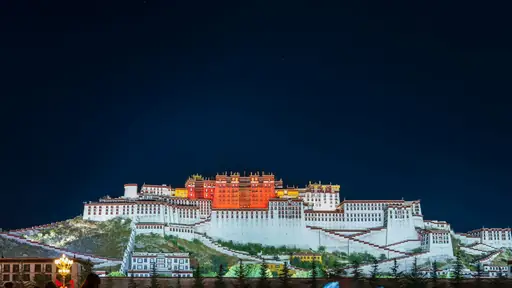
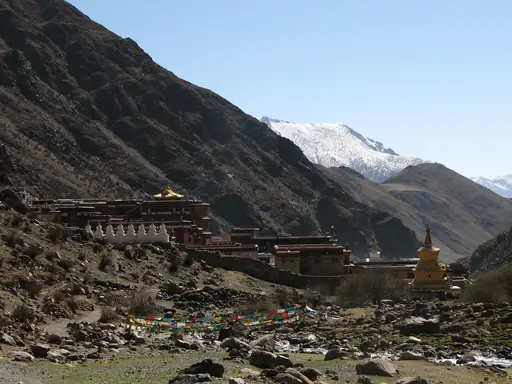
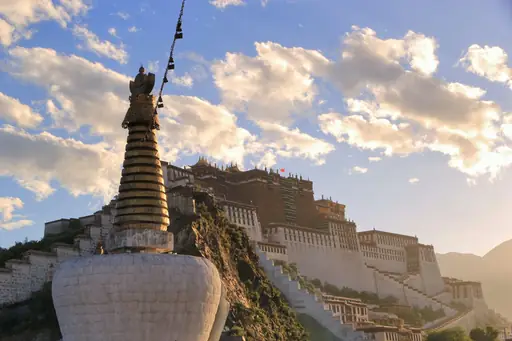
The Potala Palace, once the winter home of the Dalai Lamas, rises 13 stories over the city. At Jokhang Temple pilgrims spin prayer wheels and bow full length on the ground. Juniper incense smoke drifts over the Barkhor, the walking circuit around the temple. The city sits at 3,650 metres, so go slowly.
Island in Japan
Miyajima
Torii in the sea, deer and Mount Misen
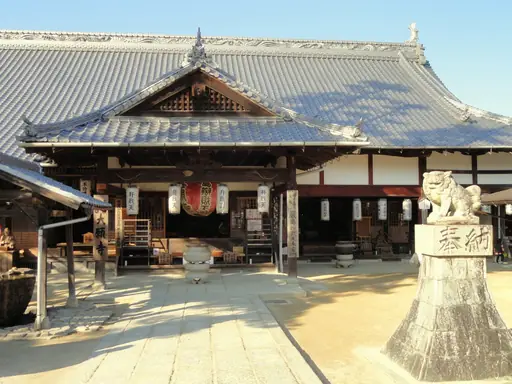
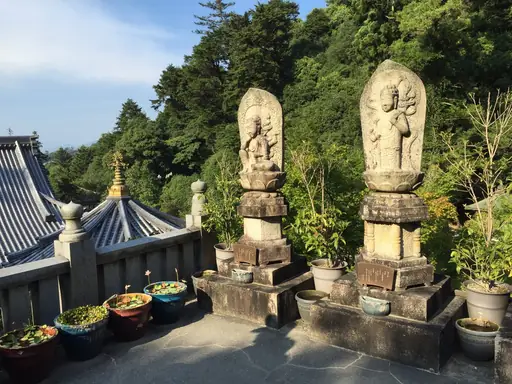
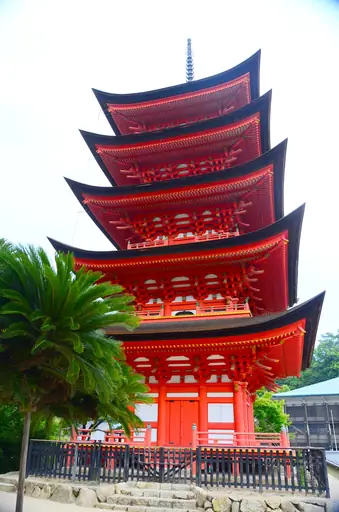
Warlord Taira no Kiyomori built the shrine in its present form in 1168. At high tide the red torii gate seems to float in the sea. At low tide visitors walk out across the sand to touch its legs. Deer roam Miyajima, an island that has long been seen as sacred.
Town in India
Rishikesh
Yoga capital meets adventure haven
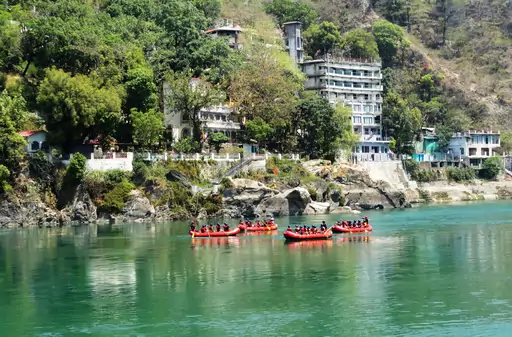
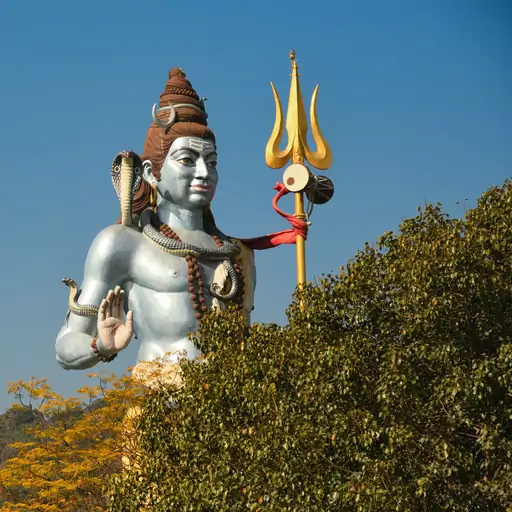
Each March, yogis from around the world gather here for the International Yoga Festival. The Ganges runs clear and fast here. Yoga ashrams line the banks of the river. The Beatles studied meditation at an ashram here in 1968. At dusk, priests lead a river prayer with lamps at Triveni Ghat.
Region in Indonesia
Bali
Tropical beaches, vibrant culture and adventure
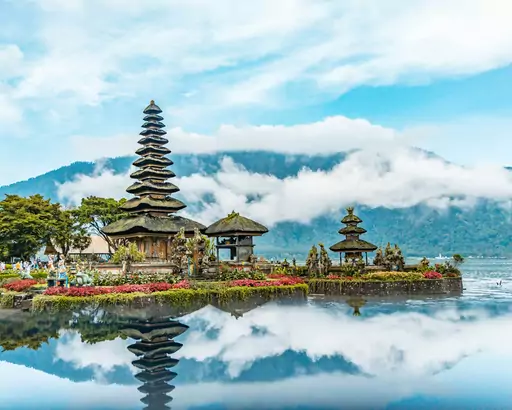
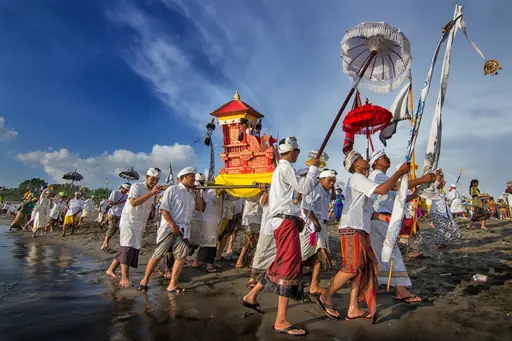
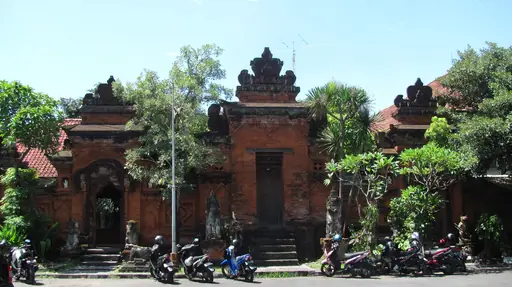
This small island follows Balinese Hinduism in a mostly Muslim country. Offerings of flowers and rice sit on pavements every morning. Besakih, the Mother Temple, climbs the slopes of Mount Agung. At Tanah Lot, a sea temple stands on a rock that waves surround at high tide.
City in Iraq
Najaf
Spiritual heart of Shia pilgrimage and heritage
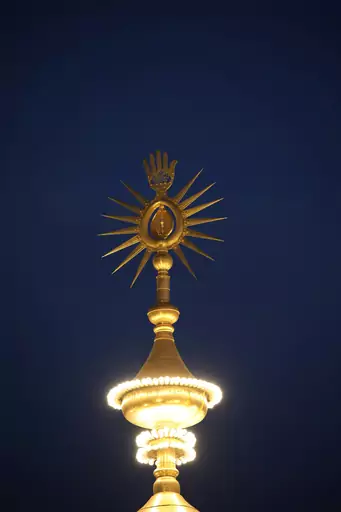
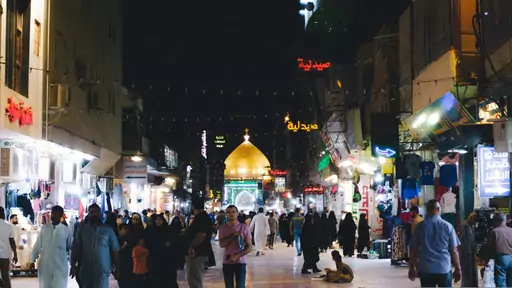
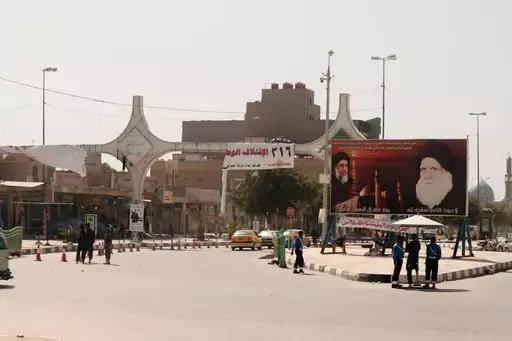
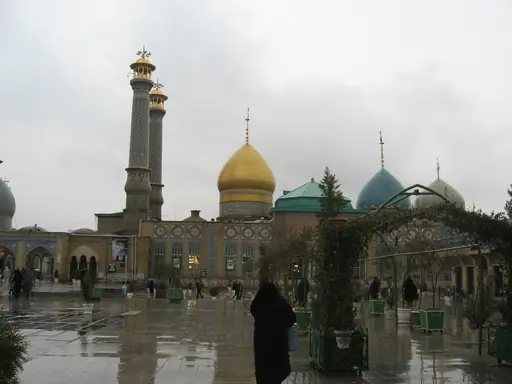
Few cemeteries match the Valley of Peace, which holds millions of graves. The Imam Ali Shrine, topped by a gold dome, sits nearby. Shia Muslims believe it holds the tomb of Ali, the cousin and son in law of the Prophet Muhammad. Pilgrims arrive from Iran, Pakistan, Lebanon and beyond.
City in Sri Lanka
Kandy
Sacred Temples, Misty Hills, Tea Trails
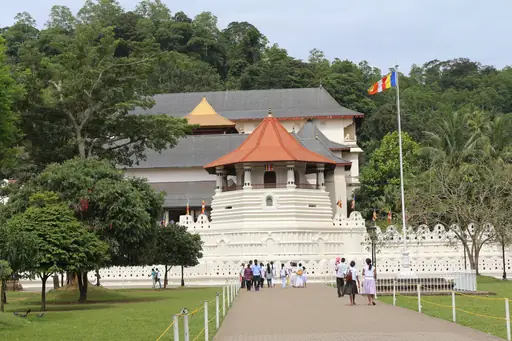
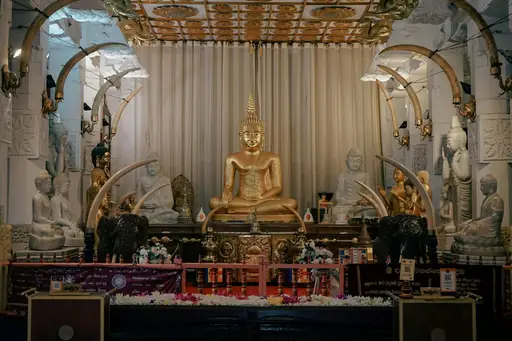
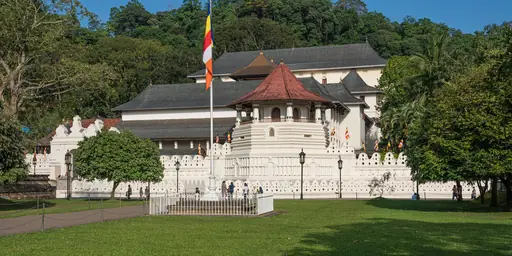
Every July or August the Esala Perahera parade fills the streets for ten nights. Drummers, fire dancers and dozens of costumed elephants pass by. The lead elephant carries a golden casket that honours the Buddha's tooth relic. The Temple of the Tooth keeps what is said to be a tooth of the Buddha.
Town in Japan
Nikko
Tokugawa shrines, waterfalls and hot springs
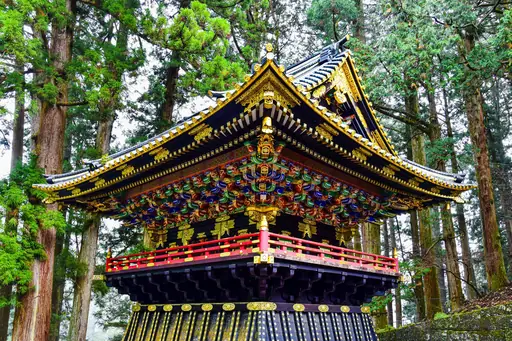
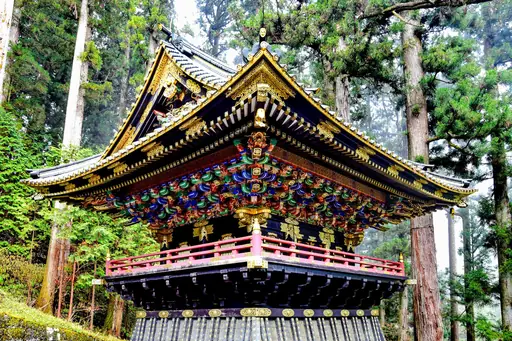
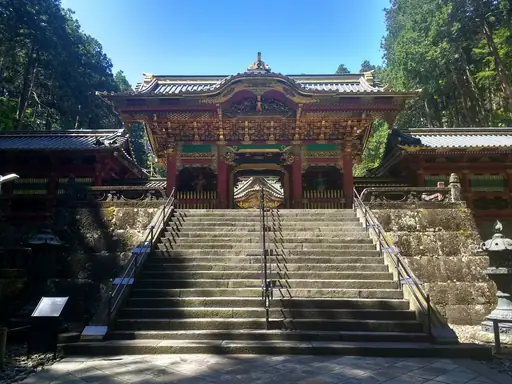
Shogun Tokugawa Ieyasu died in 1616. His shrine at Nikko, called Toshogu, opened the next year. His grandson rebuilt it in 1636 with gold leaf and bright carvings. Look for the three wise monkeys and a sleeping cat. Cedar trees line the path up to Ieyasu's tomb.
City in India
Amritsar
Golden spirituality in Punjab's heart
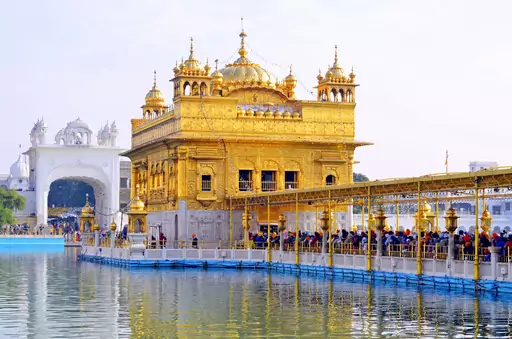
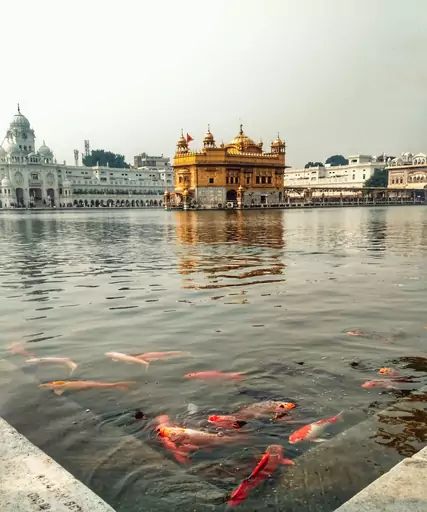
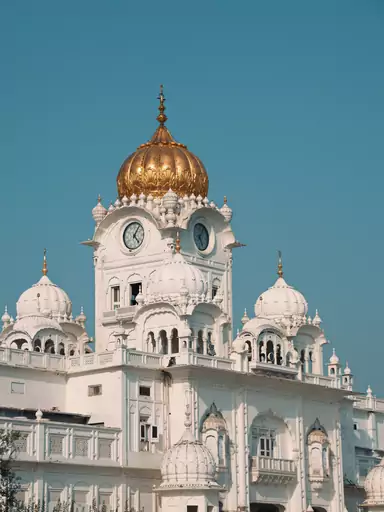
The Golden Temple is the holiest shrine of Sikhism. Its gilded sanctuary seems to float in a pool called the Amrit Sarovar. Visitors cover their heads and walk the marble path around the water. A free community kitchen serves tens of thousands of simple meals a day. Anyone may sit and eat.
City in Saudi Arabia
Mecca
A spiritual journey like no other
A valley of dry hills in western Saudi Arabia holds the Kaaba. Muslims everywhere face this black cube in prayer. Each year more than a million pilgrims take part in the Hajj and walk around it seven times. Only Muslims may enter the holy city.
City in Turkey
Istanbul
Where East meets West in stunning contrast
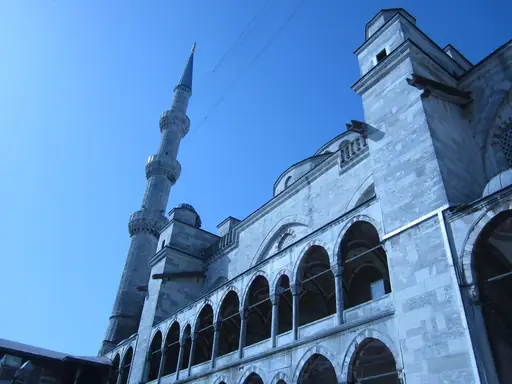
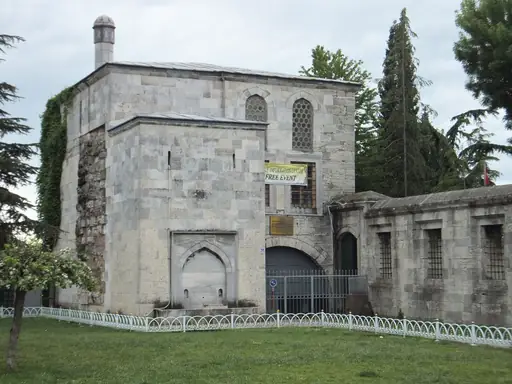
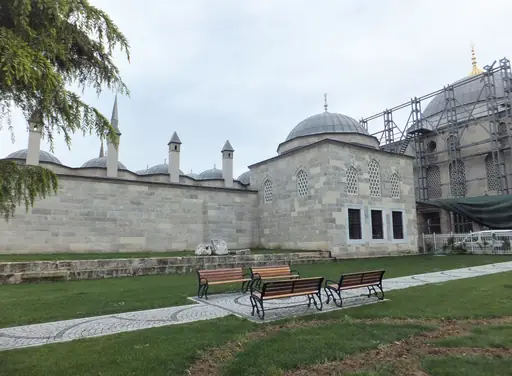
The call to prayer rolls over the Bosphorus from mosques on both shores. Hagia Sophia was built as a Christian church in 537. It later became a mosque and then a museum. Today it is a mosque again. The Blue Mosque faces it across a park and has six minarets.
Town in India
Old Goa
Rome of the East, Timeless Grandeur
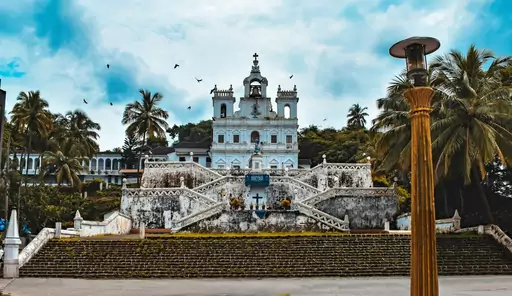
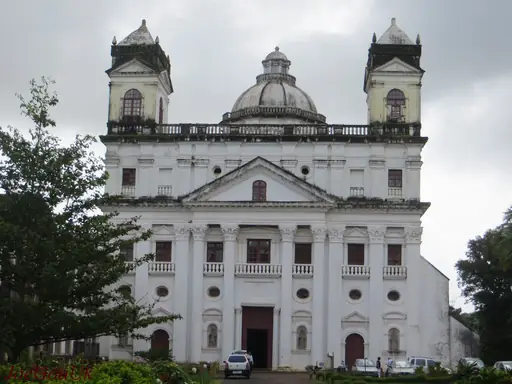
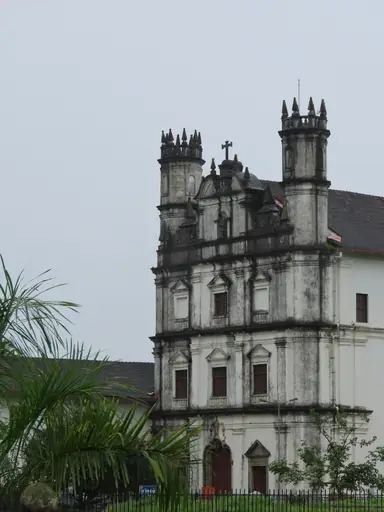
Whitewashed churches glow against green palms in the old Portuguese capital. The Portuguese took Goa in 1510 and built these churches in the years after. The Basilica of Bom Jesus holds the remains of St. Francis Xavier in a silver casket. The Se Cathedral nearby has a famous Golden Bell.
City in Saudi Arabia
Medina
A Spiritual Oasis
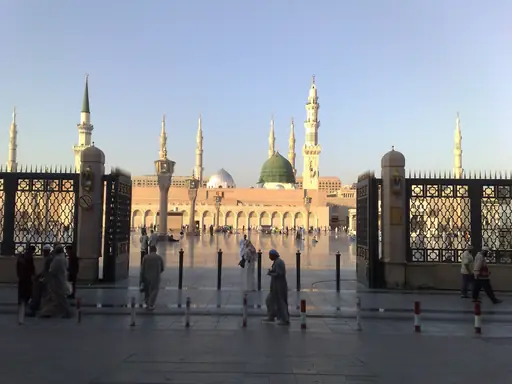
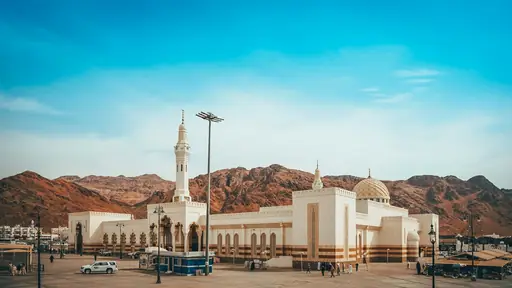
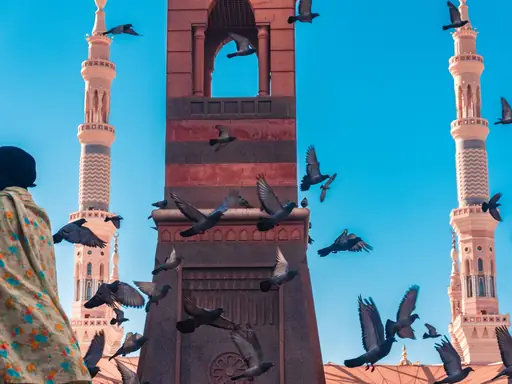
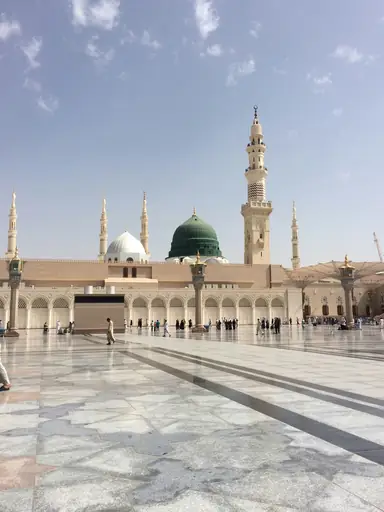
The Prophet's Mosque stays open day and night and thousands pray inside before dawn. Muhammad moved to the city in 622 and is buried under the mosque's Green Dome. Giant umbrellas open across the courtyards each morning to shade worshippers. Pilgrims visit all year, often before or after the Hajj.
City in Israel
Jerusalem
Ancient History Meets Modern Culture
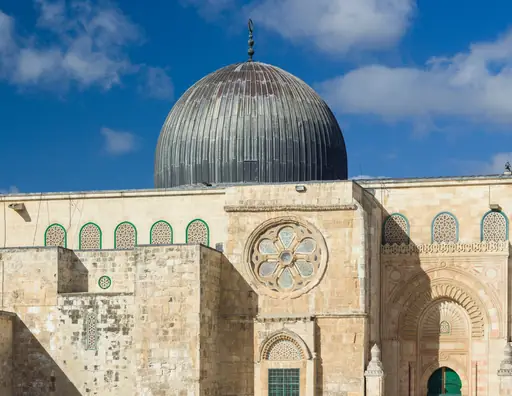
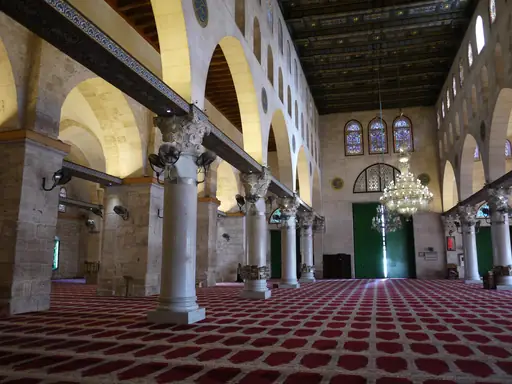
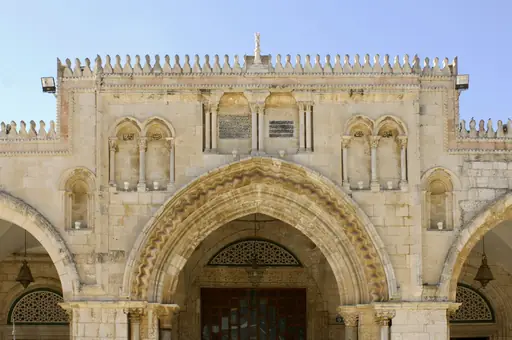
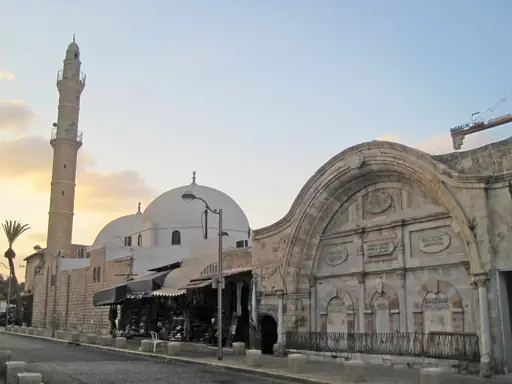
Inside the old walls are the Western Wall, the Holy Sepulchre church and the Dome of the Rock. Jews, Christians and Muslims all count it as holy. Follow the Via Dolorosa through narrow lanes. Watch the gold dome catch the evening light from the Mount of Olives.
City in India
Haridwar
Sacred riverbanks echo ancient pilgrim chants
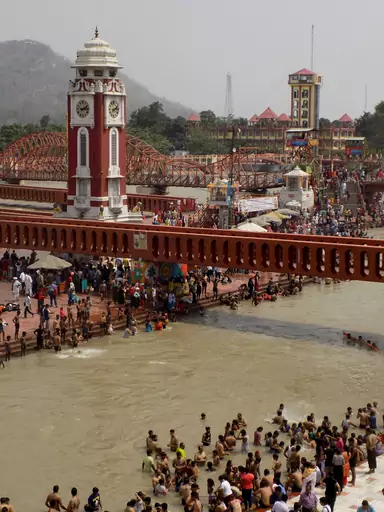
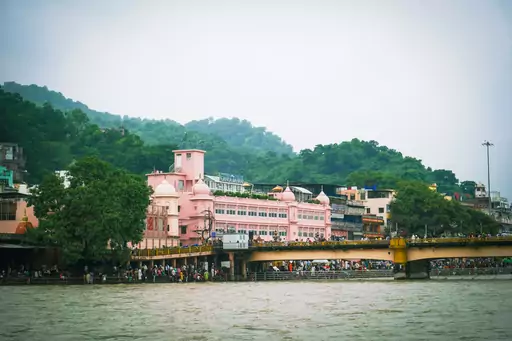
Har Ki Pauri is the main ghat, a set of steps leading down to the Ganges. Each evening priests wave flaming lamps in a river prayer called the Ganga Aarti. Crowds float tiny leaf boats with flowers and candles. The Kumbh Mela, a huge bathing festival, comes here every 12 years and draws millions.
City in Laos
Luang Prabang
Laid-back charm by the Mekong River
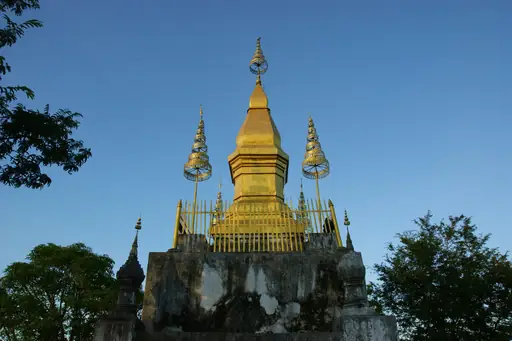
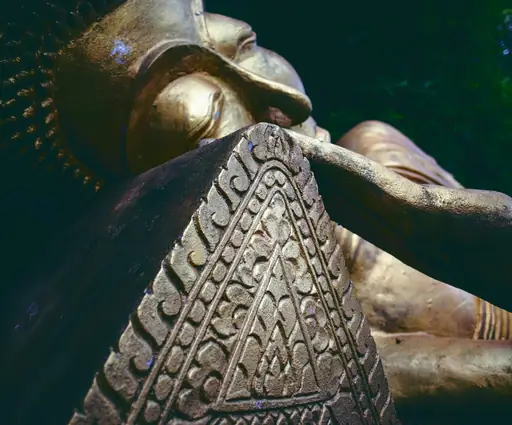
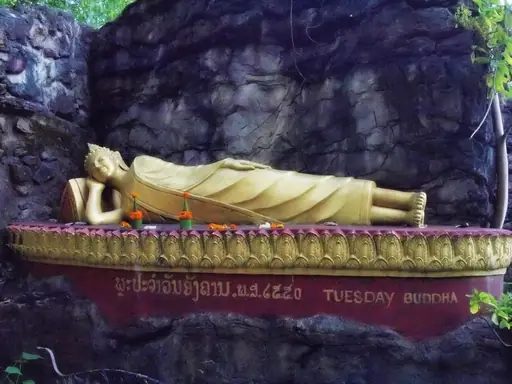
King Setthathirath built Wat Xieng Thong in 1560. Its roofs sweep down nearly to the ground. A glass mosaic of the tree of life glows on one wall. At dawn, monks in orange robes walk silent lines through town. They collect rice from kneeling locals in a custom called tak bat.
Town in Russia
Suzdal
Time Travel to Old Russia
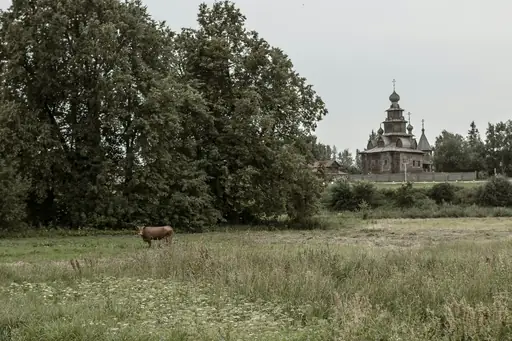
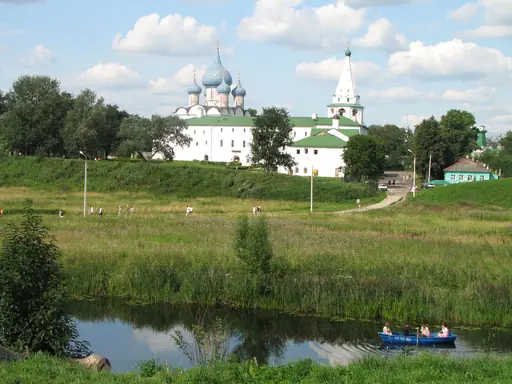
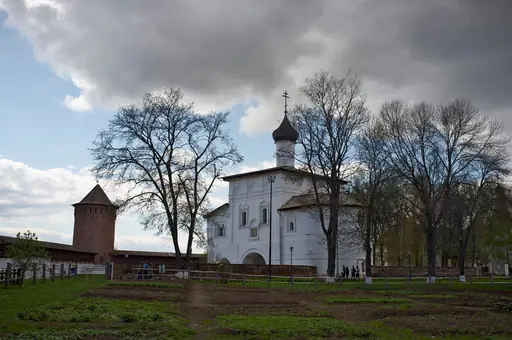
Each late winter, locals mark Maslenitsa, a week of pancakes and sleigh rides before Orthodox Lent. The small Russian town has dozens of churches and several monasteries within walking distance. The Intercession Convent was founded in 1364. Domes of blue and gold stand out against the snow.
City in Syria
Damascus
Ancient Alleys, Bazaars and Minarets
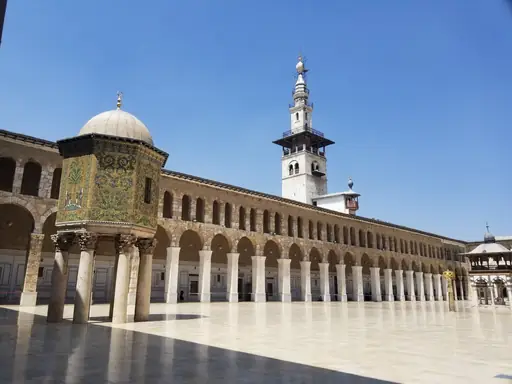
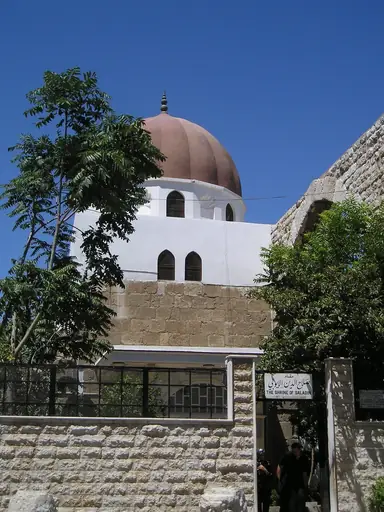
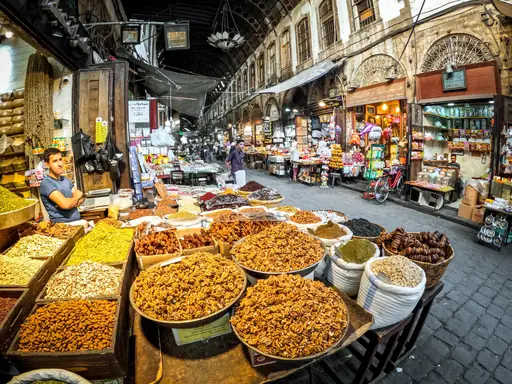
Like Jerusalem, this old city has holy places for more than one faith. The Umayyad Mosque stands where a Roman temple and then a Christian church once stood. It has a shrine said to hold the head of John the Baptist. Straight Street, mentioned in the Bible, runs nearby.
City in India
Varanasi
India’s Timeless Spiritual Heartbeat
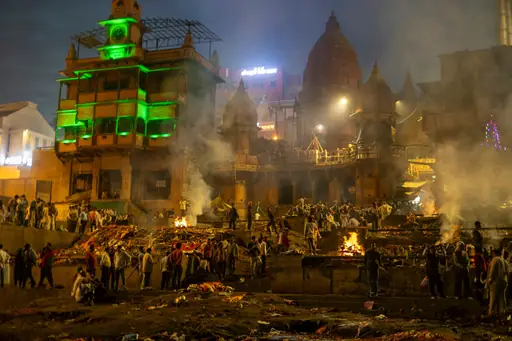
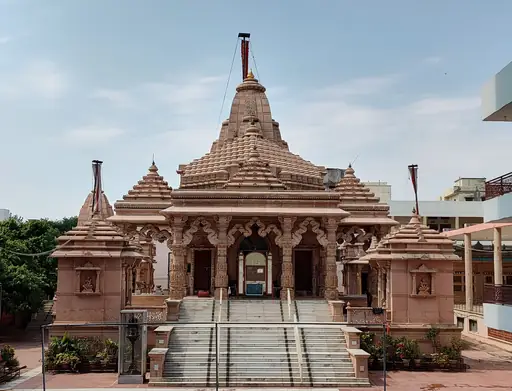
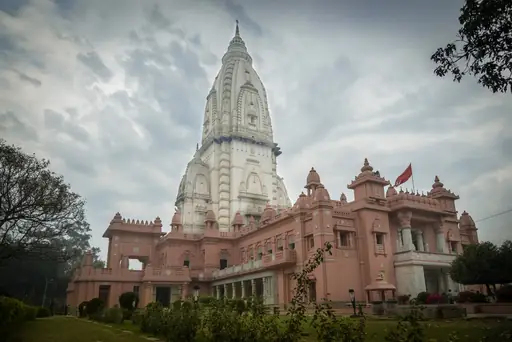
Where most cities have squares, this one has more than 80 ghats. These are stone steps that lead down to the Ganges. Hindus wade in at dawn to pray to the sun and wash away sins. Cremations burn at Manikarnika Ghat around the clock. In the evening, priests wave fire lamps at the Ganga Aarti.
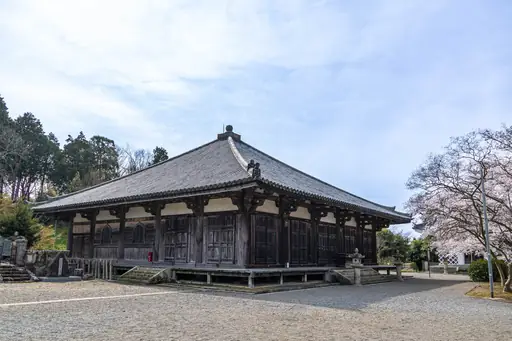
City in Japan
Kyoto
Temples, geisha districts and kaiseki dining
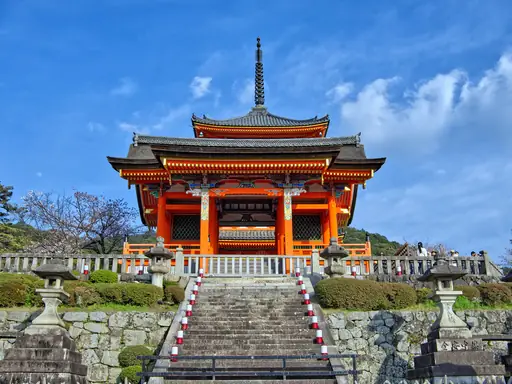
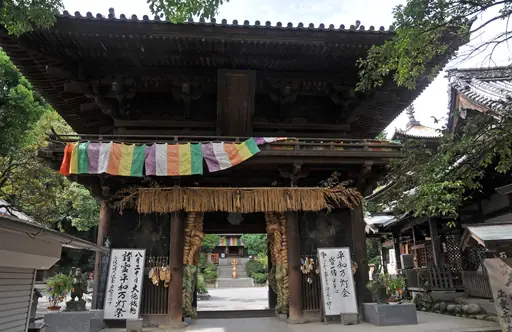
Where Tokyo feels modern, this old capital has about 1,600 Buddhist temples and 400 Shinto shrines. Thousands of red torii gates, which mark sacred ground, climb the mountain at Fushimi Inari. Kiyomizu Temple clings to a hillside on tall wooden pillars. Monks chant at dawn in quiet halls.
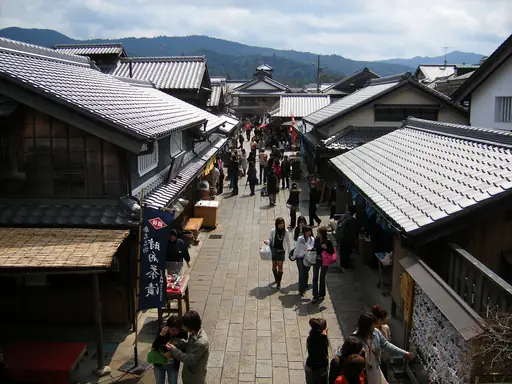
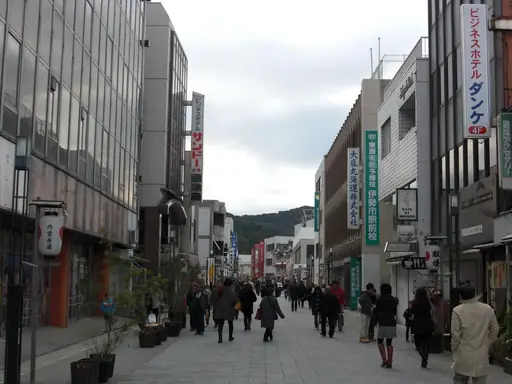
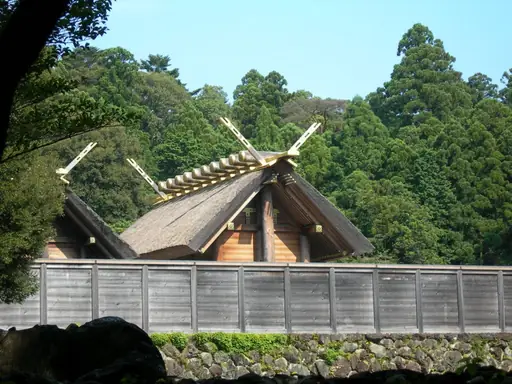
City in Japan
Ise
Japan's most sacred Shinto shrine city
The shrine for Amaterasu, the Shinto sun goddess, is rebuilt every 20 years. This has gone on for about 1,300 years. Visitors cross the Uji Bridge and walk under tall cedars to the Inner Shrine. Nearby Okage Yokocho street sells akafuku, a sweet rice cake with red bean paste.
City in Iraq
Karbala
Pilgrimage heart, ancient shrines echo devotion
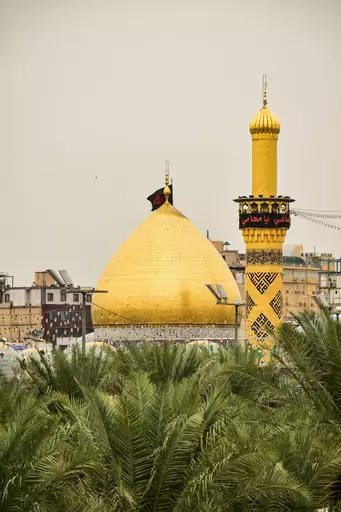
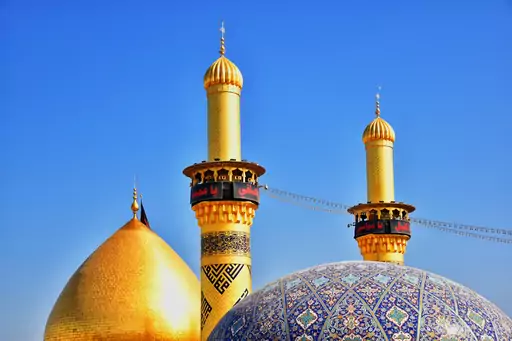
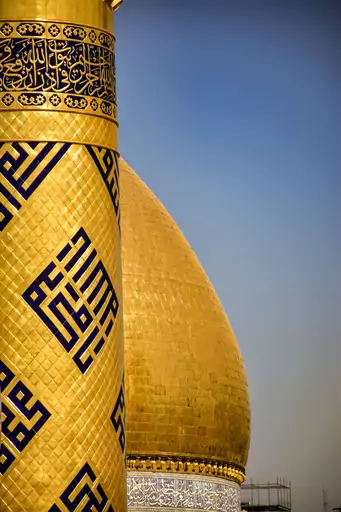
Millions of Shia Muslims walk here for Arbaeen, which marks forty days of mourning for Imam Hussein. Many start in Najaf and walk for three days. Tents along the road give out free food and a place to sleep. Golden domes mark the shrines of Hussein and Abbas, who died here in 680.
City in Russia
Sergiyev Posad
Spiritual Heart of the Golden Ring
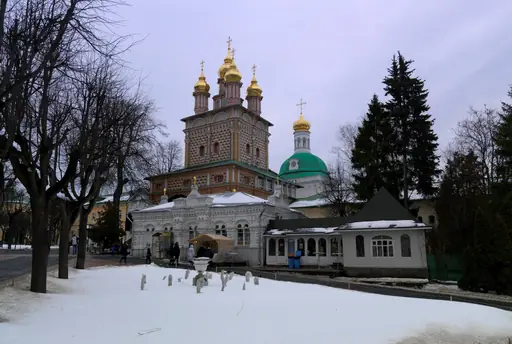
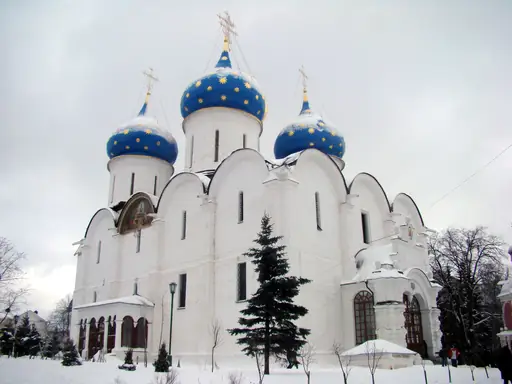
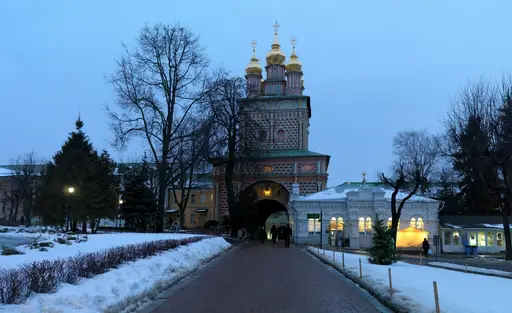
Blue domes with gold stars top the Dormition Cathedral inside the Trinity Lavra of St. Sergius, a major monastery. Sergius founded the monastery around 1337. Russian Orthodox believers see it as a spiritual centre, much as Catholics see the Vatican. Pilgrims queue to pray at the tomb of Sergius in the Trinity Cathedral.

Mountain in Sri Lanka
Sri Pada / Adam's Peak
Majestic peaks echo ancient pilgrimage whispers
Lamps glow along thousands of steps that wind up a dark mountainside. Pilgrims climb at night to reach the 2,243 metre summit by sunrise. Buddhists call the mark at the top the Buddha's footprint. Hindus say it is Shiva's. Muslims say it is Adam's. The season runs from December to May.
Mountain in China
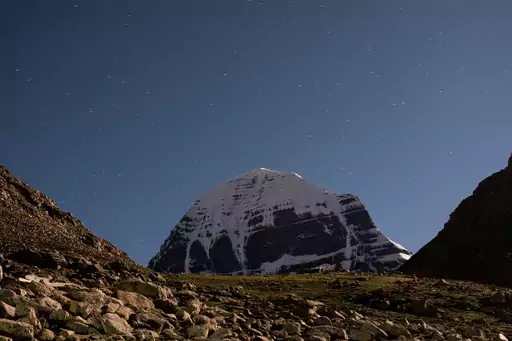
Mount Kailash
Majestic peaks echo ancient pilgrimage whispers
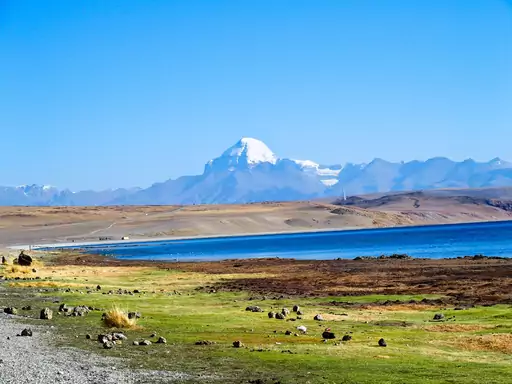
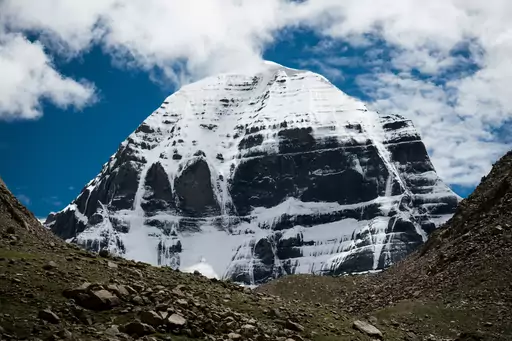
Hindus, Buddhists and Jains walk around Mount Kailash clockwise. Followers of Bon, an older Tibetan faith, go the other way. The loop is about 52 kilometres and takes pilgrims three days. The pass is more than 5,600 metres up. No one is allowed to climb the peak, which is holy to all four faiths.
Historic Site in India
Bodh Gaya
Where Enlightenment Began Amid Sacred Monuments
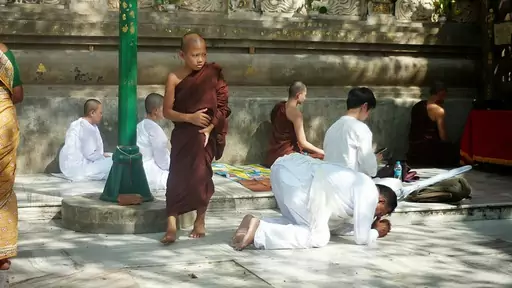
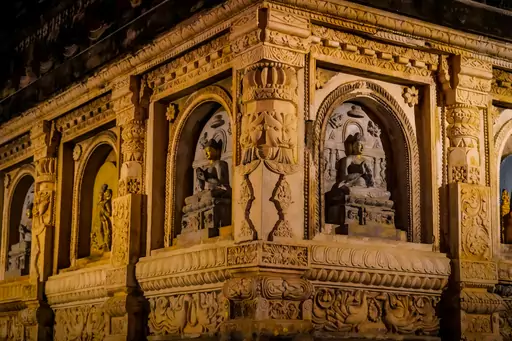
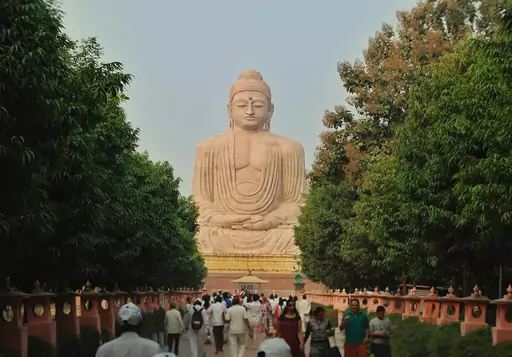
Pilgrims arrive in big numbers from November to February when the weather turns cool. They sit beneath the Bodhi tree at the Mahabodhi Temple. The Buddha is said to have found enlightenment there. Monasteries built by Thailand, Japan, Bhutan and other countries line the roads nearby.
Temple in India
Tirumala Venkateswara Temple
Majestic hilltop sanctuary of divine devotion
Each year the Brahmotsavam festival fills nine days with processions of Lord Venkateswara on golden chariots and decorated mounts. Many pilgrims walk up thousands of steps from Tirupati to reach the hilltop temple. Others shave their heads as an offering. Most visitors leave with a famous sweet called laddu.
Temple in Cambodia
Angkor Wat
Timeless stone guardians echo ancient devotion
A moat about 190 metres wide rings this 12th century temple in northwest Cambodia. King Suryavarman II built it for the Hindu god Vishnu. It later became a Buddhist site. Stand by the reflecting pond at dawn as the sun rises behind the five towers.
Temple in Yangon
Shwedagon Pagoda
Majestic gold spire crowns Yangon’s skyline
The crown of the stupa is set with 5,448 diamonds and 2,317 rubies. Its brick base is covered in gold plates. The pagoda is said to hold eight strands of the Buddha's hair. Legend dates it to over 2,500 years ago. By the early 16th century it was Burma's most famous Buddhist pilgrimage site.
Historic Site in Nepal
Lumbini
Birthplace of Buddha’s serene pilgrimage
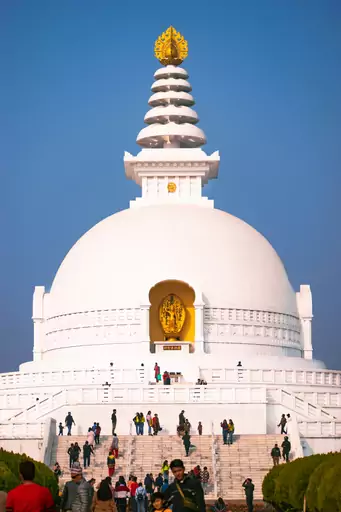
Soft chanting drifts over a quiet pond where Queen Maya is said to have bathed before the Buddha was born. The Maya Devi Temple marks his birthplace. An Ashoka pillar from 249 BCE stands nearby. Hire a bicycle to ride past monasteries built by Thailand, Japan, Germany and other countries.

Temple in Indonesia
Borobudur
Majestic stone monolith echoing ancient devotion
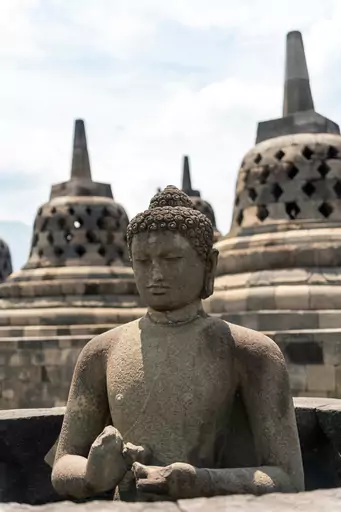
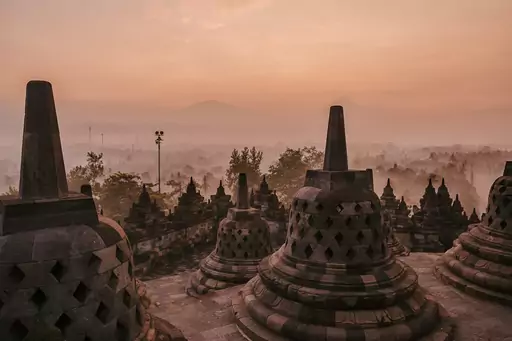
Monks and pilgrims walk from Mendut temple to Pawon temple and on to Borobudur each year at Vesak. This Buddhist holiday falls in May or June. The monument has nine stacked levels and more than 500 Buddha statues. Book a spot on the upper terraces to watch mist lift off the volcanoes.
Temple in Indonesia
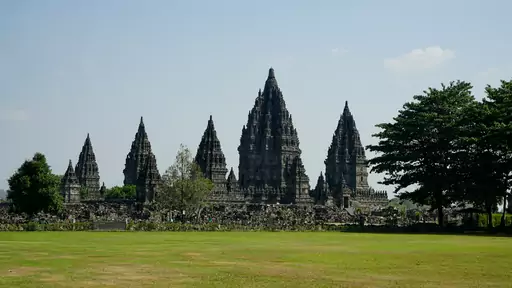
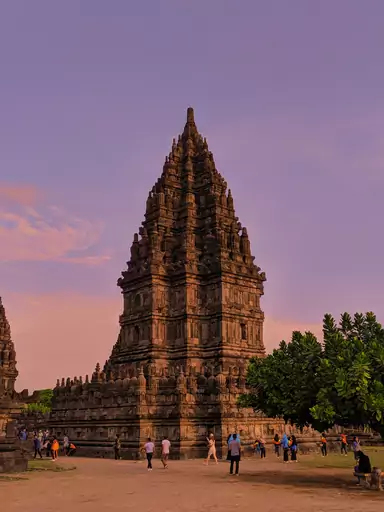
Prambanan
Ancient stone guardians echo timeless devotion
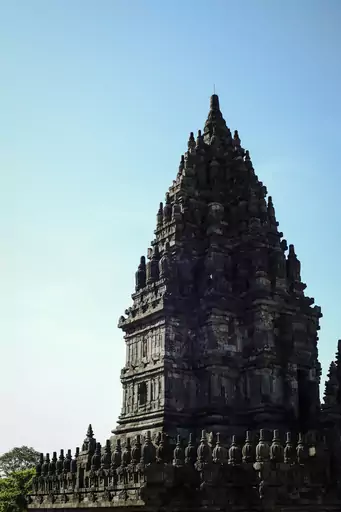
Eight main shrines stand on a plain east of Yogyakarta in Java. The tallest, for the god Shiva, rises 47 metres. Hindu kings built the complex in the 9th century. On dry season nights, dancers act out the Ramayana, an ancient epic, on an open air stage beside the temples.
Other lists you may like

Discover
Top religious sites and sacred destinations
For a lot of people, visiting a famous religious site is one of the most memorable parts of a trip, whether they are believers or just curious about how other people live and pray.…
Read more
Discover
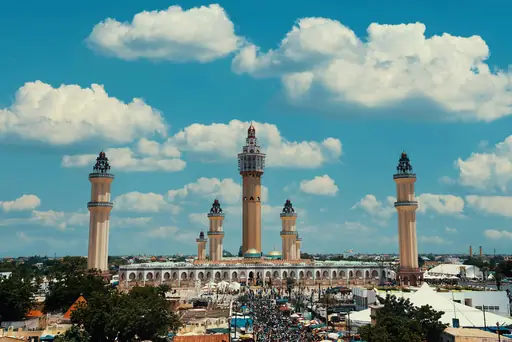
Most famous religious destinations in Africa
Africa has some of the oldest churches and mosques in the world, and religion is still a big part of everyday life across most of the continent. In Ethiopia, the rock-cut…
Read more
Discover
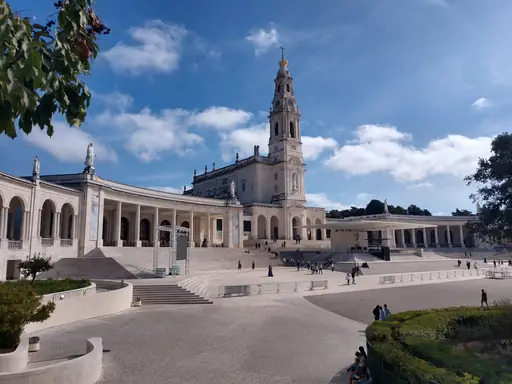
Most famous religious destinations in Europe
Europe's cities are full of churches, and for a lot of travelers, even ones who rarely go to church at home, a famous cathedral is one of the first things they visit after…
Read more

Discover
Most famous religious destinations in North America
North America is not the most obvious choice for religious travel, but it has a lot more to offer than most people expect, with old Spanish missions, grand basilicas and sites that…
Read more
Discover
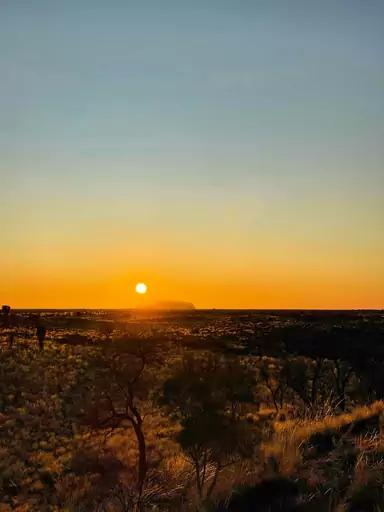
Most famous religious destinations in Oceania
Oceania is not usually the first place people think of for religious travel, but the region has some of the oldest sacred traditions on earth and plenty of places where faith is…
Read more
Discover
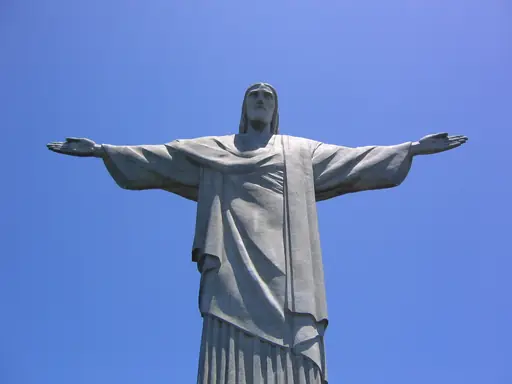
Most famous religious destinations in South America
Religion in South America is often a mix of Catholic traditions brought by the Spanish and Portuguese and much older Indigenous beliefs, and in many places you can see both side by…
Read more
What other users say about travelfilters
“travelfilters made it easy for me to find ski areas and compare what else they offer, so that I could find the best place for my personal travel style.”

Chris
Snowboarding & Onsen trip to Japan
“I love how transparent the data feels. There is no pushy upsell, just honest information and settings I can tune to my own travel style.”

Maria
After booking her 2027 winter escape
“The level of detail for each destination and how well those are displayed, make planning feel confident instead of overwhelming.”

Mina
Planned a week in New York City
“We used travelfilters for our planning from start to end. The trip turned out even better than expected, thanks to all their tools and customisation options.”

Allan & Etienne
Trip to Japan to see autumn foliage
“Thanks to travelfilters, I found some hidden gems to see. Being able to filter for exactly your interests is a game changer for my travel planning.”

Michael
Tour through the old cities of Northern Italy
“The customizable filters helped me find a quiet beach town with good wifi and low season crowds in under five minutes.”

Diego
Weekend Escape to Llanes, Spain
“The airport connection map saved me hours by showing good flight options from my home airport to lesser-known cities.”

Nguyen
Planning a 2027 trip to France
“The website is clean, fast and focused on the search itself, which makes travelfilters feel more like a professional tool than an ad-heavy booking site.”

Hassan
Christmas Market trip, Germany
