
Most famous religious destinations in Europe
Most famous religious destinations in Europe
Monumental gothic cathedrals and historic monastery trails in Europe
Europe's cities are full of churches, and for a lot of travelers, even ones who rarely go to church at home, a famous cathedral is one of the first things they visit after arriving.
Some people come to see the big landmarks, like St. Peter's Basilica in Rome or the Sagrada Família in Barcelona. Others walk a pilgrimage route, and the Camino de Santiago is also popular with hikers who care more about the walk than the faith. There are also places like Lourdes, where the focus is on healing, and the monasteries of Meteora in Greece, where the setting on top of huge rocks is a big part of the experience.
Summer is often very busy at the big names, so booking tickets ahead or going early in the morning can save time in line. Smaller village churches and monasteries are easy to miss, but they are often just as beautiful.
Lists by region
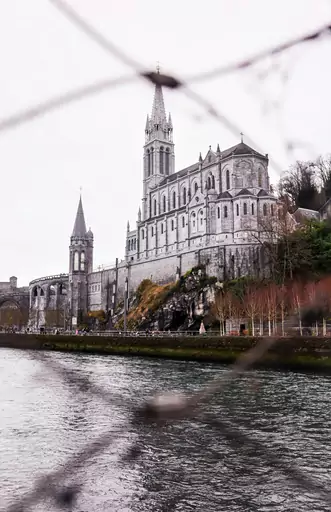
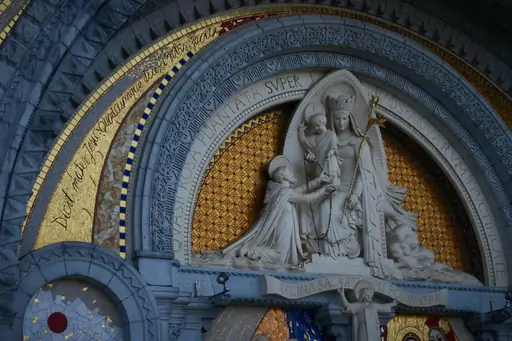
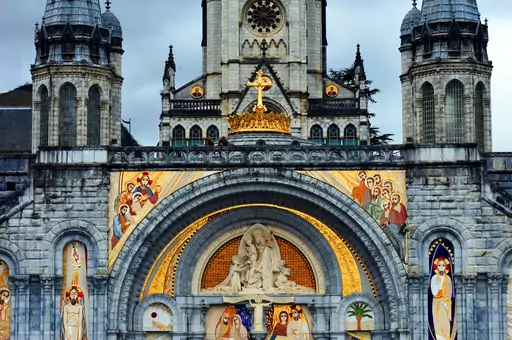
Town in France
Lourdes
Pilgrimage heart, serene mountain sanctuary
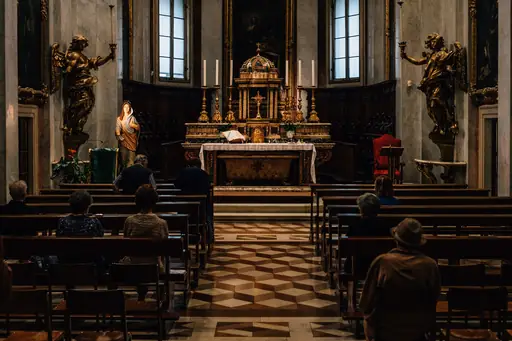
Compared with its size, this small Pyrenean town receives about three million visitors each year. Bernadette Soubirous said she saw the Virgin Mary in a grotto in 1858. Pilgrims bathe in spring water and join candlelit processions in the evening. Volunteers help many sick and elderly pilgrims.
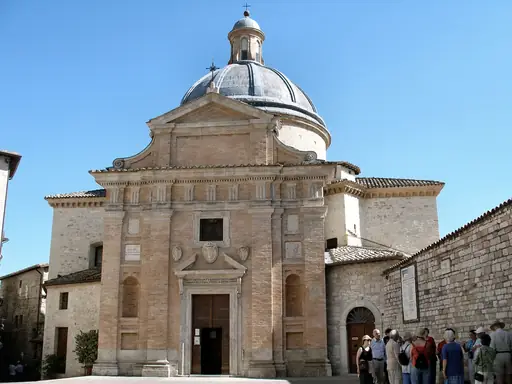
City in Italy
Assisi
Hilltop Saints, Frescoes and Peaceful Views
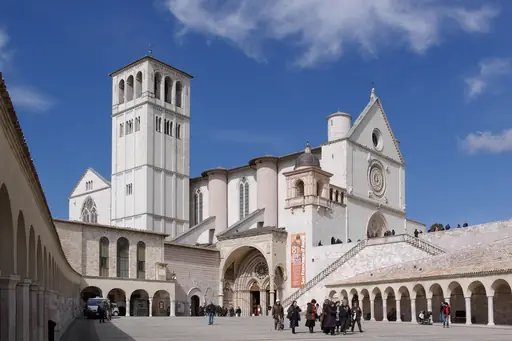
Calm and medieval, this Umbrian hill town is where Saint Francis was born in about 1181. The Basilica of San Francesco has medieval frescoes and holds the tomb of Saint Francis. Pilgrims also visit the Basilica of Santa Chiara and the hermitage Eremo delle Carceri. Streets are steep and paved with pale pink stone.
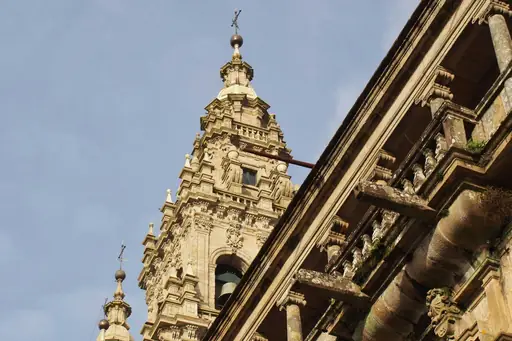
City in Spain
Santiago de Compostela
A Pilgrimage Through History and Charm
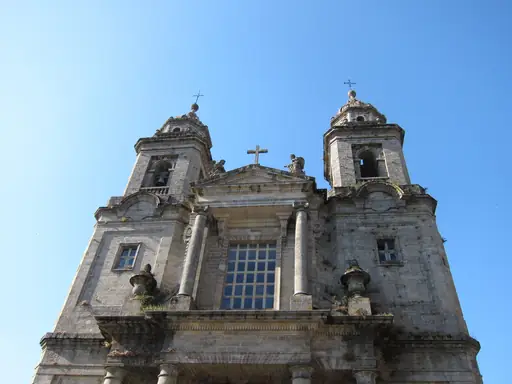
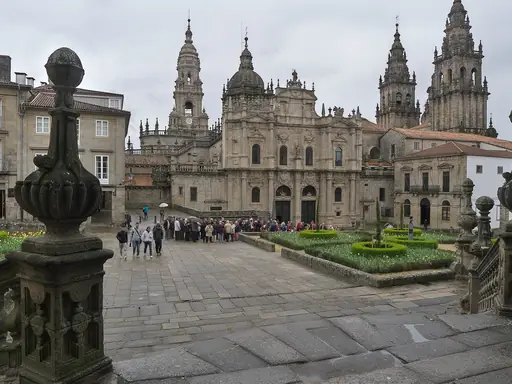
Pilgrims who walk the last 100 kilometres of the Camino de Santiago can collect a certificate called the Compostela. Many pilgrims gather in Obradoiro Square afterwards. The cathedral holds the shrine of Saint James. A huge incense burner called the botafumeiro swings during some Masses.
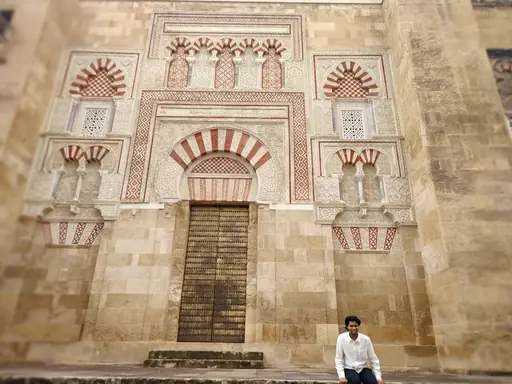
City in Spain
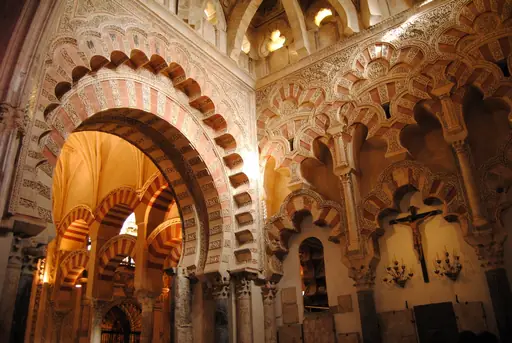
Córdoba
A timeless blend of cultures
In the 900s this city was one of the largest in Europe, with a great mosque at its centre. The Mezquita has about 850 columns with red and white arches. A Christian cathedral was built inside in the 1500s. Early morning visits are quieter and cooler.
Island in France
Mont Saint-Michel
A Medieval Island Rising from the Sea
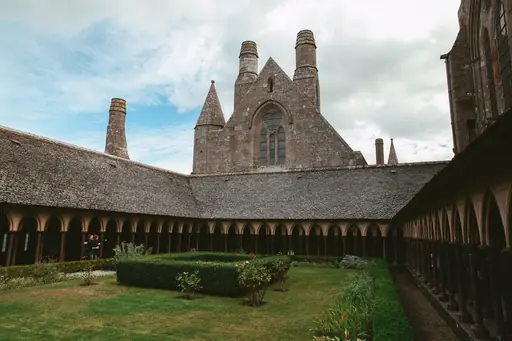
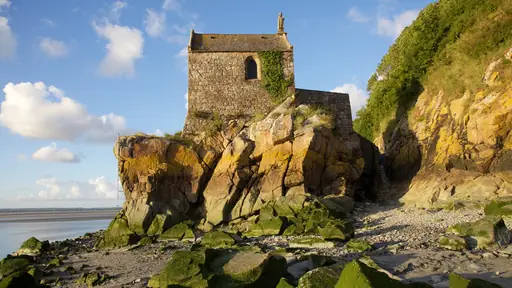
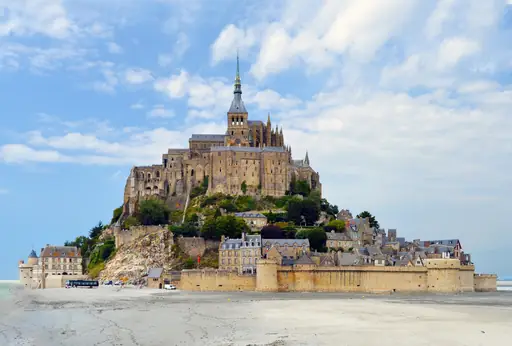
A bishop reported a vision of the Archangel Michael in the eighth century. A church was then built on this tidal island. The abbey was later expanded and became a major medieval pilgrimage site. Tides are very high here. Visitors climb steep stairs and narrow streets to reach the abbey.
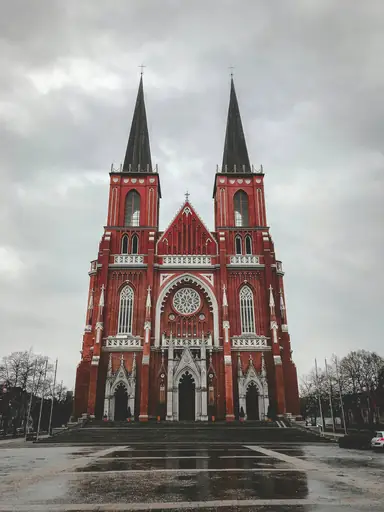
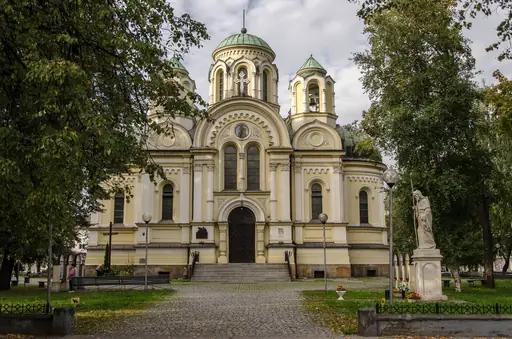
City in Poland
Częstochowa
Home of the revered Black Madonna shrine
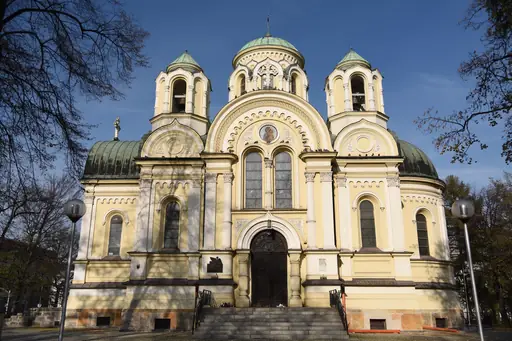
Pilgrims visit all year, with the largest crowds around 15 August for the Feast of the Assumption. Jasna Góra Monastery holds the Black Madonna, an icon revered in Poland. Many pilgrims walk for days from other Polish cities to reach it. Summers are warm, while winters are cold and often snowy.
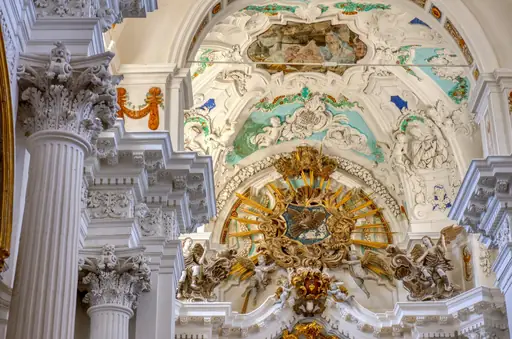
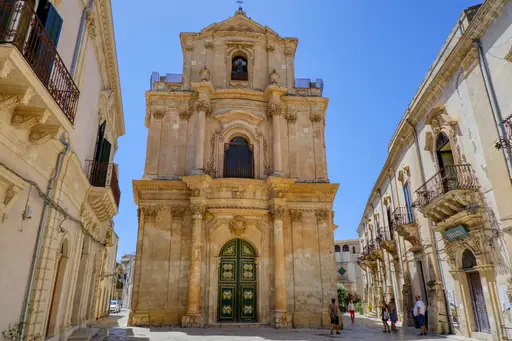
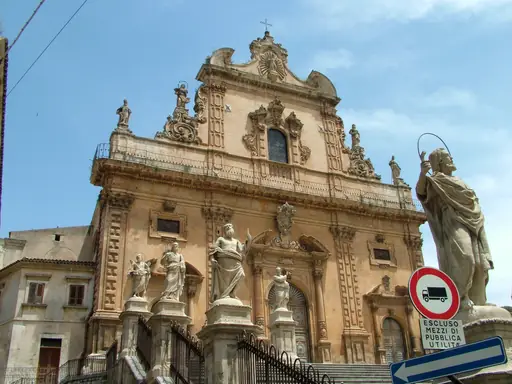
Island in Italy
Sicily
Sun, Sea and Ancient Secrets
Compared with the mainland, this island has religious buildings shaped by Greek, Arab and Norman rulers. The Palatine Chapel in Palermo has golden Byzantine mosaics and an Arab style wooden ceiling. Monreale Cathedral nearby has golden mosaics covering much of its walls. Holy Week processions in many towns are a deep local tradition.
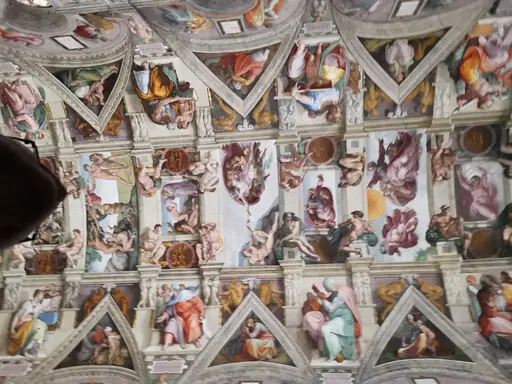
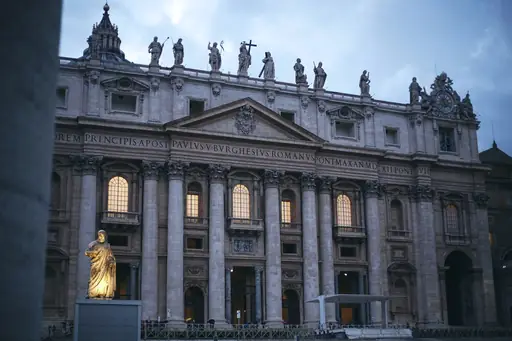
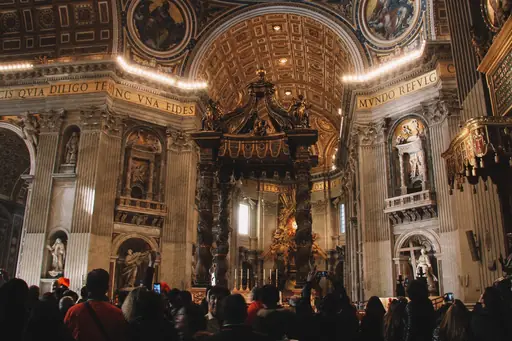
Country
Vatican City
World's smallest sovereign art treasury
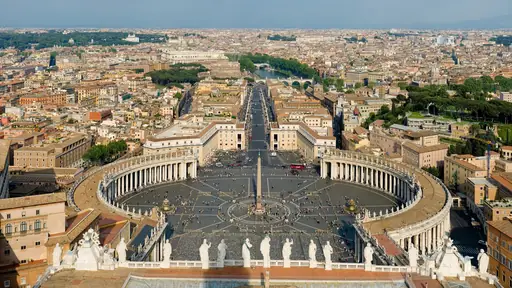
The Pope's general audience is usually held on Wednesdays in the square of this small city state. Vatican Museums are closed on Sundays, except for the last Sunday of each month. The Sistine Chapel ceiling was painted by Michelangelo in the early 1500s. Lines are shorter in winter and tickets should be booked online.
Town in Portugal
Fátima
Spiritual pilgrimage center amid serene landscapes
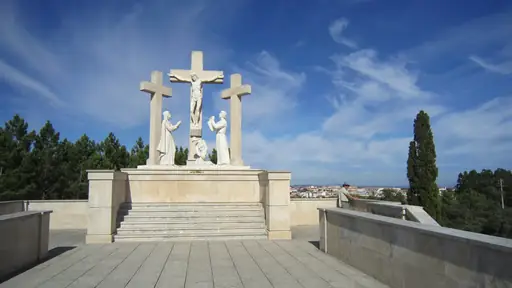
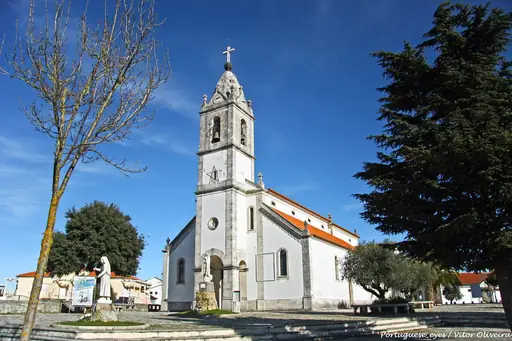
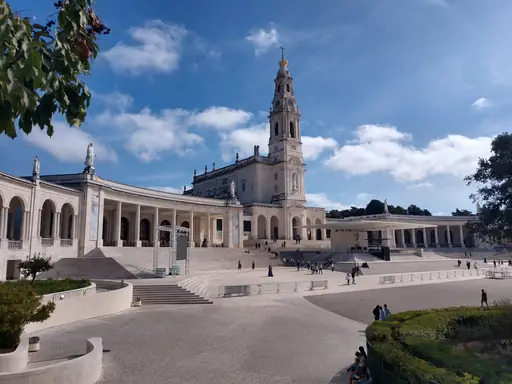
From May to October, pilgrims gather at this Portuguese sanctuary on the 12th and 13th for candlelight processions. Three shepherd children said they saw the Virgin Mary here in 1917. Some pilgrims cover the last stretch to the chapel on their knees. The large esplanade can hold hundreds of thousands of people.
City in Italy
Rome
The Eternal City of history and charm
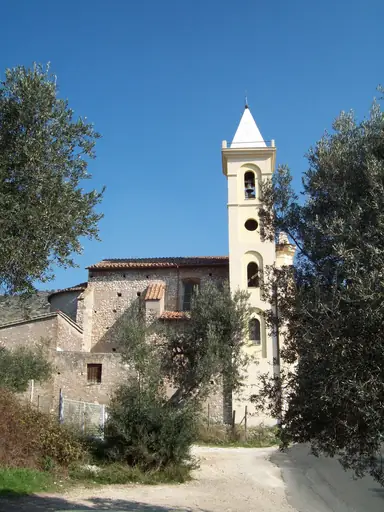
With hundreds of churches, this city has more religious sites than most visitors can see in a week. The Basilica of St John Lateran is the cathedral church of Rome. Early Christian catacombs along the Appian Way are open for guided visits. Santa Maria Maggiore and the Pantheon, now a church, are also well known.
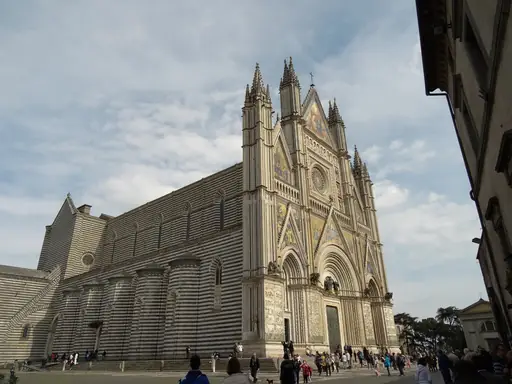
Town in Italy
Orvieto
Umbrian hilltop gem
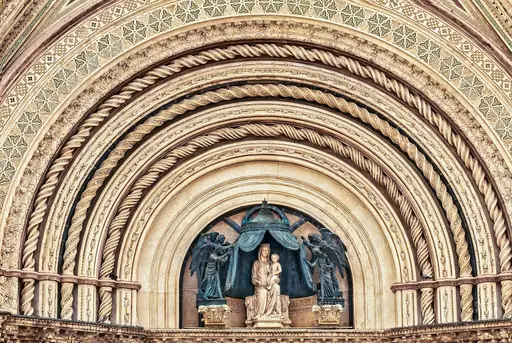
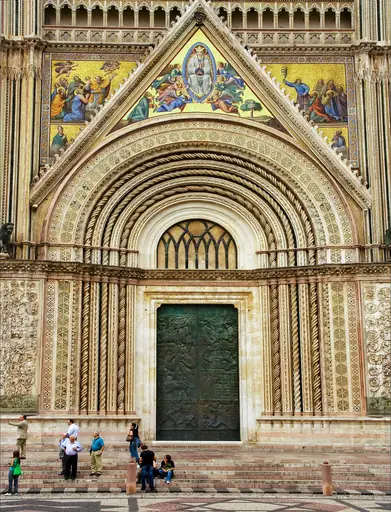
Quiet and elegant, this Umbrian hill town is built on a high cliff of volcanic rock. Its Gothic cathedral has a striped facade and golden mosaics. The cathedral was built to hold a cloth linked to a Eucharistic miracle of 1263. A funicular railway connects the train station to the old town.
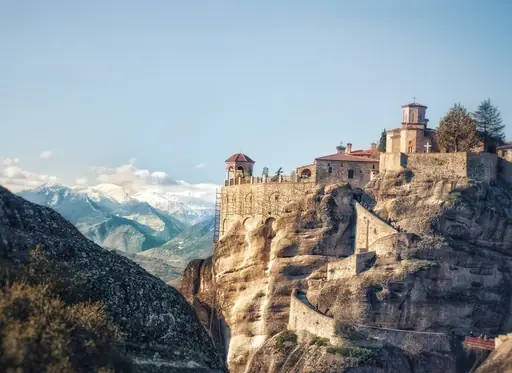
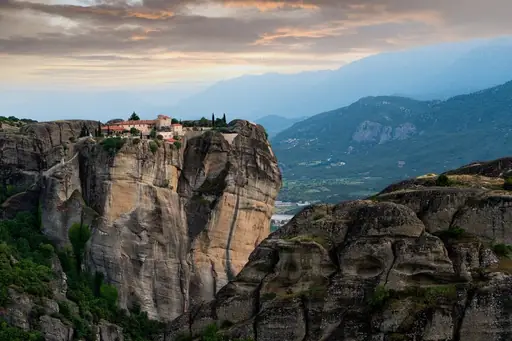
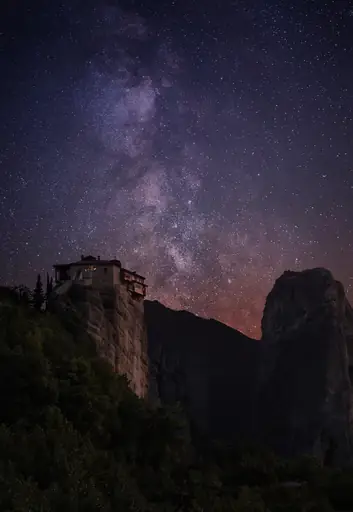
Nature Reserve in Greece
Meteora
Monasteries Suspended in the Sky
Rising above a plain in central Greece, this rock formation is topped by Orthodox monasteries. Six monasteries are still active and open to visitors. Monks began building on the pillars in the fourteenth century. Visitors must cover shoulders and knees. Nearby Kalambaka is the usual base.
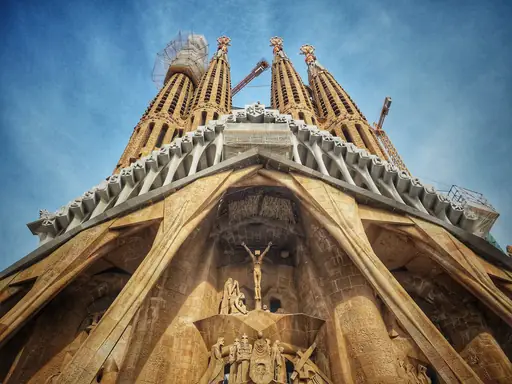
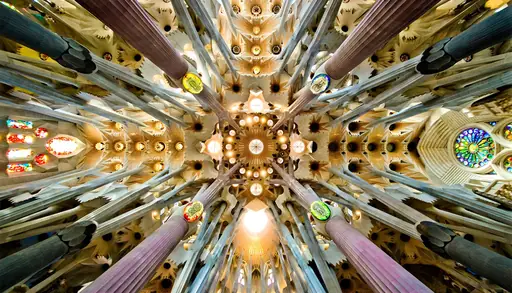
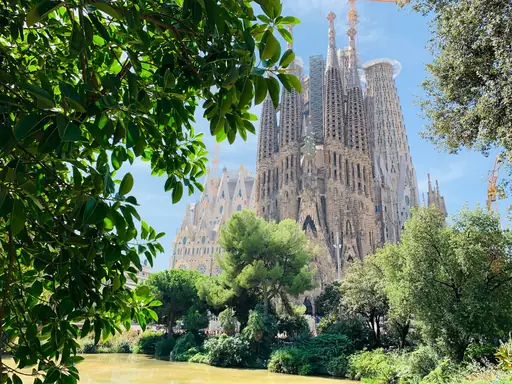
Basilica in Barcelona
Sagrada Família
Gaudí's Unfinished Masterpiece
Rising above the Eixample district of Barcelona, this basilica was designed by Antoni Gaudí. Construction began in 1882 and continues today. Inside, tall columns branch like trees under a high ceiling. The Nativity and Passion facades show very different styles. Tickets are timed and sell out, so booking ahead is wise.

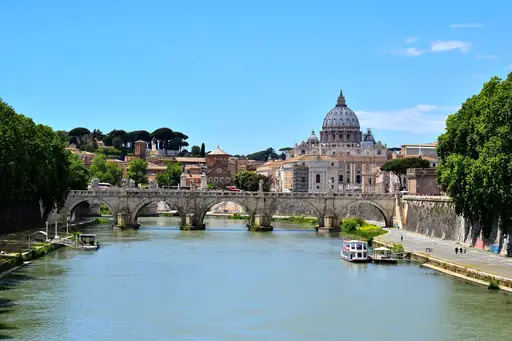
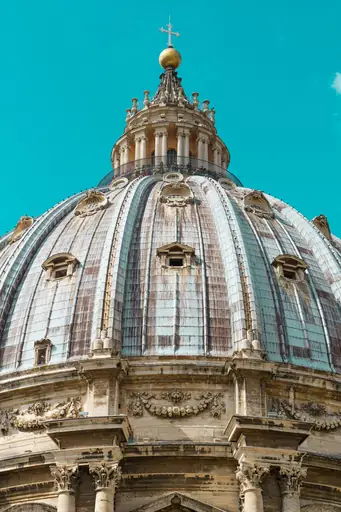
Church in Rome
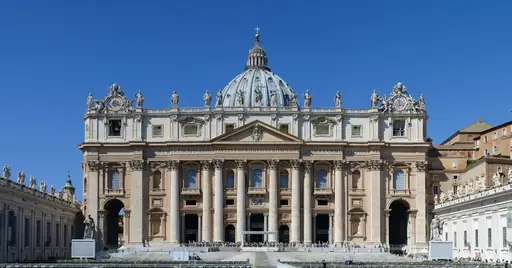
St. Peter's Basilica
Iconic Heart of Catholic Faith
Built over the traditional burial place of Saint Peter, this basilica was consecrated in 1626. Michelangelo designed the huge dome, which rises about 136 metres above the floor. Visitors climb stairs to a viewing gallery at the top of the dome. Entry is free but queues can be long. Shoulders and knees must be covered.
Other lists you may like

Discover
Top religious sites and sacred destinations
For a lot of people, visiting a famous religious site is one of the most memorable parts of a trip, whether they are believers or just curious about how other people live and pray.…
Read more
Discover
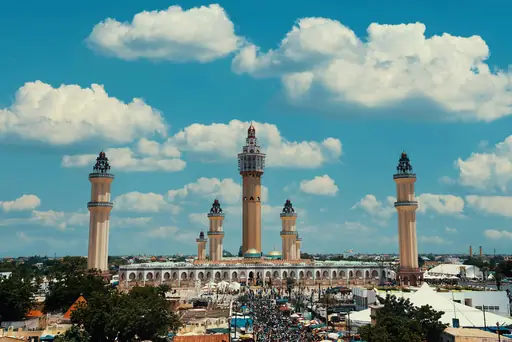
Most famous religious destinations in Africa
Africa has some of the oldest churches and mosques in the world, and religion is still a big part of everyday life across most of the continent. In Ethiopia, the rock-cut…
Read more
Discover
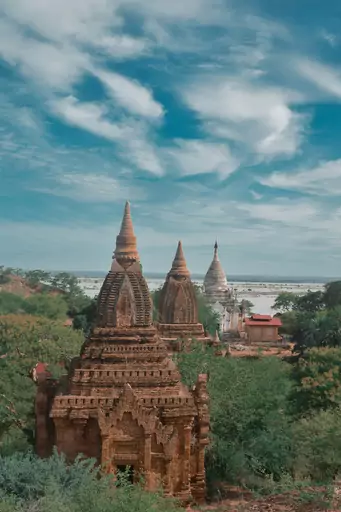
Most famous religious destinations in Asia
Most of the world's big religions started in Asia, so it is no surprise that the continent has a huge number of temples, shrines and mosques worth traveling for, whatever you…
Read more

Discover
Most famous religious destinations in North America
North America is not the most obvious choice for religious travel, but it has a lot more to offer than most people expect, with old Spanish missions, grand basilicas and sites that…
Read more
Discover
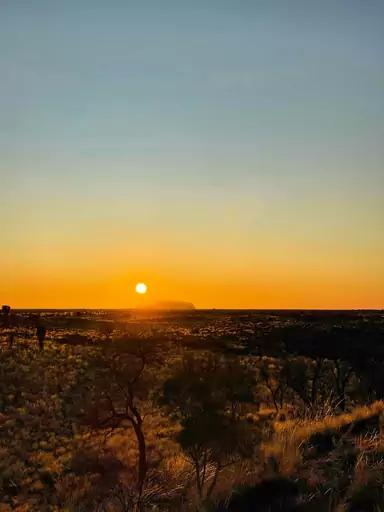
Most famous religious destinations in Oceania
Oceania is not usually the first place people think of for religious travel, but the region has some of the oldest sacred traditions on earth and plenty of places where faith is…
Read more
Discover
Most famous religious destinations in South America
Religion in South America is often a mix of Catholic traditions brought by the Spanish and Portuguese and much older Indigenous beliefs, and in many places you can see both side by…
Read more
What other users say about travelfilters
“travelfilters made it easy for me to find ski areas and compare what else they offer, so that I could find the best place for my personal travel style.”

Chris
Snowboarding & Onsen trip to Japan
“I love how transparent the data feels. There is no pushy upsell, just honest information and settings I can tune to my own travel style.”

Maria
After booking her 2027 winter escape
“The level of detail for each destination and how well those are displayed, make planning feel confident instead of overwhelming.”

Mina
Planned a week in New York City
“We used travelfilters for our planning from start to end. The trip turned out even better than expected, thanks to all their tools and customisation options.”

Allan & Etienne
Trip to Japan to see autumn foliage
“Thanks to travelfilters, I found some hidden gems to see. Being able to filter for exactly your interests is a game changer for my travel planning.”

Michael
Tour through the old cities of Northern Italy
“The customizable filters helped me find a quiet beach town with good wifi and low season crowds in under five minutes.”

Diego
Weekend Escape to Llanes, Spain
“The airport connection map saved me hours by showing good flight options from my home airport to lesser-known cities.”

Nguyen
Planning a 2027 trip to France
“The website is clean, fast and focused on the search itself, which makes travelfilters feel more like a professional tool than an ad-heavy booking site.”

Hassan
Christmas Market trip, Germany
