



Asia › India › Bodh Gaya

Bodh Gaya

Scroll
Where Enlightenment Began Amid Sacred Monuments

Bodh Gaya stands as a quiet yet powerful place in India where history and spirituality connect deeply with visitors. It is home to the Mahabodhi Temple, marking the spot where Siddhartha Gautama achieved enlightenment under the Bodhi tree. Pilgrims from many backgrounds come here seeking reflection or renewal. The town’s atmosphere feels calm, shaped by centuries of tradition and ongoing religious practice. Simple streets lead toward temples and quiet gardens, inviting exploration without unnecessary distraction. This setting supports both personal contemplation and shared cultural heritage.

Historic Site in India
Climate zone: Humid subtropical

Humid subtropical: Subtropical climates with hot, humid summers, dry or cooler winters and strong monsoonal rainfall peak during warmer months.

See climate table
Ticket price: $$$
$Cheap
$$Medium
$$$Expensive, upscale
$$$+Very expensive, luxury
Safety: 7.0
General Safety:7
Accessibility:7
Read details
Tourist English: 3/5
In Bodh Gaya, most locals speak Hindi and regional dialects, but many younger people and service staff understand basic English. Tourists will find communication manageable with simple phrases and a friendly attitude.
Last update: 12 Oct 2026
* We earn a commission from some links on this page.
Bodh Gaya Summary
Sacred for Buddhist pilgrimage and meditation. Visit temples, join prayer ceremonies and explore monasteries surrounding the Bodhi Tree.
India – Quick facts
Power Grid: 230 V, 50 Hz
Plug: Type C , Type D , Type M
Type C:
Diagram of a Type C power plug
Type D:
Diagram of a Type D power plug
Type M:
Diagram of a Type M power plug

Read about power adapters
Currency: Indian Rupee (INR)
£1 ≈ ₹126.52
Cashless info: Rating 4/5
Cashless payments are becoming more common in India, especially in urban areas. Credit cards and mobile payment apps like Google Pay, Paytm, and PhonePe are widely accepted in cities.

Save with a travel credit card
eSIM providers: Best value: Saily
Flexibility: Airalo
Read our in-depth comparison
Tipping: Tipping is appreciated in India but not mandatory. A 10% tip in restaurants is common. Tipping taxi drivers and hotel staff is also customary, typically 10-15% for good service.
Public drinking: Public drinking is not commonly seen in India. Alcohol is typically consumed in licensed bars, restaurants, and hotels.
Public smoking: Smoking is prohibited in many indoor public spaces, including restaurants, bars, and public transport stations.
Independence Day
(15 August)
A national holiday celebrated with flag hoisting and parades
Diwali
(October-November)
The Festival of Lights, celebrated with fireworks and festivities
Emergency contact: Emergency Number: 112
Taxi apps: Ola, Uber
Other: India is a vast and diverse country with a rich cultural heritage, offering a wide range of experiences from ancient temples to modern cities. Prepare for varying infrastructure and safety conditions depending on the region.
Best times to travel

The best times to travel section shows how the months compare for a visit, so you can find the time of year that fits what you want to do.

Background colours of the months:
The colour shows the typical temperature: yellow (hot), green (mild) and blue (cold). How strong the colour is shows the travel season: full colour means high season, soft colour means shoulder season and soft-striped means off season.

Weather symbols:
Each month has one symbol showing what the weather is typically like, such as hot and sunny, freezing or a rainy or snowy season. Use them to quickly spot months that match the weather you want, or to avoid the ones that don't.

Crowdedness:
The people icon shows how busy the place usually is. The more people, the more crowded it gets.

Additional notes:
The grey info boxes point out special things worth knowing, like recurring weather issues or seasonal events.

for Bodh Gaya, India
☀️
Jan
🔥
Feb
🔥
Mar
🔥
Apr
🔥
May
🔥
Jun
🌦️
Jul
🌦️
Aug
🌦️
Sep
🔥
Oct
🔥
Nov
☀️
Dec
High season: Jan. - Feb., Nov. - Dec.
Shoulder season: March, Oct.
Tap on a month for more info Hover over a month for more info
Buddha Purnima, the main Buddhist festival, falls in late April or May and draws large pilgrim crowds
December to January fog often delays trains and flights to nearby Gaya

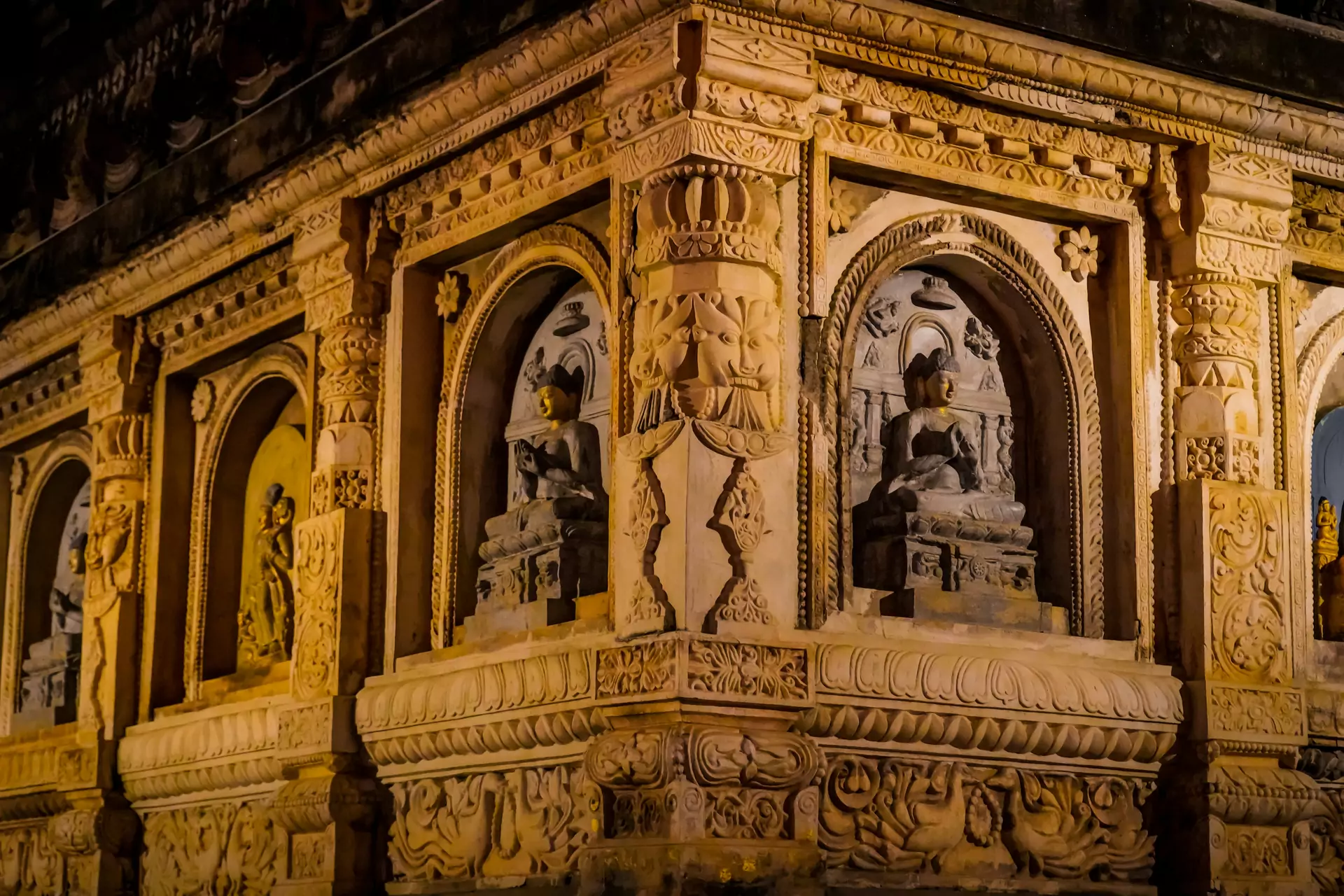
Bodh Gaya stands as a significant place in India where history and spirituality intersect. The town is home to the Mahabodhi Temple, a structure that marks the spot where Siddhartha Gautama attained enlightenment under the Bodhi tree. This event shaped Buddhism and continues to draw visitors seeking reflection and calm.

The temple complex includes ancient stone carvings and quiet pathways that invite slow walking. Nearby stands a large Bodhi tree, grown from a cutting of the original plant said to have sheltered the Buddha during his meditation. Pilgrims often sit beneath its leaves or walk around it as part of their practice.

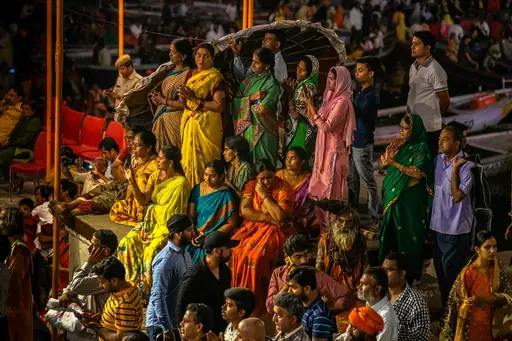
Monks and travelers from many countries visit regularly. Some come for long stays in monasteries that line parts of the town, while others explore local markets selling simple crafts and snacks. The rhythm here feels steady with morning chants and afternoon quietness, creating a predictable environment for those who value routine.

Nearby villages offer glimpses into daily life beyond religious sites. Farmers tend fields of rice and vegetables along winding roads that connect to the temple area. Local schools teach basic skills alongside lessons about cultural heritage. This mix shows how tradition and everyday needs coexist without rushing change.

Why travel to Bodh Gaya?

🏯Places worth seeing
  • 1 Mahabodhi Temple
  • 2 Bodhi Tree
  • 3 Great Buddha Statue
  • 4 Vajrasana Temple Katorwa

Knowledge before you go

  • Arrive early; crowds peak after noon at Bodh Gaya.
  • Wear comfortable shoes and light clothing for walking on uneven temple grounds, especially during monsoon season.
  • Respect local customs: remove hats and sunglasses before entering the Mahabodhi Temple complex and keep noise levels low.
  • The Bodh Gaya area hosts a weekly meditation session at sunrise; attending offers insight into daily pilgrim practices.

How to travel to Bodh Gaya

Bodh Gaya, a UNESCO World Heritage Site in India, is accessible via several transportation modes. The nearest major airport is Gaya Airport (GAY), located approximately 12 km from the town, offering domestic flights from cities like Delhi and Mumbai. For rail access, Bodh Gaya Railway Station connects to major Indian cities such as New Delhi, Kolkata and Varanasi via regular trains. Buses operated by state and private operators link Bodh Gaya to nearby towns and highways, including NH 31. Taxis and auto-rickshaws are available for short trips within the town. The site’s proximity to major transport hubs ensures convenient access for international and domestic travelers.

Access summary

  • From Patna Airport (PAT): Train/auto to Bodh Gaya, 3–4 hours.
  • From Kolkata: Train to Gaya, then bus to Bodh Gaya, 8–9 hours total.
  • By train from Delhi: 12–13 hours to Gaya, then local transport.

Where to stay near Bodh Gaya

Bodh Gaya offers a wide range of accommodations to suit every traveler’s budget and preference. Budget guesthouses and hostels line the main roads, providing clean rooms with basic amenities for under ₹1,200 (£9.50) per night. Mid‑range hotels and serviced apartments offer more comfort, often featuring free Wi‑Fi, breakfast and easy access to nearby temples. Luxury resorts cater to those seeking tranquility, offering spa services, yoga classes and panoramic views of the surrounding hills. Many lodgings are built in traditional Indian architectural styles, with courtyards and verandas that reflect local heritage. The area is especially known for its serene guesthouses near the Mahabodhi Temple complex, where guests can experience a peaceful stay immersed in spiritual ambiance.

Packing recommendations for Bodh Gaya

Log in to add this place to a travel list and get a summary of all recommended items for your whole trip.

📷
Camera
👟
Comfortable walking shoes
🌞
Sun cream
SPF 30+
🚰
Reusable water bottle
👕
Light, breathable clothing
☂️
Folding umbrella
🎒
Small rucksack
🪰
Insect repellent
👛
Cash in small denominations
rupees
🧕
Modest clothing covering shoulders and knees
📕
Guidebook with offline map
🔋
Power bank
🩹
Basic first aid kit
👒
Sun hat
📱
Travel eSIM
🔌
Universal travel adaptor
💳
Credit card with no foreign transaction fees
Show more
Budget snapshot
Costs compared to home

We calculate the average costs when travelling to destinations and compare those with the living costs at your home. With this you can get an estimate of how expensive or cheap the destination is for you.

To customise this, you can set up which location and price level are used for the calculations in your account settings.

-82 %
Daily expenses in the region are around 82% lower than the average across United States. That means you'll spend a lot less on meals and getting around.
Exchange rate trend

The exchange rate price factor shows how expensive or cheap a currency currently is compared to its historical average. It's a quick way to see if a country is currently more or less affordable due to exchange rate changes.

-20 %
Your exchange rate (GBP to INR) is 20% better than in recent years. That means travelling now is considerably cheaper compared to the past.

Safety information overview

General safety
7
Bodh‑Gaya remains generally safe for travelers, with low crime rates and a welcoming local community. Tourists should stay vigilant in crowded markets, keep valuables secure, avoid isolated areas after dark and respect local customs to ensure a smooth visit.
Accessi­bility
7
Bodh‑Gaya offers accessible pathways to its main stupas, with ramps and tactile signage, making it welcoming for wheelchair users. However, narrow alleys in the old town can be challenging and some heritage sites lack adequate restroom facilities. Plan ahead for mobility needs.

Looking for inspiration?

Discover
Top spiritual travel destinations and wellness retreats
Spiritual travel works best at destinations with a genuine, long-standing tradition behind the practice on offer: places where meditation, ritual or retreat has been part of local…
Read more
Discover
Pilgrimage destinations and sacred sites
Pilgrimage travel is among the oldest forms of purposeful journey, with sacred routes, shrine destinations and holy cities drawing millions of travellers annually across every…
Read more
Discover
Best spiritual destinations in Asia
Asia is where a lot of people go when they want to slow down, look inward or learn a practice they can take home with them. Rishikesh in India is often called the yoga capital…
Read more
Discover
Most famous religious destinations in Asia
Most of the world's big religions started in Asia, so it is no surprise that the continent has a huge number of temples, shrines and mosques worth traveling for, whatever you…
Read more
Discover
Top religious sites and sacred destinations
For a lot of people, visiting a famous religious site is one of the most memorable parts of a trip, whether they are believers or just curious about how other people live and pray.…
Read more
Discover
Most famous pilgrimage destinations in Asia
Asia is the birthplace of the world's major religious traditions and contains the most significant concentration of sacred destinations, pilgrimage routes and holy cities anywhere…
Read more
Discover
Most beautiful beaches and coastal escapes
For a lot of people, a beach is the whole point of a holiday, but what makes a beach day perfect really depends on personal taste. Some travellers want isolation and the feeling…
Read more
Discover
Stunning national parks and wilderness areas
National parks exist because someone decided that certain landscapes were too important to lose. The best of them protect ecosystems, wildlife and natural processes that would…
Read more
Discover
Intimate escapes and romantic getaways
The most memorable trips for couples tend to have less to do with luxury and more to do with the quality of shared experience. A place that slows you down, removes the usual…
Read more
Was this page helpful?
Feedback