
Best spiritual destinations in Asia
Best spiritual destinations in Asia
Historic mountain temple paths and sacred pilgrimage complexes across Asia
Asia is where a lot of people go when they want to slow down, look inward or learn a practice they can take home with them.
Rishikesh in India is often called the yoga capital of the world, and many travelers stay a week or more for classes by the Ganges. Ubud in Bali is known for its rice terraces, water temples and a long list of retreats, from simple meditation courses to full wellness programs. In Bhutan, the hike up to the Tiger's Nest monastery, which clings to a cliff, is as much a spiritual journey as a physical one. For a quieter experience, the temple lodgings on Mount Koya in Japan let you join the monks for morning prayers and simple vegetarian meals.
Retreats and temple stays can fill up quickly in the busy season, so book ahead, and check whether a place expects silence, early mornings or a set daily schedule.
Lists by region
Region in India
Goa
Beaches, Culture and Portuguese Heritage
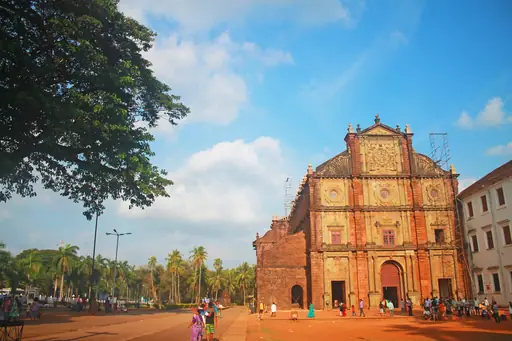
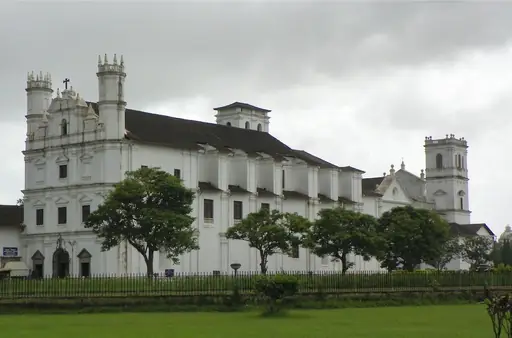
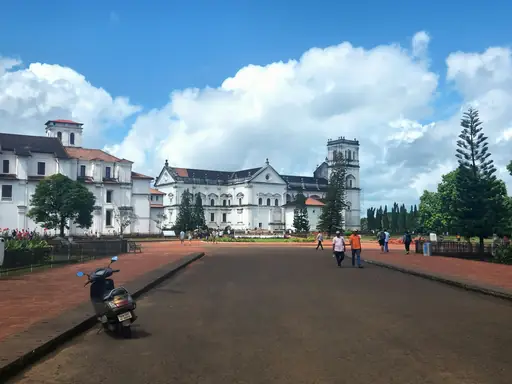
Each year on 3 December thousands of pilgrims gather at the Basilica of Bom Jesus in Old Goa for the feast of St Francis Xavier, whose body lies in a silver casket inside. The dry sunny winter months are the time for visiting the old Portuguese churches, a UNESCO World Heritage site.


City in Japan
Kyoto
Temples, geisha districts and kaiseki dining
The deep sound of temple bells and the smell of incense drift through the hillside lanes of Higashiyama, where Fushimi Inari Shrine has thousands of red torii gates winding up a forested mountain. Zen temples such as Ryoanji have a rock garden of 15 stones while monks teach seated meditation.
Region in Myanmar
Bagan
Ancient Temples and Timeless Sunsets
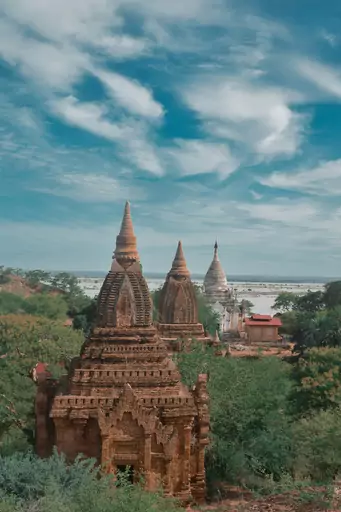
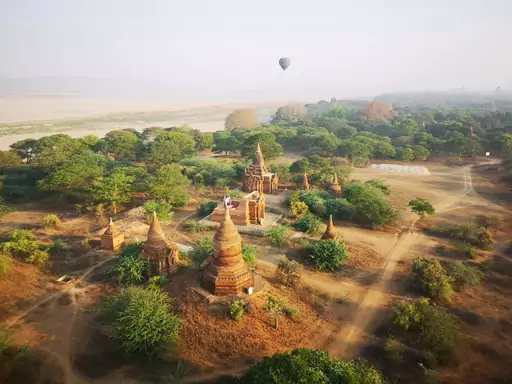
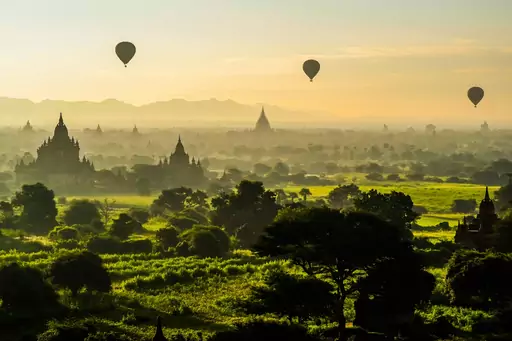
Between the 11th and 13th centuries the kings of the Pagan kingdom built more than 10,000 temples and pagodas on a dusty plain beside the Irrawaddy River, while about 2,200 still stand. Travellers ride e-bikes along sandy tracks to the temples while hot air balloons float over the stupas at sunrise in the cool season.
Island in Thailand
Ko Pha-ngan
Island of Parties and Pristine Beaches
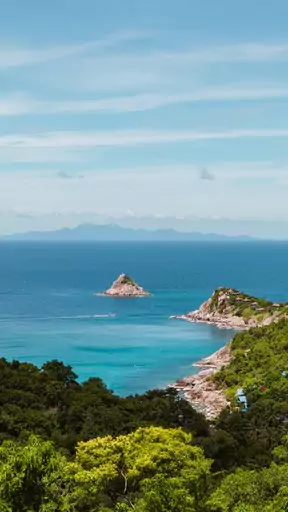
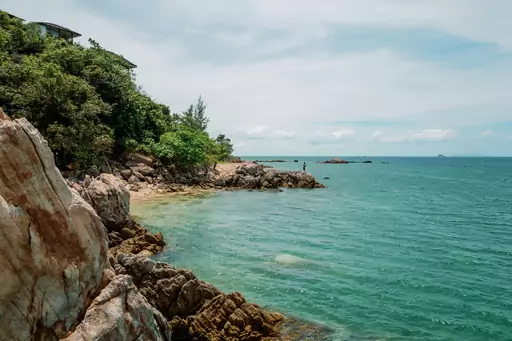
King Rama V visited the island in 1888 and carved his initials on a boulder at Than Sadet waterfall, which later kings of Thailand also visited. Today the quiet northern and western coasts have yoga and meditation retreats with sunrise classes, while Wat Khao Tham, a hilltop monastery, runs silent courses for foreigners.
Town in India
Rishikesh
Yoga capital meets adventure haven
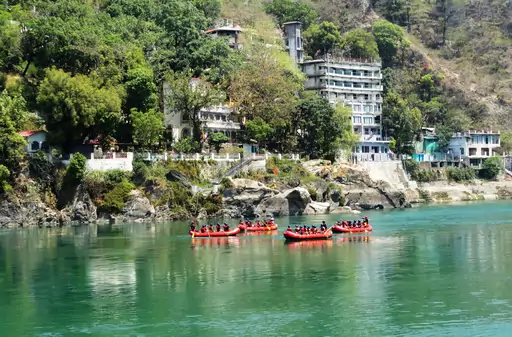
Each March teachers and students from many countries gather on the banks of the Ganges in Rishikesh for the International Yoga Festival, a week of classes and meditation. In 1968 the Beatles stayed at the ashram of Maharishi Mahesh Yogi, whose overgrown buildings are now open to walkers.
City in India
Pondicherry
French Charm Meets Indian Culture
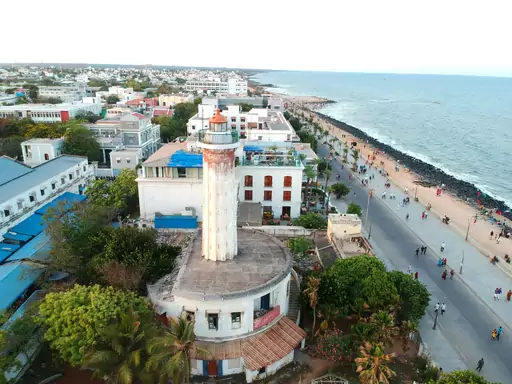
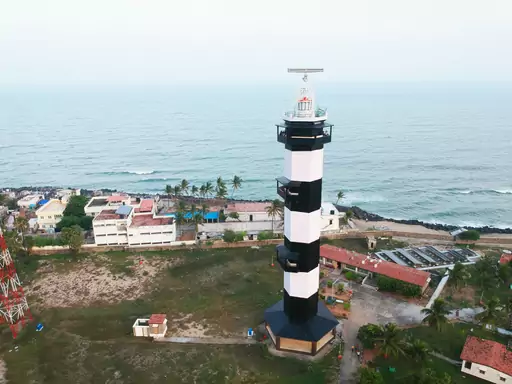
Incense and the quiet of meditation are part of a visit to the Sri Aurobindo Ashram in the old French quarter, where followers of the philosopher gather around his flower covered tomb. A short drive north, Auroville, founded in 1968, has the Matrimandir, a golden sphere used for silent meditation.
State/Prefecture in India
Rajasthan
Desert palaces and vibrant cultural tapestry
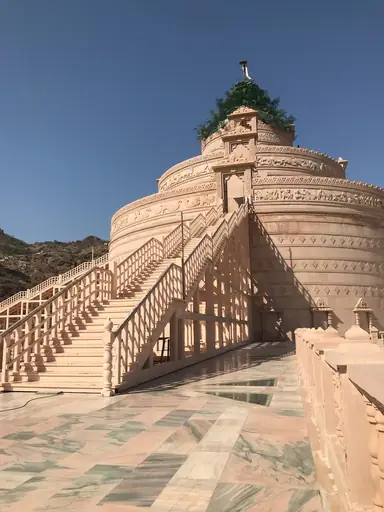
In the desert state of northwest India, Rajasthan has Pushkar, a lakeside town with one of the few temples to Brahma, while Ajmer Sharif is a Sufi shrine visited by people of all faiths. At Mount Abu the Dilwara temples are Jain shrines carved in white marble in the 11th to 13th centuries.
City in Saudi Arabia
Medina
A Spiritual Oasis
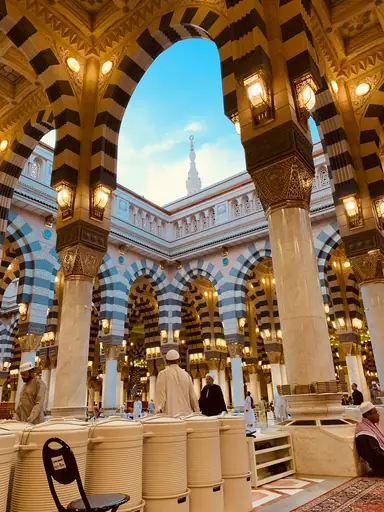
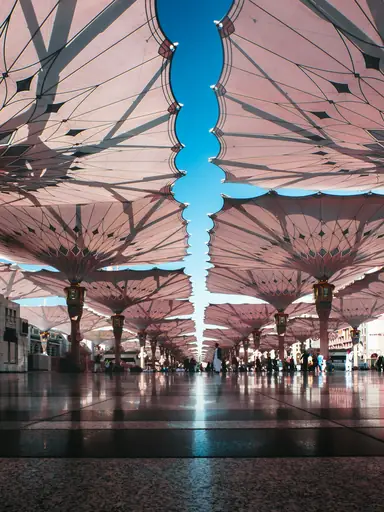
Like Mecca, Medina is a holy city of Islam where the Prophet Muhammad is buried beneath the Green Dome of the Prophet's Mosque. Pilgrims also visit Quba Mosque, built in 622 when the Prophet arrived in the city, while others walk to the slopes of Mount Uhud.
City in Israel
Jerusalem
Ancient History Meets Modern Culture
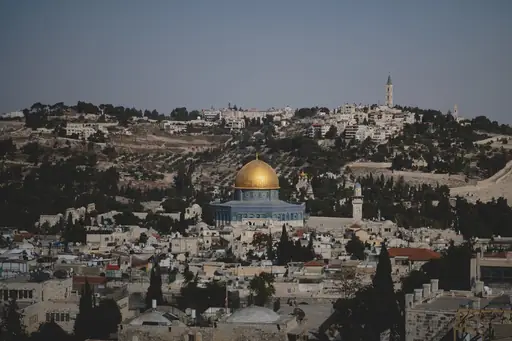
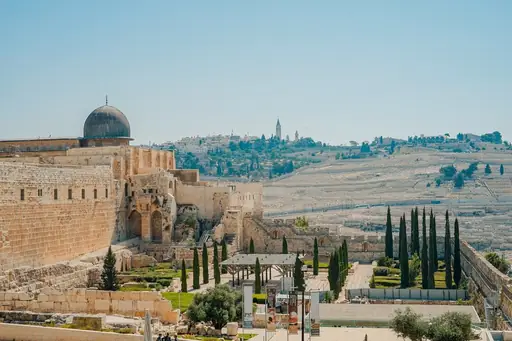
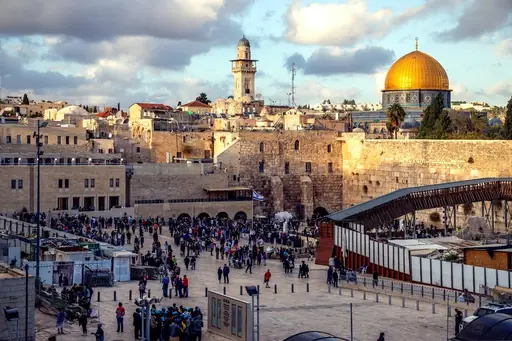
Like three holy places in one walled neighbourhood, the Old City has the Western Wall for Jews and the Church of the Holy Sepulchre for Christians. The Dome of the Rock and Al Aqsa Mosque for Muslims are a short walk away while on Fridays Franciscan monks lead a procession along the Via Dolorosa.

Region in Indonesia
Bali
Tropical beaches, vibrant culture and adventure
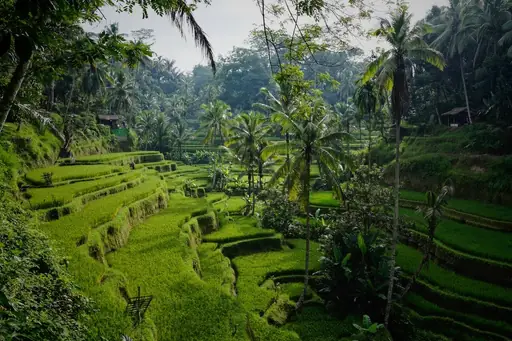
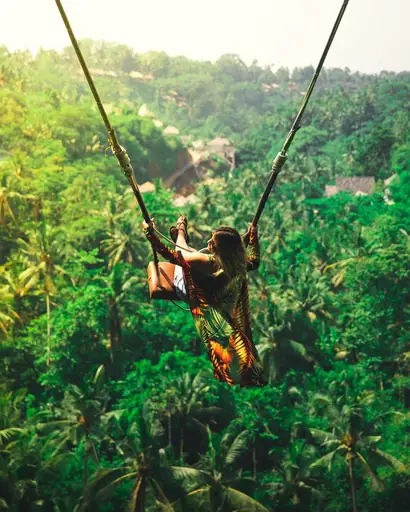
Incense smoke and the sound of gamelan gongs are part of every morning in Bali, where families set small palm leaf baskets of flowers called canang sari at doorways and shrines. Hindu temples such as Tanah Lot on a sea rock and Besakih on the slopes of Mount Agung are open to respectful visitors.
City in India
Haridwar
Sacred riverbanks echo ancient pilgrim chants
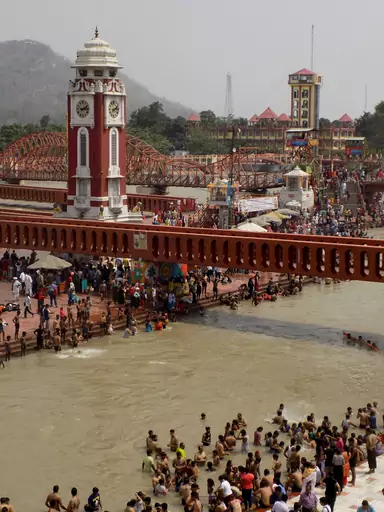
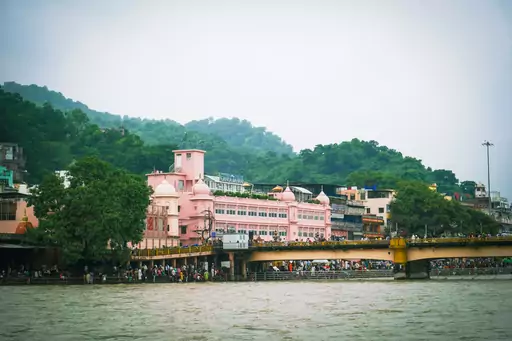
At sunset each evening priests at Har Ki Pauri ghat wave flaming lamps over the Ganges in a ceremony called Ganga Aarti, while crowds set afloat tiny leaf boats of flowers and candles. Every 12 years the Kumbh Mela, a huge Hindu pilgrimage, fills the riverbanks with millions of people.


Town in Indonesia
Ubud
Bali's Cultural and Spiritual Heart
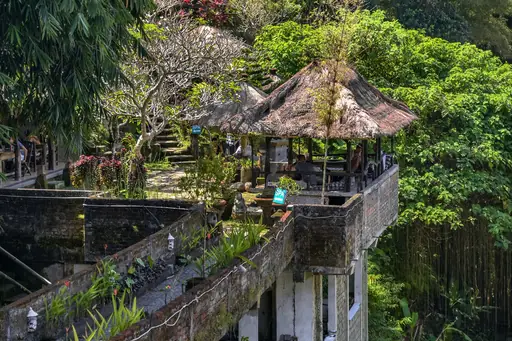
Unlike the beach towns of southern Bali, Ubud is surrounded by rice terraces and temples, with healers, yoga studios and meditation classes. Nearby Tirta Empul is a holy spring temple where worshippers wade into pools and stand under spouts of water in a cleansing ritual called melukat.
City in Bhutan
Thimphu
Himalayan Culture Meets Modern Life
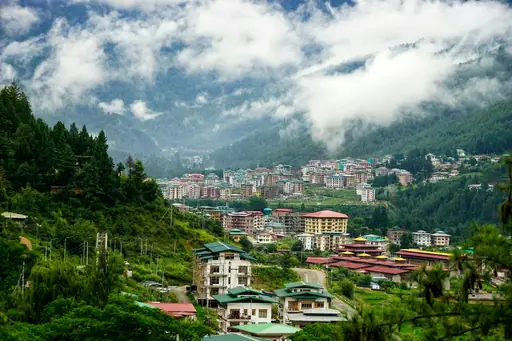
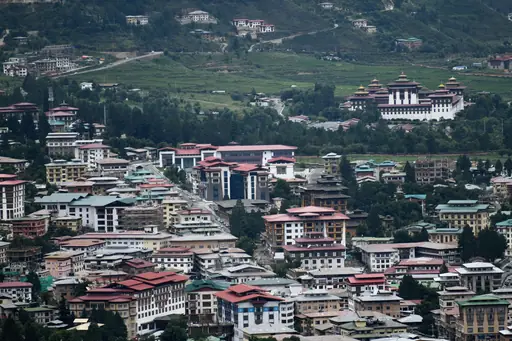
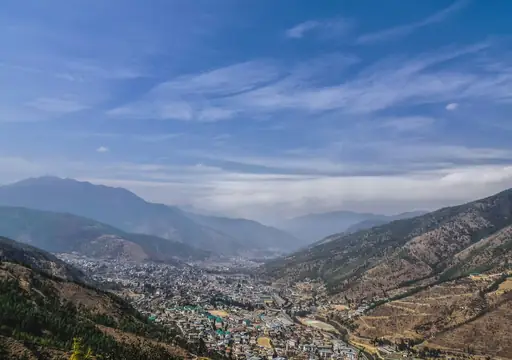
Residents of Thimphu walk clockwise around the Memorial Chorten each morning while spinning prayer wheels and murmuring mantras. On a hill above town the Buddha Dordenma, a bronze statue 169 feet tall, has more than 100,000 smaller gilded Buddhas inside, while Tashichho Dzong is the seat of the government and the monk body.
Nature Reserve in Jordan
Wadi Rum
Valley of the moon's timeless magic
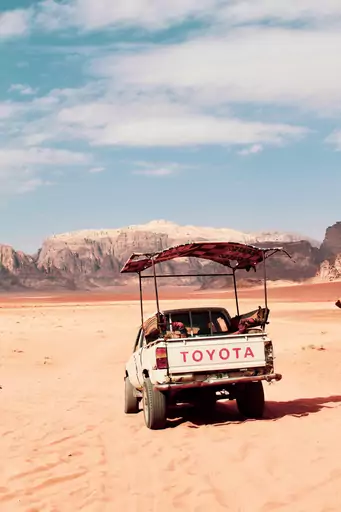
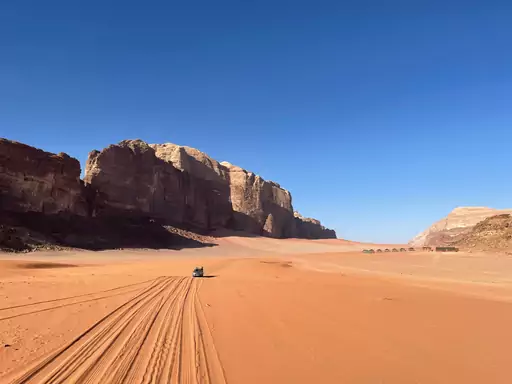
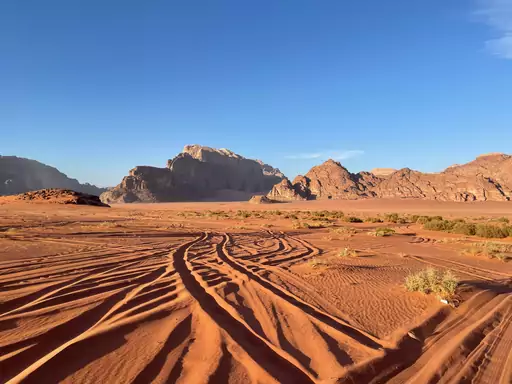
The ruins of a Nabataean temple from the 1st century sit at the foot of Jebel Rum, a sandstone mountain, where Bedouin guides still serve sweet tea and tell stories around campfires. The desert is so quiet and dark that travellers sit on dunes at sunrise or lie under the stars.
City in India
Amritsar
Golden spirituality in Punjab's heart
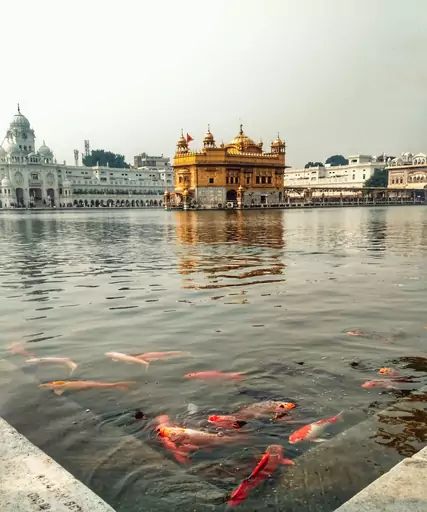
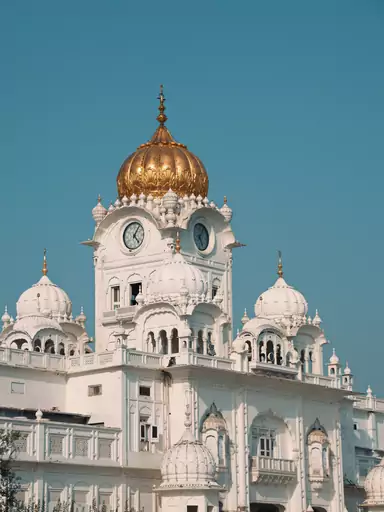
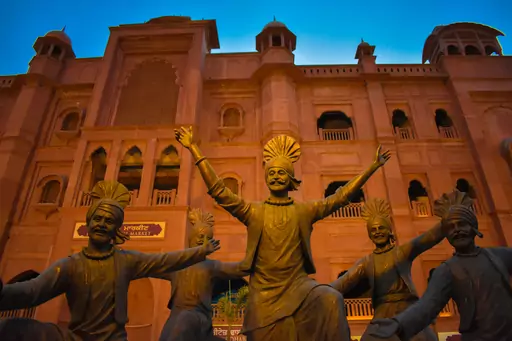
The Golden Temple, called Harmandir Sahib, is a Sikh shrine covered in gold that stands in the middle of a sacred pool, reached by a marble causeway where pilgrims walk at all hours. A free community kitchen called the langar serves vegetarian meals to tens of thousands of people of every faith each day.
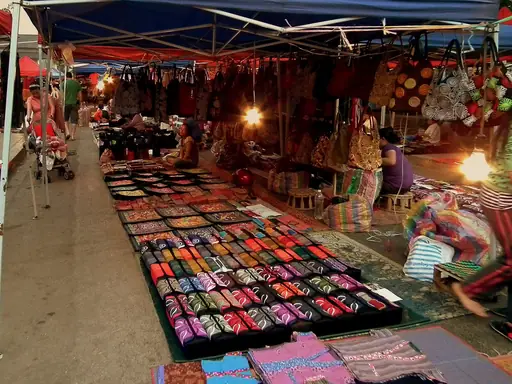
City in Laos
Luang Prabang
Laid-back charm by the Mekong River
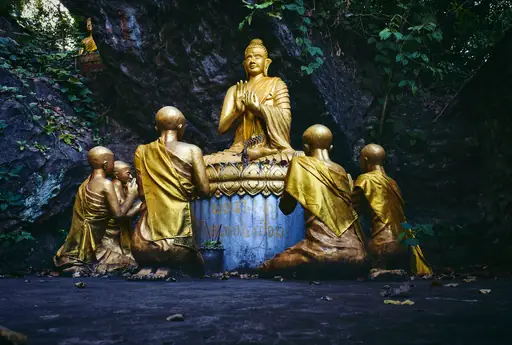
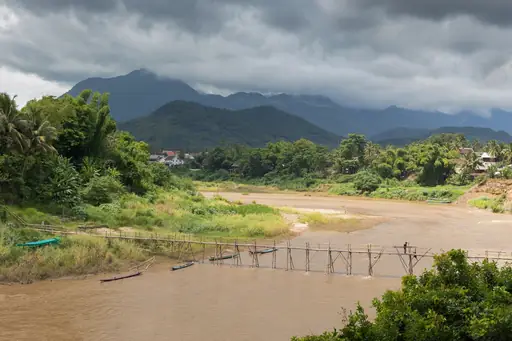
Every morning at sunrise lines of monks in saffron robes walk the old streets in a ceremony called Tak Bat, while residents kneel and place sticky rice in their bowls. Wat Xieng Thong, a temple from 1560 with a gold stencilled wall, is one of many temples in town.
City in China
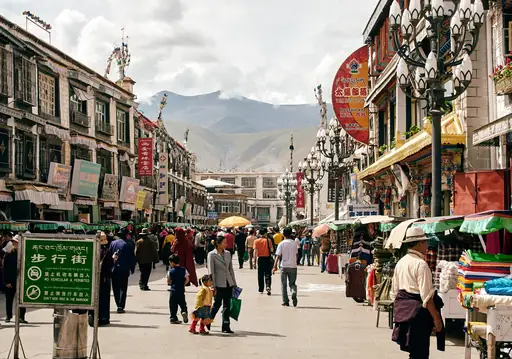
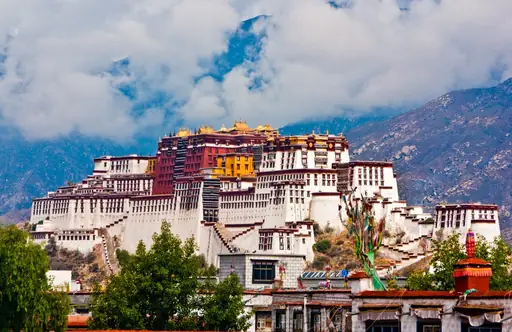
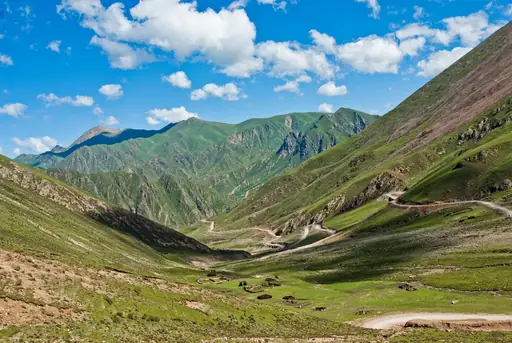
Lhasa
A Spiritual Journey in Tibet
At nearly 12,000 feet on the Tibetan plateau, Lhasa has the Potala Palace, once the winter home of the Dalai Lamas. Pilgrims lie face down in prayer on the stone square outside the Jokhang Temple, while foreign visitors need a permit and a guide to enter Tibet.
City in Japan
Nara
Giant Buddha, tame deer and ancient temples
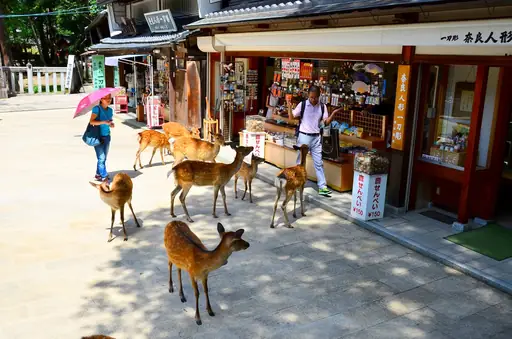
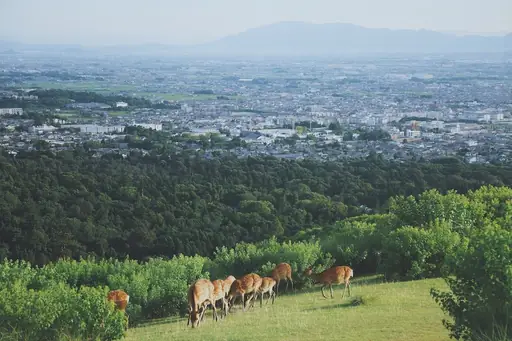
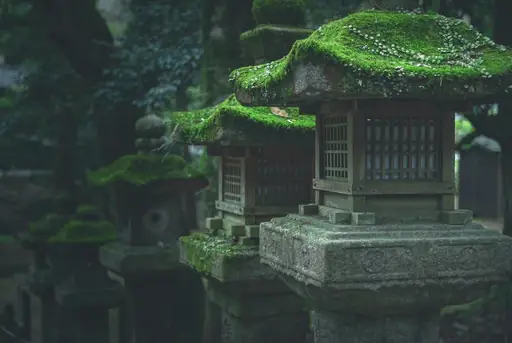
Todaiji Temple has a bronze Great Buddha about 49 feet tall inside one of the largest wooden buildings in the world, while Kasuga Taisha Shrine has thousands of stone and bronze lanterns. Deer roam the park and bow for crackers, since in the Shinto faith they were once seen as messengers of the gods.
City in Saudi Arabia
Mecca
A spiritual journey like no other
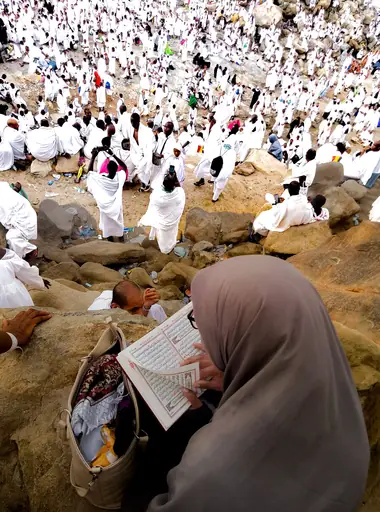
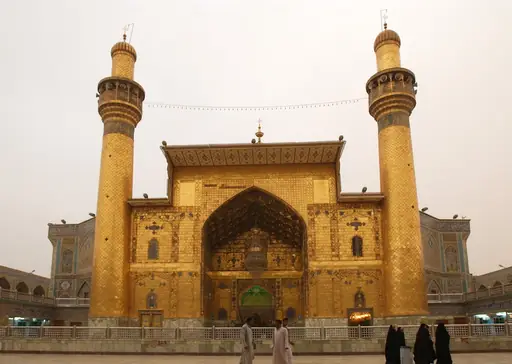
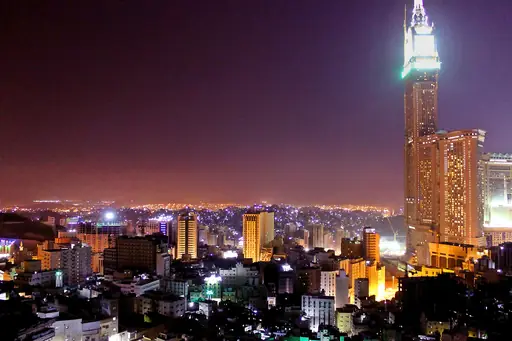
Muslims around the world face Mecca five times a day in prayer while in the city itself pilgrims walk seven times around the Kaaba, a cube draped in black cloth. Millions come each year for the Hajj pilgrimage while entry to the holy city is for Muslims only.
Historic Site in India
Bodh Gaya
Where Enlightenment Began Amid Sacred Monuments
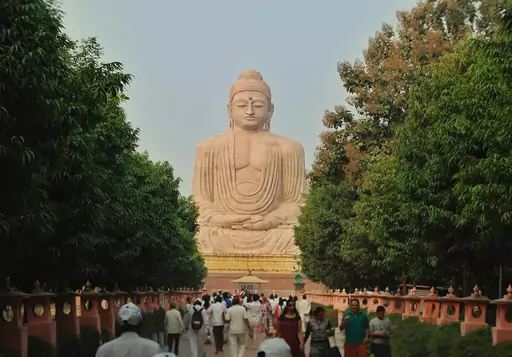
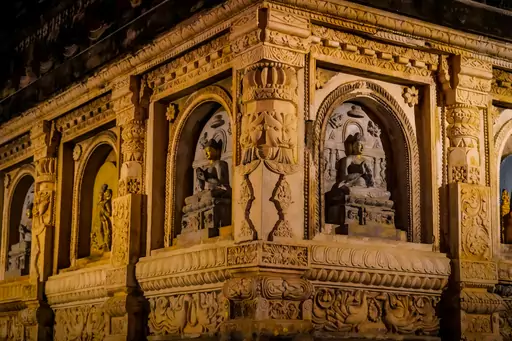
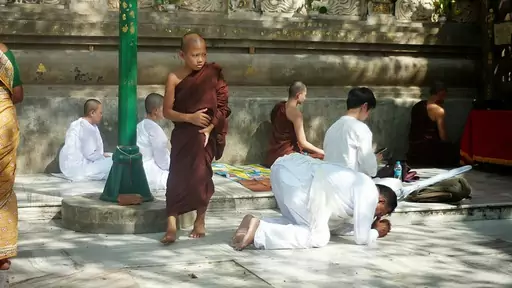
In the state of Bihar in northeastern India, Bodh Gaya is where Siddhartha Gautama is said to have reached enlightenment under a bodhi tree about 2,500 years ago. Pilgrims sit beneath a descendant of that tree beside the Mahabodhi Temple, a UNESCO World Heritage site, while monasteries built by Thailand, Japan and Bhutan stand nearby.
Town in Thailand
Pai
Chilled Mountain Vibes and Natural Magic
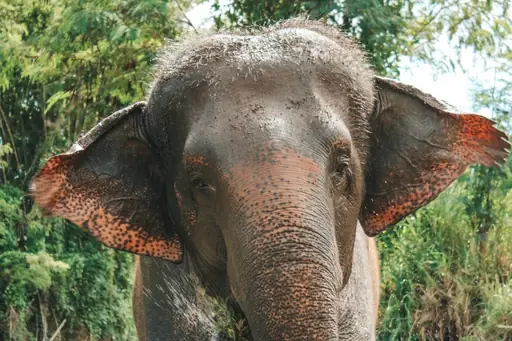
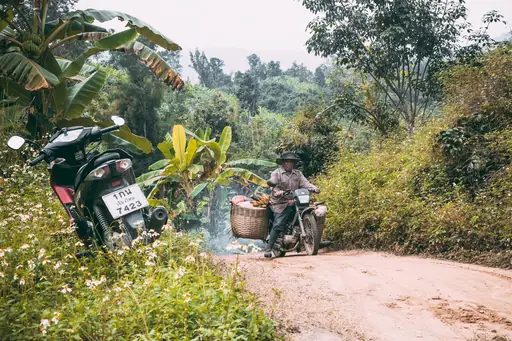
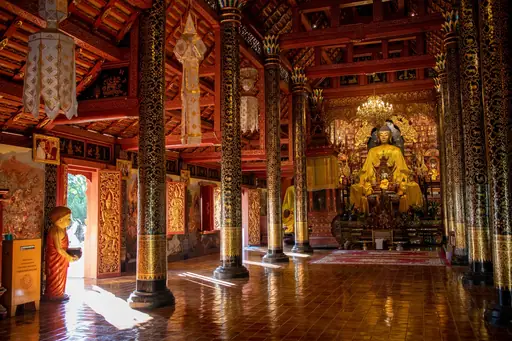
Pai was a quiet valley town before travellers found it. Today it has yoga studios and meditation courses, while Wat Phra That Mae Yen, a hilltop temple with a large white Buddha, is reached by about 350 steps and has a quiet terrace for sunset.
City in Nepal
Kathmandu
Temples, chaos and Himalayan magic
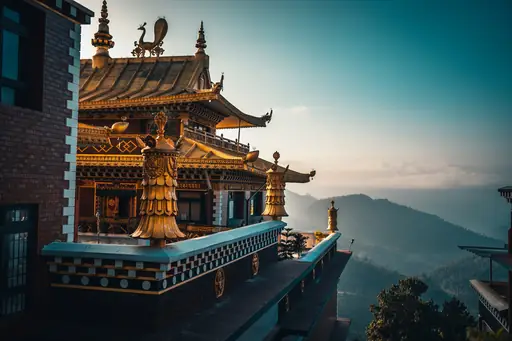
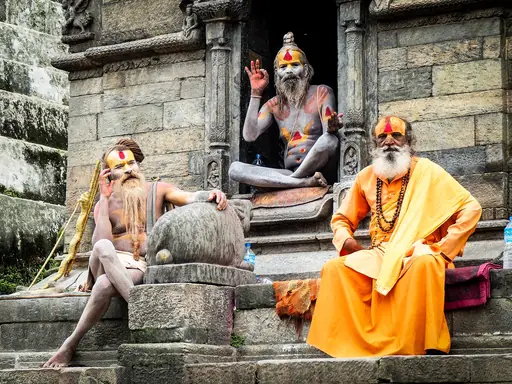
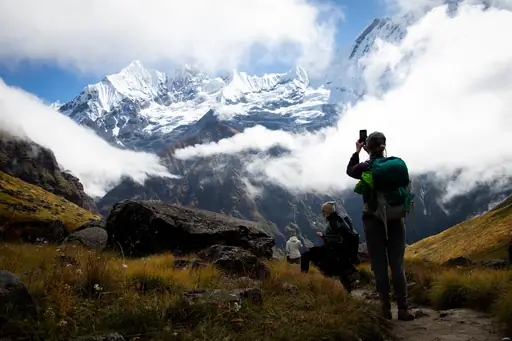
Boudhanath is one of the largest stupas in the world, a white dome painted with the watching eyes of the Buddha, where pilgrims walk clockwise at dawn spinning prayer wheels. Elsewhere in the valley Swayambhunath has monkeys on a hilltop and Pashupatinath is a Hindu temple beside the Bagmati River where cremations are held.
Other lists you may like
Discover
Best spiritual destinations in Africa
Spiritual travel in Africa is often less about a single famous building and more about a feeling, whether that comes from ancient ruins, a powerful waterfall or a long night of…
Read more
Discover
Best spiritual destinations in Europe
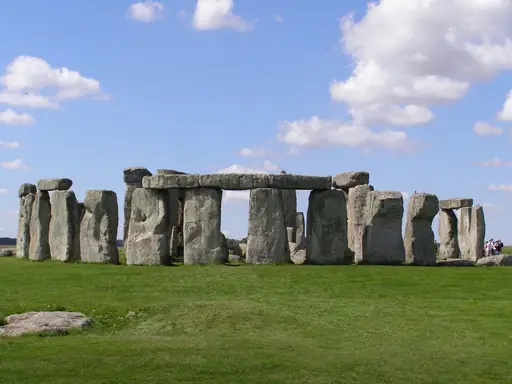
Europe's spiritual side goes back much further than its cathedrals, and many travelers are just as drawn to stone circles, quiet islands and old pilgrim towns. Stonehenge in…
Read more
Discover
Best spiritual destinations in North America
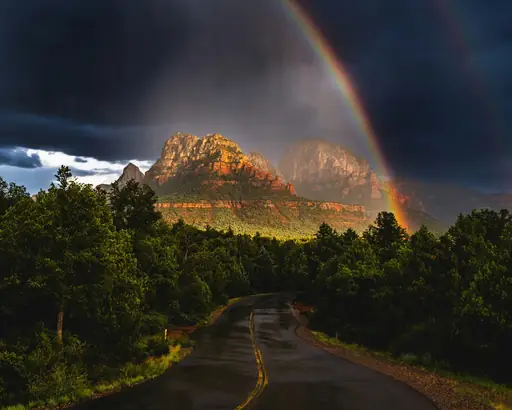
North America has a long history of places that people see as special, from ancient pyramids to red rock canyons that seem to invite a bit of quiet reflection. Sedona in Arizona…
Read more
Discover
Best spiritual destinations in Oceania
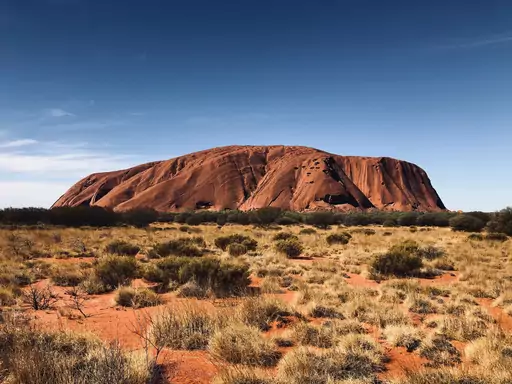
Oceania has huge open spaces, very old cultures and a relaxed pace of life, which makes it an easy place to slow down and reconnect with nature. Uluru in central Australia is…
Read more
Discover
Best spiritual destinations in South America
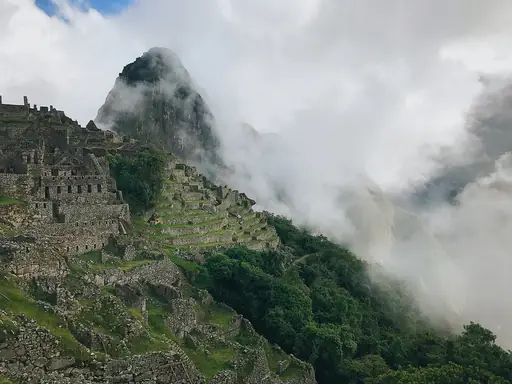
South America has ancient ruins, huge empty landscapes and living Indigenous traditions, which makes it a natural choice for travelers looking for something deeper than a regular…
Read more
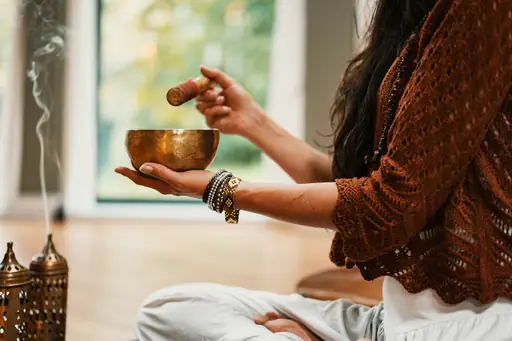
Discover
Top spiritual travel destinations and wellness retreats
Spiritual travel works best at destinations with a genuine, long-standing tradition behind the practice on offer: places where meditation, ritual or retreat has been part of local…
Read more
What other users say about travelfilters
“travelfilters made it easy for me to find ski areas and compare what else they offer, so that I could find the best place for my personal travel style.”

Chris
Snowboarding & Onsen trip to Japan
“I love how transparent the data feels. There is no pushy upsell, just honest information and settings I can tune to my own travel style.”

Maria
After booking her 2027 winter escape
“The level of detail for each destination and how well those are displayed, make planning feel confident instead of overwhelming.”

Mina
Planned a week in New York City
“We used travelfilters for our planning from start to end. The trip turned out even better than expected, thanks to all their tools and customisation options.”

Allan & Etienne
Trip to Japan to see autumn foliage
“Thanks to travelfilters, I found some hidden gems to see. Being able to filter for exactly your interests is a game changer for my travel planning.”

Michael
Tour through the old cities of Northern Italy
“The customizable filters helped me find a quiet beach town with good wifi and low season crowds in under five minutes.”

Diego
Weekend Escape to Llanes, Spain
“The airport connection map saved me hours by showing good flight options from my home airport to lesser-known cities.”

Nguyen
Planning a 2027 trip to France
“The website is clean, fast and focused on the search itself, which makes travelfilters feel more like a professional tool than an ad-heavy booking site.”

Hassan
Christmas Market trip, Germany
