






Was this page helpful?

| Power Grid: |
220 V, 60 Hz Plug: Type A , Type B
Type A:
  Read about power adapters |
|---|---|
| Currency: |
Peruvian Sol (PEN) £1 ≈ PEN 4.59 |
| Cashless info: |
Rating 4/5
Cashless payments are widely accepted in Peru, especially in larger cities and tourist areas.
Save with a travel credit card |
| eSIM providers: |
Best value: Saily Flexibility: Airalo Read our in-depth comparison |
| Tipping: | Tipping is customary in Peru, with 10-15% being the usual amount in restaurants. Small tips are appreciated by taxi drivers and hotel staff. |
|---|---|
| Public drinking: | Public drinking is prohibited in Peru, and alcohol consumption is restricted to licensed venues. |
| Public smoking: | Smoking is allowed in designated areas, but smoking indoors in public spaces is generally prohibited. |
| Emergency contact: | Emergency Numbers: 105 (Police), 106 (Ambulance), 116 (Fire) |
|---|---|
| Taxi apps: | Uber |
| Other: | Peru is known for its ancient culture, including Inca ruins and the Amazon rainforest, making it a popular destination for nature lovers and history enthusiasts. |
The best times to travel section shows how the months compare for a visit, so you can find the time of year that fits what you want to do.
Background colours of the months:
The colour shows the typical temperature: yellow (hot), green (mild) and blue (cold). How strong the colour is shows the travel season: full colour means high season, soft colour means shoulder season and soft-striped means off season.
Weather symbols:
Each month has one symbol showing what the weather is typically like, such as hot and sunny, freezing or a rainy or snowy season. Use them to quickly spot months that match the weather you want, or to avoid the ones that don't.
Crowdedness:
The people icon shows how busy the place usually is. The more people, the more crowded it gets.
Additional notes:
The grey info boxes point out special things worth knowing, like recurring weather issues or seasonal events.
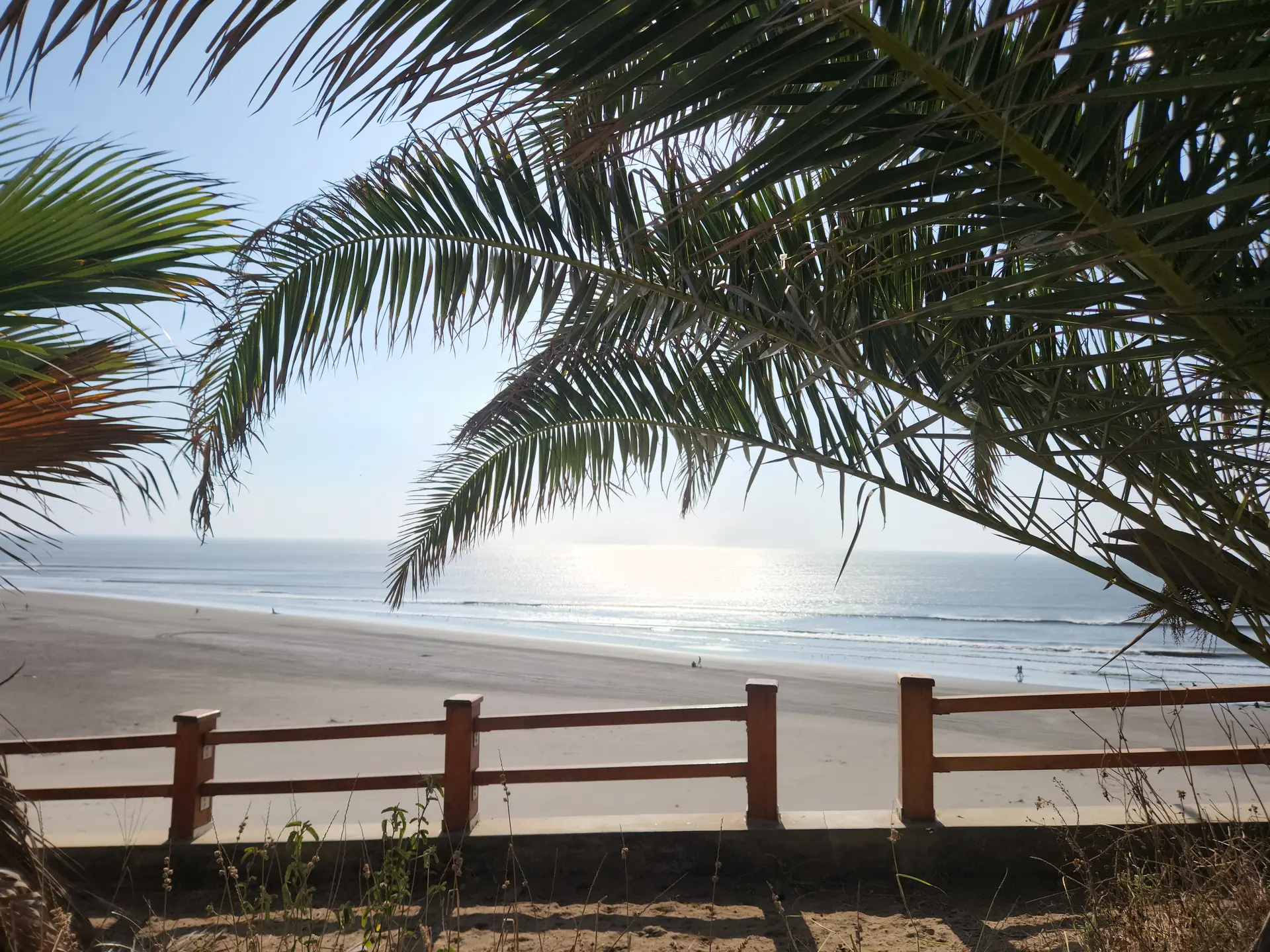
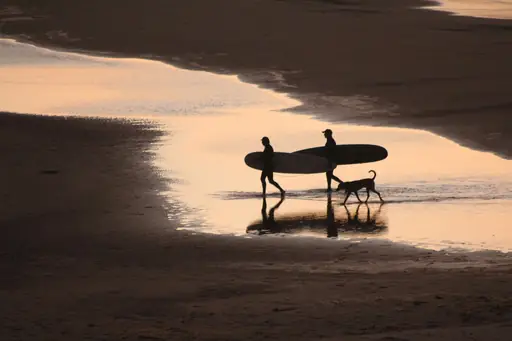
Chicama in Peru presents a striking coastal landscape where arid plains meet the Pacific Ocean. The region’s wide sandy beaches stretch endlessly under bright skies. Waves roll gently onto shore creating calm waters ideal for swimming or watching surfers navigate steady swells. Local fishing villages dot the horizon adding cultural texture to the scenery.
The climate remains mild year round with temperatures rarely dropping below comfortable levels. Dry seasons bring clear skies while occasional breezes keep humidity low. This makes outdoor activities like walking along the sand or exploring nearby hills pleasant without feeling overheated. The area’s natural beauty includes rocky outcrops and salt flats visible from certain viewpoints.
Wildlife thrives here too. Seabirds glide above waves while occasional dolphins appear near the coast. Inland valleys host llamas grazing on dry grasses offering glimpses of traditional Andean life. Visitors can observe these scenes without disrupting natural habitats by sticking to marked paths and respecting local guidelines.
Travelers seeking quiet moments will find plenty here. Sunrise walks reveal soft sands and distant fishing boats moving slowly across the water. Afternoons often bring gentle winds perfect for kite flying or simply relaxing under a palm umbrella. The pace of life encourages visitors to slow down notice details like shifting sand patterns or the sound of waves against rocks without rushing.
Chicama, a coastal district in northern Peru, is accessible primarily by road from Lima, the country’s capital. The journey takes approximately 4 to 5 hours via the Panamericana Norte highway, which connects major cities and towns along the Pacific coast. Public transportation includes buses departing from Lima’s Terminal de Buses Surco, with frequent services reaching Chicama’s main town and nearby beaches such as Playa Blanca. For travelers preferring private transport, rental cars or guided tours are available in Lima. The region is also accessible by air, with limited domestic flights to nearby airports like Puerto Eten, though road travel remains the most common method due to proximity to coastal routes.
Chicama’s accommodation scene blends rustic charm with modern comfort. Most visitors choose beachfront cabanas that offer simple, airy rooms overlooking the surf, often equipped with basic amenities and a communal kitchen area. For those seeking more privacy, boutique hostels provide shared dorms or private rooms in eco‑friendly settings, featuring local décor and organic food options. Mid‑range hotels line the coast, offering larger suites, on‑site restaurants and optional surf lessons. Luxury travelers can find boutique resorts that combine high‑end furnishings with panoramic ocean views, often including spa services and gourmet dining. The town’s popularity among surfers has fostered a vibrant community of surf camps and yoga retreats, each catering to different budgets while maintaining a relaxed, beach‑centric atmosphere.
Log in to add this place to a travel list and get a summary of all recommended items for your whole trip.
We calculate the average costs when travelling to destinations and compare those with the living costs at your home. With this you can get an estimate of how expensive or cheap the destination is for you.
To customise this, you can set up which location and price level are used for the calculations in your account settings.
The exchange rate price factor shows how expensive or cheap a currency currently is compared to its historical average. It's a quick way to see if a country is currently more or less affordable due to exchange rate changes.
