
Markets and street shopping in South America
Markets and street shopping in South America
Lively central markets and craft stalls in South America
South American markets are among the most compelling on earth, rooted in trading traditions that predate European arrival and shaped by centuries of cultural exchange since. They are places where indigenous ingredients, colonial influences, and contemporary food culture meet in a single space, and where the range of produce, colour, and activity can be genuinely overwhelming in the best possible way.
Food is the main event in most South American markets, and the variety reflects a continent of extraordinary agricultural richness. Exotic fruits, heritage grains, fresh herbs, and ingredients with no direct equivalent elsewhere sit alongside everyday produce and prepared dishes. Many markets also carry textiles and crafts that reflect the cultural identity of the region they serve.
The best market experiences here tend to involve slowing down and letting the place reveal itself. Arriving early, eating something from a stall, and spending time rather than moving quickly through makes an enormous difference. Many of the most memorable markets are in smaller towns rather than major cities, and are worth building a trip around.
Lists by region
Town in Ecuador
Otavalo
Coastal charm meets vibrant local culture
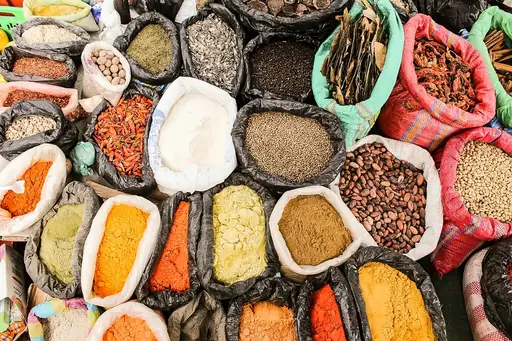
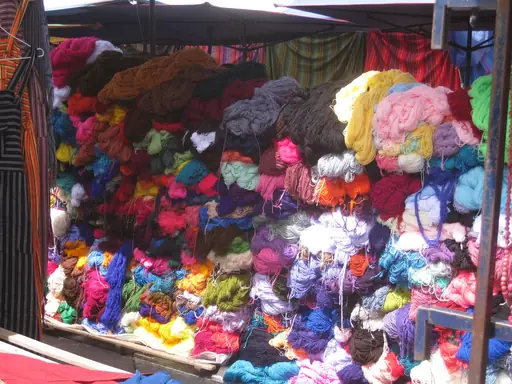
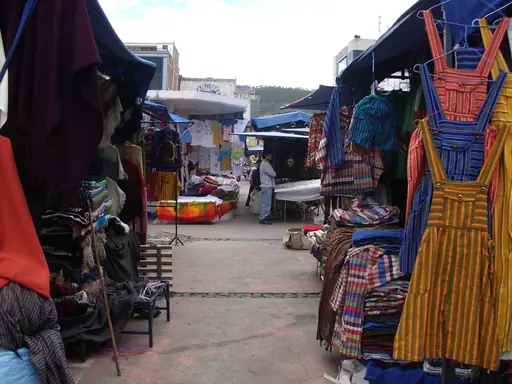
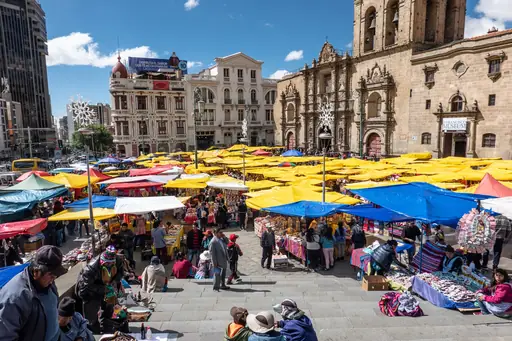
Otavalo Market ranks among the largest indigenous markets in South America, filling the Plaza de los Ponchos. Otavaleno vendors sell handwoven textiles, alpaca jumpers and ponchos dyed in vivid colours. Saturdays draw the biggest crowds, when thousands of sellers set up beneath the volcanoes. The textile trade here dates back to before the Inca expansion.
City in Bolivia
La Paz
Where Altitude Meets Adventure and Culture
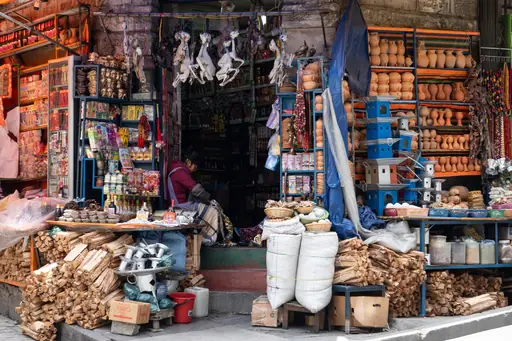
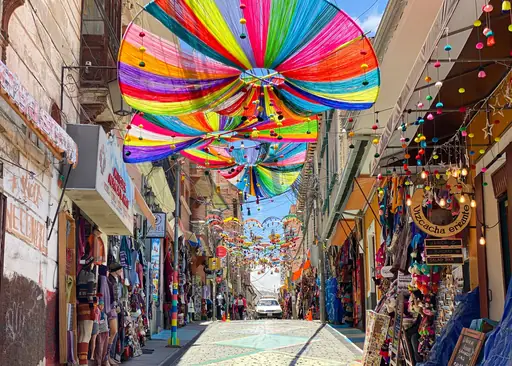
The Witches' Market sells potions, herbs and dried llama fetuses along steep streets in La Paz. Aymara vendors in bowler hats trade charms believed to bring luck to new homes. Alpaca jumpers and textiles fill stalls alongside the market's more unusual offerings. Mount Illimani looms in the distance, visible from several points along the street.
City in Colombia
Bogotá
Vibrant Culture in the Andean Highlands
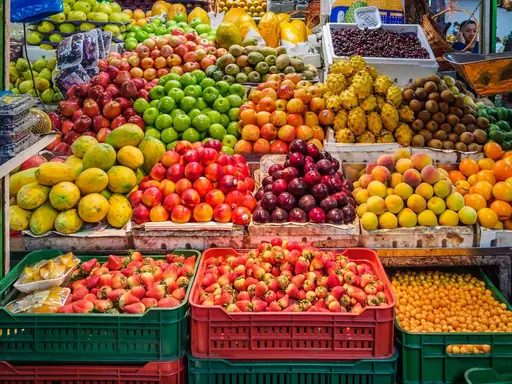
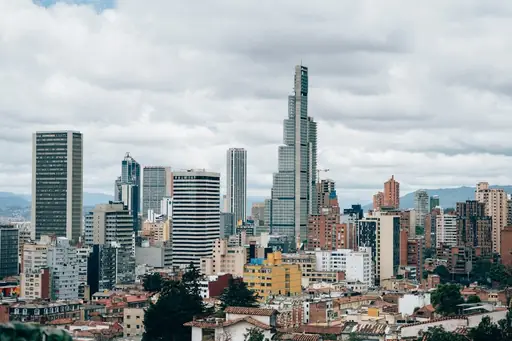
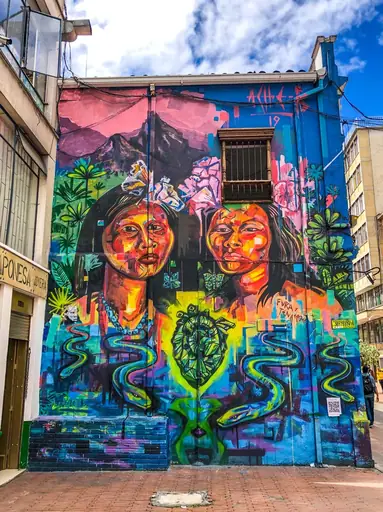
Paloquemao Market sells fresh produce, flowers and exotic fruit across a sprawling hall in Bogota. Vendors stack piles of lulo, granadilla and other Andean fruit rarely seen outside Colombia. Flower stalls supply much of the city, drawing on Colombia's status as a top exporter. Juice bars scattered throughout blend fresh fruit for browsing shoppers.


City in Brazil
Rio de Janeiro
The heartbeat of Brazil's coast
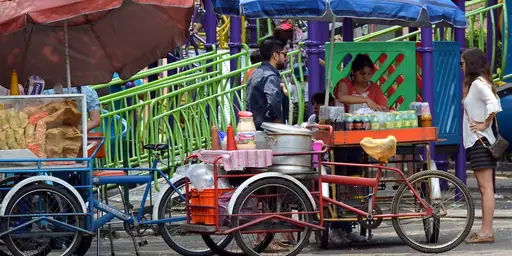
Feira de Sao Cristovao gathers vendors from Brazil's northeast to sell food, crafts and music in Rio. Forro bands play live throughout the covered hall as shoppers browse hammocks and leather goods. Regional dishes like carne de sol and tapioca crepes draw crowds. The market runs around the clock at weekends, drawing locals and visitors.
City in Argentina
Salta
Colonial Charm and Andean Landscapes
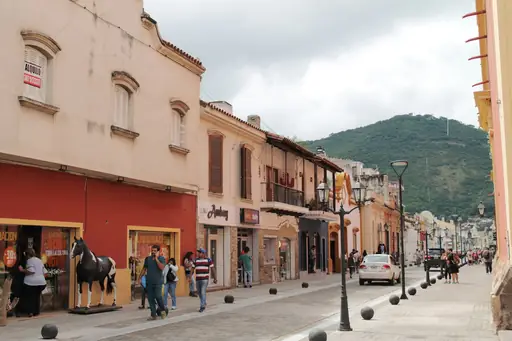
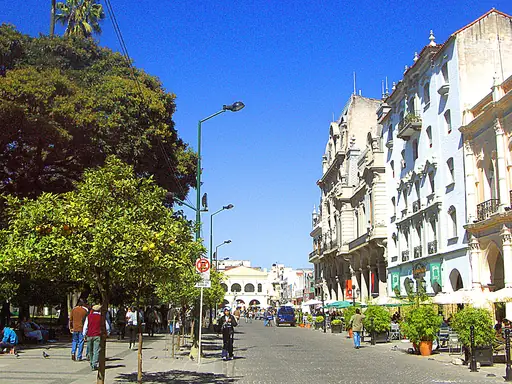
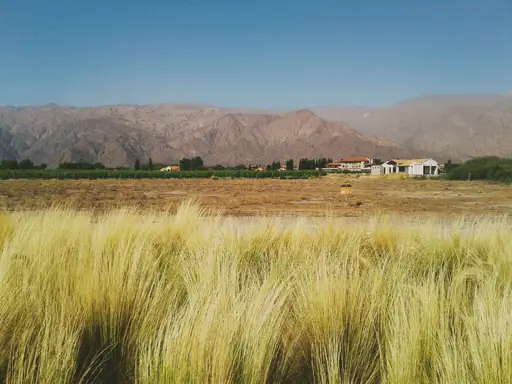
Mercado San Miguel sells produce, cheese and regional specialities beneath a covered hall in northern Argentina's Salta. Vendors trade in tamales, empanadas and llama meat sourced from the surrounding Andean highlands. Craft stalls nearby sell ponchos and silver jewellery influenced by the region's indigenous communities. Wine sellers throughout offer bottles from the nearby Cafayate vineyards.
City in Chile
Santiago
A vibrant city between mountains
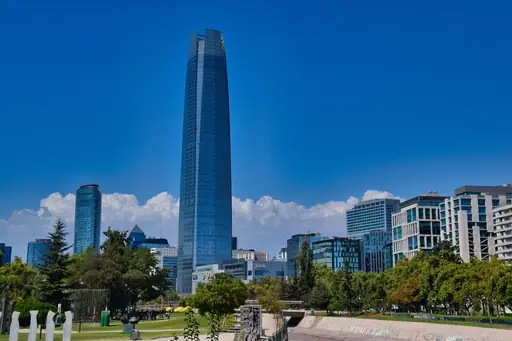
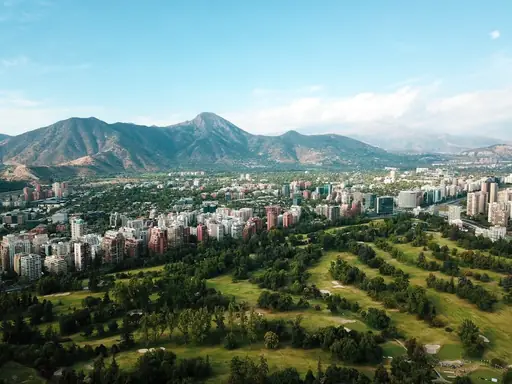
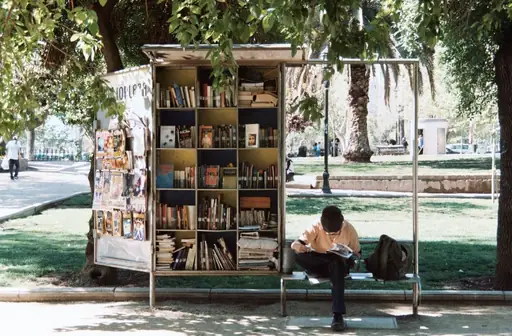
Santiago's Mercado Central sells fresh seafood beneath a wrought-iron roof imported from England in the 1870s. Vendors trade in conger eel, sea urchin and other Pacific catch pulled fresh daily. La Vega Market across the river adds produce and a more local, less touristy feel. Seafood restaurants inside serve the day's catch to lunchtime crowds.

City in Brazil
São Paulo
A vibrant mix of culture and cuisine
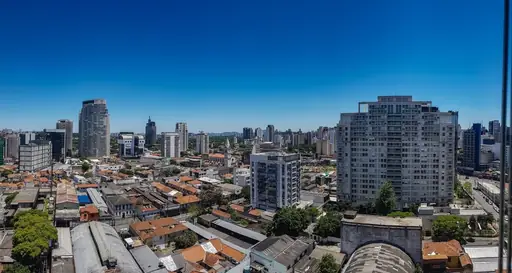
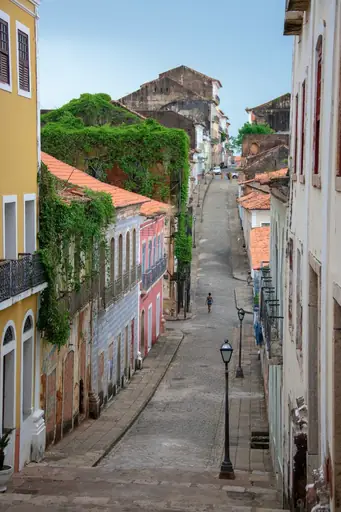
Mercado Municipal sells fresh produce, spices and cured meats beneath stained-glass windows in central Sao Paulo. Vendors serve the mortadella sandwich, a local speciality piled high at counters. Exotic fruit stalls sell varieties rarely found outside Brazil's diverse growing regions. The building's Art Nouveau architecture draws visitors as much as its food stalls do.
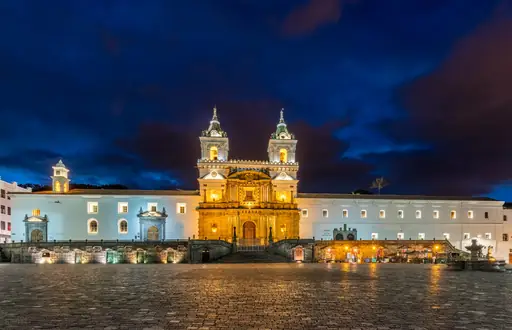
City in Ecuador
Quito
Andean Charm Meets Colonial Splendor
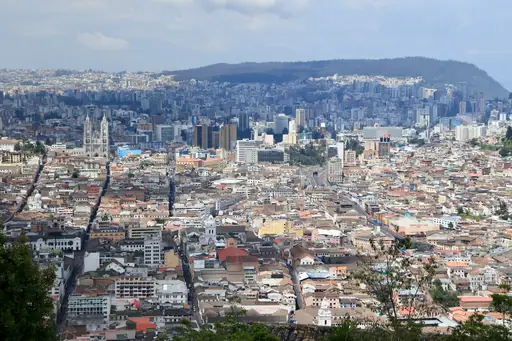
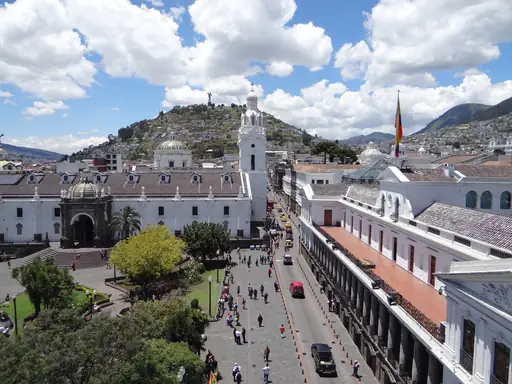
Quito's central market sells fresh produce, meat and traditional dishes beneath a covered hall in the historic centre. Vendors trade in Andean potatoes, fresh juices and roasted guinea pig, a local delicacy. La Floresta's weekend market nearby adds crafts and organic produce to the mix. Breakfast stalls serve tamales and hot chocolate to early-morning shoppers.
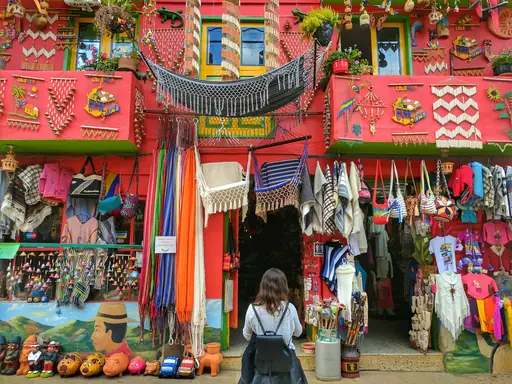
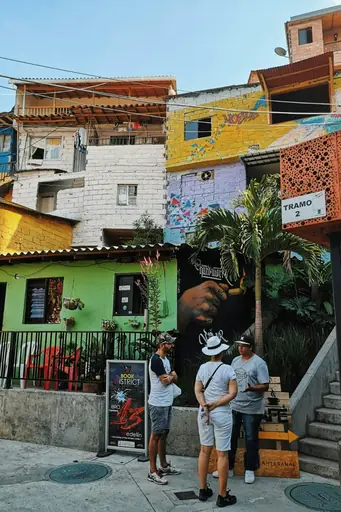
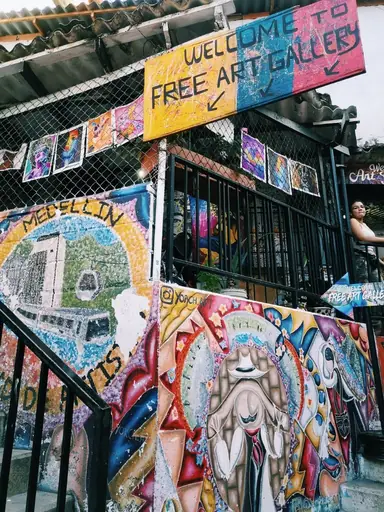
City in Colombia
Medellín
The City of Eternal Spring
Plaza Minorista sells fresh produce, flowers and household goods across a sprawling market in Medellin. Vendors trade in tropical fruit varieties rarely found outside Colombia's growing regions. Mercado del Rio nearby offers a more upscale food hall with gourmet stalls. Both markets give visitors a taste of the city's shift from industry to food culture.
City in Peru
Cusco
Gateway to the Incan Empire's Heart
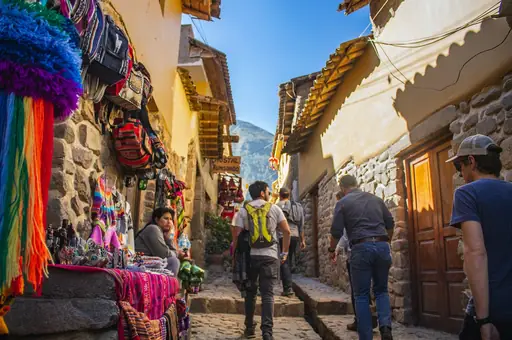
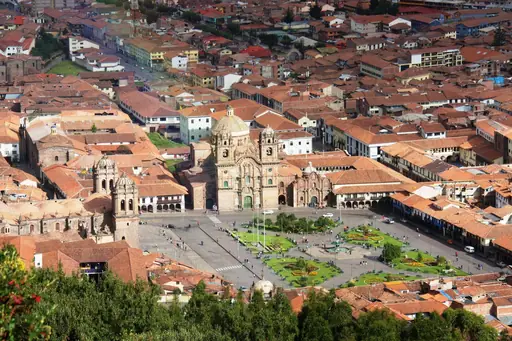
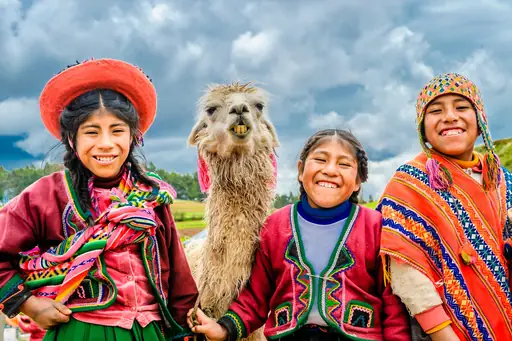
San Pedro Market sells produce, textiles and local delicacies beneath an iron roof near Cusco's centre. Vendors trade in coca leaves, alpaca jumpers and fresh juice blended to order. Meat and cheese stalls fill one wing, while flower vendors work in others. Breakfast stalls serve caldo de gallina, a chicken soup popular with early risers.
City in Colombia
Cartagena
Walled city of Caribbean color
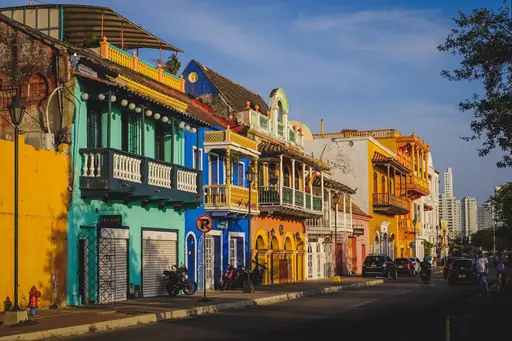
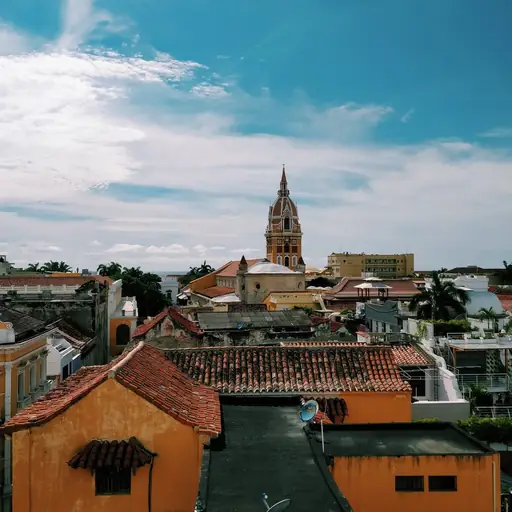
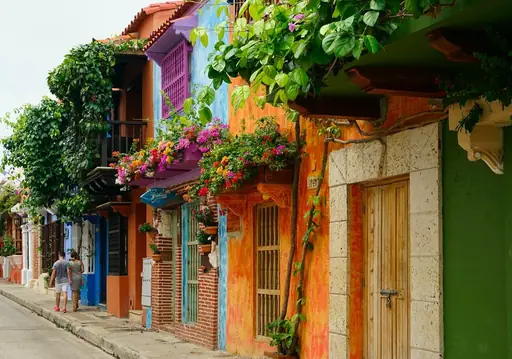
Mercado de Bazurto sells fish, produce and spices across a chaotic market on Cartagena's outskirts. Vendors trade in coconut rice ingredients, tropical fruit and fresh seafood from nearby waters. Street food stalls serve arepas and empanadas to shoppers navigating the crowded aisles. Few tourists venture here, making it one of the city's authentic spots.
City in Peru
Lima
Historic Charm Meets Coastal Vibes
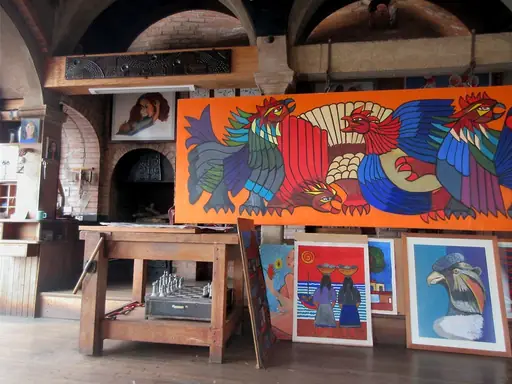
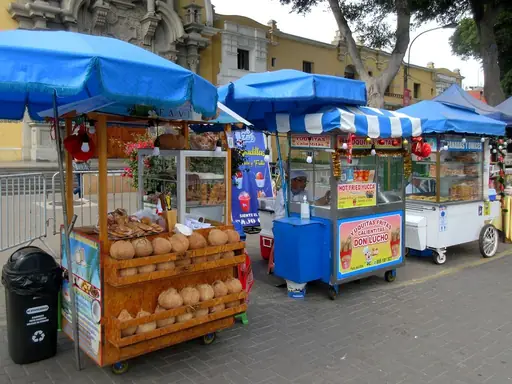
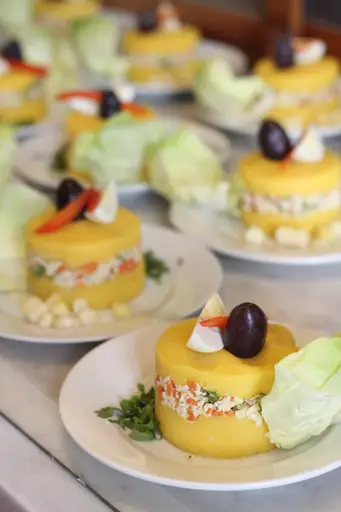
Lima's Mercado Central sells fresh seafood, produce and spices across a dense grid of stalls downtown. Vendors trade in ceviche ingredients, from limes to fresh fish, pulled from the Pacific. Surquillo Market nearby draws chefs shopping for Peru's diverse regional produce. Chinatown sits within walking distance, adding noodle shops and Asian grocers to the mix.
Other lists you may like
Discover
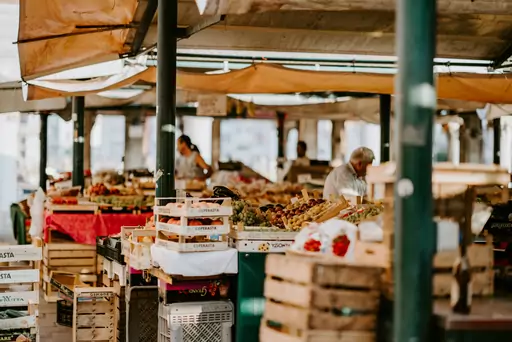
Best market destinations and street shopping
Markets are one of the most direct ways into the everyday life of a place. Where supermarkets and shopping centres smooth over local difference, a good market reflects the climate,…
Read more
Discover
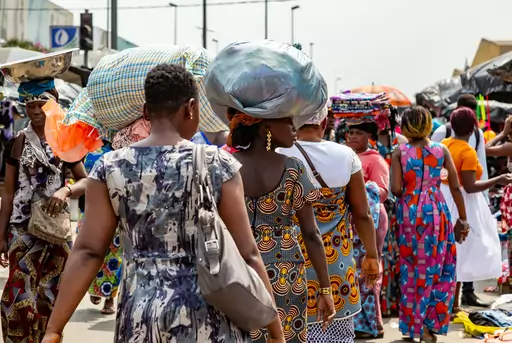
Markets and street shopping in Africa
North Africa's medina markets trade in spices, textiles and crafts within layouts that have changed little for centuries, often built around a single old quarter at the heart of…
Read more
Discover
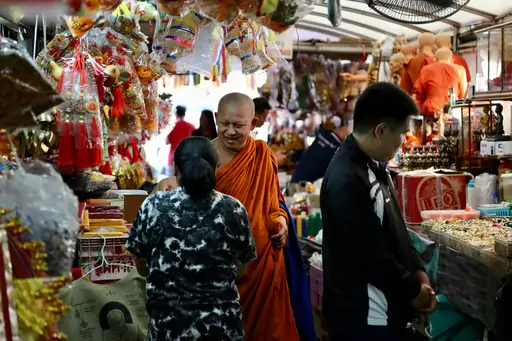
Markets and street shopping in Asia
Asia has some of the most extraordinary market cultures on earth, shaped by thousands of years of trade and an extraordinary diversity of produce, cuisine, and craft traditions.…
Read more
Discover
Markets and street shopping in Europe
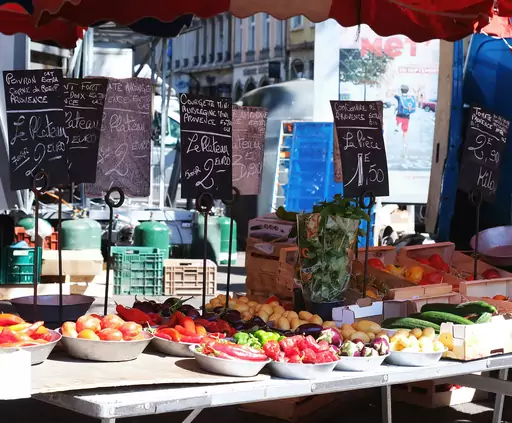
Europe has a long and serious market tradition, from the medieval trading halls of northern cities to the sprawling weekly markets of the Mediterranean south. Markets here are…
Read more
Discover
Markets and street shopping in North America
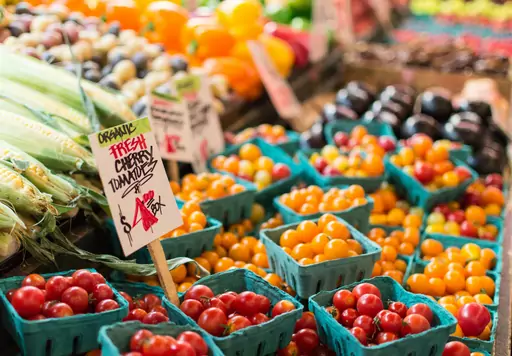
North America's market culture is younger than in many parts of the world, but it has developed a distinct character and energy that makes it worth seeking out. The farmers market…
Read more
Discover
Markets and street shopping in Oceania
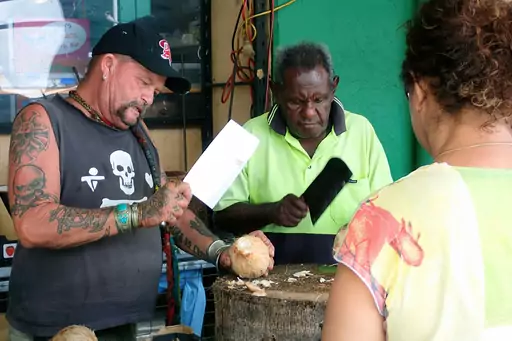
Oceania has a market culture that reflects the region's extraordinary agricultural diversity and its mix of indigenous, European, and Asian influences. At their best, markets here…
Read more
What other users say about travelfilters
“travelfilters made it easy for me to find ski areas and compare what else they offer, so that I could find the best place for my personal travel style.”

Chris
Snowboarding & Onsen trip to Japan
“I love how transparent the data feels. There is no pushy upsell, just honest information and settings I can tune to my own travel style.”

Maria
After booking her 2027 winter escape
“The level of detail for each destination and how well those are displayed, make planning feel confident instead of overwhelming.”

Mina
Planned a week in New York City
“We used travelfilters for our planning from start to end. The trip turned out even better than expected, thanks to all their tools and customisation options.”

Allan & Etienne
Trip to Japan to see autumn foliage
“Thanks to travelfilters, I found some hidden gems to see. Being able to filter for exactly your interests is a game changer for my travel planning.”

Michael
Tour through the old cities of Northern Italy
“The customizable filters helped me find a quiet beach town with good wifi and low season crowds in under five minutes.”

Diego
Weekend Escape to Llanes, Spain
“The airport connection map saved me hours by showing good flight options from my home airport to lesser-known cities.”

Nguyen
Planning a 2027 trip to France
“The website is clean, fast and focused on the search itself, which makes travelfilters feel more like a professional tool than an ad-heavy booking site.”

Hassan
Christmas Market trip, Germany
