
Markets and street shopping in Africa
Markets and street shopping in Africa
Vibrant open-air bazaars and traditional artisan markets in Africa
North Africa's medina markets trade in spices, textiles and crafts within layouts that have changed little for centuries, often built around a single old quarter at the heart of the city. West Africa's markets add a louder, equally compelling alternative further south, built around fresh produce and daily trade rather than tourism.
The destinations on this list range from ancient walled markets with centuries of continuous trading history to large open-air markets built around fresh produce, textiles and crafts. Some operate daily, while others run only on specific market days each week.
Going early and expecting to negotiate tends to make for a considerably better experience across most of the continent's market culture, where fixed pricing is rarely the norm and the process is as much social ritual as negotiation.
Lists by region

City in Morocco
Marrakech
A vibrant maze of colors and spices
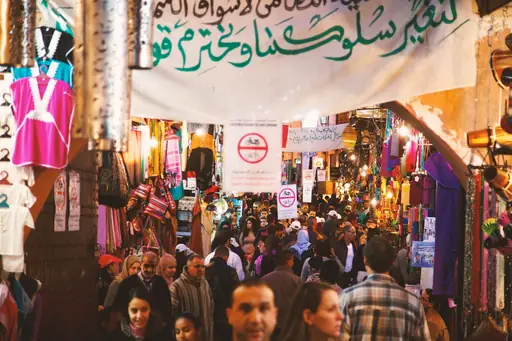
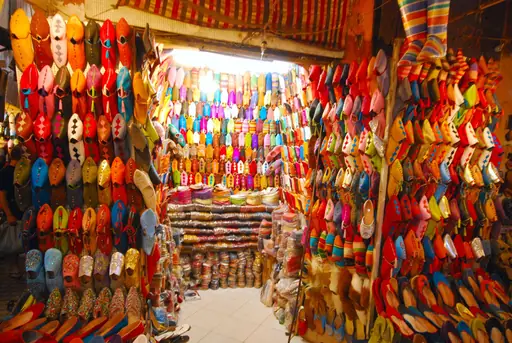
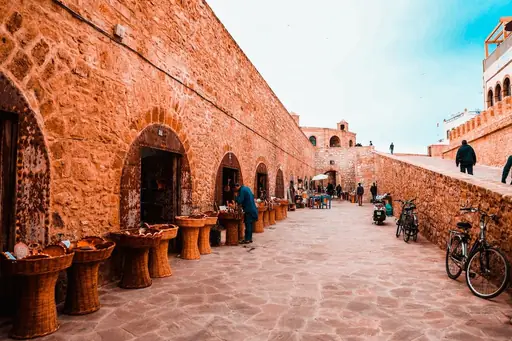
Jemaa el-Fnaa transforms from a quiet square by day into a chaotic open-air stage each evening. Snake charmers, storytellers and food stalls fill the square as the sun sets. Souks radiating outward sell spices, lanterns, leather goods and hand-woven carpets. Haggling is expected throughout the maze of covered alleyways nearby.
City in Morocco
Essaouira
Atlantic Breeze, Blue Medina, Bohemian Vibe
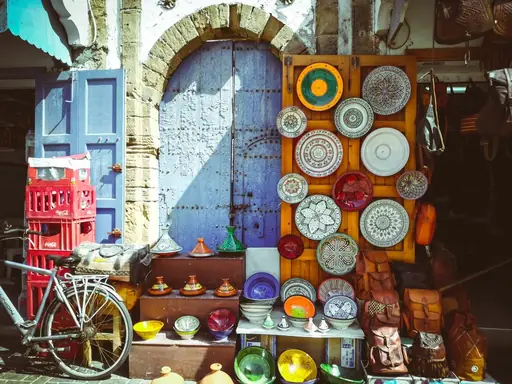
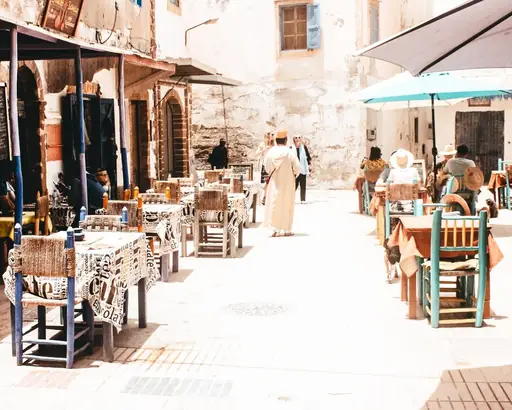
Essaouira's fishing port sells the day's catch straight off wooden boats each morning. The medina's souks specialise in thuya wood carvings and argan oil pressed by local cooperatives. Blue-and-white fishing boats crowd the harbour just beyond the market stalls. Seagulls circle overhead as fishmongers grill fresh sardines at makeshift stands nearby.

City in Ethiopia
Addis Ababa
Vibrant capital where history meets modernity
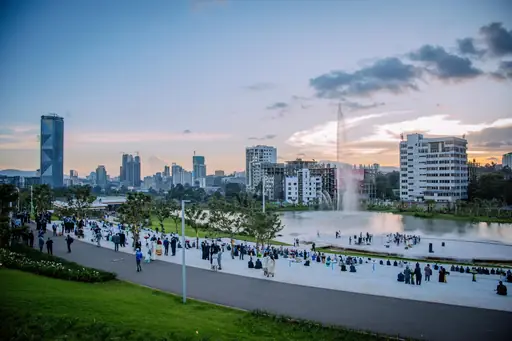
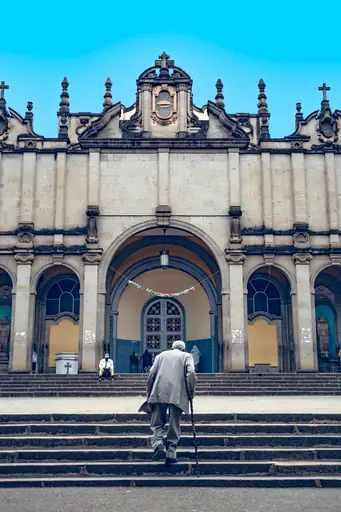
Mercato spans several square miles of Addis Ababa, making it Africa's largest open-air market. Distinct sections sell coffee, spices, electronics and scrap metal within a maze of narrow alleys. Over one hundred coffee merchants alone hawk beans from different growing regions. No map covers the market well, so visitors often navigate by scent.
City in Morocco
Tangier
Gateway of Cultures, Sea and Stories
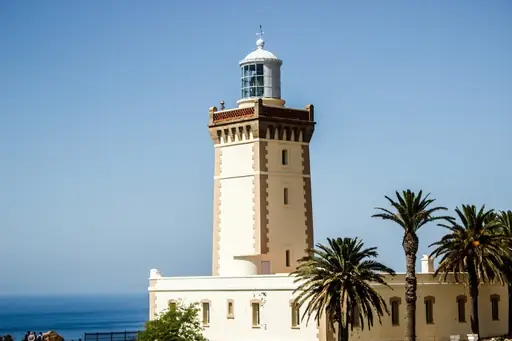
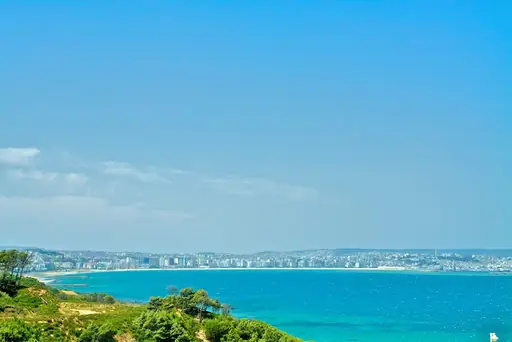
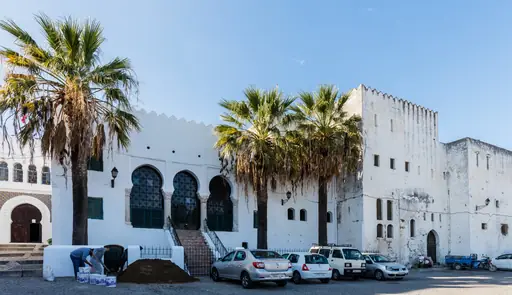
The Grand Socco marks the entrance to Tangier's old medina, ringed by cafes and flower stalls. Narrow lanes inside sell spices, leather goods and antiques. The Petit Socco, a smaller square deeper in the medina, once drew writers during the city's international era. Fishing boats unload the catch at the port each morning.
City in Morocco
Casablanca
Modern Vibes and Rich Traditions
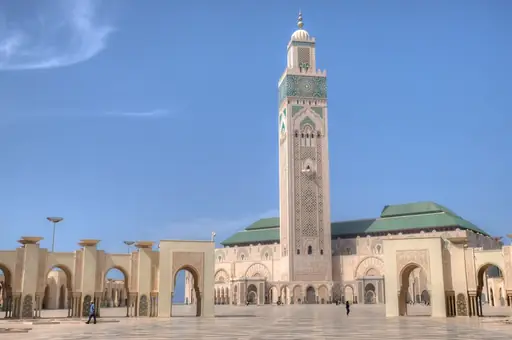
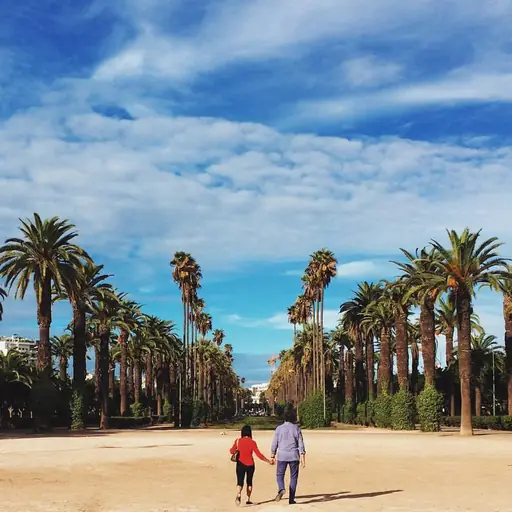
The Habous Quarter recreates a traditional medina with wide, orderly streets built by the French in the 1930s. Bakeries here sell fresh bread and pastries alongside shops with leather goods and spices. Casablanca's Central Market offers fresh seafood just steps away. Modern malls elsewhere in the city contrast with the quarter's old-world design.
Country
Nigeria
Diverse cultures meet tropical landscapes
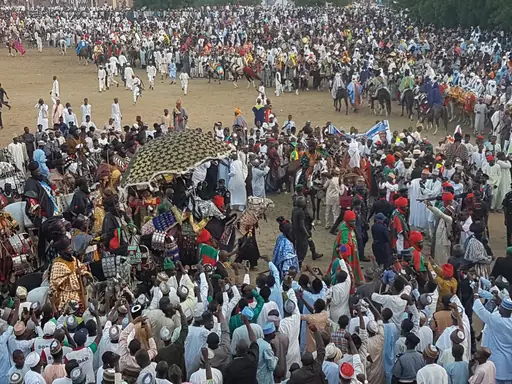
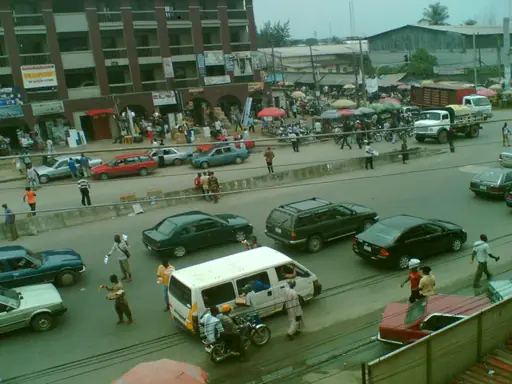
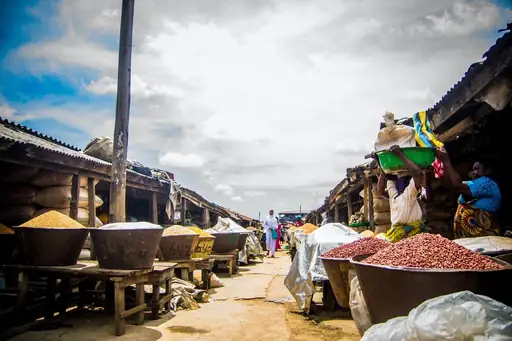
Balogun Market on Lagos Island ranks among West Africa's largest textile markets, spread across a maze of streets. Vendors sell Ankara prints, lace and damask fabrics in endless rows of stalls. Individual streets specialise in specific goods, from lace to electronics. Tailors nearby can turn fresh fabric into custom clothing within a day or two.
City in Kenya
Mombasa
Swahili Coasts Meet Sun-Soaked Shores
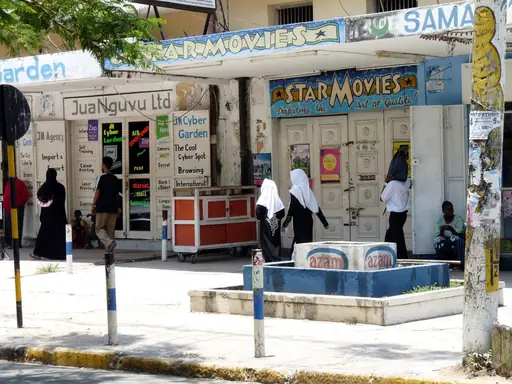
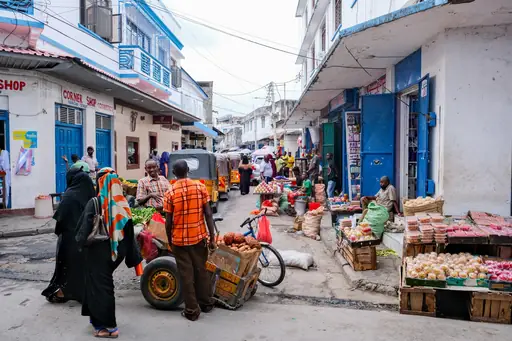
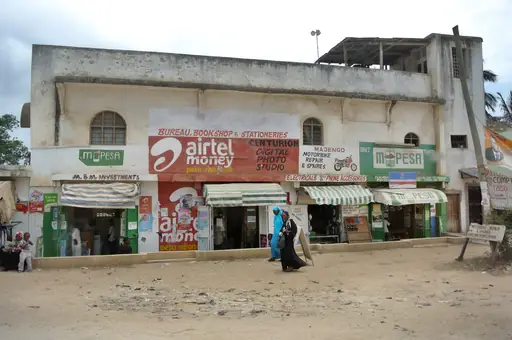
Mombasa's Old Town markets blend Swahili, Arab and Indian influences along narrow, winding streets. Spice stalls sell cloves, cardamom and cinnamon grown on nearby plantations. Carved wooden doors and coral stone buildings frame the market's historic core. Fresh seafood stalls near the harbour sell the morning's catch straight off fishing boats.
City in Egypt
Cairo
Where ancient history meets bustling life
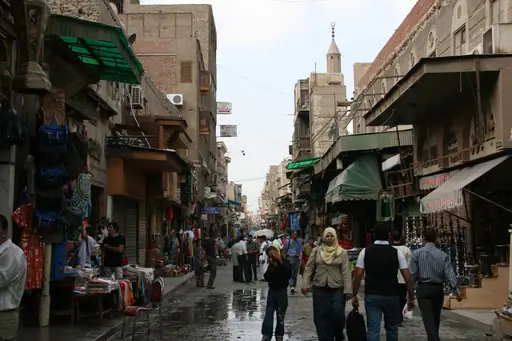
Cairo's markets range from ancient bazaars to sprawling modern souks selling everything from spices to electronics. Attaba Market near downtown draws crowds for cheap clothing and household goods. Nile-side stalls sell papyrus paintings and alabaster carvings aimed at tourists. Street vendors sell roasted sweet potatoes and sugarcane juice on nearly every corner.
City in Morocco
Fez
Labyrinthine Medina, Living Moroccan Heritage
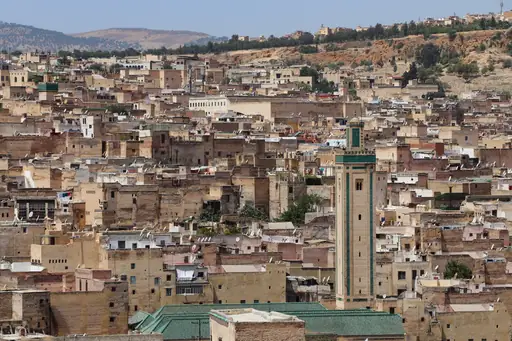
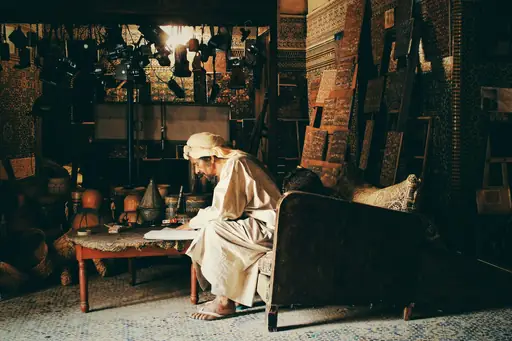
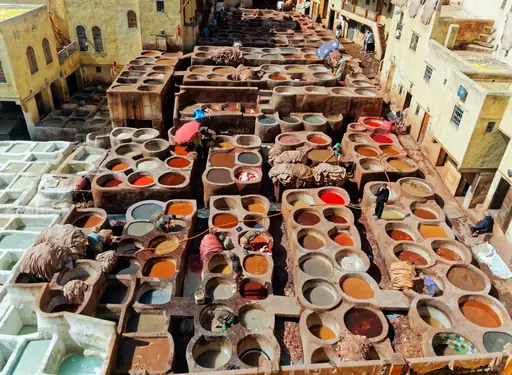
The Chouara Tannery in Fez has dyed leather using the same methods since the 11th century. Hides soak in stone vats of pigeon droppings and dyes from poppy, indigo and saffron. Visitors climb to rooftop terraces and hold mint sprigs against the strong smell below. Nearby shops sell bags, jackets and traditional slippers called babouches.
City in Ghana
Accra
Vibrant Culture and Coastal Charm
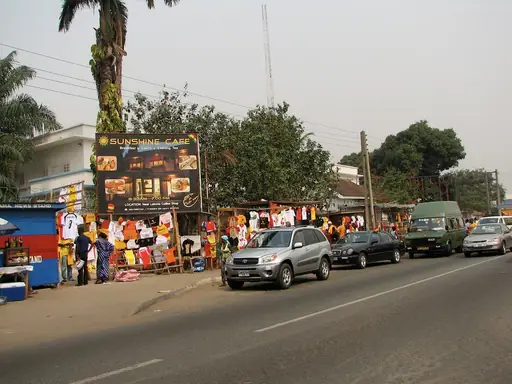
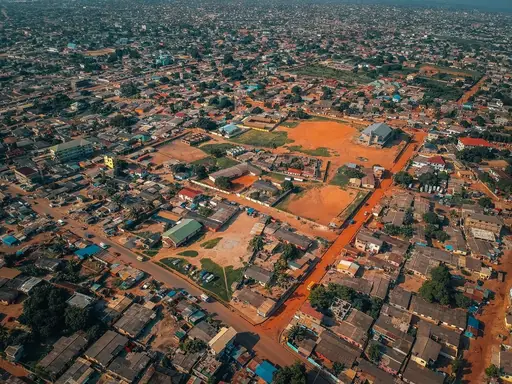
Makola Market spreads across central Accra in a dense grid of stalls selling fabric, produce and household goods. Traders balance baskets of tomatoes and plantains on their heads while weaving through crowds. Wax print cloth in bold patterns fills entire sections of the market. Bargaining is expected. Prices often drop once a shopper walks away.
City in Tanzania
Zanzibar City
Stone Town’s Spice-Scented Labyrinth
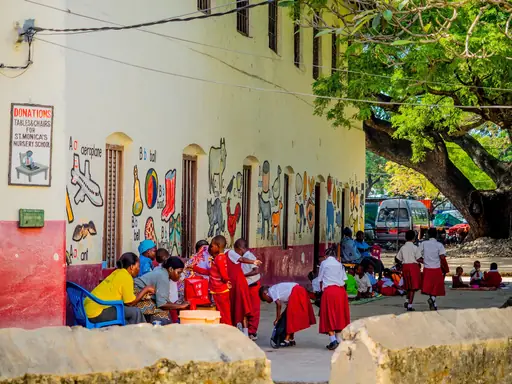
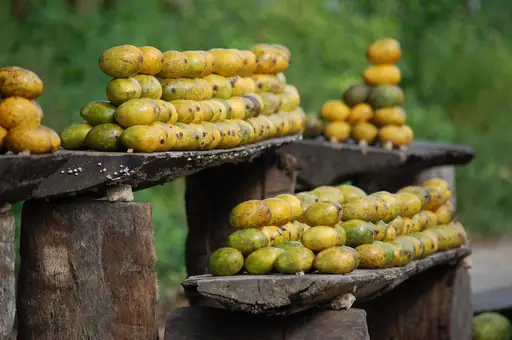
Darajani Market has served as Stone Town's main bazaar since a brick building went up there in 1904. Stalls sell spices, fresh fish and produce beneath a covered, tin-roofed hall. Kanga Street nearby sells the colourful printed fabrics worn across East Africa. Morning visits offer the freshest catch, while afternoons bring a calmer pace.
City in Tunisia
Tunis
Where Ancient Meets Vibrant Modernity
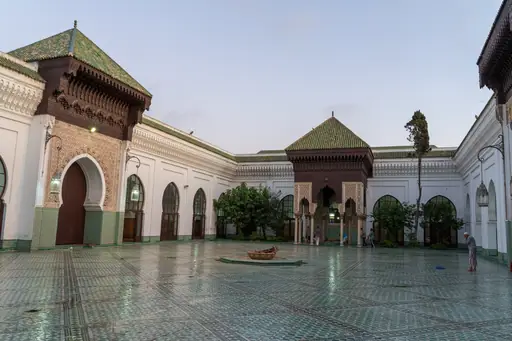
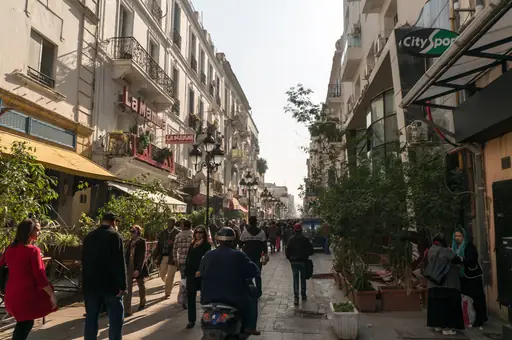
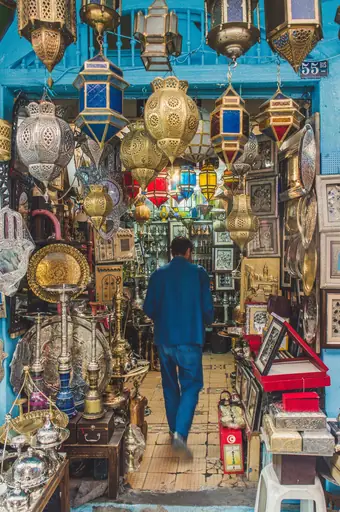
The Medina of Tunis holds one of North Africa's oldest and largest covered souks, dating to the 7th century. Separate sections specialise in perfume, gold, leather and chechia hats. The Zaytuna Mosque anchors the market's historic core, one of the region's oldest. Copper trays and ceramic tagines fill many of the narrow, vaulted passageways.
City in Morocco
Rabat
A Hidden Gem with Royal Flair
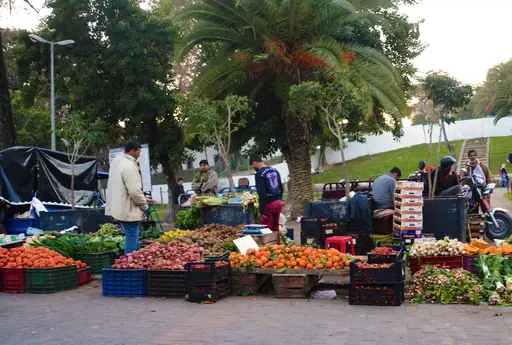
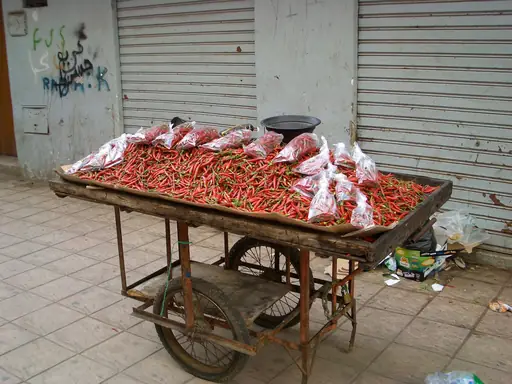
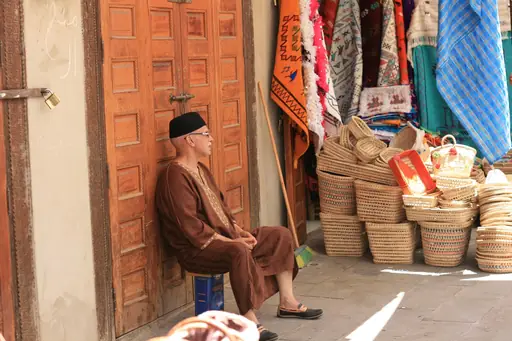
Rabat's medina souks sell spices, ceramics and handwoven textiles along narrow, whitewashed streets. The nearby Kasbah of the Udayas adds blue-and-white alleyways overlooking the Atlantic coast. Vendors near Bab er-Rouah gate sell leather goods and traditional Moroccan slippers. A quieter pace here contrasts with the busier souks of Marrakech or Fez.

City in Kenya
Nairobi
Where urban life meets wild adventures
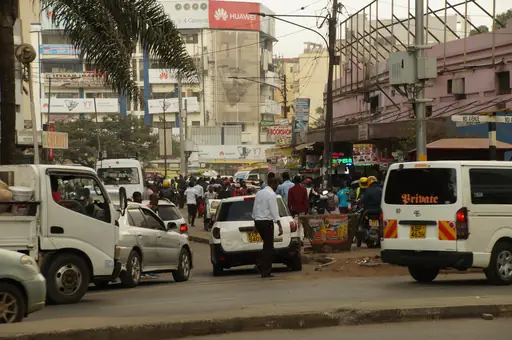
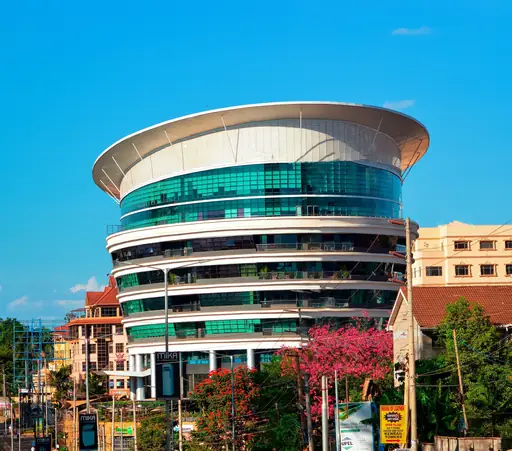
The Maasai Market rotates locations across Nairobi, setting up with beadwork, carvings and textiles for a single day. Vendors display Maasai jewellery, batik fabric and soapstone sculptures across rows of tarps. City Market downtown offers a more permanent setting for similar crafts. Bargaining is standard practice, often starting well below the asking price.
Marketplace in Cairo
Khan el-Khalili
Vibrant Historic Bazaar Bustling
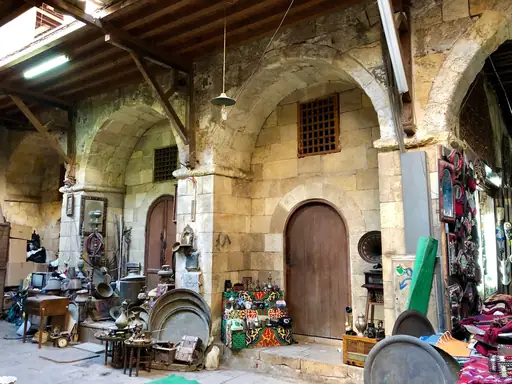
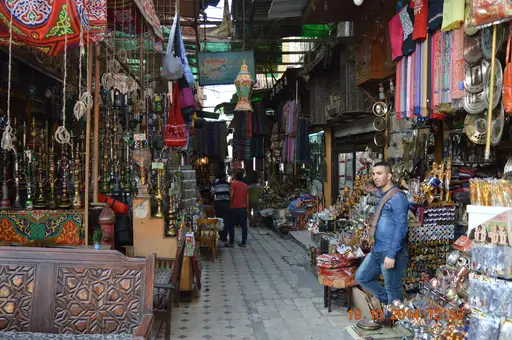
Khan el-Khalili has traded gold, spices and textiles in Cairo's old quarter since the 14th century. Narrow alleyways wind past copper lamps, perfume bottles and stacks of woven rugs. Shopkeepers expect haggling. Prices can drop with a bit of back and forth. Fishawi's, one of Cairo's oldest coffeehouses, sits at the market's edge.
Other lists you may like
Discover
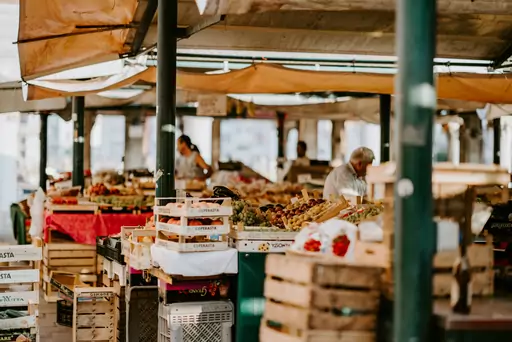
Best market destinations and street shopping
Markets are one of the most direct ways into the everyday life of a place. Where supermarkets and shopping centres smooth over local difference, a good market reflects the climate,…
Read more
Discover
Markets and street shopping in Asia
Asia has some of the most extraordinary market cultures on earth, shaped by thousands of years of trade and an extraordinary diversity of produce, cuisine, and craft traditions.…
Read more
Discover
Markets and street shopping in Europe
Europe has a long and serious market tradition, from the medieval trading halls of northern cities to the sprawling weekly markets of the Mediterranean south. Markets here are…
Read more
Discover
Markets and street shopping in North America
North America's market culture is younger than in many parts of the world, but it has developed a distinct character and energy that makes it worth seeking out. The farmers market…
Read more
Discover
Markets and street shopping in Oceania
Oceania has a market culture that reflects the region's extraordinary agricultural diversity and its mix of indigenous, European, and Asian influences. At their best, markets here…
Read more
Discover
Markets and street shopping in South America
South American markets are among the most compelling on earth, rooted in trading traditions that predate European arrival and shaped by centuries of cultural exchange since. They…
Read more
What other users say about travelfilters
“travelfilters made it easy for me to find ski areas and compare what else they offer, so that I could find the best place for my personal travel style.”

Chris
Snowboarding & Onsen trip to Japan
“I love how transparent the data feels. There is no pushy upsell, just honest information and settings I can tune to my own travel style.”

Maria
After booking her 2027 winter escape
“The level of detail for each destination and how well those are displayed, make planning feel confident instead of overwhelming.”

Mina
Planned a week in New York City
“We used travelfilters for our planning from start to end. The trip turned out even better than expected, thanks to all their tools and customisation options.”

Allan & Etienne
Trip to Japan to see autumn foliage
“Thanks to travelfilters, I found some hidden gems to see. Being able to filter for exactly your interests is a game changer for my travel planning.”

Michael
Tour through the old cities of Northern Italy
“The customizable filters helped me find a quiet beach town with good wifi and low season crowds in under five minutes.”

Diego
Weekend Escape to Llanes, Spain
“The airport connection map saved me hours by showing good flight options from my home airport to lesser-known cities.”

Nguyen
Planning a 2027 trip to France
“The website is clean, fast and focused on the search itself, which makes travelfilters feel more like a professional tool than an ad-heavy booking site.”

Hassan
Christmas Market trip, Germany
